

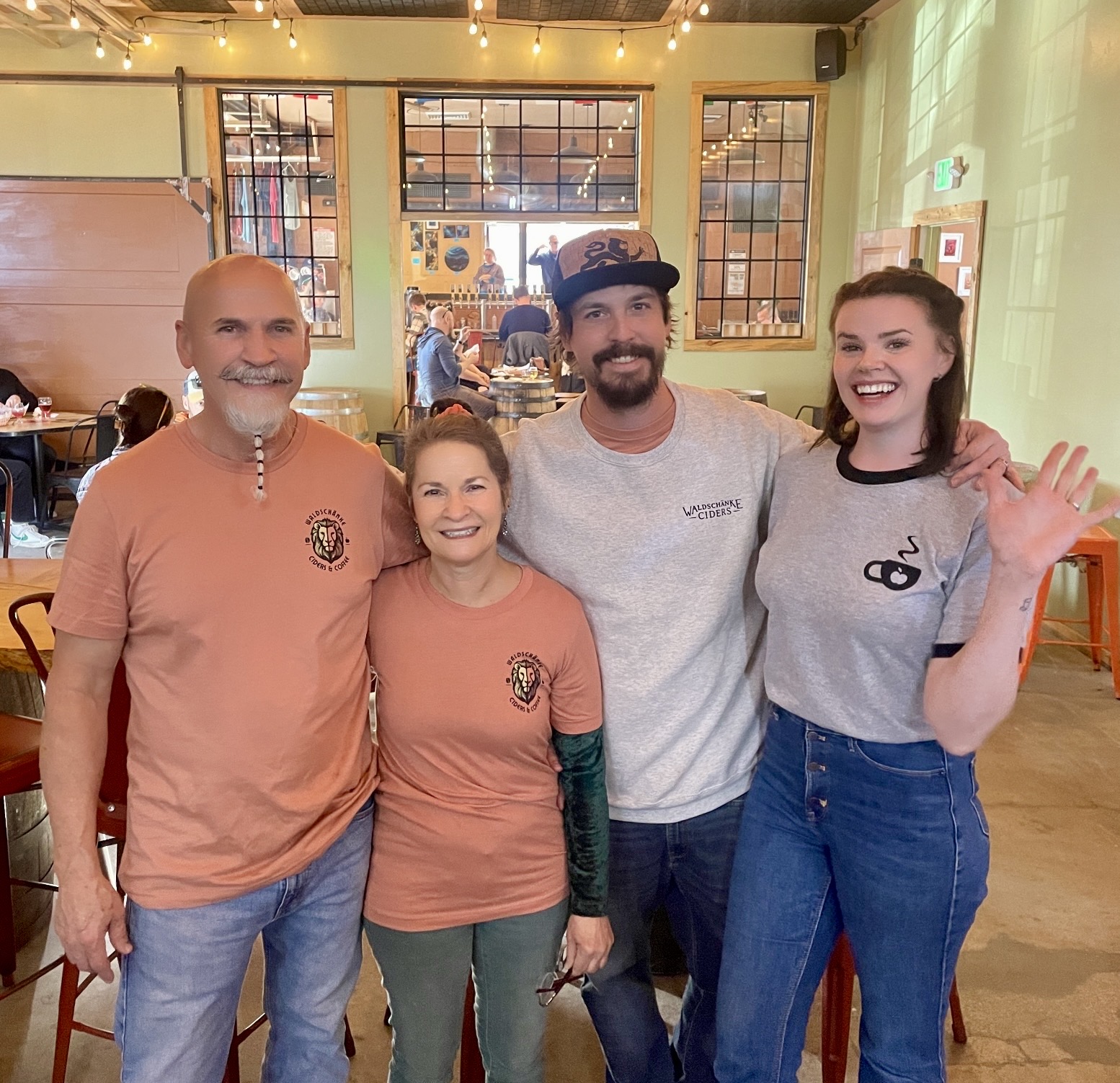

We’re excited to introduce you to the always interesting and insightful Kelley Dufresne. We hope you’ll enjoy our conversation with Kelley below.
Kelley, thanks for joining us, excited to have you contributing your stories and insights. Are you happier as a business owner? Do you sometimes think about what it would be like to just have a regular job?
The short answer is yes—but it’s a complicated yes.
I think most small business owners, if they’re being honest, wrestle with this question more often than they admit. When things go wrong, or when the challenges stack up so quickly that you barely have time to breathe, you inevitably wonder what it would feel like to just have a “regular job.” To clock in, clock out, and leave the work—and the worry—at work.
The last time I had that thought was earlier this year, when tariffs went into effect as minimum wage was rumored to be increased. On paper, those two things sound simple. In reality, for a business like ours—with 3 separate silos (coffee, food, cider) and eight employees on the payroll—they hit like waves during a storm.
I remember sitting down with my husband, Keane, and John, and Ruth (his parents and our business partners) going line by line through our numbers late one night. The taproom was quiet, the lights already off. The only sound was the hum of the cooler and the clicking of John’s pen, which was giving us answers we didn’t necessarily want. Of course we want our team to earn livable wages— they’re like family. But the math was the math, and it felt like trying to stretch a short blanket over a too-tall bed. Fix one corner, another pops loose.
Then came the tariffs. We either had to raise prices (which is always our last resort) or switch suppliers, which could change the flavor, look, and quality of products our community has come to love. It felt like being squeezed from every direction. At one point, I remember sighing and thinking, “What would it be like to just have a job I could walk away from at 5 PM?”
But the moment that thought enters my mind, the next one always follows: What else would I be doing?
Even before opening our cidery, I always had a nagging feeling that working for someone else would eventually make me miserable. I was raised by two fiercely independent and kind-hearted parents, and that kind of example gets into your bones. It makes you want to build something—something that belongs to you, something you can shape, something worth giving your whole heart to.
And the truth is, as glamorous as “owning your own business” sounds, if you’re doing it right, it’s one of the most grueling and challenging things a person can take on. It stretches you in ways you didn’t know were possible. But it is also deeply rewarding, deeply human, and often deeply beautiful. Every challenge feels like it forges you into someone stronger. We survived COVID. We survived construction scaffolding collapsing onto our building. We’ve navigated the strangest economy in a decade. Sometimes we joke that we picked a “great” time to start a business—but then we step back and recognize how tenacious we’ve become.
And what often pulls me back every time is our community.
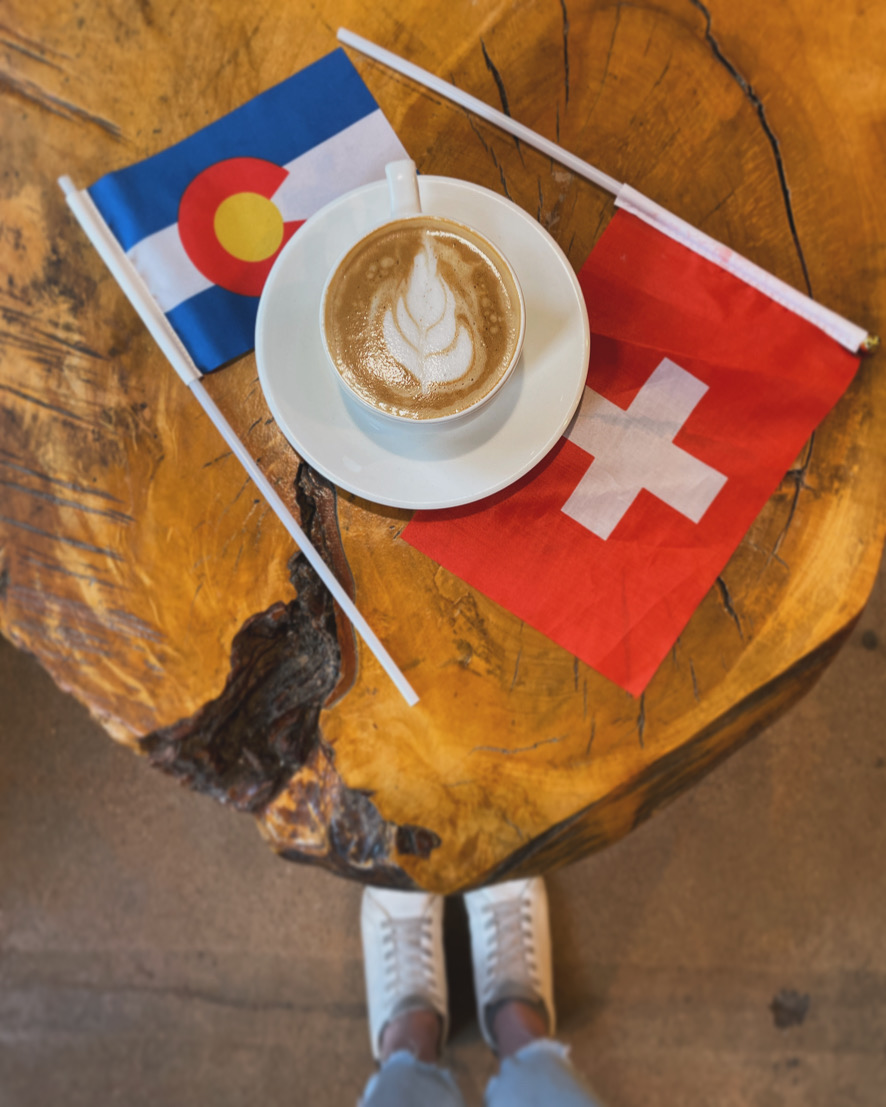
My husband’s Grandpa George built the original family cidery in Switzerland during WWII as a place for the village to gather—somewhere warm and hopeful during one of the darkest moments in history. When we opened our own cidery—just months before COVID hit—we didn’t realize how closely our story would mirror his. We created a place for neighbors to safely gather, breathe, connect, and take care of each other. And they took care of us too.
That’s something you don’t get in a “regular job.” You don’t get to witness how good people can be. You don’t get to build a space that becomes a small cornerstone of a neighborhood. You don’t get to watch friendships form, celebrations unfold, or whole communities knit themselves together over something you created.
So am I happier as a business owner?
Yes—but not because it’s easier. It’s harder than anything I’ve ever done. It’s challenged me more than anything I’ve ever taken on. But it has also shown me the best parts of humanity, of resilience, of connection—and of myself.
I don’t think I’d trade that for anything.
Kelley, before we move on to more of these sorts of questions, can you take some time to bring our readers up to speed on you and what you do?
Being raised by people who told me I could go anywhere and do anything, when I went to college, I of course created my own major. I’ve always been fascinated by how we as humans communicate, both emotionally and visually, which led me to study media/film, psychology, and philosophy. After college I worked in film, radio, graphic design, and social media—all fields that blended storytelling and human connection.
Those skills became essential when we opened Waldschänke. From day one, I wanted our brand to feel exactly like our taproom does: warm, authentic, and community-first. Because of the pandemic, our online presence had to build trust before people ever stepped inside. I filmed deep-cleans, turned safety protocols into lighthearted moments, and shared the behind-the-scenes reality of building something during a chaotic time. That authenticity is still central to who we are.
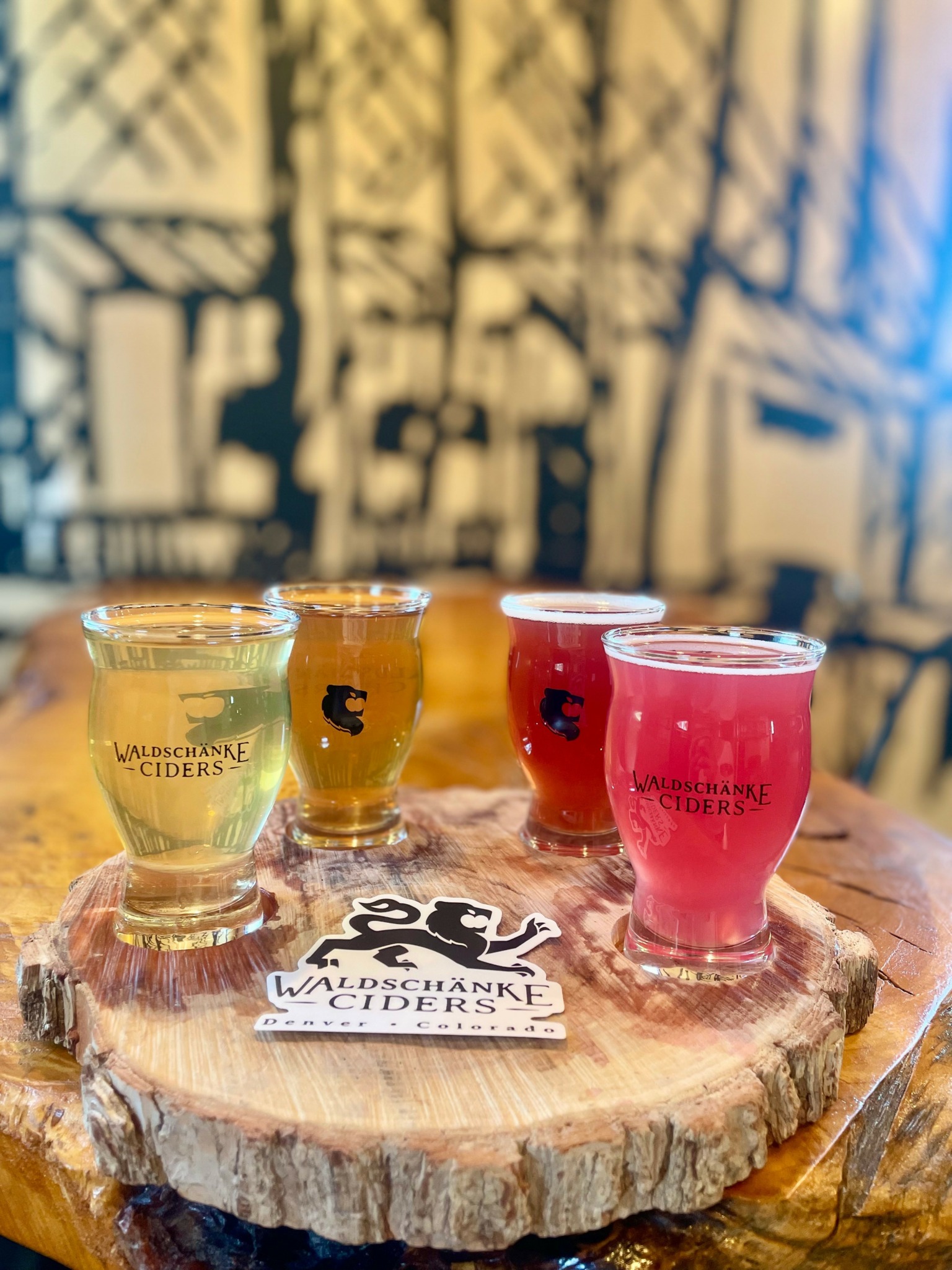
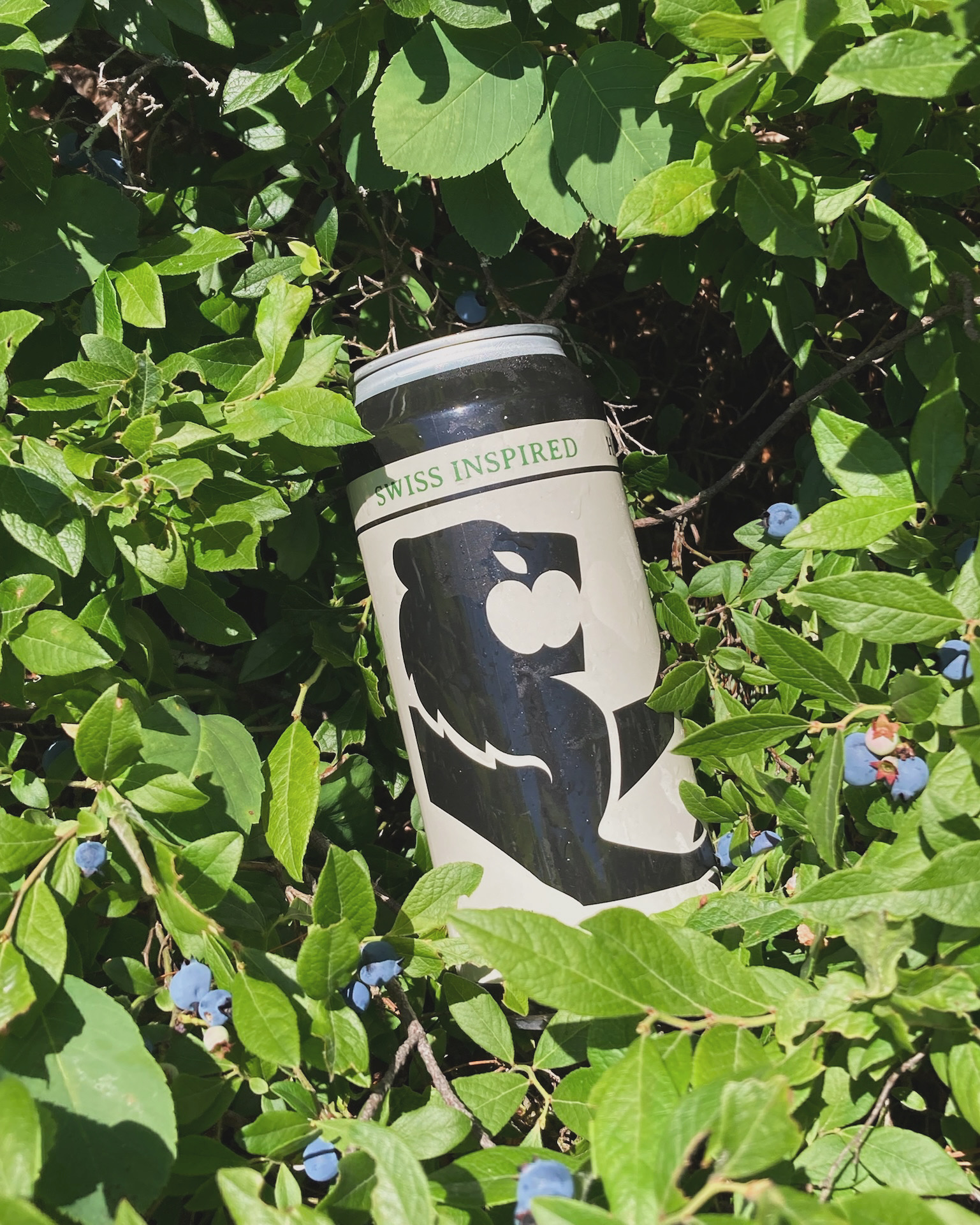
Our path into the craft beverage world began with my husband, Keane, who spent eight years in the beer industry after learning to make cider with his Grandpa George. When his father, John, approached us about opening a cidery, it felt like the right time to bring George’s tradition to Denver. Swiss-style cider—unfiltered, lightly carbonated, and far less sweet than most American ciders—became our foundation. From there we experiment with flavor, color, and process in small batches, from our classic Base Kamp to creative releases like Purple Rain (butterfly pea flower and sage).
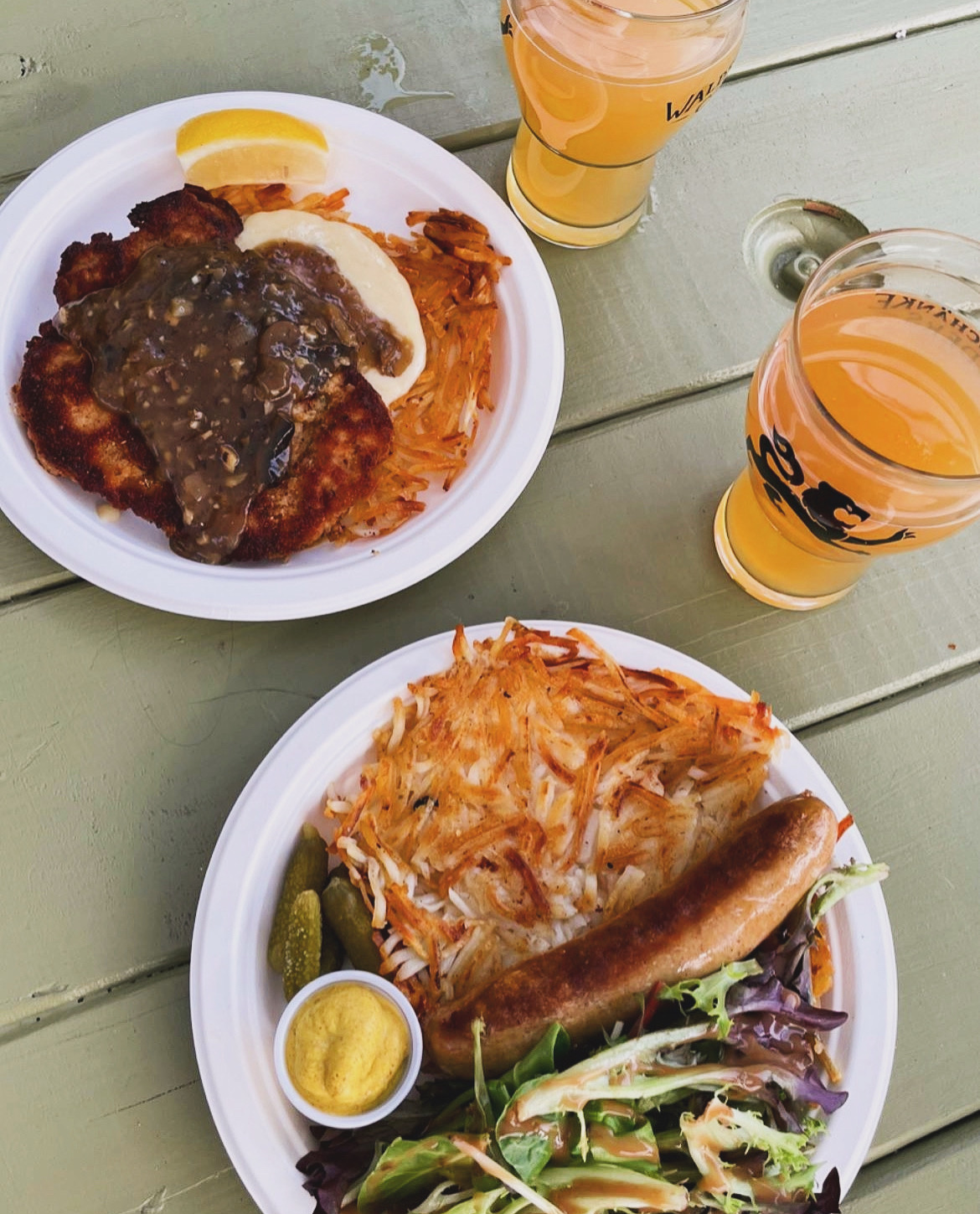
We also launched our in-house coffee program early on, roasting everything ourselves; and evolved our food concept from a pandemic-born food truck into The EuroShack, our full kitchen offering breakfast and Bavarian comfort food.
What truly sets us apart is our commitment to quality, creativity, and community. We’re proud to be a family-run cidery, coffee shop, and kitchen that has become a gathering place for our neighborhood.
If there’s one thing we want people to know, it’s that Waldschänke is more than a business to us—it’s our community’s “third place” where people connect, celebrate, and feel at ease outside of their regular home and work routine. And that’s the heart behind everything we do.
We often hear about learning lessons – but just as important is unlearning lessons. Have you ever had to unlearn a lesson?
One of the biggest things I’ve had to unlearn isn’t a traditional “lesson” but a mindset: the fear of failure. For small business owners, that fear is very real. It can push you to do great work, but it can also turn you into your own harshest critic and lead to serious burnout.
As our events manager, social media manager, and substitute bartender/barista, I used to take every setback personally. If an event didn’t perform the way I hoped, or if the website crashed at the worst possible moment, or I wasn’t on my A-game behind the bar, I would immediately assume I had done something wrong. I’d replay every decision, every detail, trying to pinpoint the exact cause.
But after six years of running this business, I’ve realized that not everything has a clear reason. Sometimes you can give something your whole heart and it still won’t go the way you planned—and that doesn’t mean you failed. The stakes feel incredibly high because this is our livelihood and our future, and one small problem can feel like a mountain. But living in that mindset is exhausting (and almost guarantees you won’t sleep at night).
I’m learning to find the balance between doing my best and not beating myself up when something outside my control affects the outcome. As a perfectionist, it’s hard to accept that effort doesn’t always equal results. But the truth is, some level of “failure” is built into entrepreneurship. Nothing goes perfectly. And the sooner you accept that, the more grace you can give yourself—and the healthier and more sustainable running a business becomes.
Any fun sales or marketing stories?
One of my favorite marketing wins was the day we became the coffee of the Colorado Rapids—not in the stadium, but in their locker rooms and offices. All the players and staff drink our coffee behind the scenes, which still feels incredibly unreal.
As a European-inspired cidery, we’re huge soccer fans to begin with. We love going to games and cheering on our Burgundy Boys—so much so that we even named a cider after them. So having this partnership become a reality felt extra meaningful.
We’ve always dreamed of being front and center in the stadium with both our coffee and cider, but opportunities like that come with a huge price tag. As a fully bootstrapped small business, we have to be thoughtful about where we invest. So when we had the chance to pitch to someone connected with the Rapids, it felt like one of those “take the shot and hope it lands” moments.
We worked hard on our pitch, put our best foot forward, and walked in with that familiar mix of confidence and crossed fingers—and it paid off. Having the Rapids choose our coffee has been a huge encouragement for us and such a fulfilling connection. It’s a reminder that small, intentional risks can lead to big moments—especially as we look toward launching cider distribution in January 2026.
Contact Info:
- Website: https://waldschankeciders.com/
- Instagram: https://www.instagram.com/waldscahnkedenver
- Facebook: https://www.facebook.com/waldschankedenver
- Yelp: https://www.yelp.com/biz/waldschanke-ciders-and-coffee-denver-2
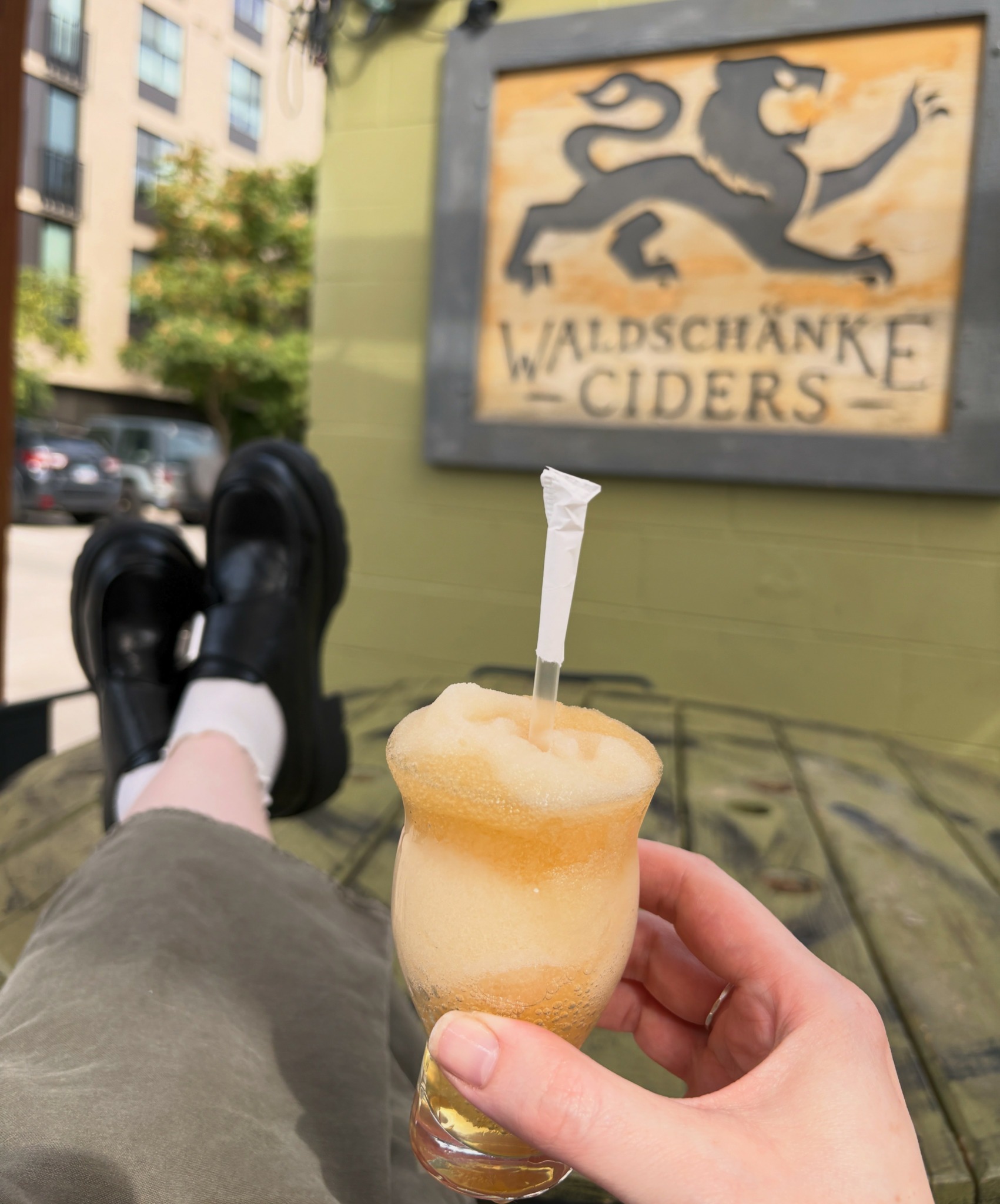
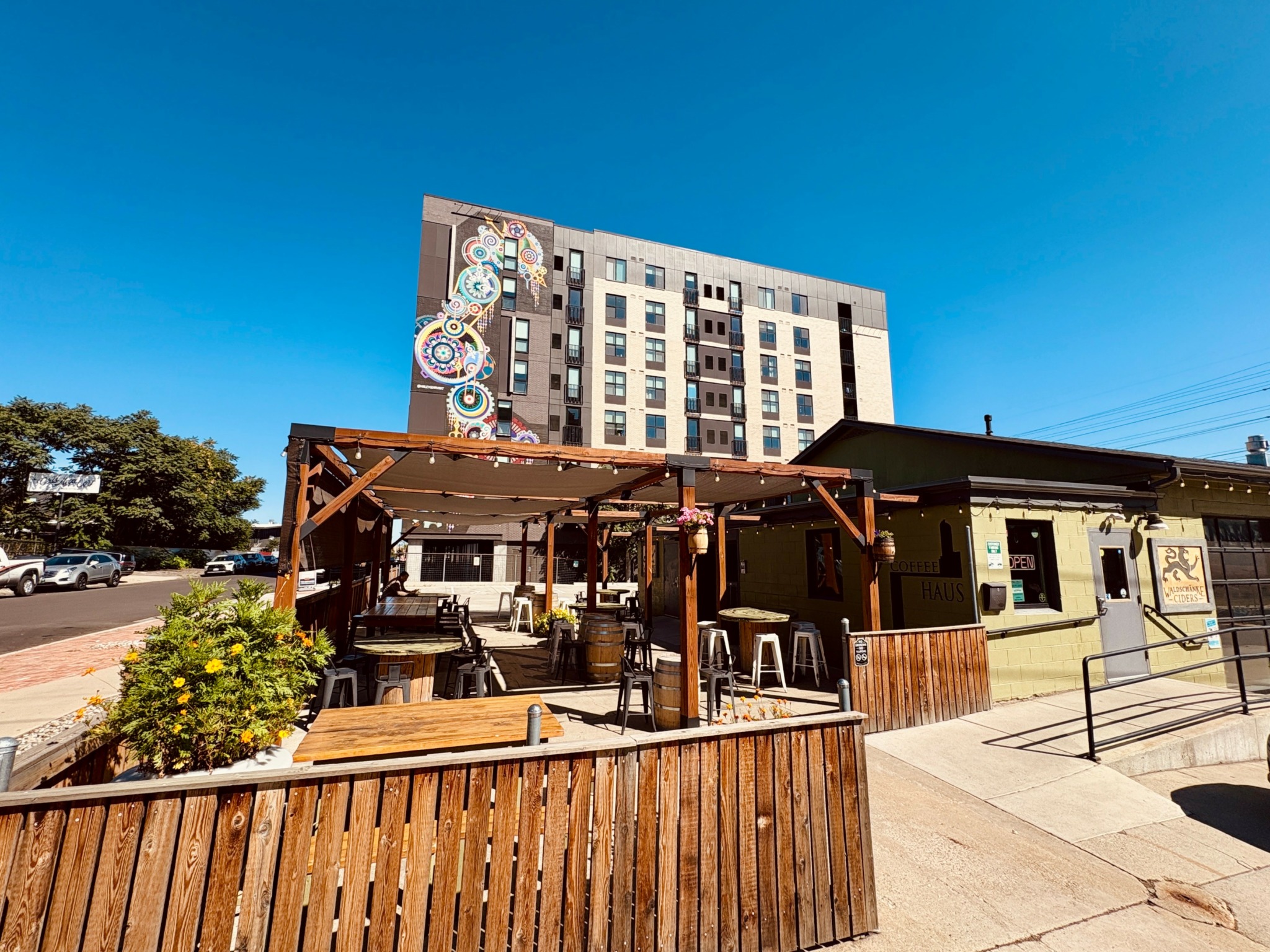
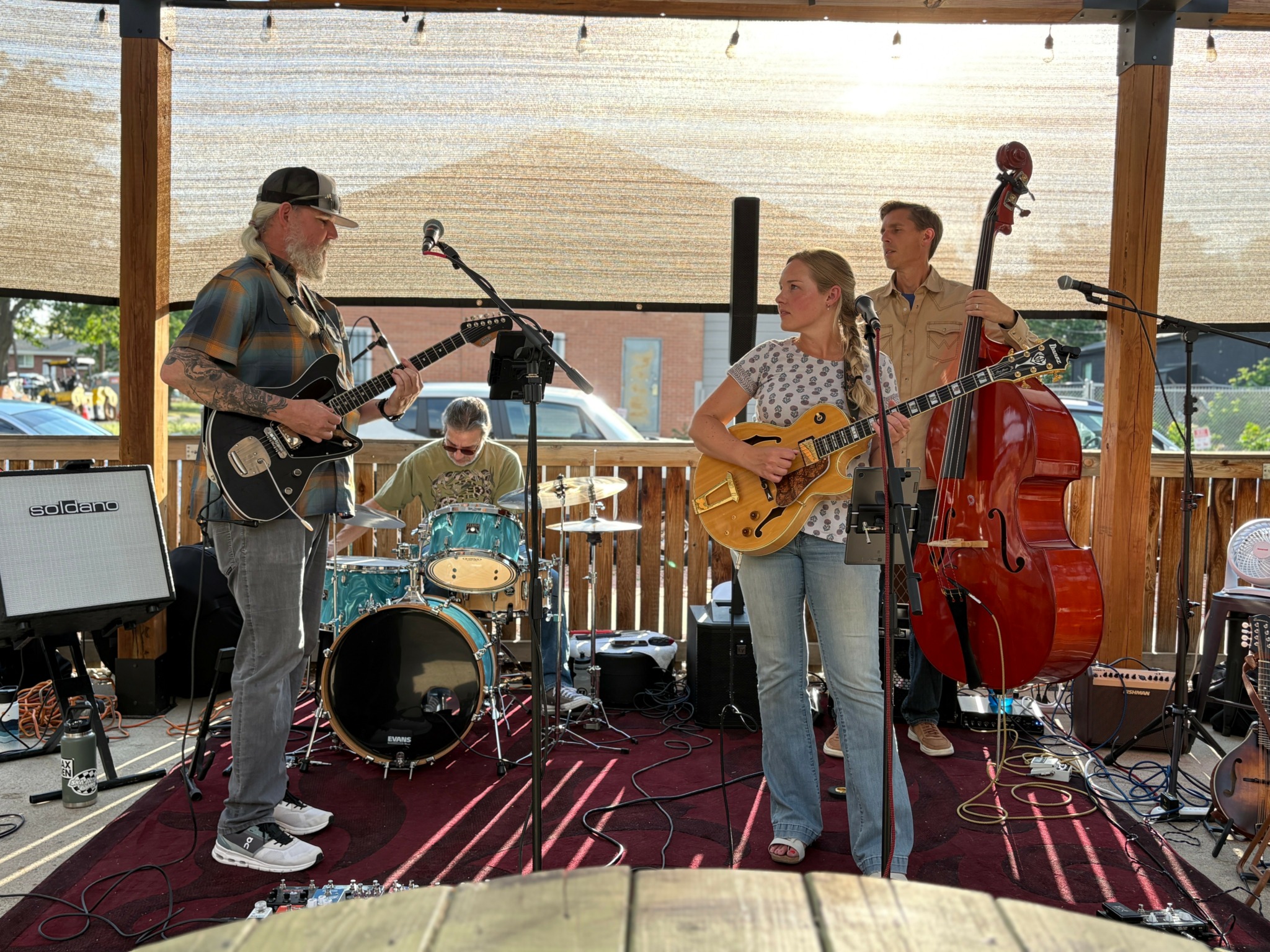
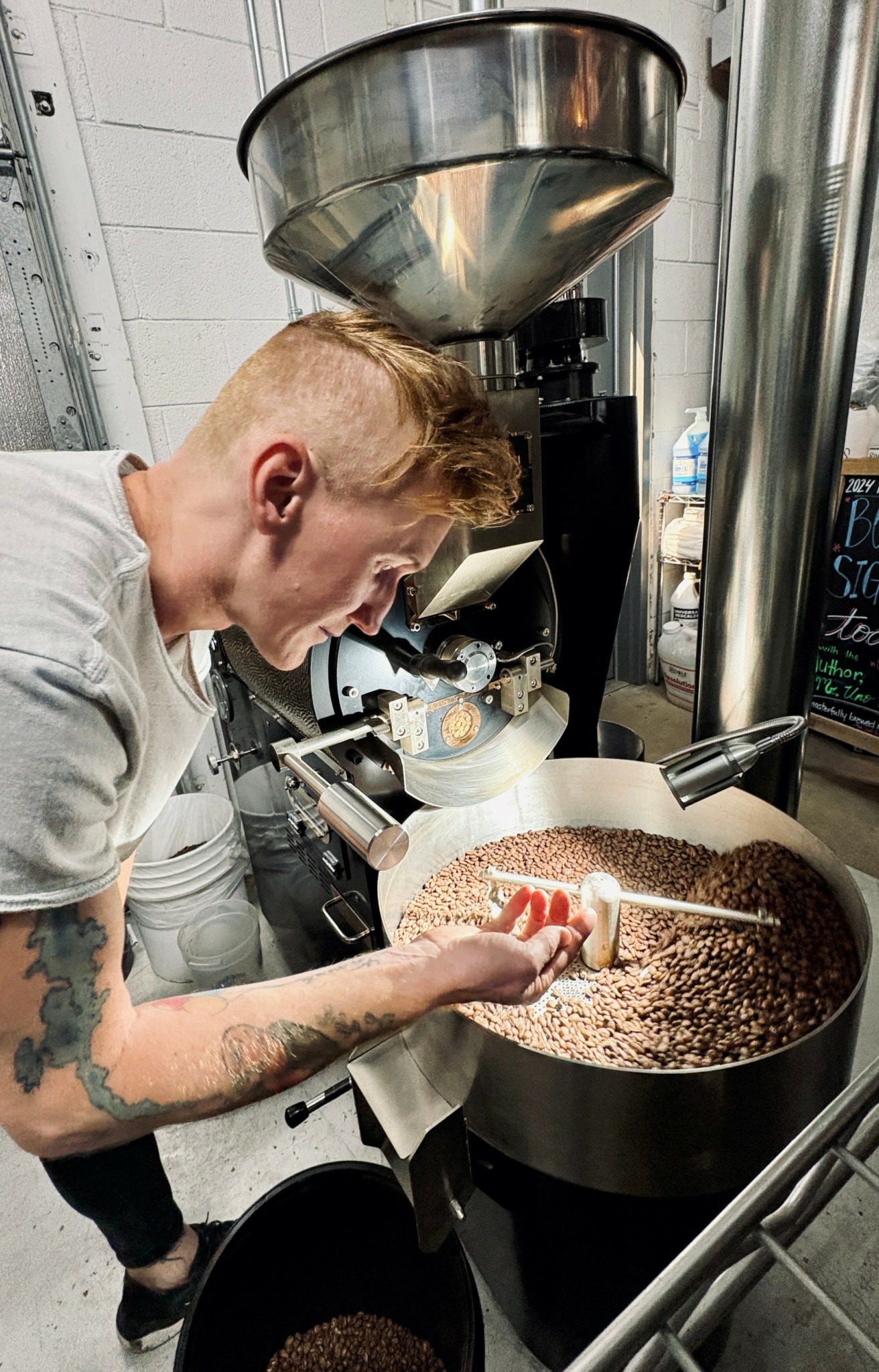
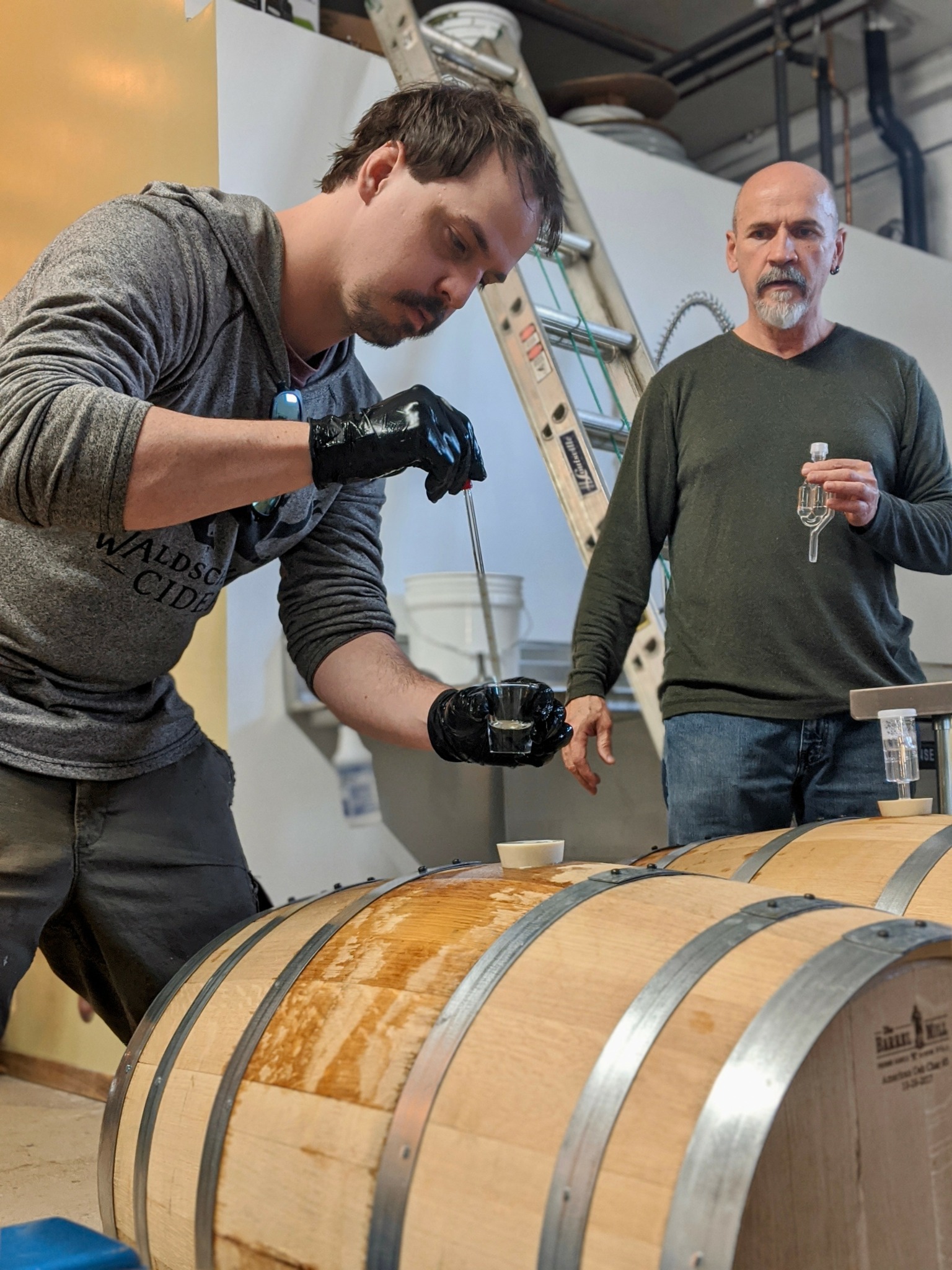
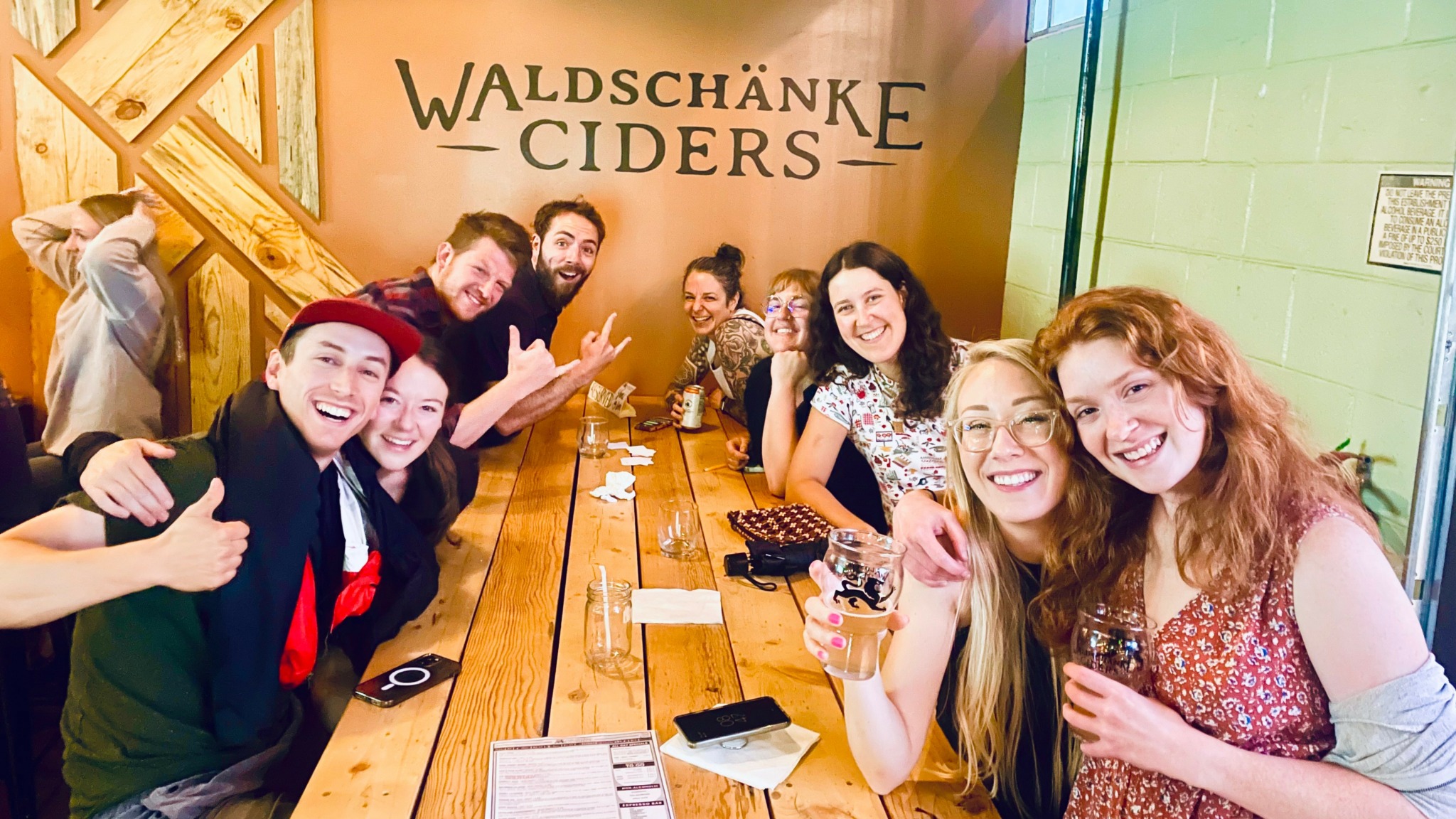
Image Credits
Kelley Dufresne; Keane Dufresne; Zachary Green