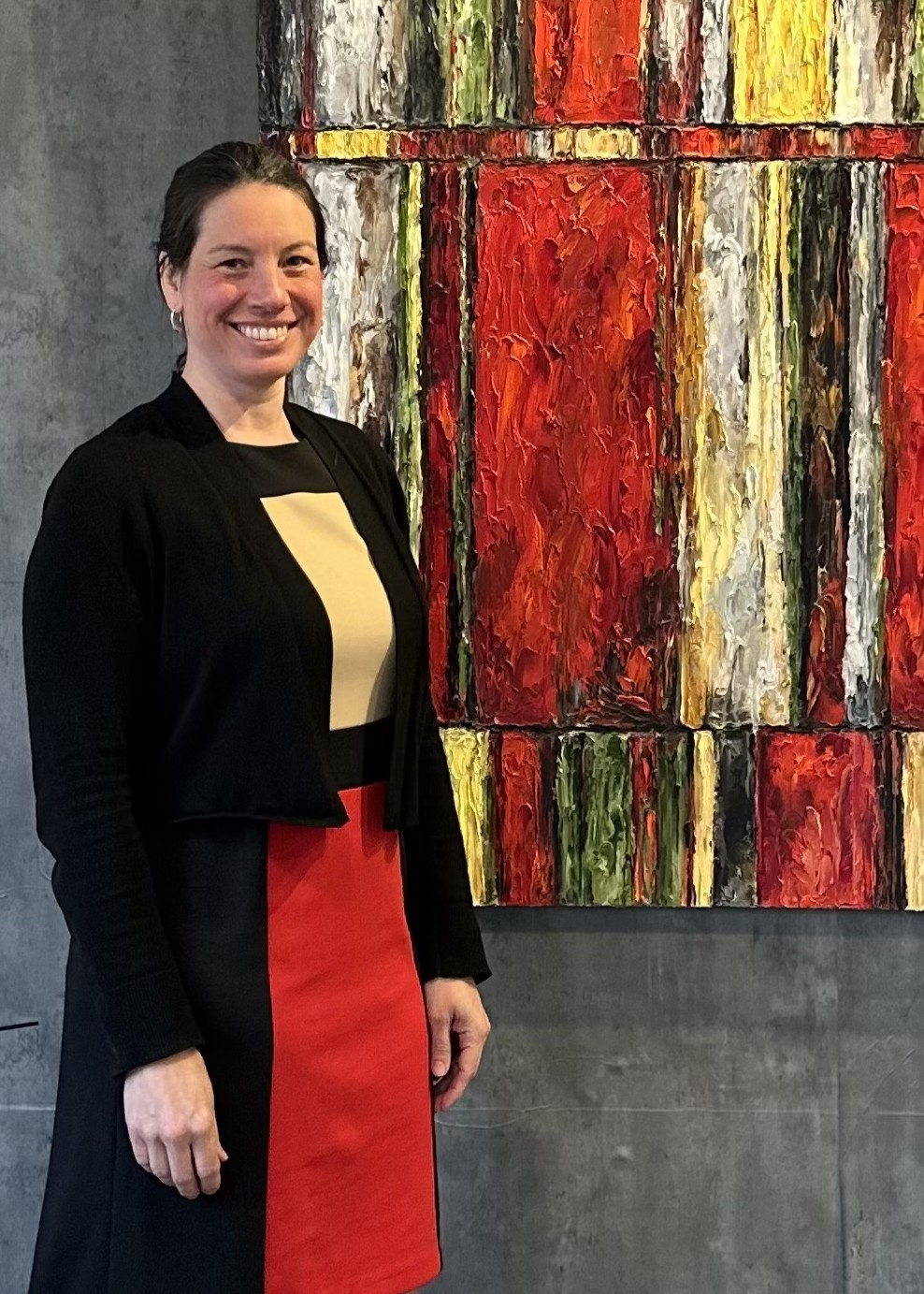

Alright – so today we’ve got the honor of introducing you to Jennifer Pepin. We think you’ll enjoy our conversation, we’ve shared it below.
Jennifer, looking forward to hearing all of your stories today. How did you come up with the idea for your business?
I was in the corporate world for 12 years living with bipolar disorder. The environment created many challenges trying to maintain a good mental health and at that time, there was great misunderstanding of what mental health conditions meant and how they needed to be taken care of.
Eventually, it led to parting ways with the company and I found myself at a loss and feeling at the bottom of my own acceptance process. Although I had been diagnosed several years earlier, it wasn’t until this time that life had become so unmanageable that I needed more help. Nobody seemed to understand nor know what to do.
So, I began going to DBSA (Depression Bipolar Support Alliance) support group. I remember walking in that room and talking about the stigma I had faced and every single person in that room could relate. I finally felt heard and understood.
I befriended one of the other members and I would drive him home after the meeting. It was a long drive and one night I had a strange epiphany… a sudden thought popping in my head – There is so much creativity in that meeting – writers, musicians, artists and I want to open an art space for people with mental health conditions to break down the stigma that exists!
A couple months later as I had accepted the likelihood this wouldn’t happen, I was in one of the meetings and someone began to speak of a woman rumored to start a gallery about mental health and how excited this member was. I realized she was talking about me. After hearing similar feedback from others, I discovered that it was something people would appreciate.
Fortunately someone else in the group who believed in me and the concept encouraged me to follow through with the idea. We went to the First Thursday Art Walk in Portland to get ideas and there it was, an empty space. I was hesitant to do anything but this person pushed me and I got the space. Then we sought out artists who were vocal about their mental health and wanted to be a part of the gallery… a month later, we were open.
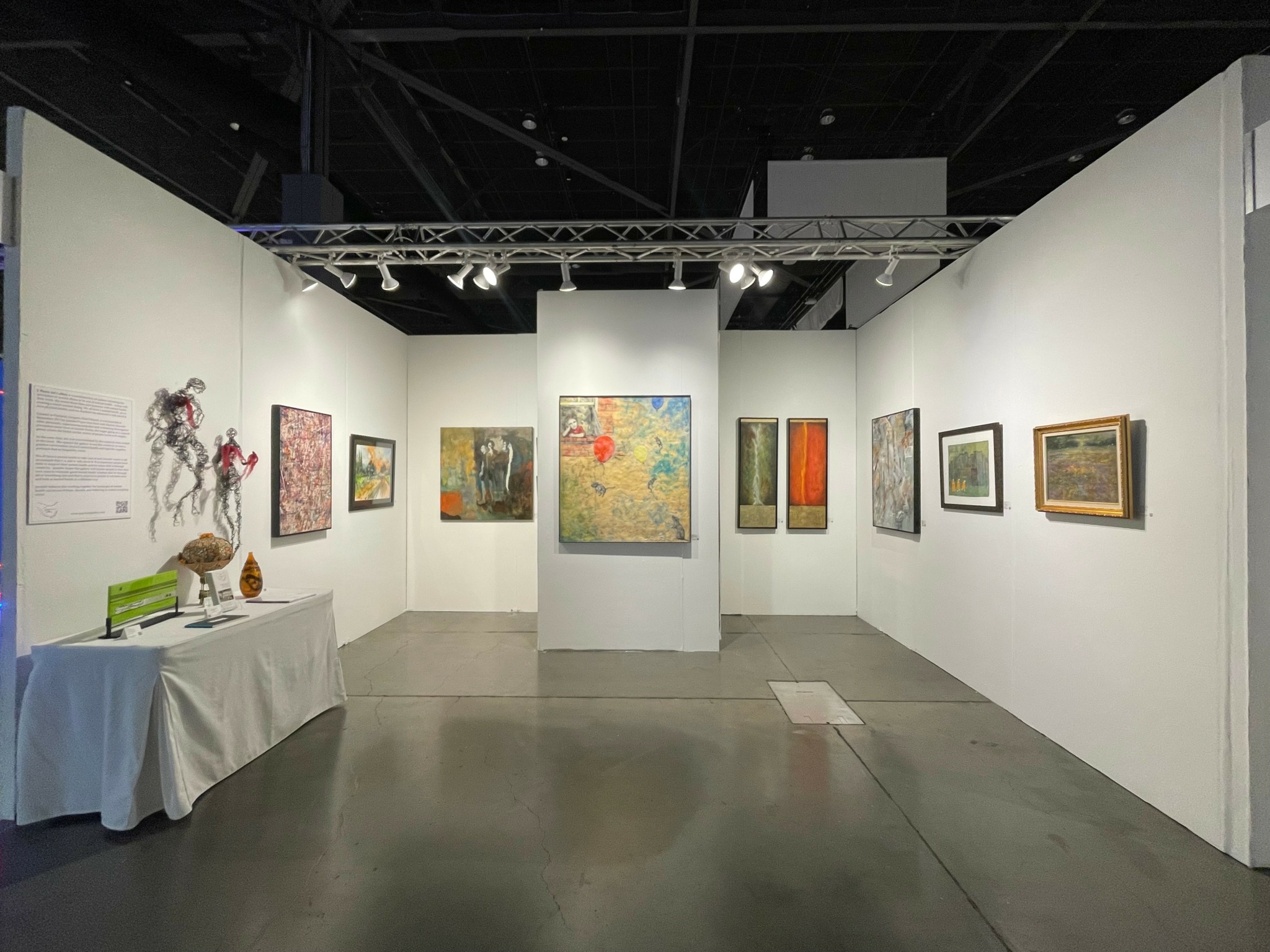
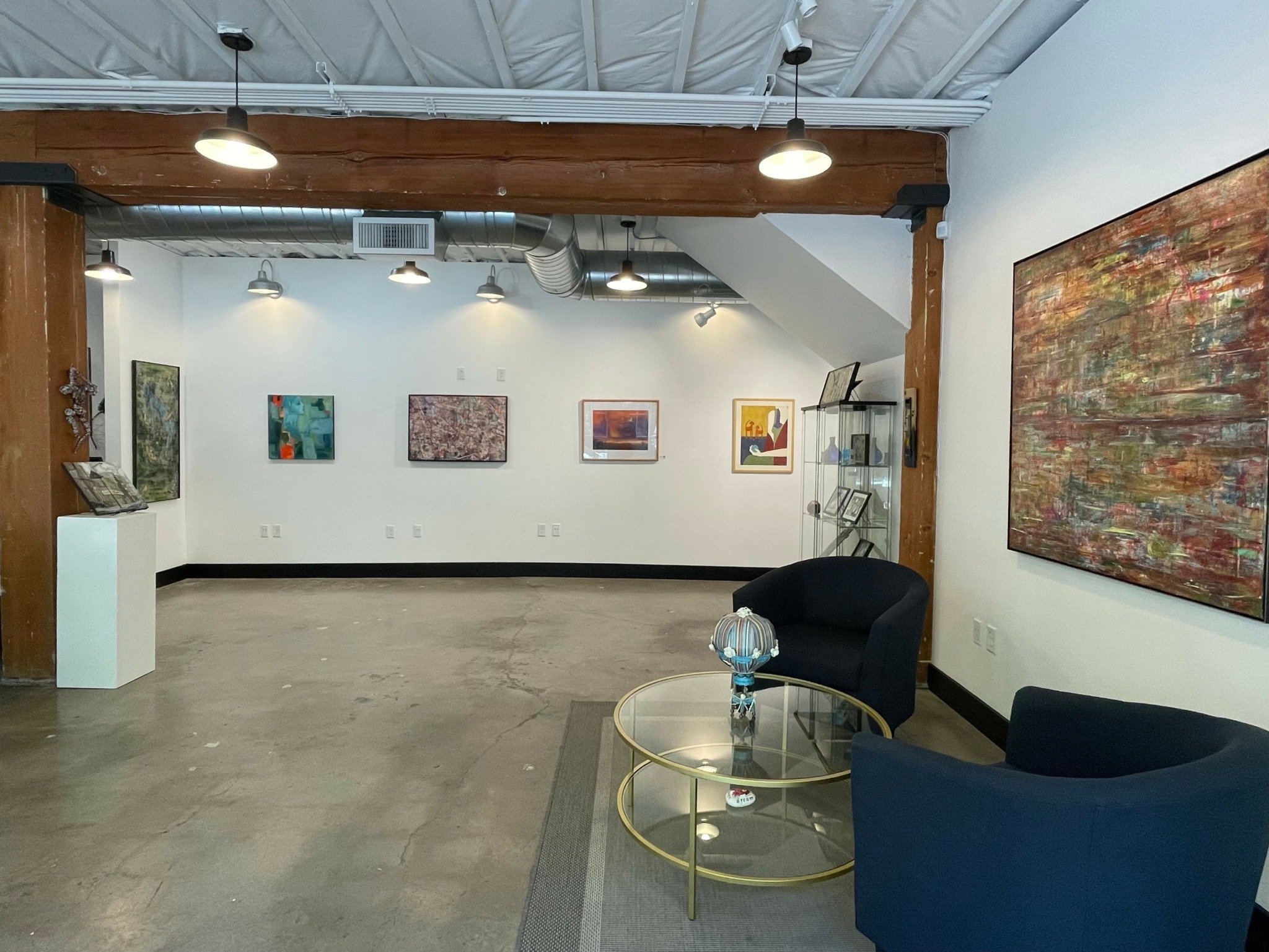
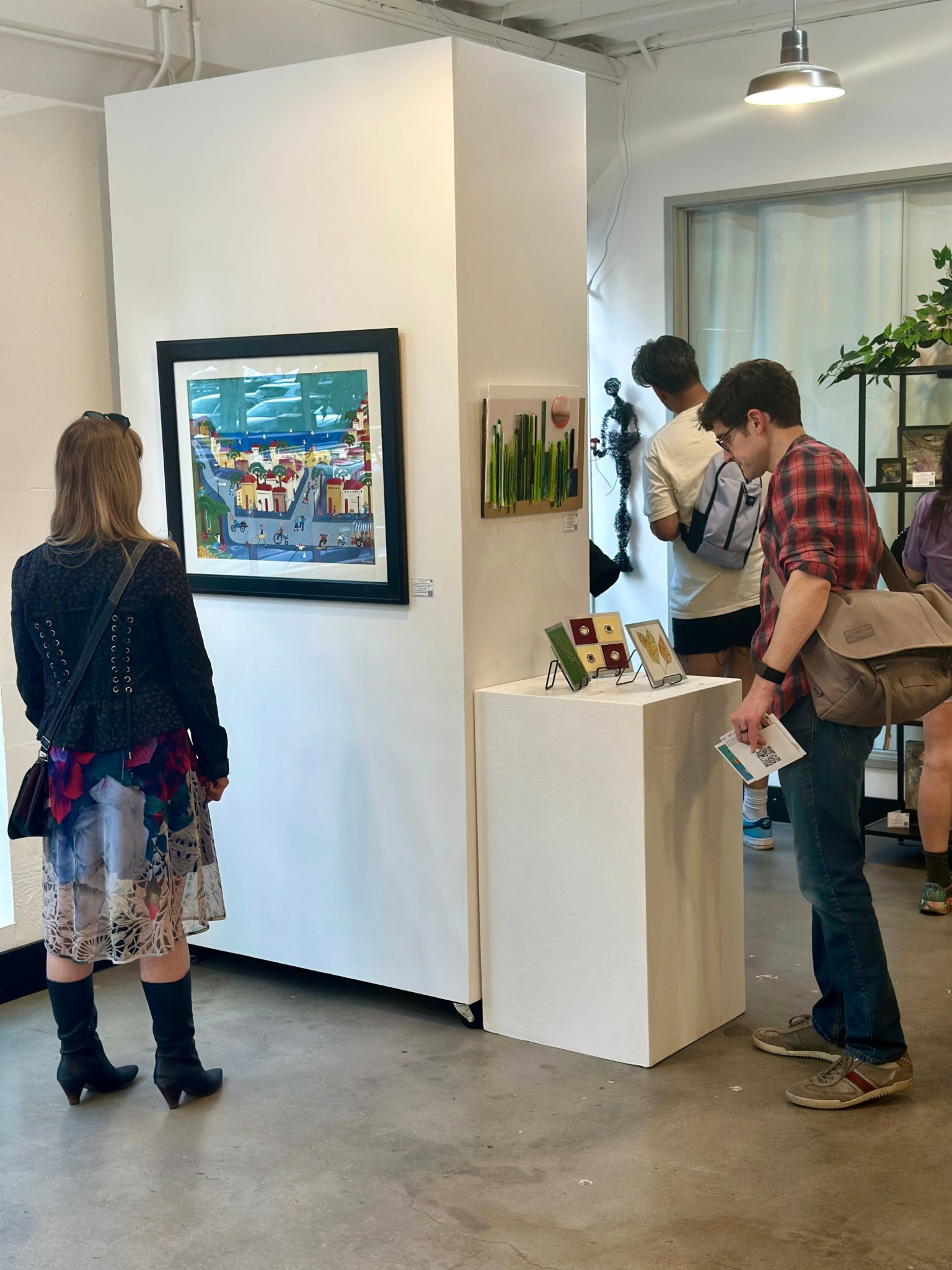
One of the things that makes this gallery unique is that it is a for profit gallery with high caliber art focused entirely on mental health. There are galleries who will have a special exhibit about mental health or others that are nonprofit organizations. But I wanted to be for profit because I found that a great way to break down the stigma.
When people heard about the gallery they assumed it was nonprofit, as if people with mental health conditions couldn’t run a for profit business. I want people to buy the artwork because they love it and then discover the stories. I want people to purchase to support the artist, not to purchase it just to help the person living with a mental health condition.
Jennifer, love having you share your insights with us. Before we ask you more questions, maybe you can take a moment to introduce yourself to our readers who might have missed our earlier conversations?
When I was 30 years old, I was diagnosed with bipolar disorder. A lot of people don’t like to be labeled but for me it was a relief to understand my behaviors and thoughts and to now have a course of action for moving forward.
That said, I didn’t fully know what it meant to take care of myself in regard to that and I continued with my lifestyle and career path. The level of stress, the lack of sleep, and the socializing that my jobs required took a toll and eventually the medications weren’t working and my life became destructive.
I grew up doing creative things, but it wasn’t until my 27th birthday when a friend gave me a small art set that I discovered my true passion. It came with a little brush and tiny tubes of paint and canvas. I ended up finding myself in the art store with larger brushes, larger paints and larger canvas!
For many years it was just a hobby but then people became interested in purchasing it and I realized that maybe I had more talent than I thought (of course we are always hardest on ourselves) and maybe I could do something with it. I began showing in cafes and such but I stayed in the corporate world planning that would always be my focus and career.
When everything came crashing down and I came up with the idea to open the gallery, I discovered it was much more than just selling my art directly but a full retail business. My father was a lawyer and my mother a ballerina, so it is a perfect cross of business and creativity that I crave but I realized I pretty much had no idea what I was doing.
There was another gallery down the street who really helped mentor me and give advice – they told me how to ship art when someone asked if we could send something to New York and I literally had no idea!
After 12 years, I have certainly learned a lot though that’s not to say I am still learning, and I face things unexpectedly that I must overcome. But I am proud of the length I have been in business. It is difficult for a small business, let alone an art gallery.
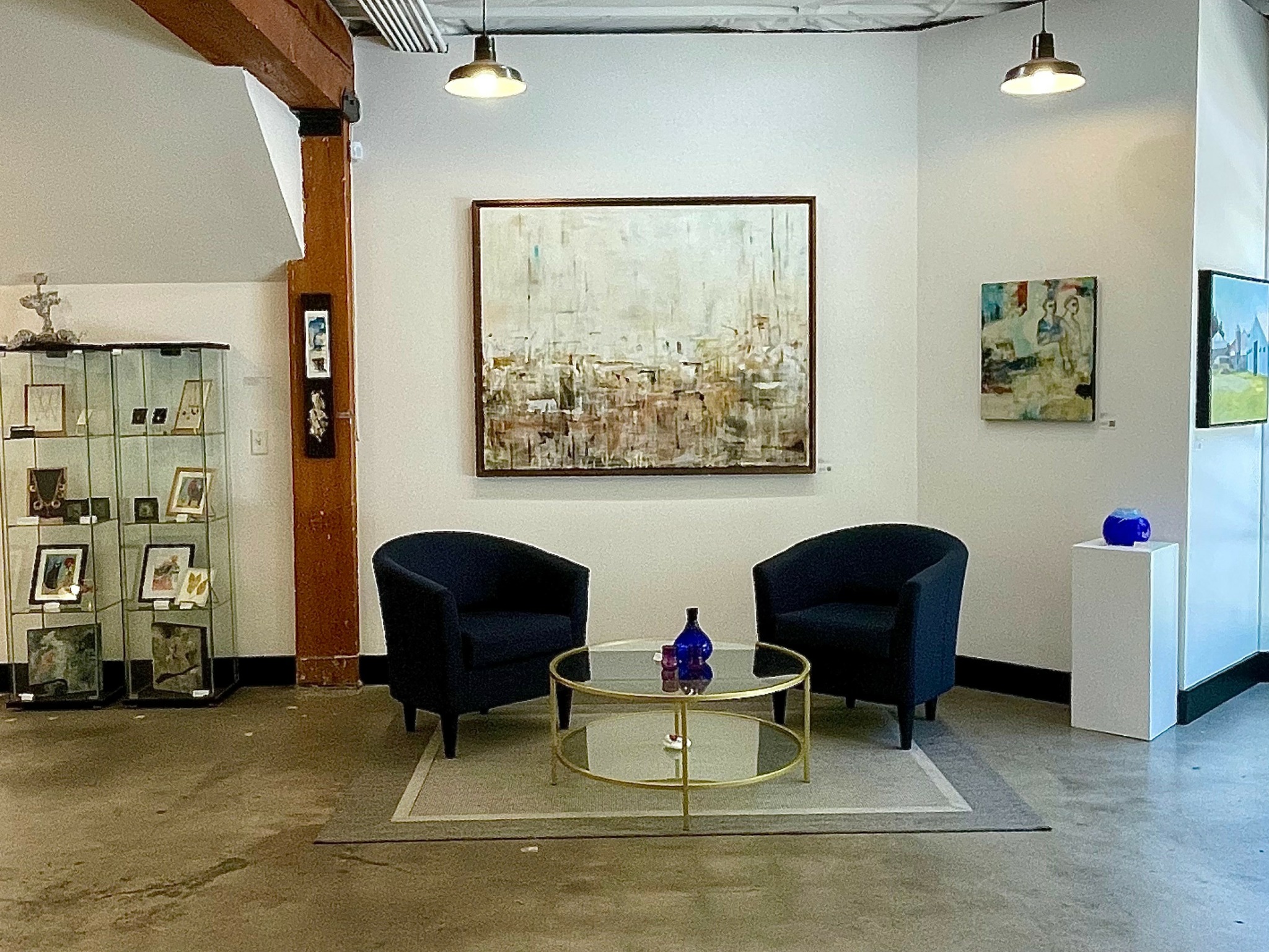
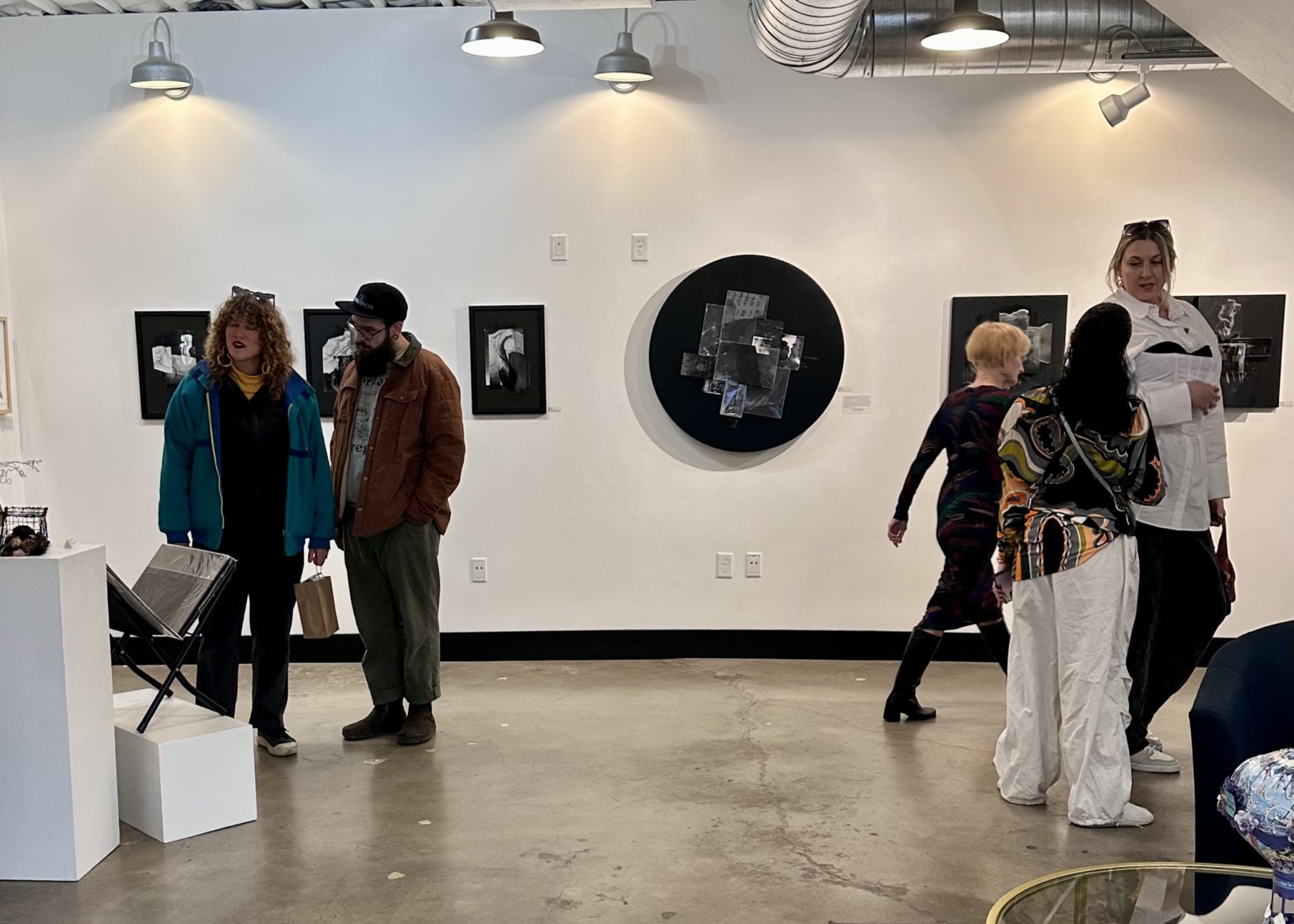
I started with 5 (including me) but now represent 15 different artists. They are from the region but all different styles and mediums. I love that I can offer a diverse collection and offer a variety of artworks to appeal to a bigger audience.
I have a good price range too and often have young new homeowners come to buy their very first piece of original art. It always feels good to be a part of that journey with them. And I have other clients that continue to support me adding to their collection over the years. That tells me I must be doing something right.
But the thing that makes me feel the best is when I get to tell an artist, I sold one of their artworks and write them that commission check. As much as I want to sell my own artwork, this gallery is about them.
How about pivoting – can you share the story of a time you’ve had to pivot?
I had been in the Pearl District of Portland, OR for 8 years among many other galleries. After covid and when the area was going through challenging times I was offered an opportunity to go to a shopping mall in the suburb of Tigard.
There were benefits such as built-in foot traffic and people in shopping mode but also challenges including mall requirements of being open 7 days a week. Overall though, I was very happy with that location, and the business was doing well. Unexpectedly, they decided to put another business in my space and due to lack of availability there, I was left without a brick and mortar.
I had to completely change course and become an online gallery while I sought out a new location. I had to learn how to market differently and make sales in new ways without foot traffic and in person sales. Now I had to ensure my website was up to date with as many images for artworks as possible and launched my first online art auction to drive sales.
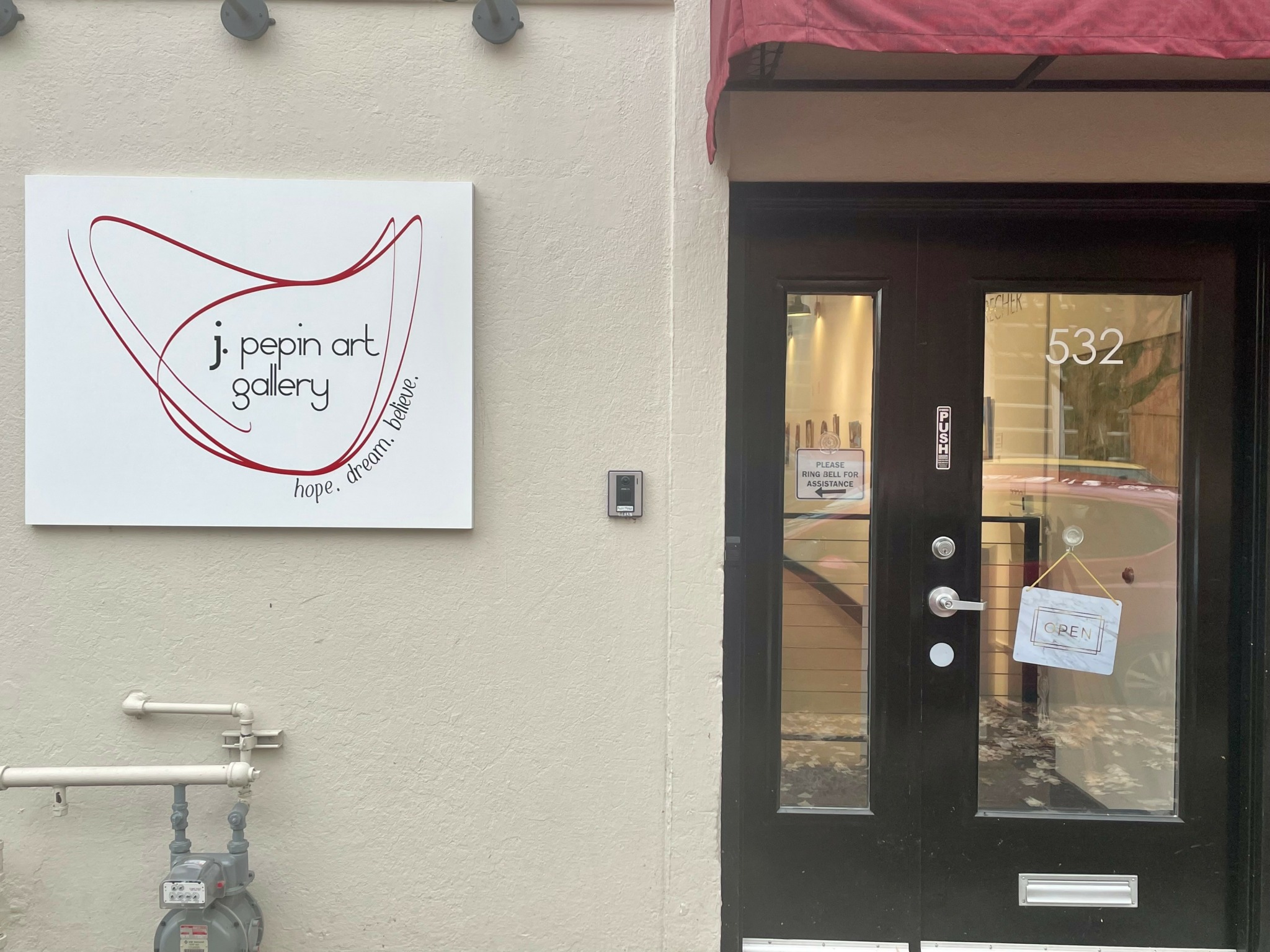
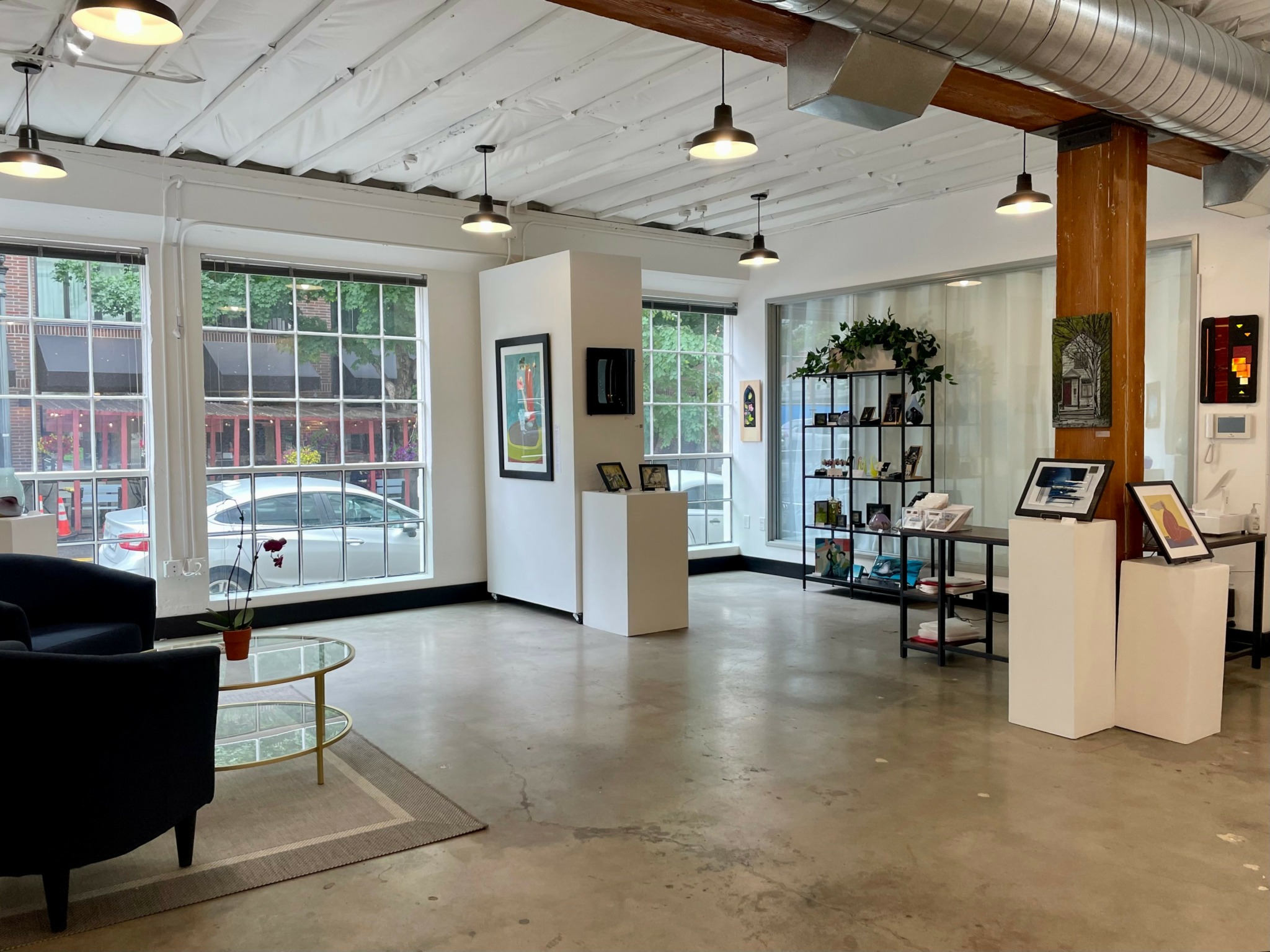
For 6 months I was faced with the challenges of becoming an online business after being brick and mortar for 9 years. Fortunately, I found my current location back in the Pearl District and am still able to use what I learned from being online.
Although at the time I was at a total loss and heart broken having lost my space, having to pivot to online sales also brought me new knowledge.
Do you have any insights you can share related to maintaining high team morale?
Although I don’t manage a team, I find the need to maintain my own morale. It can be incredibly discouraging when the foot traffic isn’t there and sales are slow. So what I have to do is go back to the beginning and remind myself why I opened the gallery in the first place. I opened to create a safe environment for dialogues about mental health, to make people realize they are not alone, and to support fellow artists.
I have saved emails from clients and artists that express appreciation for what I do. Some of my favorite – an artist who said she was wrapped in her own stigma until she discovered the gallery and read other artists statements, a father who told me he gave up on his son until he met me and discovered stories of other artists coming out of the darkness, and a young girl who came up to me after a speaking engagement and said it inspired her to also want to tell her story. So when I forget and I feel down about how things are going, I read those letters.
My advice would be to jot down the good things happen or save the positive emails and when you need a boost. Go back to the beginning and focus on those memories that make you feel good and remind yourself why you are doing this in the first place.
Contact Info:
- Website: https://www.jpepinartgallery.com
- Instagram: jpepinartgallery
- Facebook: jpepinartgallery
- Yelp: J. Pepin Art Gallery