

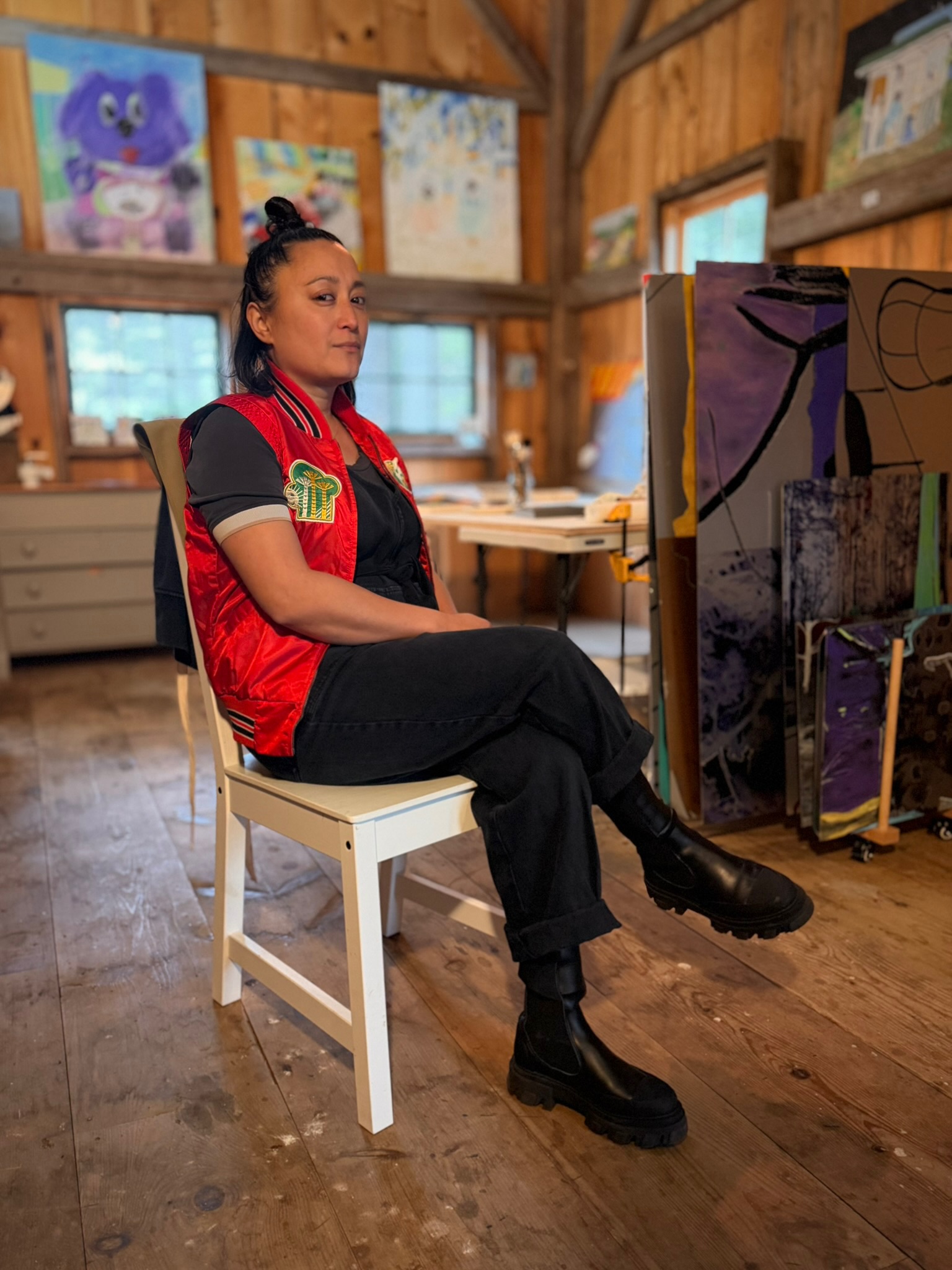

We recently connected with Pia Coronel and have shared our conversation below.
Pia, thanks for taking the time to share your stories with us today What’s been the most meaningful project you’ve worked on?
The most meaningful project I have worked on is This Temporary Space, a seasonal cabin gallery on our forested land in Thomaston, Maine. The story behind it is tied to a major life transition. My family and I moved from New York to Maine in the fall of 2023, and although the change was intentional, I found myself longing for connection. I had come from a vibrant arts community in Bushwick, where I started NYC Creative Salon, art + tech, and art and blockchain. Those communities shaped me because I built them and participated in them. In Maine, I did not have that same network.
Postpartum added another layer. Becoming a new mother shifted how I moved through the world. I felt vulnerable, and I sometimes found myself afraid to step back into community even though I needed it. At the same time, I knew my strengths as an artist, curator, and community builder. I just needed a place and a spark.
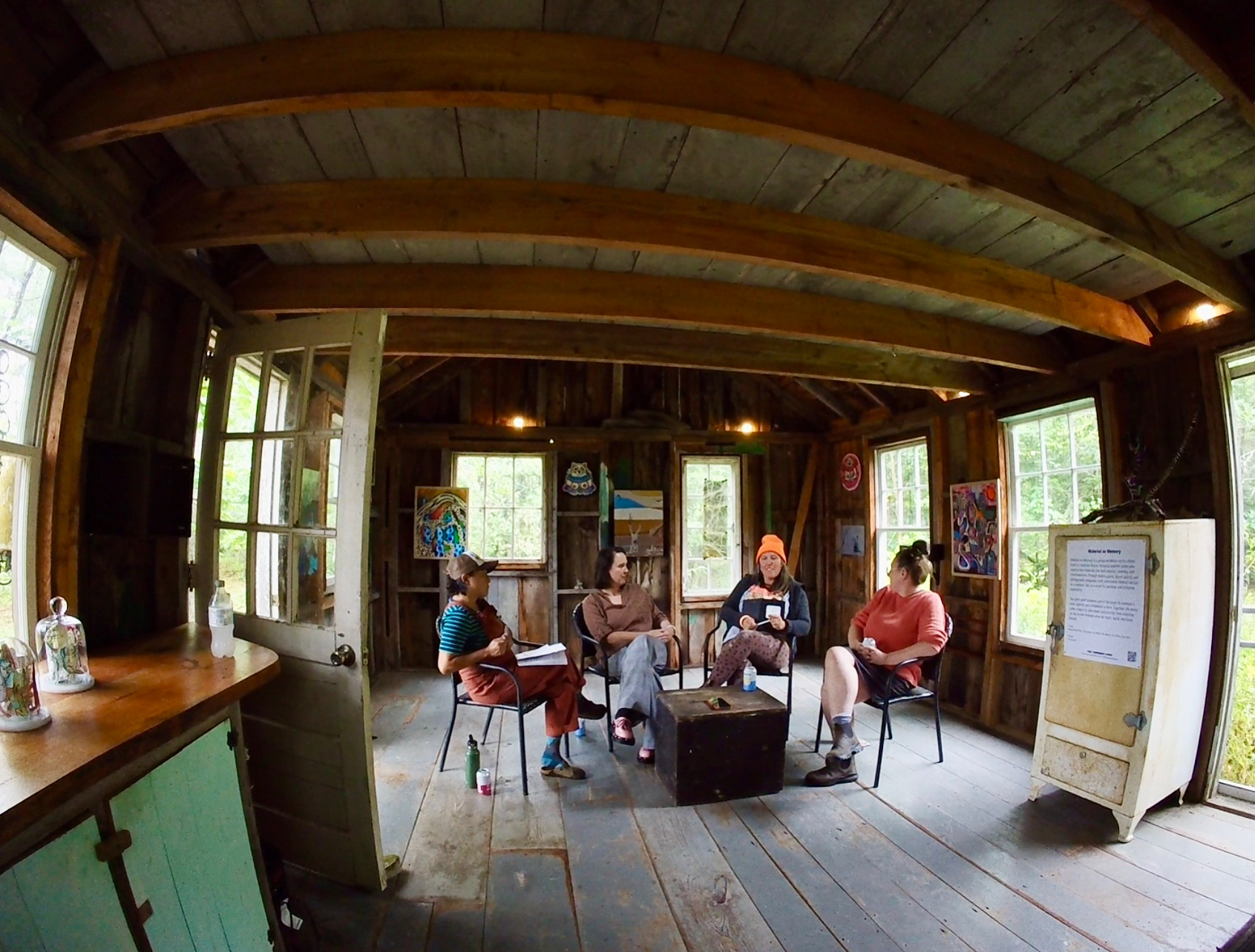
When we bought our property, the cabin in the woods immediately stood out. It was abandoned, quiet, and full of potential. I could feel that the land wanted to be shared, not hidden. Turning the cabin into a gallery transformed it from a forgotten structure into a place that could offer something. It became a provider. It offered artists a space to exhibit and it gave people a reason to gather. It also opened the forest to the community, inviting people to explore the land that surrounds it.
What makes This Temporary Space so meaningful to me is that it became a bridge. It helped me reconnect with others at a moment when I needed it the most, and it signaled that I was ready to be part of a community again. In creating a space for people to come together, I was also creating a path for myself back into connection.
Pia, love having you share your insights with us. Before we ask you more questions, maybe you can take a moment to introduce yourself to our readers who might have missed our earlier conversations?
I am an artist, curator, and community builder whose work centers on connection. I have always been fascinated by how people relate to one another and how we make meaning. That curiosity led me to study Psychology and Communications. My interests also reach into the metaphysical, where the unseen is felt rather than observed. I carry a spiritual approach to life and I look for moments of magic in the everyday. This foundation shapes my artistic practice, my curatorial decisions, and the communities I build. My work grows out of intuition, belief, and lived experience, and that authenticity guides everything I create.
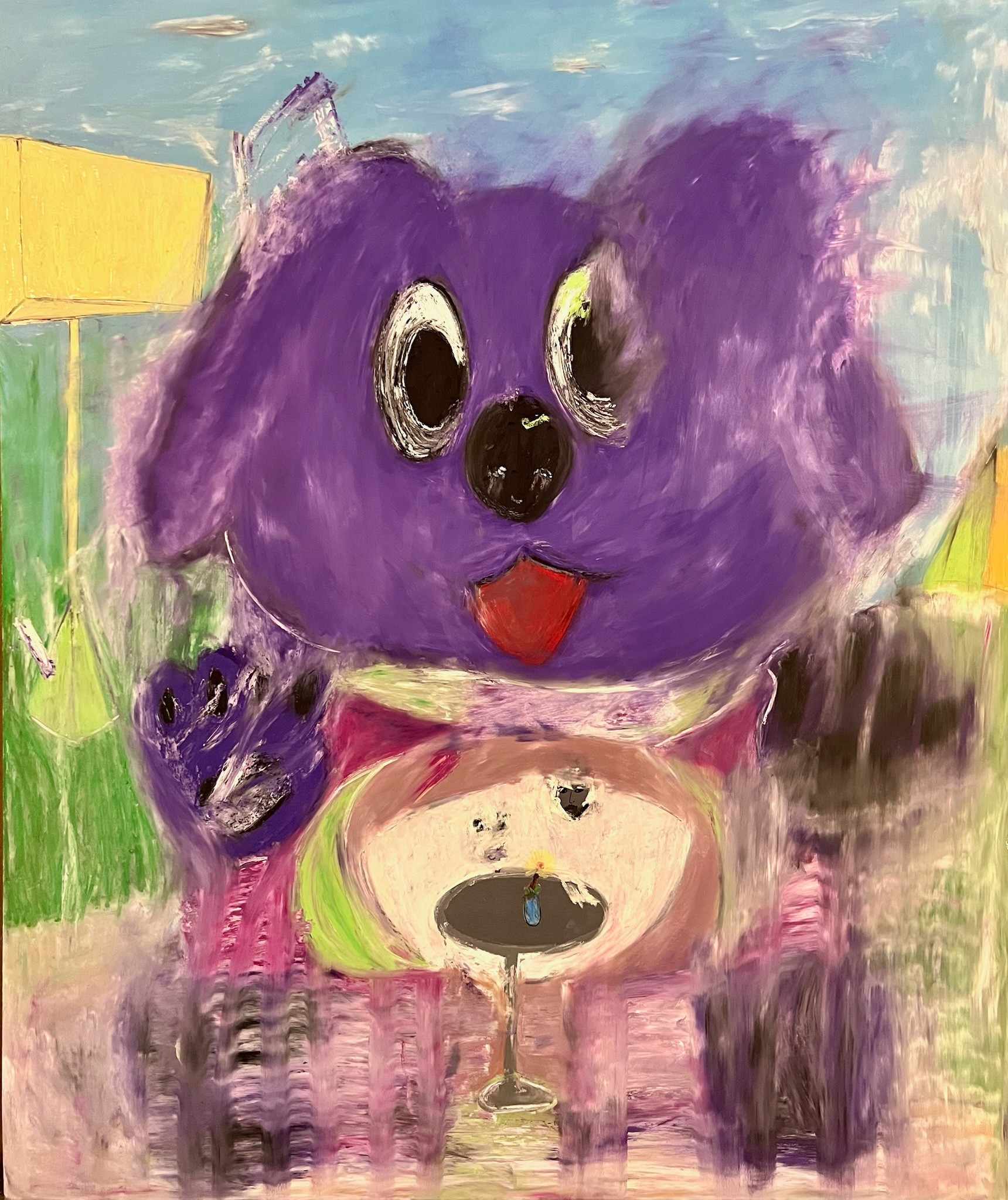
My artistic practice grows directly out of these interests. I explore how new technologies shape our identities and influence the ways we understand ourselves. I work on aluminum with oil pastels and ink. The reflective surface of the aluminum and the tactile nature of the materials echo the tension between the digital and the human. Much of my imagery invites viewers into a space of shifting perception, transformation, and inner awareness. It connects back to the metaphysical themes that guide my life and the ways I experience the world.
After college, I followed a traditional path and took a stable job as an analyst at a marketing firm. Although it offered structure, it left me feeling disconnected from myself. I fell into a period of sadness and realized that art was the one place where I felt grounded. That realization pushed me to leave the corporate world and commit fully to the arts. I worked at a gallery in Tribeca for many years while continuing my studio practice, which shaped how I understand artists and the rhythms of creative work.
I soon began building communities of my own. I founded NYC Creative Salon along with art + tech and art and blockchain. I also served as the community engagement director for an art studio space in Bushwick, where I curated and hosted events. Visiting artist studios became one of the most meaningful parts of the work. Every artist holds a unique inner world, and watching them translate that world into form has always felt like witnessing something magical.
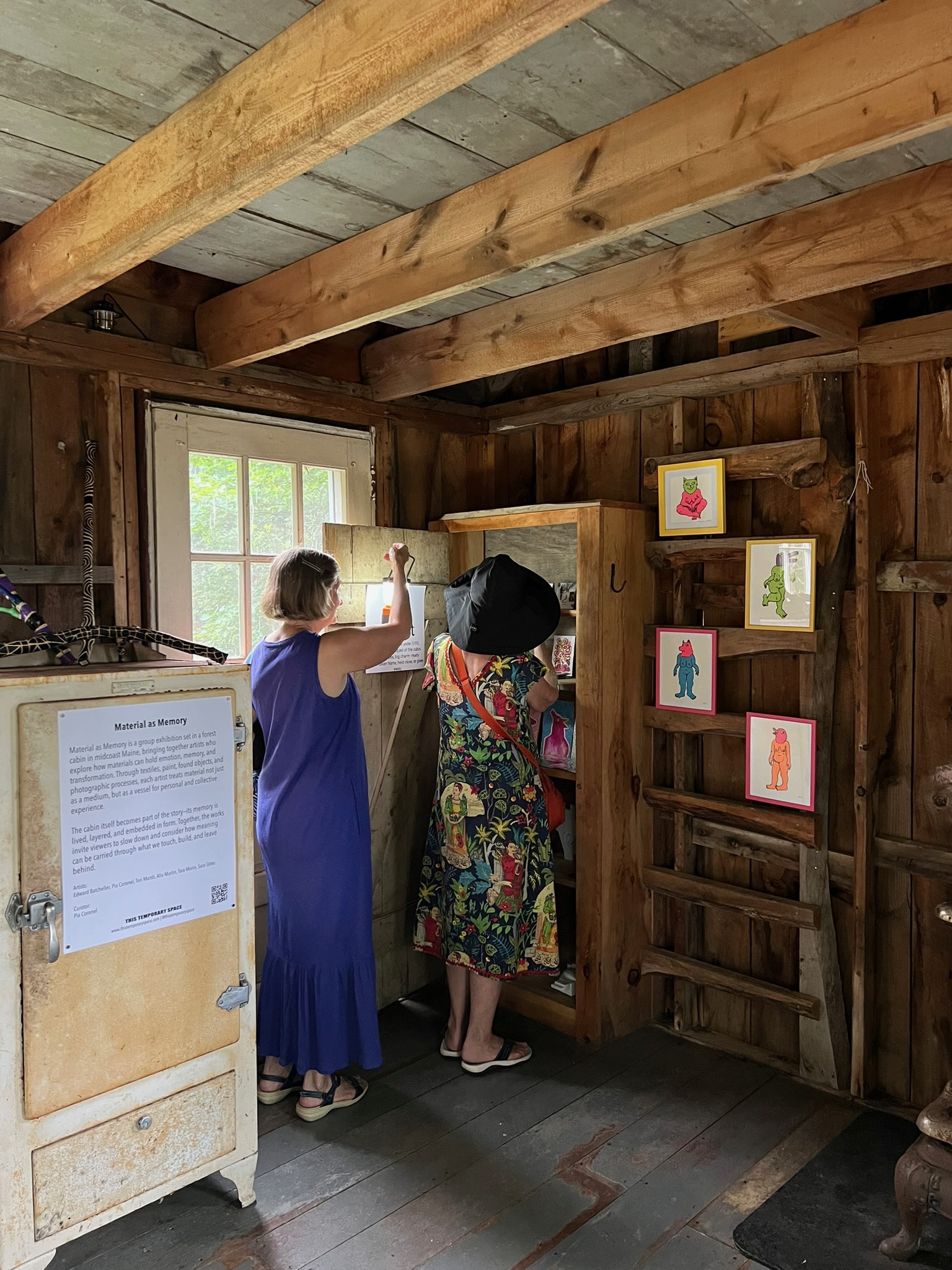
Today I run This Temporary Space, a seasonal cabin gallery located in a forest in Maine. The gallery exists to give artists another place to be seen. It focuses entirely on group exhibitions so that many artists can be included and uplifted at once. The land itself participates in the work. The forest creates an intimate and grounding environment that encourages deeper conversations and a more open, receptive experience of art.
My curatorial themes often emerge from the unseen, from the quiet currents that move through ordinary life. I see daily living as a kind of ritual, a steady practice of paying attention to what often drifts past us. I am drawn to artists whose work feels like an honest extension of their inner landscape, something sincere. When I curate, I try to create environments that feel like quiet thresholds, places where the forest, the artwork, and the presence of visitors come together to form a gentle, shared experience. This is the heart of my practice. I want to create environments where people feel something subtle and real, something that stays with them long after they leave.
What’s the most rewarding aspect of being a creative in your experience?
The most rewarding aspect of being an artist is the ability to create something out of nothing. There is a sense of magic in that act, a feeling that the invisible can become visible through my hands. I get to move through the world as an explorer and an inventor, constantly discovering new possibilities. Everything becomes play. Even the quietest moments of my day can open a door to an idea or an image.
Being an artist allows my entire life to become part of the work. Every thought, every question, every feeling becomes a kind of research. I am both the observer and the specimen. My perspective, my beliefs, my studies, and my relationships all find their way into the creative process. The boundaries between living and making are soft. What I experience in my life shapes the work, and what I create shapes the way I move through the world.
There is something deeply rewarding about knowing that my inner landscape can be translated into form, and that others can meet it through their own interpretations. My identity and my art are intertwined. They grow together, shift together, and mirror one another. That ongoing evolution is what keeps me devoted to the practice. It feels like a lifelong ritual of discovery.
Have you ever had to pivot?
There was a period in my life when I stepped away from the arts and moved fully into the world of technology. I closed my studio, paused my art practice, and threw myself into studying computer programming. It was a time of questioning my identity and wondering if I could realistically sustain a life as an artist, even though being an artist felt like the truest part of me. Programming offered a sense of structure and safety. I enjoyed problem solving and I loved the creative logic behind writing code. For a moment, I believed that maybe this was who I was meant to become. I imagined myself as a software engineer.
Then the pandemic arrived, and life shifted again. I spent nearly five years immersed in code, starting a family, and living without any real art making. That time taught me a lot, but it also revealed something important. Even when I tried to walk away from the arts, the desire to create never disappeared. It was always there, quiet but persistent.
Eventually I understood that being an artist was not something I could replace. It is who I am at my core. So I pivoted back into the arts, this time with more clarity, more grounding, and a deeper understanding of myself.
Contact Info:
- Website: https://www.piacoronel.com
- Instagram: @enterthisway
- Other: www.thistemporaryspace.com
@thistemporaryspace
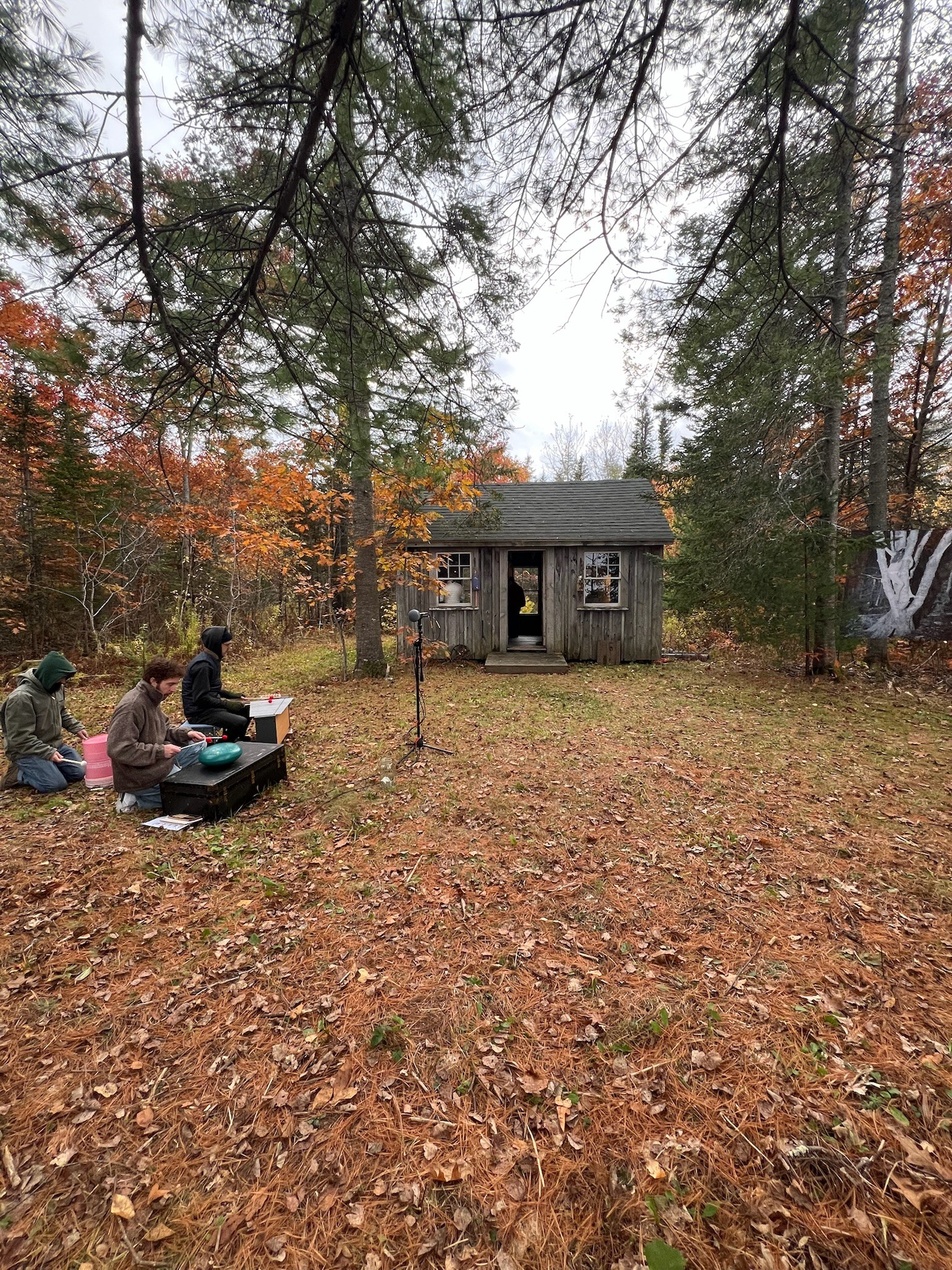
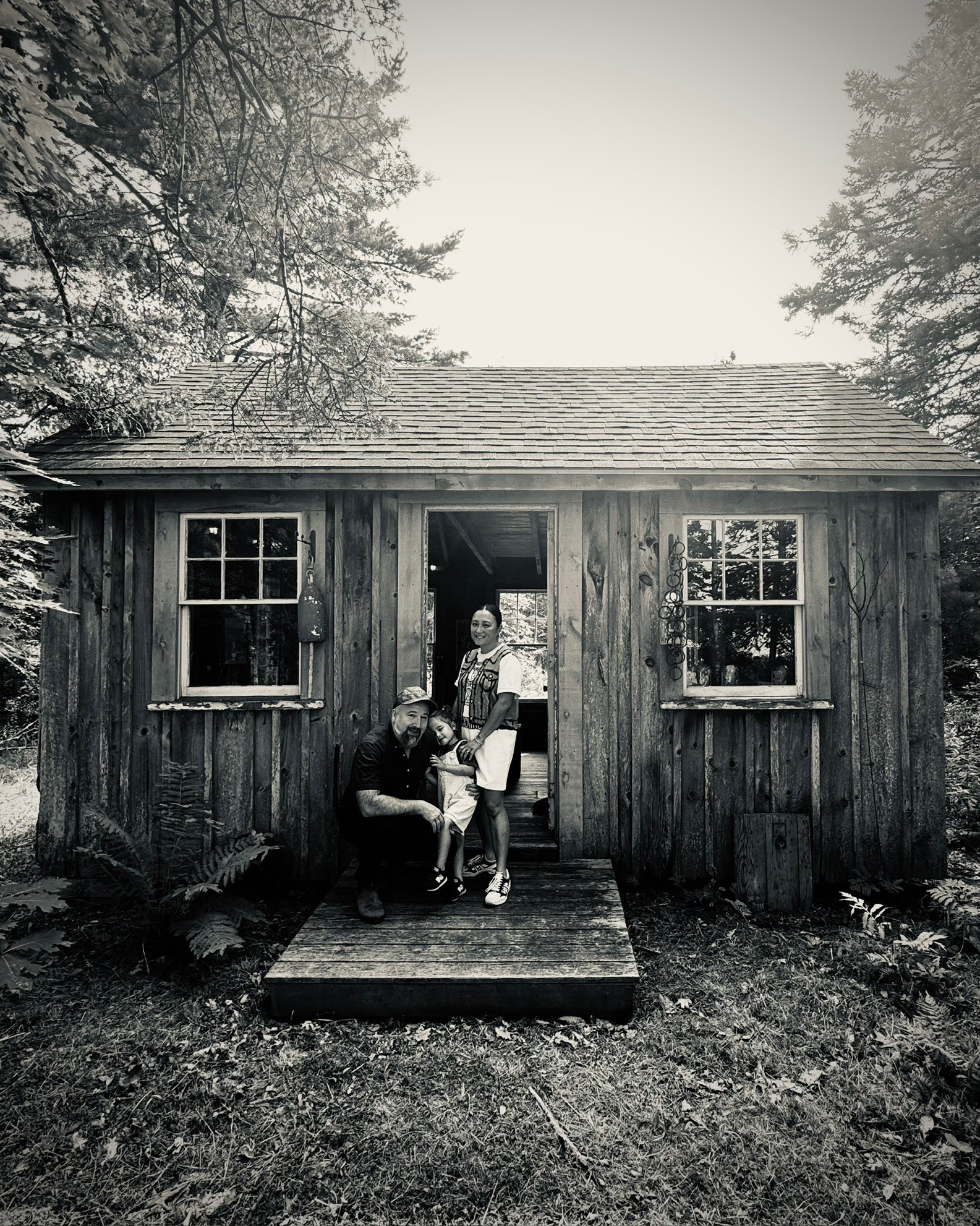
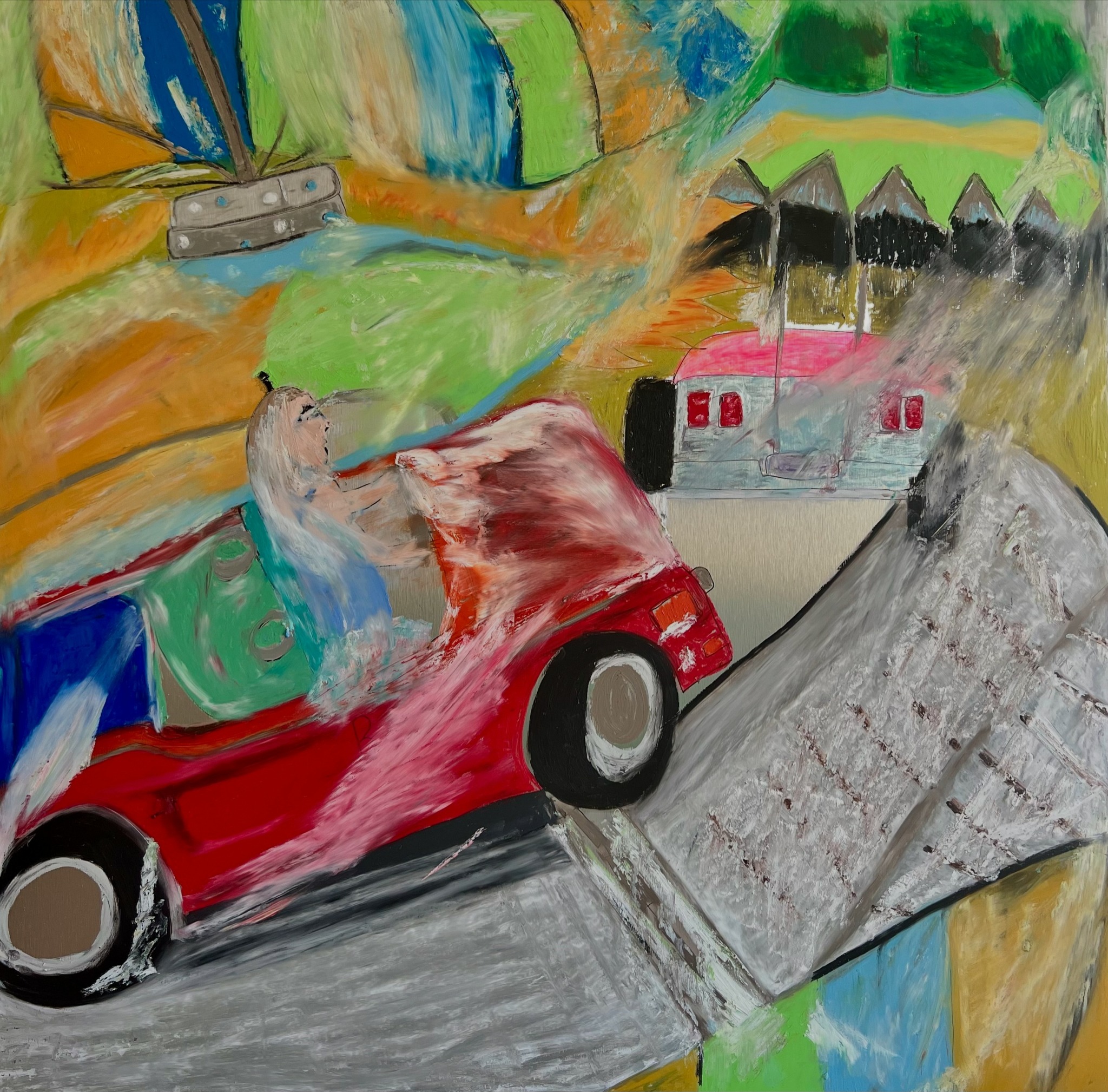
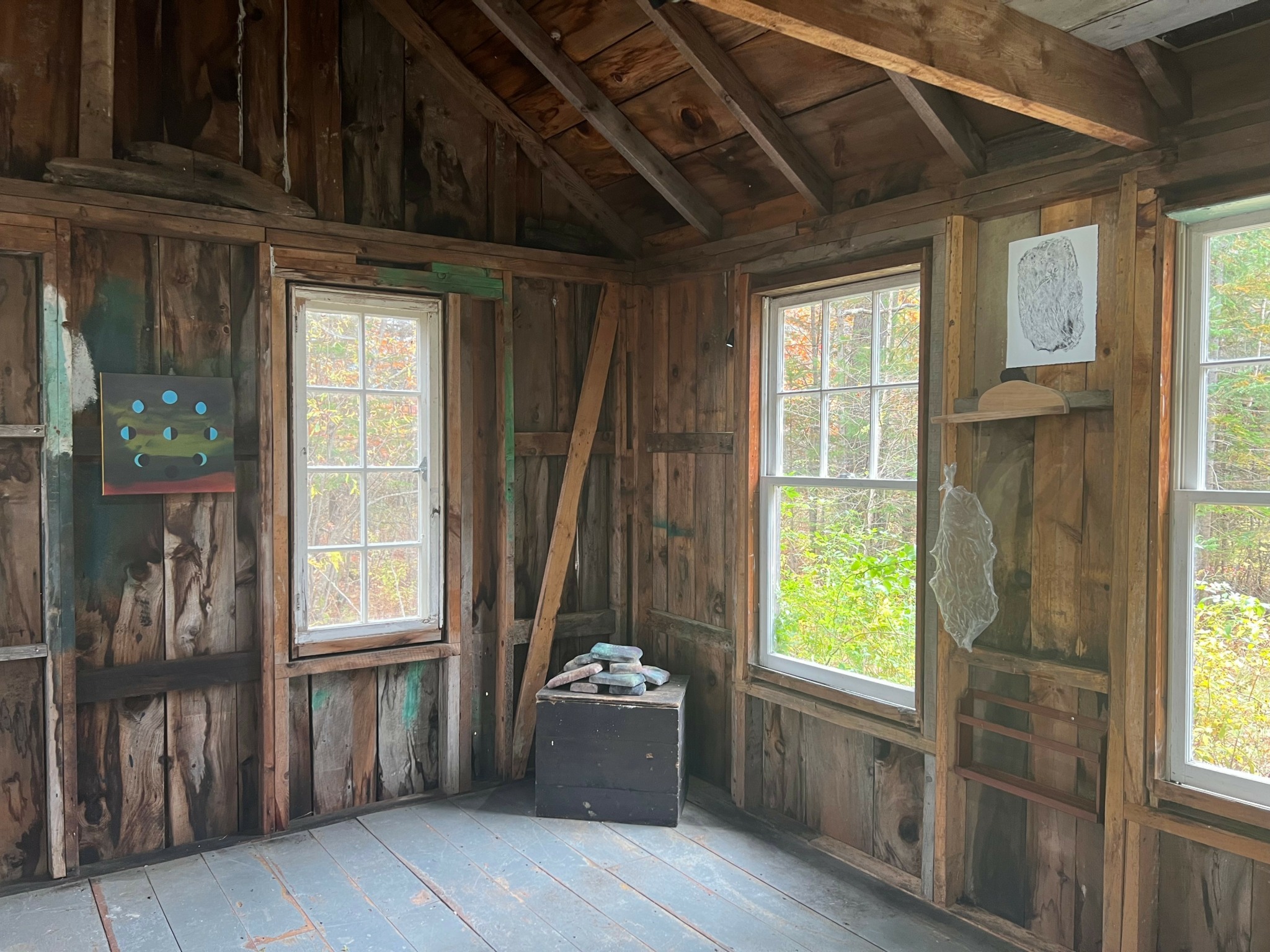
Image Credits
Alix Martin, Noah Workman