



We’re excited to introduce you to the always interesting and insightful Charity Hendricks Rael. We hope you’ll enjoy our conversation with Charity below.
Charity, thanks for taking the time to share your stories with us today When did you first know you wanted to pursue a creative/artistic path professionally?
Probably the first time I heard the band The Fray and found out they were from Colorado, I was probably in the 5th or sixth grade although I had inspirations before that.
Awesome – so before we get into the rest of our questions, can you briefly introduce yourself to our readers.
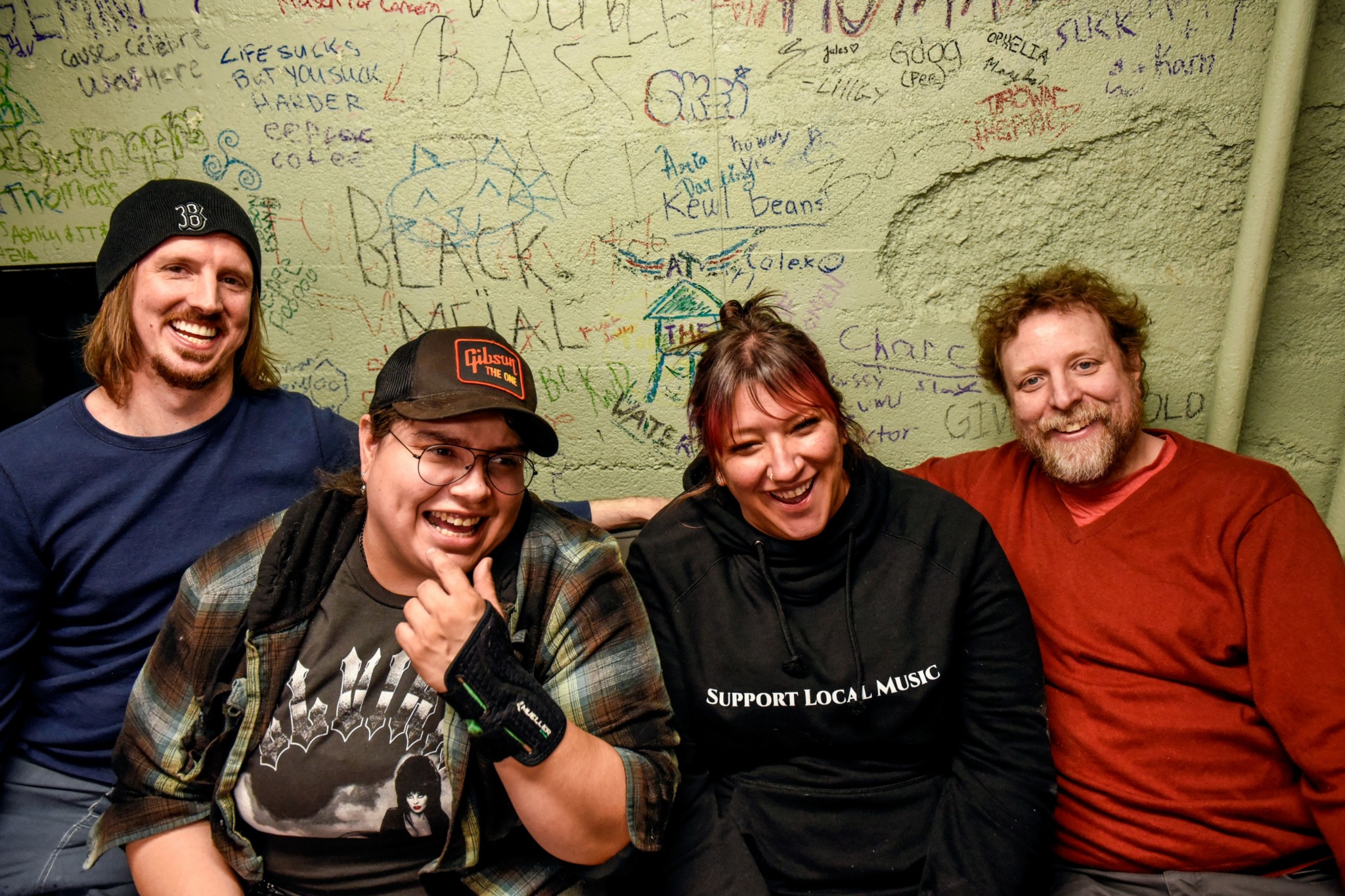
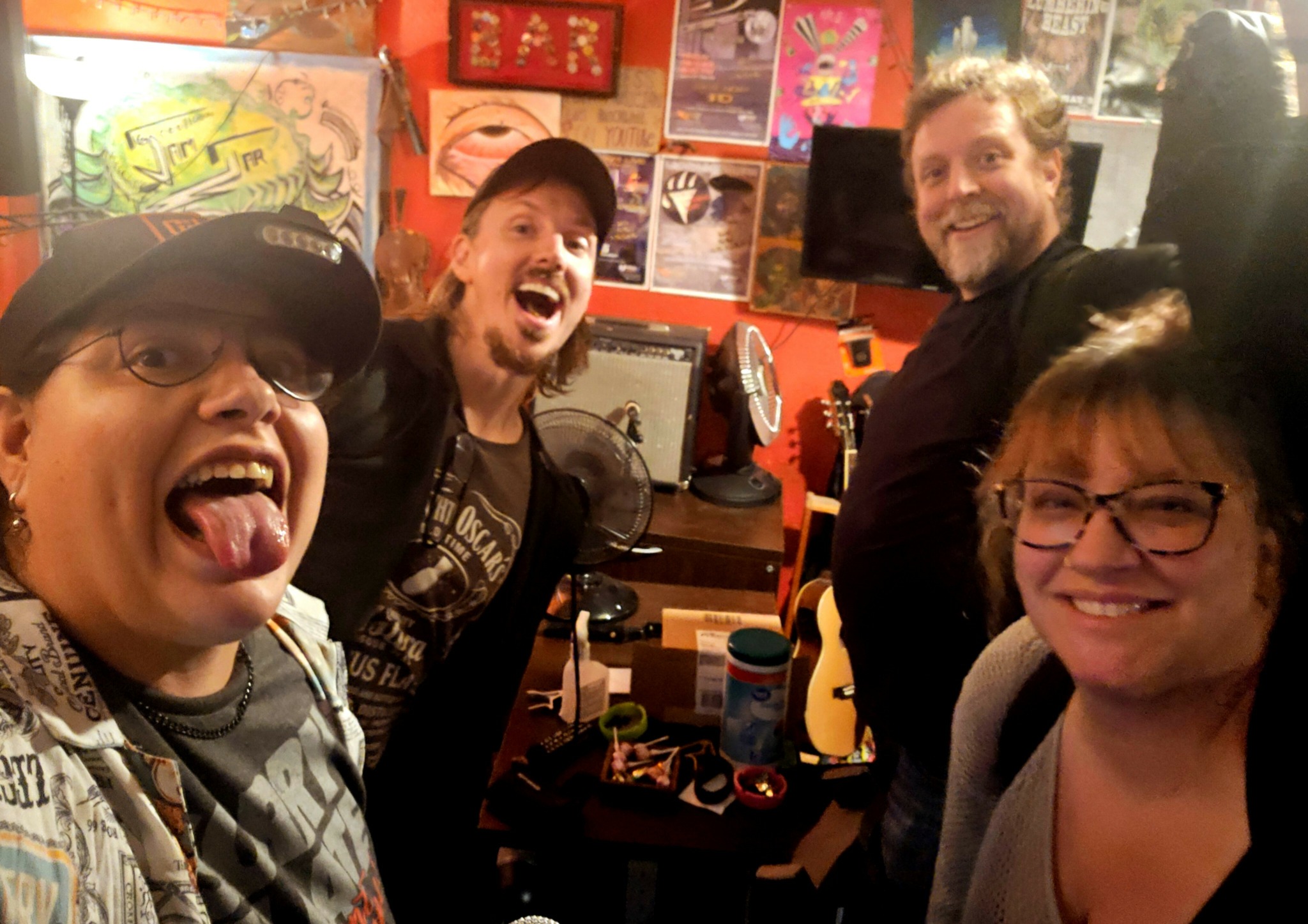
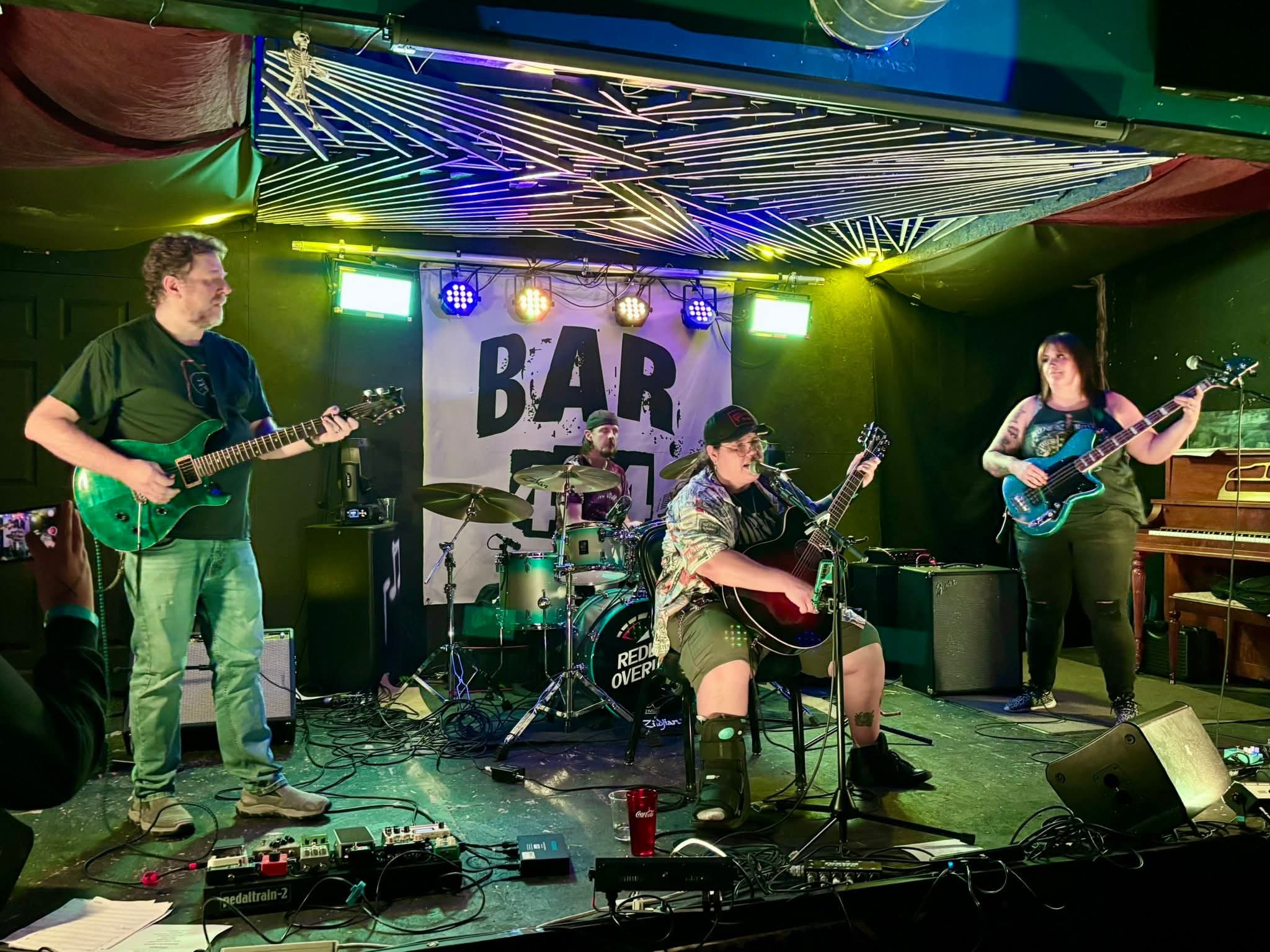
Great Lumbering Beast is my long-running music project — part indie, part alternative, part grunge-blues confession booth — built from years of writing, performing, and finding my own sound. The project has gone through a few different lineups over the years, but I’m in a really comfortable place now with a solid group: Jessica on bass, Jon on guitar, Shawn on drums, and me on vocals and guitar.
I started songwriting because it gave me a way to express myself and be heard without having to spell everything out directly. It became the place where I could put what I felt into something people would actually listen to, and over time it grew into the voice and foundation of Great Lumbering Beast.
We don’t intentionally blend genres — we just make what feels right. If it’s a bop, it’s a bop. The sound lands wherever it lands, and that freedom gives the project its character. Some songs come out soft, some gritty, some chaotic, some calm — but they all come out honest.
The heart of why I make music shows up clearly in my song “Open Book.” I say I was never the type to wear my heart on my sleeve, yet I’m still an open book no one wants to read. That feeling of wanting to be understood without having to force it is behind a lot of what I write. The music becomes a way to turn those quiet, overlooked parts into something people can actually hear and connect with.
What sets Great Lumbering Beast apart is the personality and humanity behind it. The songs, the visuals, the live energy — it’s all built on real experiences and emotion, not formulas. The lineup I’m working with now brings their own creativity and heart into the project, and together we make something that feels alive and genuine on stage.
I’m proud of how far this project has come and the people who support it. I’m proud of the growth, the evolution, and the direction we’re heading. There’s new music on the way, more shows on the horizon, and a clear sense of who we are and where we’re going.
For anyone new to Great Lumbering Beast: we’re here to make music that feels real, hits with emotion, and has its own personality. If you’re into songs that say something and performances that feel human, you’ll find something here to connect with.
In your view, what can society to do to best support artists, creatives and a thriving creative ecosystem?
Society can best support artists and creatives by treating creative work like real work. People love music, art, and entertainment, but they don’t always see the time, skill, and emotional effort that goes into making it. A thriving creative ecosystem starts with valuing the humans behind the art.
There are a few things that genuinely make the biggest difference. The first is fair pay — especially in the live music world. Venues offering musicians a guaranteed payment instead of tips or “exposure” would change everything. When artists know they’ll be compensated, it gives us the stability to keep creating without burning out or struggling to justify the cost of doing what we love.
Accessibility is another major factor. Affordable rehearsal spaces, community studios, and safe places to perform open the door for more artists to actually grow. Not everyone has the resources or connections to get started, so lowering those barriers strengthens the whole creative scene.
Community support matters more than people realize. Showing up to local shows, buying a piece of merch, streaming a song, or sharing someone’s work all add up. It doesn’t have to be big — small support compounds in a huge way.
It also helps when society respects the creative process. Art doesn’t come out perfect on the first try. Artists need room to experiment, fail, learn, and evolve without being expected to constantly produce for free or at a professional level overnight.
To put it simply: pay artists fairly, give them accessible spaces to create, and show up for them. Those are the things that keep a creative community alive. When people genuinely listen, attend, support, and make room for creativity, artists can keep doing what they do best — giving people something meaningful to connect with.
Looking back, are there any resources you wish you knew about earlier in your creative journey?
Honestly, I wish I had known earlier how many resources were out there for artists, because I didn’t have a clue. Even now, there are things people mention — grants, programs, funds, opportunities — that I probably could’ve used years ago, but I still don’t really know how to access them. A lot of my journey has been trial and error, figuring things out the long way instead of having someone show me the shortcuts.
I also wish I had known how helpful it can be to connect with other local musicians. Half the things I’ve learned came from someone casually mentioning something I didn’t even know existed. Having people around you who share advice or point you in the right direction makes a bigger difference than any official resource.
At the end of the day, I’m still learning as I go. There’s a lot I needed back then that I didn’t know about, and honestly, there’s still a lot I’m figuring out now — but that’s just part of being in the creative world.
Contact Info:
- Website: https://greatlumberingbeast.bandcamp.com/
- Instagram: https://www.instagram.com/greatlumberingbeast?igsh=dTR0a3JxYzAyeTIx
- Facebook: https://www.facebook.com/share/1ChKTXhC5H/
- Youtube: https://youtube.com/@greatlumberingbeast?
- Other: https://linktr.ee/lumberingbeast
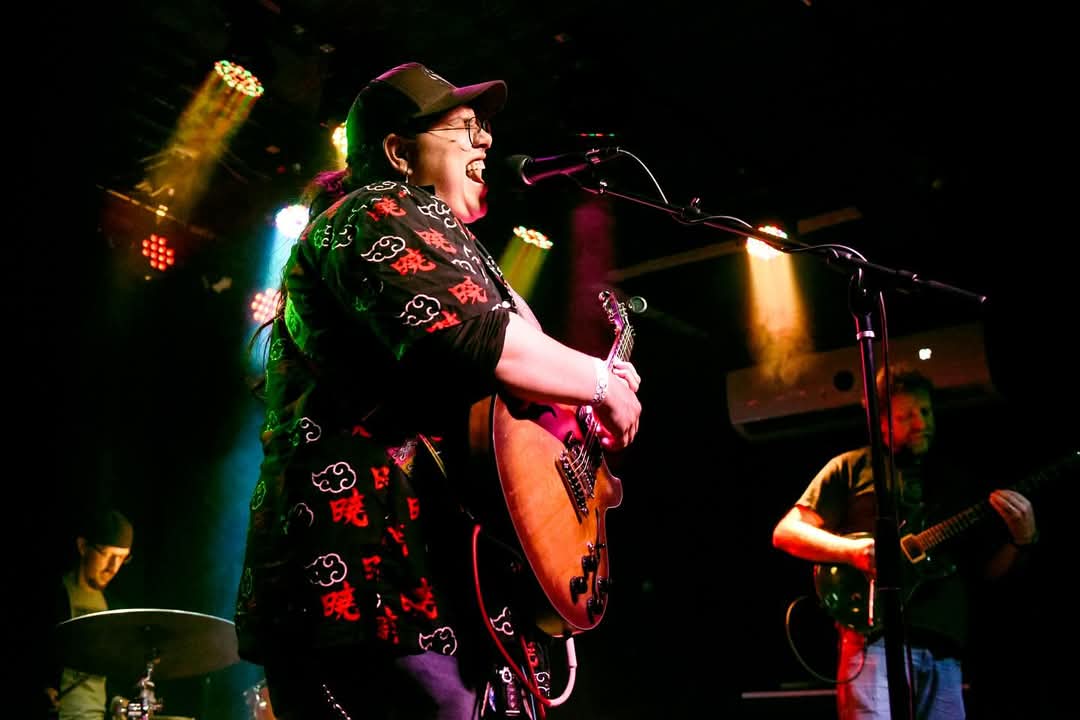
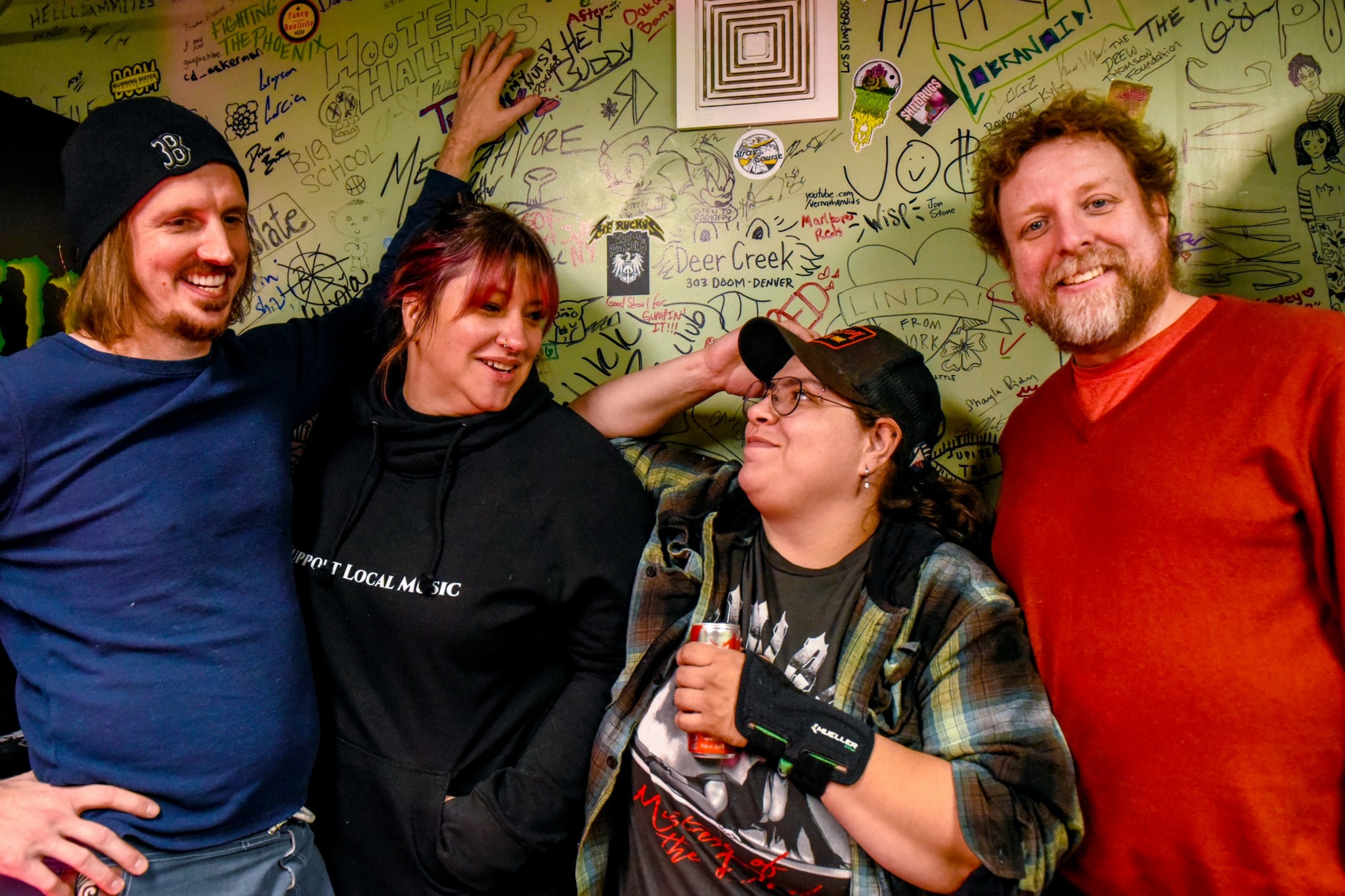
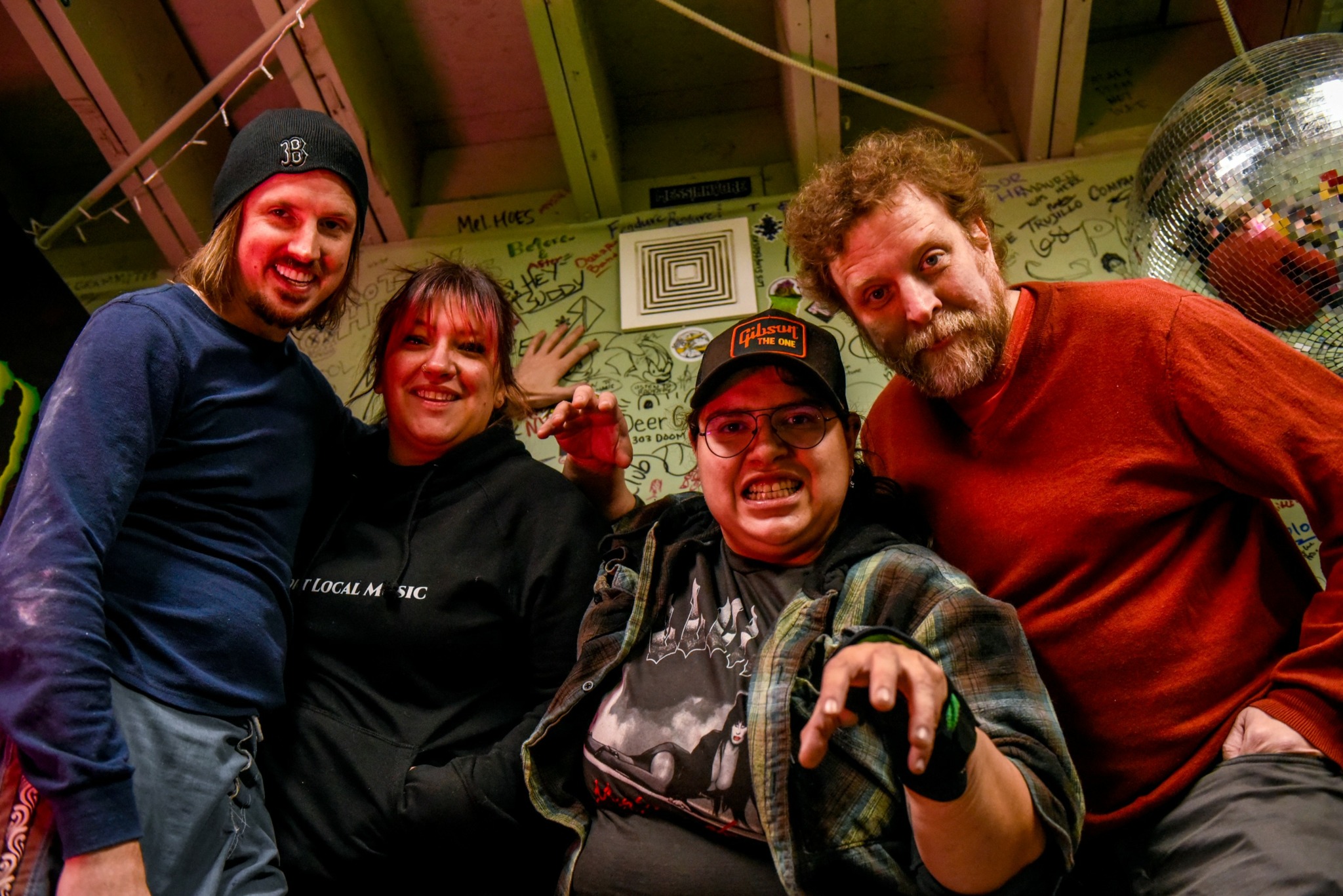
Image Credits
Lisa Dibbern
@little_sister_shoots_press