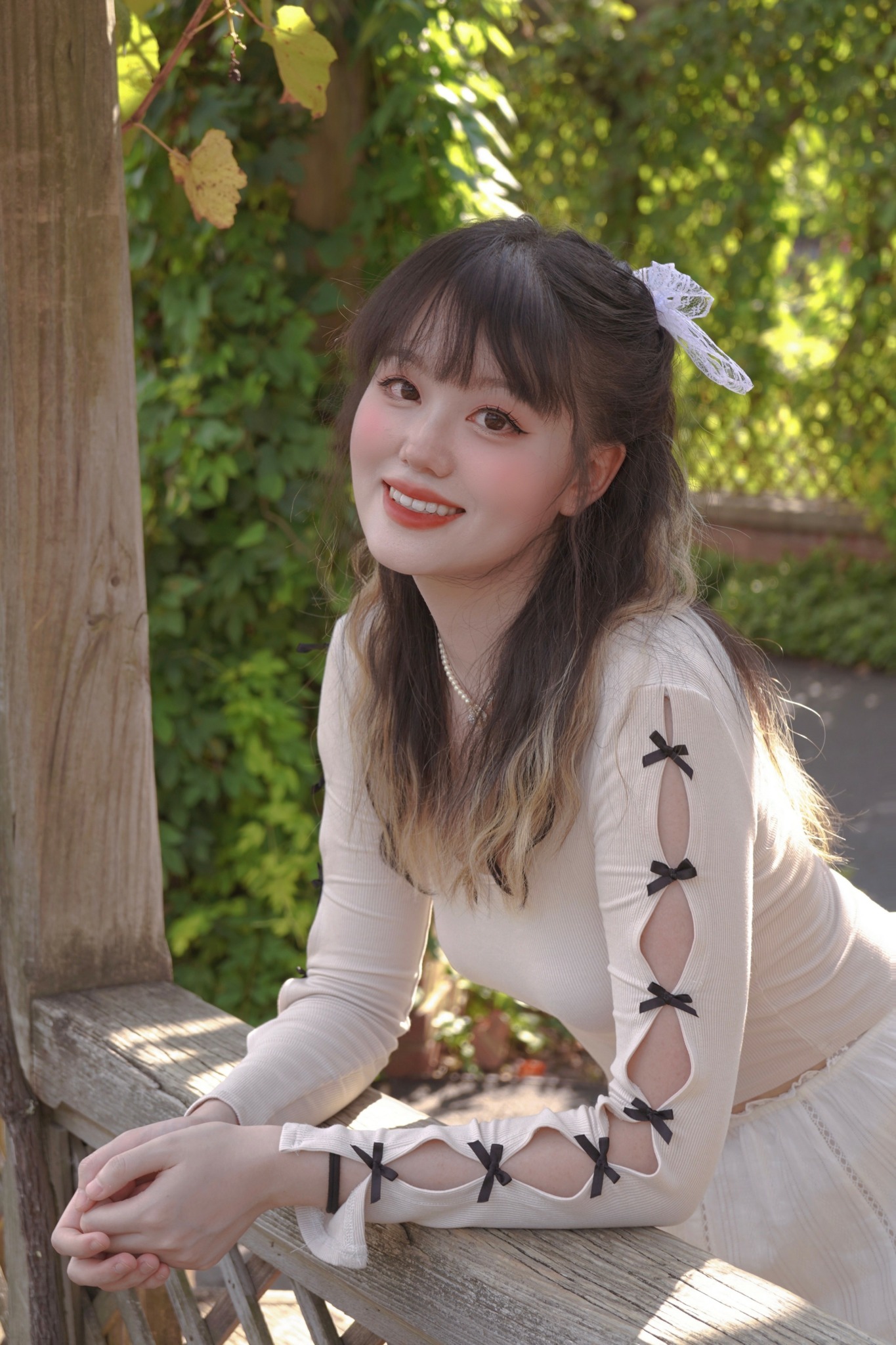

We recently connected with Changyu Zou and have shared our conversation below.
Hi Changyu, thanks for joining us today. Earning a full time living from one’s creative career can be incredibly difficult. Have you been able to do so and if so, can you share some of the key parts of your journey and any important advice or lessons that might help creatives who haven’t been able to yet?
Yes, I’m now able to make a full-time living from my creative work, but it definitely wasn’t like that from day one. My journey has been gradual — a mix of experimentation, self-driven learning, and finding where my work fits in the industry.
When I first started, I focused heavily on developing a visual language that felt authentic to me. It took time to refine my style — especially balancing digital collage elements with texture-driven illustration — and just as much time to understand what kinds of clients respond to it.
A few key milestones helped me transition into working full-time:
• Building a strong portfolio that clearly represented my direction.
• Consistently sharing work online, which helped me connect with art directors and editors.
• Taking on small editorial and design collaborations, which gradually led to larger, more international projects.
• Learning to manage the business side — contracts, pricing, timelines — which made my practice sustainable.
Looking back, I don’t think it could have happened much faster. A lot of the growth came from trial and error, discovering my strengths, and understanding the markets where my work is most relevant. If anything, I would tell my past self to trust the process more and share my work earlier and more confidently.
Today, I’m continuing to expand my practice, seek agency representation, and take on projects that challenge me creatively — and I’m grateful that my work supports me full-time.
Changyu, love having you share your insights with us. Before we ask you more questions, maybe you can take a moment to introduce yourself to our readers who might have missed our earlier conversations?
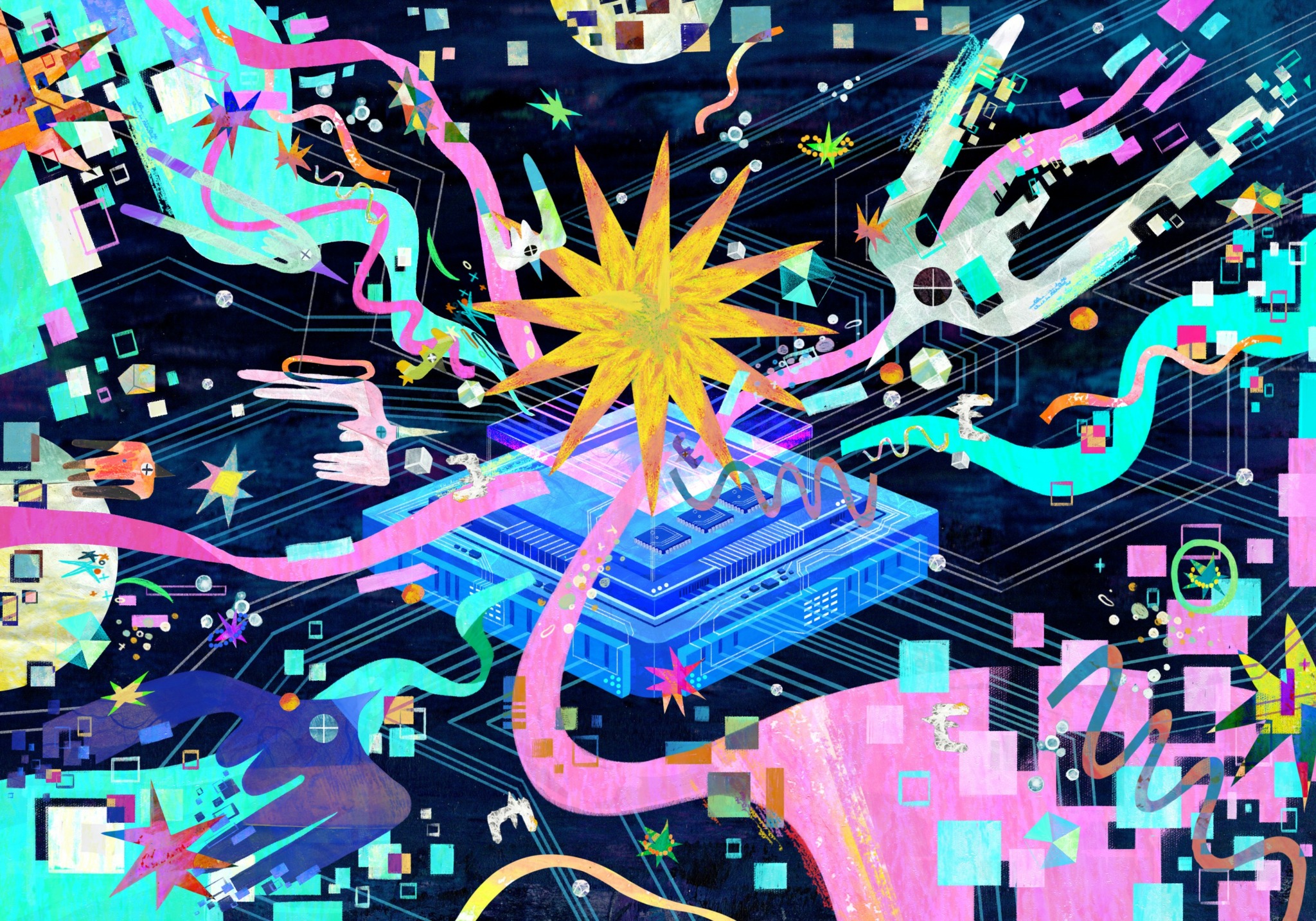
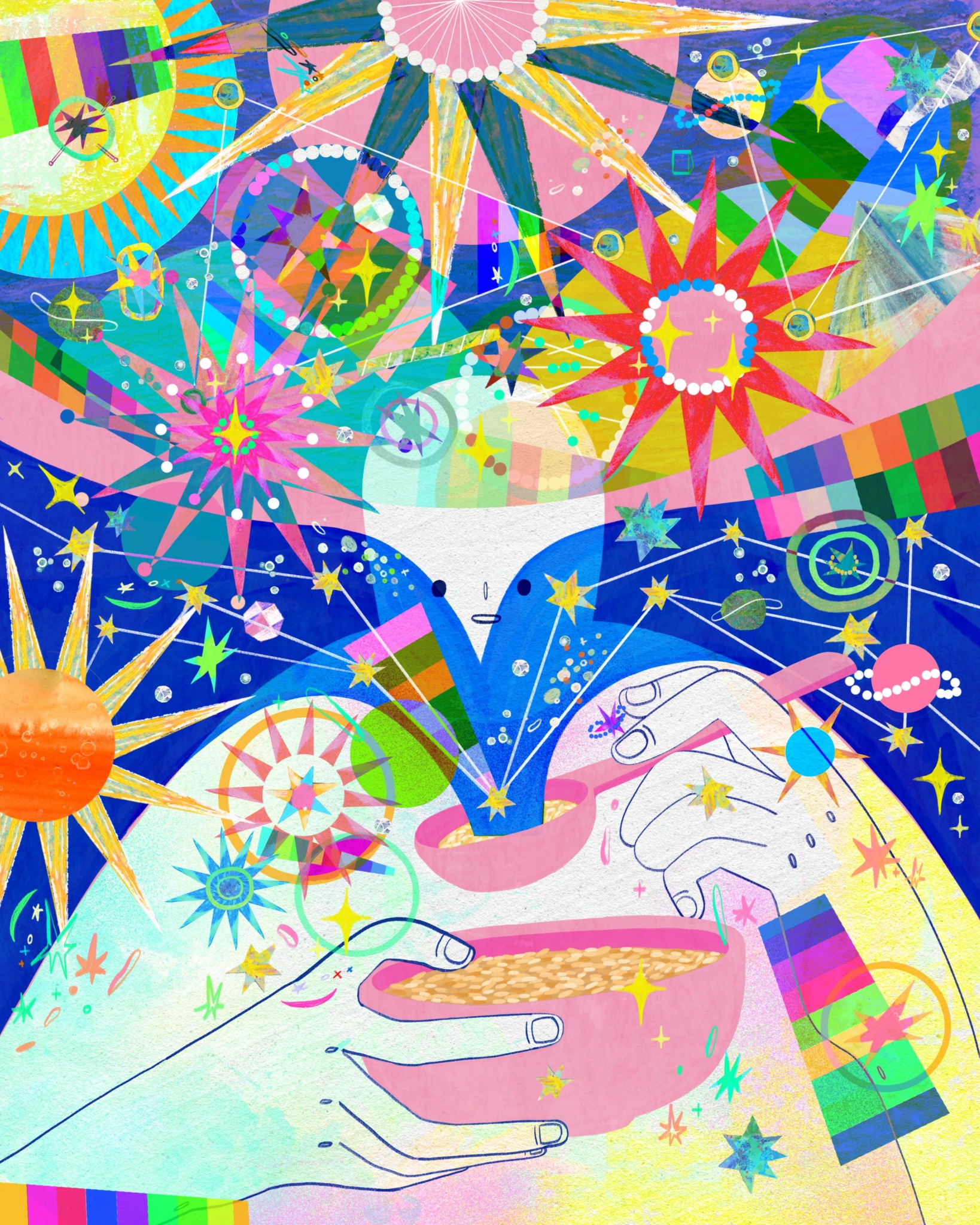
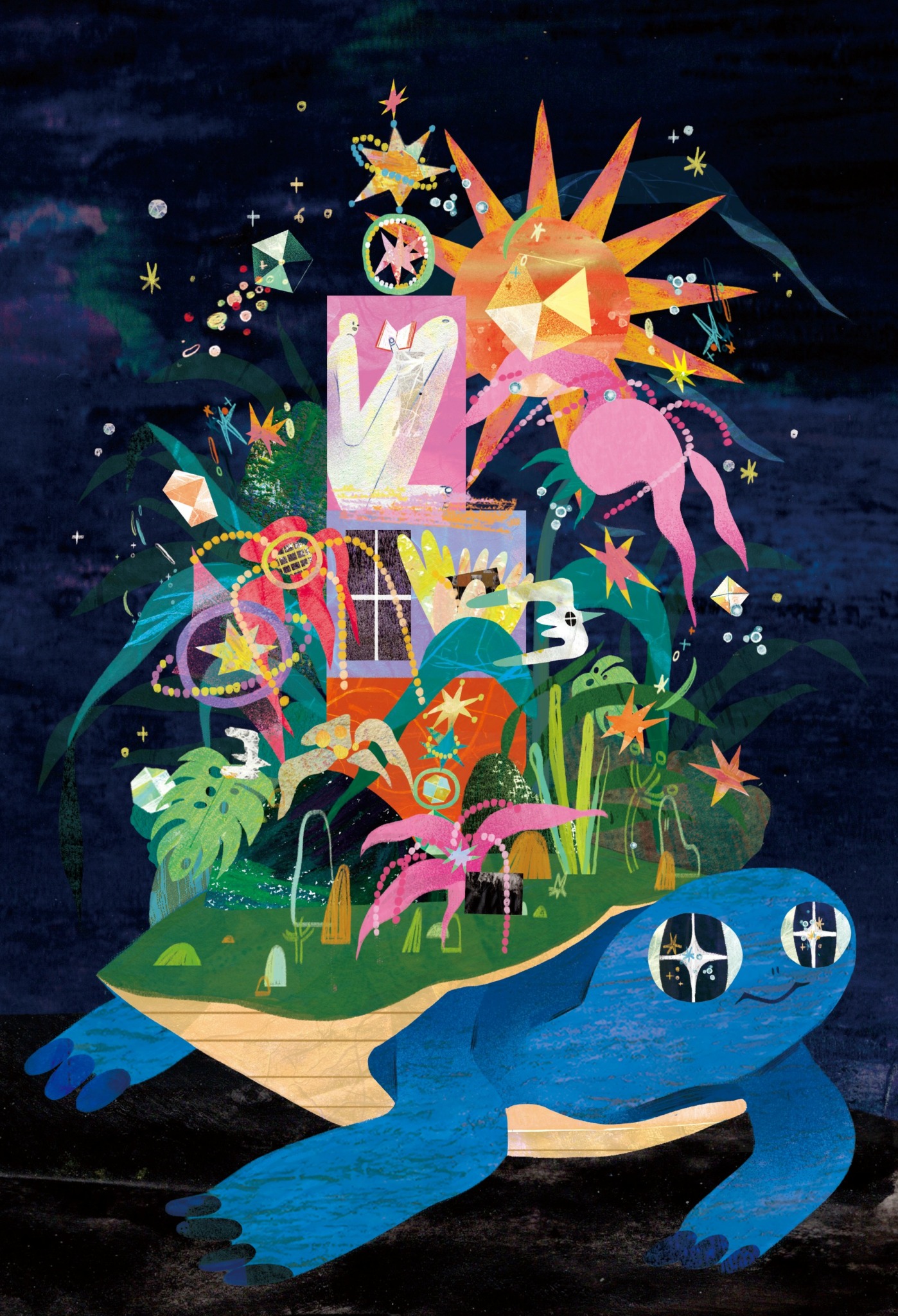
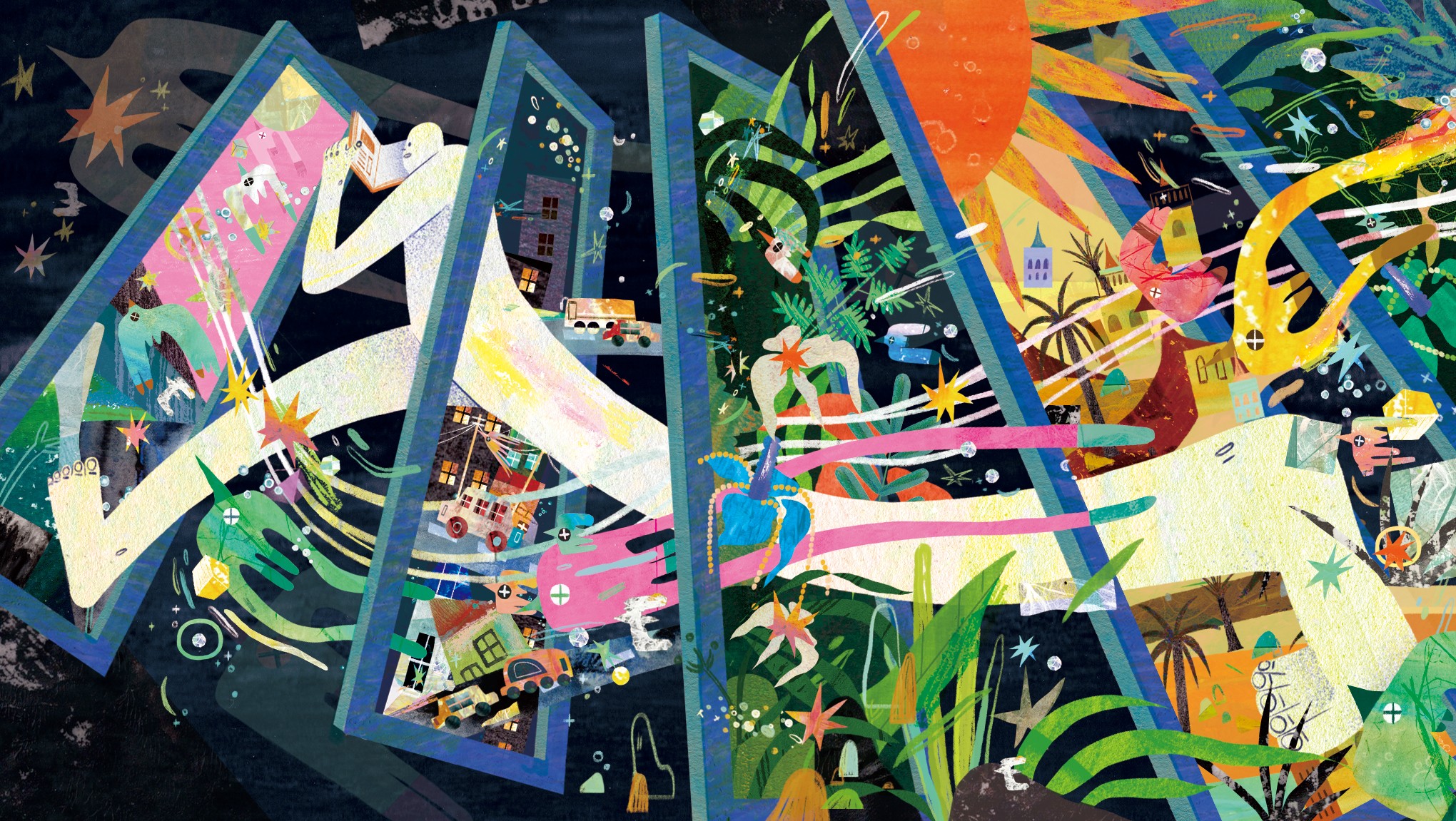
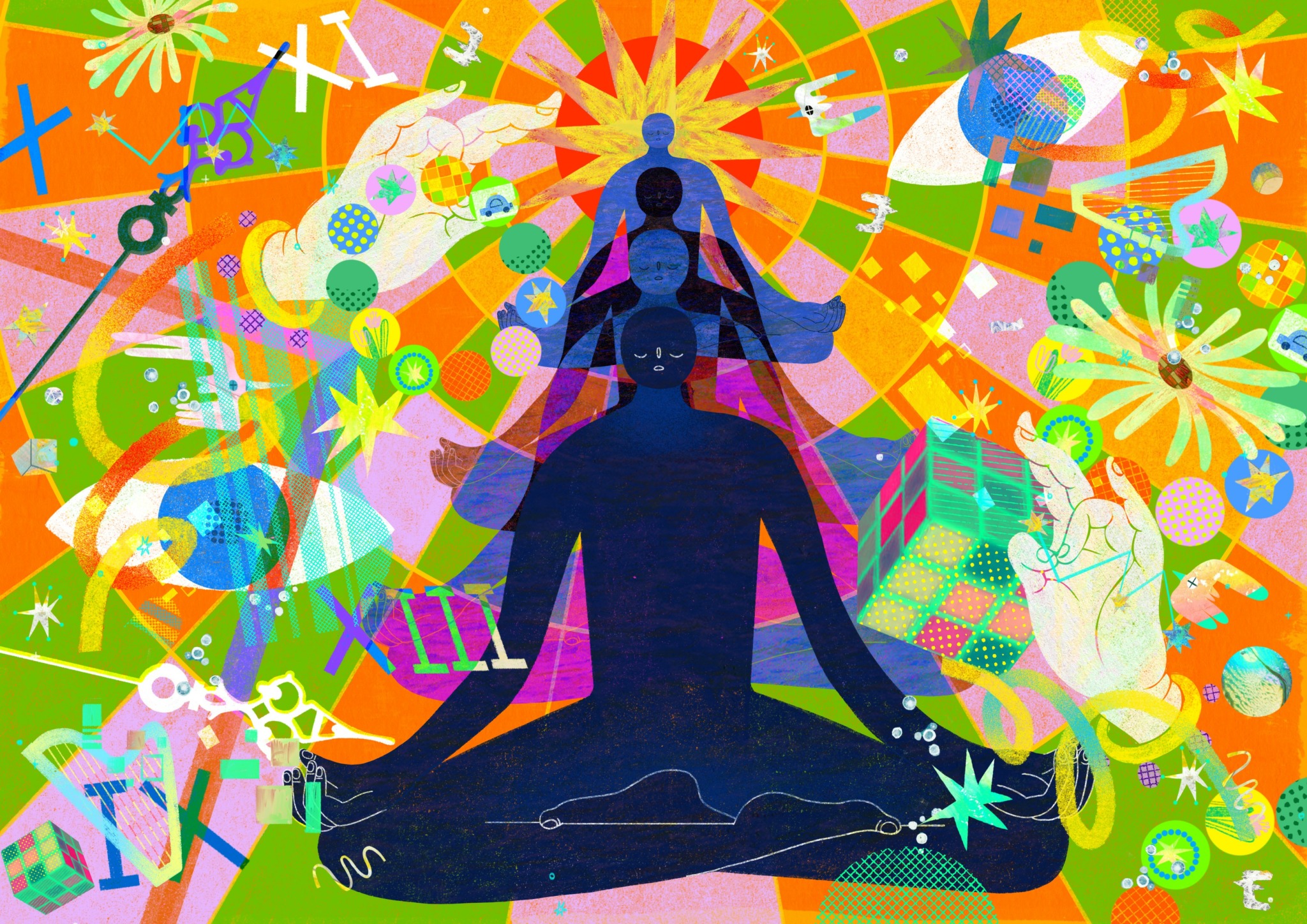
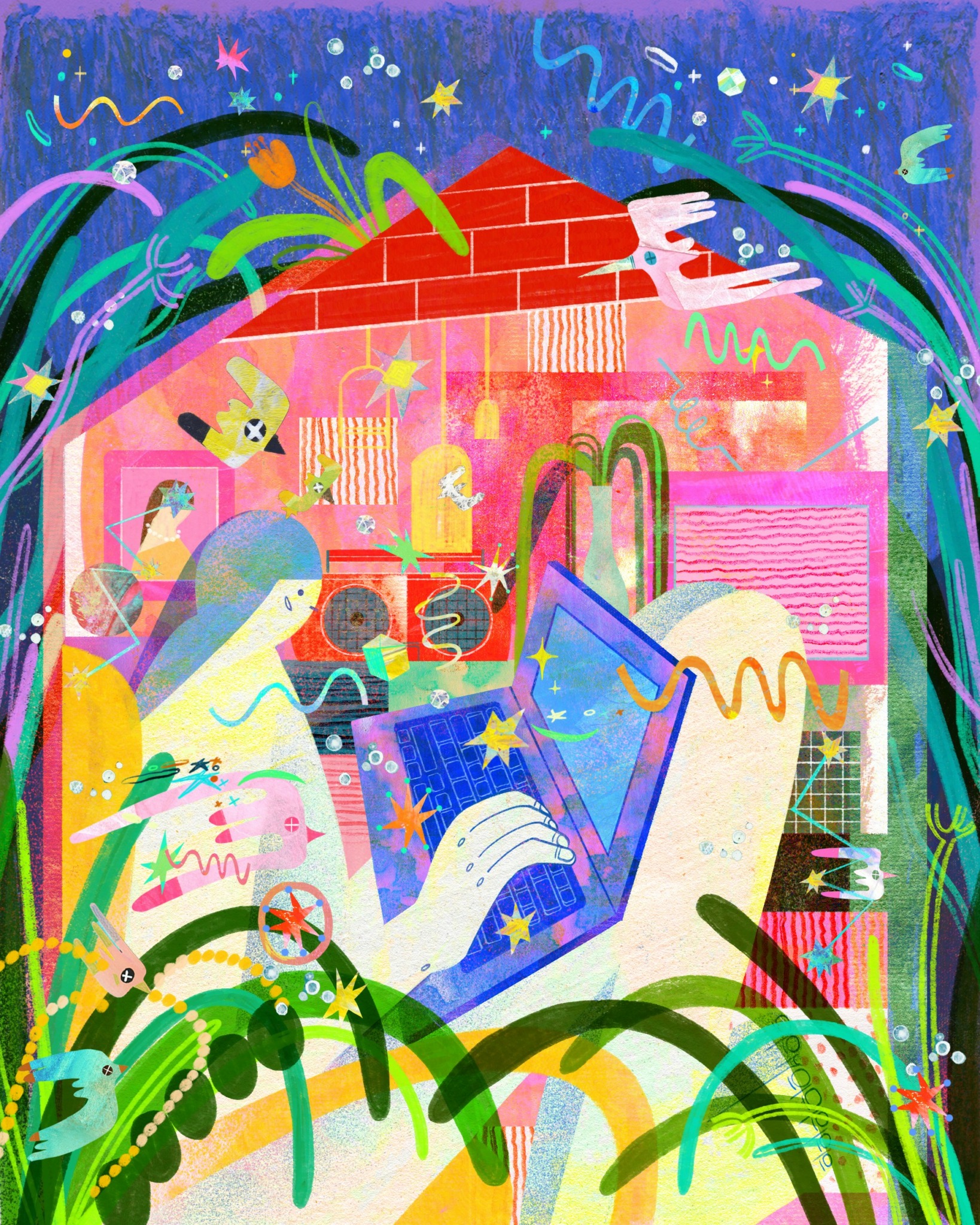
I’m an illustrator whose practice centers on digital collage and rich textural imagery. I work across editorial, advertising, and packaging, and my focus is on creating visual worlds that feel both conceptual and tactile. My path into illustration wasn’t linear — it grew out of a lifelong fascination with images, materials, and the way visual storytelling can connect complex ideas with human emotion.
I entered the industry by experimenting restlessly. Early on, I explored many mediums, but I kept returning to collage — the way fragments can be layered to build something new felt incredibly natural to me. Over time, this evolved into a hybrid approach where digital precision meets hand-crafted textures. That combination has become the foundation of my current style.
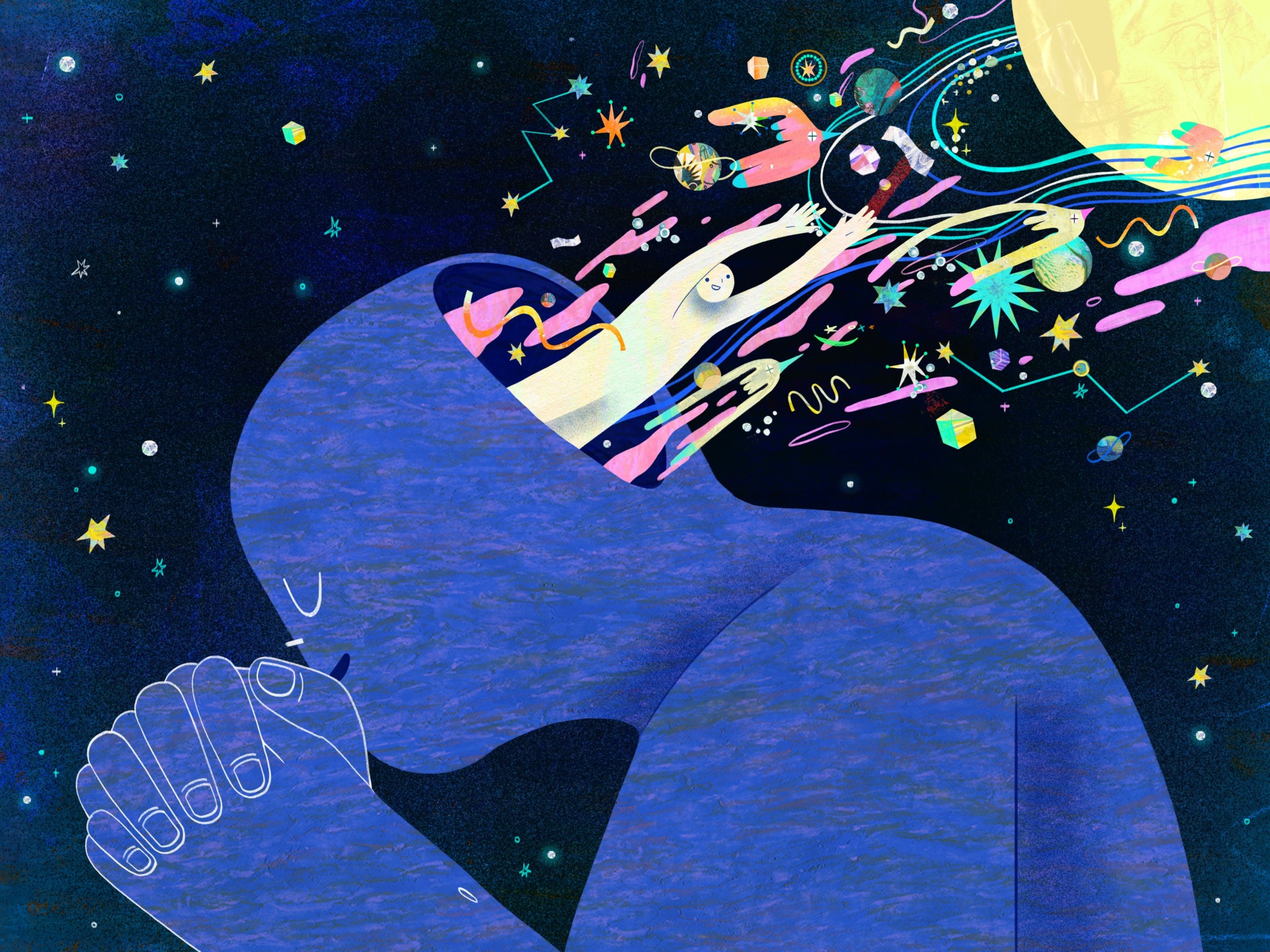
Today, I create illustrations for magazines, brands, and creative teams looking for artwork that feels atmospheric, conceptual, and contemporary. My work often helps clients communicate intangible ideas — whether it’s the feeling behind a story, the personality of a product, or the mood of a campaign. I’m especially drawn to projects that involve abstract thinking, narrative depth, or themes related to culture, technology, and human experience.
What sets my work apart is the fusion of collage logic with a painterly attention to texture. I like to create images that feel layered — both visually and emotionally — where every element is placed with intention. My clients often tell me that my illustrations give their projects a sense of depth, clarity, and distinct mood that stands out in crowded visual environments.
I’m most proud of building a practice that feels true to my voice. The journey has included international collaborations, thoughtful partnerships, and projects where I’ve been trusted to interpret ideas with a lot of creative freedom. Each one has reinforced the belief that a strong visual language can bridge audiences across different contexts.
What can society do to ensure an environment that’s helpful to artists and creatives?
I think society can best support artists by making creative paths more accessible, valuing creative labor fairly, and giving diverse voices real visibility. Affordable education, clear compensation standards, and platforms that champion a wide range of perspectives all help artists build sustainable careers. Most of all, a thriving creative ecosystem grows when people actively engage with art and treat creativity as an essential part of everyday life, not an afterthought.
Is there something you think non-creatives will struggle to understand about your journey as a creative? Maybe you can provide some insight – you never know who might benefit from the enlightenment.
One thing non-creatives may struggle to understand is how much of the creative journey happens internally — the uncertainty, the self-doubt, the invisible hours spent refining ideas that may never see the light of day. From the outside, it can look like artists simply “make things,” but in reality, the process is full of problem-solving, emotional labor, and constant reinvention.
Another part that’s hard to explain is that progress isn’t linear. There are long periods of experimentation where nothing feels stable, followed by sudden breakthroughs that come from months of quiet work. That rhythm is normal for creatives, but it can look confusing or inconsistent from the outside.
I think the most helpful insight is this: creativity requires patience — from the artist, and from the people around them. Every piece, every project, every shift in style comes from a deeper search for clarity and authenticity. When people understand that, it becomes easier to appreciate the work not just for how it looks, but for the journey behind it.
Contact Info:
- Website: https://changyuzou.com/
- Instagram: https://www.instagram.com/changyuzou.art/