

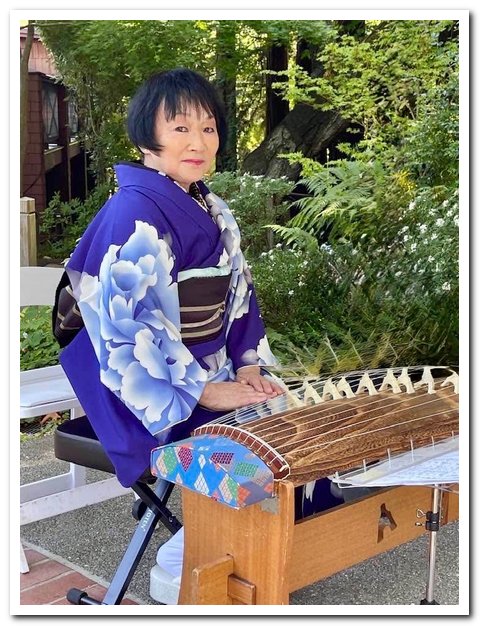

We were lucky to catch up with Shirley Kazuyo Muramoto recently and have shared our conversation below.
Shirley Kazuyo, thanks for taking the time to share your stories with us today We’d love to hear about a project that you’ve worked on that’s meant a lot to you.
For several decades I researched the music and traditional arts which were practiced in the WWII American concentration camps. My mother learned to play the koto when she was 9-years-old at Topaz prison camp in Utah and Tule Lake prison camp in California. She was unaware that there was quite a bit of activity in cultural arts in the camps, and actually most Japanese Americans are unaware of this. 125,000+ Japanese and Japanese Americans were taken from their homes and livelihoods due to the racism that followed the bombing of Pearl Harbor, and put into 10 main prison camps, although there were many other camps as well. They were put into the camps under the Enemy Alien Act of 1798, even though about 2/3 of them were born American. This information about camp life where Japanese traditional arts was practiced was almost erased due to the narrative of even Japanese Americans’ desire to “prove” they were American by cutting out anything remotely Japanese in their lives from the language to traditions. I produced a documentary “Hidden Legacy: Japanese Traditional Performing Arts in the WWII Internment Camps”, and have been lecturing and performing songs from camp to public school students here and in Japan, to various clubs, groups and universities. My message is that our cultural and traditional arts are important to all of us, to know some part of our culture, where we came from, and we need to keep some part of it in our lives. It is a part of who we are, and helps us to understand ourselves and the world.
Awesome – so before we get into the rest of our questions, can you briefly introduce yourself to our readers.
My name is Shirley Kazuyo Muramoto, and have played the Japanese koto most of my life. I learned to play the koto from my mother, who was a koto teacher in the Bay Area. I received my Shihan teaching degree and my DaiShihan masters degree from the Chikushi Kai based in Fukuoka, Japan. I was trained in classical and contemporary koto music, and played the violin from 3rd-12th grade. Growing up in Oakland, California, I heard all kinds of music. Eventually, I wanted to combine my love for Japanese koto with other types of music I was hearing: R&B, jazz, rock, orchestral. I formed my own jazz group, the Murasaki Ensemble, which was made up of acoustic instruments and played a sort of “world jazz”. I also had private students, and I’ve been teaching for almost 50 years. Because most of my students have multi-cultural backgrounds, I would arrange music on the koto from their backgrounds so they could tap into other cultures, as well. I’ve written arrangements for Ethiopian, Guatemalan, Philippine, Chinese, Jewish and more. Being in the Bay Area has allowed me to perform with many diverse artists. I’ve been fortunate to be asked to perform for many events and situations, most recently playing the national anthem for 5 major league teams in the Bay Area, including the SF Giants, Oakland A’s, Golden State Warriors, Bay FC Women’s Soccer team and the Golden State Valkyries. For many years I have been researching how my mom was able to learn to play the koto in the WWII American concentration camps. It took me decades to find people who would tell their stories of how it was like to learn to play Japanese music, dance, and sing in these camps I produced a documentary, “Hidden Legacy: Japanese Traditional Performing Arts in the WWII Internment Camps” which can be seen on YouTube. Since the release of the film which has been seen on PBS stations across the U.S. and in Japan, I have given talks about this period and subject. I realize how important it is to know one’s cultural background, and learn something from it. This is one of the messages I advise my audiences because we all come from somewhere else, unless you are native American. If we can learn something about our individual background and practice something from it, it will help us understand ourselves better. It can be anything from music, dance, foods, art, language and so on. I continue to teach and perform and pass on my music in hopes that it will continue into the next generation.
Is there something you think non-creatives will struggle to understand about your journey as a creative?
I think everyone is creative in their own way. Maybe they just don’t realize when they are, but if you come up with some kind of idea, or a different way of doing something, that’s being creative. If a person thinks they are not creative, that is kind of dangerous. That’s what I’m afraid of with AI because if a person can’t think of something they will turn to AI for the answer. If we rely on AI too much we will lose capacity to think and to be creative. My advice would be that if you can’t think of a way to do something, just wait a few minutes, do something else for a bit. If it still doesn’t come to you, then look for help from other sources. I think sometimes we are afraid to say we have an idea. I often say something like, “I have a crazy idea!”, and think about it a little more to see if it is a crazy idea. If it’s not, I try to do something with it, start to work on seeing if I can make it happen.
For you, what’s the most rewarding aspect of being a creative?
The most rewarding aspect for me on being an artist is that I get to play music. I love the sound of the koto, even just simple single notes. I’m grateful that I’ve been able to share music with others, collaborate to make new music and art with other creative people because that changes my music, allows me see it and hear it in a new way. Because of this the music never gets old. It also helps me personally when I am going through difficult times. I was surprised that although I played the koto for decades, during the pandemic the music took on an entirely different meaning for me. I could feel myself close to losing it and being so stressed out, but because I could sit down and just improvise what I was feeling or play a song I like, it helped calm me down and lift my spirits. This is why I feel everyone needs something like this in their lives, whether is be music or dance or art or anything creative outlet that can help them in difficult times.
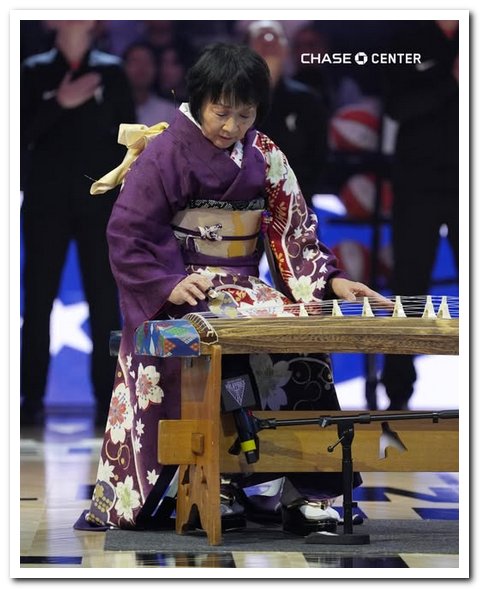
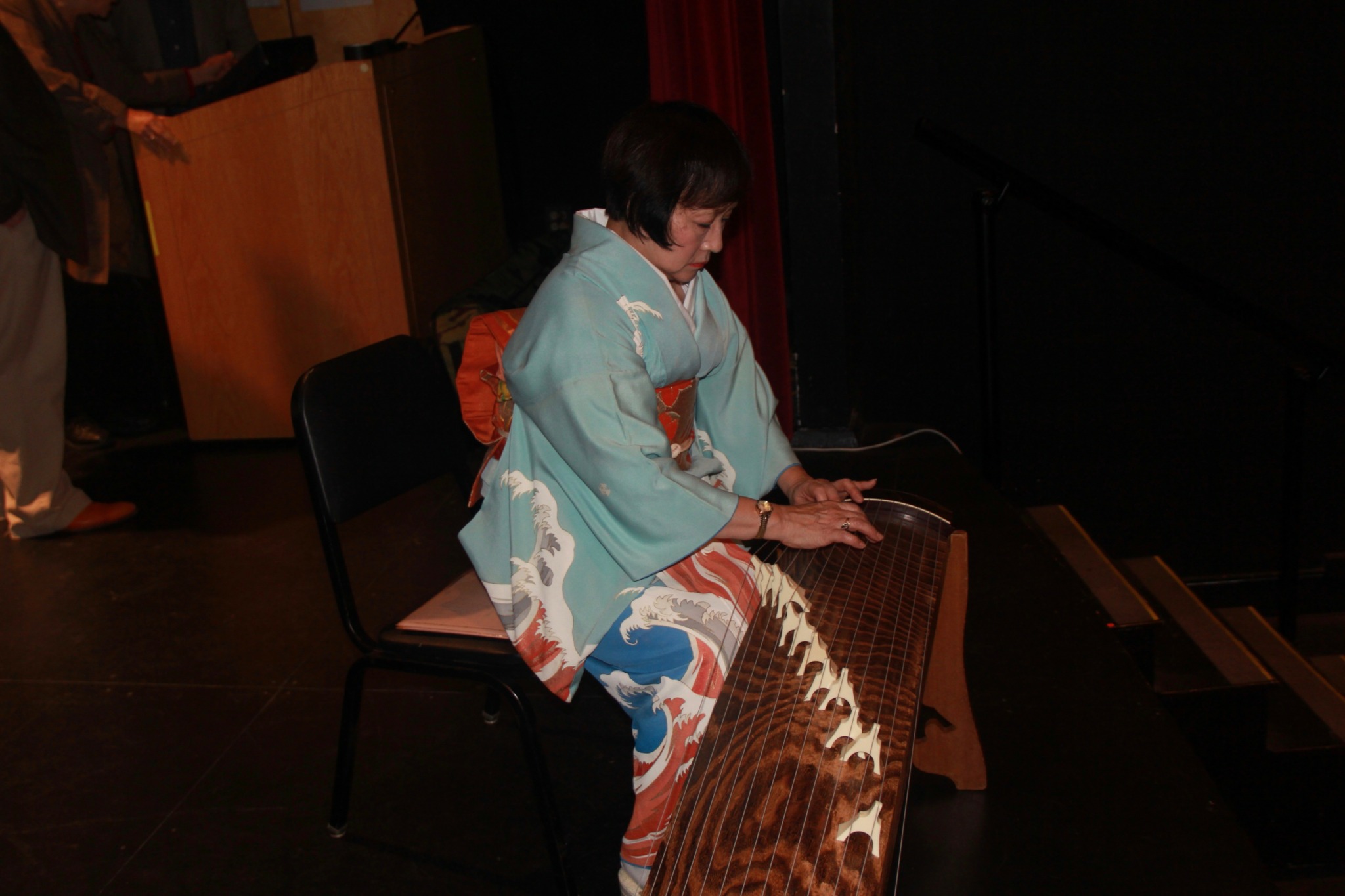
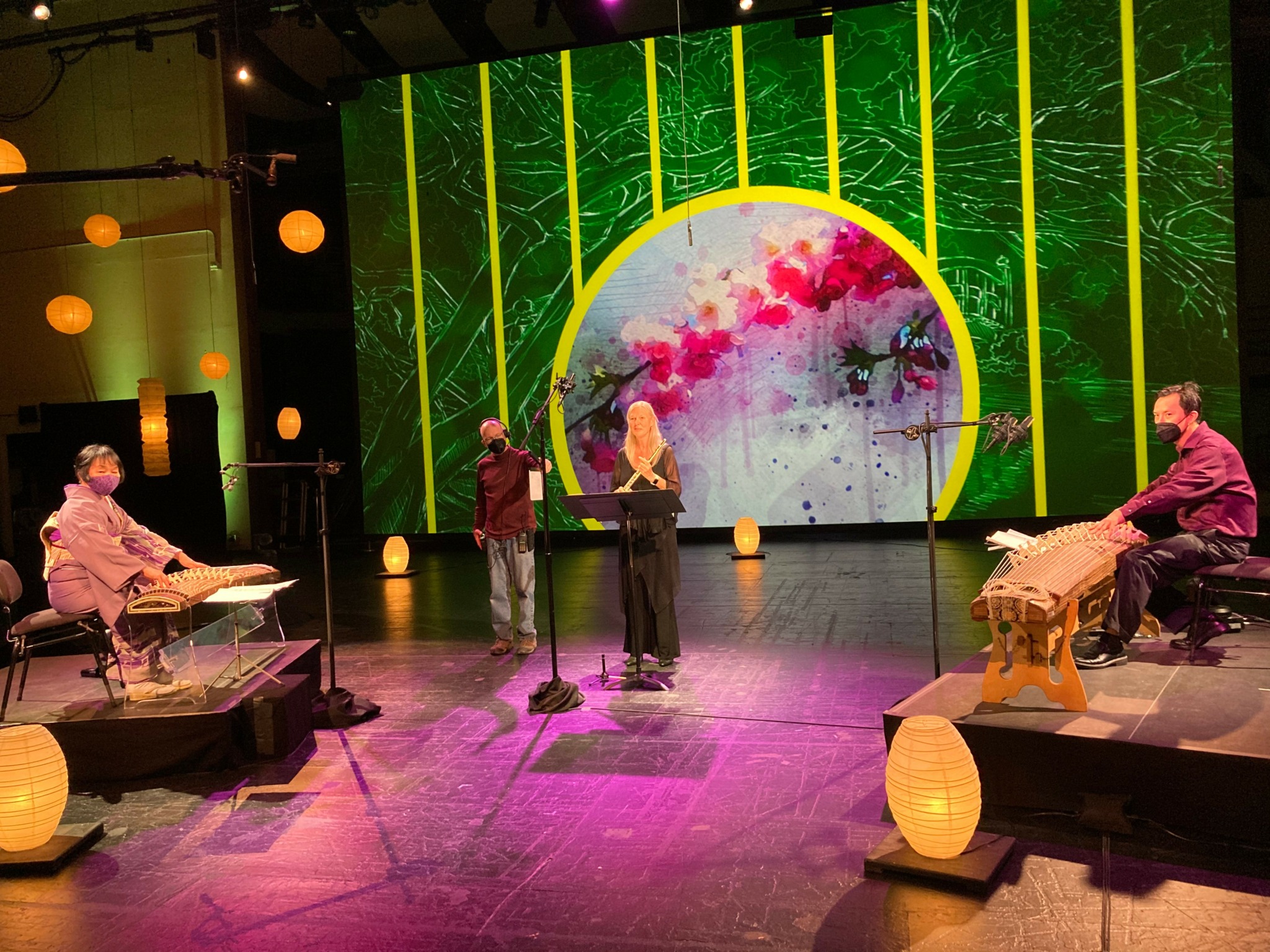
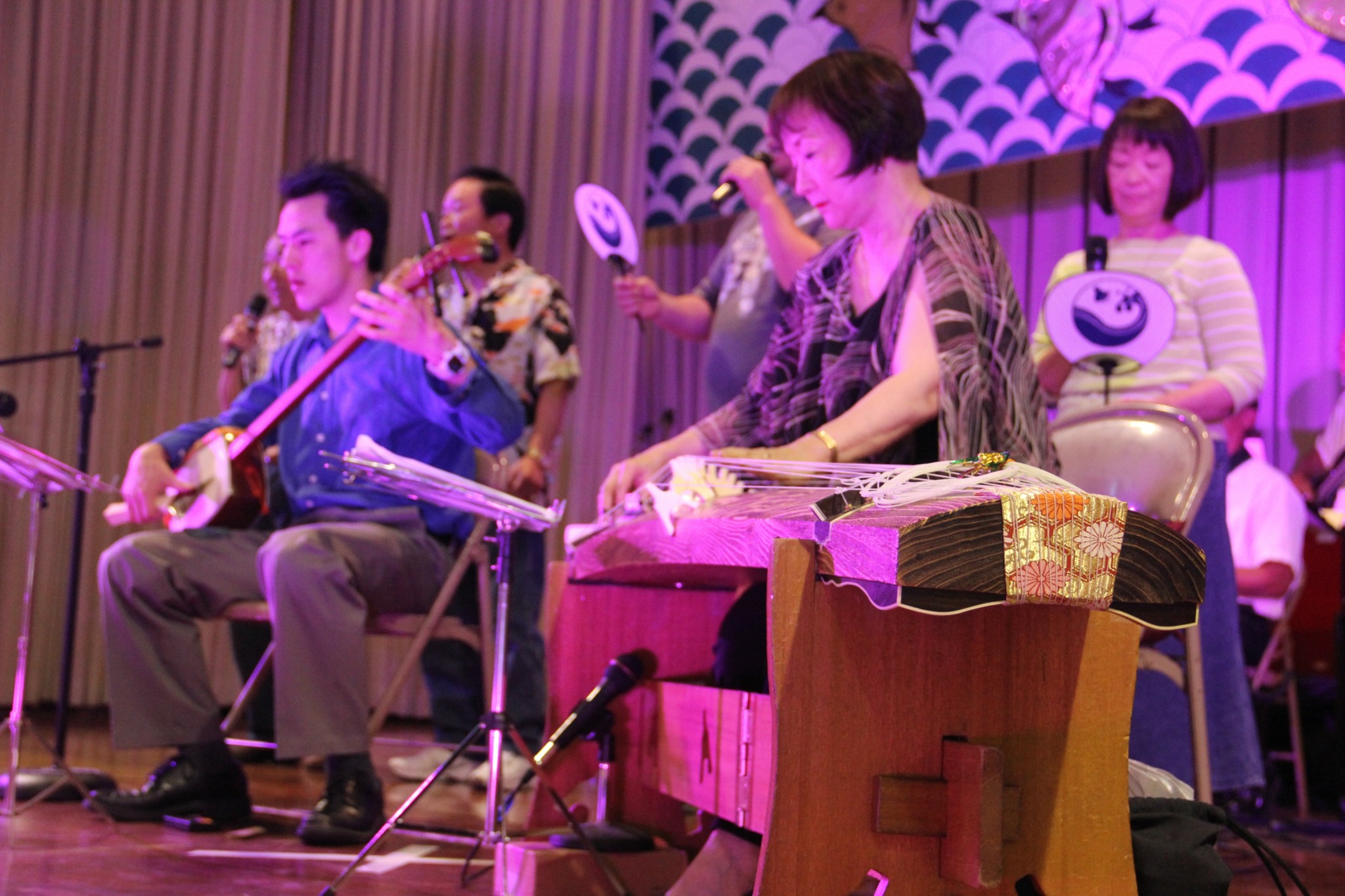
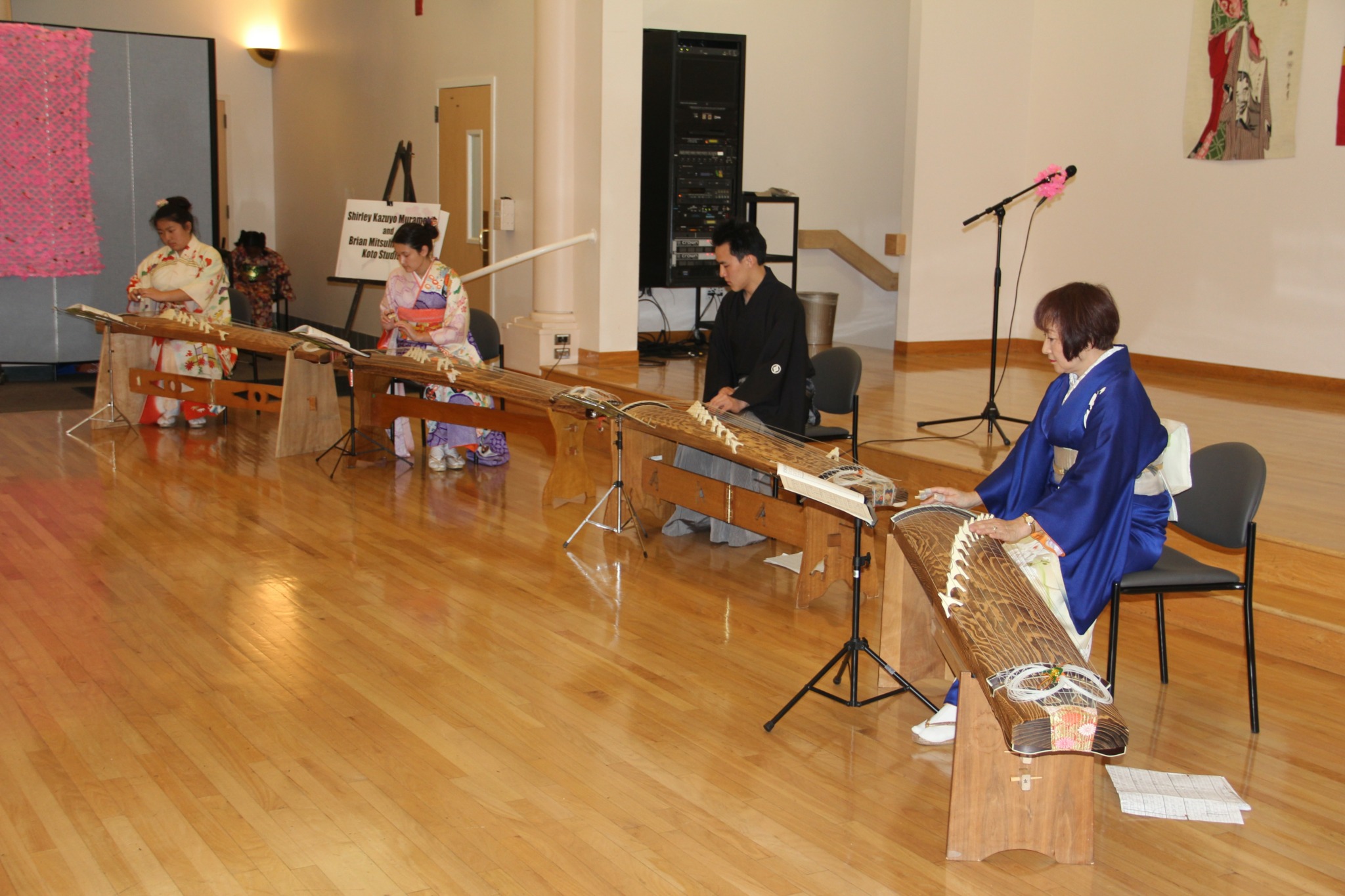
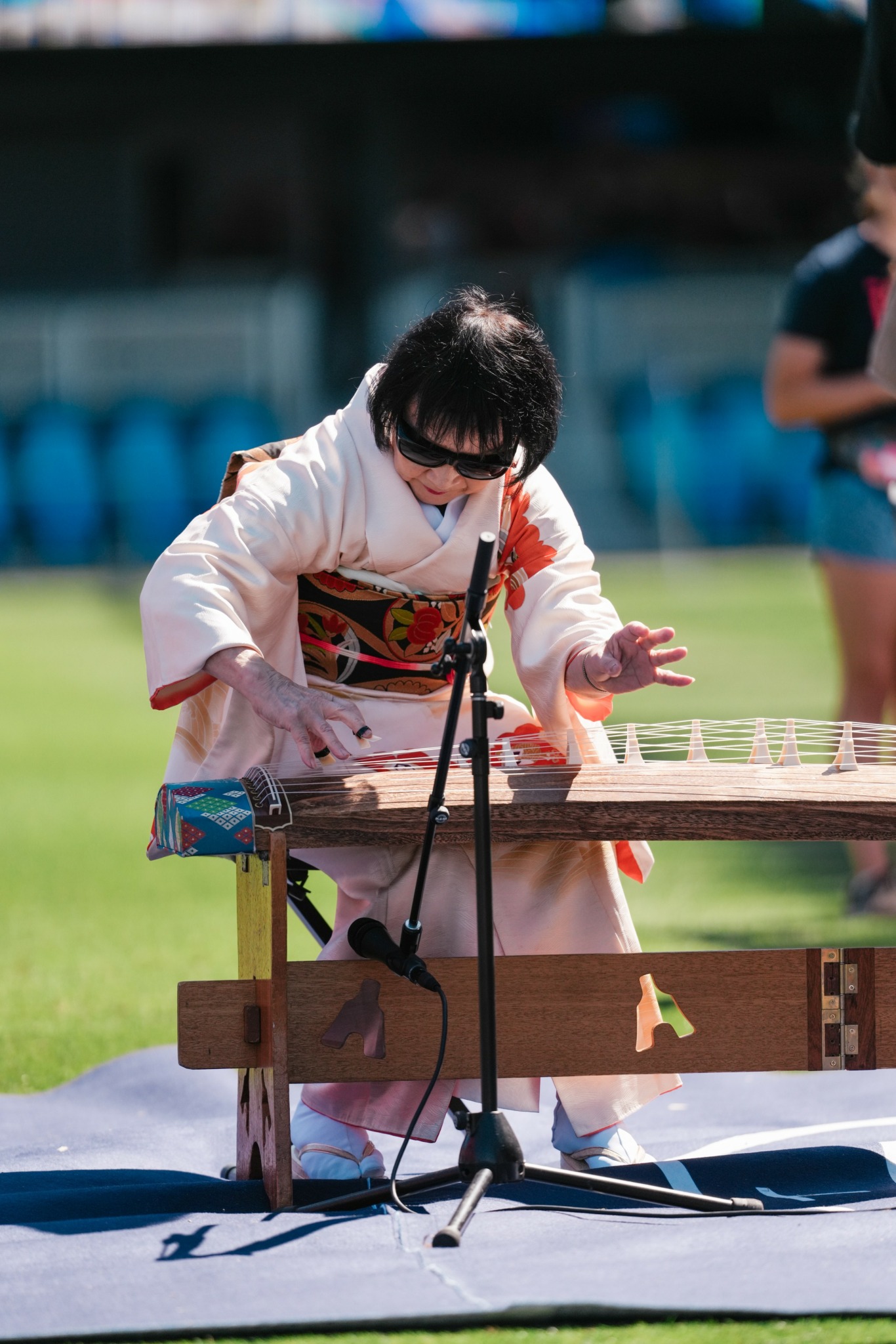
Image Credits
All photos by Robert Chan Wong