

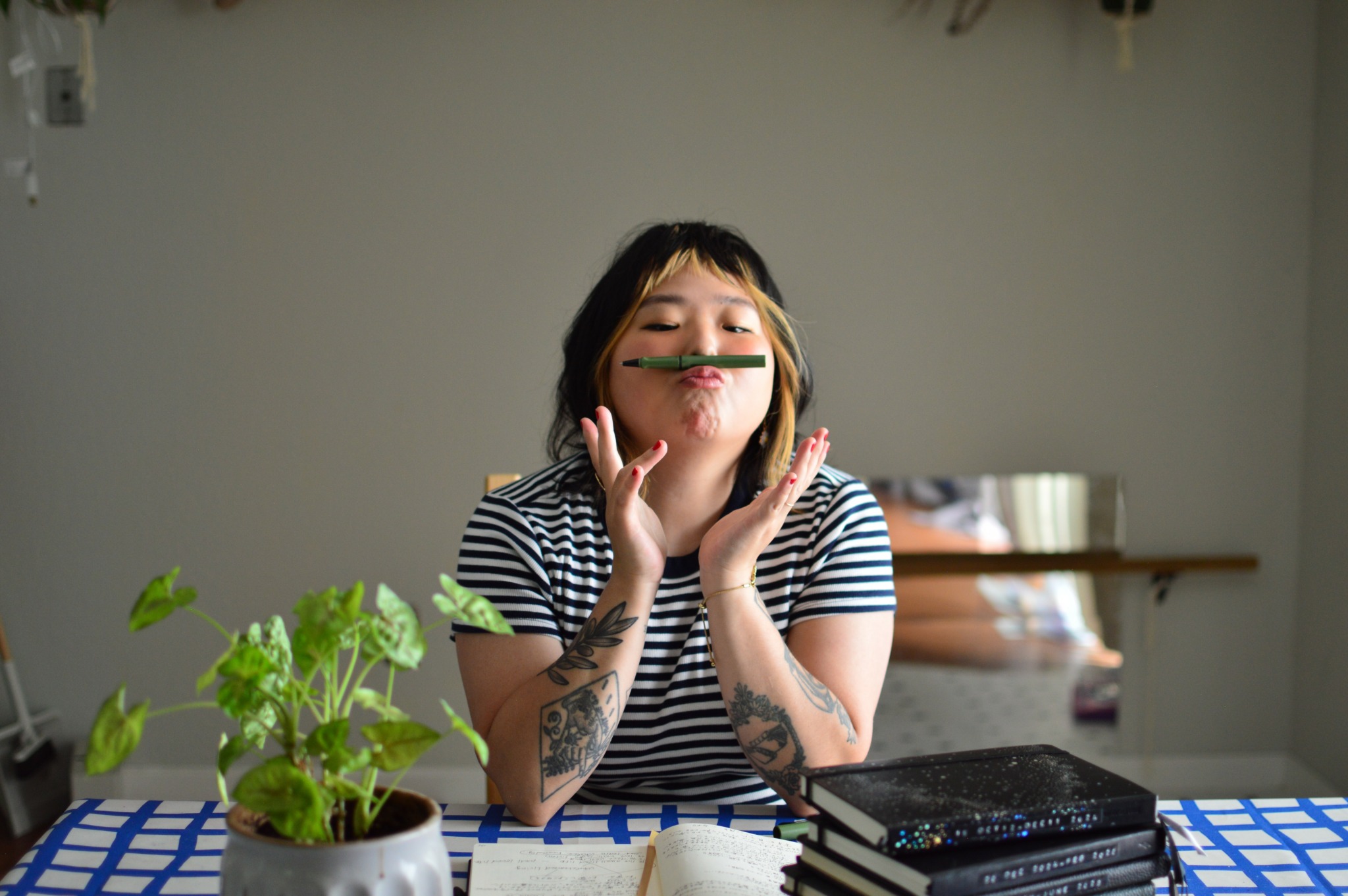

We caught up with the brilliant and insightful SAKURACO BRYANT a few weeks ago and have shared our conversation below.
Hi SAKURACO, thanks for joining us today. Can you walk us through some of the key steps that allowed you move beyond an idea and actually launch?
My Story — Going From Idea to Execution
When I get an idea, I don’t start with spreadsheets or market research.
I start by setting the vibe.
So when I decided to launch my business, the very first thing I did was create a small sacred space for it to land. I designed my logo. I printed my own business cards. I built a website where I could gather all the projects I had been making quietly as a hobby. Looking back, I’m sure there were more “practical” things I could have done first, but at the time, I was simply thrilled by the idea of having a place in the world that felt like mine.
As an immigrant who had uprooted her entire life at 24, that space felt like the one thing holding the threads of my new life together. It was where my prayers echoed back to me as creativity.
Once that space existed, I poured my head, heart, and hands into making the work. My first orders came from friends and acquaintances—slow, sporadic, gentle. That slowness became a gift. It gave me time to build inventory, to let creativity lead the way instead of urgency.
My “system,” if you could call it that, was simple:
I’d jot down ideas on a yellow legal pad, choose the one that sparked a little fire the next day, sketch or collect reference images, make a rough draft, and finally move to the canvas. It was very much an artist’s rhythm—instinctive, intuitive—but when I launched, I made myself a promise:
Create like an artist, but work like an accountant.
So I committed to a daily schedule. I sat down at 9 a.m. and “clocked out” at 6 p.m., even though many days I was too lit up to stop. I’d work late into the night, or wake with the sunrise, coffee half-finished because I couldn’t wait to begin again.
When my shelves finally held a small but proud inventory, I started looking for local vendor events. Until then, I had only sold online. Signing up for my first pop-up felt huge—and then it became addictive. It was like letting my inner child open her tiny lemonade stand again, except this time it was real: a real booth, real business cards, real customers holding the things I made.
I kept signing up for more events. My husband would come with me and talk up my pieces while I sat shyly at the corner of the booth, pretending to reorganize something while secretly glowing.
And of course, I had to figure out the unglamorous parts: business licenses, insurance, taxes. I took a small-business start-up class at the local library. I even walked into the local commerce office with a notebook full of questions. These tasks felt like monsters in the shadows—intimidating, unfamiliar—but once I got close, they turned out to be just cats. Nothing I couldn’t handle if I took it one. step. at. a. time.
That’s how my business came to life. Not in one big leap, but in a series of tiny, faithful moves: setting the vibe, building the sacred space, listening to the ideas, showing up every day, and following the energy wherever it led.

Great, appreciate you sharing that with us. Before we ask you to share more of your insights, can you take a moment to introduce yourself and how you got to where you are today to our readers.
My name is Sakuraco, and the heart of my work lives at the intersection of creativity, language, and self-connection. My business growth hasn’t been a leaner line, it has been a series of evolutions, each one revealing a deeper layer of what I’m meant to do.
I began with hand-painted goods—original art on canvas, denim, leather, anything I could turn into a story you could hold. That first business taught me how creativity becomes a kind of prayer, and how what we make with our hands can help us return to ourselves.
From there, life carried me into ESL teaching. I didn’t realize it at the time, but teaching language opened a new door: the power words have to name our inner world. I saw how people changed when they could finally articulate something they hadn’t been able to before. An emotion, a memory, a desire. It was still design work, just a different medium.
That naturally led me into Learning Experience Design, where I created learning environments—curricula, workshops, systems that help people feel something, not just understand it. I became obsessed with the question:
How do we design experiences that help people reconnect with themselves?
That question is still the center of everything I do.
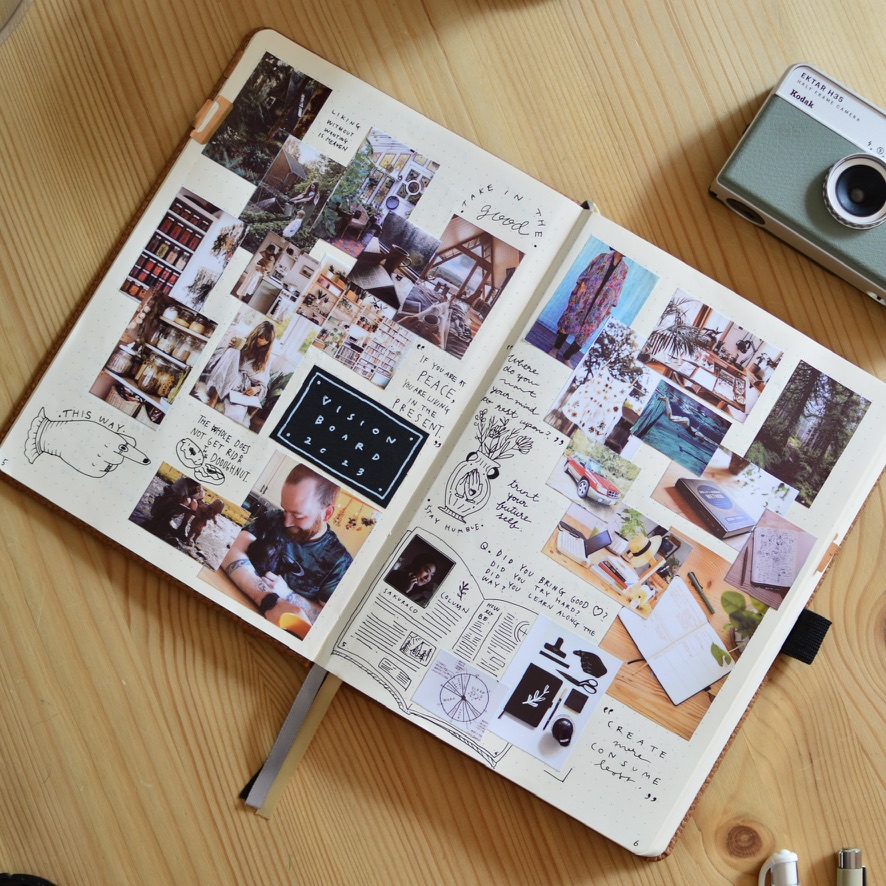
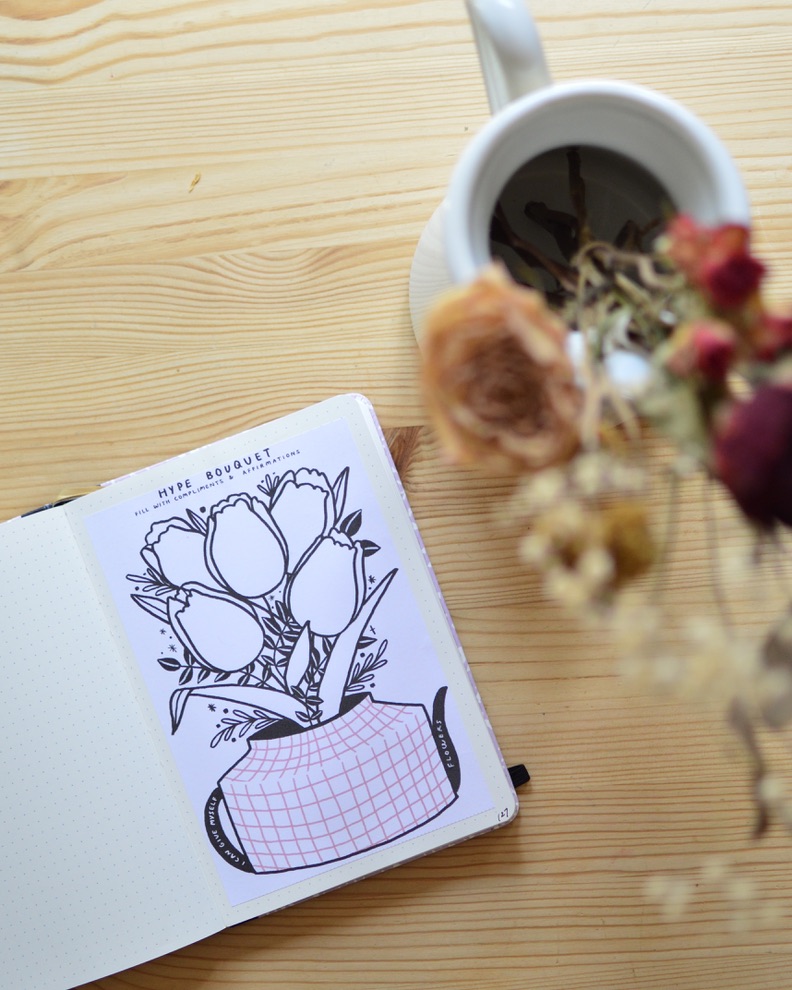
Today, I work as a journaling coach and a Certified Bullet Journal® Trainer. My work blends design, language, and psychology to create tools that help people listen to themselves with compassion and curiosity. I design journaling sheets, self-care stationery, and learning experiences; workshops and coaching courses, that make reflection feel gentle, intuitive, and beautiful, something you genuinely look forward to reaching for at the end of the day.
Across every chapter, my work has always been some form of design—not just visual design, but emotional and linguistic design. I design ways for people to come home to themselves. Sometimes that looks like a hand-painted jacket. Sometimes it’s a journaling worksheet. Sometimes it’s a single sentence that unlocks clarity for someone.
What sets my work apart is the way I blend artistry with structure—intuition with psychology, creativity with systems, softness with rigor. It’s a very “me” combination: equal parts poetic and practical.
What I’m most proud of is that my work helps people slow down, notice themselves, and rebuild trust with their own inner voice. Whether they come to me for a workshop, a piece of stationery, a journaling framework, or a podcast episode, my hope is always the same:
that they leave feeling more connected, more grounded, and more themselves.
That is the thread running through my entire career, no matter how much the medium has changed. My work is, and has always been, about designing invitations—tiny sacred spaces—for people to reconnect with who they really are.
How did you build your audience on social media?
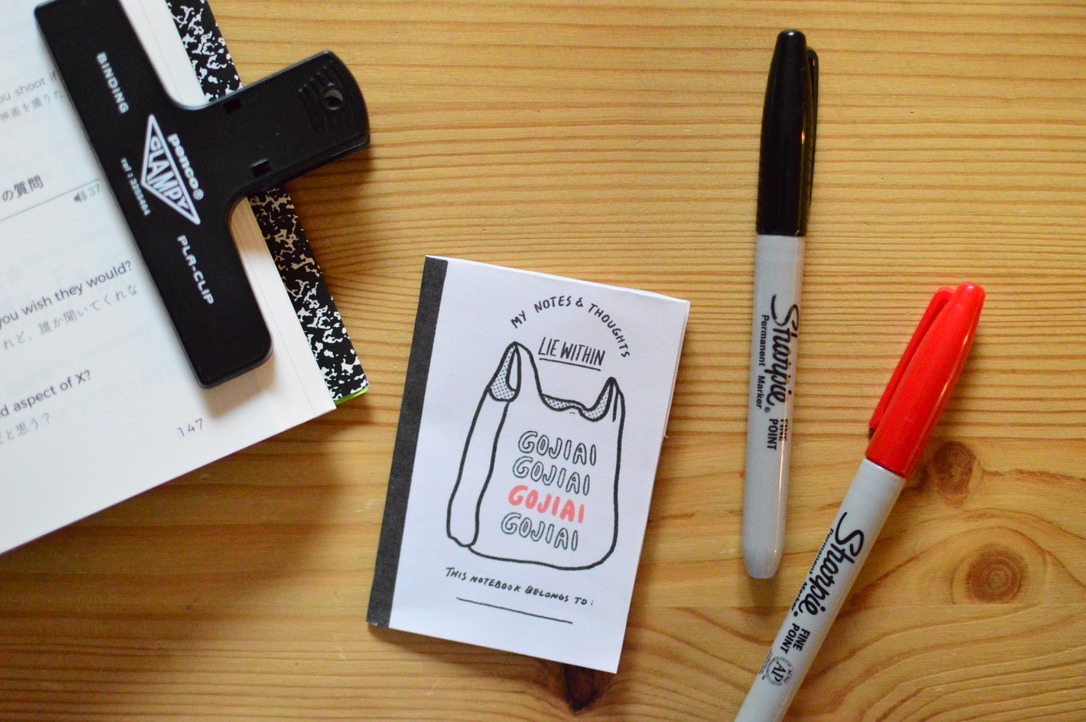
I didn’t grow my audience by chasing numbers, I grew it by sharing my real, evolving life. In the early days, I posted small things: the art I was making, gentle reflections from my journal, English phrases that helped me make sense of myself as an immigrant starting over. I wasn’t following a strategy; I was documenting my own becoming.
People resonated with the honesty, I think.
My Advice for Beginners
• Share what you’re actually living. People connect to truth, not perfection.
• Think of your page as a home, not a stage. Create a space people want to return to.
• Teach through your real moments. Small, honest reflections often resonate most.
Start with what feels true, and let your audience grow from there.

What’s the most rewarding aspect of being a creative in your experience?
For me, the most rewarding part of being an artist or creative
is witnessing the moment when something that began inside me—an emotion, a question, a quiet intuition—takes shape in the real world and becomes something that connects to someone else.
There’s a kind of alchemy in that.
A private feeling becomes a shared language.
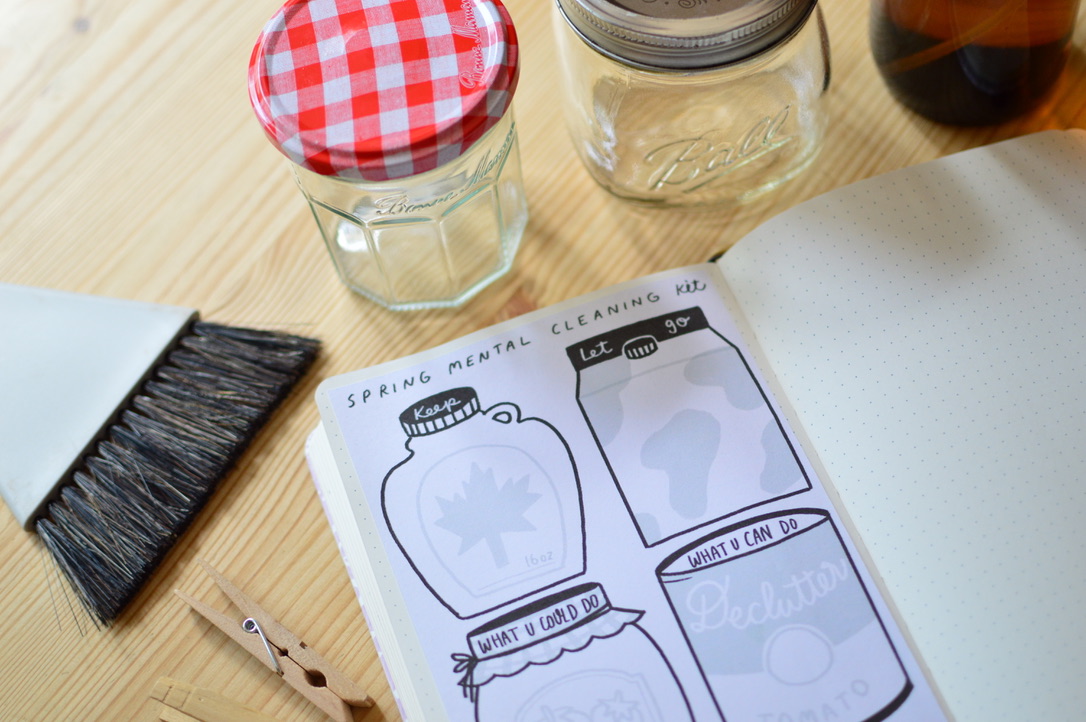
A sketch becomes a journaling tool that helps someone hear their own voice more clearly.
A small idea becomes a gentle ritual in another person’s life.
What I love most is that creativity lets me turn my inner world into something useful, beautiful, and grounding for others. It feels like sending out tiny lantern, hoping one of them lights the path for someone who needs it.
That moment of connection, when something I made helps someone reconnect with themselves. That’s the deepest reward.
Contact Info:
- Website: https://helloandgoodbyecraft.com
- Instagram: https://www.instagram.com/sakuraco1989/
- Twitter: https://twitter.com/HELLO_and_GDBY
- Youtube: https://youtube.com/sakuraco1989
- Other: https://www.instagram.com/helloandgoodbyecraft/


Image Credits
Sakuraco Bryant