

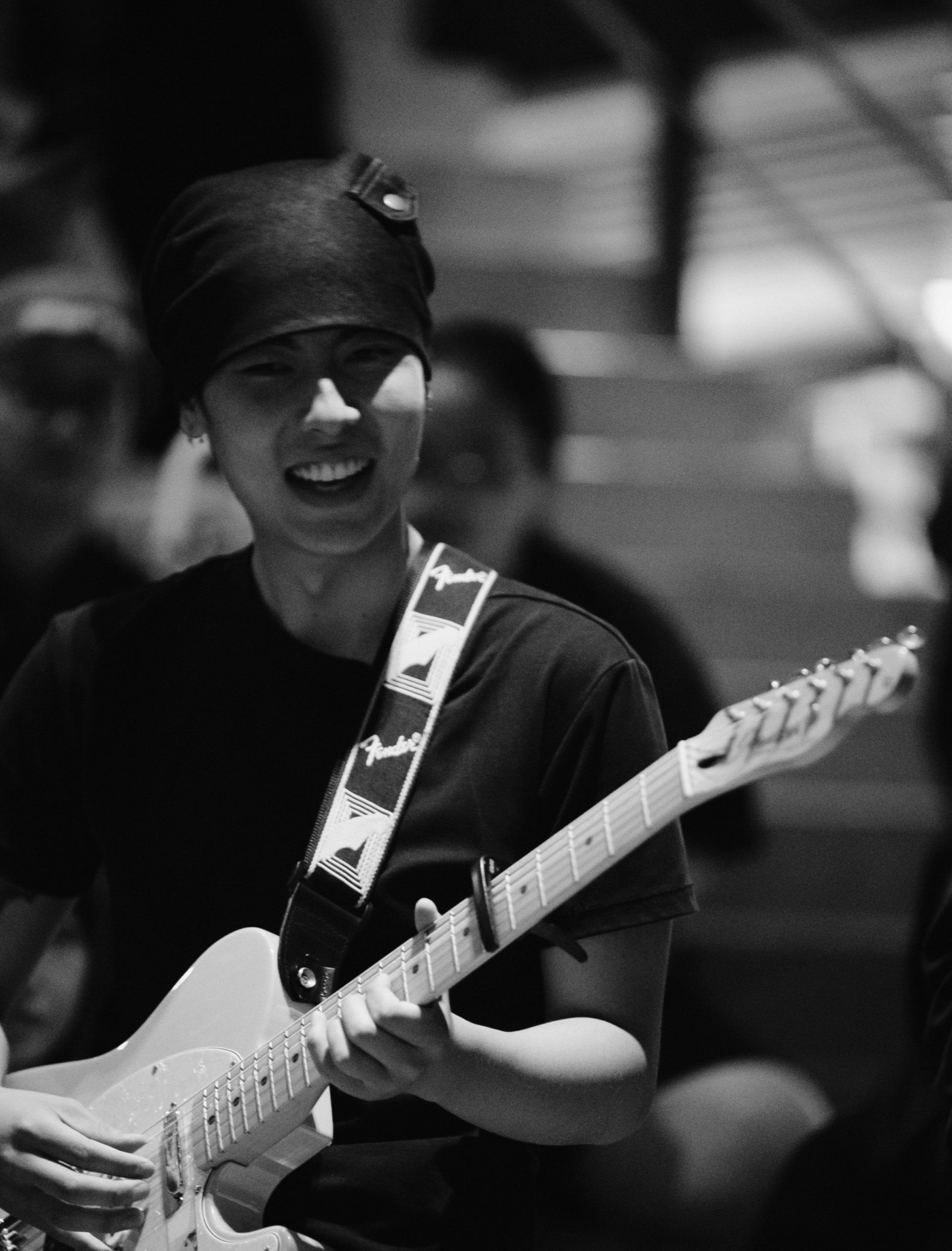

Alright – so today we’ve got the honor of introducing you to Qi He. We think you’ll enjoy our conversation, we’ve shared it below.
Qi, looking forward to hearing all of your stories today. I’m sure there have been days where the challenges of being an artist or creative force you to think about what it would be like to just have a regular job. When’s the last time you felt that way? Did you have any insights from the experience?
For me, there’s a distinction between being an artist and engaging in artistic creation. I find joy and fulfillment in the act of creating, yet I also feel somewhat weary of the social attributes and demands that come with the profession of being an artist. I truly wish to create and live simply, but as you know, this profession requires more than just creation. Of course, creation is the most essential part of being an artist, but an artist’s life cannot revolve solely around it.
I enjoy the process of creating and expressing myself. As a creative worker, I consider myself fortunate. However, there are times when I wonder what it would be like to have an ordinary job. Perhaps if I stopped painting and sculpting, I would turn to baking desserts or attending culinary school. I’ve noticed that when I cook for the people I love, they genuinely feel happy. I’ve always wanted others to feel my love through my work, and in those moments of cooking, it felt more direct than through my art. The love they perceive is immediate and visceral—it doesn’t require interpretation or learning.
Since then, it seems my work has carried an extra layer of sincerity. After all, isn’t everything we do ultimately about making the world a better place?
As always, we appreciate you sharing your insights and we’ve got a few more questions for you, but before we get to all of that can you take a minute to introduce yourself and give our readers some of your back background and context?
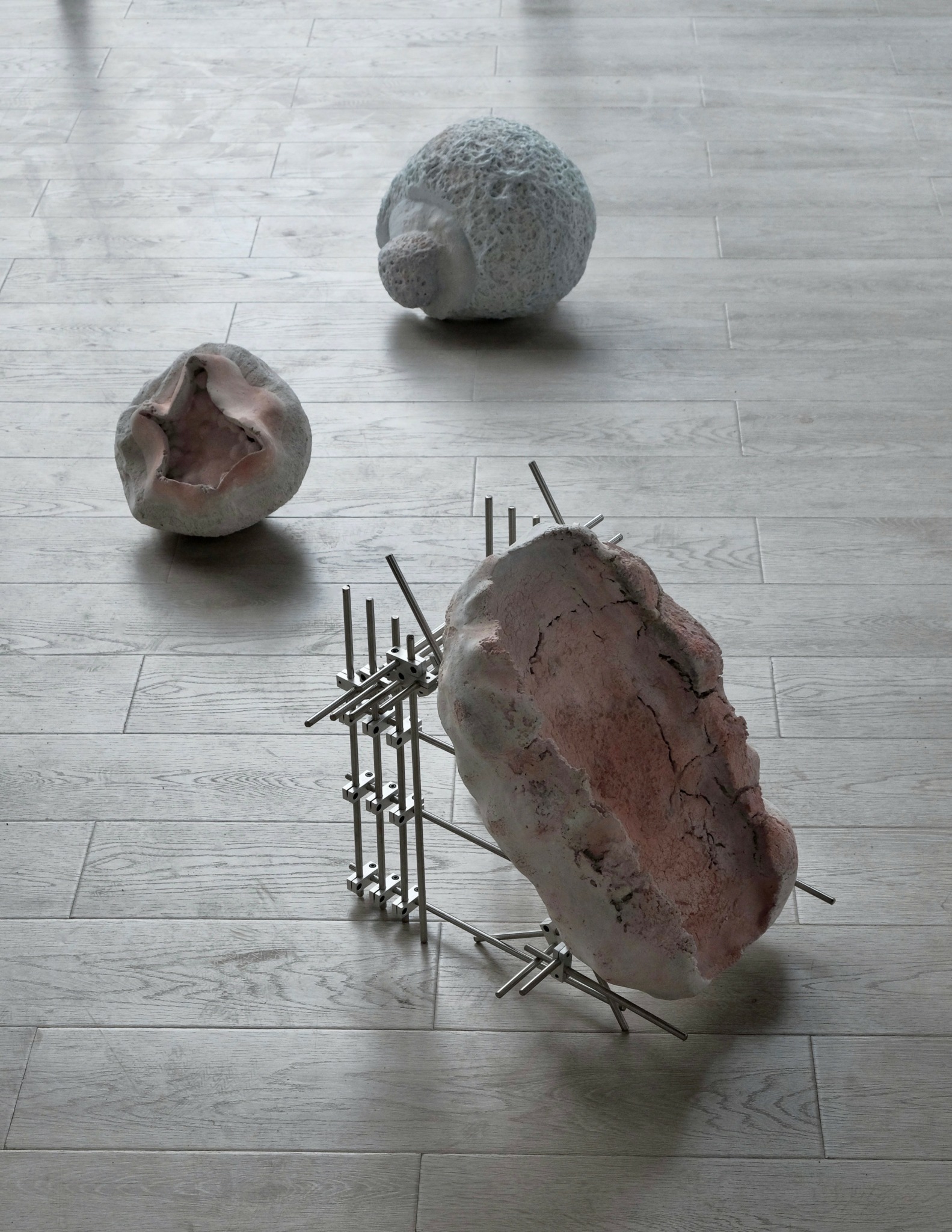
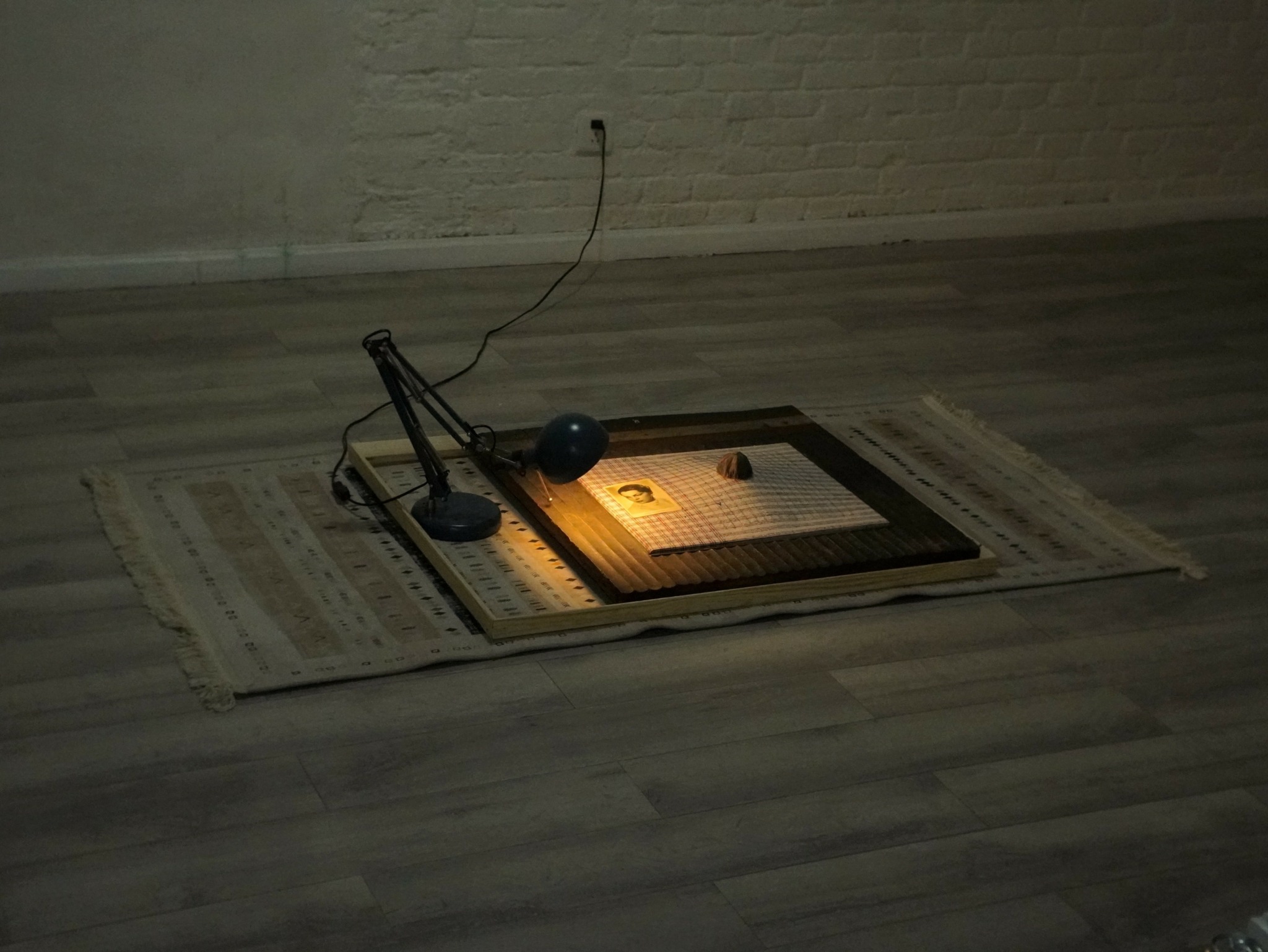
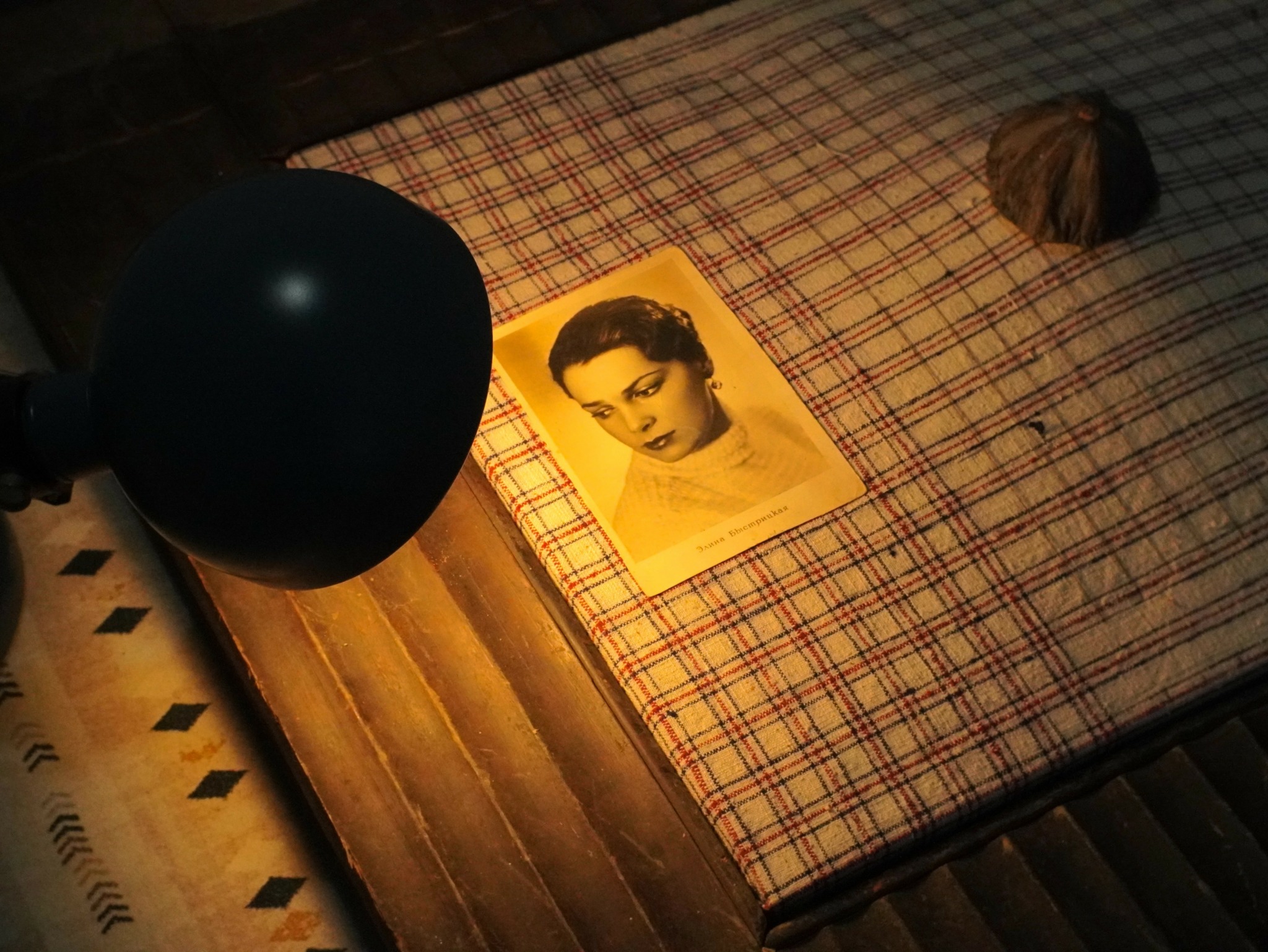
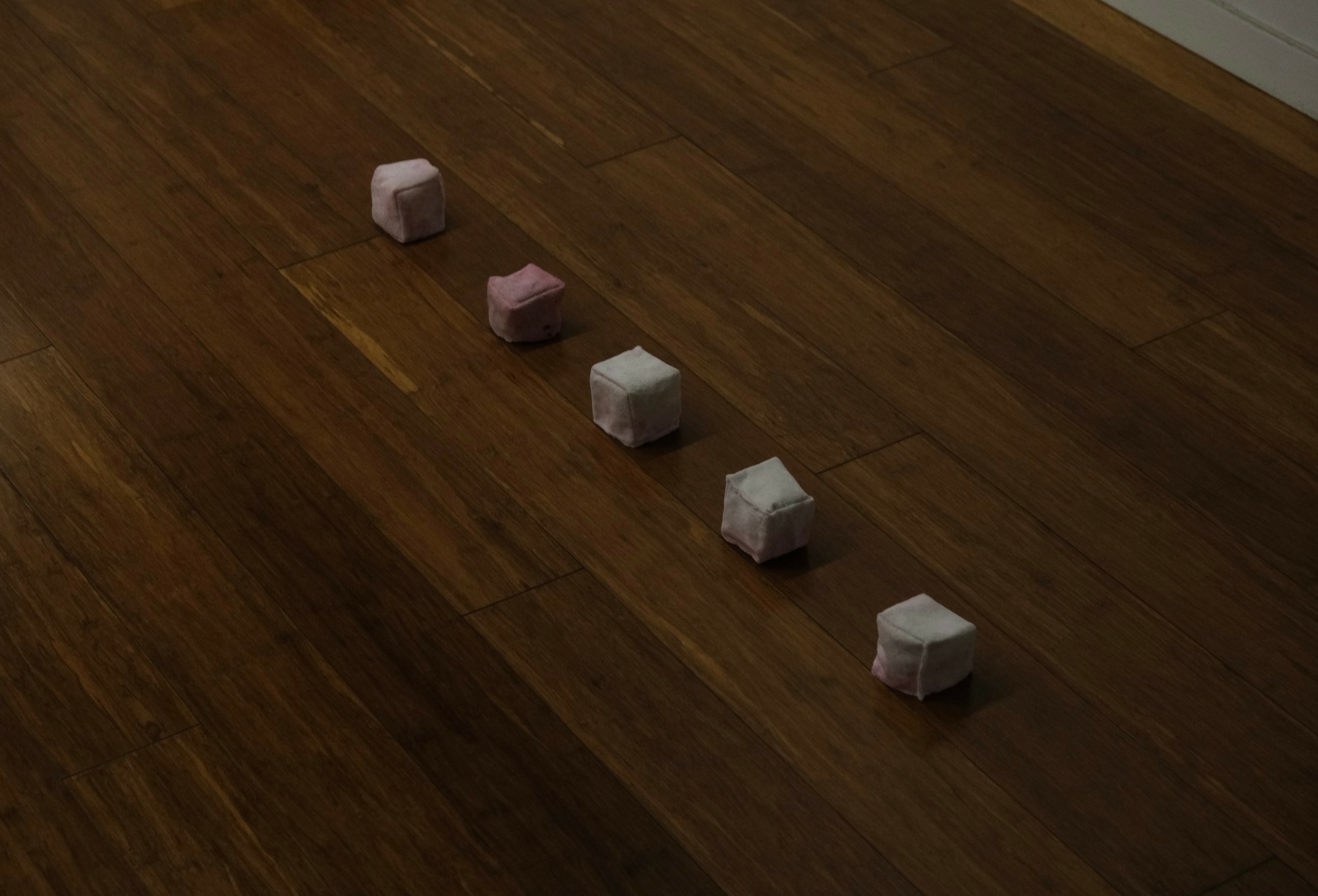
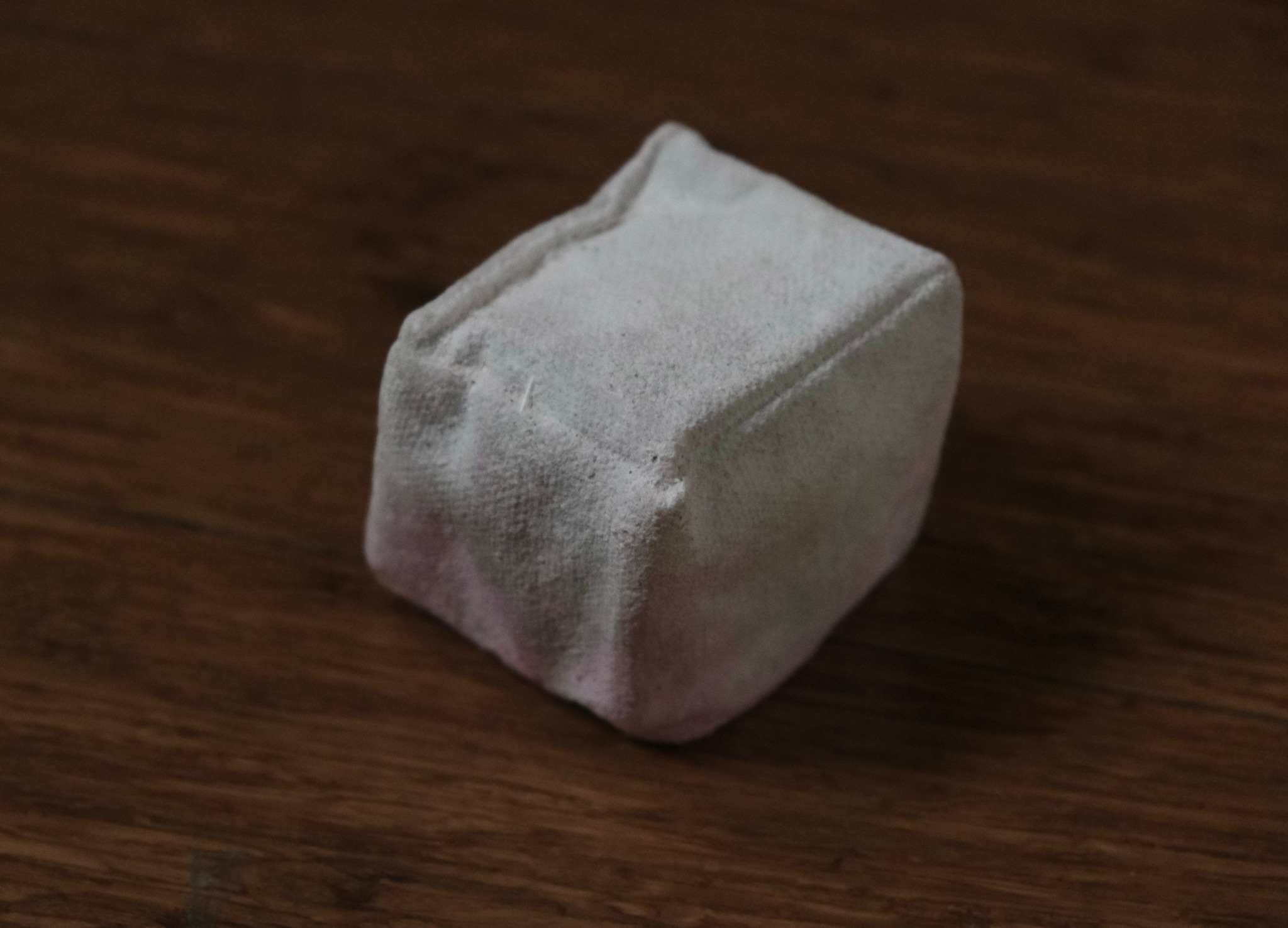
I live in Hangzhou, Zhejiang—a rapidly evolving city in the Jiangnan region known for its fast-paced lifestyle. My artistic practice spans multiple forms, including sculptural installations, hand-dyed textiles, painting, and video. Foam glass is the material I use most frequently. Its lightweight and dreamlike texture perfectly captures those brief and ever-changing emotional moments I seek to express.
Rather than limiting myself to traditional glass casting techniques, I take advantage of the unique colorability of foam glass, using hand-dyeing methods to give it distinctive textures and tactile qualities. Through my work, I aim to seize those fleeting emotional fragments—to help people perceive and understand emotions that are often concealed or overlooked. In doing so, I hope to foster greater awareness and acceptance of one’s own and others’ feelings, contributing to a more harmonious relationship between the self and the world in an accelerated society.
I am currently pursuing a master’s degree in the Glass Art Studio at the China Academy of Art, which first introduced me to glass as a medium. Over time, as I’ve deepened my engagement with this material, I’ve come to understand its many properties more intimately—it has truly become a part of me, an extension of my own expression.
Is there mission driving your creative journey?
At first, I wasn’t even sure what kept me going. It was only after going through various experiences and reading widely that I gradually understood what truly captivated me. It was in that moment of clarity that I realized I am, in fact, an idealist—before that, I had always considered myself intensely pragmatic.
What I truly want is to bring people closer, in whatever form that may take. In this age dominated by acceleration, I hope human relationships can return to a kind of organic closeness, one that feels innate and unforced. That goal is what now guides my practice. Whether my works provoke reflection or evoke empathy, I hope they ultimately lead back to this very point:
I want to bring people a little closer.
Can you tell us about a time you’ve had to pivot?
I’ve come to recognize something deeply true about myself:
I used to be sharp and self-focused, both in life and in my work. I could only see myself—and I only wanted to see myself.
Over time, I realized that while self-awareness is valuable, seeing only yourself narrows your practice. You have to learn to see others—their strengths and flaws alike—to truly understand them. After all, the heart of my work is still about bringing people closer.
Contact Info:
- Instagram: hokii3000
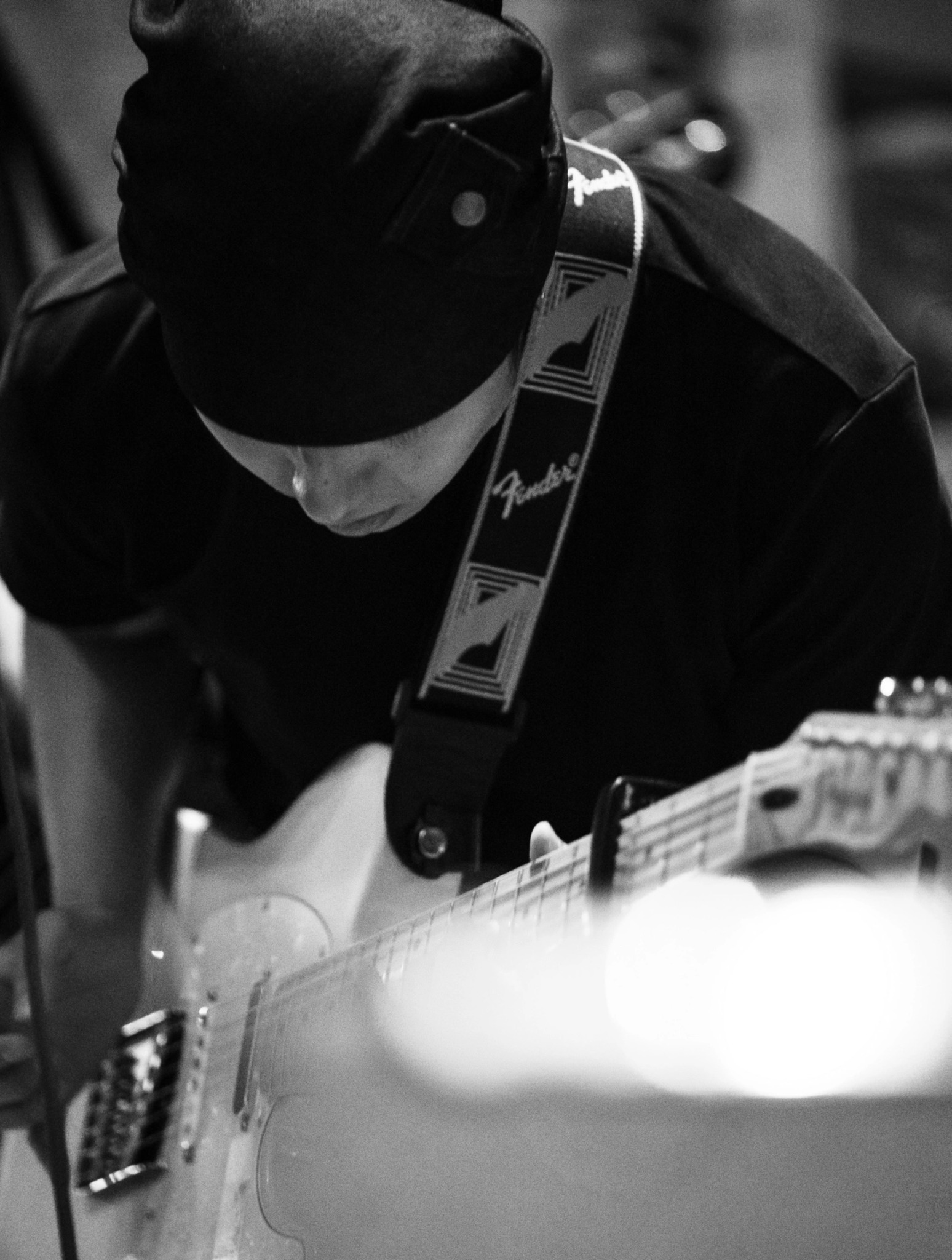
- Other: My band:if we could stay
If We Could Stay – Now on Spotify & Apple Music.
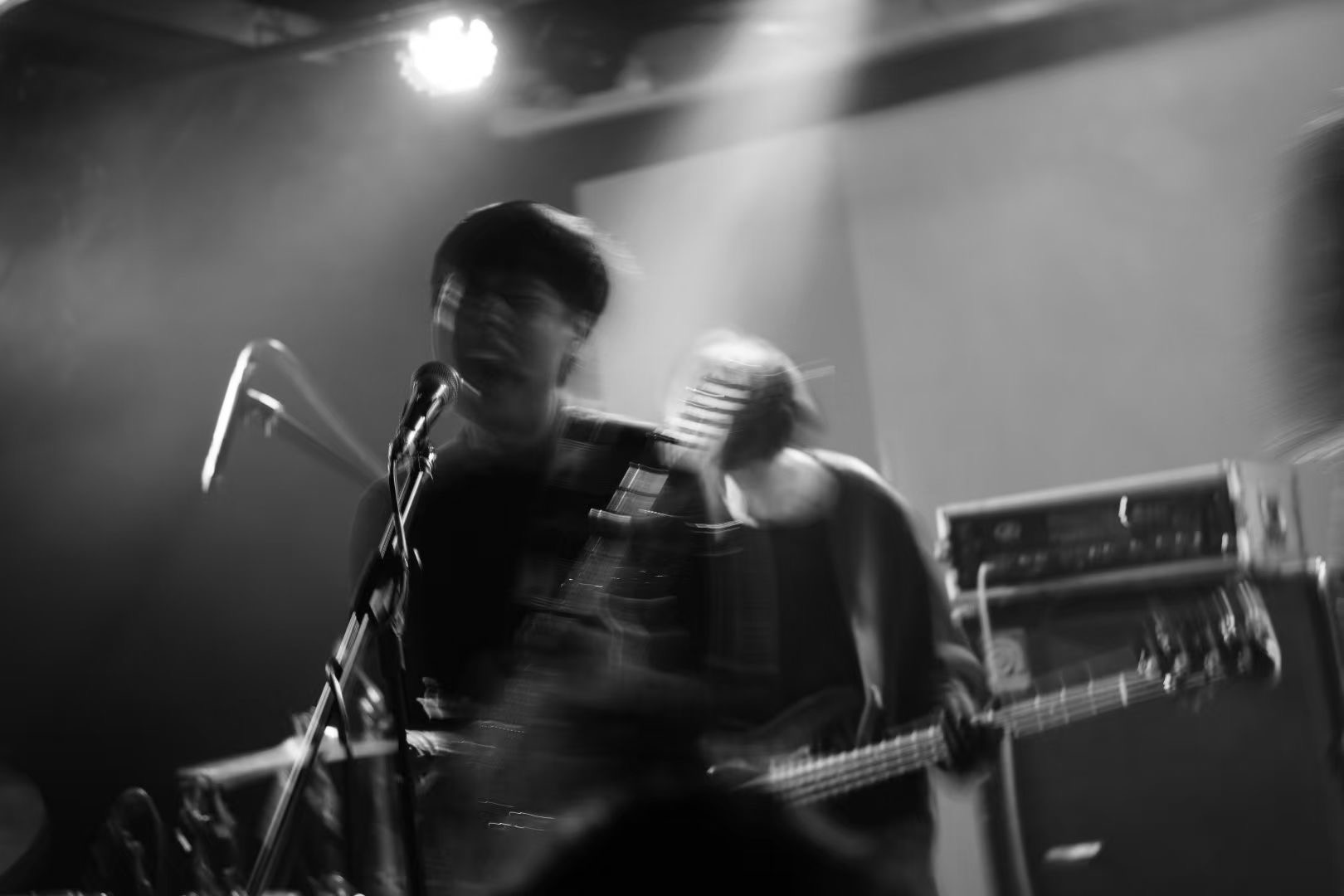
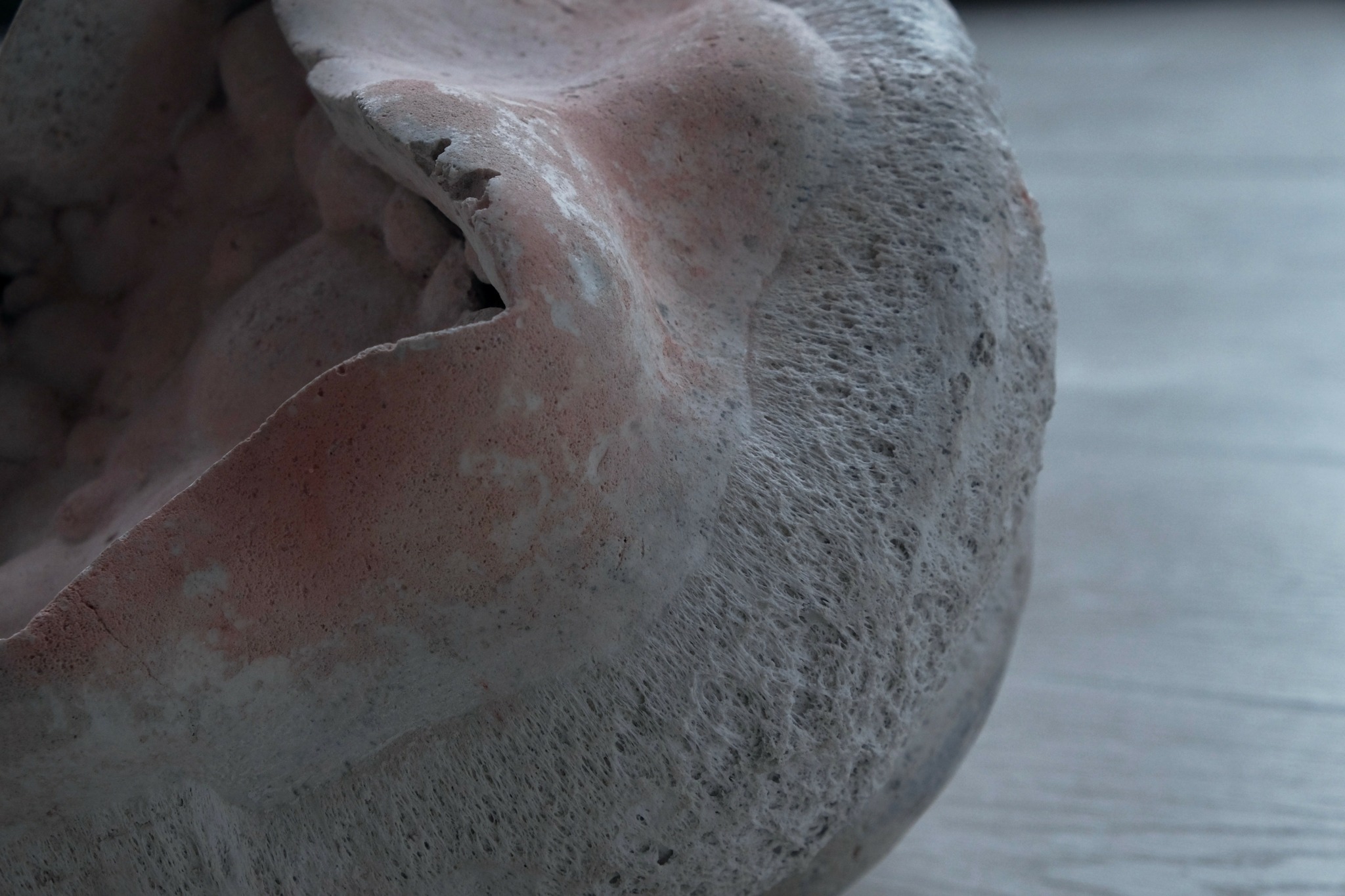
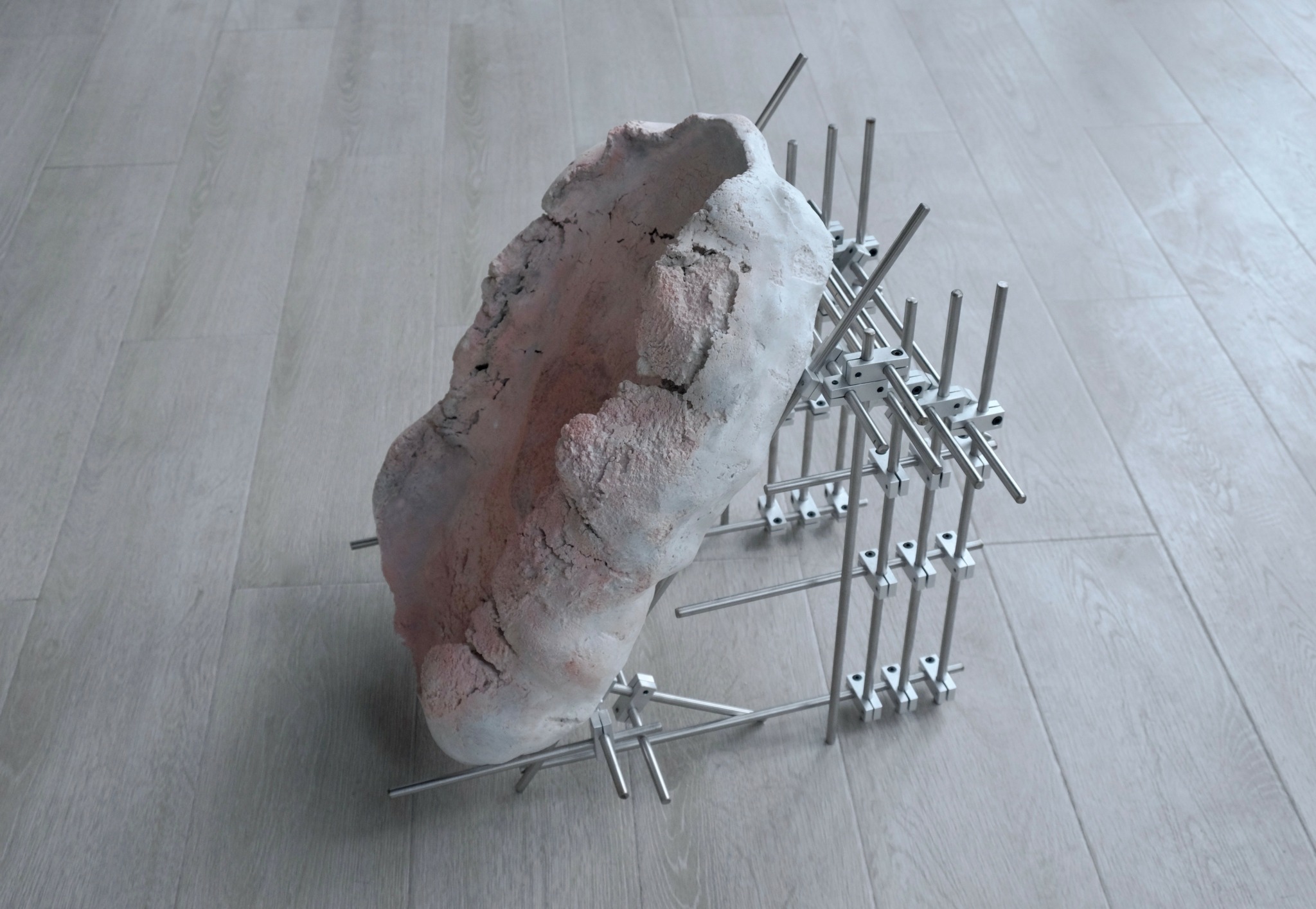
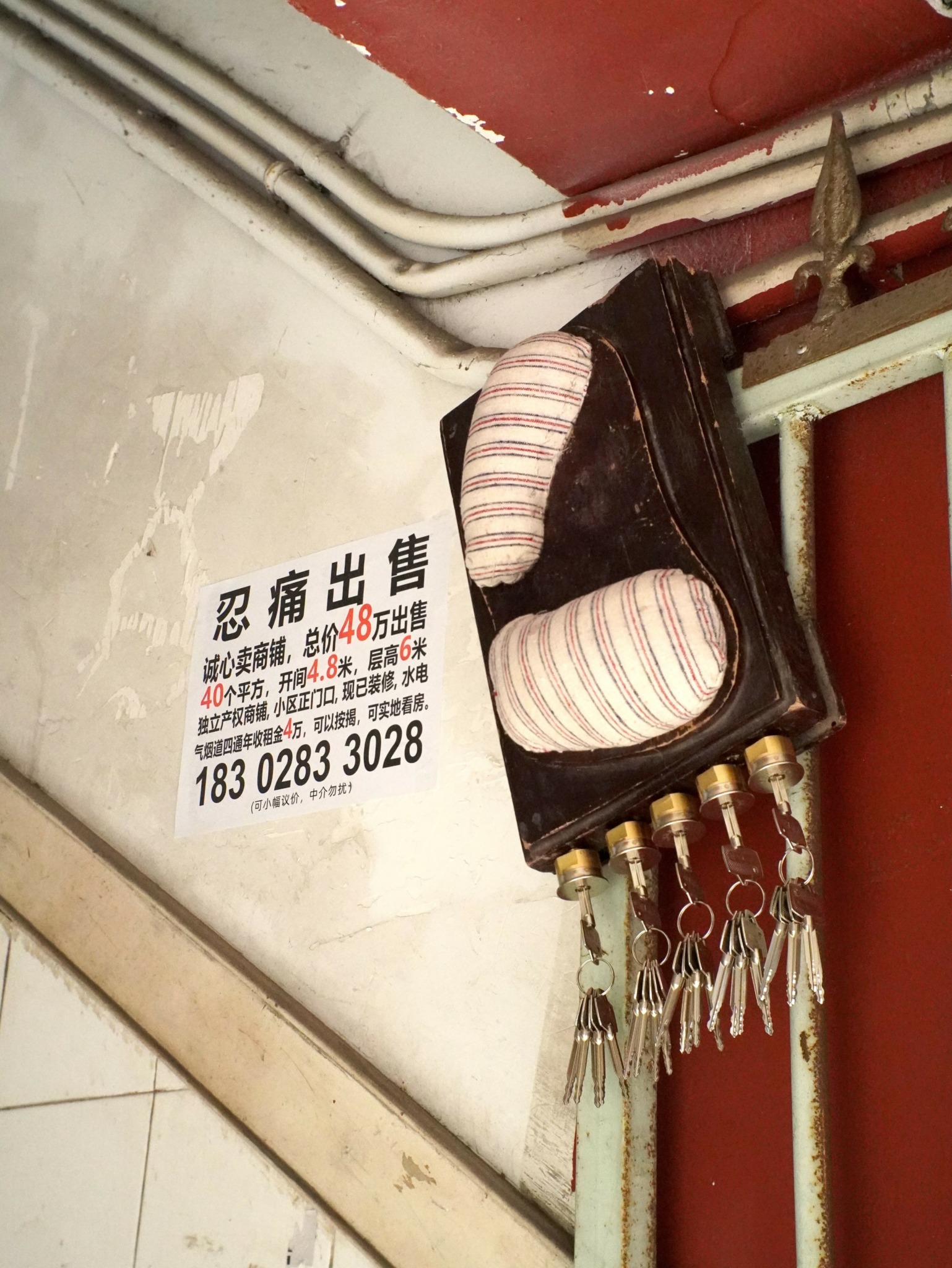

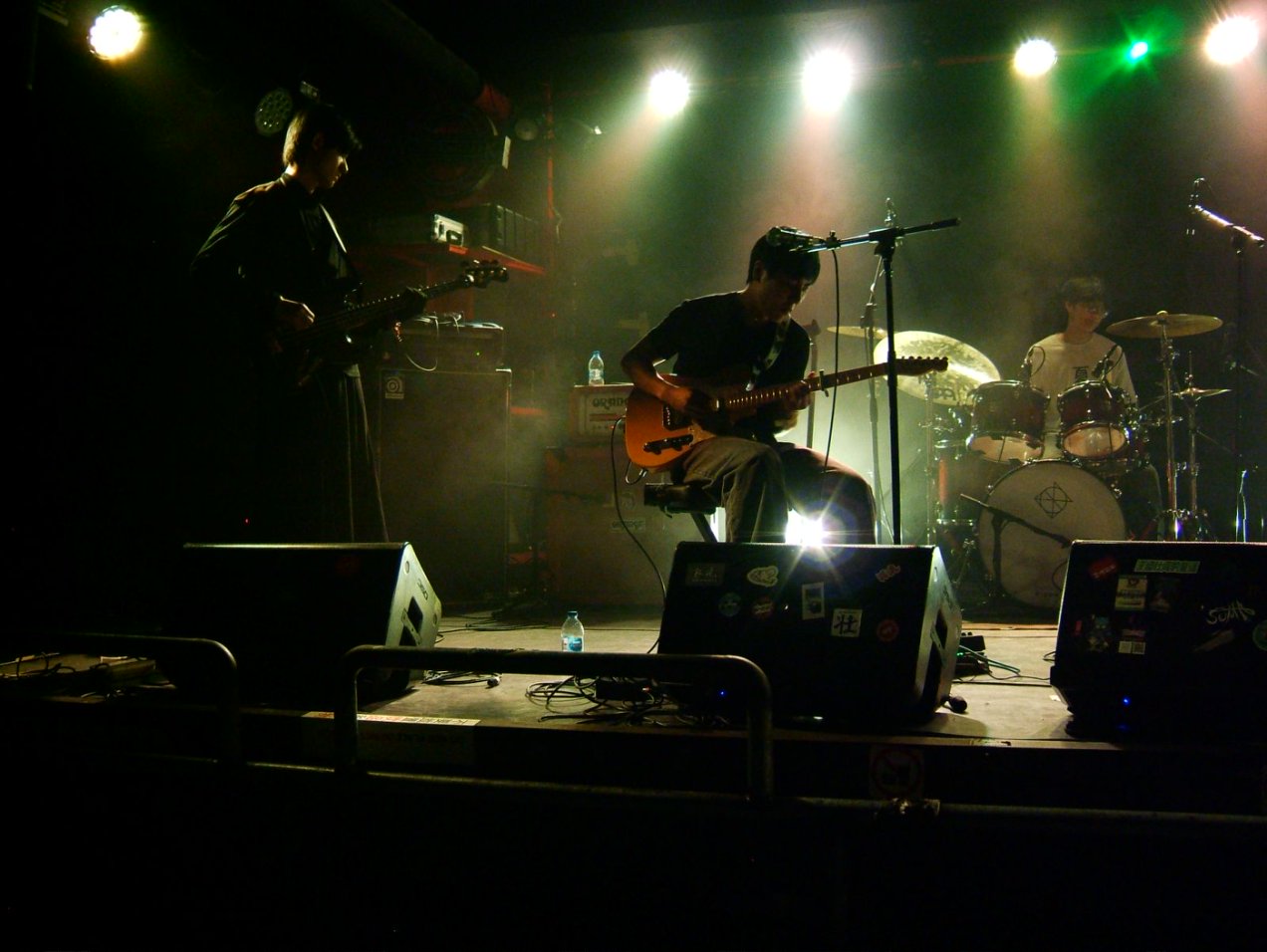
Image Credits
Provided by the artist.