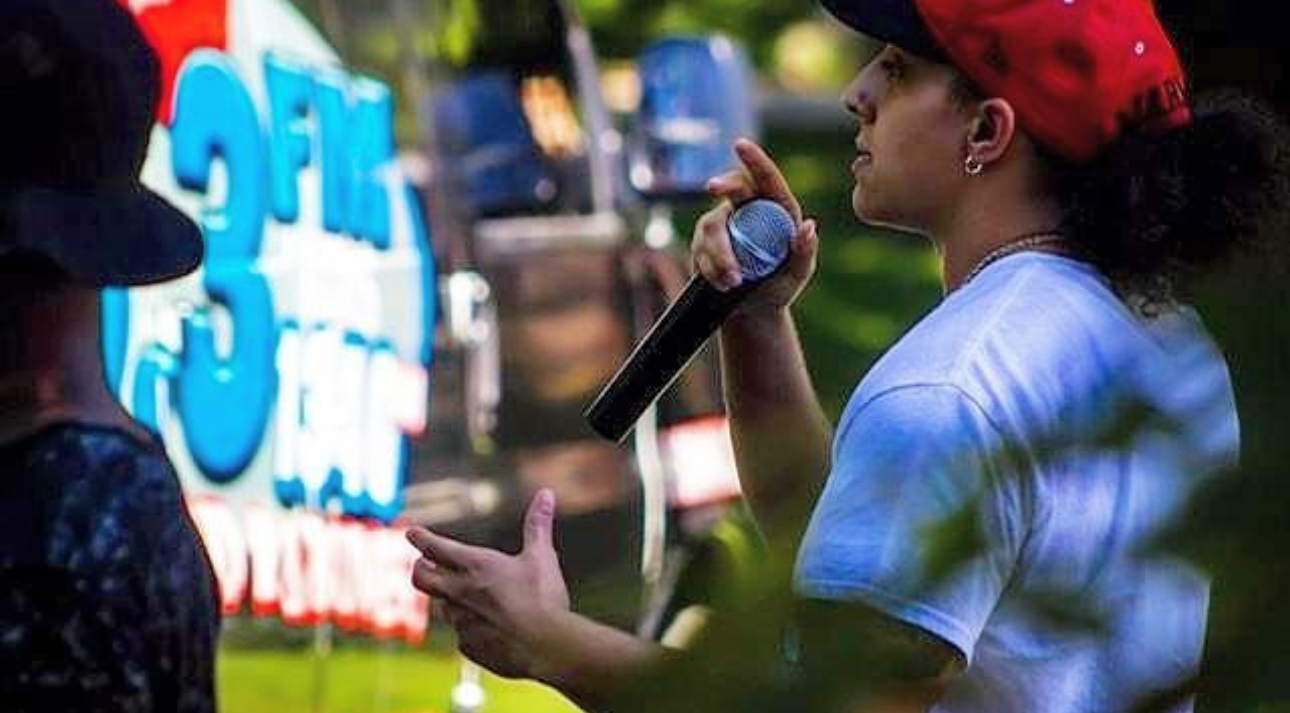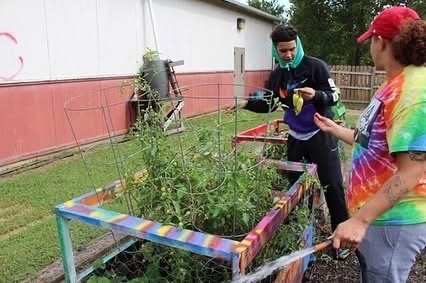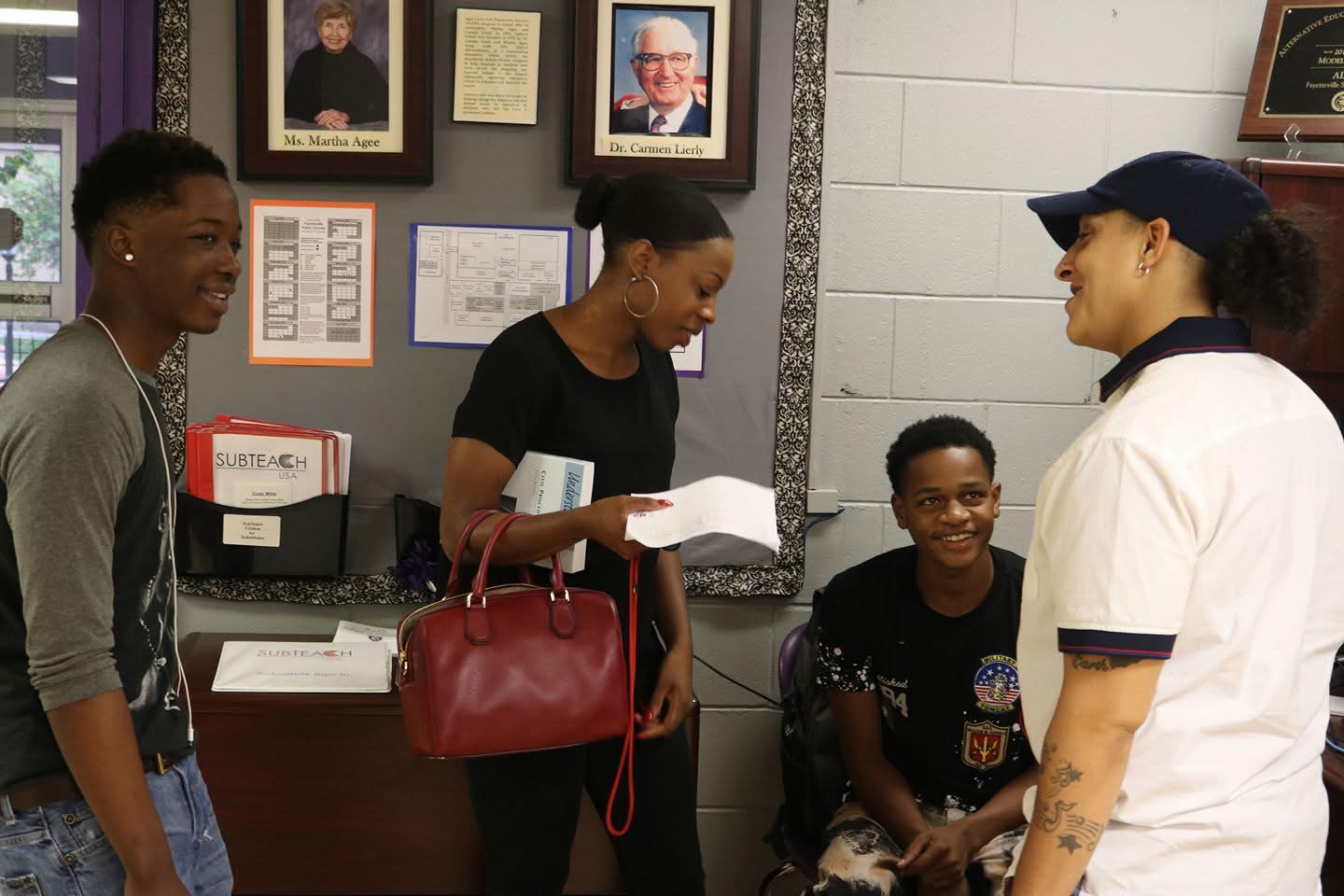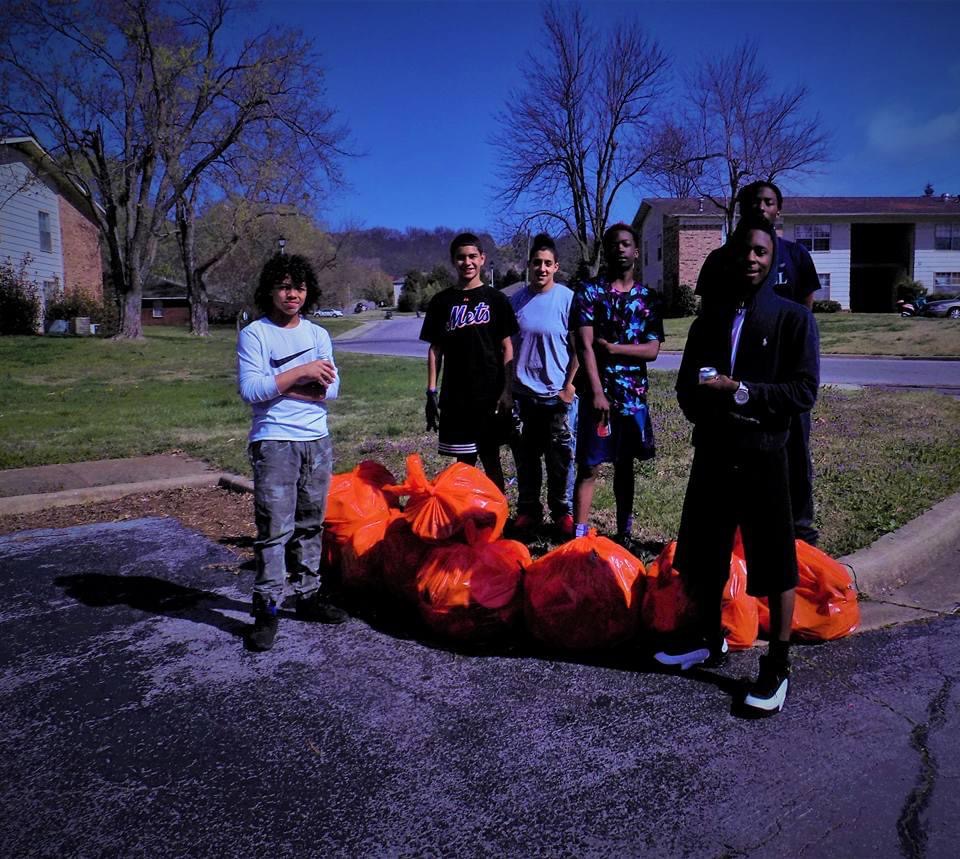

We were lucky to catch up with Micah Zelle Dennis-Shaw recently and have shared our conversation below.
Micah Zelle, appreciate you joining us today. Getting that first client is always an exciting milestone. Can you talk to us about how you got your first customer who wasn’t a friend, family, or acquaintance?
How I Got My First Client…and Then, Nine Years Later, My First Dollar
Most businesses can answer this question in one clean timeline: first client, first dollar, end of story. Mine didn’t arrive in that order. There’s a nine-year canyon between the moment a young person first trusted me with their life and the moment my organization first earned a dollar. But I wouldn’t change a thing. The story deserves to be told exactly how it happened.
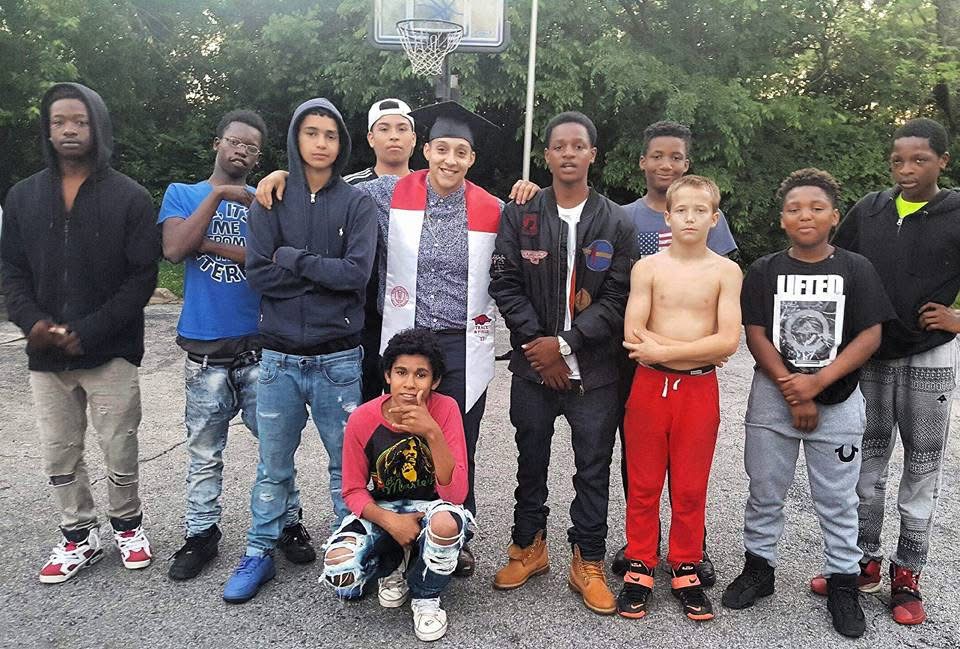
Fayetteville, Arkansas – Spring 2017, I remember gripping a clipboard like it was my ticket to change the world and rolling into a neighborhood basketball court. College had brought me to this city, and I had just launched The Village Easing Childhood Poverty the previous fall. I was ready, overly ready, to serve.
The kids were mid-game, trash-talking until someone spotted me: “RUN! It’s the FEDS!” They scattered like I was about to start issuing warrants on the spot. I stood there, stunned, confused with one hand on my chest, the other still holding that clipboard like a badge I never applied for.
Thankfully, one kid didn’t run. He sized me up and asked what I wanted. I sized him up and told him I came to build something that belonged to them as much as to me. He didn’t believe me, why would he? But I came back again. And again. And again. Clipboard and all. Eventually, the same kids who once ran from me started walking up to me first. That’s how I got my first client: one brave kid who decided not to run.
Over the next nine years, The Village operated almost entirely on faith, stubbornness, and a commitment that cost me far more than it paid, financially, emotionally, and spiritually. Arkansas to Indiana, Michigan, and Arizona we supported countless youth with no steady revenue, using whatever resources I could piece together. Free programs. Late-night planning. Community favors. Personal sacrifices. We kept going anyway.
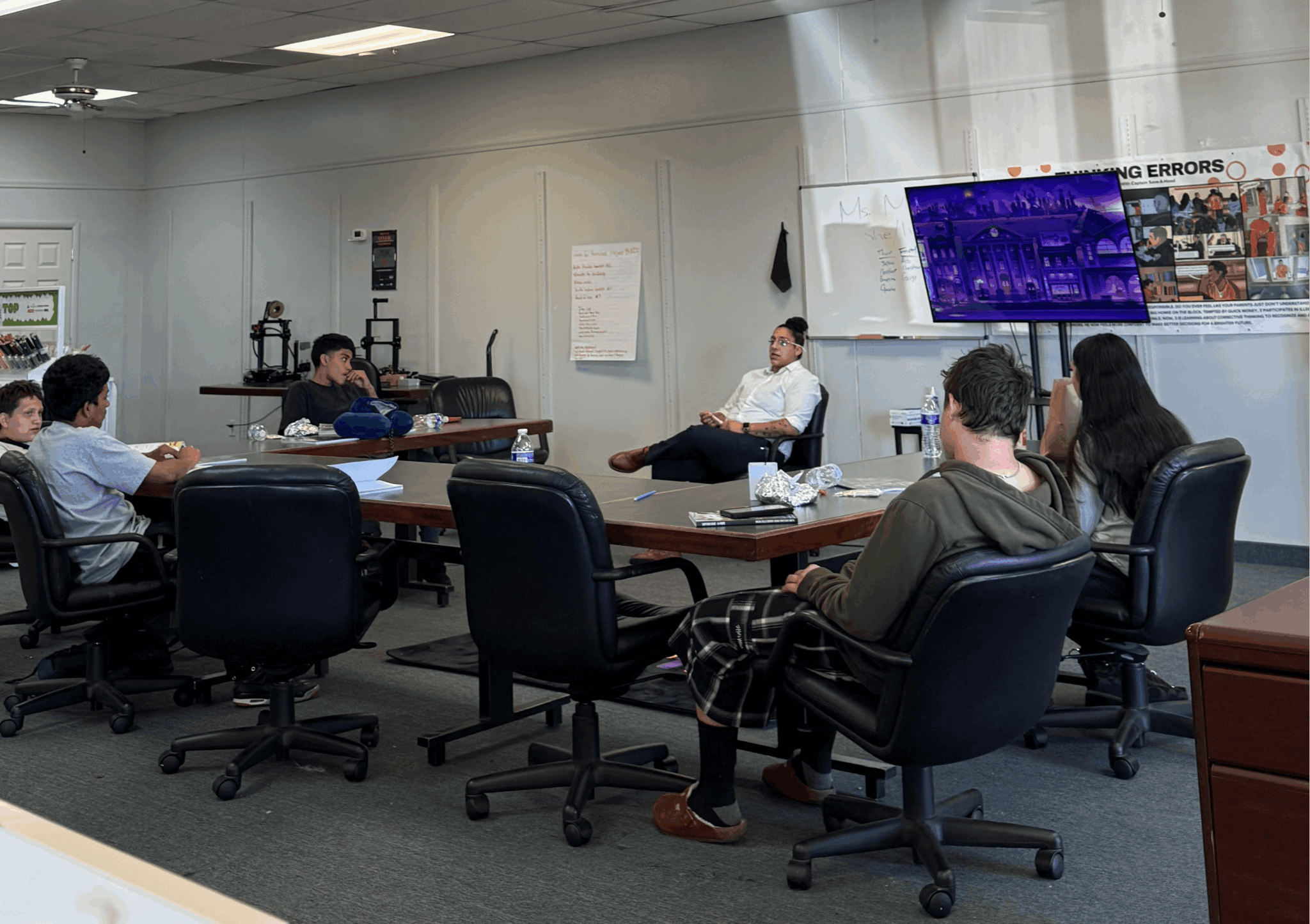
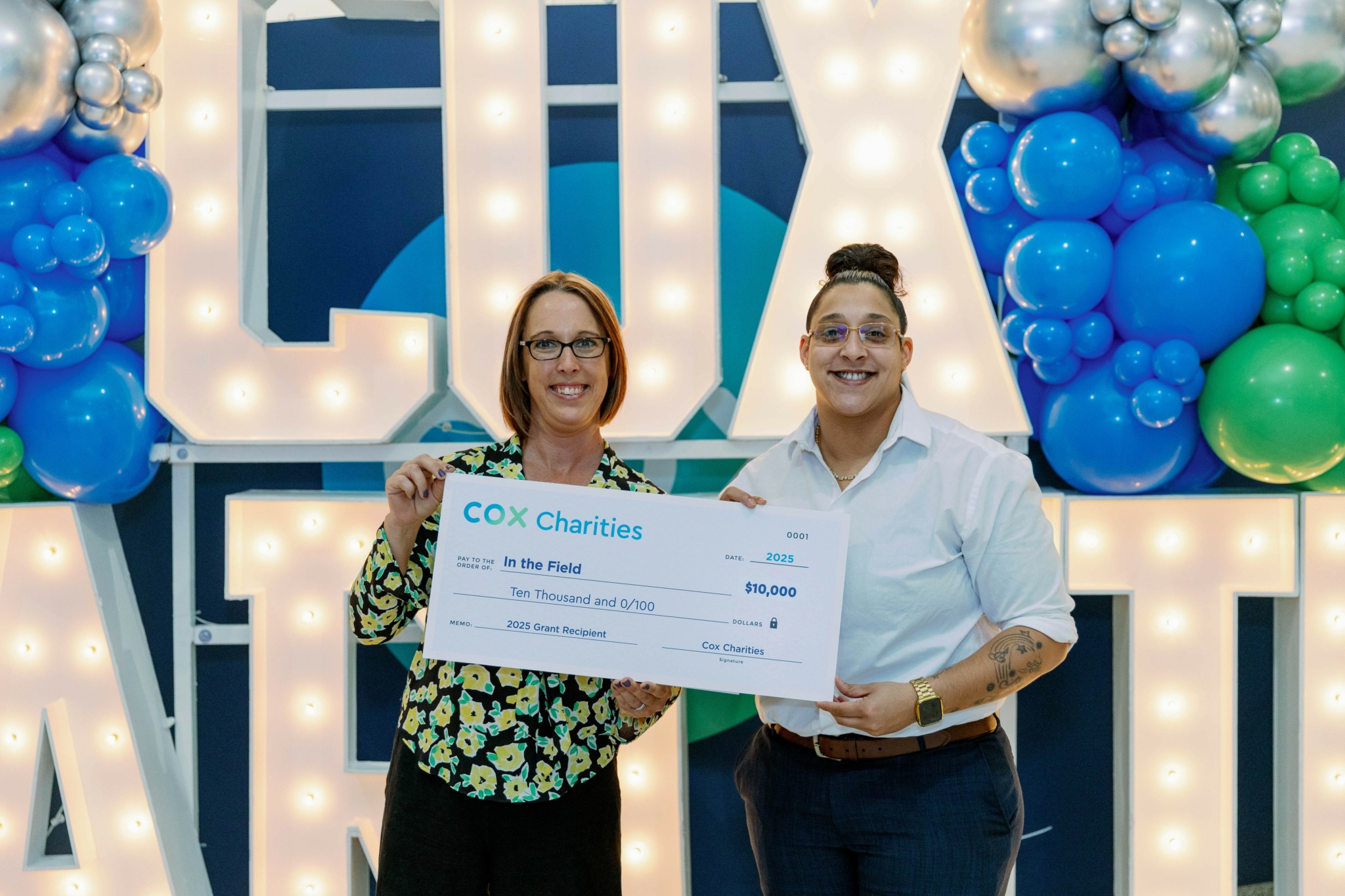
Maricopa County, Arizona – October 2025, fast forward nearly a decade. We launched our next evolution: In the Field Reporting Center, serving youth on probation in Maricopa County. And then, it happened. The first payment hit. It was not a donation. It was not a favor. It was earned revenue, the first financial recognition that the work we’d been doing all along held institutional, contractual, and fundable value. I stared at the confirmation like it was written in another language. Revenue. Not someday. Not eventually. Now.
I wish I could tell you I cried immediately, or danced, or called everyone I knew. But the truth is, it still felt like I was holding that clipboard on that first basketball court, trying to prove I wasn’t the Feds. It didn’t hit me then, and honestly, it hasn’t fully hit me yet. I think it will settle in around the moment I receive my first paycheck sometime in 2026. For now, I know the kids are good but that will be the day I sit back, inhale deeply, and realize:
We built this. We survived long enough to be funded for it. What a wild, beautiful, improbable sentence to say. Youth work is not a business built on transactions; it’s built on transformation. Our first client was a kid on a court who gave me a chance. Our first dollar was the world giving us one back.
Micah Zelle, love having you share your insights with us. Before we ask you more questions, maybe you can take a moment to introduce yourself to our readers who might have missed our earlier conversations?
I built this brand because I wanted to be the person I never had when I was growing up.
My Story — Why I Do This Work
I grew up with a single mom who worked all the time or tended to be in abusive relationships. She wasn’t absent because she didn’t love me, she was just stretched so thin. When you’re young, it doesn’t matter whether a parent is absent because of choice, illness, addiction, or necessity. To a kid, absence feels like abandonment. I understood that deeply: loneliness, abuse from others, the survival mindset. I carried that with me into adulthood, knowing that I never wanted another child to feel as unseen as I once felt.
The Village Easing Childhood Poverty-2016
At 14, I dreamed of doing exactly this, healing, creating, teaching, leading youth out of trauma. Years later, while studying Sociology, Criminology, and African American Studies at Central Arizona College and the University of Arkansas, I co-founded The Village Easing Childhood Poverty, a 501(c)(3) nonprofit focused on helping youth succeed in the classroom, in the courtroom, and in their communities. That work grounded me deeply. I saw how neglect, systemic injustice, and untreated trauma were not just “their problem”, they were our communal crisis. It was from that soil that In the Field with Captain-Save-a-Hood grew.
In the Field with Captain Save-a-Hood: Edutainment for Healing
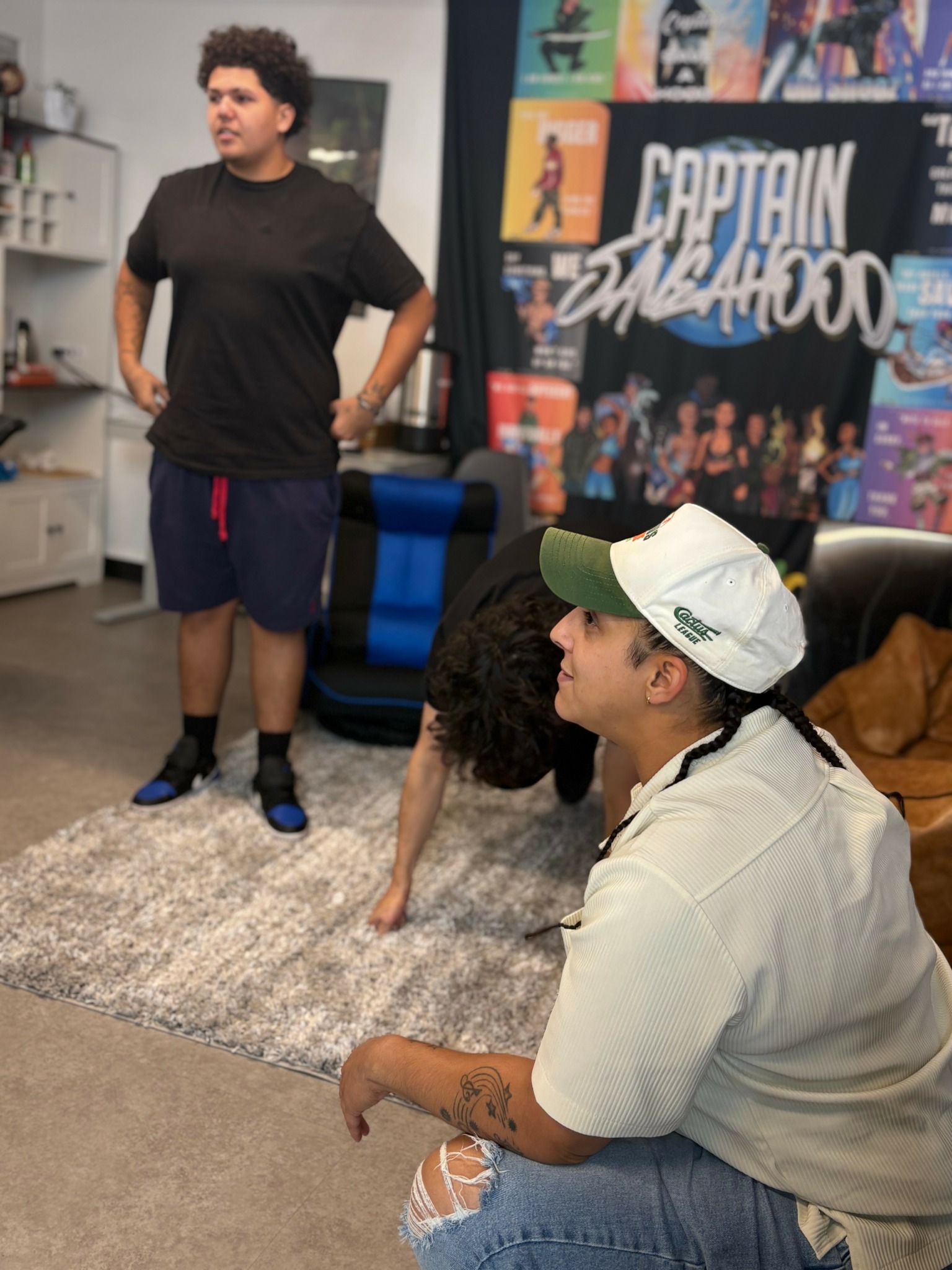
Captain Save-a-Hood is the creative side of my mission, a comic-book universe and SEL curriculum built to help kids understand their trauma through characters who reflect their reality. Captain and her ally, Blu Shooz, are superheroes who battle the villain T-Rauma in the “City of Adverse,” giving youth language for feelings they’ve never been allowed to name.
The brand includes the comic book, curriculum, coloring book & journal, facilitator training, and workshops. It’s Edutainment – storytelling, healing, and social-emotional learning wrapped into something kids actually want to engage in. We trick them into healing.
In the Field Reporting Center-2025
Today, our work expands through the In the Field Reporting Center for youth on probation in Maricopa County. It’s a space for structure, accountability, support, and emotional growth. It is the bridge between the system and the streets — the place where transformation happens in real time. This ensures young people don’t fall through gaps that were never designed with them in mind.
Who We Serve & Why It Matters
We work primarily with schools (especially in under-resourced communities), juvenile justice systems & detention centers, behavioral health organizations, after-school, park, and community programs.
Our mission is to help systems become more self-sustaining while promoting healing, empathy, and growth. Youth who engage with Captain Save-a-Hood are given more than content: they’re given a mirror. They see parts of themselves in the characters, they name their wounds, they learn to speak their truths, and they realize they are neither alone nor broken beyond repair.
What I’m Most Proud Of
The Impact: Seeing youth engage, being brave enough to say out loud, “That’s me.” Watching adults change their approach because they now have tools that reach young people’s hearts. Knowing we’ve touched lives in detention centers, psychiatric facilities, schools, and on street corners.
Sustainability: Building a model that doesn’t just rely on donations, but offers services and products that create real, long-term capacity in systems.
Vision: My dream — a self-sustaining campus, where youth get consistent support, behavioral interventions, community, and care. A place that feels like home for the ones who have never known it.
The Takeaway
1. I am rooted in my story. I did not make this up from theory — I know what it means to feel unseen, to survive, and to heal.
2. This is not charity, it’s reclamation. It’s not about saving kids with pity — it’s about empowering them to save themselves.
3. We believe in collective healing. Our tagline, “Where Adversity Has a Safety Net,” is real: we’re building communities of care.
4. There is magic in this work. Healing doesn’t just change a child’s future — it shifts entire systems. And that is why I keep dreaming, creating, and showing up.
I build programs that restore dignity, teach resilience, and invite healing. I create superheroes who reflect real struggles. I design systems that help youth become the strongest, truest versions of themselves. This is my life’s work. This is my offering. And for the young people we serve — it’s only the beginning.
If someone asked me what I want them to walk away knowing I’d tell them: No matter the project or the platform, my mission is simple: to give every child the tools to change the world that shaped them. Just as society and the systems that define it are ever evolving, so is our organization to continue to meet the needs of the youth involved in those systems. The one constant is we will always meet them where they are.
Learning and unlearning are both critical parts of growth – can you share a story of a time when you had to unlearn a lesson?
One of the hardest lessons I had to unlearn was to Trust but Verify. In this work, you learn quickly that where you see young people who need stability, safety, and genuine care, others see dollar signs, grant opportunities, or a chance to align themselves with impact they didn’t create. This becomes even more evident when you’re working within the systems that are in place. It’s painful to realize that not everyone who talks about “helping the kids” is actually here for the kids. Some people are drawn to the optics, the funding, or the reputation, not the responsibility, the grit, or the community itself. Learning to recognize that difference was necessary. I had to learn that my vision is mine to steward, not something to invite others in, in blind faith.
Another truth I had to face was how easily ideas, programs, and concepts can be taken or imitated when you share them too openly. I’ve watched people secure grants tied to my work, use my concepts to build their own recognition, or attach themselves to the mission without ever showing up for the community we actually serve. Some were eager to stand under the umbrella but never showed up when it was storming. Promises were made with no follow-through, and “support” often meant talk without action for the organization. I had to unlearn the belief that good intentions alone mean integrity, and learn to protect my work, my ideas, and the youth depending on me.
As the organization has grown, another lesson emerged: learning to let the right ones in without losing the heart of the mission. When you build something from scratch, every project feels like your baby, something you want to keep small, tight, and in your hands because you know exactly how sacred it is. Expansion is exciting, but it’s also terrifying. You want to do it all yourself to preserve the culture, the intention, the authenticity. But eventually you understand that to reach more youth, you truly do need a village. The challenge is allowing others to step in while still protecting the integrity of the work. Finding people who align with the mission, who can be trusted with the heart of the organization, is harder than it sounds, but necessary. It becomes a balancing act: letting go just enough to grow, while holding firm to the purpose that started it all.
What this taught me is that intuition is a leadership tool, boundaries are non-negotiable, and discernment is love in action, especially in this field. The youth at the center of our work deserve adults who are genuine, committed, and willing to show up, not just show off. Trust, but verify — not out of fear, but out of deep responsibility for the very lives we’re here to serve.
Are there any books, videos or other content that you feel have meaningfully impacted your thinking?
Three bodies of work have shaped my entire leadership philosophy and the way I built and continue to evolve my organization: Derrick Grace II, Dr. Nadine Burke Harris’ research on ACEs and Tom Pace’s Mentor: The Kid & the CEO.
Derrick Grace II was one of my earliest and most influential teachers with his In Home Banking board game, not because I copied his style, but because I understood the deeper principle behind his work: edutainment — reaching young people by speaking their language, honoring their intelligence, and refusing to water things down. His approach was raw, unfiltered, and at times controversial, but what I absorbed was the heart of it: meet youth where they are, give them real-world tools, and make learning feel alive. I took the edgy, disruptive framework he modeled and transformed it into something healing and empowering — blending authenticity with emotional safety, structure, and compassion. His influence helped me build a model that resonates with the hardest-to-reach youth, while still grounding every interaction in dignity, accountability, and real connection.
Early on, Dr. Burke Harris’ book, lectures, and TED Talks were my crash course in understanding that trauma isn’t an abstract idea, it’s biology, behavior, longevity, decision-making, and its identity. Her work helped me see that a youth program that isn’t trauma-informed isn’t truly serving young people at all. It is impossible to separate a young person’s choices from their nervous system, their history, and their lived environment. That realization cemented the foundation of The Village: the only approach that works is one that treats the whole child, mind, body, spirit, and community—because trauma shows up in every layer of their life. It is never a question of, “What’s wrong with you?”, but always, “What’s happened to you?” We must stop criminalizing trauma as a society and provide the tools to heal. Trauma Informed Care is my passion, and I can talk about it all day!
Tom Pace’s Mentor: The Kid & the CEO influenced me in an equally profound but different way. The book reframed mentorship as a relationship built on accountability, consistency, and modeling—not saviorism. It validated the power of steady, human connection and helped me understand that sometimes the most life-changing thing you can offer a young person is not another program, but a person who shows up. That framework shaped how I mentor, how I train staff, and how I build our culture: real transformation requires presence, not performance; impact requires follow-through, not titles. The simplicity of the story has guided me through some of the most complicated moments of creating an organization.
Together, these three influences gave me my leadership blueprint: trauma-aware, heart-centered, raw, and relentlessly relational. They taught me that if I wanted to build something that truly changed lives, I had to design systems that honored the entire human, systems that didn’t punish symptoms of trauma but understood them; systems that held youth accountable without abandoning them; systems that didn’t just check boxes but built belonging. These resources didn’t just shape my management style, they shaped the DNA of every project I launch, every team I build, and every young person I stand beside.
Contact Info:
- Website: www.captainsaveahood.com
- Instagram: @inthefieldaz
- Facebook: inthefieldaz
- Linkedin: inthefieldaz
- Youtube: @inthefieldaz