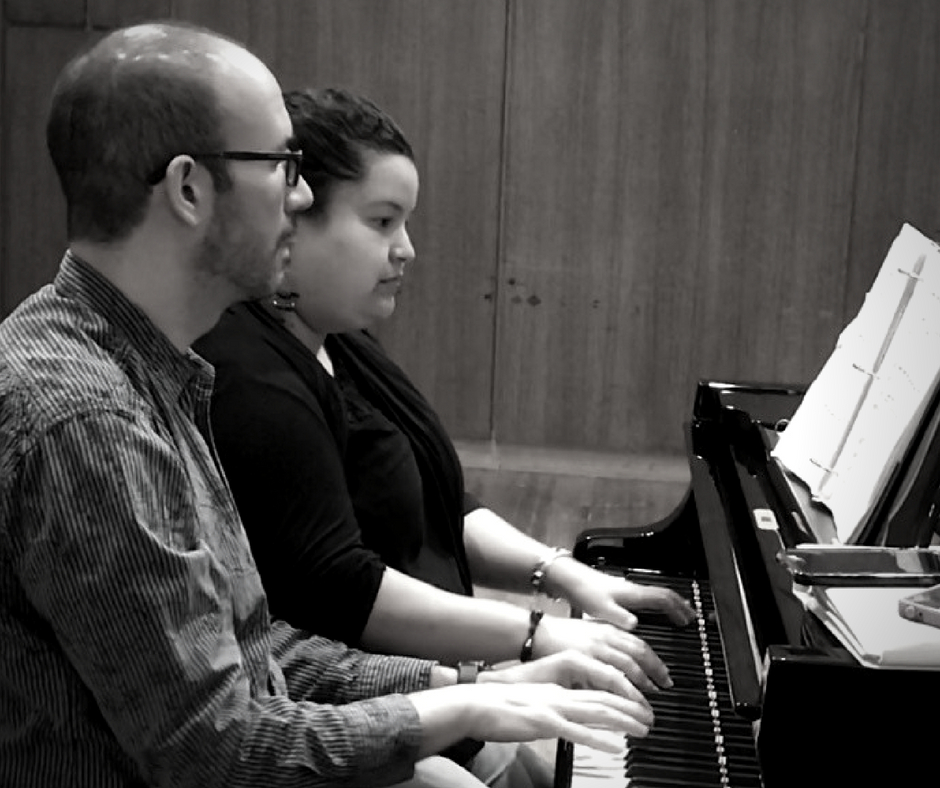

We were lucky to catch up with José Antonio Cubela recently and have shared our conversation below.
Alright, José Antonio thanks for taking the time to share your stories and insights with us today. Have you been able to earn a full-time living from your creative work? If so, can you walk us through your journey and how you made it happen? Was it like that from day one? If not, what were some of the major steps and milestones and do you think you could have sped up the process somehow knowing what you know now?
Yes, I have been able to earn a full-time living as a musician and teacher. I began teaching piano privately while I was still in high school, working out of a small studio my parents built behind our home in Miami. That little space had two upright pianos side by side, and it served as a wonderful teaching environment for many years.
In college, I continued to teach privately to help cover my living expenses and tuition. I moved to Texas in 2002 to attend Texas Christian University, where I was hired to teach piano in the Music Preparatory Division. During that time, I further developed my teaching skills, inspired by the exceptional faculty and the mentorship I received. That experience really helped me refine my approach as an educator.
I believe many teachers grow significantly when they have the guidance of a mentor or are part of a supportive mentorship community. For me, the opportunity to ask questions and learn from seasoned teachers was the turning point when my skills and confidence truly began to expand.
Awesome – so before we get into the rest of our questions, can you briefly introduce yourself to our readers.
For those who may not know me, my name is José Antonio Cubela, and I’m a pianist, educator, and collaborator dedicated to helping students and audiences experience music with depth, clarity, and joy. I was raised in Miami, Florida, and knew early on that music would be my life’s work. That passion led me to earn an Associate in Arts with honors from Miami Dade Community College, followed by a Bachelor of Music degree (Cum Laude) from the University of Central Florida, and ultimately a Master of Music in Piano Performance from Texas Christian University.
I entered this field because I’m fascinated by both the discipline and the artistry of piano performance, and I’ve built a career that blends teaching, performing, and adjudicating. Over the years, I’ve served as an adjudicator for numerous competitions and festivals, including the DMTA, Fort Worth Music Teachers’ Association, MCMTA, National Federation of Music Clubs Junior Festival, Piano Forum, Steinway Young Artist Competition, Weatherford MTA, and the Memphis International Piano Festival and Competition. I also had the honor of serving as President of the Fort Worth Music Teachers’ Association from 2015–2017.
As an educator, I’ve always strived to develop thoughtful, well-rounded musicians. I’ve taught primary and secondary piano at Texas Wesleyan University and Tarrant County Community College and am now part of Arlington ISD’s Center for Visual and Performing Arts, where I teach piano and theory. I’m also one of the founding directors of the Fanfare Piano Festival for Arlington ISD. Many of my students have gone on to win major competitions and attend prestigious universities across the country — something I consider one of my greatest professional joys.
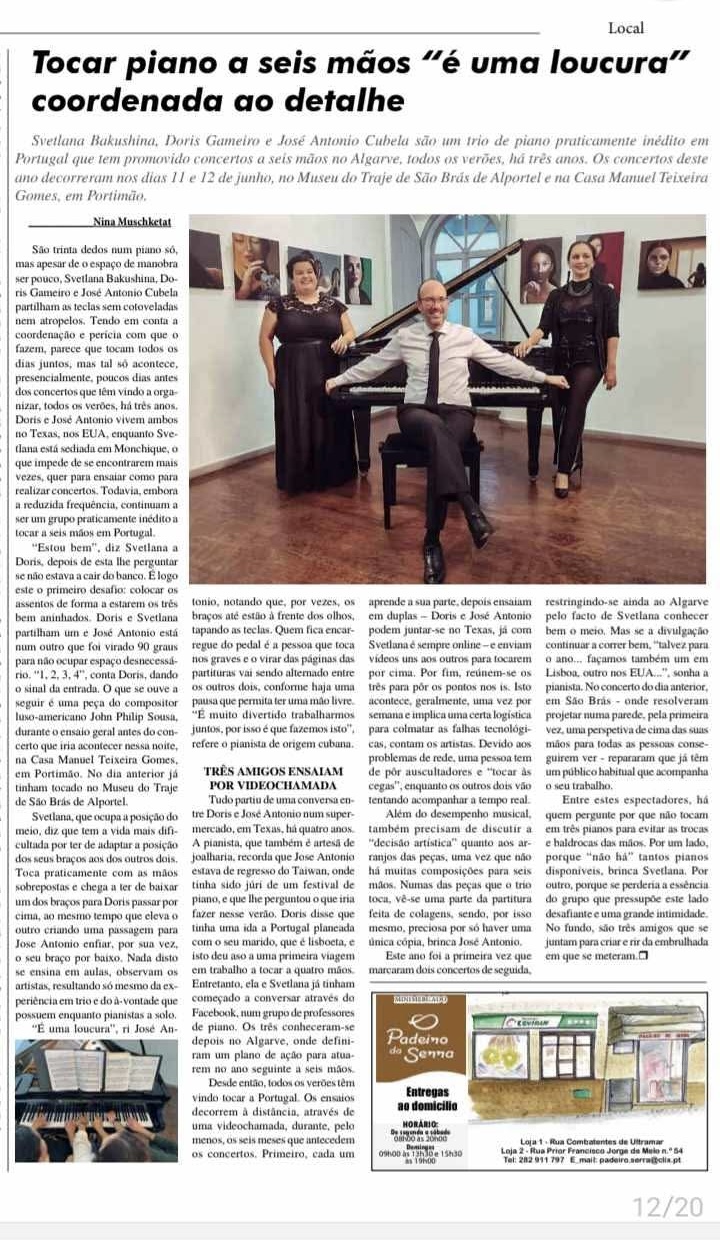
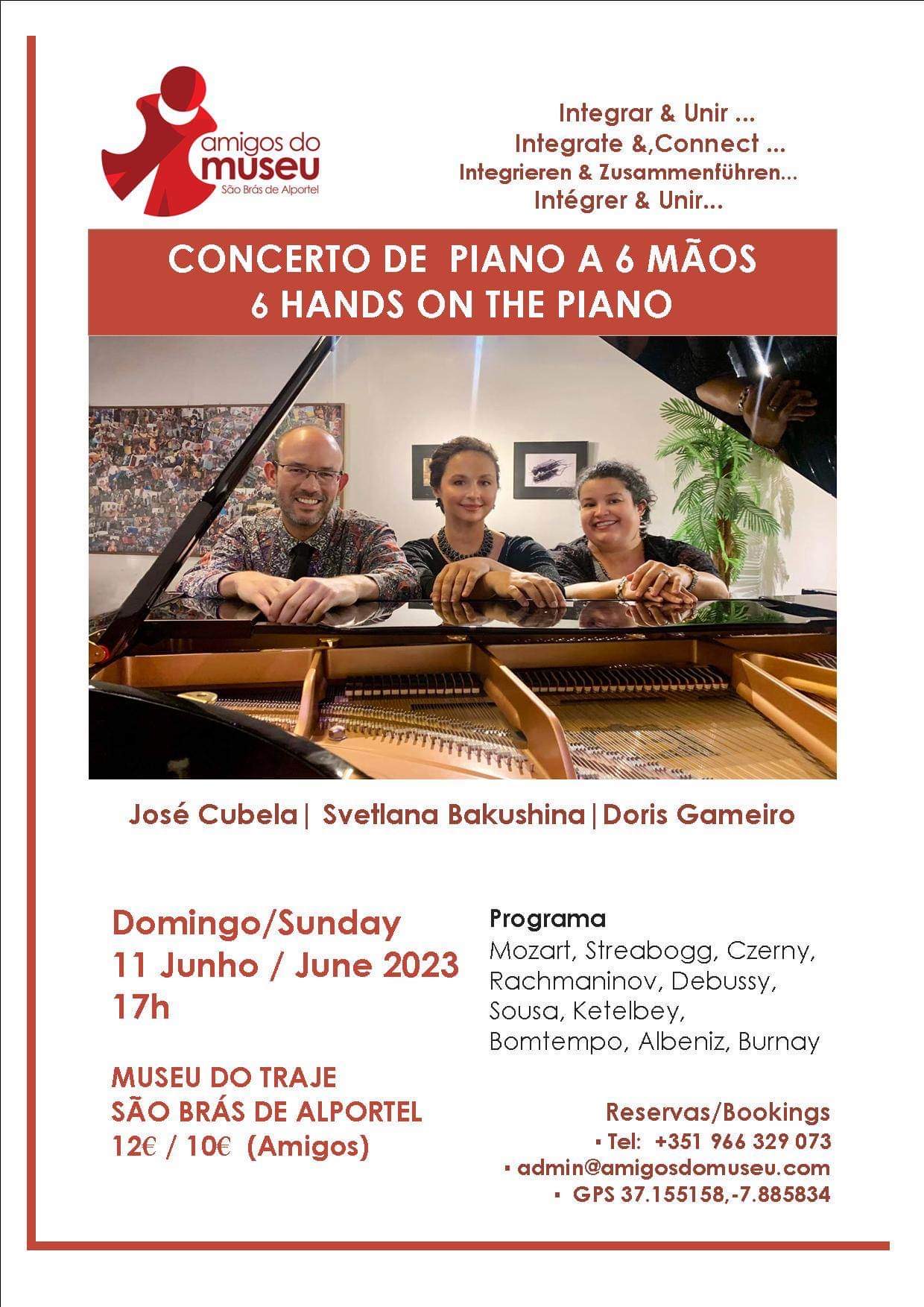
Creatively, my work spans solo performance, chamber collaboration, and international artistic partnerships. I’ve performed throughout the U.S. and abroad, including a six-week residency in Taiwan with the International Piano Performance Committee. I’ve appeared in Portugal at the Conservatório de Música de Águeda, Centro de Artes de Águeda, Museu do Traje, and Casa Manuel Teixeira Gomes alongside colleagues Doris Gameiro and Svetlana Martins (Bakushina). I value collaboration deeply, which has led me to work with renowned artists such as choreographer Lar Lubovitch for the Bruce Wood Dance Company’s 2023 Gala, and to record with Alexander Kerr, Concertmaster of the Dallas Symphony, and David Cooper, Principal Horn of the Chicago Symphony, in a project released in early 2020.
What sets me apart is my dual commitment to artistic excellence and accessible, inspired music education. I love solving problems for students—whether technical, musical, or interpretive—and helping them discover their own artistic voice. I’m most proud of the many musicians I’ve mentored who now carry forward their passion for music into higher education and professional work.
Above all, I want potential students, clients, and colleagues to know that my work is guided by curiosity, collaboration, and the belief that music has the power to transform individuals and communities. Whether I’m performing on stage or teaching in a classroom, my goal is always the same: to make music meaningful, memorable, and moving.
Is there a particular goal or mission driving your creative journey?
Yes — my creative journey is driven by a dual mission: to cultivate meaningful musical experiences and to empower the next generation of musicians. As both a performer and educator, I’m committed to making music accessible, expressive, and transformative for students, audiences, and collaborators.
On the educational side, my goal is to help students discover their own artistic voice by giving them the technical foundation, musical insight, and confidence they need to succeed. I take pride in guiding young musicians toward excellence, whether they are preparing for competitions, auditions, or simply striving to grow as artists.
On the performance side, my mission is to bring music to life in ways that connect people across cultures and communities. Through collaborations with dancers, international artists, and ensembles, I aim to create performances that are thoughtful, engaging, and deeply human.
Ultimately, everything I do—teaching, performing, adjudicating, and collaborating—is rooted in the belief that music has the power to inspire, uplift, and unify, and I see it as my role to help others experience that power fully.
We’d love to hear a story of resilience from your journey.
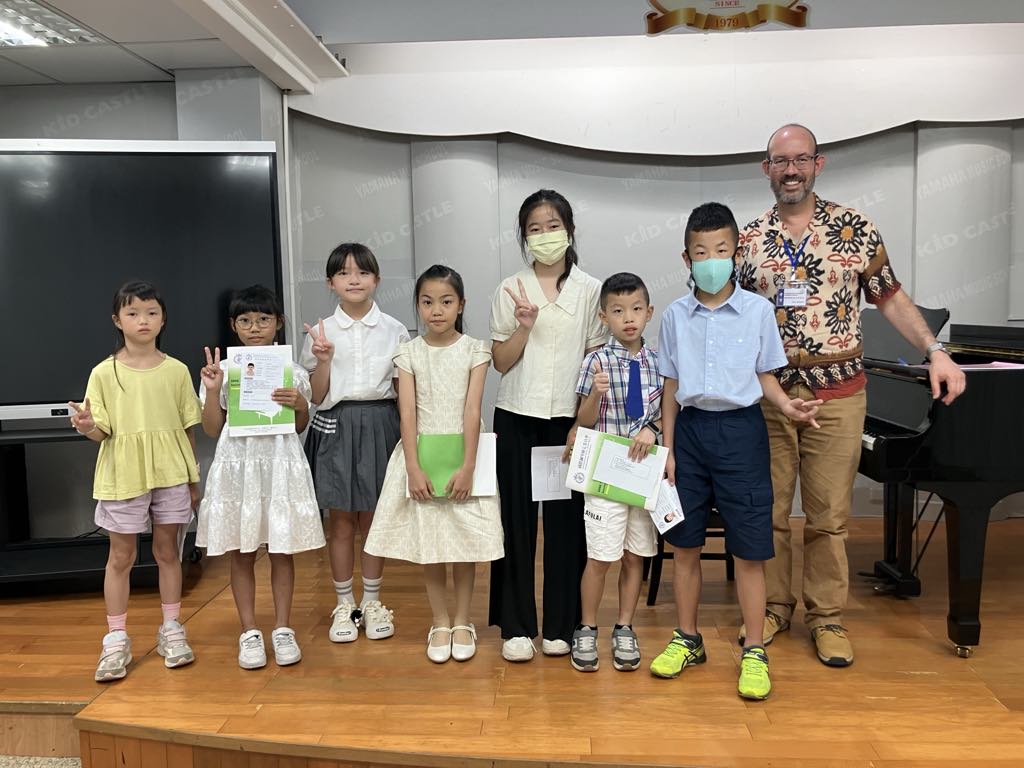
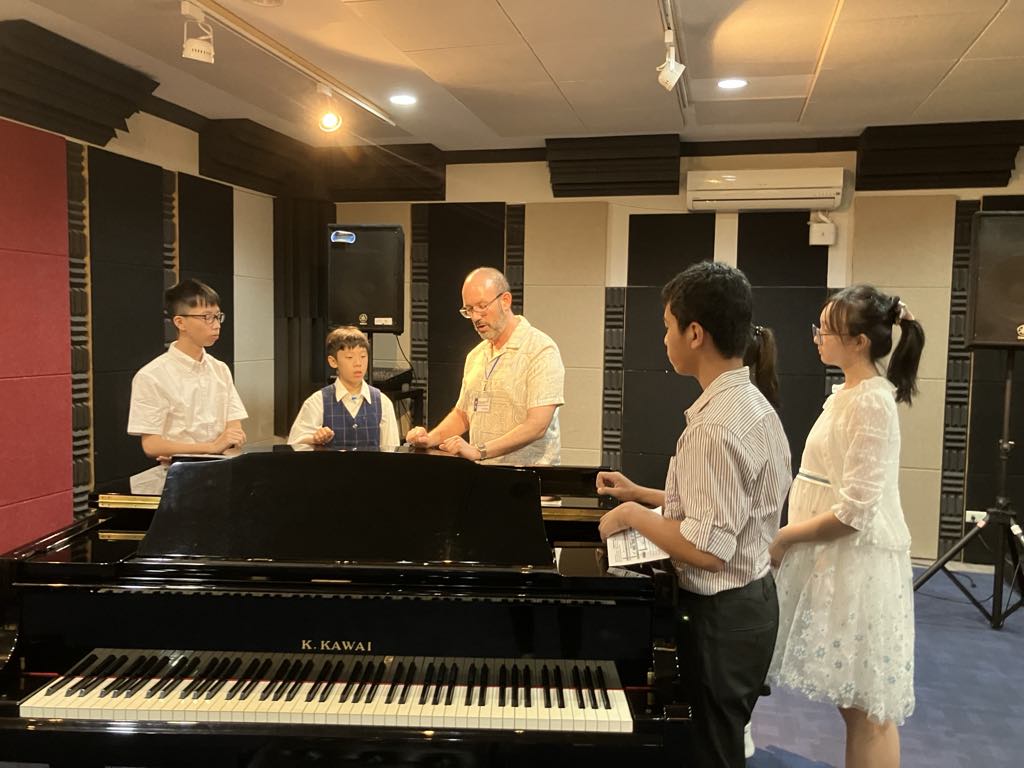
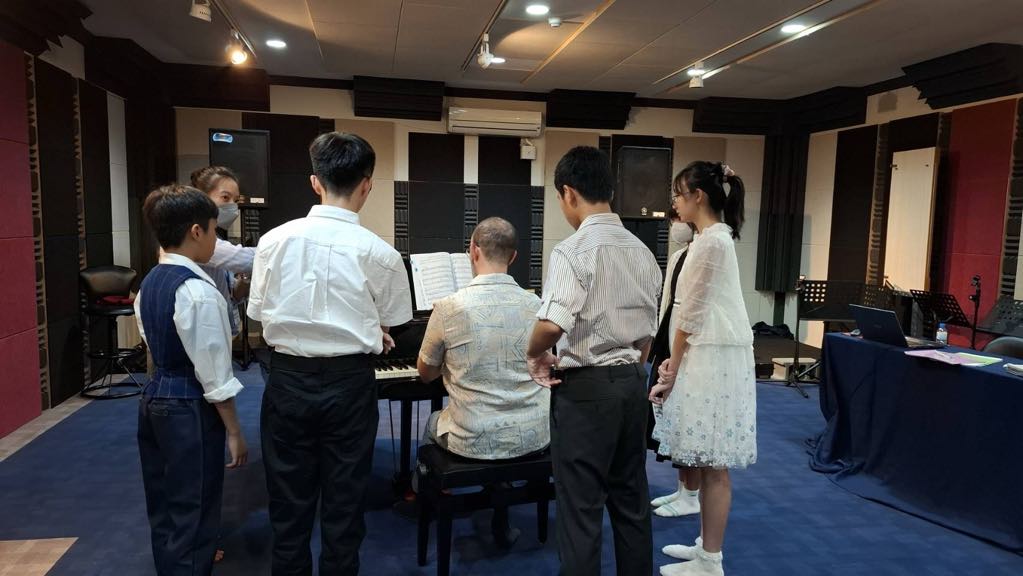
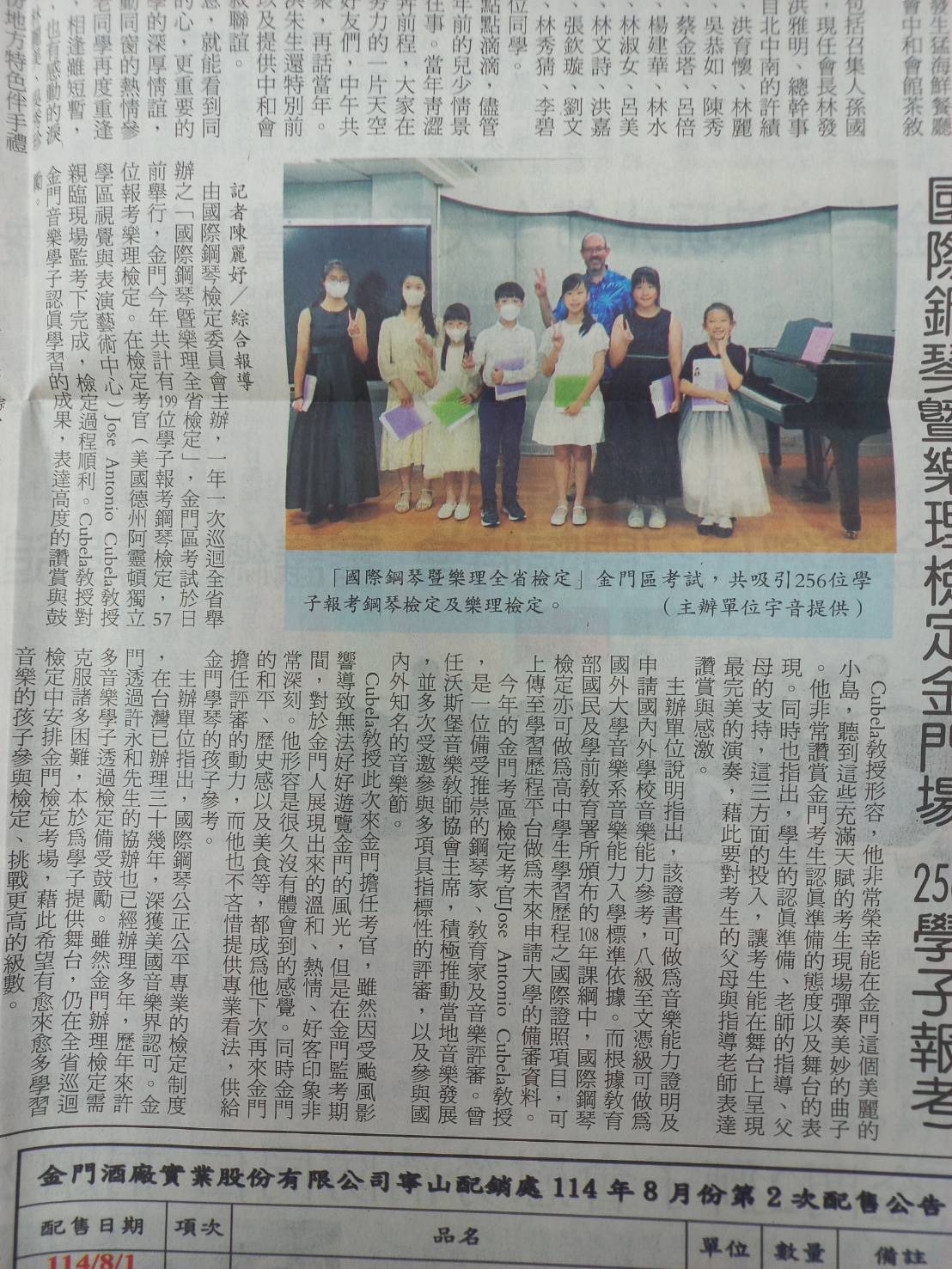
One moment that stands out in my journey—and really illustrates my resilience—was the summer I spent in Taiwan working with the International Piano Performance Committee. It was a six-week residency that required me to adjudicate competitions, mentor students, and work closely with teachers from a completely different cultural and educational environment.
What many people don’t realize is just how demanding that experience was. I was navigating unfamiliar surroundings, long days of back-to-back evaluations, and the pressure of representing not only my own standards, but also the expectations of an international organization. Every day required mental flexibility, deep focus, and the ability to communicate effectively across language and cultural barriers.
But rather than being overwhelmed, I embraced the challenge. I learned to adapt quickly, adjust my teaching approaches on the fly, and find ways to connect musically even when the words didn’t always line up perfectly. By the end of the residency, I had not only grown as an educator and adjudicator, but had also built lasting relationships with students and teachers who brought their own resilience and passion to the table.
That experience reminded me that resilience isn’t just about pushing through difficulties—it’s about staying open, curious, and committed when you’re far outside your comfort zone. It strengthened my belief that music truly is a universal language, and it reaffirmed my ability to thrive in demanding, unfamiliar, and high-stakes environments.
Contact Info: