
We recently connected with Lucila Tolis and have shared our conversation below.
Alright, Lucila thanks for taking the time to share your stories and insights with us today. Has your work ever been misunderstood or mischaracterized?
Have you ever thought about what happens after you decide you want to be an artist? Lately I’ve been reflecting on what it really means to choose this path. Is that decision like the vows of a marriage, or like a nun who consecrates her life to a divinity? Is it a choice that lasts forever? Isn’t it hard enough just to take that first step—to accept the risk? For those who don’t consider themselves artists, it might seem that simply making the decision is enough. But for those who have taken it, what are the consequences of such a choice?
Sometimes I feel misunderstood—especially by those who don’t make art their career. Every time I feel challenged or struggling—like when you finish a contract, or during that period in between auditions, trying to land the next gig, show, or play—that moment when you know you have to put yourself out there again—it can feel really draining. I’m trying to figure out how I can deal with that moment of emptiness, that period of stand-by, and find a way to keep moving forward despite the uncertainty.
I’ve realized that in the arts industry, it’s not enough just to make the decision to be an artist. You also need someone willing to hire you. Take me, for example—I’m a dancer. But if I don’t book a show, how can I really consider myself a professional? Once I’ve been told that the moment you get paid for what you do, that’s when you become a professional.
So what happens if you truly decide to fully commit to your art? You put yourself out there, you share your talent, but what if you don’t book anything? How can you make that decision alone enough to succeed?
I’ve been dancing since I was six, and recognizing my passion was never a question for me. Over the years, I’ve built a career, carved a path, and gained some control—but every day I face the choice of whether to keep this commitment. And that choice can be terrifying, because it makes me question who I am in the world, not just as a dancer, but as a human being.
That’s when the principles of *The Artist’s Way* by Julia Cameron step in, always guiding me. Wanting to book a specific show? That’s often just my ego talking. I’m not talking about taking jobs that don’t interest us or aren’t aligned with our deepest wishes—but sometimes we are influenced by where we think we should be or what we should be doing, instead of noticing where we are being called today to share our art. As artists, I think we have to step aside from external standards, from status, and simply answer that call. Being an artist isn’t about ticking boxes or meeting expectations—it’s about opening yourself, letting your talent flow, and sharing it with the world.
Sometimes, not being in the position we wish for—even while working as artists—can make us doubt ourselves, feel like stepping aside is the only option. But the truth is, it’s about knowing what you can genuinely share from your heart. That authentic sharing creates a connection, a synergy—that is, an interaction in which what is produced between you and the audience is greater than the sum of its parts. When I share my art with joy rather than expectation, I feel an instant reward: love, gratitude, a warmth that fills the space between us. It’s in that connection—when you’re fully present, fully giving—that art truly makes sense. That’s when being an artist truly makes sense.
It’s not about me anymore—it’s about us.
Lucila, love having you share your insights with us. Before we ask you more questions, maybe you can take a moment to introduce yourself to our readers who might have missed our earlier conversations?
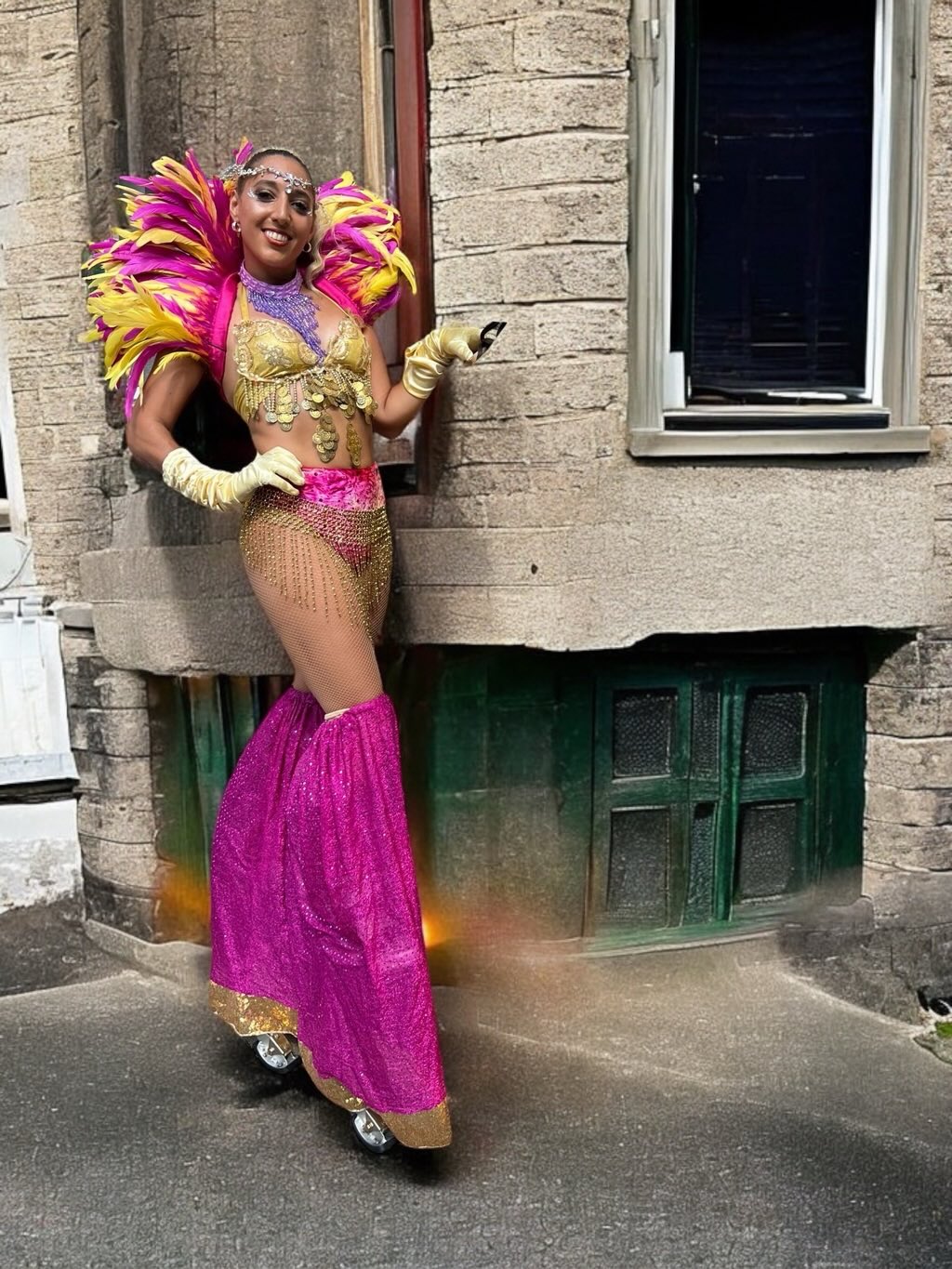
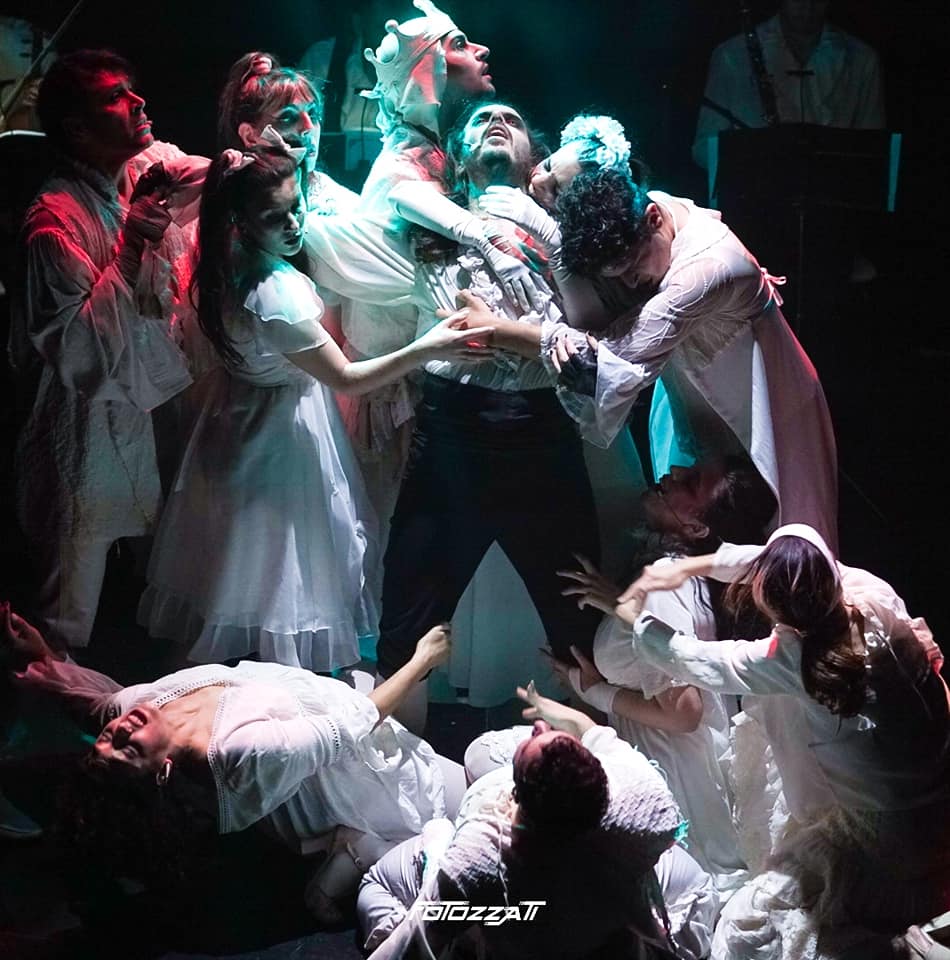
I am Lucila Tolis, an artist based in New York City. I’m a professional dancer, performer, choreographer and fire artist. I began dancing at six, studying **jazz and ballet**, and at ten, I attended the **Escuela Municipal de Danzas Norma Fontenla** in my hometown of Mar del Plata, Argentina. I started choreographing as a child, creating small dances that led to school performances and, around age 15, my mom told me about an art university where I could study to become a choreographer. I immediately pursued formal studies at the **National University of Arts (UNA)**, and in Argentina, I also directed and developed my own projects, mentoring emerging artists.
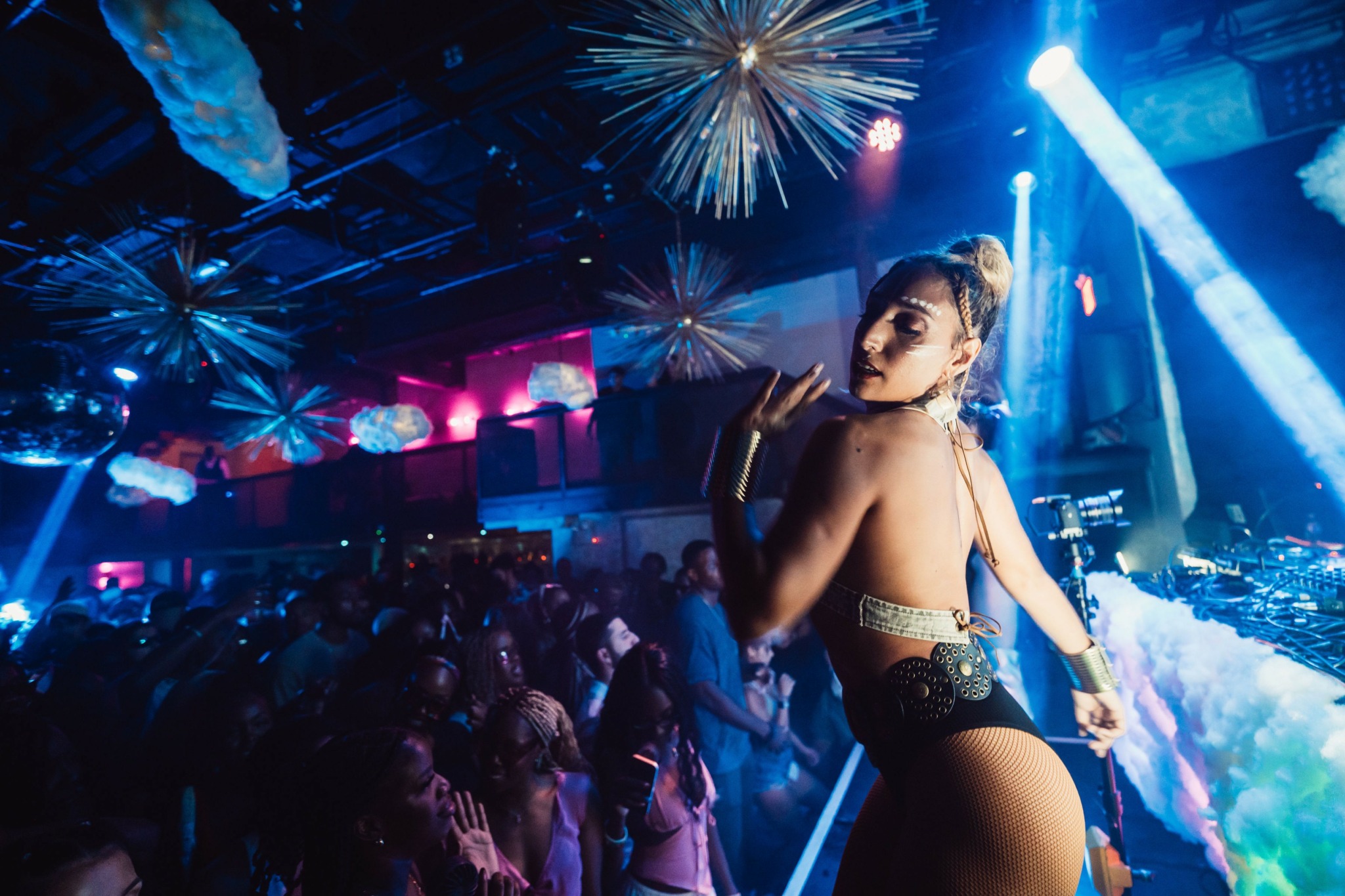
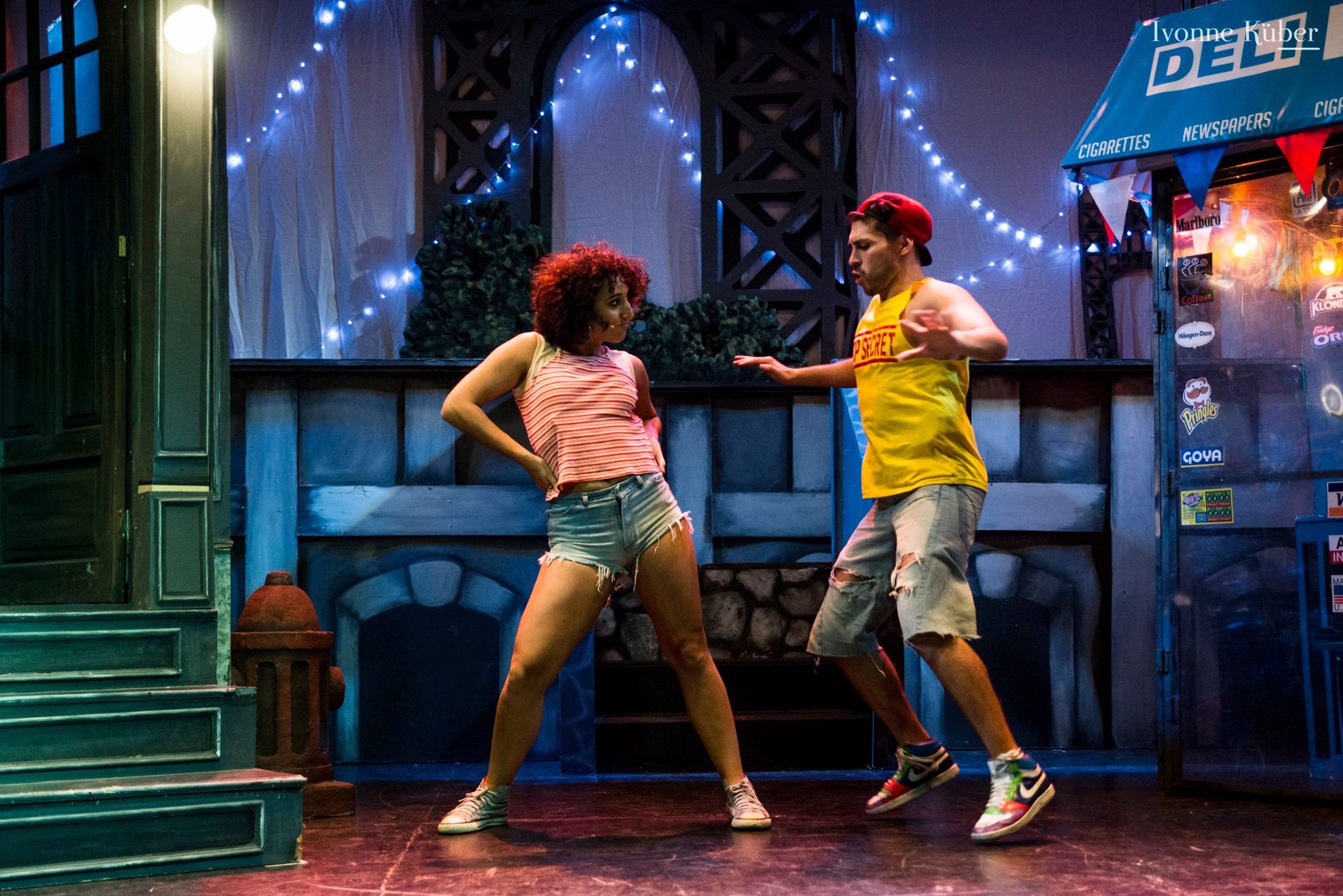
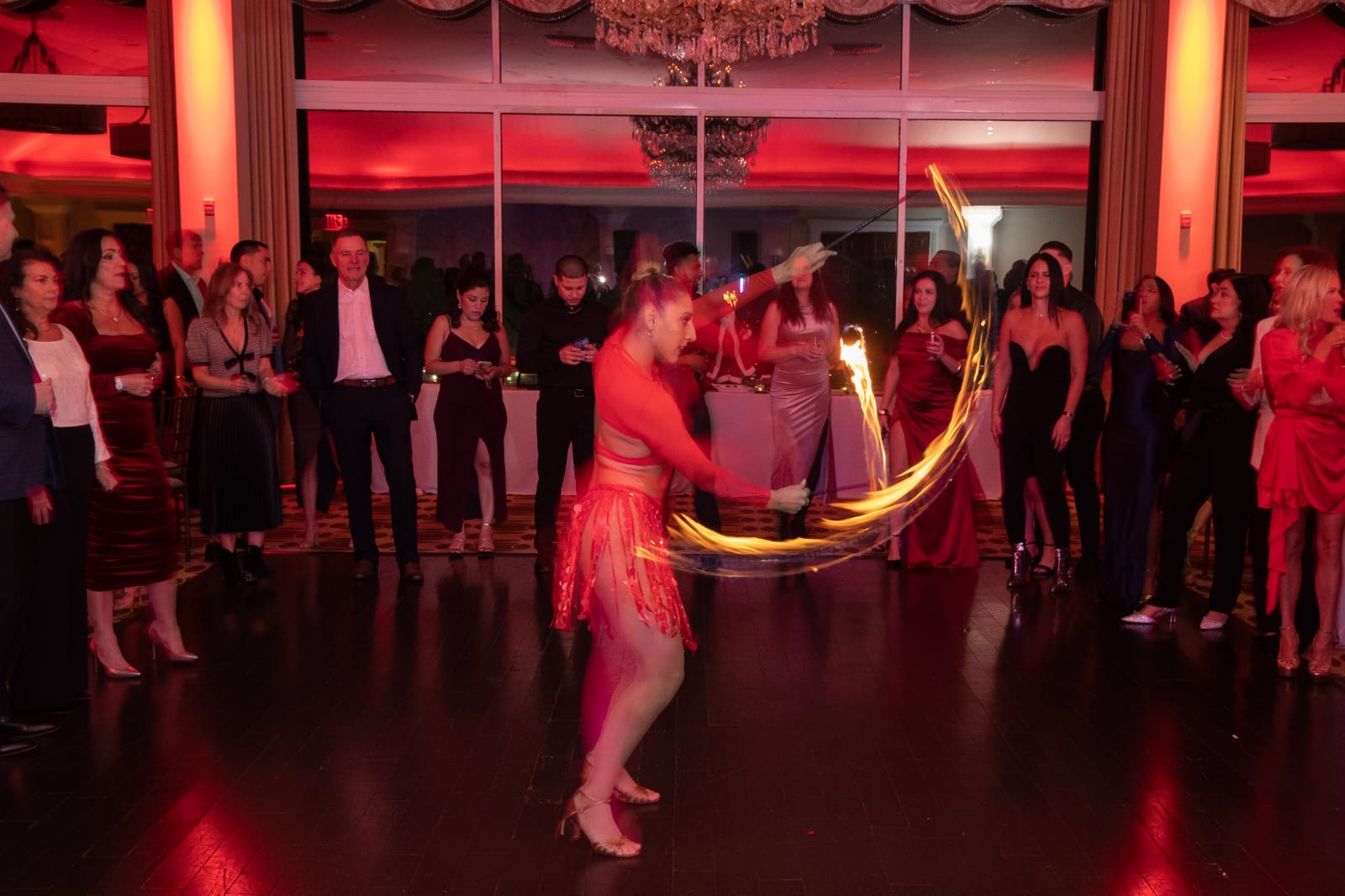
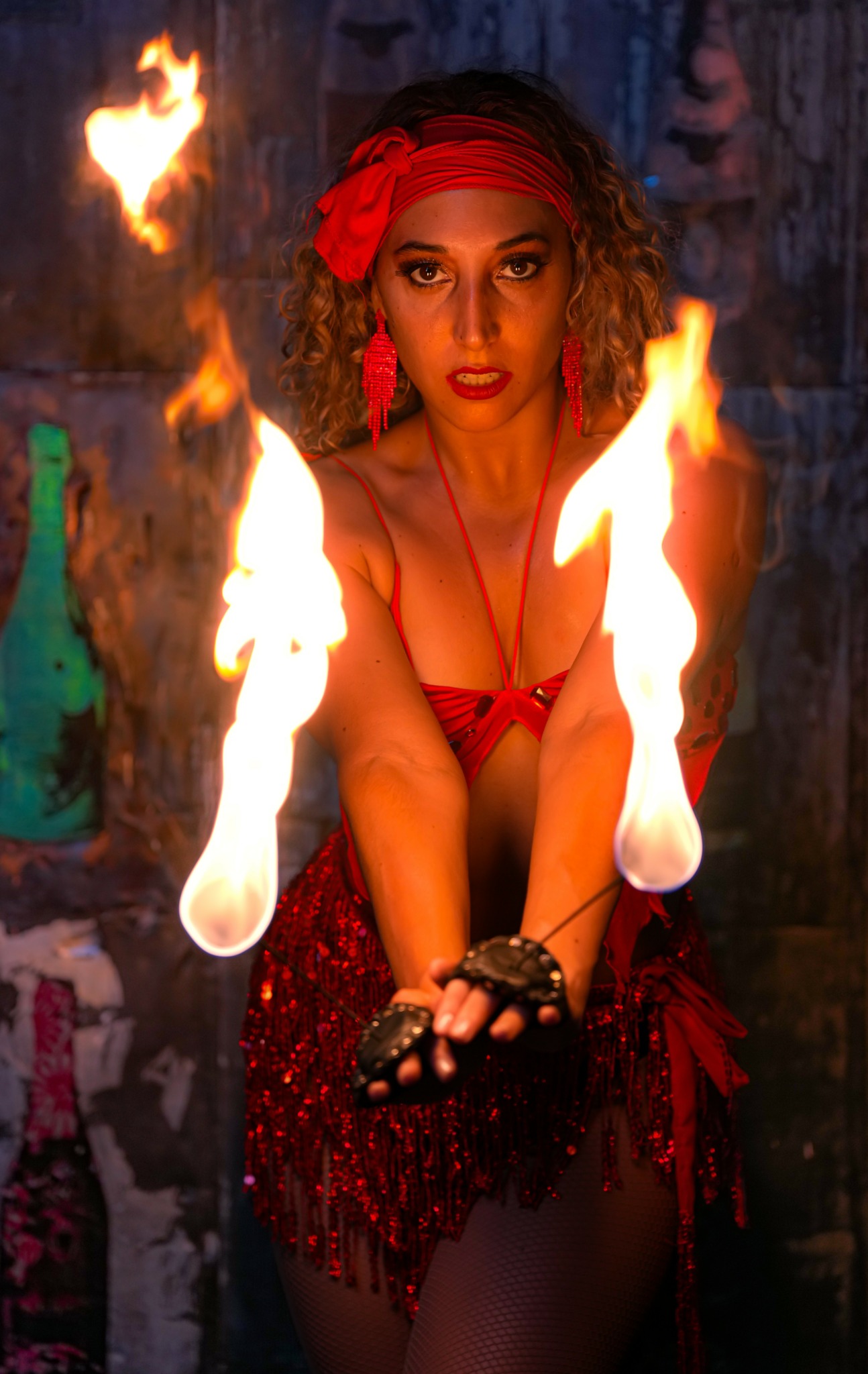
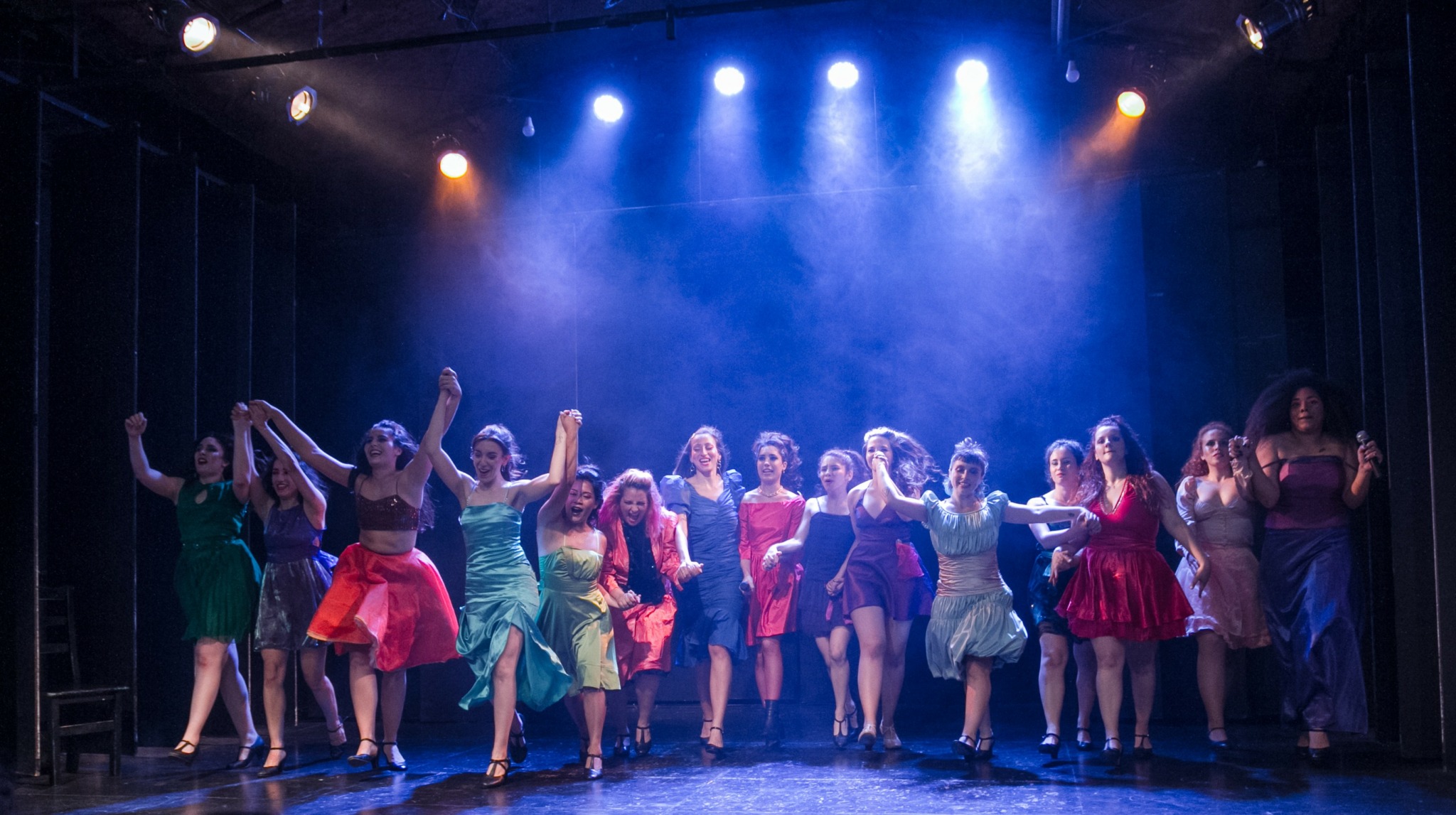
Now, I work as an artist in NYC, I perform in **musical theater, events, shows, and festivals**. I made my musical theater debut in USA **West Side Story at the Fireside Theatre**, and I collaborate with other entertainment companies, providing performance services for a variety of productions. I also create **fire performances** that explore concepts, music, costumes, and staging.
A teacher once told me that **achievement in art isn’t about reaching a destination, but about staying in the practice**. That idea energizes me and keeps me creating. In every show, I aim to stay connected to myself and my emotions even thought they are not happy ones, sharing them with the audience. I have learned that focusing on impressing during moments of virtuosity can hinder spontaneity and true, so **I always strive to perform in a playful and genuine way**.
I am proud of being Argentine and sharing my **mate, food and tango** whenever I can. Growing up in a culture where creativity permeates life has made me flexible, resourceful, and adaptable to many projects and circumstances. I am also deeply proud of the people who surround me, my friends, colleages and students. They give me so much love and I grateful for that. Personally, I am proud of my **resilience**, having persevered through moments of frustration and fluctuation in my artistic journey.
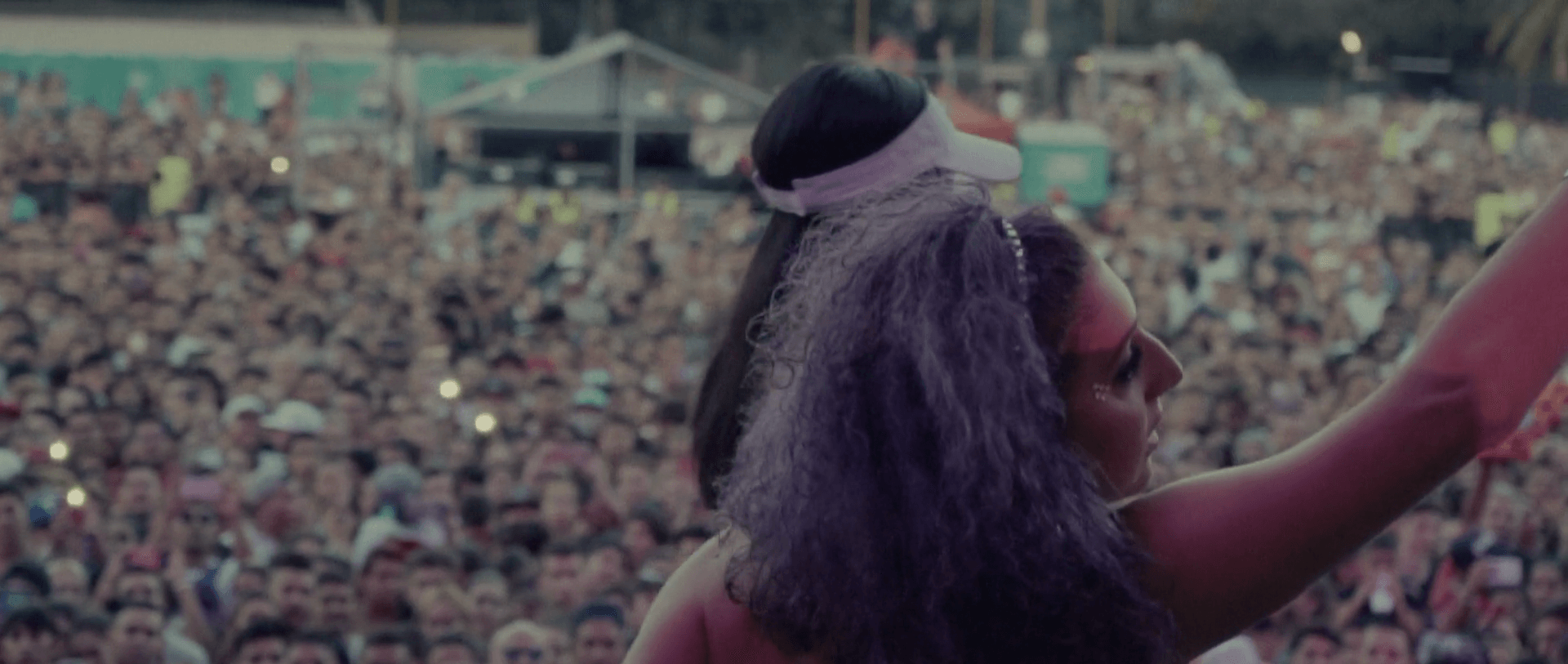
I want my art to contribute—I want to help and to bring joy, whenever it’s a small performance or a large stadium. I hope to make a difference through every opportunity to share my work.

What’s a lesson you had to unlearn and what’s the backstory?
For a long time, I believed that an artist had to follow **the right path** — a path that supposedly *led to success by following certain steps*. I thought that becoming a choreographer was the natural “next step” after being a dancer. That idea came from my family, society, and the environment around me, and without noticing it, I built an identity based on expectations that weren’t truly mine.
Because of that, the choreographer in me began to overshadow the dancer I had always been. My inner child, the one who danced out of freedom and instinct, started to disappear behind the version of myself I thought I was supposed to become.
I travel to Mexico to explore but It changed everything. Being away from my usual surroundings helped me reconnect with my real voice and rediscover the dancer I was as a child — the one who moved without seeking approval.
Now I see an artistic career as an expanding energy field, not a staircase. There’s no “before” or “after,” no “higher” or “lower,” no step forward or back — just growth and flow in all directions. Being a dancer, a choreographer, a collaborator, a listener — these aren’t ranks; they’re facets of the same creative core. We don’t replace roles; we accumulate them. We can choreograph because we’ve danced. We can dance because we’ve experienced the world. We can collaborate because we’re sensitive to others.
Each new connection, each new experience adds to the field — more people, more knowledge, more layers of self. Perpendicularity, with its rigid angles and fixed directions, works against creativity; collaboration and openness nurture it.
For you, what’s the most rewarding aspect of being a creative?
For me, the most rewarding part of being an artist is sharing my work honestly and connecting with people through it. It’s about being fully present, giving everything I have, and making people happy through dancing. I’m proud to represent Argentina on stage, and when I was a child, people told me it was impossible to get here. Now I live in New York City, working actively as a dancer. It’s proof that it takes a lot, the sacrifice is enormous, but if you’re willing to commit, you can make it happen.
If I could give advice to other artists, I’d say: take care of your creativity with small things that inspire you—be in silence, be bored, enjoy nature, see other people’s art, admire someone who inspires you, play games, spend time with friends, travel, and, of course, dance. Don’t worry about being productive all the time—sometimes doing things for no reason gives you the most energy and joy.
I want to be the kind of dancer that young dancers can look at and say, “If she can do it, so can I.”
Contact Info:
- Website: https://lucilatolis.com/
- Instagram: https://www.instagram.com/tolislucila/