



We caught up with the brilliant and insightful Mary Jean Ruhnke a few weeks ago and have shared our conversation below.
Mary Jean, thanks for taking the time to share your stories with us today It’s always helpful to hear about times when someone’s had to take a risk – how did they think through the decision, why did they take the risk, and what ended up happening. We’d love to hear about a risk you’ve taken.
Honestly, becoming a full-time artist was the biggest risk I’ve ever taken. At the time, I was a mom of two little kids. I had a solid corporate career, a husband, a home, and even a farm that depended on my income. On paper, it made absolutely no sense to walk away from that stability, but that constant urge to create only grew stronger and louder in my head.
The problem was, going all in would have put everything we had on the line. So instead of taking a blind leap, I made a plan. For an entire year, I worked my day job, managed my family/farm and then when they went to bed, I would paint from 9 p.m. until midnight. I’d crash from 1 to 6 a.m., wake up, get my kids to daycare, and do it all again. It was exhausting, but it was also the year I proved to myself that I really wanted this.
I painted several pieces that year and sold them at local restaurants and events. Every dollar I made from art went right back into me building my artist business. I bought my first camera, a computer, an amazing easel, and created a website. I didn’t have the luxury of dropping everything to “follow my passion,” so I built it slowly, one late night at a time.
I also pushed myself to get better. I took a few art classes from a professional artist in San Antonio who challenged me in all the ways I didn’t know I needed. She even got me to start using pen, which completely changed the direction of my work.
Looking back, the risk wasn’t one dramatic moment. It was a year of sacrifice and prioritizing my creativity.
As always, we appreciate you sharing your insights and we’ve got a few more questions for you, but before we get to all of that can you take a minute to introduce yourself and give our readers some of your back background and context?
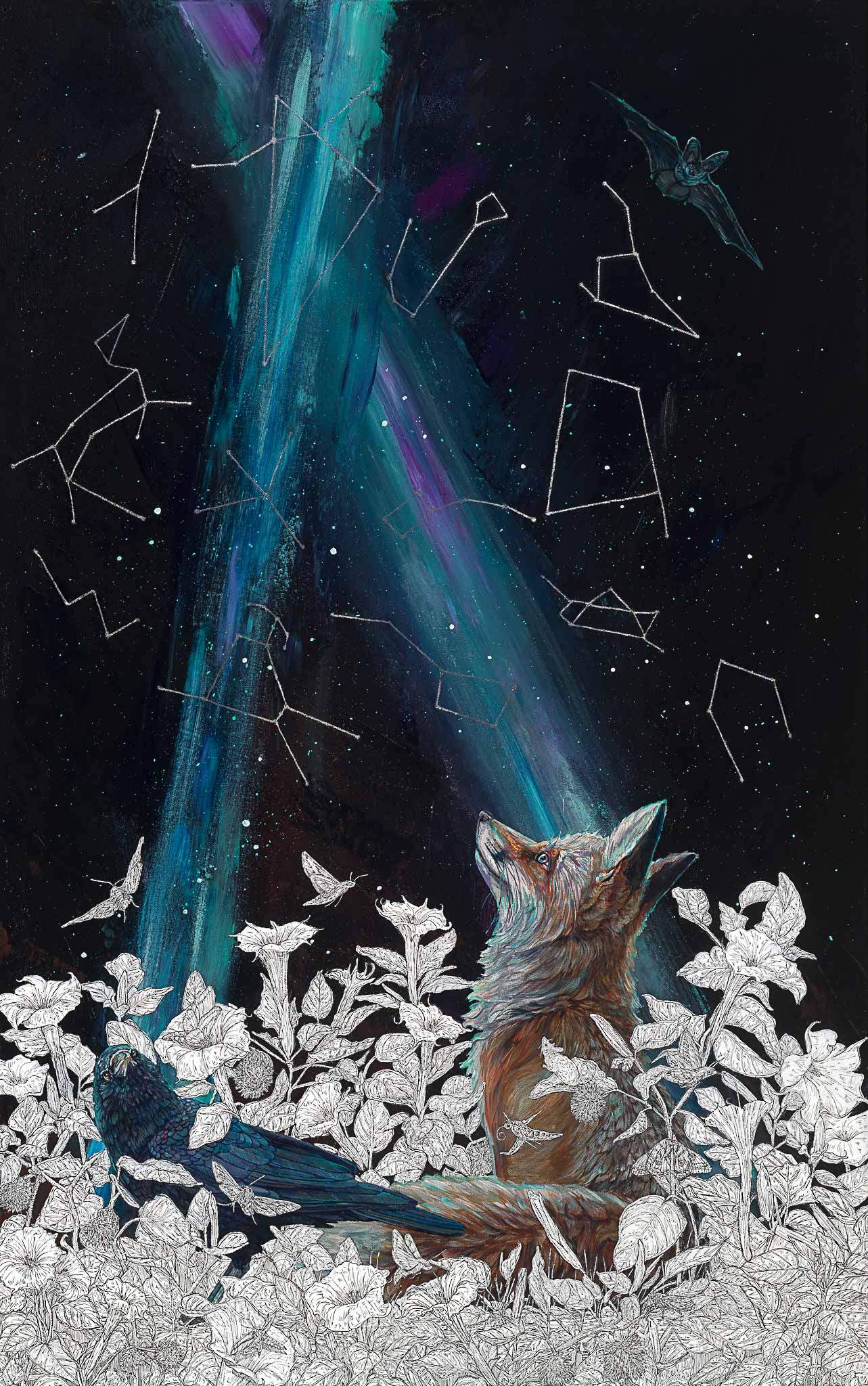
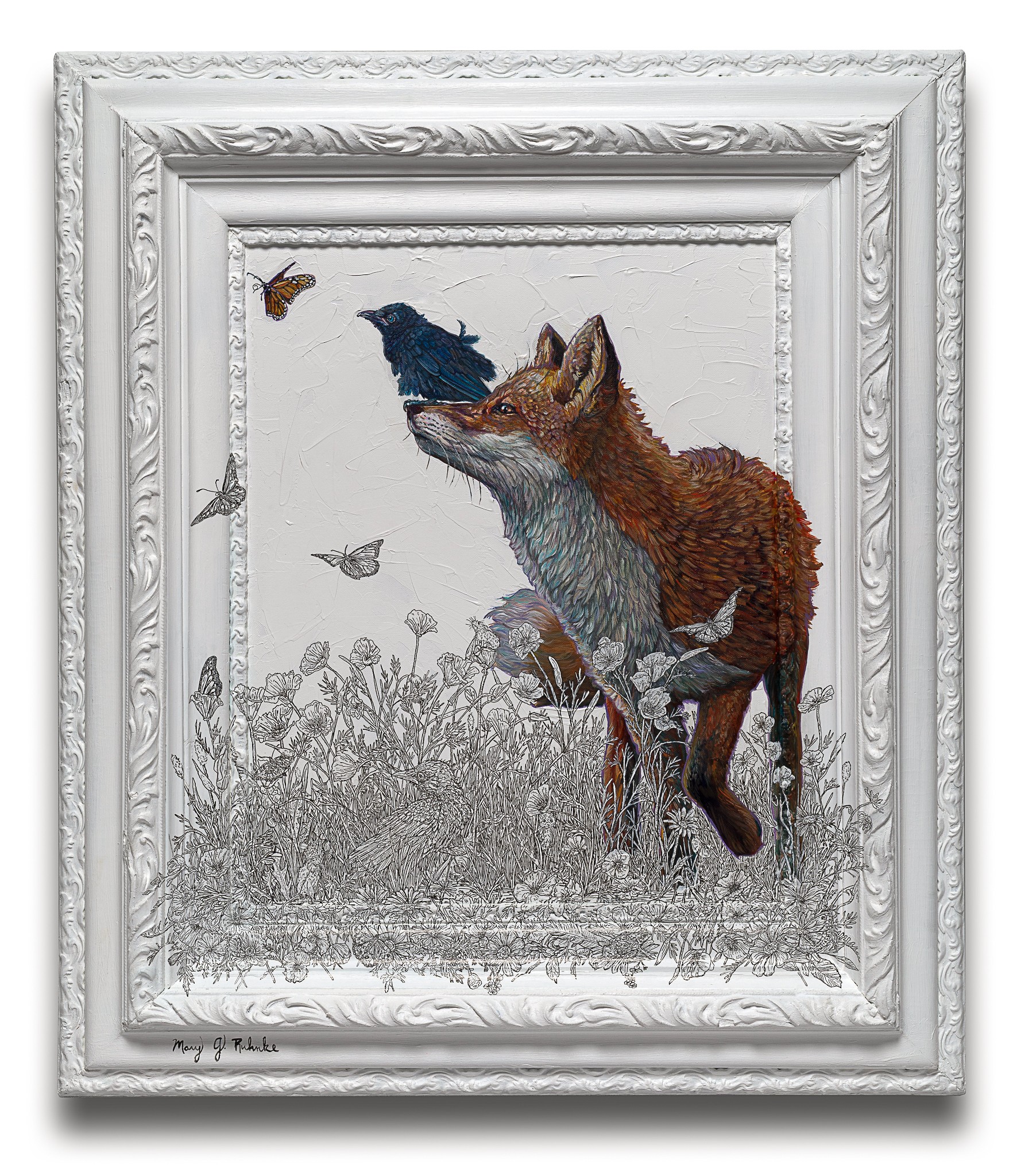
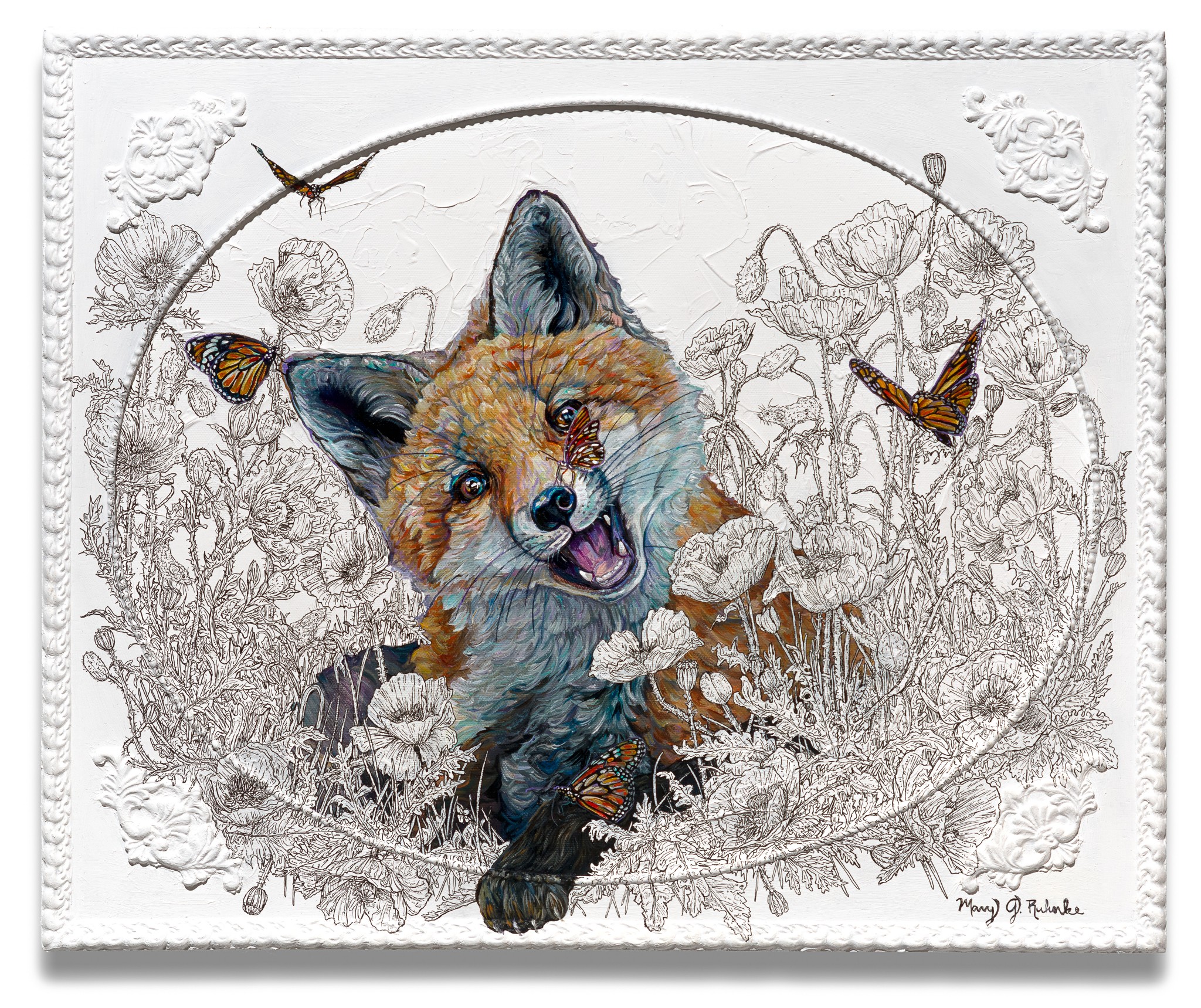
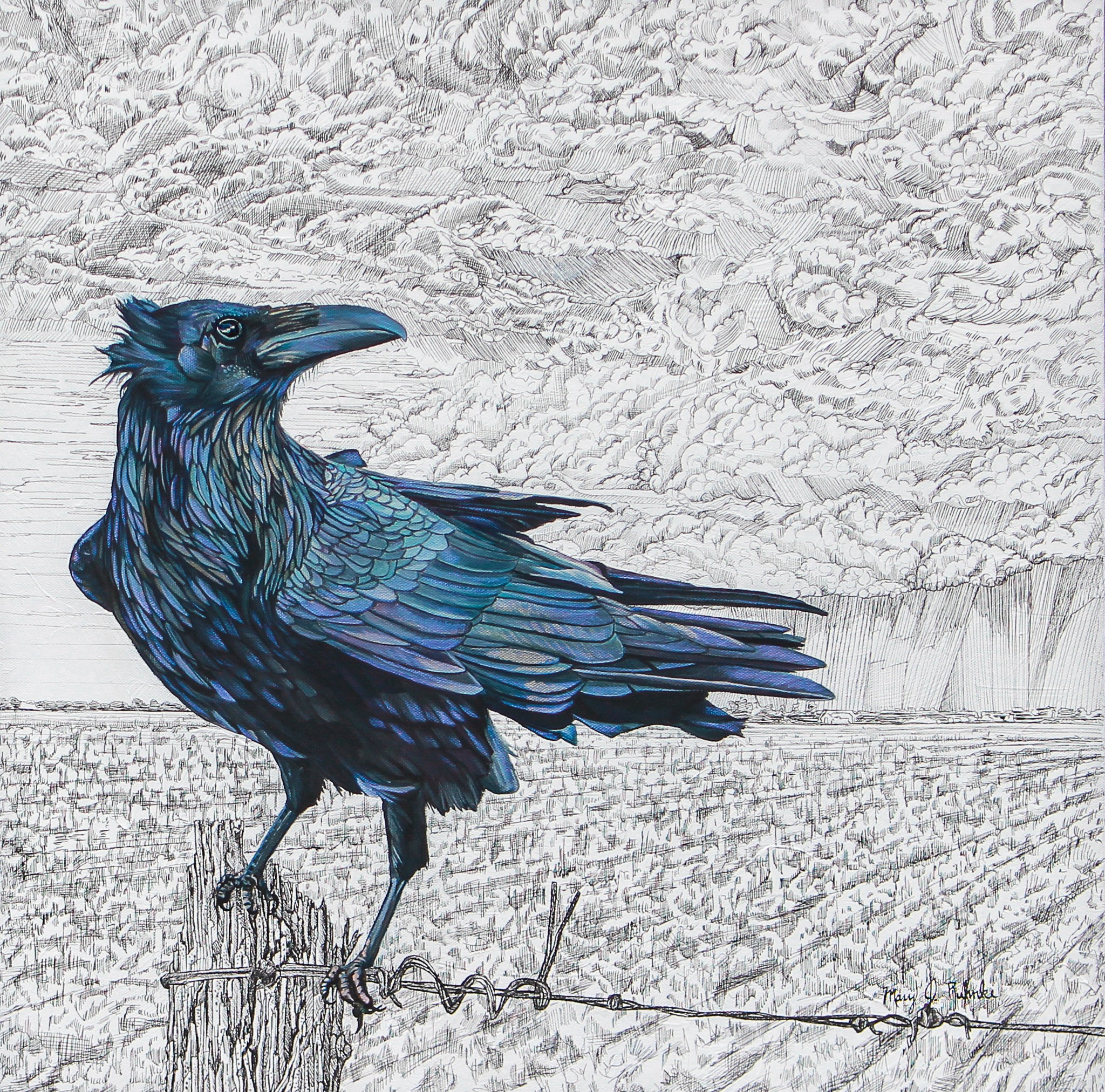
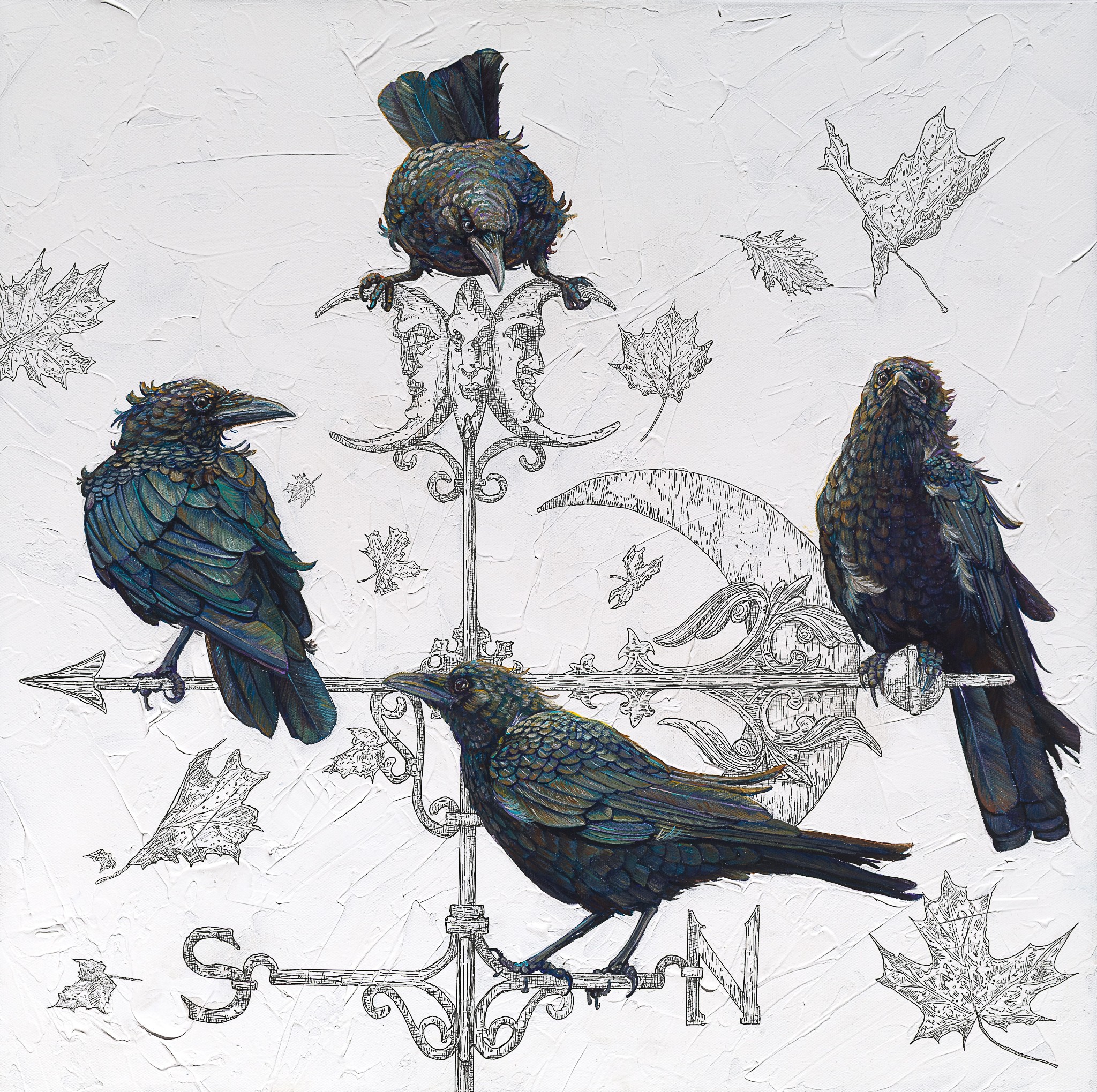
I depict our shared human experience through the subjects of crows and foxes. I’m drawn to them because they carry stories—mystery, intuition, resilience, and a kind of quiet wisdom we all can connect with. My artwork is narrative contemporary, so every piece begins with feeling I’m trying to convey which visually becomes a story. The subjects pull you in first, but it’s the ink details and the hidden creatures woven into the work that I hope keep you lingering, looking closer, finding something new each time.
What matters most to me is that my art becomes more than an image—it becomes a mirror. I hope viewers find pieces of themselves within the negative space and the relationships between the animals. I want my work to remind people that they’re allowed to feel, to wonder, and to reconnect with the parts of themselves that don’t always get attention or are challenging to communicate.
My art begins with my story, but I share it because I hope it becomes part of theirs, too.
What’s the most rewarding aspect of being a creative in your experience?
The most rewarding part of being an artist is the feeling that I finally get to live as my true self. For years, I tried to fit into a career and a lifestyle that didn’t match who I was. I felt weighed down by financial pressure and the expectation to perform in a world that didn’t leave much room for creativity. It was suffocating, and that heaviness came out in my earlier work. My earlier works were of figures trapped in cages, birds bound to cinder blocks and animals trying to escape. It was the only way I knew how to express how stuck I felt.
Now, everything is different. I wake up and get to create. I get to follow my imagination instead of suppress it. The freedom to explore my ideas, my emotions, and my curiosity—and to see those things resonate with people across the world though social media—is something I never take for granted.
It took a long time to get here, a decade of learning, failing, improving, and building the skill to stand on my own two feet as a professional artist. The struggle makes the freedom I now feel even sweeter.
How did you build your audience on social media?
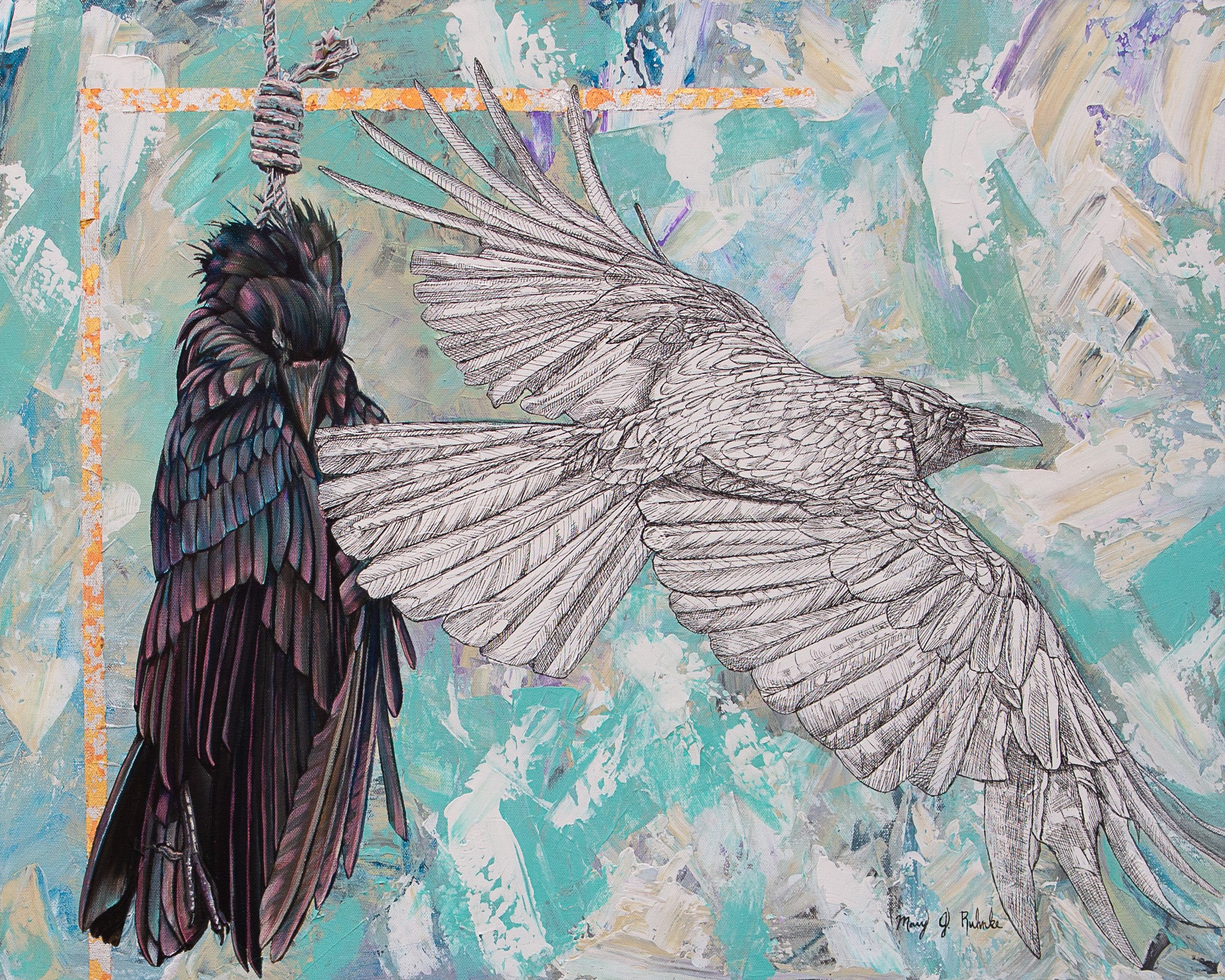
My audience began to grow when I stopped holding back and started showing up as my imperfect self. I was going through one of the heaviest periods of my life—emotionally, mentally, and financially—and I realized that if my art came from a real place, then I needed to share from that same place. The painting that changed everything was “If You Only Knew the Weight I Carried.” I saw myself as a crow that couldn’t fly, weighed down by responsibilities no one else could see, so I painted that heaviness and hung the crow.
Creating that piece gave me a brief but powerful sense of weightlessness. Like I could detach for a moment from the responsibilities that were wearing me down mentally and physically. When I posted a process video of the painting on social media, I was terrified. It felt like exposing a part of myself I had always kept hidden. I was worried what people would think of me if they knew I contemplated suicide. To my surprise people didn’t shame me, they connected deeply with the emotion behind the work. The video went viral, the original painting sold, and several prints found homes.
It was early in my career, but it changed everything. That one vulnerable moment showed me that authenticity creates connection, and connection is what builds community. Community is what provides me with sales which helps me to create often. That painting became a turning point, helping launch what is now my thriving art career.
Contact Info:
- Website: https://www.MaryJeanRuhnke.com
- Instagram: https://www.instagram.com/maryjeanruhnkeart
- Facebook: https://www.facebook.com/maryjeanruhnkeart
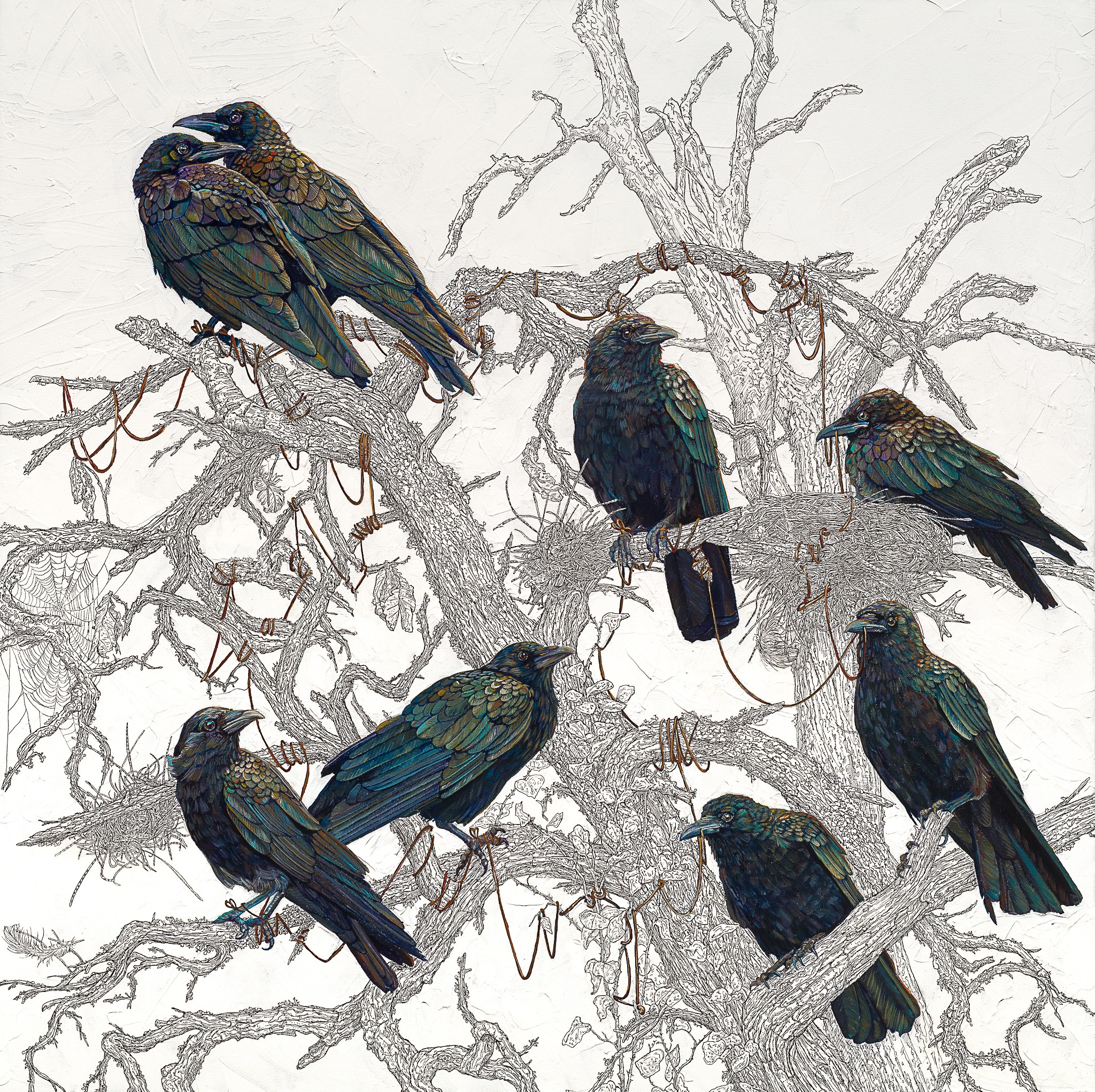
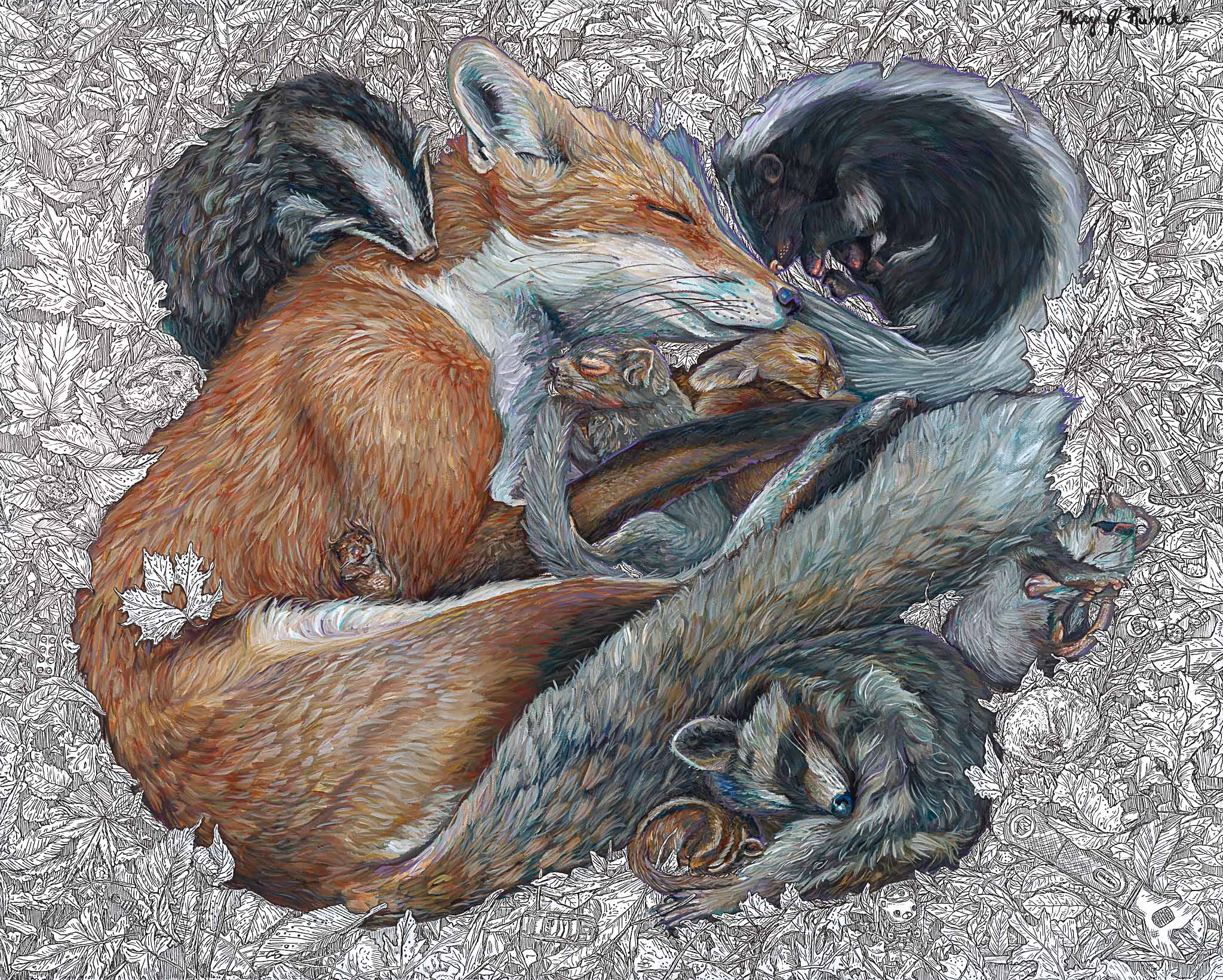
Image Credits
Photo of artist credit to Sarah E. Cooper Design & Photography