
We were lucky to catch up with Zi Zhuo recently and have shared our conversation below.
Zi, appreciate you joining us today. Can you open up about a risk you’ve taken – what it was like taking that risk, why you took the risk and how it turned out?
One of the most defining risks I’ve taken in my life came at a crossroads right after completing my undergraduate studies in architecture at Chongqing University. In China, it is common—and often encouraged—to choose stability: either pursue guaranteed graduate study at the same university or accept a secure position in a state-owned enterprise. I had both of those options in front of me. But deep down, I knew that if I wanted to broaden my understanding of architecture and challenge myself creatively, I needed to step outside the comfort of familiarity. So instead of choosing the safe path, I made the decision to leave home and travel across the world to pursue a Master of Architecture at the University of Virginia.
It was a leap into the unknown: a new language environment, a different design culture, and no guarantee of what the future would hold. But those years exposed me to Western architectural thinking, rigorous design discourse, and a global perspective that fundamentally reshaped my career trajectory. That first risk taught me that growth often lies on the other side of uncertainty.
The second major risk came after graduation. My first job—almost by coincidence—was at a small developer in Atlanta focused on single-family homes and townhouses. The work was stable and relatively easy, but it quickly became clear that the role offered almost no opportunity for real design. I spent most of my time drafting, not creating. Many people advised me to stay; comfort and predictability can be deceptively attractive. Yet I knew that settling would slowly erode my passion for architecture.
So I took another leap. I left that secure job and moved first to Washington, D.C., and later to Seattle to join larger, design-driven firms—places where I could contribute meaningfully to complex, high-impact projects. It was a risk to walk away from certainty, but it opened the door to the career I truly wanted. Today, with years of experience in higher-education and large-scale residential design, I can confidently say that every step forward in my professional journey has been built on the willingness to embrace uncertainty and choose growth over comfort.
Great, appreciate you sharing that with us. Before we ask you to share more of your insights, can you take a moment to introduce yourself and how you got to where you are today to our readers.
I’ve been drawn to creating things for as long as I can remember. As a child, I spent countless hours building with blocks, shaping sand, and sketching imaginary cities. My father, who also worked in the design field, encouraged that curiosity and showed me how the built environment could shape people’s daily experiences. Those early moments sparked my interest in architecture, but I’ve come to realize that how one enters the profession matters far less than how one grows within it. What defines an architect is the long journey of turning a creative passion into meaningful, real-world impact.
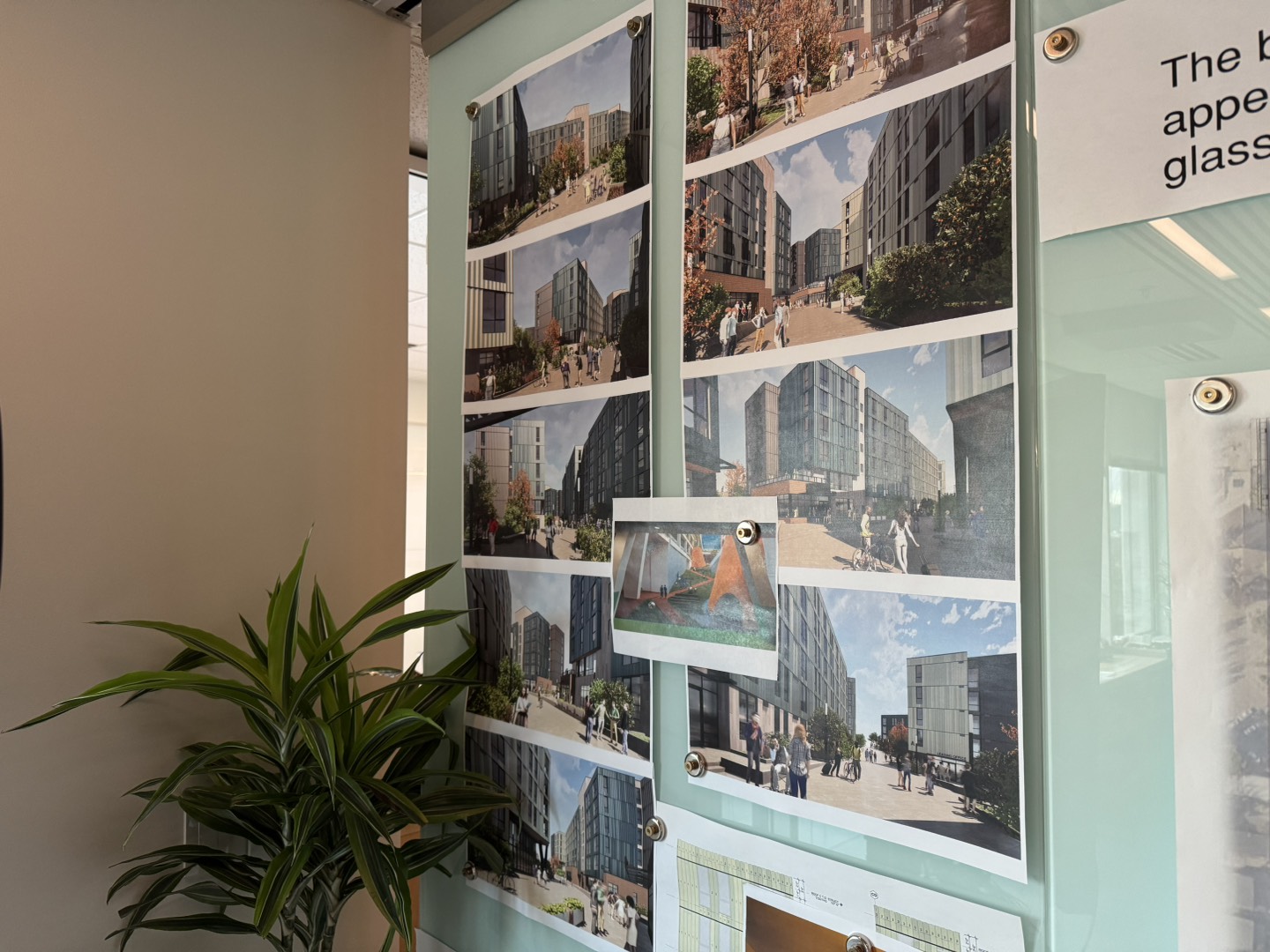
Today, I am a higher-education architect based in Seattle, working at NAC Architecture, after previously practicing at Ayers Saint Gross in Washington, D.C. Over the years, I have focused primarily on student housing and campus planning—projects that influence how young people live, learn, and connect, including University of Washington, Dartmouth College, University of Utah, etc. My work involves far more than producing drawings; it requires navigating client needs, budgets, timelines, constructability, and the coordination of large interdisciplinary teams. In school, we were often taught through a “master-designer” model that celebrated unconstrained imagination. But in practice, architecture must also be practical, safe, efficient, and buildable. The real challenge—and joy—is finding ways to preserve innovation while ensuring that projects truly serve their communities.
This balance between creativity and pragmatism is what I believe sets my work apart. I approach every project with both conceptual ambition and technical rigor, striving to create environments that are thoughtful for students, supportive for institutions, and respectful of the broader community. Whether I’m developing a long-term housing master plan or refining the details of a façade system, my goal is always to translate ideas into spaces that genuinely improve people’s lives.
What I’m most proud of is the trust I’ve built with clients and colleagues across multiple universities. Each completed project represents not just a building, but a contribution to the daily well-being of thousands of students. I want potential collaborators to know that my work is driven by a commitment to impact: designing meaningful, functional, and community-oriented places where people can thrive.
For you, what’s the most rewarding aspect of being a creative?
For me, the most rewarding aspect of being a creative—specifically an architect—is the profound sense of impact and fulfillment that comes from seeing ideas turn into places where people live, learn, and connect. Architecture is one of the few creative professions where your work doesn’t just exist on a page or a screen; it becomes part of a community’s daily life. When I walk through a completed building and see students studying in a lounge I designed, or families gathering in spaces that once existed only in my imagination, I feel an immense sense of accomplishment. Knowing that my work can make someone’s day a little easier or their environment more inspiring is deeply meaningful. It’s a reminder that creativity, when applied thoughtfully, can genuinely improve the world one project at a time.
The second reward is more personal but just as important: the cultivation of aesthetic sensitivity. Architectural education immerses you in years of art, design, culture, and visual analysis. This constant exposure shapes how you see the world—colors, light, textures, proportions, and the emotional resonance of space. Unlike many technical fields where the focus is primarily functional, architecture requires a constant dialogue between logic and beauty. This training has influenced every corner of my life. Outside of work, I’m passionate about photography, painting, traveling, music, and interior design. These creative outlets enrich my inner world and help me stay curious and open-minded. They also feed back into my architectural practice, giving me a broader palette of inspiration to draw from.
What I value most is the ability to share this creative lens with others—whether through my buildings, my photographs, or simply the way I talk about design. Creativity is not just something I practice professionally; it’s a way of experiencing and interpreting the world. And knowing that my creative work can spark joy, comfort, or inspiration for others is one of the greatest rewards of being an artist in the built environment.
Can you tell us about a time you’ve had to pivot?
One of the most significant pivots in my career has come in recent years, as artificial intelligence has rapidly transformed the foundations of how many industries operate—including architecture. The profession is changing faster than at any point in my lifetime, and it has pushed me to fundamentally rethink what it means to grow, create, and remain relevant as a designer.
Instead of resisting these changes, I chose to adapt by continuously expanding my creative and technical skill sets. I realized that in the future, the traditional concept of a “job” may evolve into something far more fluid—resembling a series of tasks or collaborations rather than long-term, single-employer roles. Individuals will be connected to projects based on their unique abilities, and with the support of AI, a single designer may contribute to multiple initiatives across different industries simultaneously. In this new landscape, the ability to learn, to create, and to reinvent oneself becomes the most valuable currency.
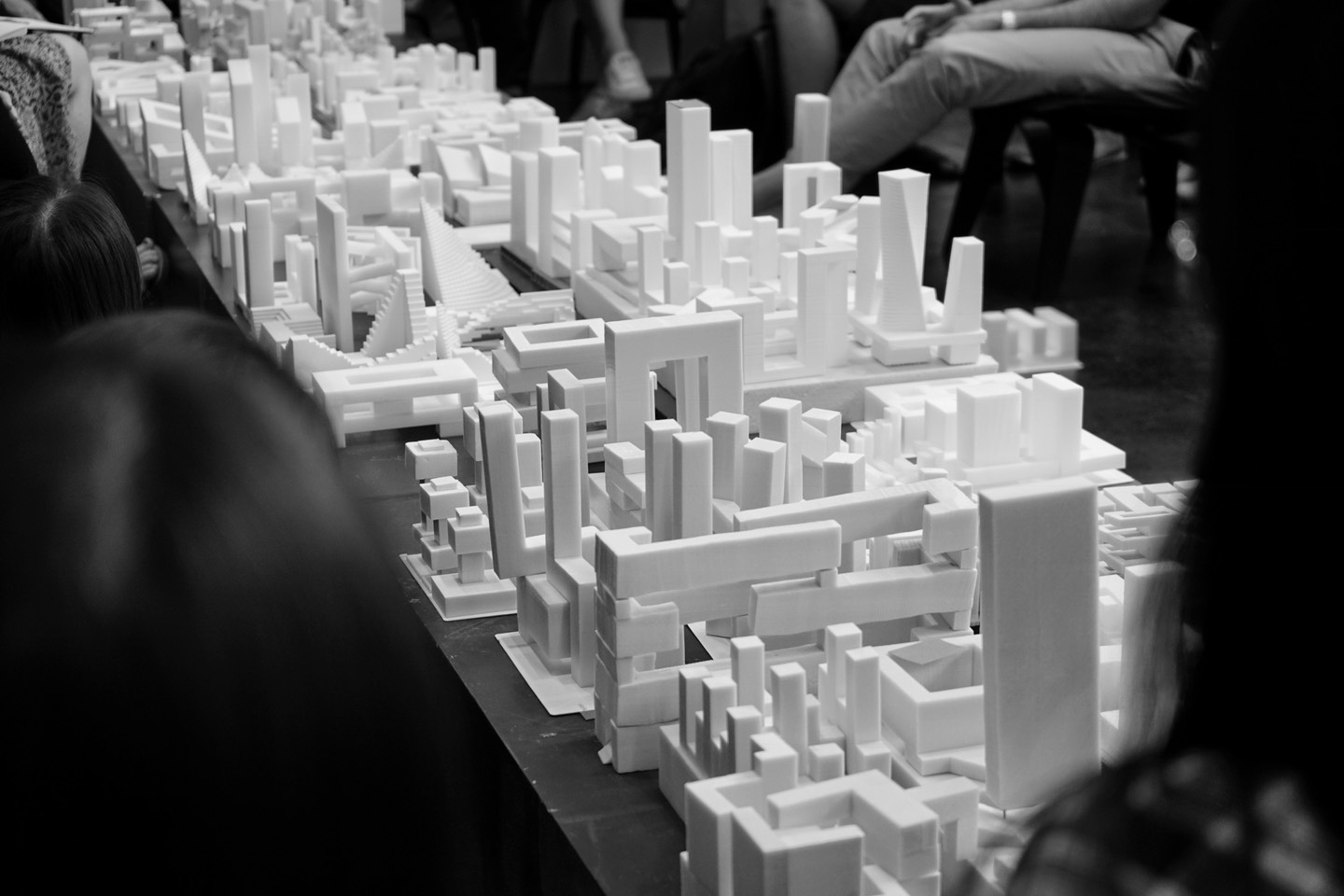
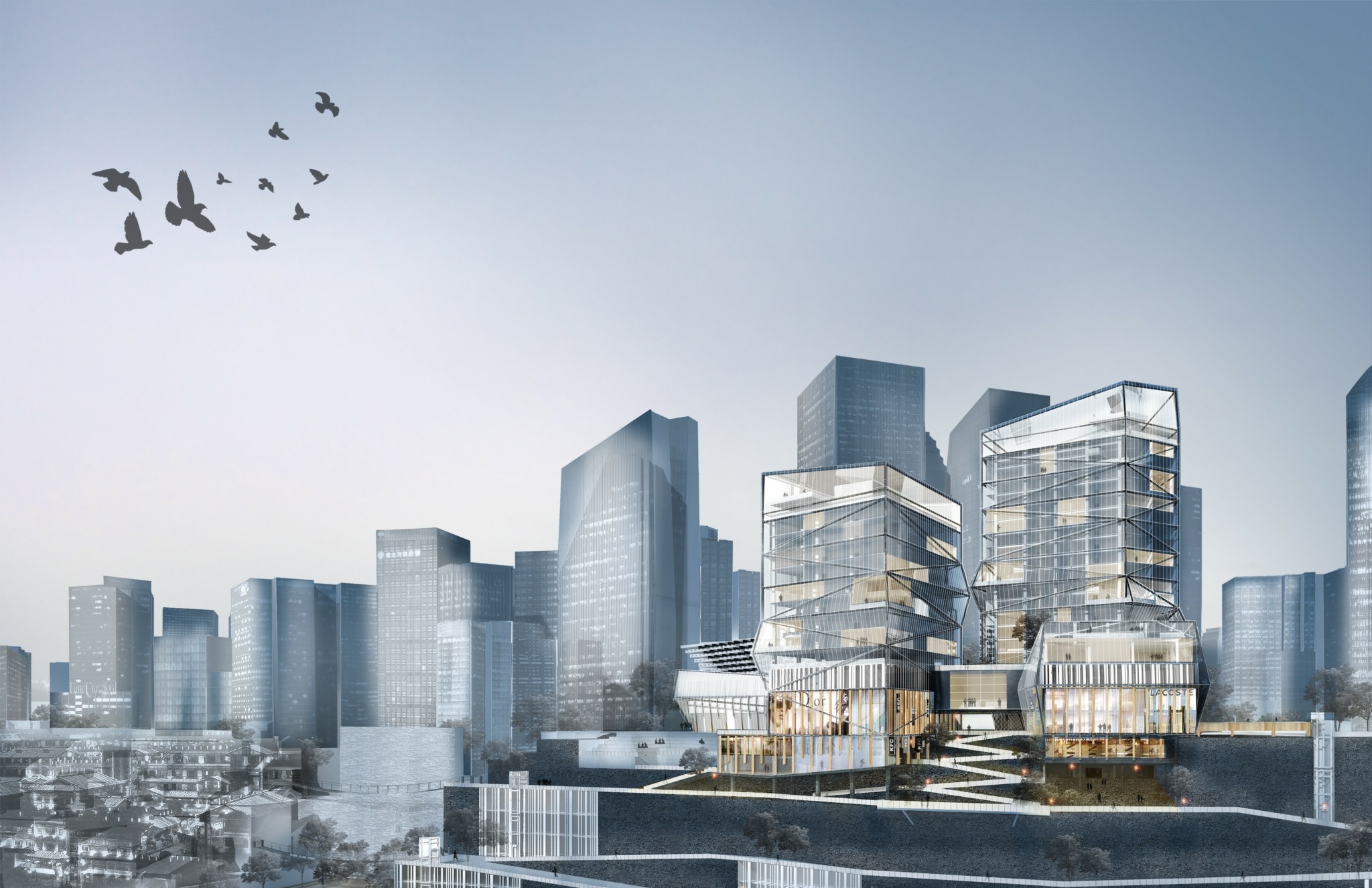
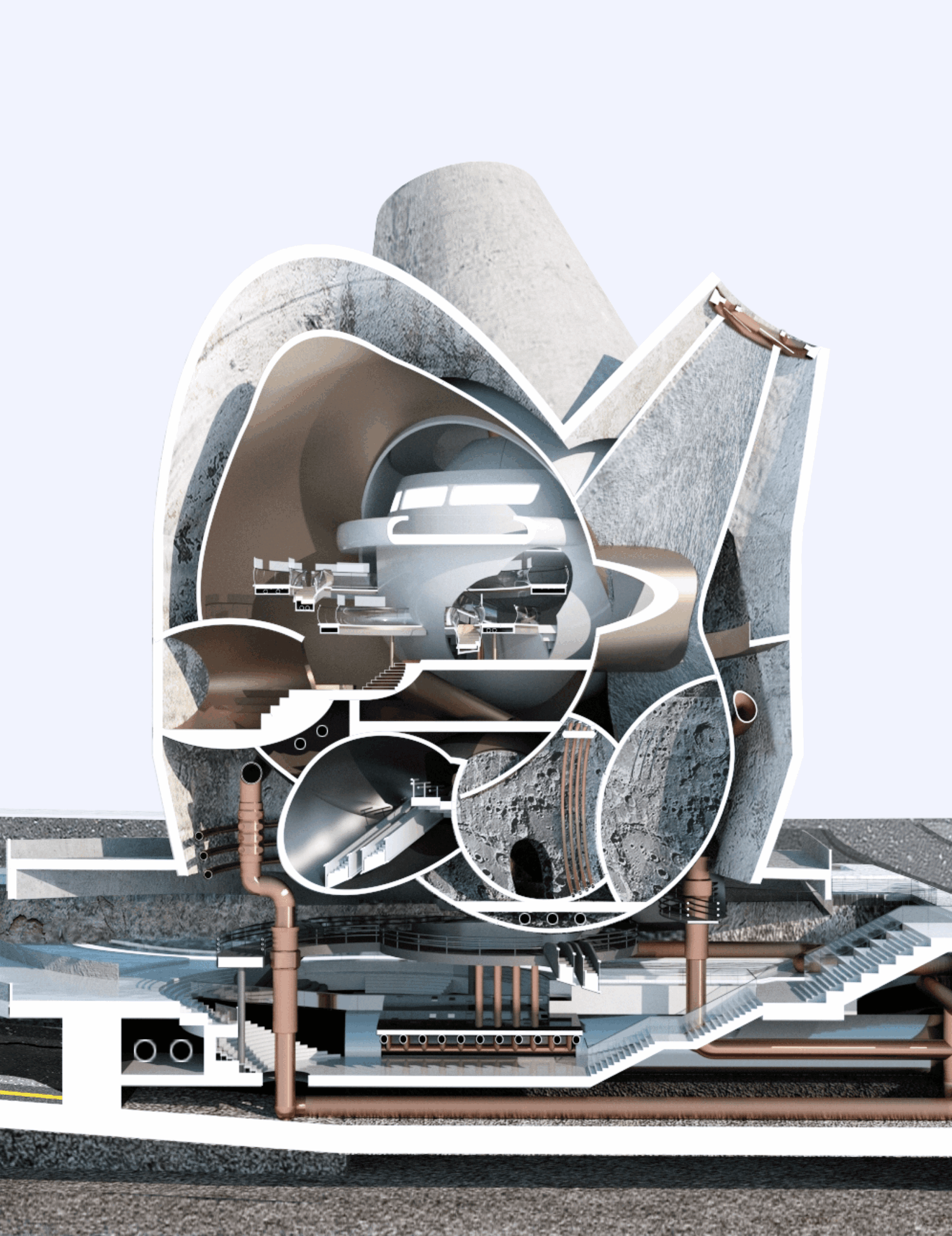
This mindset shift led me to pursue independent concept design work in addition to the higher-education projects I handle at my firm. These personal explorations allow me to push boundaries, experiment with aesthetics, and challenge myself beyond the constraints of real-world budgets or construction requirements. To my surprise and gratitude, several of these projects have earned international recognition, including MUSE Design Awards, A’ Design Award, etc. My artwork will also be exhibited later this year at the CICA Museum in Seoul—an opportunity that grew directly out of my willingness to pivot toward multidisciplinary creativity.
At the same time, my technical research in data-driven analysis, BIM workflows, and parametric design has been featured in multiple media outlets, including Sina, Sohu, Tencent, etc, reaffirming that innovation often emerges at the intersection of curiosity and reinvention. Looking ahead, I can imagine many possible paths: becoming a full-time artist, applying architectural thinking to technology, or pursuing an entirely new hybrid discipline that doesn’t yet exist. What remains constant is the commitment to personal growth.
For me, the real pivot wasn’t a single moment—it was the decision to never stop exploring. In an era defined by rapid change, that mindset has become the foundation of my creative identity and my future aspirations.
Contact Info:
- Instagram: https://www.instagram.com/zzz_zhuo17/
- Linkedin: https://www.linkedin.com/in/zi-zhuo-31681b198/