

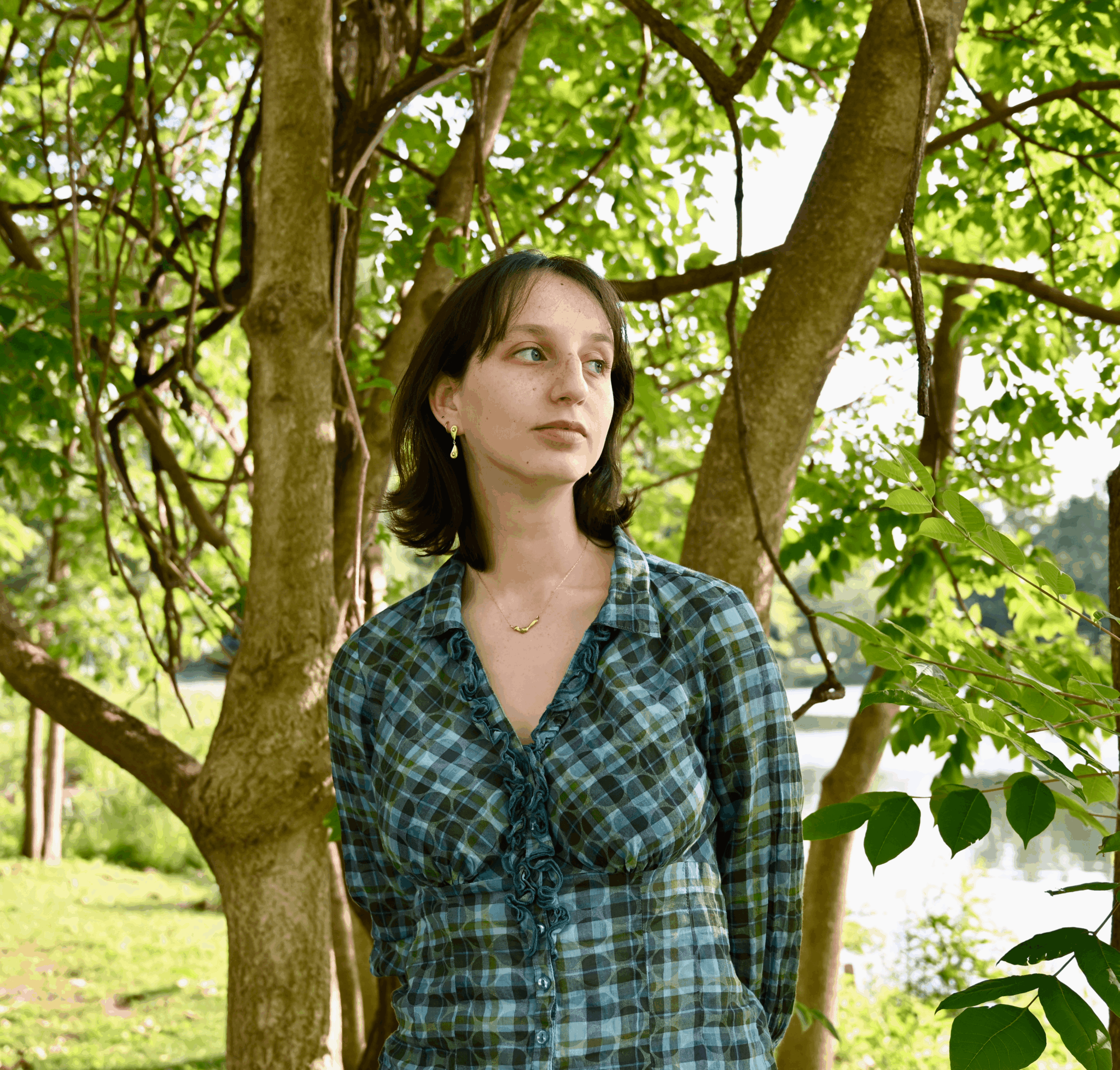

We’re excited to introduce you to the always interesting and insightful Shiri Wolman. We hope you’ll enjoy our conversation with Shiri below.
Hi Shiri, thanks for joining us today. Learning the craft is often a unique journey from every creative – we’d love to hear about your journey and if knowing what you know now, you would have done anything differently to speed up the learning process.
I started playing the clarinet when I was 10 years old. It wasn’t some dramatic moment- my school offered instruments, and something about the clarinet’s sound immediately pulled me in. At first I was just learning the basics through school lessons, but I connected with it so deeply that I started taking private lessons soon after. I was classicaly trained and played in different orchestras for several years. That classical foundation shaped everything for me. It taught me discipline, technique, and musical awareness- all things that still guide me no matter what style I’m exploring.
From there, every new chapter in my musical life came from curiosity. A few years ago I fell in love with jazz, which pushed me to rethink the clarinet entirely. Suddenly it was about improvisation, feel, sound, and trusting my instincts. Later, I got into electronic production and sound design, which opened a completely different world of creativity. Each transition felt like starting over, but it also taught me how to learn, not just how to play.
Looking back, I think I could have sped up my learning process by trusting myself more and being less afraid of making mistakes. Fear of “getting it wrong” often made me overthink or hesitate, especially when learning new skills. Over time, I’ve learned that discomfort is a sign of growth- not a sign to stop. Staying focused was also a challenge at times; having many interests means you have to be intentional about giving each one the time it deserves.
But I’ve learned that consistency is the only way to get better at something, even during the moments when you hate it or feel stuck. It’s really hard to push through that sometimes, but it’s the only thing that actually builds confidence and ability. To me, Curiosity is equally important- the more you explore, the more you expand your musical vocabulary and perspective.
In the end, the skills that have helped me most are curiosity, consistency, and the willingness to start fresh. My journey hasn’t been linear, but it’s been deeply honest. Every step- classical, jazz, production- has shaped the musician I’m becoming.
Great, appreciate you sharing that with us. Before we ask you to share more of your insights, can you take a moment to introduce yourself and how you got to where you are today to our readers.
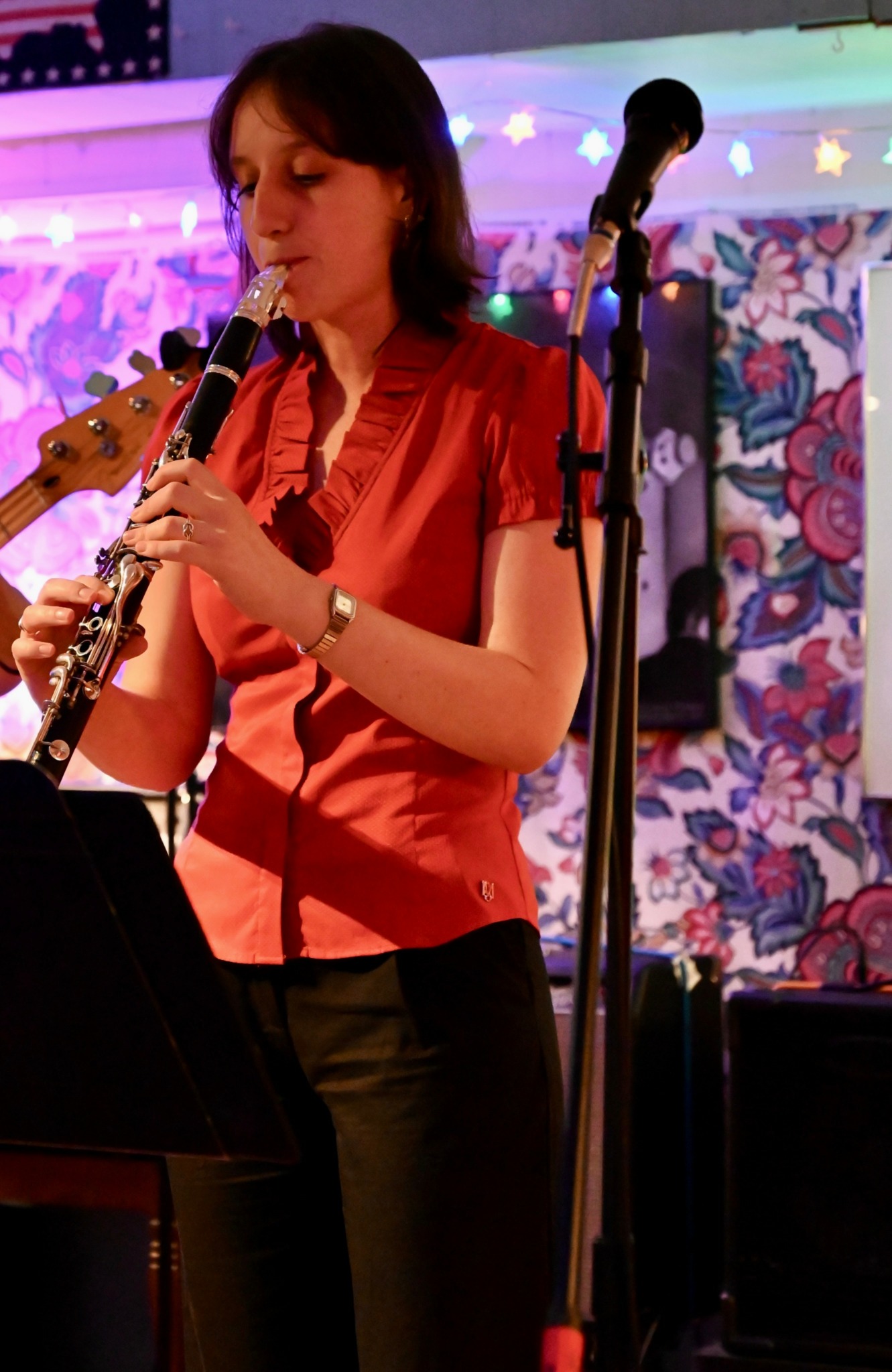
I’m a clarinetist, electronic producer, mixer, and sound designer originally from Israel, now studying at Berklee College of Music. As I mentioned earlier, I began with classical clarinet, eventually discovering jazz and later electronic production and sound design. Since then, I’ve been exploring how all of these identities can coexist and shape one another.
At Berklee, I’m really trying to expand my knowledge as much as I can and master my skills, both technically and creatively. I’m taking every opportunity to learn, experiment, and push myself, whether I’m performing, producing, mixing, or creating sound design elements from scratch.
My work belnds acoustic and electronic sounds. I try to bring clarinet and woodwinds into spaces where people don’t usually expect them. One of my biggest artistic goals right now is developing a sound that feels authentically mine, especially through exploring how jazz clarinet and electronic textures blend together.
What sets me apart is my versatility. I’m not confined to a single role, I move between genres and disciplines which complement each other. I listen deeply and I always try to make choices that feel clear and emotionally grounded.
What I’m most proud of isn’t a single project or performance, but the fact that I keep evolving. Reinventing myself musically hasn’t always been easy, but it’s made me more open and resilient. If there’s one thing I hope people take from my work, it’s that everything I create comes from a genuine desire to explore new sonic possibilities.
For you, what’s the most rewarding aspect of being a creative?
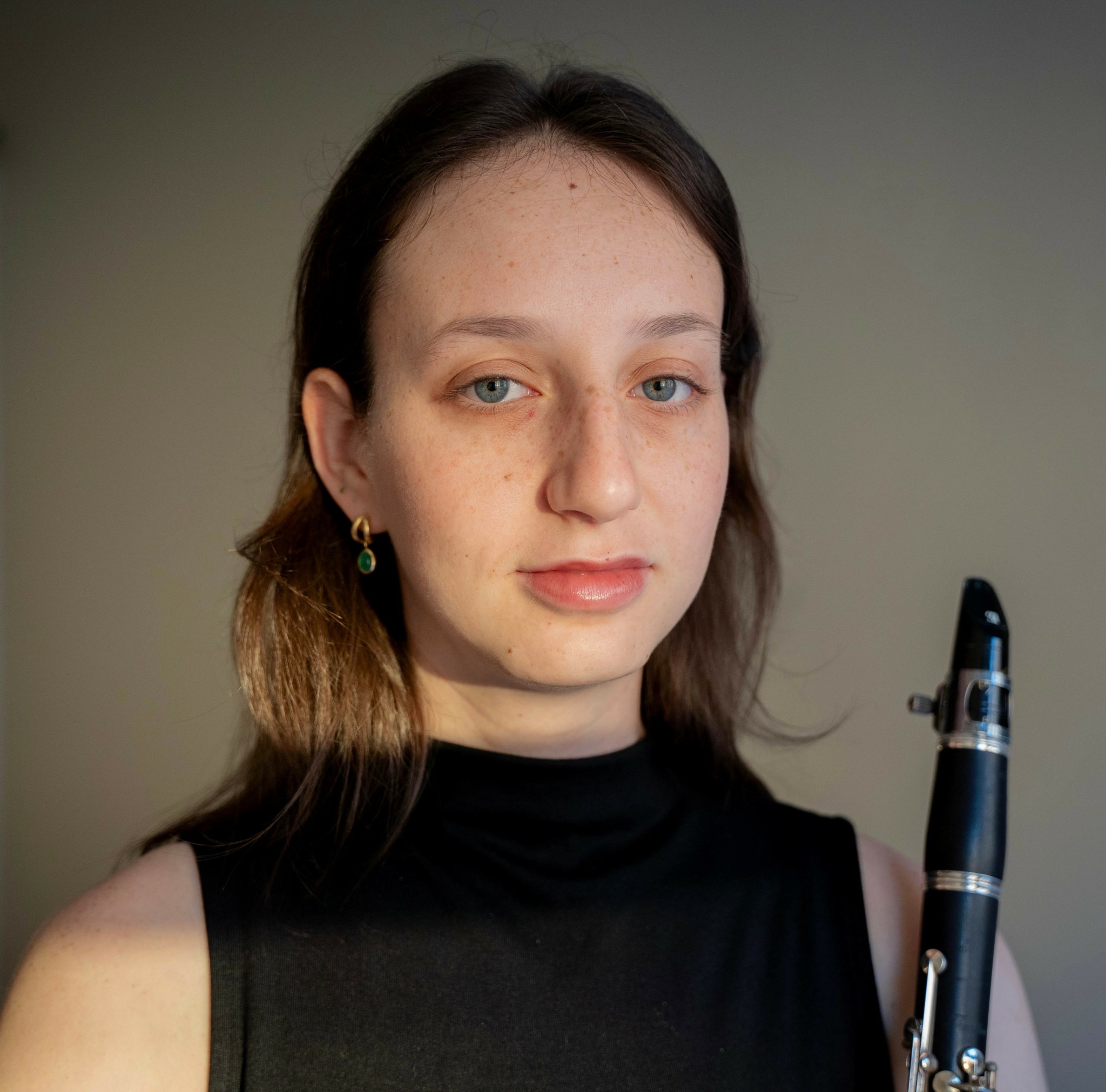
The most rewarding part of being an artist is that I get to spend my life doing the one thing I can’t imagine living without. I’ve never pictured myself doing something that isn’t connected to music in some way. To me, it doesn’t always mean performing or playing- sometimes it’s producing, mixing, sound designing, or just exploring new ideas. Music has so many different worlds inside it, and being able to move between them keeps me inspired.
I also love that music is something you grow with for your entire life. You study your instrument for years, but as you mature, you start to hear and understand things in ways you couldn’t before. That ongoing evolution is one of the most fulfilling parts of being a musician.
Being an artist also forces you to expand your horizons. You can’t rely on just one skill or one perspective. The more you explore, the more you can bring to the table, and the more interesting and meaningful your work becomes. That combination of discovery, growth, and versatility is one of the most fulfilling aspects of being creative.
There’s also the personal connection. When something I create resonates with someone else, even quietly, it reminds me why I do this. Music starts in such a personal place, and the fact that it can reach others in their own way is incredibly meaningful.
In the end, being an artist means constantly learning and finding new parts of myself through sound, and I can’t imagine doing anything else.
What do you think is the goal or mission that drives your creative journey?
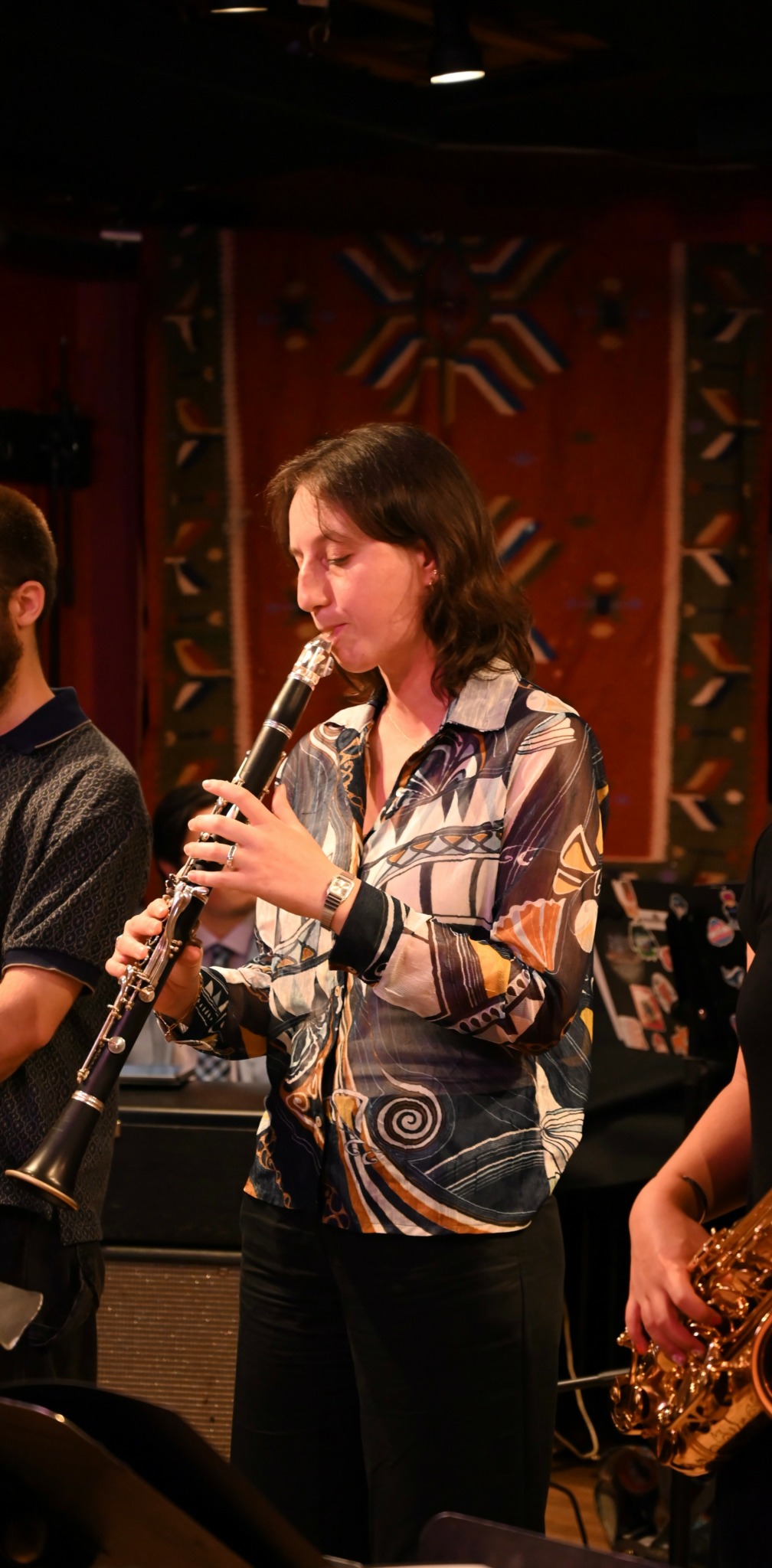
As I expressed, my mission is to define and refine my own sound- something that feels genuinely mine and rooted in everything I’ve learned so far. I’ve moved through multiple musical worlds, and now I’m working to understand how those influences come together in a way that feels honest.
A big part of this process is giving myself time. Growth isn’t instant, especially when you’re absorbing new skills every day. I’m learning how to reflect, process, and listen to what feels true to me.
Another goal is staying connected to my own creative voice in a world that’s constantly pushing artists toward virality. Social media can be useful, but it doesn’t always feel aligned with who I am. Separating external expectations from my own artistic identity has become an important part of my journey.
At Berklee, I’m focusing on mastering the technical side of my craft, because the more I understand the tools, the more freedom I have creatively. My mission is to create music that is innovative and true to who I am, and every project brings me a little closer to that.
Contact Info:
- Instagram: shiri.wolman
- Youtube: https://youtube.com/@shiriwolman?si=vDenp9w8yuhvhFaV
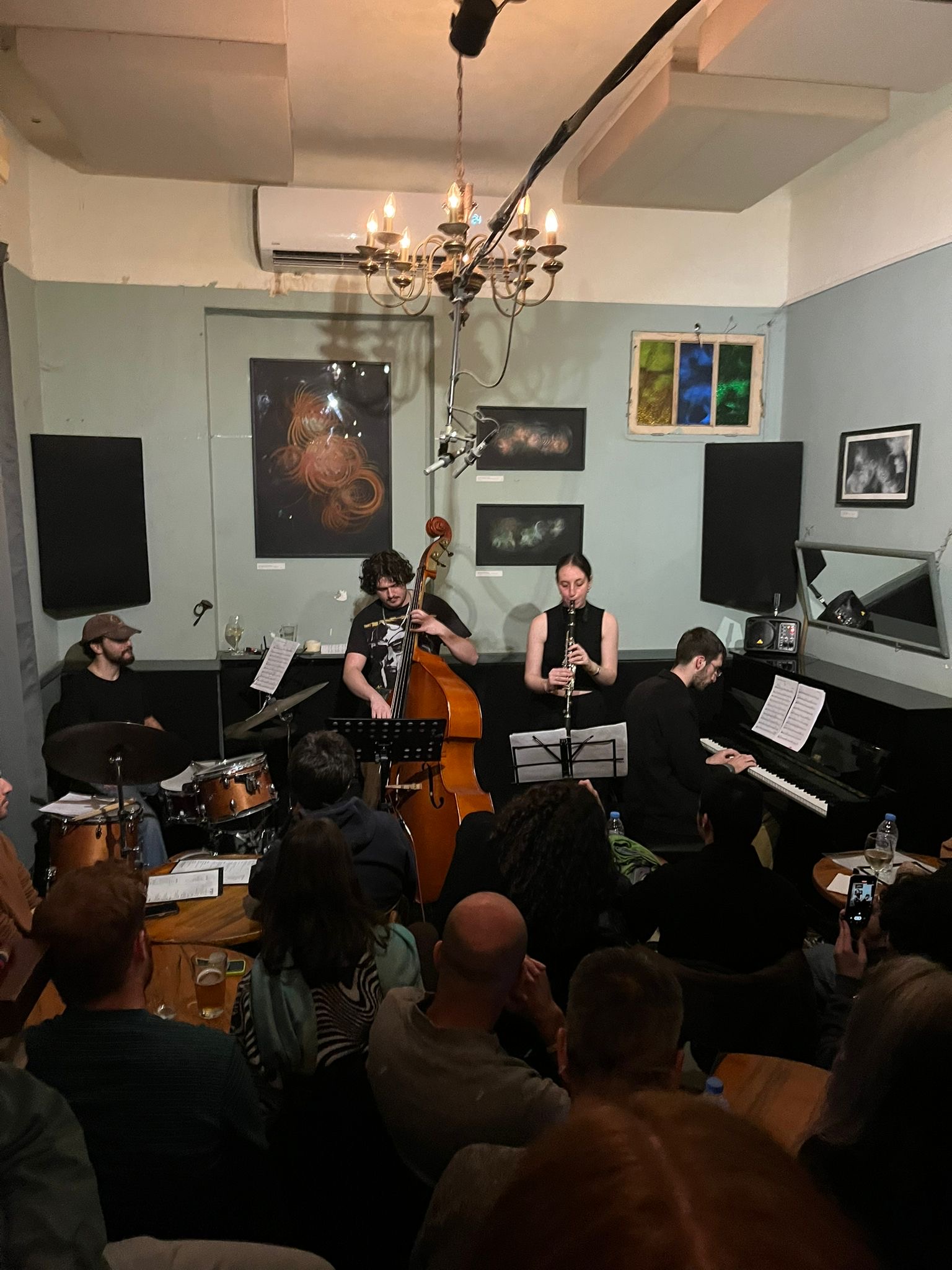
Image Credits
Yogev Toby
Devon Xu
Makka Dukka