


Alright – so today we’ve got the honor of introducing you to Matt Linder. We think you’ll enjoy our conversation, we’ve shared it below.
Matt, thanks for joining us, excited to have you contributing your stories and insights. What was it like going from idea to execution? Can you share some of the backstory and some of the major steps or milestones?
TruckHouse didn’t start as a clean business plan or a polished vision, it started with a bunch of life experiences that slowly pulled me toward building something with my own hands again.
I grew up working summers in my dad’s small boatyard in Sausalito. Every year I rotated through a different trade: sanding bottoms, grinding fiberglass, wiring, paint, mechanics, metalwork. Working on boats that lived in saltwater taught me two things fast: nothing is easy, and quality is the only thing that survives. I didn’t realize it then, but that upbringing became the foundation for everything I do now.
Years later I rebuilt a rare 1987 Toyota Sunrader 4×4 over three years; about 2,000 hours of work on nights and weekends. When people saw it, the reaction was always the same: “Why doesn’t someone build a modern version of this?”
That question stuck, and it eventually turned into the idea for TruckHouse.
The big break came when we entered, and won, the UNR Sontag business plan competition. Winning that gave us the initial resources and validation to take the leap. After that it became very real: designing molds, learning infusion at scale, building subframes, wiring, plumbing, cabinetry, and turning the Sunrader concept into an actual product.
The process from idea to execution was honestly just a matter of commitment. I moved into a tiny shop in Reno with nothing but my Sunrader, a dream, and the willingness to work hard. I lived inside my camper, worked seven days a week, and started designing and prototyping what a modern composite expedition camper could be.

Awesome – so before we get into the rest of our questions, can you briefly introduce yourself to our readers.
I’m Matt Linder, co-founder and CEO of TruckHouse. I grew up in Sonoma, California and spent my childhood working in my dad’s boatyard in Sausalito. That meant working on yachts, ferries, sailboats; anything saltwater tried to destroy. That environment shaped my entire perspective on durability and craftsmanship.
I went to UC Davis and studied neurobiology with the intention of becoming a doctor. But after my major ski accident and long hospital recovery, I realized that wasn’t my path.
What I actually loved was building, designing, and being outside. That led me to restoring a rare 4×4 Sunrader, which led to the idea of building a modern, high-quality expedition camper from scratch.
Today, TruckHouse builds premium carbon-fiber expedition campers — one-piece composite shells, yacht-inspired interiors, marine-grade materials, and engineering that prioritizes weight, performance, and longevity.
We solve the problem of compromise. Most RVs force you to choose between durability, capability, comfort, or craftsmanship. We build a product that doesn’t require compromise. TruckHouse enables our customers to explore with confidence. If the trail seems difficult or there is an obstacle that sprinter vans turn around at, we want our customers to keep going. So they end up going to beautiful places with no people, surrounded by all the comforts of home. We create a vessel that creates once in lifetime experiences and memories for our customers.
What sets us apart is simple: we build like the marine industry, not the RV industry. Our campers are meant to last decades, be fully serviable, and hold up to real use.

Okay – so how did you figure out the manufacturing part? Did you have prior experience?
Yes.
We manufacture the carbon-fiber shells, cabinetry, interior structures, wiring, plumbing, composites, subframes, and even spray class A automotive paint in-house. It’s the only way to guarantee the level of quality we expect.
I had a strong background in fiberglass, composites, wiring, mechanics, and general craftsmanship from working in the boatyard; but no, I didn’t fully know how to manufacture a one-piece carbon-fiber expedition vehicle on day one.
The only way to learn was to start.
I studied aerospace composite techniques, talked to mold builders, experimented with small parts, learned the vacuum infusion process, and refined the fabrication through repetition and corrections. I came in with the right foundation, but the product itself was learned through doing.
We’ve never outsourced the core of what makes TruckHouse unique. The precision and standards required for our composite work and interior structures are well above what traditional vendors can deliver.
We source raw materials and some components, but the main product; the shell, interior, structure, and fitment; is built entirely by our team.
A few major lessons:
• Your molds determine your future.
• Composites are unforgiving.
• Repeatability matters more than one perfect build.
• Documentation and process control are essential for scaling.
• Weight matters more than people realize.
• Culture shows up in the finished product; if quality isn’t the expectation, it disappears.

How do you keep your team’s morale high?
Managing a team in a manufacturing environment is different from managing a team in an office. The work is physical, the stakes are high, and the product either reflects pride or it doesn’t. What I’ve learned is simple: the team is everything.
The molds don’t matter if the people don’t care. The tools don’t matter if the culture is weak. The best designs in the world fall apart without disciplined execution.
Here are the core principles I lead by:
1. Lead from the front.
I’ve infused parts, sanded shells, built molds, wired campers, and done all the jobs I now ask my team to do. You can’t expect excellence from people if you’re not willing to get your hands dirty.
2. Build a culture of personal pride.
Not perfection for perfection’s sake, but pride. Pride in your craft, pride in your work area, pride in the people next to you. When someone stands back and sees a composite part they made shine under the lights, that pride becomes fuel.
3. Set high standards and protect them aggressively.
“Good enough isn’t.” If you let quality slide once, you’ve set a new standard. At TruckHouse, we never compromise on the fundamentals: craftsmanship, honesty, ownership, urgency, and doing the job the right way.
4. Give people real responsibility early.
People rise to the level of trust you give them. I don’t babysit — I train, I coach, and then I hand them meaningful tasks that matter to the final product. That builds confidence and skill faster than anything else.
5. Celebrate the wins
Building something this complex is hard. When a part comes out clean, when paint lays down perfectly, when a truck drives out the door; we acknowledge it. Recognition builds morale, momentum, and a sense of shared achievement.
6. Live the values. Our Team Code isn’t just a poster on the wall. It’s how we operate:
-Be good people.
-Obsess over craft.
-Own the outcome.
-Move with urgency.
-Improve constantly.
-Team > Self.
-Communicate early and honestly.
-Build cool shit.
When you hire people who buy into that mindset, morale becomes a byproduct of purpose.
At the end of the day, leadership isn’t complicated. It’s consistency, respect, and a shared mission.
If your team believes in what you’re building; and believes you believe in them; they’ll move mountains with you.
Contact Info:
- Website: https://www.truckhouse.co
- Instagram: https://www.instagram.com/truckhouse.co
- Facebook: https://www.facebook.com/truckhouse.co/
- Linkedin: https://www.linkedin.com/company/truckhouse/
- Youtube: https://www.youtube.com/c/TruckHouse
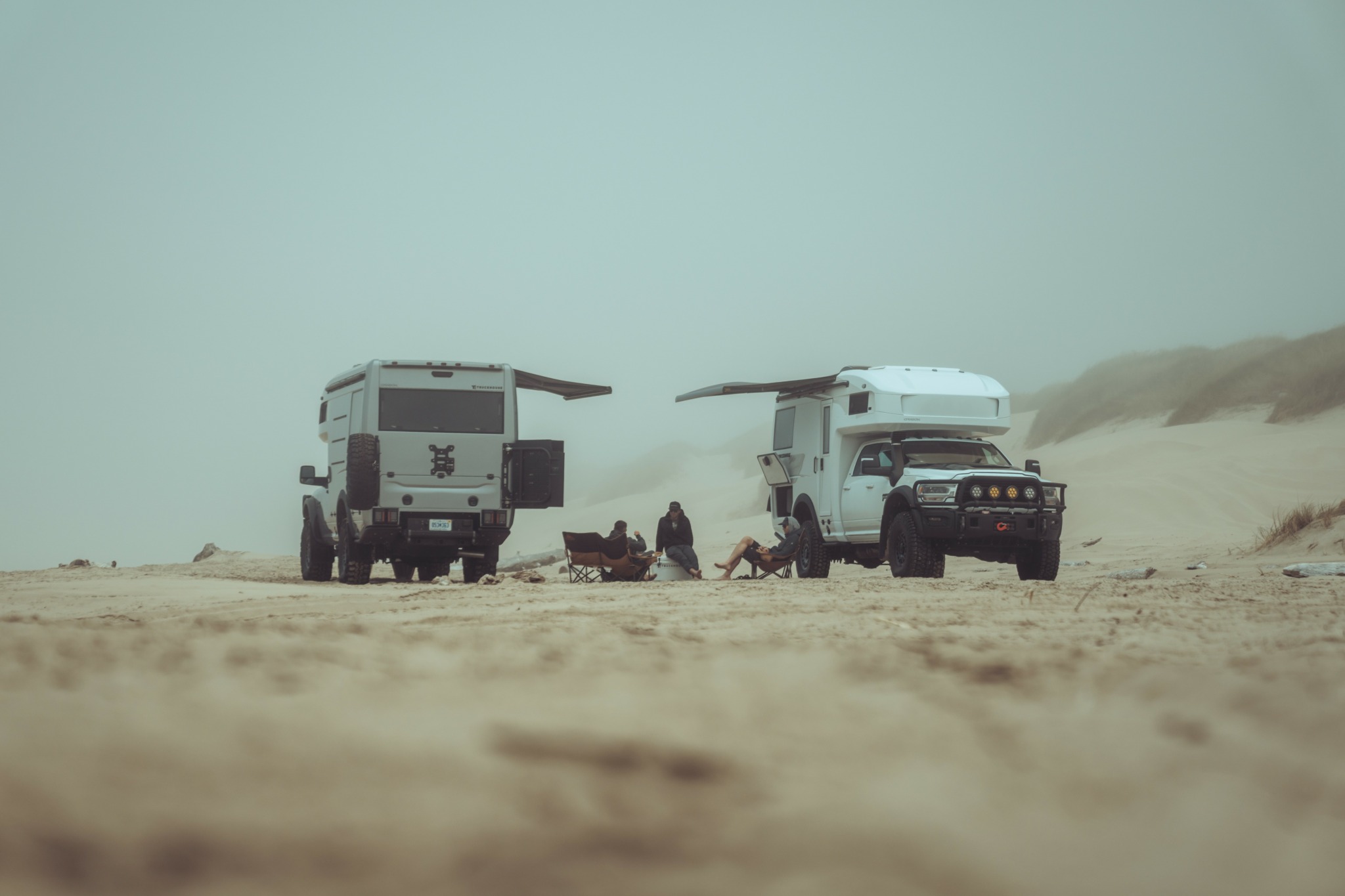
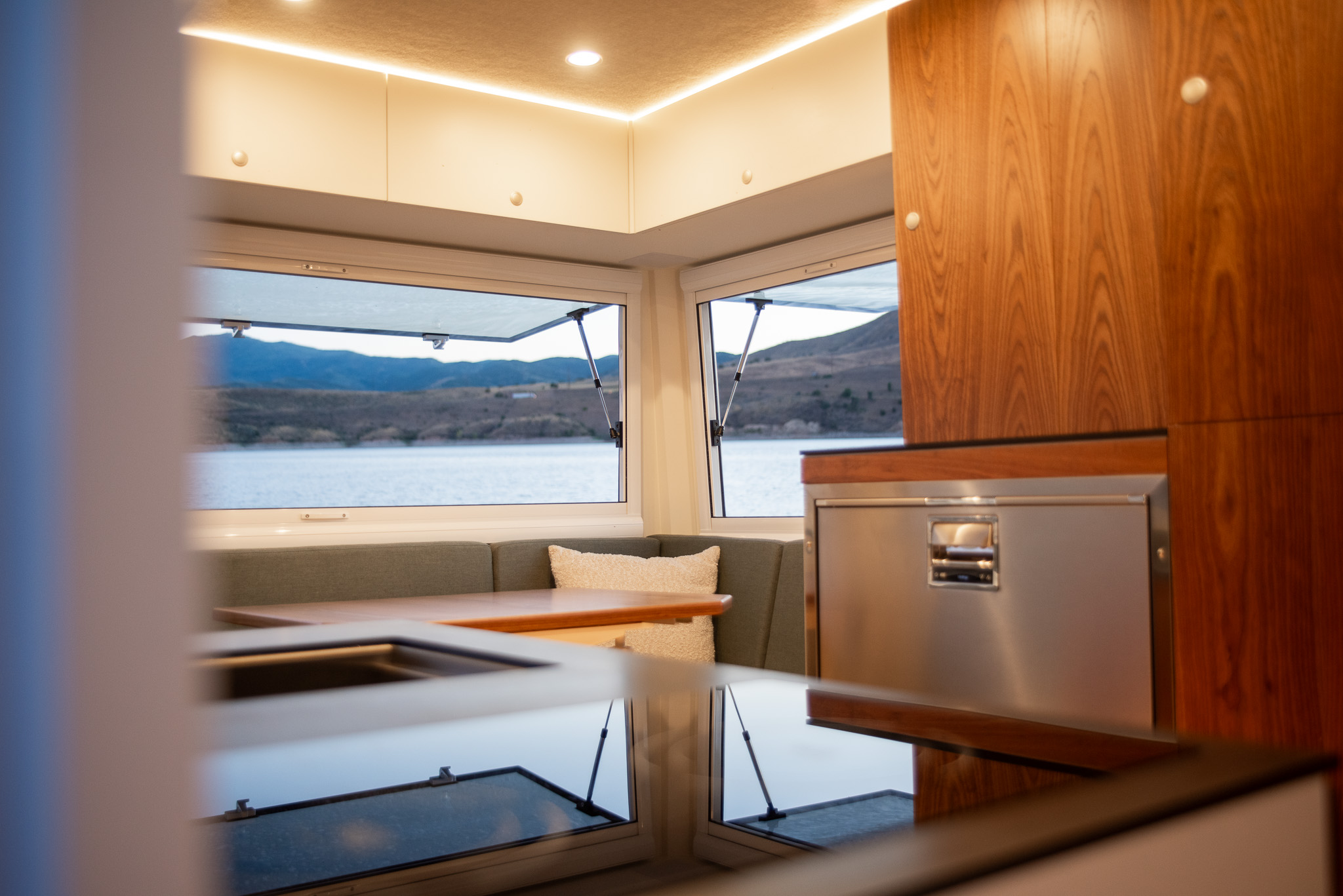
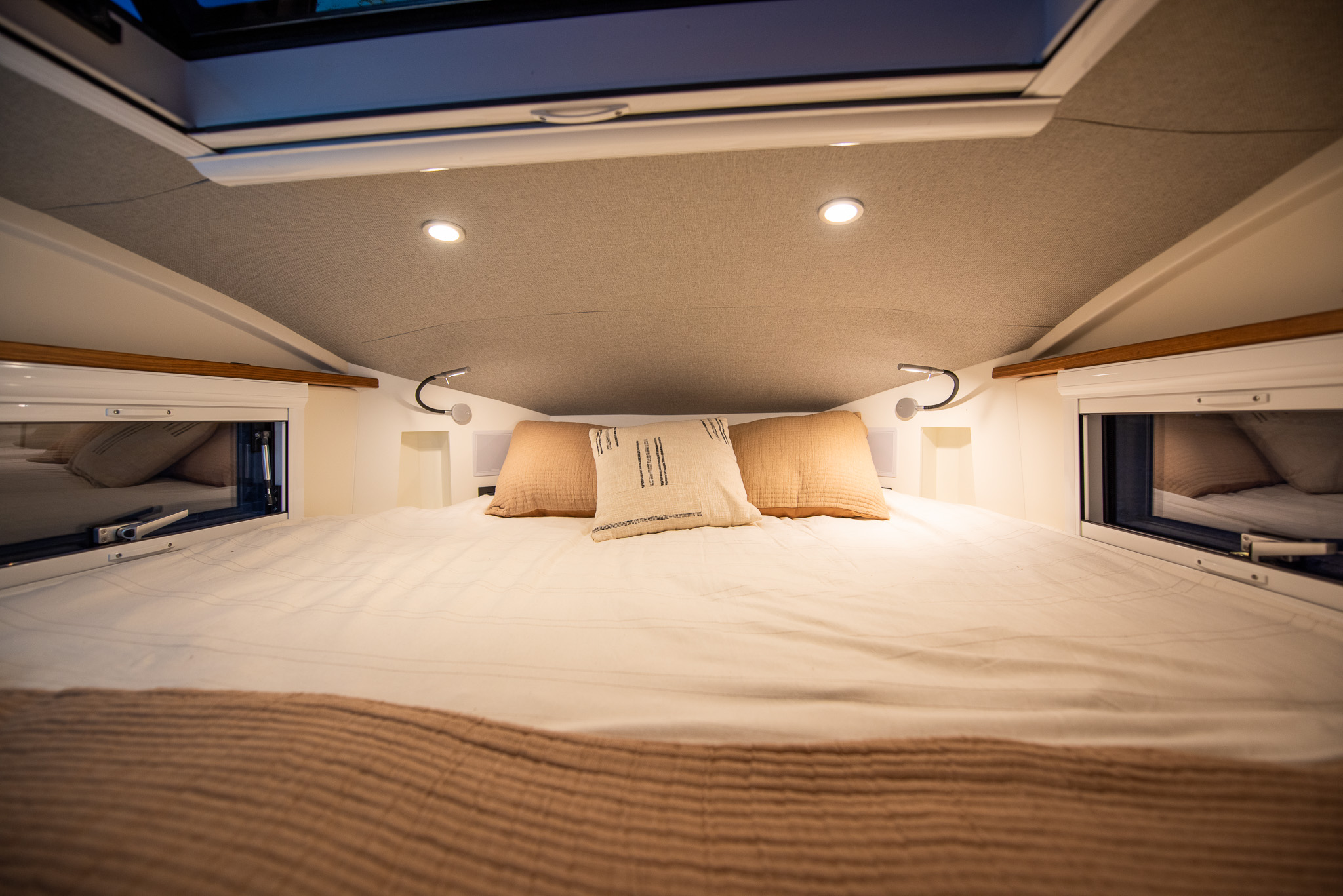

Image Credits
Sinuhe Xavier
AJ Van de Water