

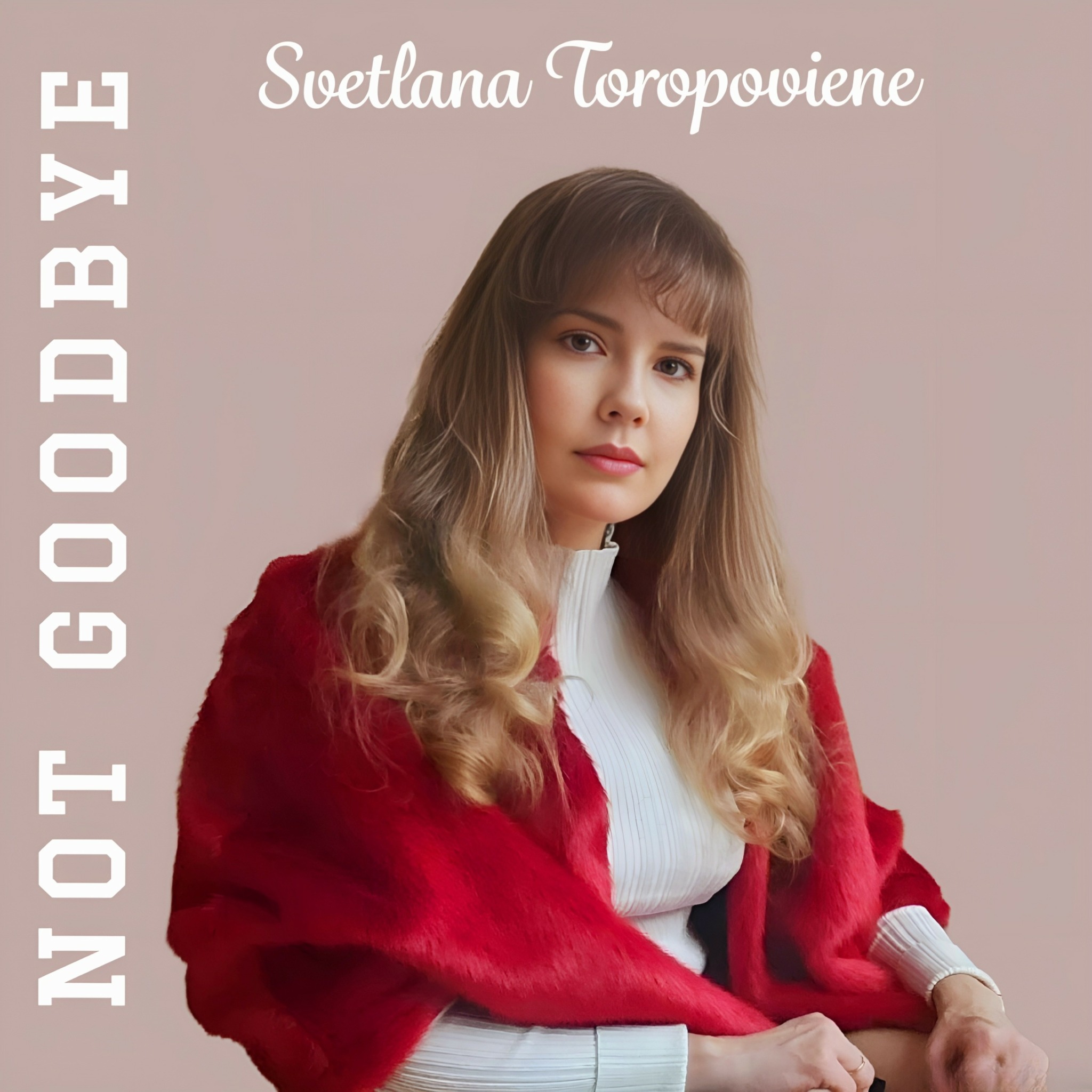

We were lucky to catch up with Svetlana Toropoviene recently and have shared our conversation below.
Alright, Svetlana thanks for taking the time to share your stories and insights with us today. I’m sure there have been days where the challenges of being an artist or creative force you to think about what it would be like to just have a regular job. When’s the last time you felt that way? Did you have any insights from the experience?
I began composing and recording my songs professionally in December 2022, but my main occupation remains teaching ESP at one of the largest state colleges, working with both full-time and part-time adult students. Because of this, I often find myself living between two worlds: the structured, responsible world of education and the deeply emotional, limitless world of music.
Am I happier as an artist or as a creative? The truth is, both roles feed different parts of my soul. Teaching gives me a sense of purpose, stability, and connection — I see people grow, evolve, and discover new possibilities through language. But music… music is the place where I breathe differently. It’s where emotions become colors, stories, and melodies. It’s where I feel completely alive. The harmonies wake something inside me. The melody reminds me why I do this — not for fame or perfection, but because music is my emotional language. It’s the space where I can transform my own feelings into something that others can relate to.
At the end of 2023, I realized something important. A “regular job” might bring predictability, but it would never replace the joy of creating something that didn’t exist before. Teaching grounds me, but music lifts me. I need both. They balance each other, and together they shape who I am — a creator who understands people, and a lecturer who understands emotions.
So yes, I think about a simple life sometimes. But the conclusion is always the same: I’m the happiest when I’m allowed to be both — a lecturer and an artist — because that combination is my true identity.
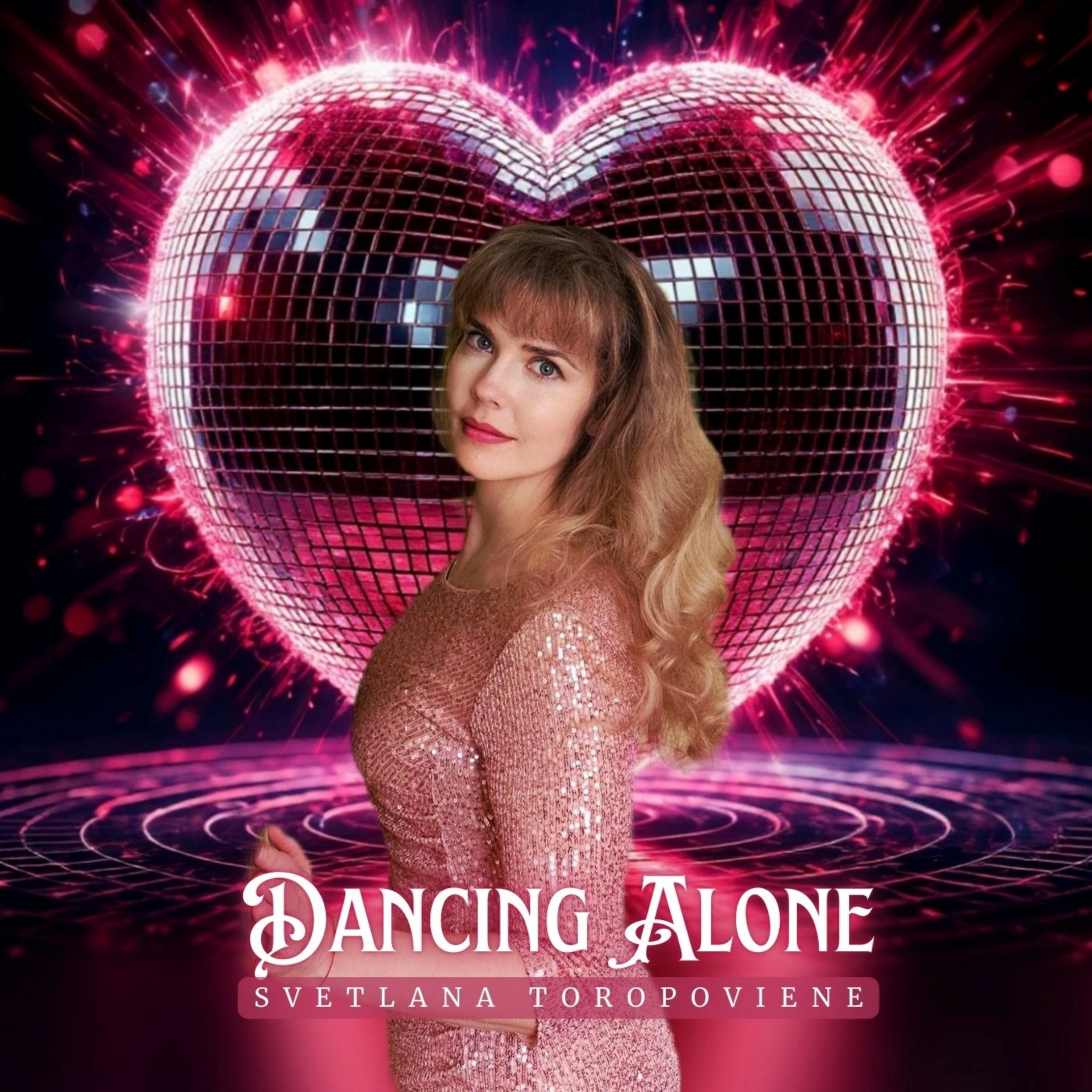
Svetlana, before we move on to more of these sorts of questions, can you take some time to bring our readers up to speed on you and what you do?
I was born and raised in Vilnius, Lithuania, in a family woven from Lithuanian, German, and Russian roots. Growing up between cultures meant I grew up between languages as well — and that soon became the foundation for my songwriting. Music entered my life so early that it never felt like something I learned; it felt like something I remembered.
My first steps on stage were at the age of five, and within a few performances, teachers noticed my absolute pitch and an unusual musical sensitivity. They began preparing me for local “Kids’ Voice Contests,” and in 1984 I received my first recognition — the title “Song of the Songs.” That moment became a quiet promise to myself: music would always be part of my life.
I studied piano at Music School for seven years, learning not only theory, solfeggio, and the basics of composition, but also how to breathe, how to phrase a line, and how to translate emotion into sound. Life circumstances kept me from continuing to the Music Academy, but they brought me to another path: I pursued Linguistics at the Pedagogical University, later completing a Master’s degree in Comparative Linguistics. For many years, I taught ESP courses to adult students — a different kind of stage, but still a place where I could inspire and connect through language.
Even during that long period away from professional music, the dream never left. It lived quietly inside me, waiting.
The turning point came in 2014, after the loss of my father. Grief opened a door, and behind it was the courage I had been missing. I began sharing simple piano instrumentals and cover songs on YouTube. Then I discovered DAWs, and everything changed — I started composing, producing, and shaping a sound that blended my love for Dance Pop, Electronic Pop, Synth Pop, Euro Dance, and Adult Contemporary.
On September 9, 2022, I released my debut single Raise Me High, in collaboration with Danish musician Ocean of Sound. Shortly after, I became an official Spotify artist and began working with engineer Aleksej Saralidze and the legendary “Mamastudios” in Lithuania. Together we recorded a series of singles: Don’t Let Me Go, Feel, Only You, Unfaded Love, Set Me Free, Last Good Bye, Only Light, Stay Away, You Lost Your Way, Love Me Now or Never, Mes Vėl Kartu, Shattered Dreams, Without You Baby, Amor Sin Condiciones, and many more.
Two of my songs — Lonely Heart and Set Me Free — went on to win the Golden Kayak Award for Best Electronic and Dance Song on indiemusicpeople.com in 2023 and 2024. I also began collaborating internationally, recording with artists from Kenya, Germany, Antigua and beyond, exploring Funk, Trance, House, and Afro-Beats.
I grew up listening to the legends — Whitney Houston, Michael Jackson, Toni Braxton, ABBA, Modern Talking, A-ha, Roxette, Laura Pausini, Lara Fabian, Madonna. Their melodies shaped the emotional language I still carry today. And through my music, I try to preserve that spirit — the feeling that a song can lift you, comfort you, energize you, or hold you for a moment when you need it most.
My mission is simple: to bring light, joy, and inspiration to people around the world — even if just for a few minutes through a song.
What can society do to ensure an environment that’s helpful to artists and creatives?
To truly support artists and build a healthy creative ecosystem, societies must first acknowledge that creativity cannot flourish in an environment where corruption, fraud, and inequality overshadow real talent. Today, many independent musicians face challenges that have nothing to do with creativity — and everything to do with unfair practices behind the scenes.
One of the biggest issues is the growing presence of fake streams, purchased followers, and artificial numbers. This not only damages the integrity of the music world, but it pushes honest musicians to the margins. When inflated statistics become the currency of success, real artistry gets buried under illusions. For small artists who choose to stay honest, this creates a devastating disadvantage: their genuine listeners are competing with someone else’s bot armies.
Another problem is the lack of financial support. Many independent artists work multiple jobs and invest their own income into recording, producing, promoting, and distributing music. Yet, there are very few grants, public programs, or transparent opportunities for emerging musicians. Too often, resources go to established names, influential connections, or closed networks — while newcomers are left invisible.
And now we face a new era: AI-generated music, where anyone can press a few buttons and produce a track in seconds. While innovation is exciting, it also raises important questions. Human creativity requires years of learning, practice, emotion, and experience. When instant AI-made tracks flood the platforms, it becomes harder for authentic human expression to be seen, appreciated, and valued. We need rules, ethical boundaries, and systems that protect real artists, not replace them.
So what can societies do? They can create transparent, fair, and inclusive environments where talent matters more than connections. They can invest in real educational programs, grants, and public platforms that support emerging musicians. They can fight against fake statistics and digital fraud, ensuring that streaming numbers reflect actual listeners, not bots. They can regulate the use of AI in music, encouraging innovation while safeguarding human creativity.
Above all, societies must remember that culture is not just entertainment — it is the emotional and spiritual voice of a nation. Without real artists, that voice becomes artificial and empty. Supporting genuine creators means protecting a piece of humanity itself.
Is there a particular goal or mission driving your creative journey?
Yes — there is a very clear mission behind everything I create.
I believe that music is the only universal language that needs no translation. It speaks directly to the heart, beyond borders, age, religion, and social status. It connects people who may have nothing in common, except the ability to feel.
My dream is to remind musicians — and listeners — that music is not just entertainment. It is a form of love. A bridge. A message of unity in a world that is becoming increasingly divided, noisy, and tense. Today, more than ever, we need voices that bring people together rather than push them apart.
Every song I write carries this intention: to offer warmth, hope, and a moment of emotional truth. If even one person feels understood, comforted, or uplifted by my music, then my mission is fulfilled. I want to contribute to a global creative community built not on competition, ego, or numbers — but on empathy and shared humanity.
Because music speaks in the language of Love — and that message is needed now more than ever.
Contact Info:
- Twitter: https://x.com/LanaToro21
- Youtube: https://www.youtube.com/c/SvetlanaToropoviene
- Soundcloud: https://soundcloud.com/hello-187
- Other: https://open.spotify.com/artist/6AugGBjOjlhFxMFfNsohmK?si=vsKB1av7S12a6LzI4DATBA
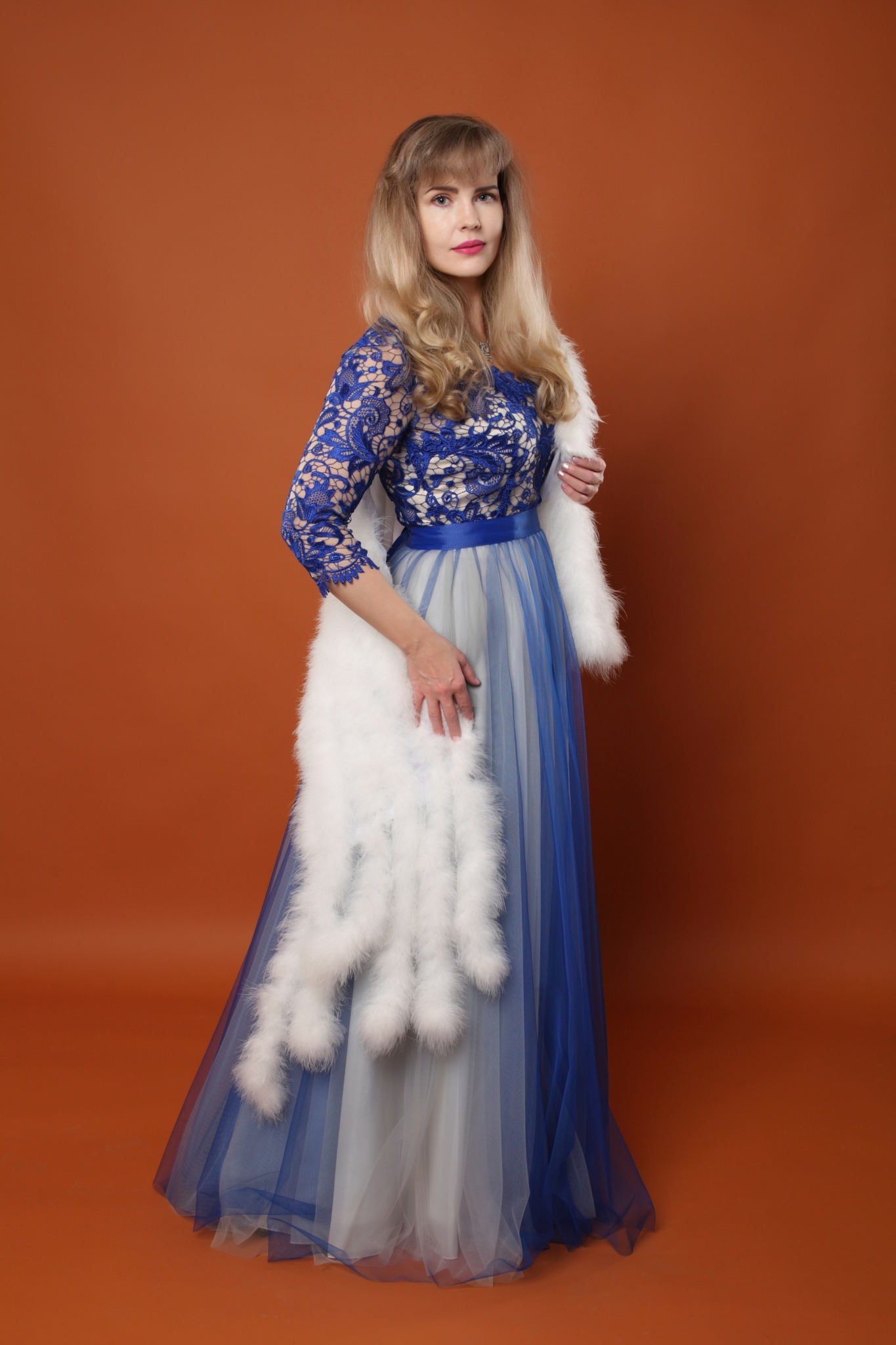
Image Credits
Photographer: Igoris Petinas