

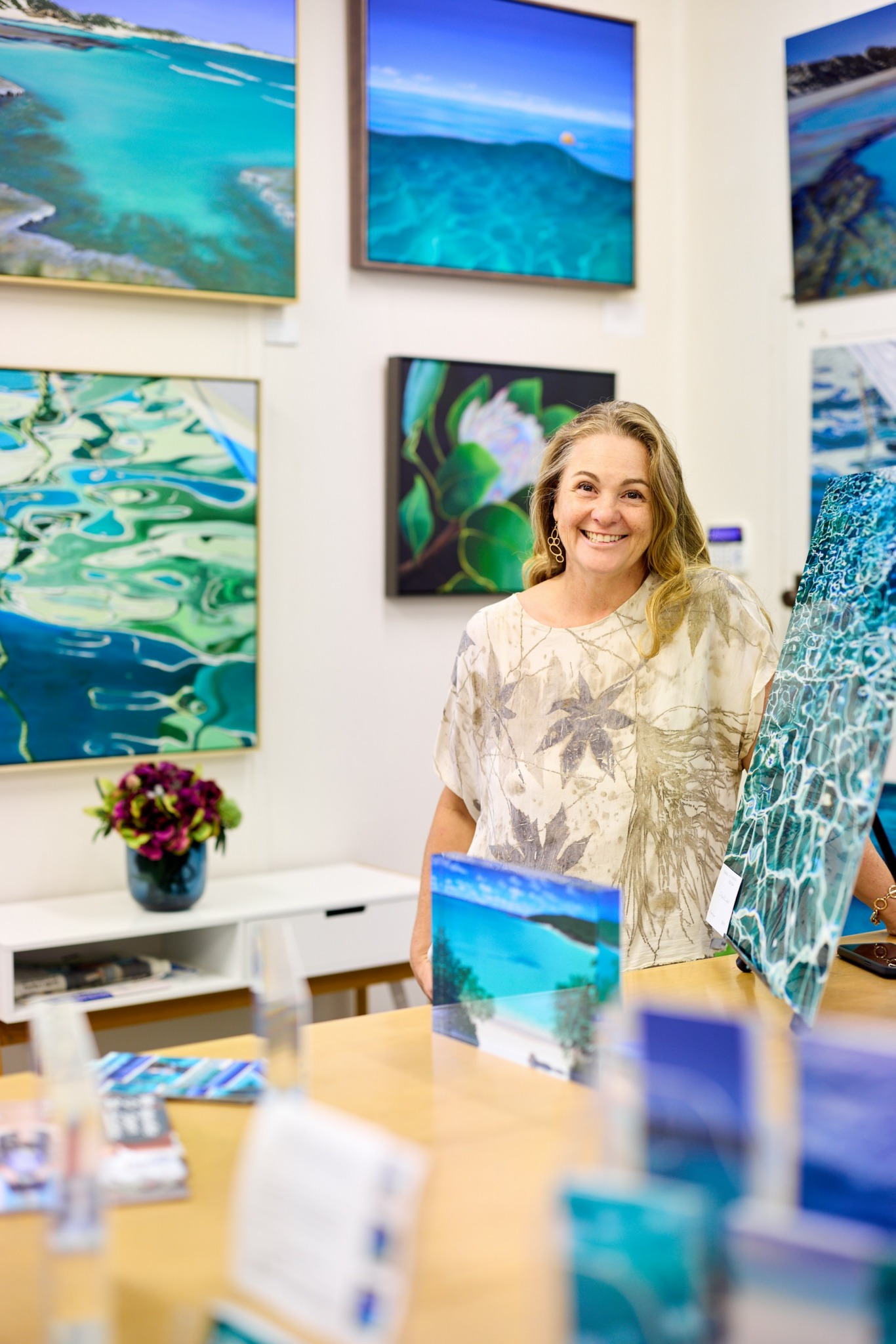

We were lucky to catch up with Kirsty Watkins recently and have shared our conversation below.
Kirsty, thanks for joining us, excited to have you contributing your stories and insights. Learning the craft is often a unique journey from every creative – we’d love to hear about your journey and if knowing what you know now, you would have done anything differently to speed up the learning process.
Learning the craft has been a long mix of curiosity, stubbornness and a lot of paint on my hands. I studied art in college, but most of what I lean on today came from years of painting outside of the classroom. I picked things up through practice, watching other artists work and slowly figuring out what felt right on the canvas. I learned by painting late at night after my kids went to bed, taking workshops when I could and studying the coastline every chance I got. The ocean has always been my anchor and that’s what pushed me to keep going even when the work felt rough.
If I could speed things up for my younger self, I’d tell her to let go of perfection much earlier. I wasted a lot of time trying to make everything look polished before I understood how important it was to experiment and make mistakes. I also would have invested sooner in proper materials and better brushes. Cheap supplies make learning twice as hard.
The most essential skills for me were learning to see colour properly, understanding how light behaves on water and getting comfortable with layering both in acrylics and oils. Patience was a big one too. You can’t rush a wave or the sky. You have to let the paint sit, step back, look, adjust and trust the slow build.
My biggest obstacles were confidence and time. I was juggling kids, work and trying to carve out a space to paint. For years I painted in corners of rooms or on the patio. It took a while to back myself and call myself an artist. Once I did, everything started to move a bit faster.
Looking back, every messy canvas and late night was worth it. The learning never stops but the journey has shaped the way I work and the way I see the ocean today.
Kirsty, before we move on to more of these sorts of questions, can you take some time to bring our readers up to speed on you and what you do?
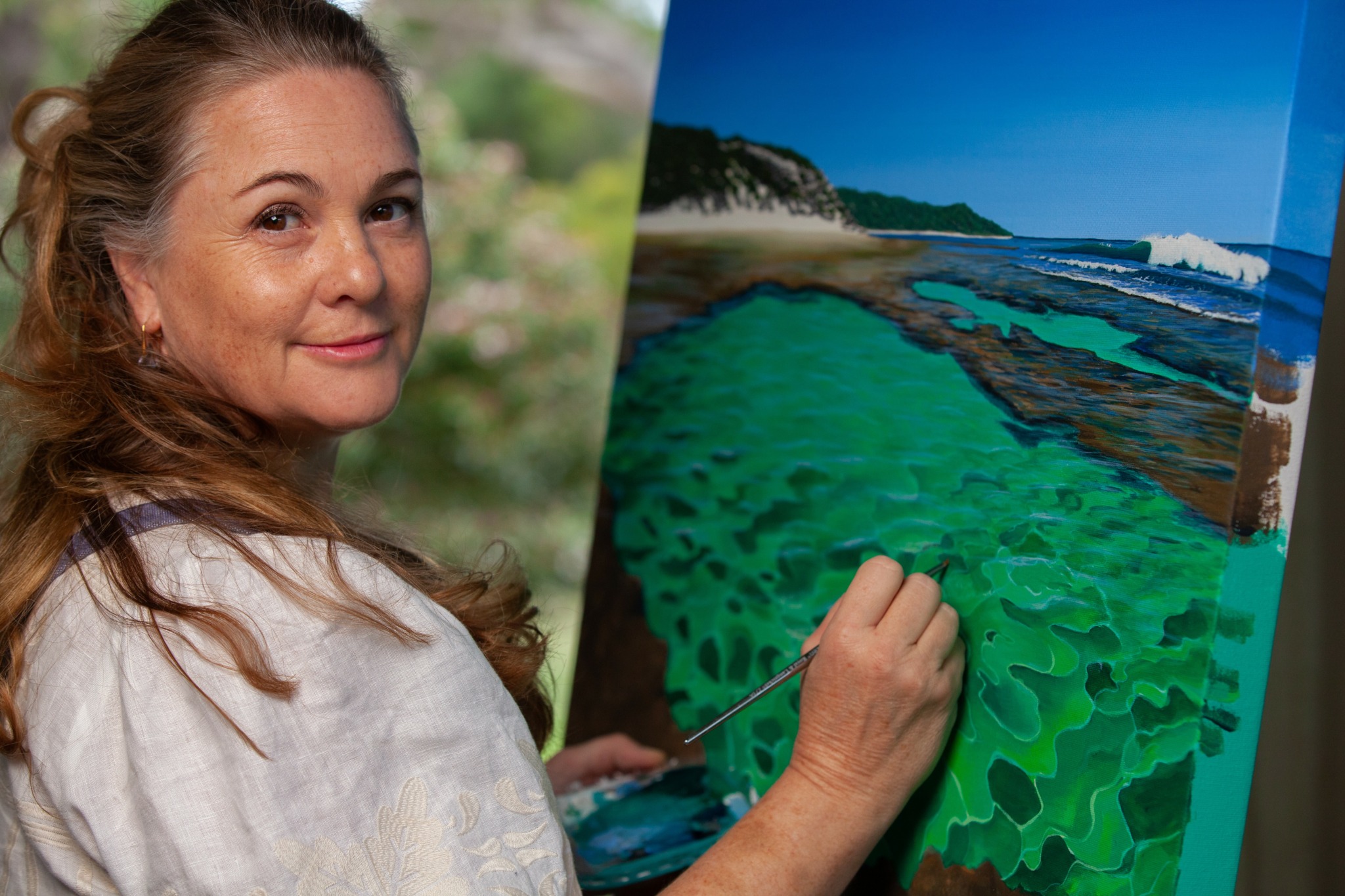
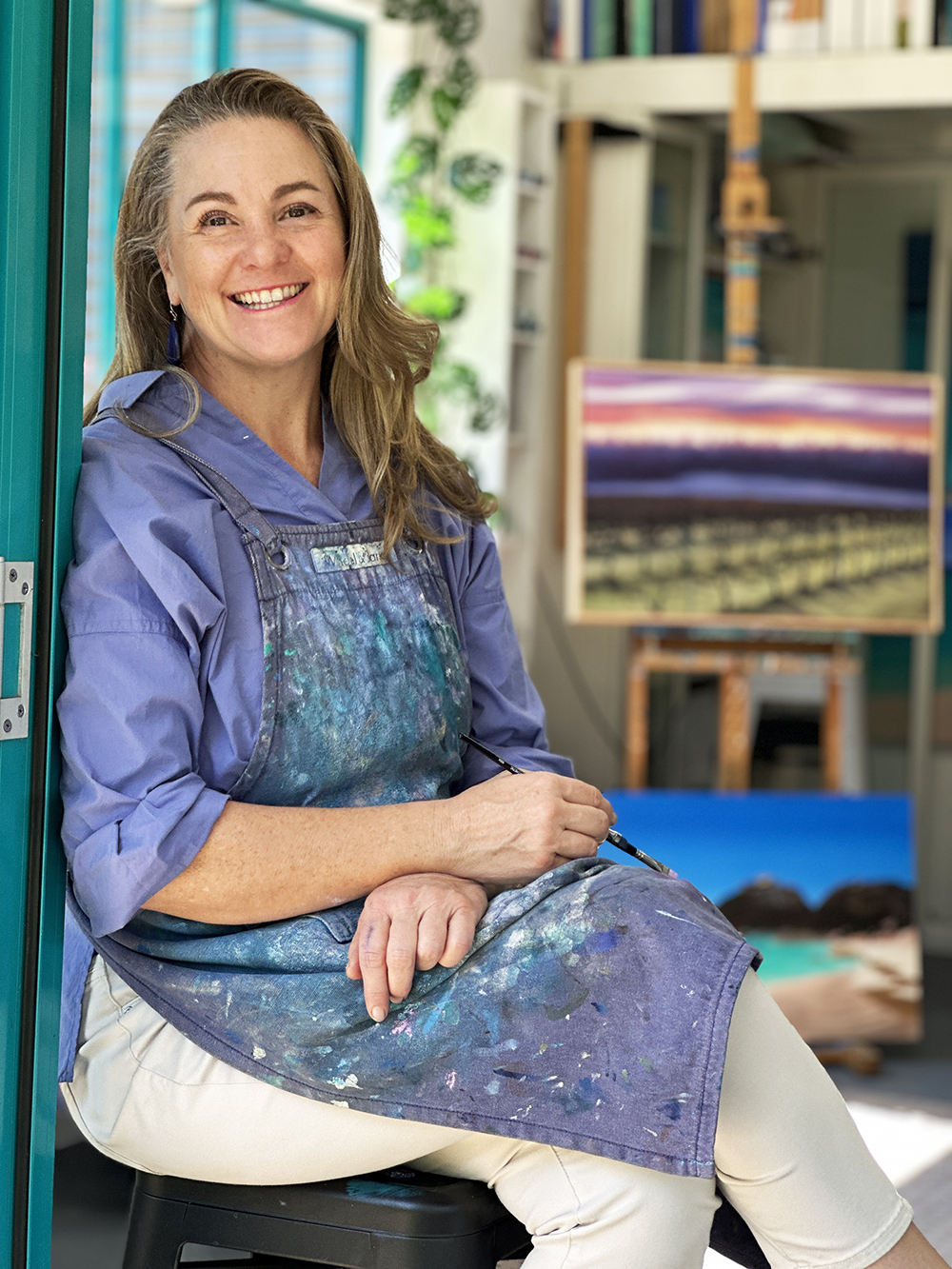
I’m an ocean landscape painter based between Myaree in Perth and Yallingup in the Margaret River Region. Splitting my time between the city and the coast gives me two very different rhythms to work from. Perth is where I run most of my classes and keep things organised, and Yallingup is where I slow down, watch the water properly and gather the colours and references that feed my paintings.
I’ve always been drawn to the coastline. I studied art in college, but my real direction came later when I started painting the ocean in a more dedicated way. Spending time by the water has shaped everything I do. Once I stopped trying to paint what I thought I should and returned to the beaches I grew up around, my work started to make sense.
I specialise in acrylics and oils. I create original paintings, fine art prints, acrylic blocks, and small gift pieces. I also teach workshops and weekly classes where I help people paint skies, waves and coastal scenes. Students often tell me they come to learn technique but walk away with confidence and a sense of having given something back to themselves. That means a lot to me.
Clients tend to come to my work because they want something that feels connected to Western Australia. My paintings focus on colour, light and those quiet details you notice when you spend time near the ocean. I spend a lot of time studying real places. I walk the coastlines in Perth and Yallingup, sit by the shore, take photos, make sketches and watch how the water shifts. I try to paint with honesty and let the landscape guide the work.
I’m proud that I’ve built this practice steadily while raising my kids and juggling everything life throws at me. I’m proud that people choose to hang my work in their homes and that students trust me to guide them through their creative journey.
If someone is new to my work, I want them to know that everything I create comes from genuine connection to our coastline and from years of showing up to the canvas, even on the tough days. My brand is simple. I paint what I know. I teach what I’ve learned. And I share the beauty of our coast with anyone who feels drawn to it.
In your view, what can society to do to best support artists, creatives and a thriving creative ecosystem?
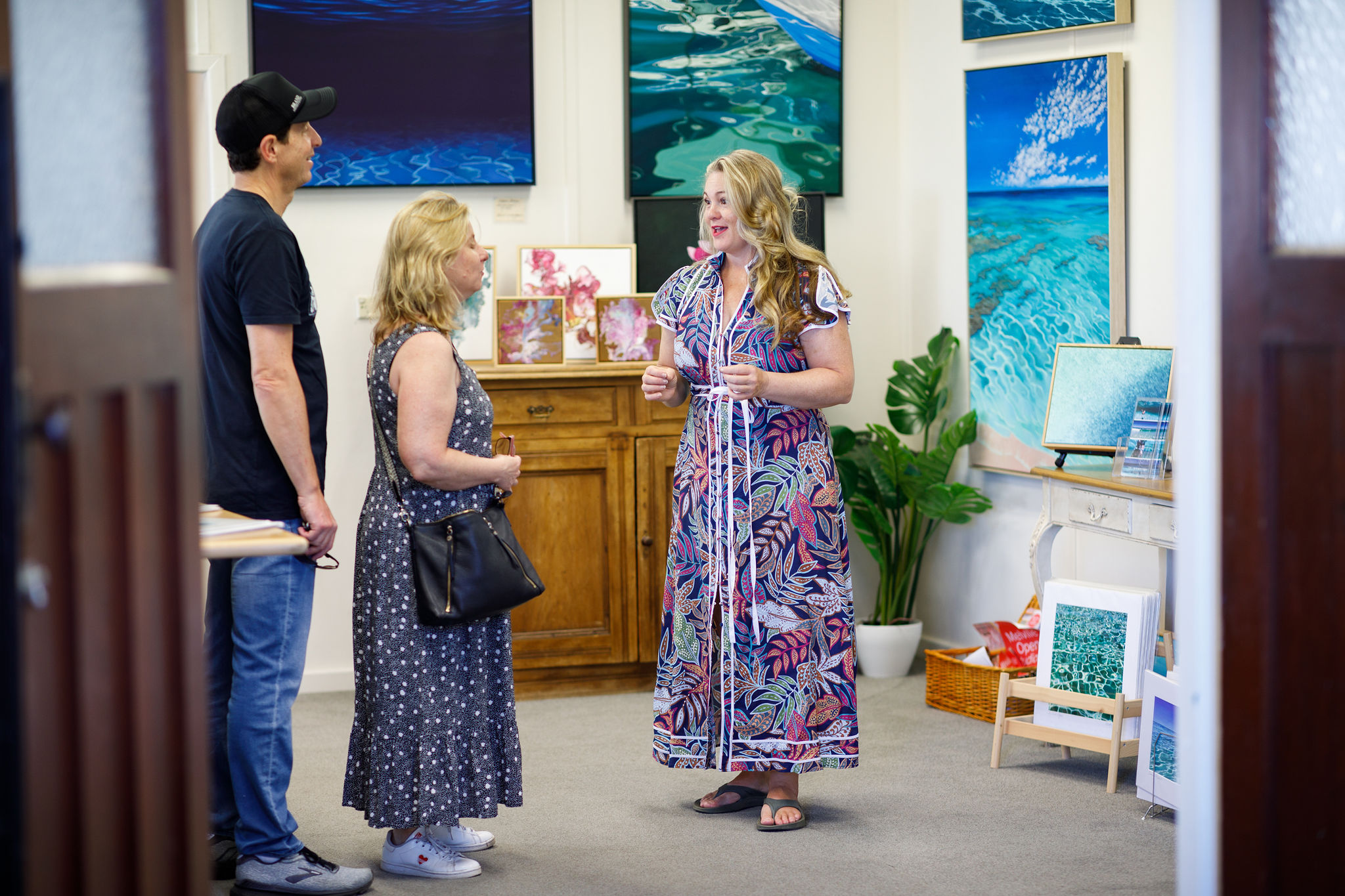
I think supporting artists starts with recognising that creative work is real work. A lot of people still see art as a hobby, even when the artist is putting in long hours, paying for materials and trying to keep a small business running. Simple things make a big difference. Paying artists fairly, showing up to exhibitions, sharing their work and choosing local makers when you can.
Community spaces matter too. Having accessible studios, galleries and markets gives artists places to grow. Not everyone has the space or money for a home studio, so shared spaces and affordable venues are huge. When I was starting out, even just having somewhere to paint without worrying about mess or noise would have helped a lot.
Arts education is another big one. Kids who love drawing or painting need encouragement, not pressure to pick something more practical. The next generation of artists starts in school classrooms and kitchen tables, and they need room to experiment.
And honestly, supporting the creative ecosystem means being open to the value of art in everyday life. A painting on a wall, a handmade bowl, a song, a workshop where someone learns something new. These things shape how we live. When society gives space for creativity, everyone benefits.
From my perspective, the best support comes from small, steady actions. Choosing local, showing up, sharing, and understanding that creative work takes time, heart and a lot of unseen effort. Those little things keep artists going.
Is there something you think non-creatives will struggle to understand about your journey as a creative? Maybe you can provide some insight – you never know who might benefit from the enlightenment.
One thing I think non-creatives might not see is how much time sits behind a single painting. People often imagine artists waiting for inspiration to hit, but most of the work is showing up even when you’re tired, distracted or unsure. I spend hours mixing colours, repainting sections, stepping back, wiping things off and starting again. It’s steady, repetitive work, with a lot of doubt mixed in.
Another part that can be hard to explain is how personal the process feels. When someone sees a finished painting, they’re seeing the tidy end of a long mess. They don’t see the canvases I’ve painted over, the weeks where nothing looked right or the moments when I almost gave up on a piece and then something tiny finally clicked. Creative work is full of those quiet battles.
People also sometimes assume that because I love what I do, it must be easy or relaxing. I do love it, but it’s also physically tiring and mentally draining. It’s running a business, keeping up with social media, packing orders, teaching classes, answering emails and still trying to protect time to paint. It’s a full job, not a side activity.
If there’s any insight to offer, it’s this. Artists don’t create because it’s simple. We do it because it feels necessary. The journey is messy, unpredictable and full of lessons. And even on the hardest days, it’s worth it.
Contact Info:
- Website: https://www.kirstywatkins.com/
- Instagram: https://www.instagram.com/kirstywatkinsart/
- Facebook: https://www.facebook.com/kirstywatkinsart
- Other: https://linkin.bio/kirstywatkinsart/
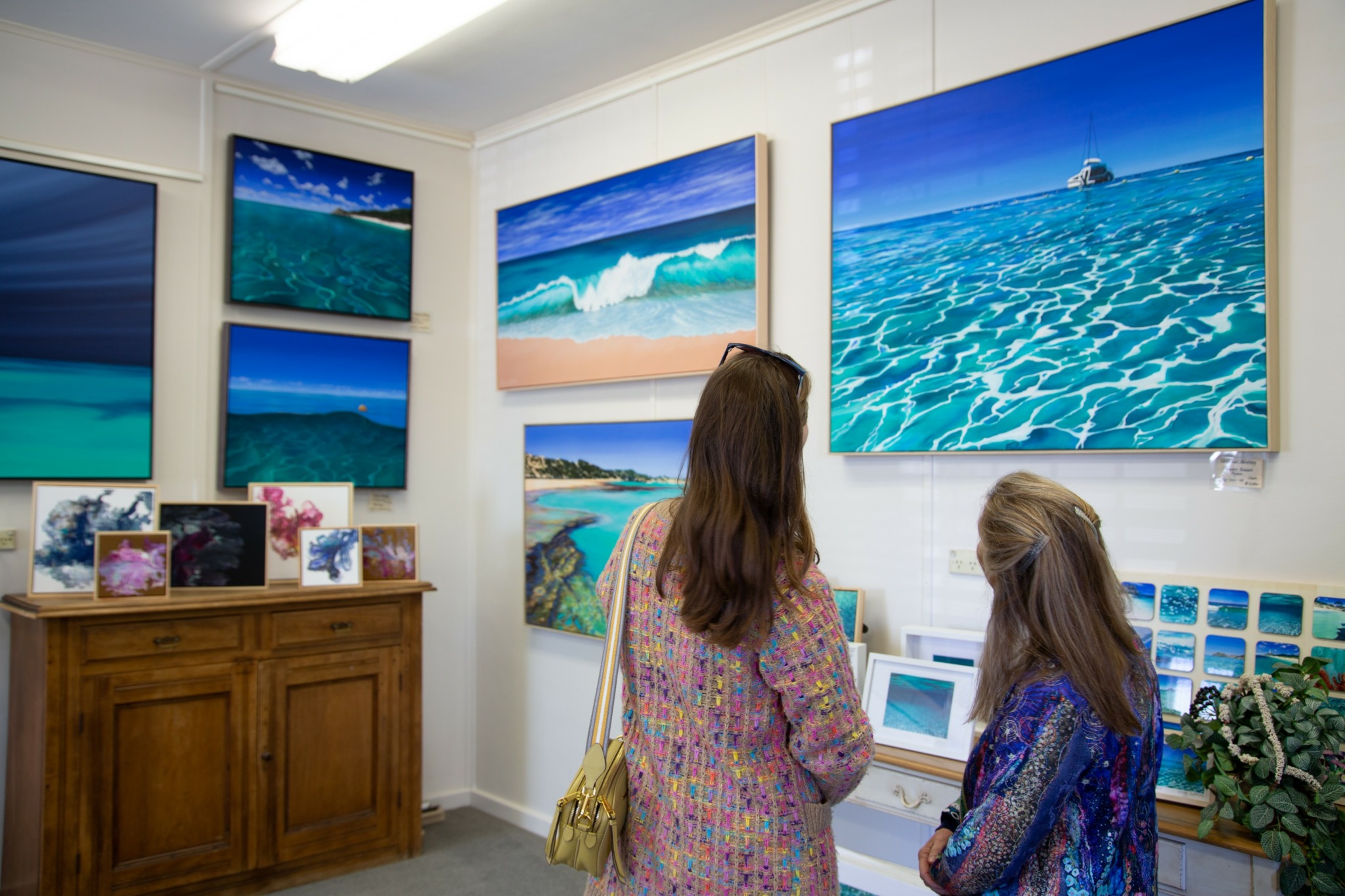
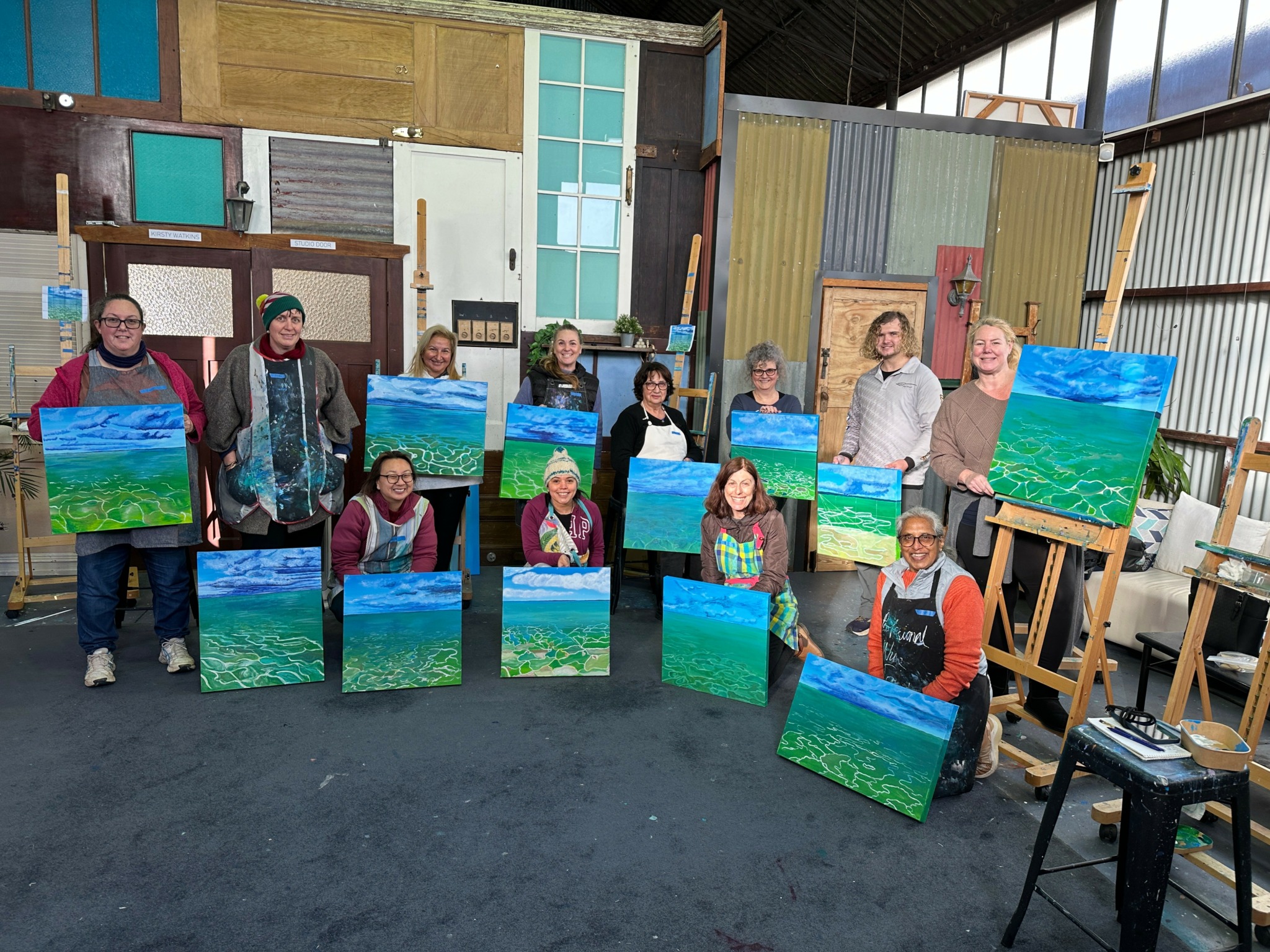
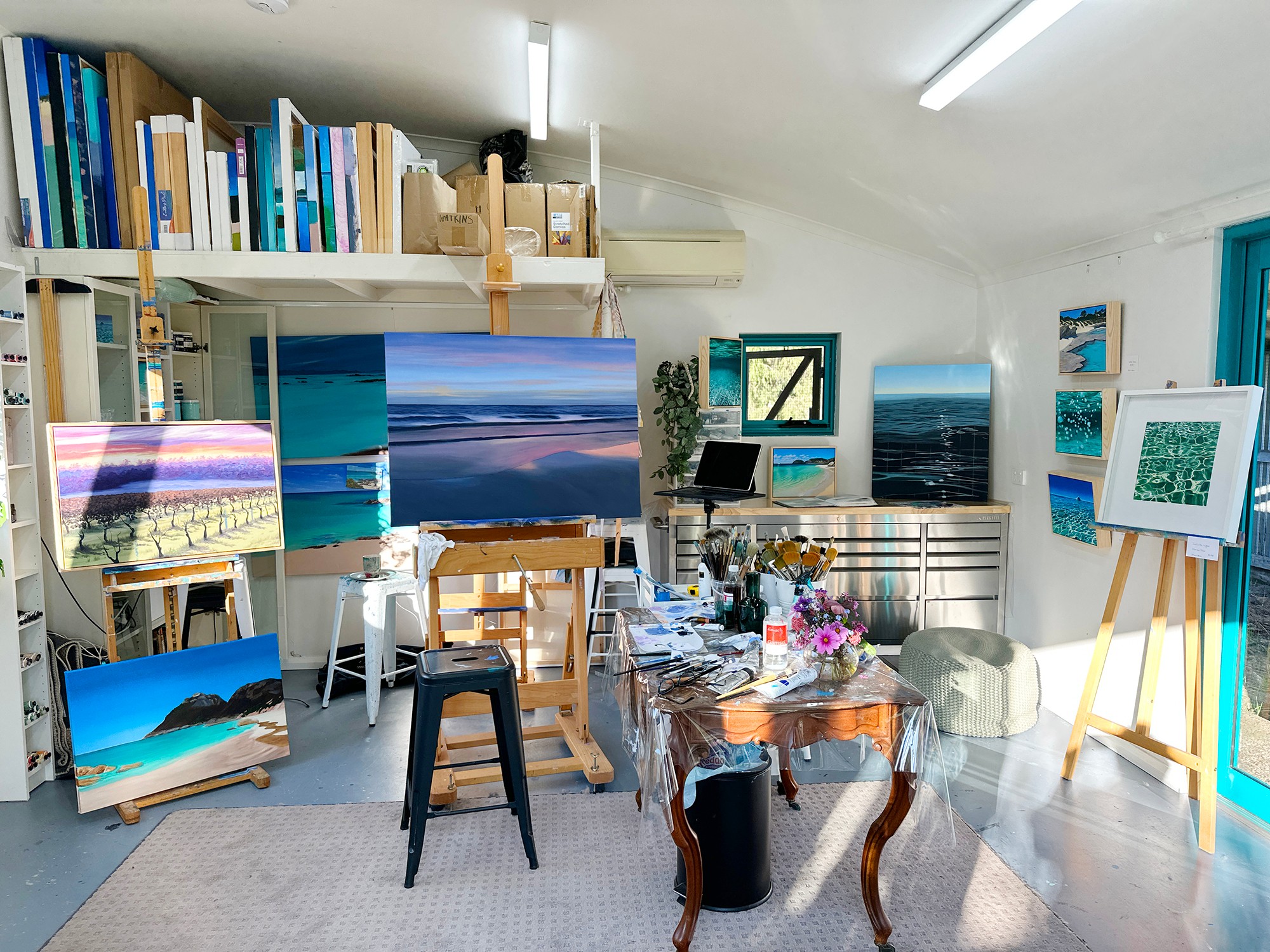
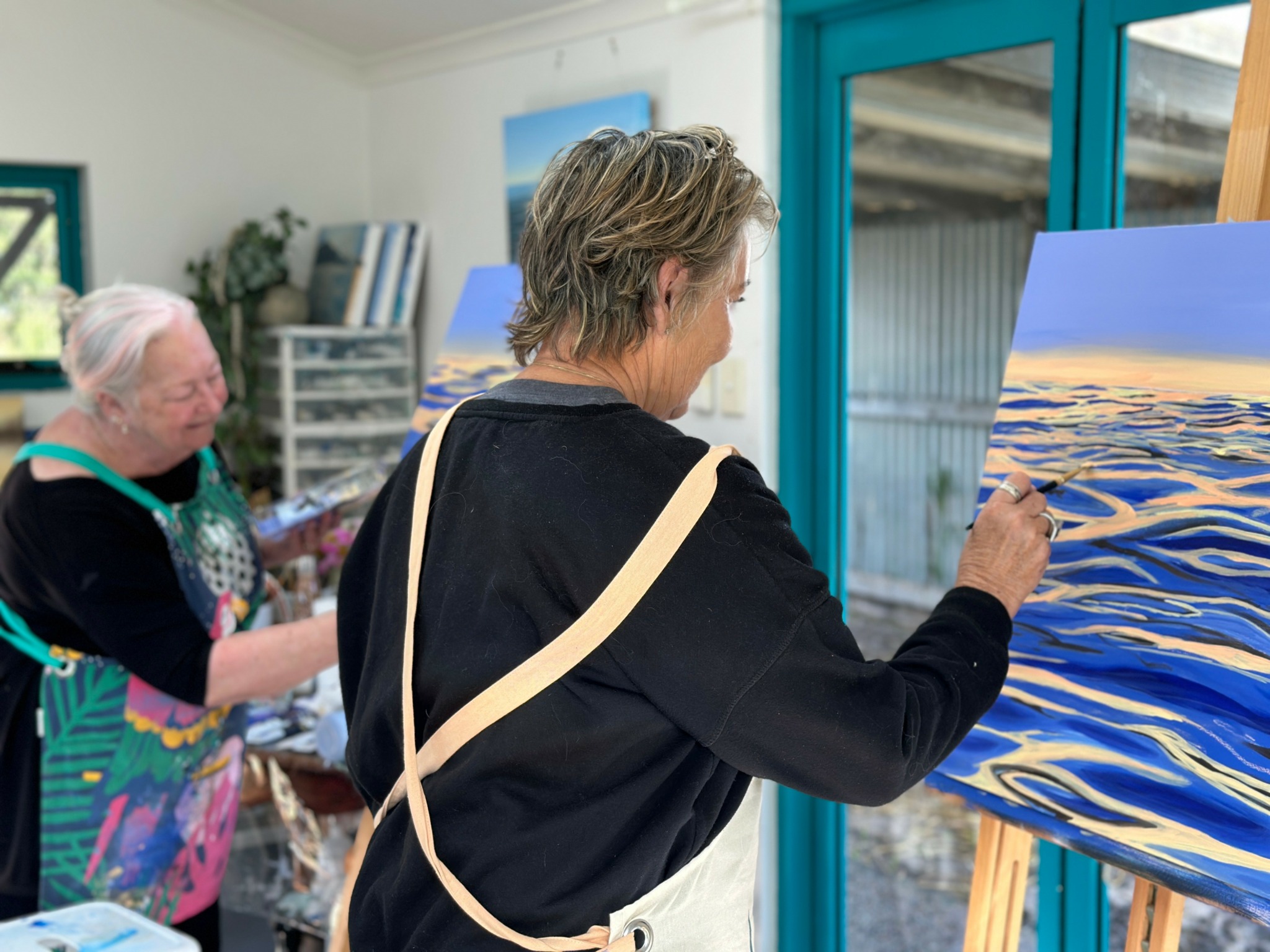
Image Credits
Kirsty Watkins
Dan Holliday
Luke Riley
Loz Coleman
Yvonne Doherty
Jessica Wyld