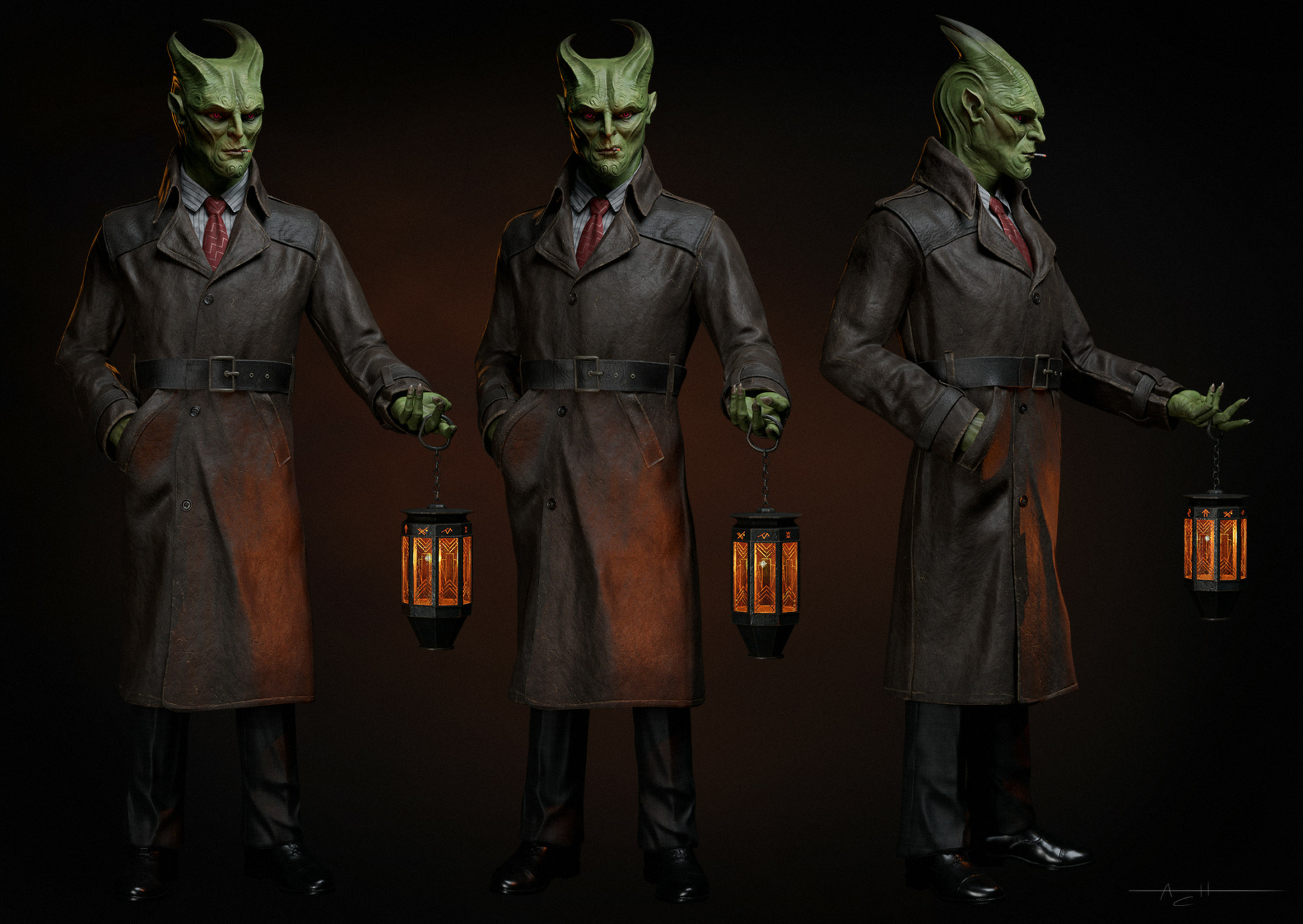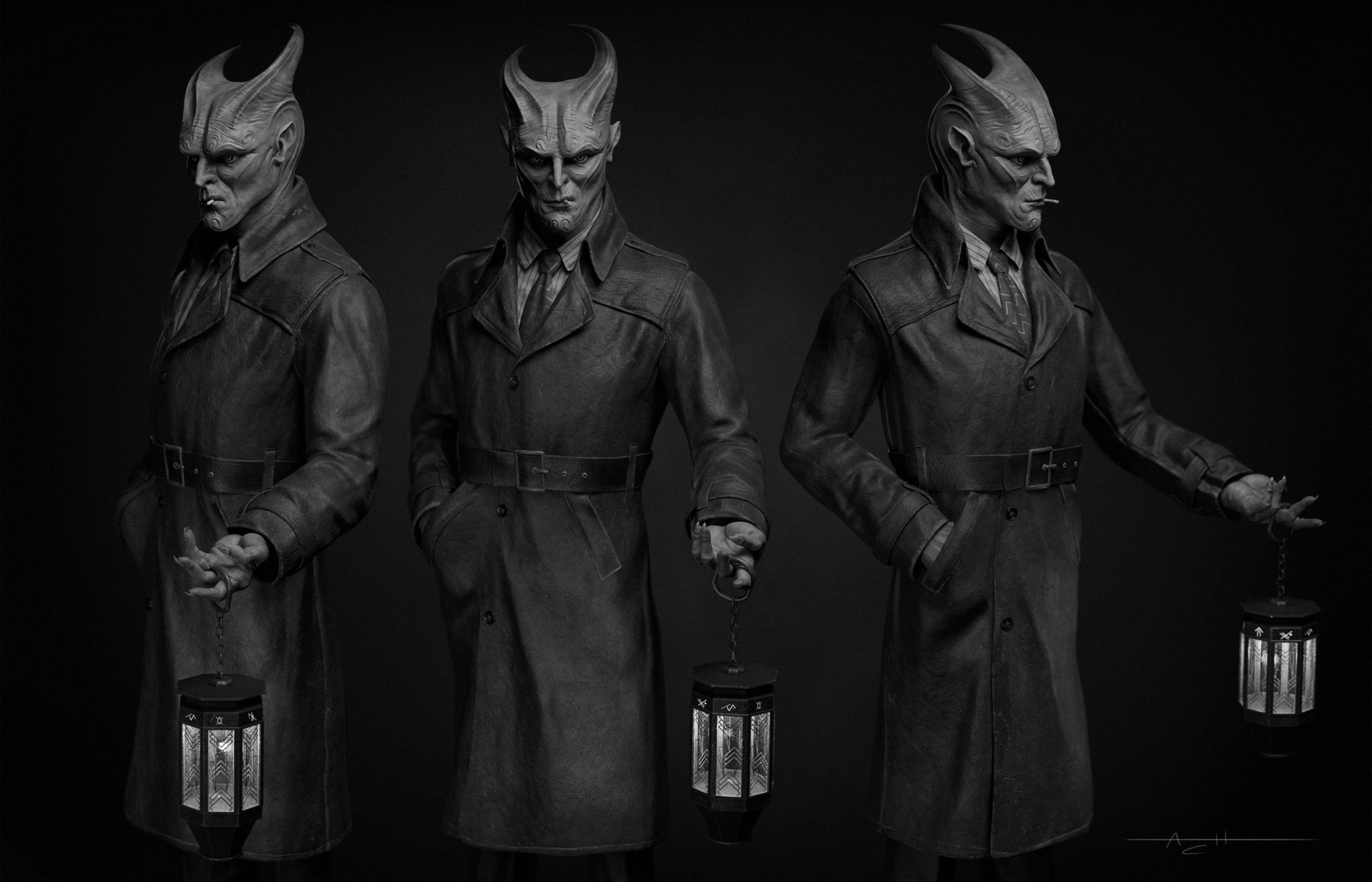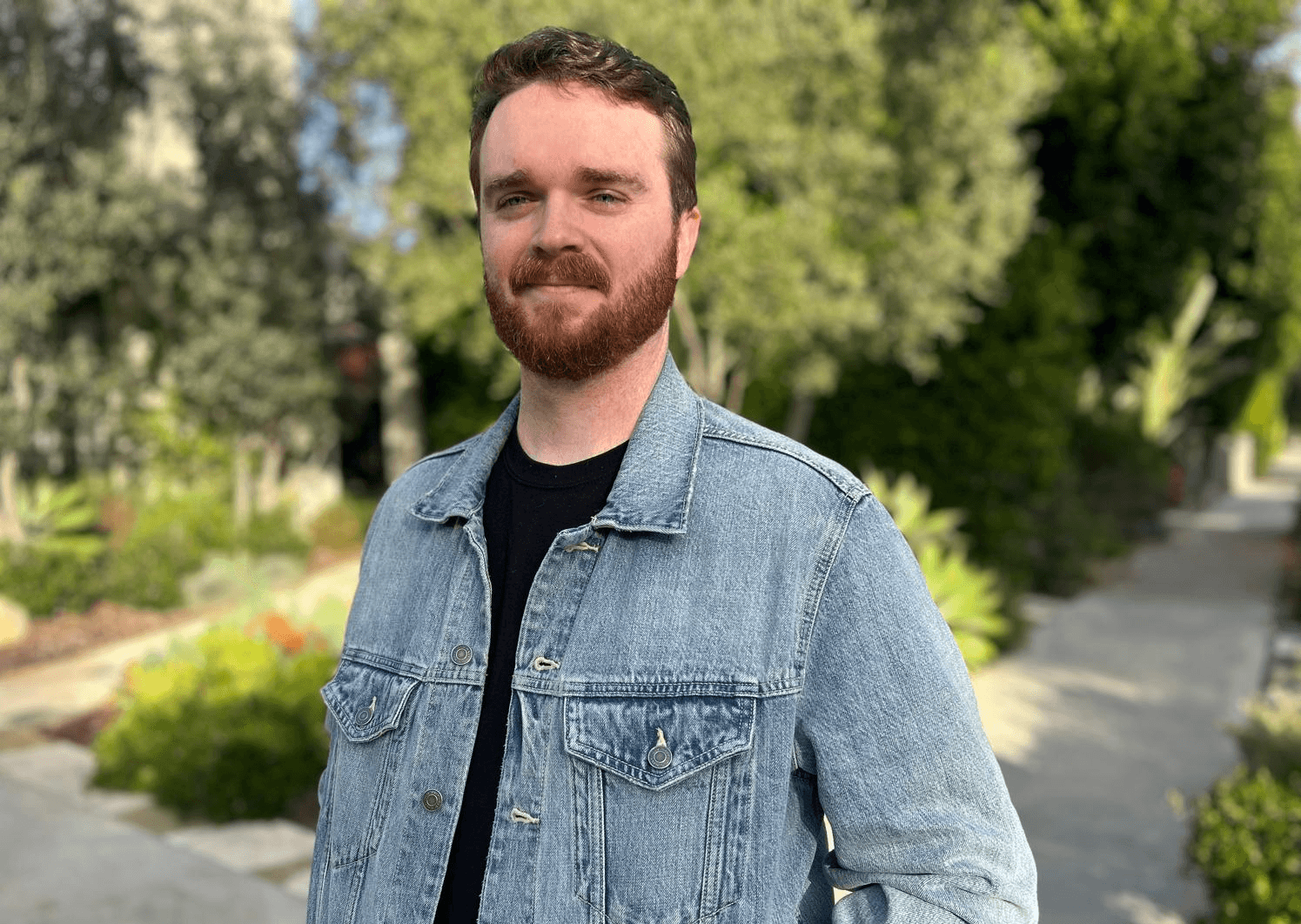

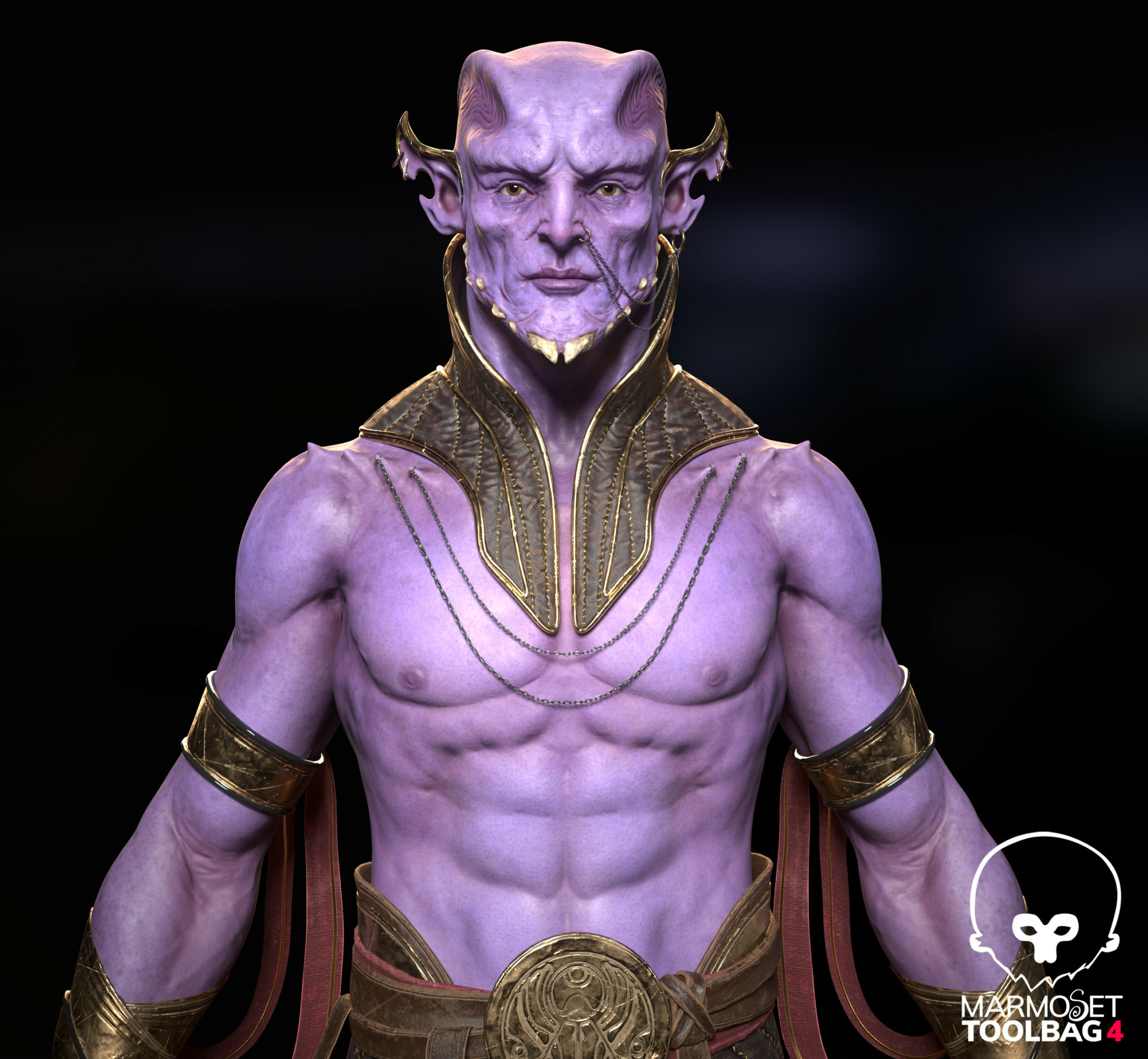
Alright – so today we’ve got the honor of introducing you to Aaron Colman-Hayes. We think you’ll enjoy our conversation, we’ve shared it below.
Hi Aaron, thanks for joining us today. We’d love to hear about when you first realized that you wanted to pursue a creative path professionally.
In the summer of 2003, I was sitting in my sister’s friend’s basement while she and my sister were watching TV in the living room. Sitting right in front of me, it’s sleek, cold, black plastic outline calling out to me, was a PlayStation 2. I turned it on without checking what disc had been slotted in there and immediately was welcomed to the world of Kingdom Hearts. I only got to play for an hour before my parents came to pick me and my sister up, but that hour would sit with me and occupy a large part of my brain for the next few years.
I was never really “allowed” to play video games until I was a little bit older. My parents thought that they would rot my brain or be a terrible influence on me overall. But I was already obsessed. I was the annoying kid that was constantly looking over my friend’s shoulders while they played Pokemon on their GameBoy Color and hoping they would let me try to catch a wild pokemon for them. I would beg my parents to buy me game guides to some of the games that my friends would play because I knew they would let me read about the games, even if I couldn’t play them. Soon, some of the games I read the guides for became my favorites before I even played them. I was eager to help my friends out as they played after learning things like which items you needed to defeat certain bosses in Ocarina of Time, or which route you could catch a Growlithe on in Pokemon Gold. All I wanted to do was play video games, so when I was put in a room with a PS2 and no adult in sight? I played!
The fantasy and the atmosphere of Kingdom Hearts captivated my young brain and immediately transported me to a world I didn’t know existed. The art style was beautiful, the characters felt real and the world felt like it was alive. And the best part was that it felt like a story just for me. I was interacting with everything and the world was forming around my story. I don’t think I realized it at the time, but that was when I set down the path of becoming an artist. I wanted to help create stories, characters and worlds that could capture the imagination and the wonder of a person, just like video games did for me.
As always, we appreciate you sharing your insights and we’ve got a few more questions for you, but before we get to all of that can you take a minute to introduce yourself and give our readers some of your back background and context?
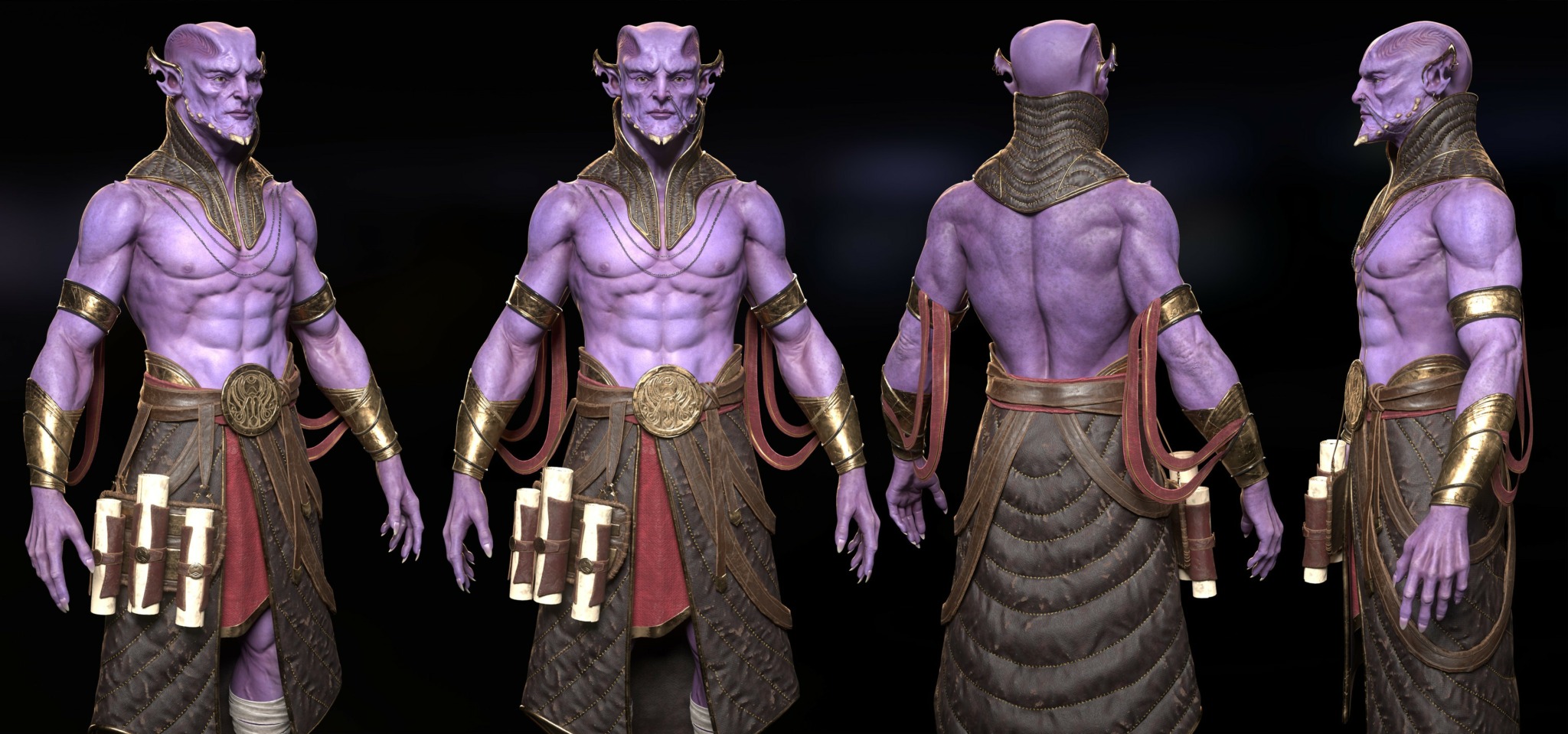
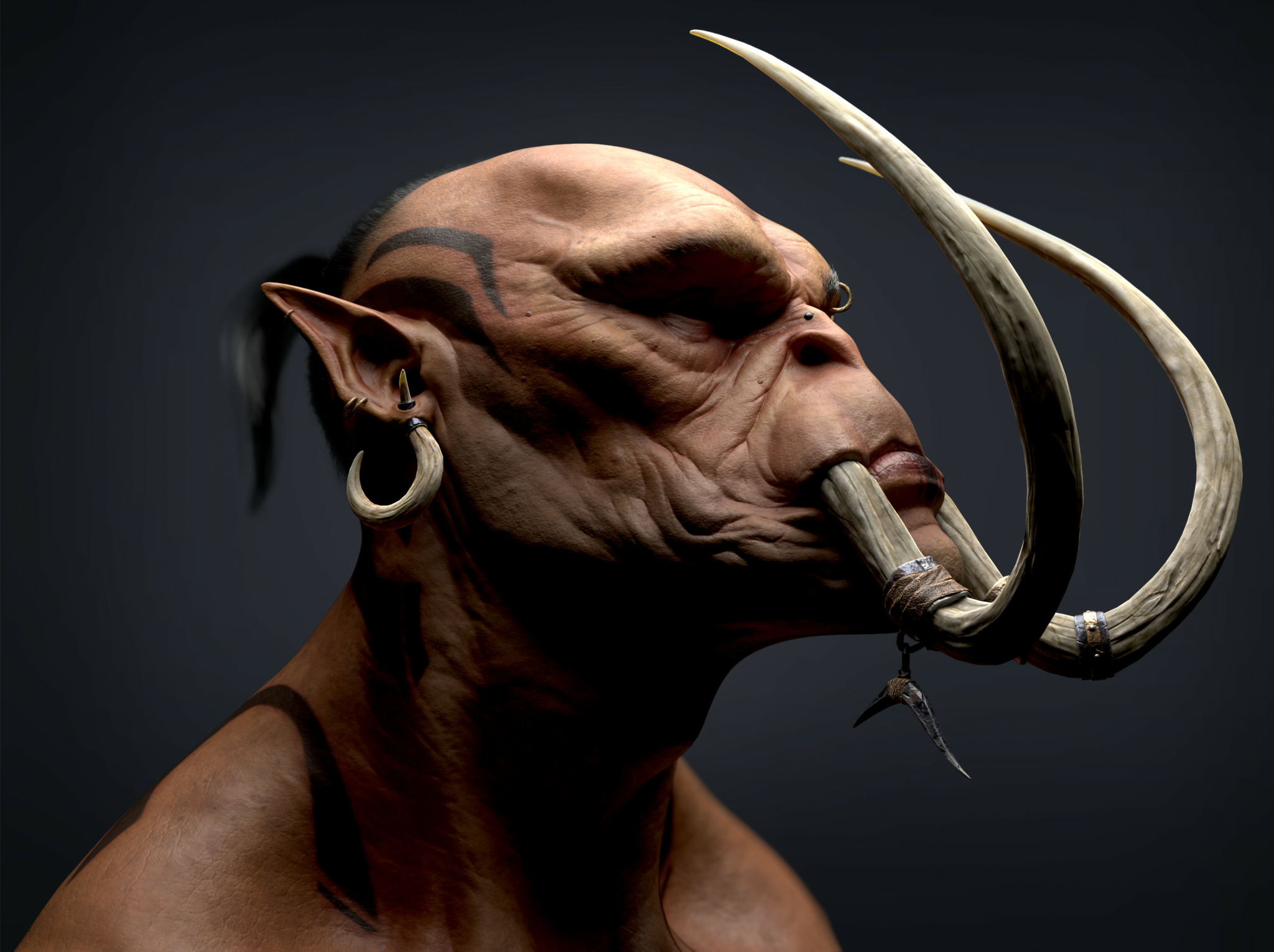
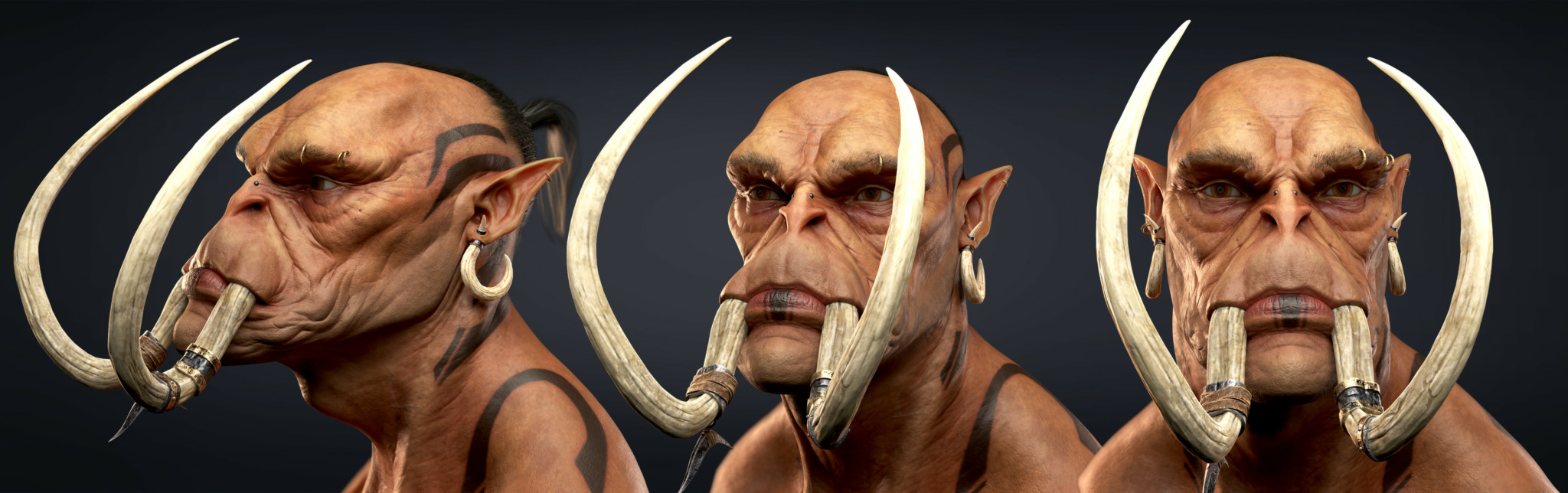
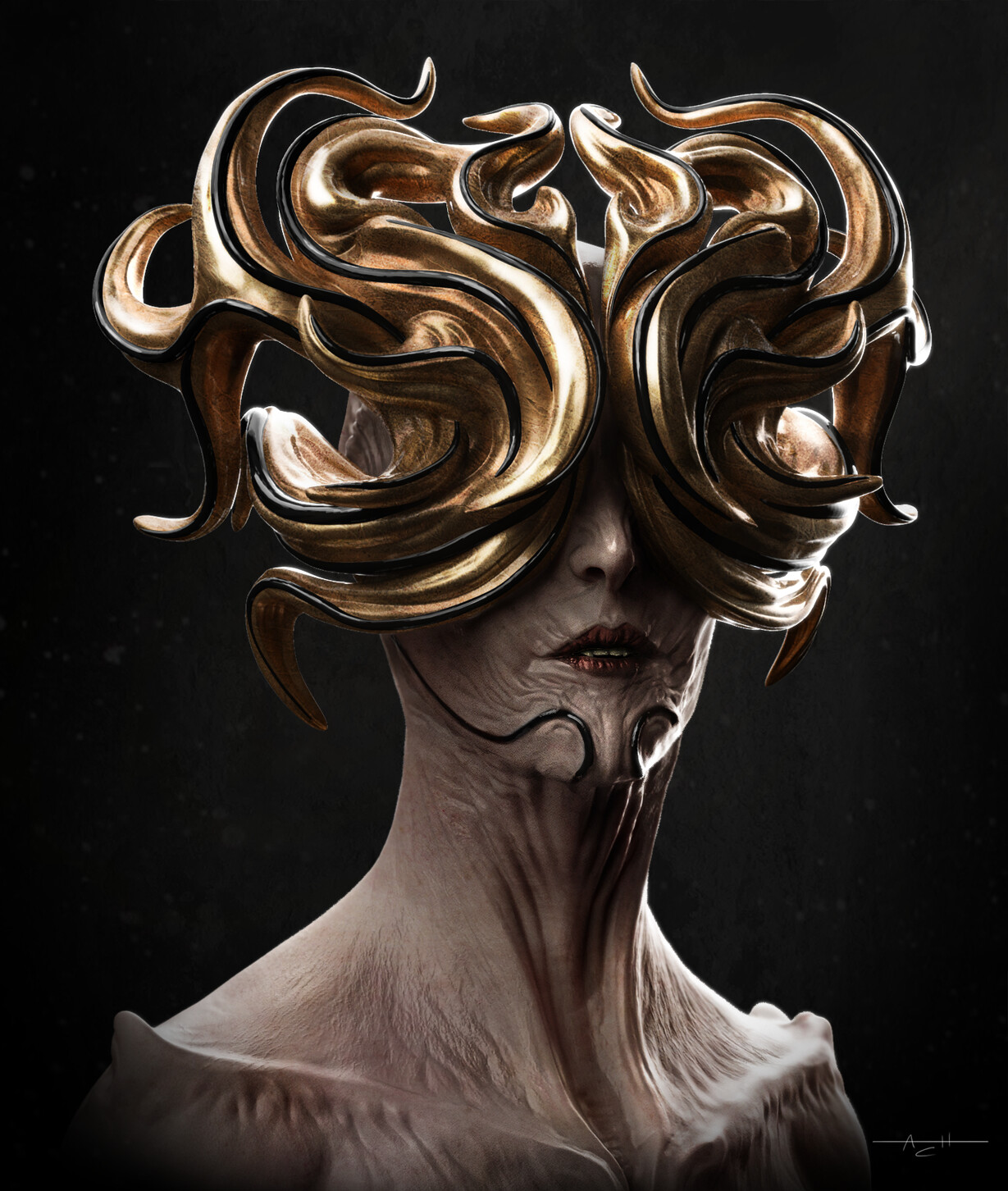
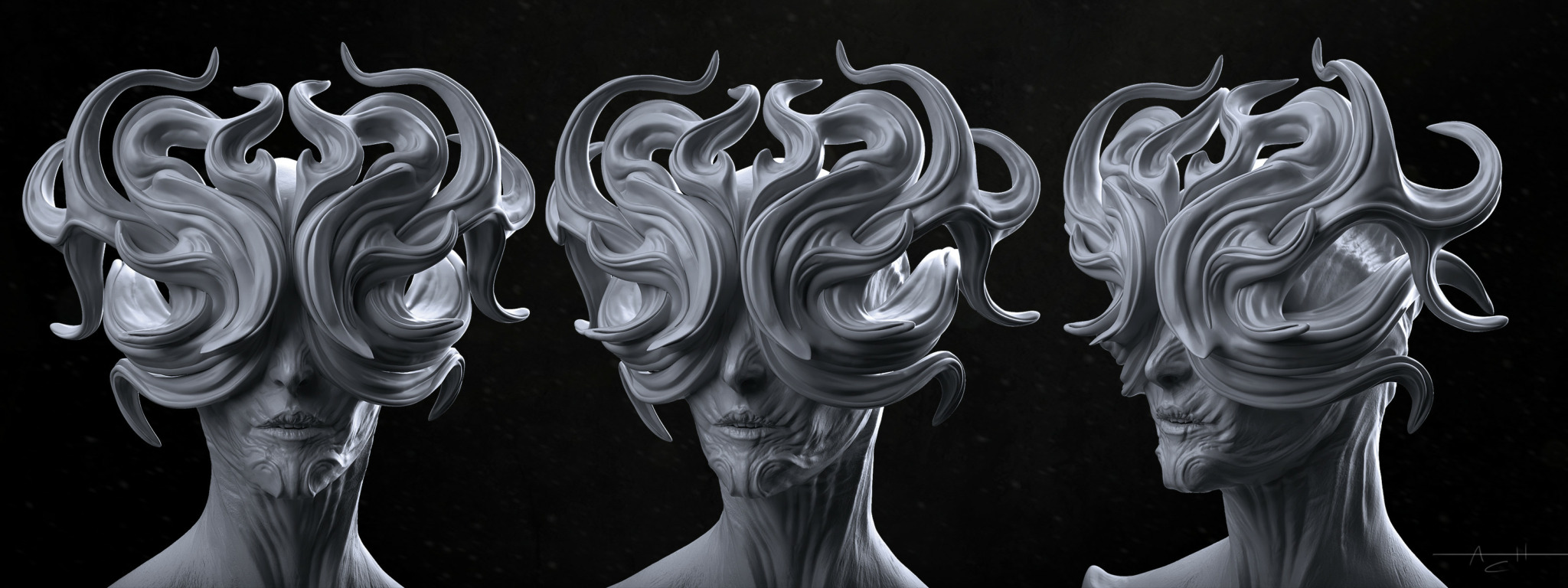
I’m a 3D Character Artist, primarily working in video games. For those that may be unfamiliar with what that is, basically, video games take a lot of different people in a lot of different departments to make them. You have artists, designers, engineers, production, etc. A character artist works on all of the humans and creatures in the game. We model and sculpt the characters, from their facial features down to the costumes they wear in 3D software, and then paint them in texturing software, after which a bunch of incredibly talented riggers and animators take the characters and make them come to life. Basically, anything you see in a video game, from a piece of foliage on the side of the road or a character just walking by in the background, is usually because of the hard work of TONS of people, and I get to be one of those people!
From a young age, I had always wanted to do something art related with my life. I remember drawing an awful lot when I was in school up until about college. I really wanted to be a concept artist and design landscapes or awesome characters for movies and video games. The creative process of taking an idea and watching it form into something believable and real has always been magical to me. I think that’s why I’m so drawn to film and games; they have this ability to transport us to places we’ve never seen before or introduce us to familiar ideas and messages in ways we never thought possible. There’s a lot of beauty in that, and is something that concept artists get to lay the groundwork down for, and that really excited me as a young artist.
I went to school for video game art and when I had one year left to graduate, a few of my friends and I went to a workshop at a school for game art and visual effects called Gnomon. It was a two day workshop where 10 artists from different disciplines and industries came in and gave talks/demos to demonstrate their work. While I was there, I talked with a few of Gnomon’s concept art students who hadn’t even been there for more than a year. Their work was amazing and completely blew mine out of the water, it was astounding how much better than me they were. I panicked a bit because seeing their work made me realize instantly that the level my work was currently at was not going to be good enough to get me a job as a concept artist in this incredibly competitive industry.
While I was stressing about what I was going to do with my life, I got to see amazing artists like Dom Qwek, Raf Grassetti and Peter Konig talk about creature design in ZBrush. The way they were creating these amazing, twisted and beautiful designs from simple shapes like a sphere was awe inspiring to me. And then, I got to watch Neville Page talk about how his ZBrush sculpts were a part of his design workflow for film, and I was immediately hooked. Sculpting in ZBrush was how I was going to turn my career around. All these artists were doing things I hadn’t seen before and I instantly knew that was what I wanted to be doing. I dropped everything I was doing for concept art and in the last year of my college education, I focused on sculpting in ZBrush and character creation. I had a ton of helpful mentors in that last year, big shout out to Johnnie Estill, Colin Koestler, Kurt Papstein and Cordell Felix. Without their help and guidance, I don’t think I would have ever gotten a job in the game industry and here I am almost 11 years later, working as a Character Artist on some pretty cool stuff!
What’s the most rewarding aspect of being a creative in your experience?
There are definitely a few aspects that bring a sense of accomplishment, but there are two that really come to mind. Being able to make something out of nothing, breathe life into something that didn’t exist a day ago and transport people’s imaginations to completely different worlds and experiences make this all worthwhile. I love a good story and I love a good character. As a character artist, the only real opportunity I have to push the story of that character through to the surface, is through the artist work I put in. I don’t get to make this character move around or talk, but the subtle scar on the character’s face or the dirt on their boots can be indicative of some lifestyle or personality trait that I’m trying to have come across the screen. I love that part of my job as it presents challenges and allows me to be creative and almost write a little of my character’s backstory.
However, nothing is more rewarding to me than being able to teach other artists, especially ones that are just starting their journey. I taught at Think Tank Training Centre for almost 3 years as a Character and Creature Art Supervisor, and being able to watch student’s work go from nothing special to something amazing, is awesome. Those students have to put in so much time and effort to get their work there, and watching that process and being able to observe their growth in real time is wonderful. I love being able to help them throughout the process and answer their questions/give feedback. You get to watch these people who came in to the class without much knowledge or sometimes even confidence in their own abilities, and with enough effort, they find that spark in themselves and become completely different artists. It feels like a part of my career I’d like to explore more the older I get, so I’m hoping to get back to that one day.
Can you share a story from your journey that illustrates your resilience?
I think there are many aspects of being an artist that can be tough and that can weigh on you, especially in our current climate. As a digital artist, my industry is a part of the tech industry which is facing a ton of struggles right now. As of writing this response, I am incredibly thankful to have a job in the video game industry when there are so many talented and amazing artists that aren’t so lucky. I’ve been laid off from companies 3 times in the past 6 years now, have worked almost 11 years total and had 16 different jobs in that timeline ranging from work in film, TV, pre production, 3D scanning/photogrammetry, and now video games. The freelance life can be hectic, it can be tough and it can be absolutely daunting.
I think my greatest struggle as an artist has been and may always be, a significant amount of imposter syndrome. It is seemingly impossible for me at times to do anything but compare my work to the work of those around me. Social media combined with working in a completely digital medium make it really difficult to not be inundated with lots of amazing, incredible and awe inspiring work, each and every single day on my screen. It can be overwhelming to be faced with such awesome pieces of art and to feel like your work doesn’t belong in the conversation with most of these artists. There are thousands of artists out there who are insanely talented, and I think it can be incredibly tough for other artists to feel confident about their own work on a day to day basis.
Recently I’ve re-focused and learned to accept that my journey and my art is just going to be different from other people’s. Just because someone is talented and making awesome work, doesn’t mean that I’m not. My work can be different, I can be talented in my own way, and that’s okay. And if I want to improve and get better as an artist? Well then, I guess I’d better get to work and practice. There’s no sense in getting bogged down over other people’s accomplishments when we can all be capable of those same things. I used to tell my students over and over that nobody is born with this innate knowledge of how to use a computer program, or how to draw or sculpt. Every artist that ever was, digital or otherwise, has had to work for their talent and practice, practice, practice. Finding accomplishment or pride in my own work and in my own improvement, not comparing it to my peers, has given me renewed vigor and a modicum of peace in a world with so much talent that can sometimes feel heavy to be a part of.
Contact Info:
- Website: https://achayesart.com/
- Instagram: https://www.instagram.com/achayes3d/
- Linkedin: https://www.linkedin.com/in/aaron-colman-hayes-6879319b/
- Other: ArtStation – https://www.artstation.com/achayes