
We’re excited to introduce you to the always interesting and insightful Jinhui He. We hope you’ll enjoy our conversation with Jinhui below.
Alright, Jinhui thanks for taking the time to share your stories and insights with us today. Learning the craft is often a unique journey from every creative – we’d love to hear about your journey and if knowing what you know now, you would have done anything differently to speed up the learning process.
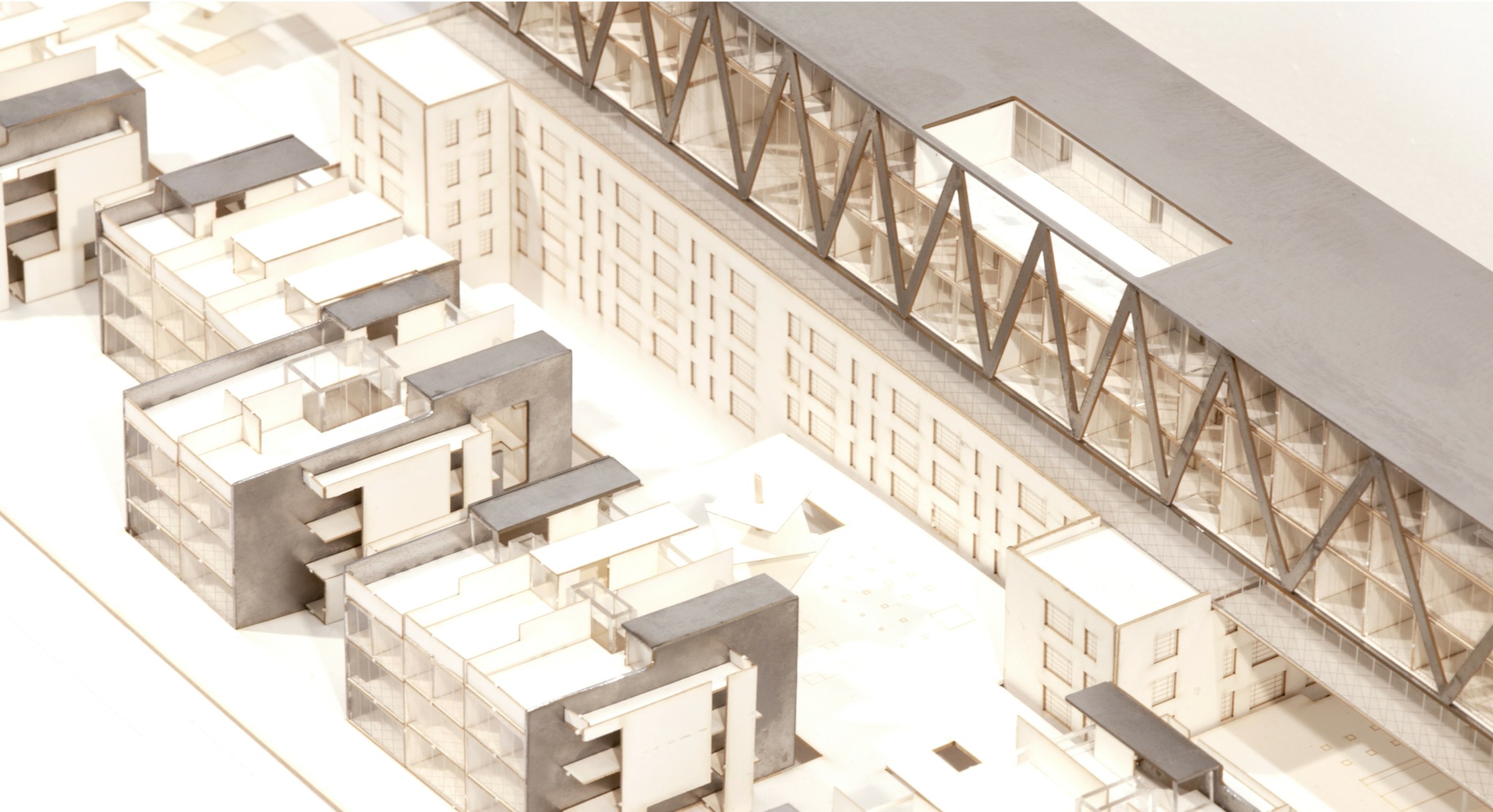
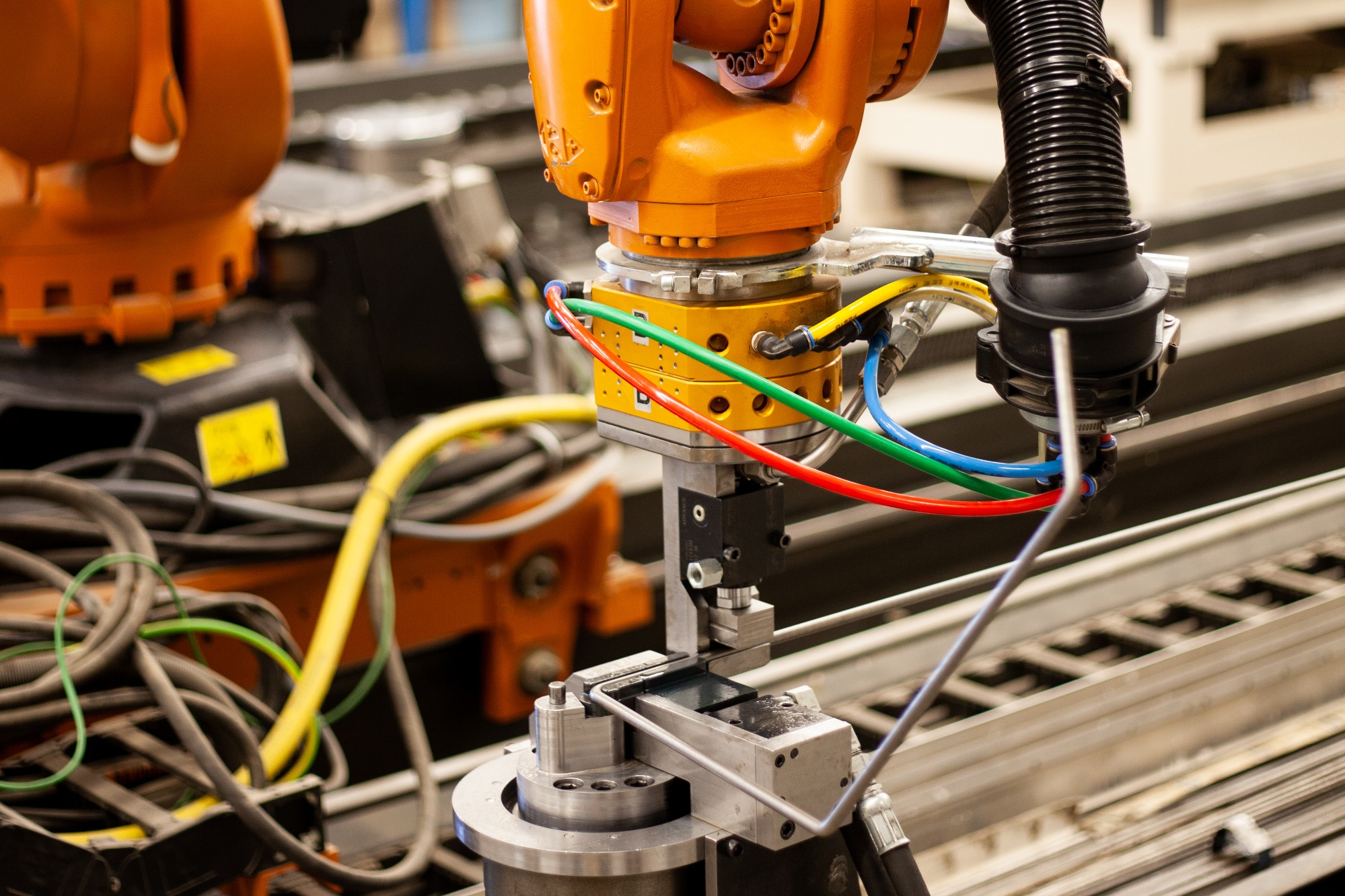
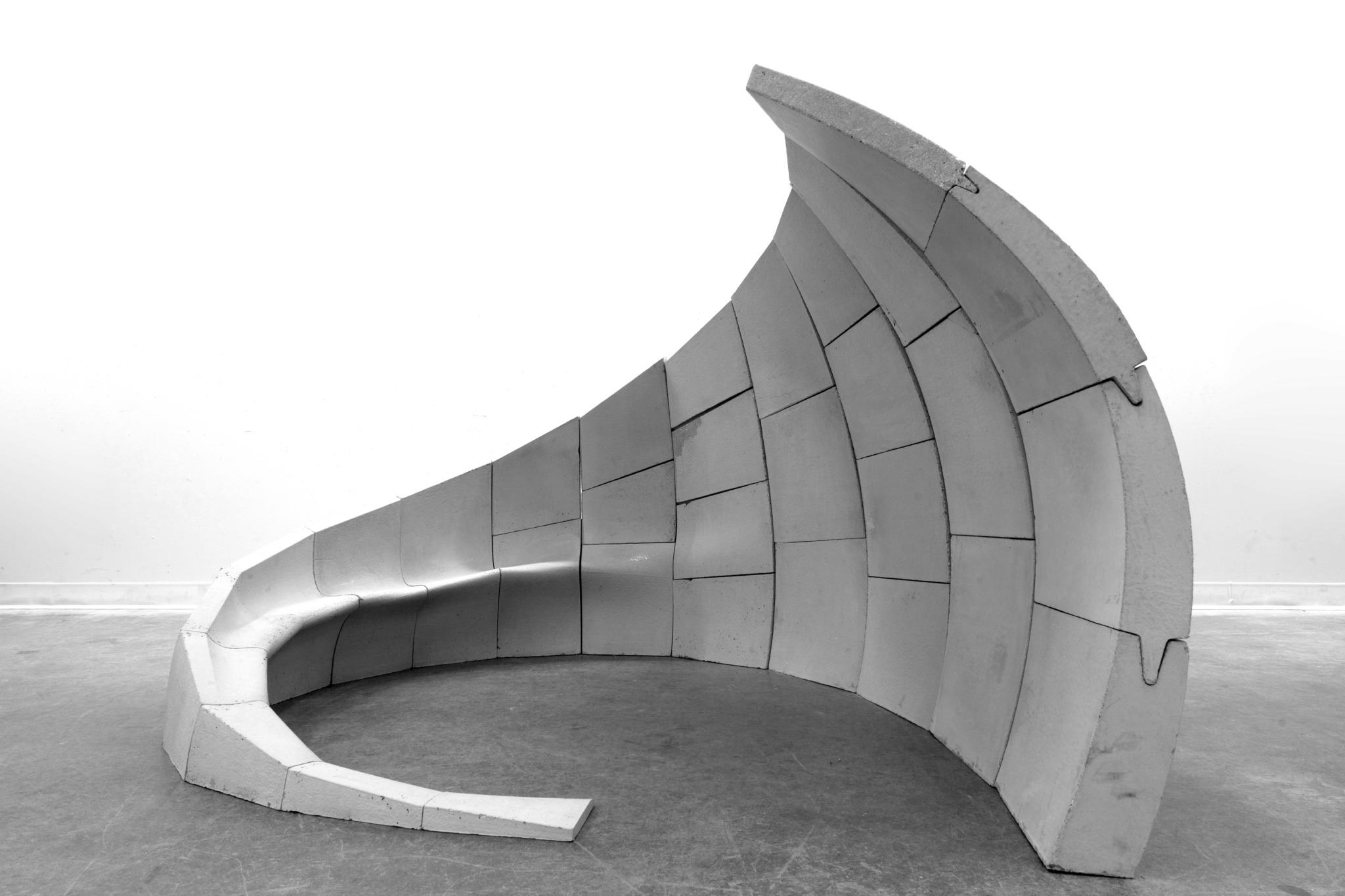
I learned architecture through integrating design thinking, computational tools, and material fabrication, skills that converged during my University of Michigan thesis. The Precarious Stand project required mastering Grasshopper for digital modeling, understanding GFRC concrete properties in depth, and coordinating robotic hotwire cutting processes with assembly sequences.
The essential skill was systems thinking, seeing how geometry, structure, fabrication, and construction sequence form one integrated problem. This now drives my architectural design work across all project types.
To accelerate learning, I should have sought cross-disciplinary mentorship earlier and prototyped at smaller scales first. The biggest obstacle was bridging digital precision with physical reality, learning to design for tolerance ranges rather than exact dimensions. Accounting for concrete shrinkage, foam cutting variations, and assembly tolerances taught me lessons that apply to every construction detail I coordinate today in architectural projects.
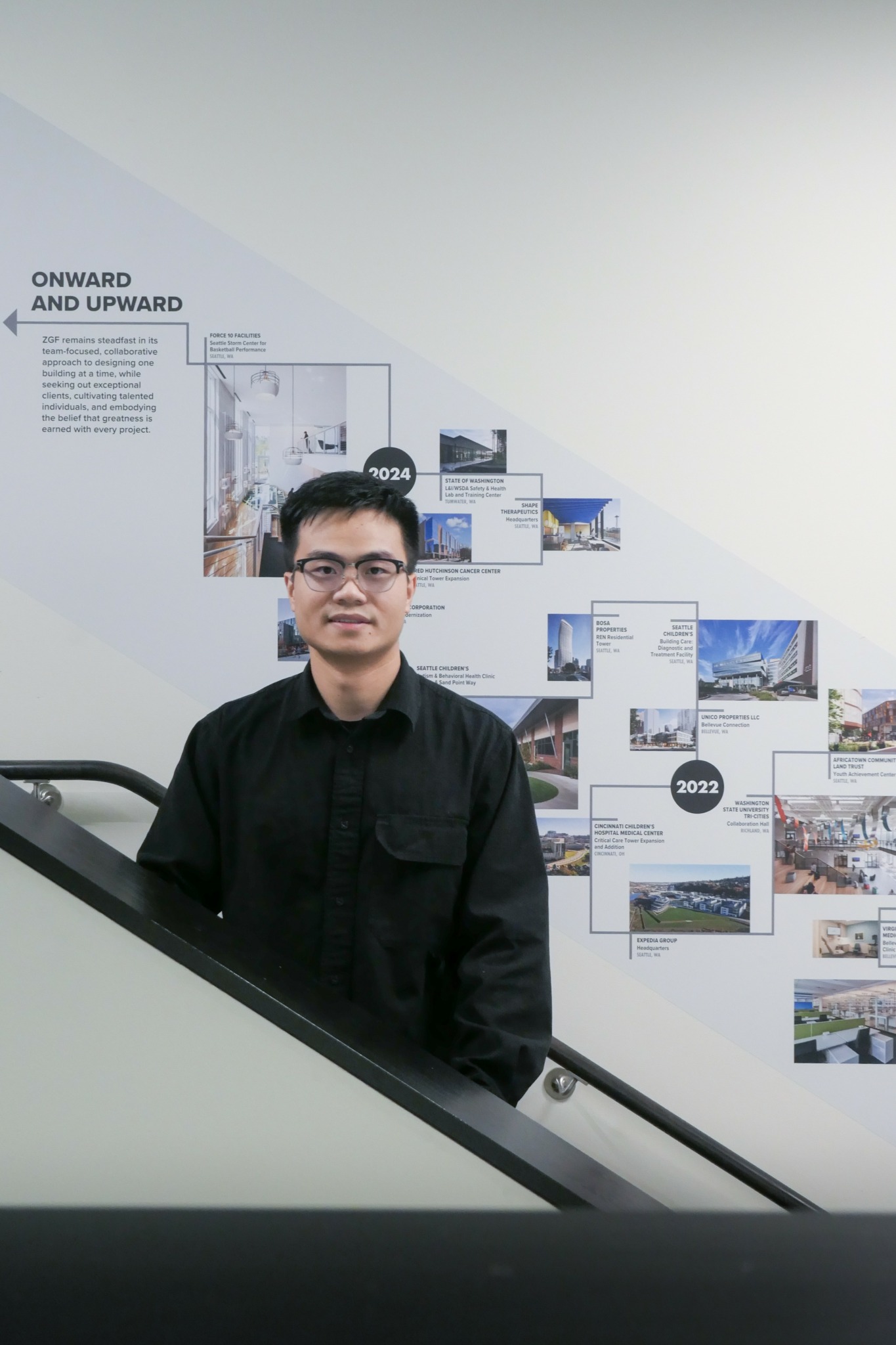
Jinhui, love having you share your insights with us. Before we ask you more questions, maybe you can take a moment to introduce yourself to our readers who might have missed our earlier conversations?
I’m Jinhui He, architect specializing in healthcare, educational, and sustainable institutional projects where precision, systems coordination, and innovation intersect. I lead design from concept through construction, integrating computational design, BIM coordination, and cross-disciplinary collaboration to solve complex technical challenges.
My approach bridges digital innovation with buildable solutions. From thesis work published in ACADIA exploring robotic fabrication, to leading award-winning interior design and large-scale institutional projects, I prioritize user-focused design that exceeds functional requirements while elevating architectural expression.
I’m most proud of delivering 12+ built projects and earning DNA Paris Design Awards and MUSE Design Awards Platinum, works that proves technical rigor and creative vision aren’t opposing forces. As co-founder of ArchiCopilot, I explore how design technology enhances practice. I solve problems through systems thinking, ensuring geometry, structure, sustainability, and construction logistics resolve as one cohesive solution.
Is there a particular goal or mission driving your creative journey?
My mission is proving that technical rigor and artistic vision strengthen rather than constrain each other. Through computational design, robotic fabrication, and systems thinking, I explore how digital tools can amplify—not replace—human creativity and craft.
As co-founder of ArchiCopilot, I’m committed to democratizing design technology so it enhances rather than automates creative decision-making. Every project, from ACADIA-published research to award-winning built work, asks: how can precision engineering enable more expressive, sustainable, and human-centered spaces ?
I’m driven by the belief that architecture should exceed functional requirements while delivering measurable performance. Whether designing healthcare facilities that heal or adaptive reuse projects preserving cultural memory, the goal remains constant: create spaces where technical excellence serves deeper human experience and environmental responsibility.
In your view, what can society to do to best support artists, creatives and a thriving creative ecosystem?
Society must recognize that creative infrastructure deserves the same intentional investment as physical infrastructure through sustained public funding, arts councils, cultural grants, and cross‑sector collaboration that connects artists with engineers and technologists to enable innovation.
Educational institutions should emphasize hands‑on experimentation, ensuring access to fabrication labs, computational tools, and mentorship networks to accelerate learning. Support for affordable creative space and intellectual property protections enhances stability for practitioners.
Most importantly, cultural values should shift to respect creative process over product, recognizing that experimentation, iteration, and research are core to progress even without immediate commercial returns. Supporting creative ecosystems means backing experimental work, protecting artists’ rights, and designing platforms for collaboration rather than extraction.
Creative communities thrive when funding, education, policy, and cultural attitudes work in alignment to nurture rather than exploit creative labor.
Contact Info:
- Website: https://www.jinhui-he.com/
- Instagram: @freeman_jinhui
- Linkedin: https://www.linkedin.com/in/jinhui-he/