



We were lucky to catch up with Rachel Ballard recently and have shared our conversation below.
Alright, Rachel thanks for taking the time to share your stories and insights with us today. Can you open up about a risk you’ve taken – what it was like taking that risk, why you took the risk and how it turned out?
In March 2019 at the age of 39, I got up one morning and couldn’t lift my arms to put the dishes away in the cabinet. Everything felt heavy. Within 24 hours my feet felt like they were on fire–the kind of burn you feel when you’ve spent too long in the snow and have to come warm up. And then the weakness began walking up my legs. I was limping, fatigued and dizzy.
But being the nurse I am, I thought surely whatever this was would pass. So I laid on our porch swing 10 hours a day and prayed I wouldn’t die. Whatever it was, was creeping up my body and bringing pain, numbness (yes you can have both at once) and weakness. I told my husband “Whenever whatever this is hits my diaphragm, you’ll have to take me to the hospital because I won’t be able to breathe.” I was still managing to get my children who were 11 and 14 at the time on and off the bus each day, but I spent a lot of time sleeping. Even the simplest tasks were exhausting.
The “whatever this was” did in fact reach my chest. Thankfully, it wasn’t as bad as I thought it might be and I could tell myself to breathe over and over and make my chest move but it was work. Any logical person would go to a hospital and would have long before I ever thought about seeing a doctor. Why didn’t I? I think I was afraid that it would be serious and there wouldn’t be anyone to take care of the kids. We don’t have a lot of friends where we live and no family to help and I didn’t want to burden anyone.
I laid on the porch swing or slept on the couch for six weeks.
Finally in May I limped/drug myself/clung to the walls to get to my family doctor. He took one look at me and just couldn’t believe his eyes. He didn’t know what was wrong, but he did lots of blood work and did an urgent neurologic consult that had me heading to that appointment in two days time.
The neurologist was a bust to say the least. He took one look at my blue mottled skin (it’s has always turned splotchy blue and purple when I get cold since I was a kid) and said “You have Sneddon’s disease. It’s a series of mini strokes. You’ll need to pick a nursing home,” then he walked me around the office to show me to the other providers. They did schedule a spinal tap for July–two months away.
I slept/trudged my way through the next two months, did the spinal tap and was told I had relapsing remitting MS but the test results did not fit a clinical picture of MS. I had none of the typical results from my spinal fluid. But I did have high protein. I had already done a little homework and asked the neurologist if I could have a disease called CIDP (Chronic Inflammatory Demyelinating Polyneuropathy) and he said absolutely not and sent me to the MS Clinic at our nearest university hospital an hour away for additional care.
Now on a cane, I made my way to the next doctor, more than six months after my symptoms first started. He took a look at me and my test results and said “You don’t have MS. You have CIDP.” In fact, I didn’t just have CIDP which usually is a progressive, rare, neurologic autoimmune disease that affects the nerves of the arms and legs–I had CIDP with CNS overlap which means it also demeylinates the nerves of my central nervous system as well. That means vision, hearing, digestion, heart rate were all up for destruction by this disease in addition to paralyzation so severe I wouldn’t walk or care for myself again as it paralyzed my arms and legs.
I was told that IVIG was my only option but I’d already read about that and wasn’t sure I wanted to go that route. Many people have debilitating headaches and fatigue afterward and are in bed for three or four days after each monthly infusion. It was also very expensive. Our insurance would have covered it but we would have had to have found an infusion clinic to administer it and the closest one was an hour away. There wasn’t anyone to drive me there and back that I felt like inconveniencing and I was not interested in being sick in bed for a long stretch after it was given. I also knew that for many people it was just a band aid–not addressing why my body was responding as it was. I chose not to take the medicine but they promised I’d be back.
And I did. Maybe a year later, the disease had robbed me of my ability to stand up unassisted. I was slowly losing bowel and bladder control and the use of my arms and hands. I couldn’t get the lid off the milk. I couldn’t work a button or a zipper. I couldn’t trim my fingernails or floss my teeth. It was time to try. So I opted for subcutaneous immunoglobulin therapy (IgG or SCIG some people call it) that I administered at home with six needles to my abdomen as I infused the solution every week.
And I got worse. So much worse. While it was in my system I would have much more pain, weakness and burning. As it faded, I’d feel slightly better. I stopped the medication after just six weeks and was lumped in with the 25% of people that IVIG/SCIG either doesn’t help or makes worse. Upon follow up with my neurologist she said “Well, I guess you’ll just have to wing it.” Wing it. That was the only option from one of the best hospitals I had available?
We were absolutely not going to wing it. I left her office that day in 2020 and never went back.
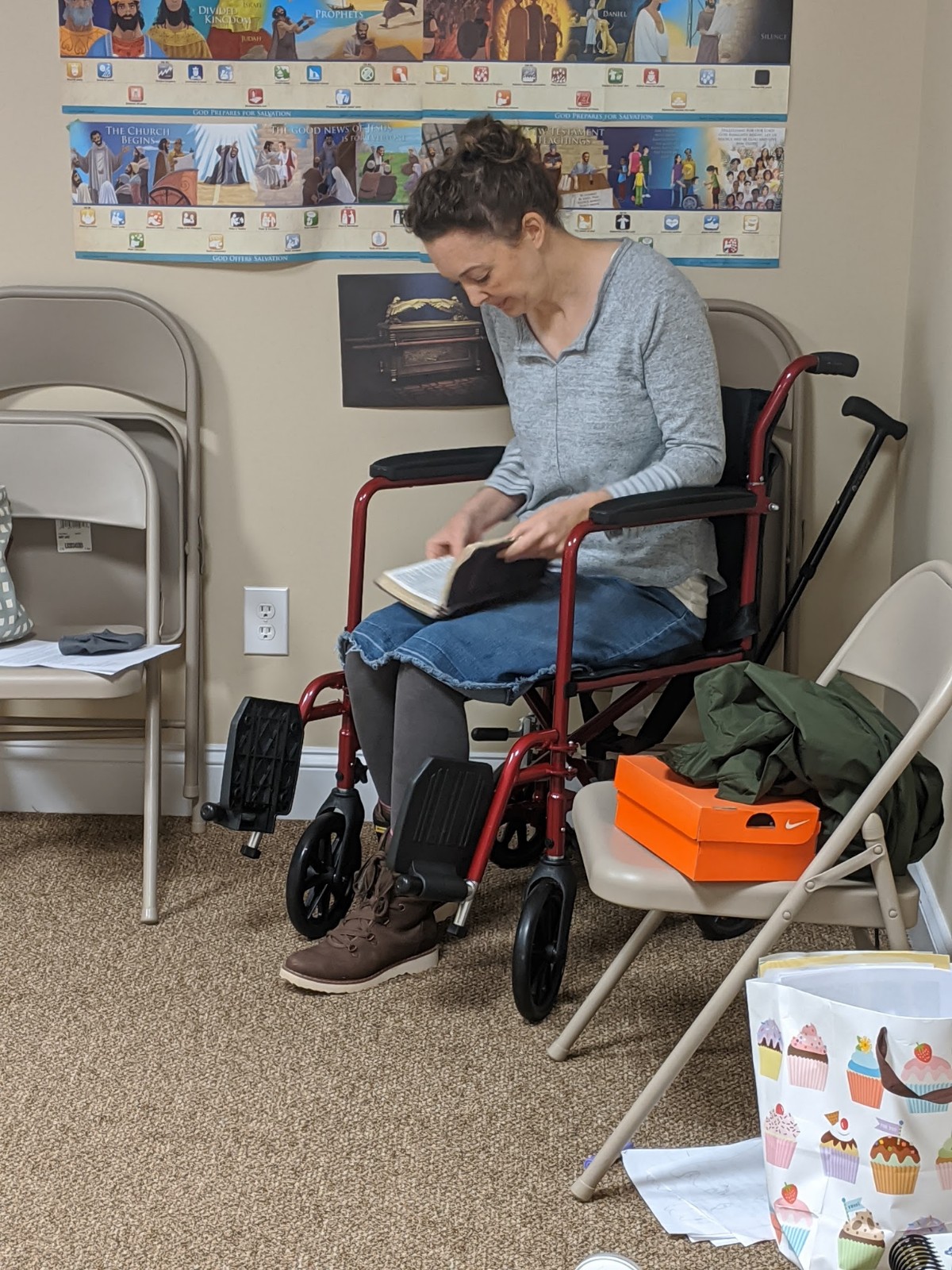
Over the next few months and with the help of six weeks of severe COVID, I deteriorated into a wheelchair. No longer able to hold a pen, drive safely, walk more than 10 steps or care for my family, I was sick and very aware that my survival was in a precarious place.
So I told my husband “If I’m going to die, I get to pick how I do that. I’m not going to let a doctor tell me what I can and can’t do.” I had heard a Nutritional Therapy Practitioner–Carrie Jones, NTP who is based out of Dallas, Texas–talking on a podcast about reversing Hashimoto’s autoimmune thyroid disease with diet and lifestyle and I was intrigued. Could what worked for her work for my own autoimmune disease? We were out of options and I was going to take the risk.
Because according to every research article, every bit of Google’d information, the disease is incurable, irreversible, progressive and can only be managed with steroids, IVIG, or a stem cell transplant. A lot of articles on the disease paint it like it’s not that bad–that’s it simply something you can live a long life with–but I can assure you that this disease is very much a death sentence and I was out of options.
Going against everything I was taught as an RN of 20 plus years, against my family who called me selfish for not going to the NIH for advanced help, and my own fear–I decided to fight a different way.
I called the Nutritional Therapy clinic Carrie Jones was working for at the time. It was just outside L.A. and I’m all the way out on a cattle farm in rural Kentucky. Would this work? I didn’t know but when you’re out of options, you’ll do whatever you have to do. I was connected with NTP Lindsea Willon and the journey began.
I did everything I was told to do. Sleep 12 hours a night, eat a whole food balanced diet of raw dairy, beef, pork, chicken, seafood, chicken broth (not bone broth), cooked vegetables and plenty of healthy saturated fats from butter, lard and beef tallow. I avoided all fast food, sugar, grains, and any food I didn’t make myself.
I removed all household cleaners, detergents and soaps or personal care products with ingredients I couldn’t pronounce. I hydrated, dry brushed, did epsom salt baths and sat in the sunshine. I told myself my body was my partner and not my enemy. I talked nice to myself even through my fear, and I prayed endlessly.
Within two months, I could barely hold a pen. Within five I almost had my full hand strength back. At month six I wiggled a toe. My family cheered so loud you would have thought we won the Super Bowl. Because I was so weak, my care fell largely to my husband and children. They were such diligent helpers and I would never have been so successful so quickly without them.
Then month after month, a new recovery would come. They couldn’t be measured in weeks or days–but in months. And many symptoms ebbed and flowed for several years once I began to heal. That, I learned, is what true healing is.
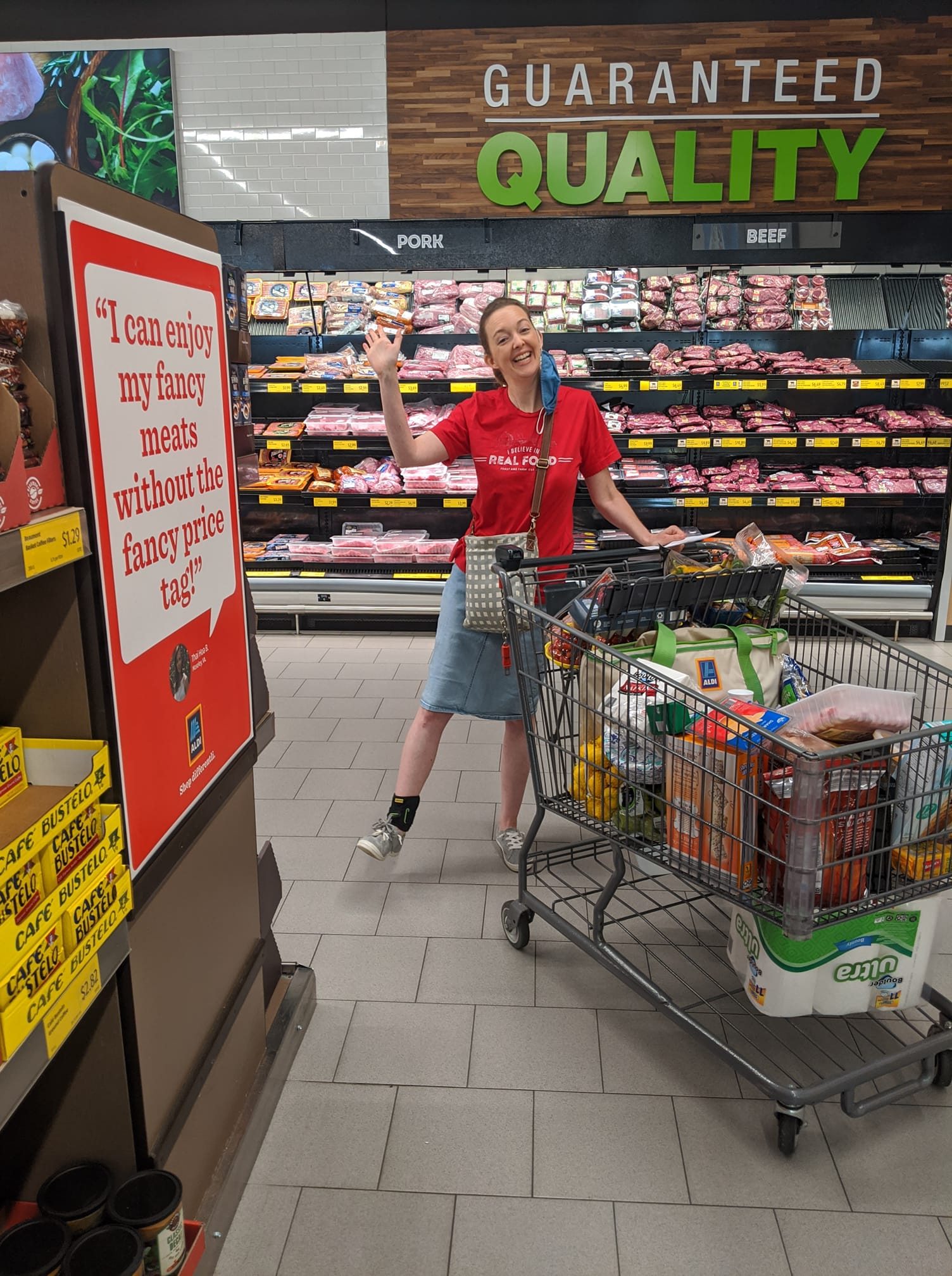
Within 9 months I was out of my wheelchair and with a brace on my leg for drop foot, I took my first trip to the grocery store. It was my first time out of the house on my own in 10 months. From there, I’ve spent the last four years continuing to heal. I have no progression of disease and besides some numbness in my feet and three weak toes, I have no lingering side effects. I take no prescription medications for the disease and I don’t have any medical doctor in charge of my care. Not for any reason other than they don’t have anything to offer me that I want.
Don’t get me wrong–I’m not cured. If I were to abuse my body with stress, poor diet, lack of sleep or other factors I’d probably go right back to where I was before.
Four years in to my journey, I headed back to school. I got my own certification as a Nutritional Therapy Practitioner and opened Bluegrass Nutritional Therapy in February 2025–my clinic to support those with degenerative neurologic conditions like mine, and anyone who is battling with a health condition that is keeping them from living the life they want most.
There are a lot of misconceptions around natural health alternatives. Many people want to sell you on a quick fix, do lots of tests and take all of your money but not much else. I’ll be the first to say that true health recovery is hard, incredibly slow work but it’s also the most rewarding, empowering work you’ll ever do. Once you discover that your body knows how to heal if you give it the right inputs, the empowerment will change your life.
I have a great respect for our modern medical system and I’m thankful daily for our emergency care access we have. But the way we manage chronic disease in this country and autoimmune diseases like mine deserves a more holistic approach than what many doctors are offering.
I took the risk on something many people have called “pseudo science” but I’ll be the first to tell you that nutrition, diet and lifestyle are far from fake.
They, along with God’s grace, saved my life.
Rachel, before we move on to more of these sorts of questions, can you take some time to bring our readers up to speed on you and what you do?
I’m Rachel Ballard, Registered Nurse and NTP. I own Bluegrass Nutritional Therapy located in Richmond, Kentucky where I work virtually and in person with complex chronic diseases and degenerative neurologic conditions using the nutritional therapy approaches of nutrient dense whole foods, stress management, sleep, digestion, and blood sugar regulation.
Because I have been sick myself, I bring a unique empathy to the care I give. How often has your provider actually battled the disease you have? Not often. That’s why I feel like the care I give is so unique. I live on the same approaches I ask you to do so I’m afraid I’m not too full of sympathy for people who want to make excuses.
I believe so much in the benefits of nutritional therapy. Therefore I ask for 100% effort from my clients but not 100% perfection. No one is perfect but we have to keep doing our best whatever that is. Not every day is a good day, but I want whoever I work with to be committed to giving their best and sticking with it for the long haul–years, not months or weeks–and being okay with results sometimes being very slow to appear.
Quick fixes, people who are looking for only supplements, or are “curious” are not a good fit. I want anyone I work with to already be convinced that their body can heal even if they don’t know how it happens. I don’t, and won’t work with people who need to be convinced that what I do is right for them or that it works.
Do you think you’d choose a different profession or specialty if you were starting now?
Yes I would. I have loved being a nurse and caring for others has been so impactful on my life. My training as a nurse also helped me significantly in my transition in to Nutritional Therapy.
What’s been the most effective strategy for growing your clientele?
A lot of it has been word of mouth and referrals. Because my health journey was so dramatic, it’s been easy for people to watch me transform from a dramatic before to a triumphant after and that speaks for itself. I do have a Facebook group where I share health information and that’s been a good place to gain clients as well.
Contact Info:
- Website: https://bluegrassnt.com
- Instagram: ntp.rachelb
- Facebook: https://www.facebook.com/profile.php?id=61584134756102
- Linkedin: https://www.linkedin.com/in/rachel-ballard-7a8a52368/
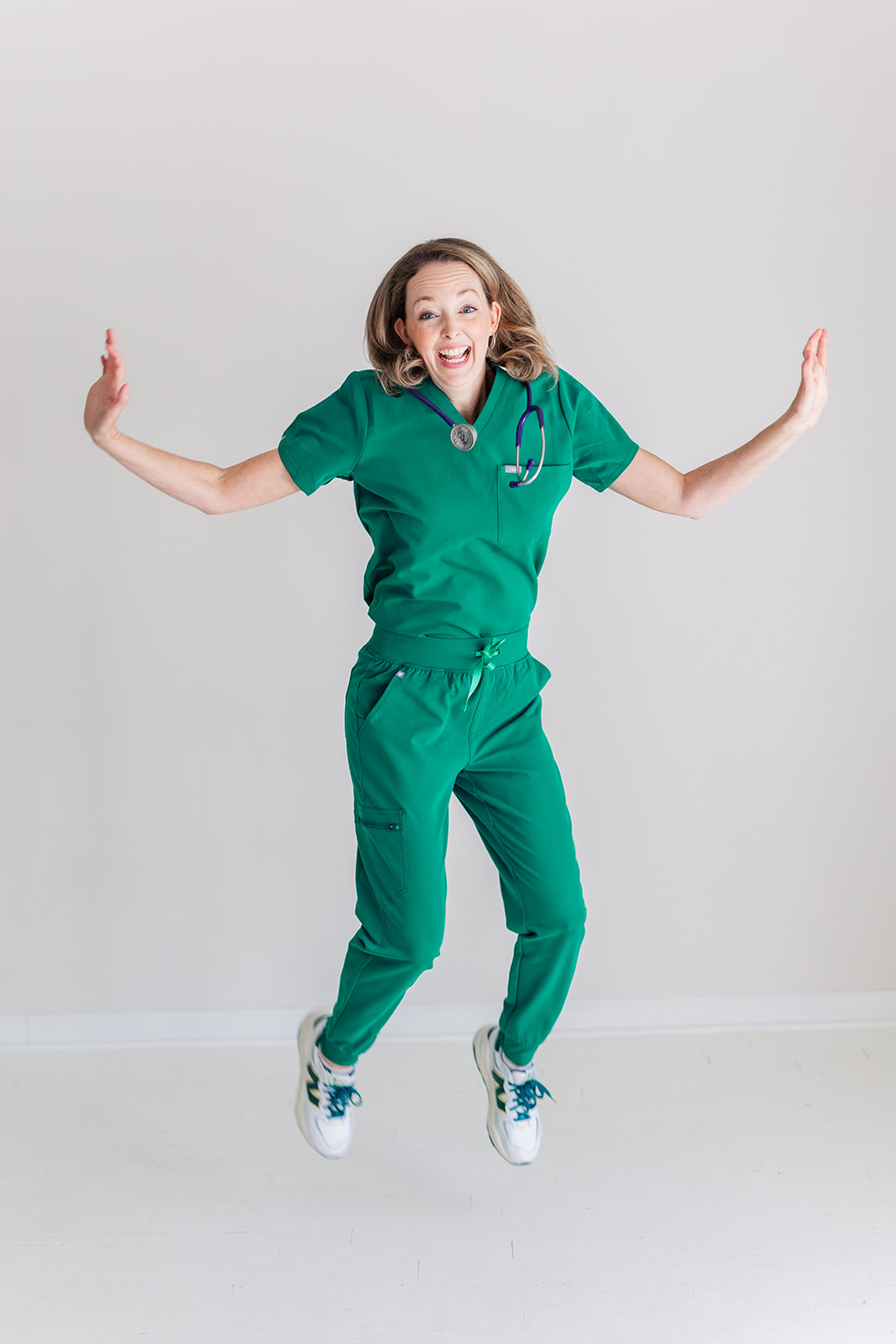
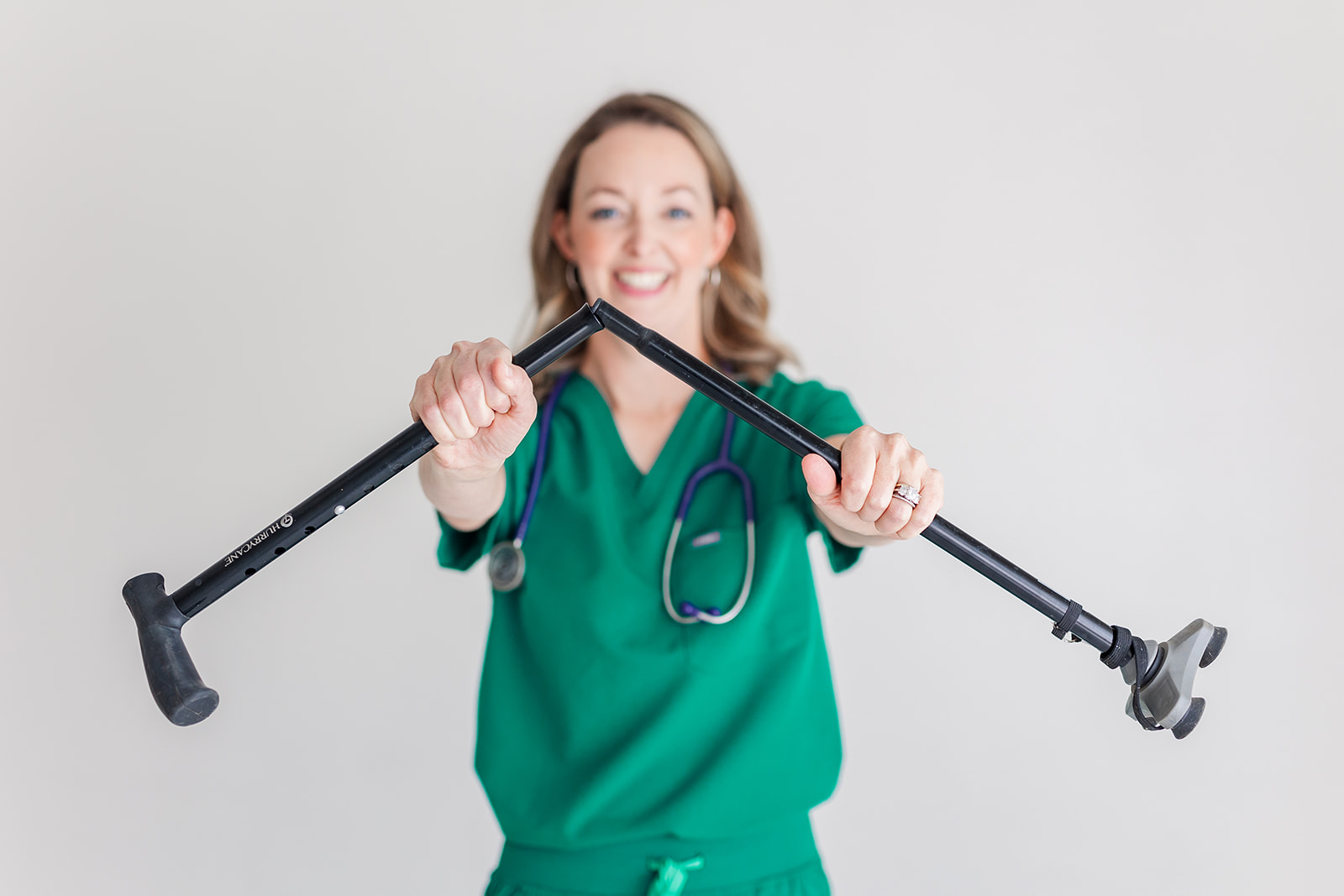
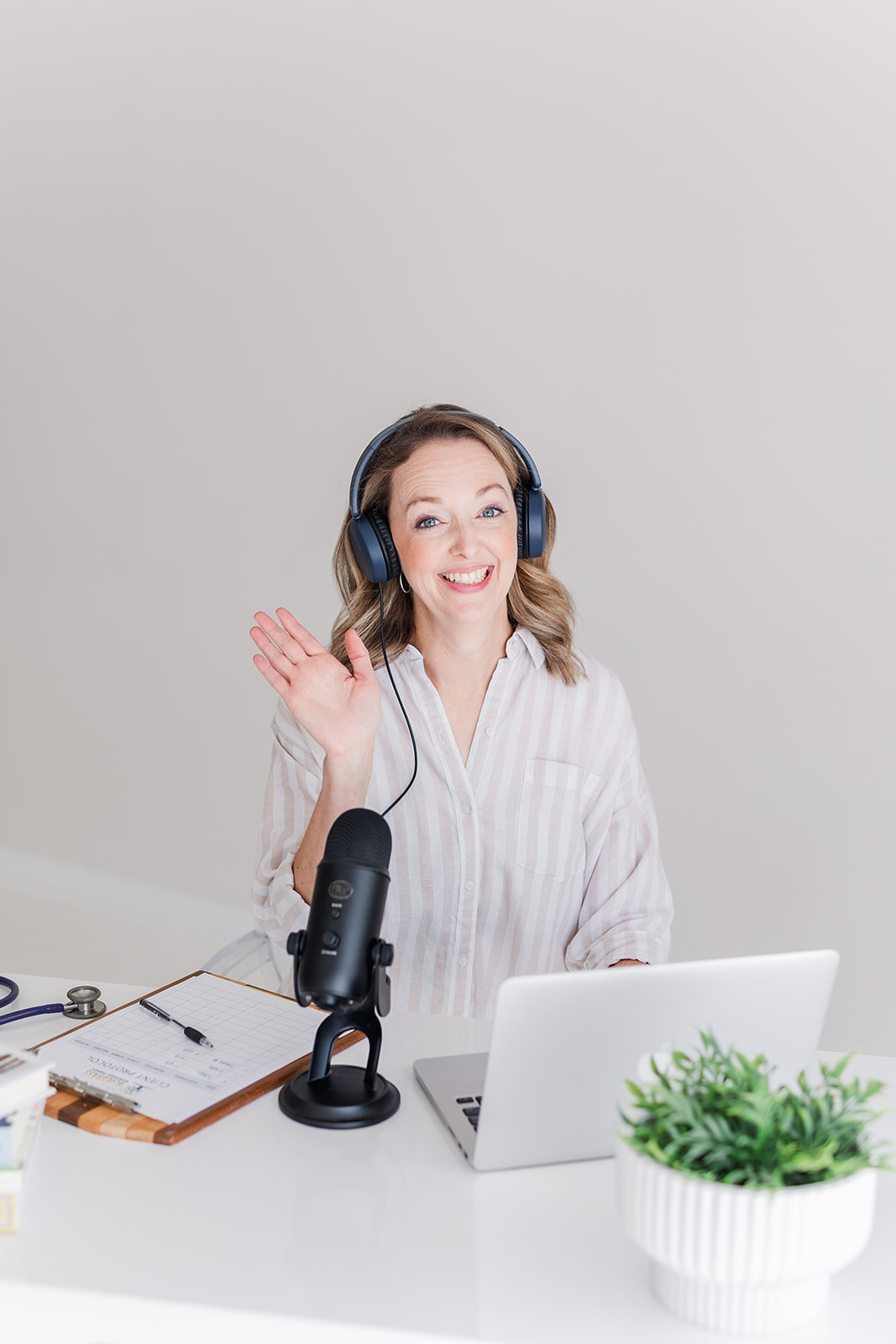
Image Credits
Rachel Danielle Photography