

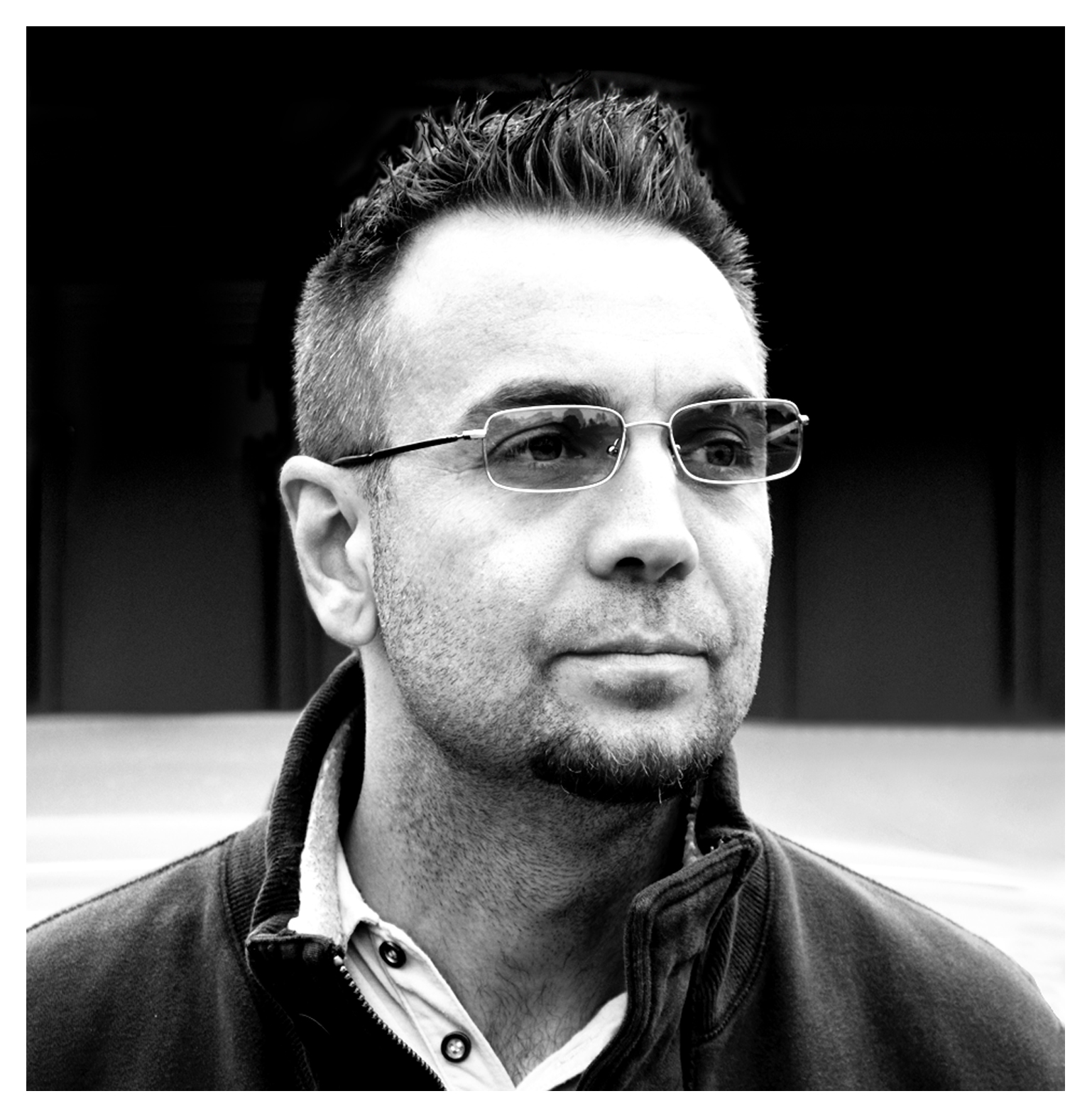

We caught up with the brilliant and insightful Brian Eisenberg a few weeks ago and have shared our conversation below.
Brian, looking forward to hearing all of your stories today. We’d love to hear about a project that you’ve worked on that’s meant a lot to you.
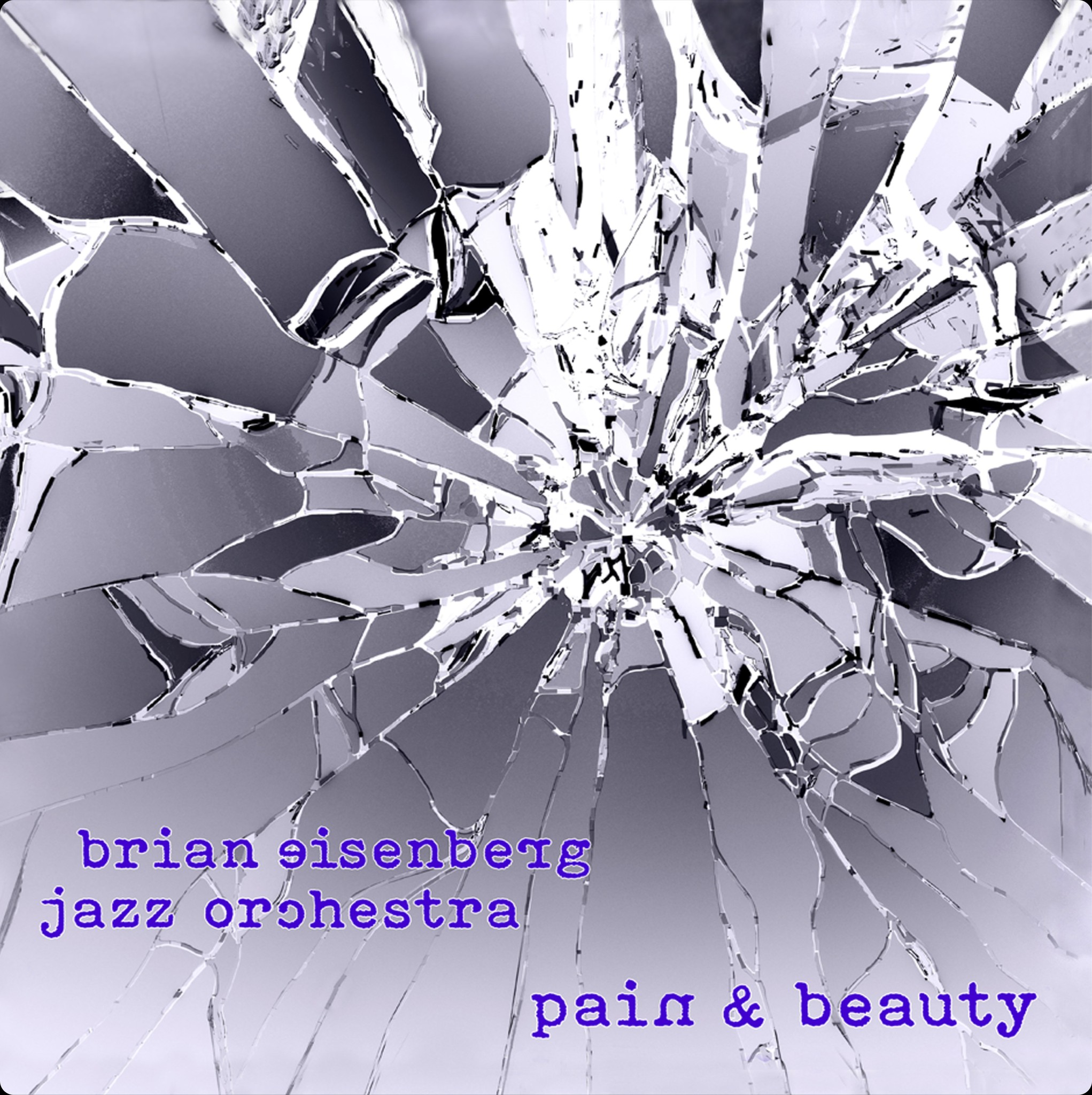
All 3 of my albums carry tremendous weight for me personally, but I think also for the jazz world artistically. I try to write and produce the most cutting-edge music, while still keeping a strong link to the past with reverence for the jazz tradition. I assembled some of the best musicians in the world to record my music, and in particular the soloists who also add their improvisation to the mix really helped create 3 substantial musical masterpieces. I drew mostly from the Los Angeles pool of world class musicians but also brought out two of New York’s top jazz artists, Dick Oatts (Saxophones) and Scott Wendholt (Trumpet/Flugelhorn) to play on my second and third albums, respectively. In addition, for my first and second albums, I hired arguably the greatest drum set player ever, Vinnie Colaiuta who in the scope of my music was improvising more than anyone else, bringing his masterful interpretations of my charts and laying down the foundation for the whole band with killer grooves. I am a drummer too, so I write a lot of odd meters and rhythmic metric modulations, so I needed a rhythm master like Vinnie to not only be able to play the stuff but play it convincingly. Growing up he was one of my drum heroes, so working with him made the albums particularly meaningful.
Awesome – so before we get into the rest of our questions, can you briefly introduce yourself to our readers.
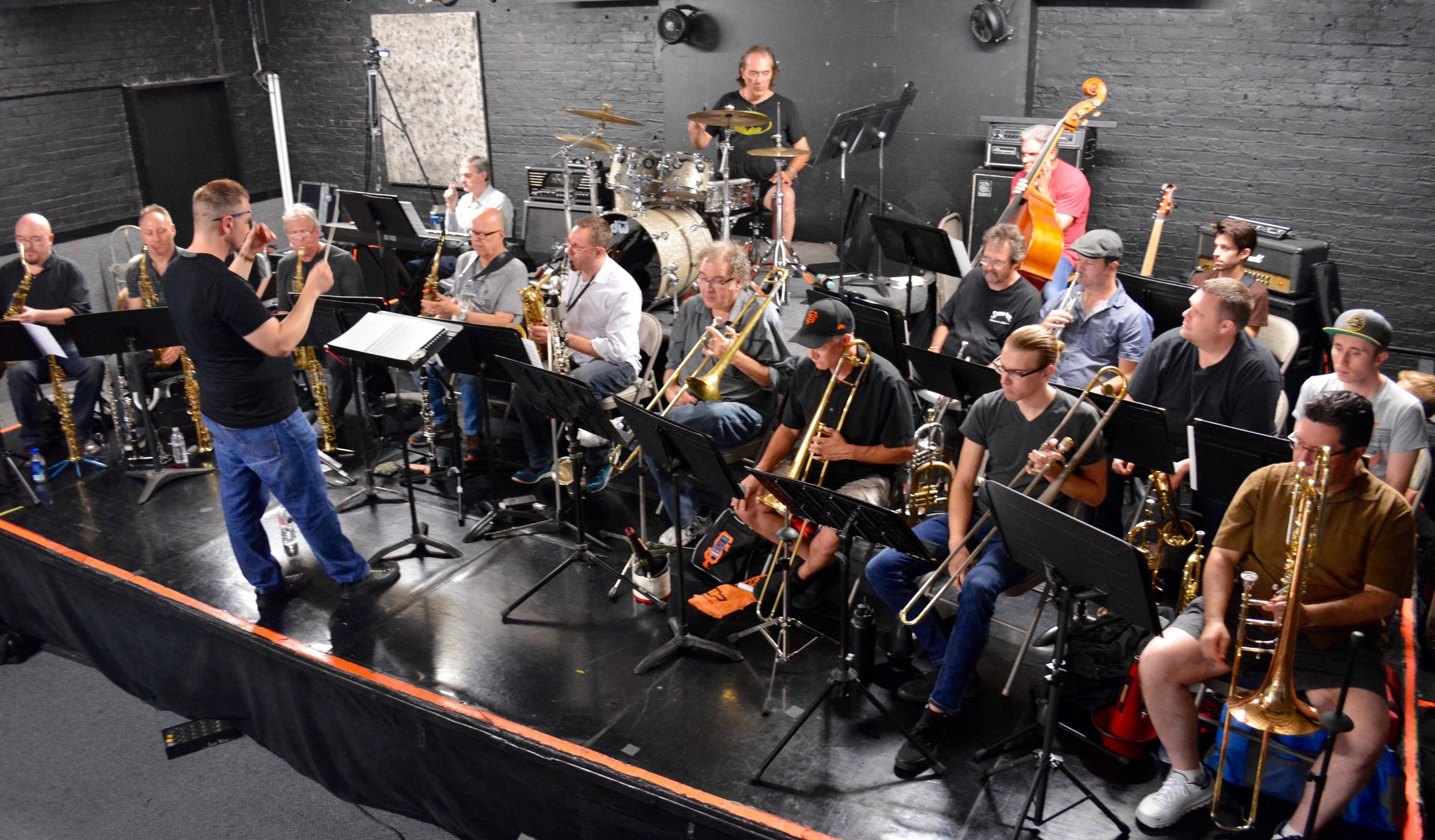
I direct my own band, the 18-piece Brian Eisenberg Jazz Orchestra that performs and records my original jazz compositions and arrangements. The band is comprised of topflight word class musicians, mostly LA based. We have 3 albums to date, all well received to critical acclaim. I’m a large ensemble jazz composer, in the vein of Thad Jones, Bob Brookmeyer, Jim McNeeley, Maria Schneider, and Bob Minzter. I also draw inspiration from 20th century classical music composers like Maurice Ravel, Claude Debussy, Igor Stravinsky, and Vincent Persichetti. I strive to be an innovator with a unique voice, expanding on all elements of jazz composition like harmony, melody, rhythm, form, and orchestration to truly be an artist. Also since improvisation is a part of jazz, I try to recruit the best individual jazz artists to bring their unique voices to my music and the band. If you listen to my music, about 50% of what you’re hearing is being improvised by members of the band. I provide the form, chord changes, context, meter, time feel, and some written parts, while they add their improvisations. Essentially, I bake the cake and they add the frosting.
In your view, what can society to do to best support artists, creatives and a thriving creative ecosystem?
For supporting musical artists, please DO NOT pirate their content, fileshare, or post content that you do not own. It’s not a victimless crime, and it’s not “war on the record industry”. It’s also not “fair use” to post something online that you don’t own the rights to for all the world to consume and download for FREE. Each time an artists album is pirated and passed around for free, they lose money that is rightfully theirs, and probably also lose motivation to continue creating. Especially with independent artists like me, my projects are self financed and I rely 100% on the support of fans to continue making albums. $10 is a very small price to pay for something you can own and enjoy FOREVER. In addition, if the artist chooses to use streaming, opt for actually purchasing the content. Streaming provides artists with pennies for thousands of plays, and I myself am against it, none of my albums are available on any streaming platforms. Unfortunately most people don’t care, but it’s worth driving this point home. If you truly appreciate an artist, then PAY for their content and encourage others to do the same. It’s really up to “the fans” to put and end to online piracy, as it’s almost impossible for artists to track down pirated content and have it removed.
What’s the most rewarding aspect of being a creative in your experience?
Seeing my projects to completion is incredibly rewarding. The music I write is usually conceived at the piano, then fleshed out in the score in a computer music notation program, which includes a limited playback of synthesized instruments to hear what it will sound like played by the band. And of course, the notation program only plays back the written parts, so when my band actually plays the music and adds improvisation, it’s a whole new complete sound. I hand pick the improvising soloists in my band, so I can anticipate that their styles will mesh well with mine, but each time I’ve recorded there have been extra pleasant surprises in what they brought to the music.
Hearing the first mixes after we record is usually the sweetest moment, because when we’re in the studio recording and I’m conducting and running things, I’m so focused on the administrative part of it that I’m not fully able to appreciate the magic we are creating in that moment. Then later on after the album is released and I’m getting lots of positive feedback from not only the fans and critics, but from the guys in the band too, that’s the second most rewarding part.
Contact Info:
- Website: https://brianeisenbergmusic.com/
- Facebook: https://www.facebook.com/brian.eisenberg.490671/
- Youtube: https://www.youtube.com/channel/UC3lE0lGekspB6P4phlpMf9Q
- Other: https://www.uncjazzpress.com/searchresults.asp?Search=brian+eisenberg&Submit=
https://stores.imaginemusicpublishing.com/search.php?search_query=eisenberg
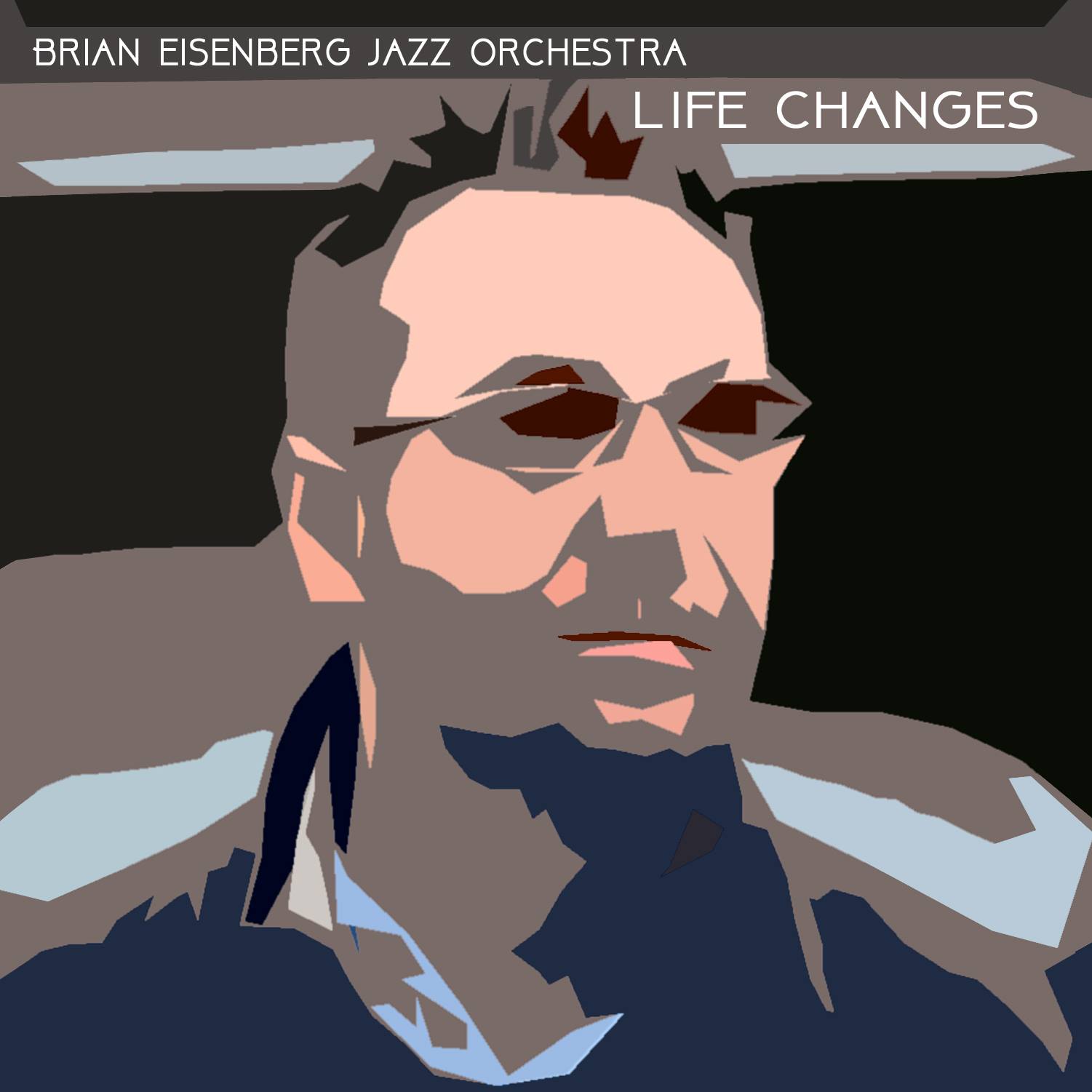
Image Credits
Sam Rabourn