

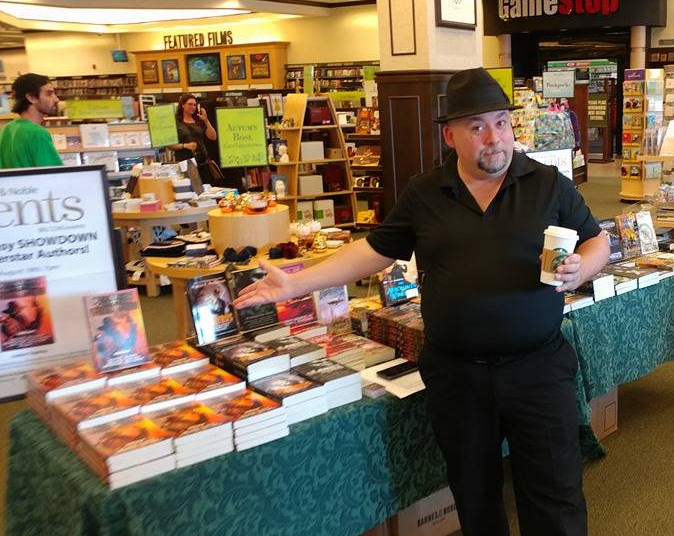

Alright – so today we’ve got the honor of introducing you to David Boop. We think you’ll enjoy our conversation, we’ve shared it below.
Alright, David thanks for taking the time to share your stories and insights with us today. We’d love to hear the story of how you went from this being just an idea to making it into something real.
Great question! I do several different things through my company Longshot Productions such as writing and editing. Each comes with a development path. When it comes to writing, I am sometimes given a specific theme or prompt, Otherwise, I come out with an idea that won’t let me go until I write it. Depending on the estimated length of the piece, I generally write until I find a good breaking point, usually somewhere around 1000 to 3000 words. The next time I sit down to write, I edit the previous day’s writing then continue from there. I don’t revised the whole piece, just what was written the day before to refresh myself on where I was going with it. After the story/novel is finished, I walk away from it for awhile, then come back to edit the whole thing from the beginning. This technically is considered my second full pass. After that pass, I send it to my first readers to critique. I revise according to their notes, thus generating a third pass. After that, it goes to my agent, who gives me notes, making a fourth pass. I’ll go through one more time with proofing marks turned on to get rid of extra spaces, etc. (5th and final pass) Then it’s ready to be sent to the publisher’s editor. They will then return edits which I get to decide if I want to make or not (I almost always make them). There are usually two rounds of this (6th and 7th revisions), then I wait for the e-ARCs (electronic Advance Reader Copies). That’s my last opportunity to make sure everything looks good in the book before it goes to press.
Anthologies are a different beast all together. First it’s generating a concept and finding a selection of headlining authors who are interested in being a part of it, if it sells. Once I have 3 – 4 big names, I pitch it to publishers until one buys it. I’ll start generating invites that include theme, word count, and deadlines, and pay. I’ve now added more people to the invite only list (I don’t do slush reads, if I can help it). The invites go out and I wait. Once the stories start coming in, I begin editing them. The first pass is always developmental: asking for clarity and making suggestions on how the story can flow better. Once I get back that back, the next pass will be mostly copyedits. I’ll get that one back, enter the changes, and send it once more for final approval. Once they sign off, I send a contract for the story and pay them once we’ve both signed off.
It goes then to the publisher who sends back their own edits, usually just copy edits, which go to the authors. Once they have returned those, the next step is receiving the e-ARCs. This is the actual book as it’ll look when printed. This is the final chance for anyone to make corrections to the text before it goes to print. Once all of that is done, the anthology goes to print.
David, love having you share your insights with us. Before we ask you more questions, maybe you can take a moment to introduce yourself to our readers who might have missed our earlier conversations?
I’m a Denver-based speculative fiction author & anthologist. I’ve also won awards for essays and screenwriting. Before becoming a writer, I worked as a newspaper editor-in-chief, a DJ, film critic, journalist, and actor.
I always wanted to make movies, but was hampered by disabilities, mostly mental & emotional. The biggest one being ADHD, which made focusing on a film path difficult. So, when word processing finally caught up to where I could write non-linearly, I tried writing short stories and novels. Once I had some minor success there, I went back to school to improve my craft, finally graduating Summa Cum Laude from the University of Colorado – Denver in Creative Writing.
I’ve had four full novels published: the sci-fi/noir, “She Murdered Me with Science,” a Weird Western, “The Drowned Horse Chronicle,” and “Rippers Resurrected: The Soul Changers,” a historical, dark fantasy media tie-in. I also edited the bestselling and award-nominated Weird Western anthology series starting with “Straight Outta Tombstone,” followed by a trio of Space Western anthologies beginning with “Gunfight on Europa Station.” I also edited several pulp anthologies including “Green Hornet & Kato: Detroit Noir City.”
In short fiction, I’ve had published over 100 shorts including media tie-ins for Predator (nominated for the 2018 Scribe Award), Kolchak the Night Stalker, The Green Hornet, and Veronica Mars.
During the pandemic, I became a tutor of English and Creative Writing, At first this was through other companies such as Varsity Tutors. Now, I do it privately through my company, Longshot Productions. I tutor ages 5th grade to adult on essay writing, speech writing, creative writing, and even stand-up comedy/improv, as I was a stand up comic in the late 80s. Many of my clients need help moving from loose ideas to a structured prose, and my experience as a developmental editor helps in that regard. I also teach them critical thinking techniques.
I’m most proud of my recent novel, “Permutations: A Well World Mosaic Novel.” This is a tribute book to the late author, Jack L. Chalker, who wrote the Well World Series. This was a labor of love, as I had to build a “world bible,” that laid out all the facts about Jack’s Universe and also describe hundreds of alien species that it contains. Then I wrote a prolog and epilog for the stories that other authors wrote. I had to do this in as close to Jack’s voice as I could while weaving the other author’s characters into it. This was a huge challenge, but the reviews for it have been outstanding, so well worth the time and energy spent.
Is there something you think non-creatives will struggle to understand about your journey as a creative?
Most people think as authors get up in the morning, write a novel, then send it off to be published. As you read in the previous section, it’s anything but. However, there is also other aspects to writing most people don’t consider, and that’s how life is constantly getting in the way of writing. I should be writing right now, but part of promotion is doing web tours to places like this (Thanks, again, Chris!) The business of writing is just as important as writing, and until you’ve “made it,” there is often no one but you to do that, too. I work on my website and web presence several times a week. I do conventions at least six times a year for three to five days each time. I do all sorts of other events to get my name out there. That all takes away from writing time.
Then there are real life concerns, such as relationships and health. Writing is mostly a solitary thing, and when you have family and friends, it cuts into social time. Or, social time cuts into writing, either way you want to look at it. Then, factor in health issues. I’ve had major surgeries since becoming an author and was recently diagnosed with diabetes and a form of narcolepsy called Idiopathic Hypersomnia, both which can cause low energy and a lack of desire to write. Then a friend, family member, or loved ones dies? You’re talking grief, depression, and malaise. Writing seems meaningless when mortality hits you. “I should’ve done more X instead of always writing Y.” Everything tries to pull an author from their writing, and you must fight through all of it to meet deadlines and keep the engine moving forward.
Where do you think you get most of your clients from?
I cannot speak highly enough about attending conventions, especially literary-themed ones. Everything good that has ever happened to me in this career came from a con. From my first published short story to my latest novels and anthologies, each was from a connection I made at a convention. There are, of course, many different styles of cons, from small reader-focused cons (often called Relax-a-cons) to Comic Cons like San Diego (Mega-cons). Each brings challenges and rewards. The bigger cons allow you to sell more books and get more exposure on panels, while smaller cons lend to more networking and connecting to your fan base. It’s good to have a mix of these every year. I meet with one of my publishers at Dragoncon in Atlanta every year, while I acquired the headliner for my recently anthology when she was guest of honor at a 500 attendee con in Colorado Springs.
These cons are also where I meet potential clients for tutoring after they’ve heard me speak on panels (I mean, if I’ve said anything remotely intelligent, that is).
Cons are also where I’ve found my tribe. Authors, like me, who I’ve built into a network of referrals and advice givers. These are the ones I reach out to when I have long-dark-nights-of-the-soul, laying in bed, experiencing impostor syndrome (the feeling like everyone if better than you, and you’ll never get published again). Having a support system around you of peers, who have your back in times of crisis, is important.
Contact Info:
- Website: http://www.davidboop.com
- Instagram: https://www.instagram.com/davidboopdenverauthor/
- Facebook: https://www.facebook.com/dboop.updates
- Linkedin: https://www.linkedin.com/in/david-boop-2431aa10/
- Twitter: https://x.com/david_boop
- Youtube: https://www.youtube.com/@longshotproductions5064
- Other: https://bsky.app/profile/denverauthor.bsky.social, https://www.amazon.com/author/davidboop, https://www.tiktok.com/@denverauthor1986
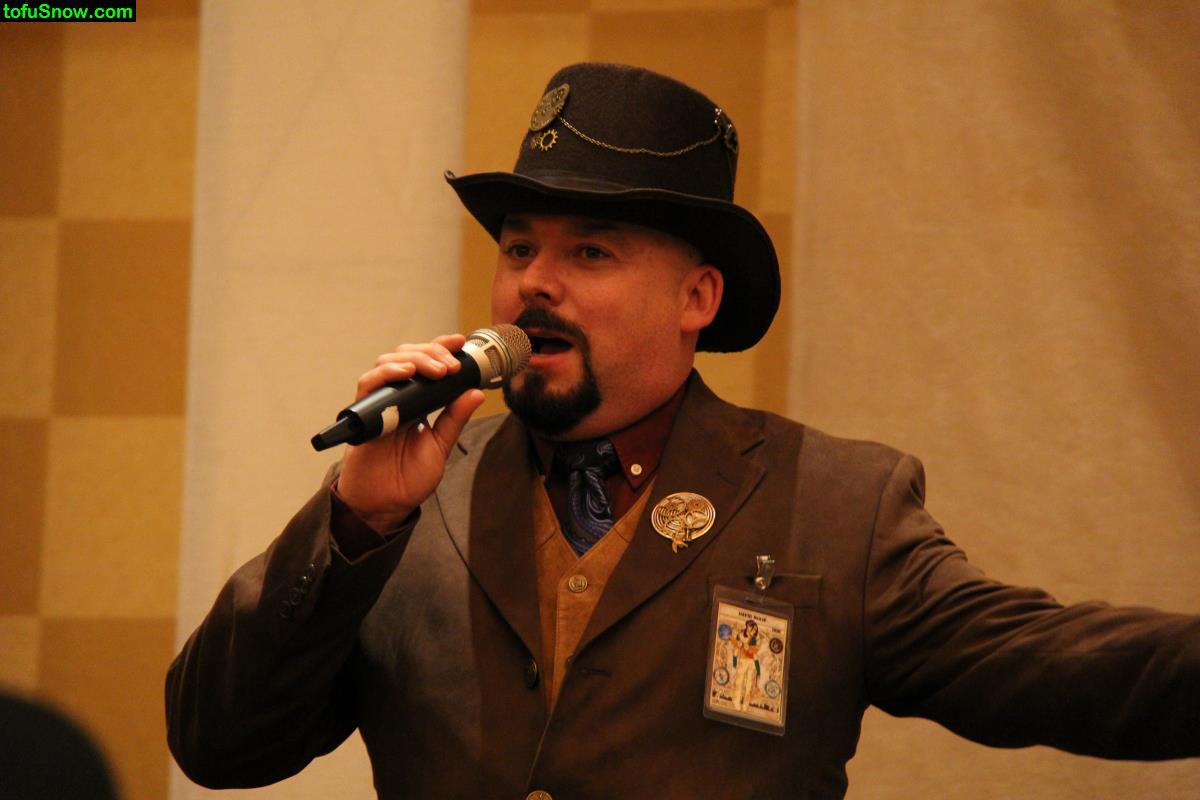
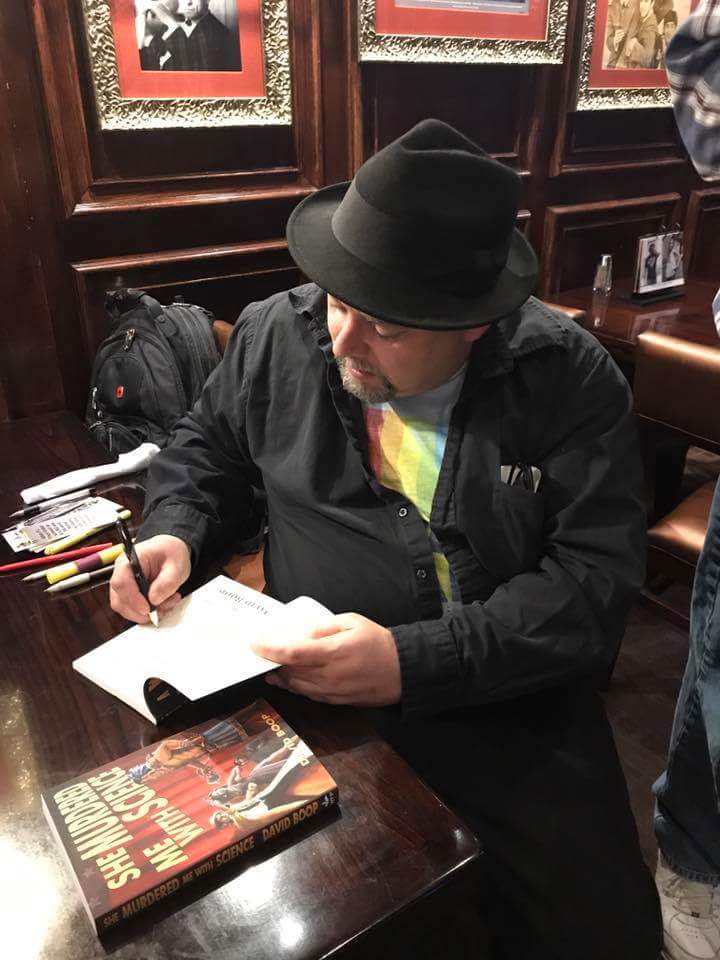
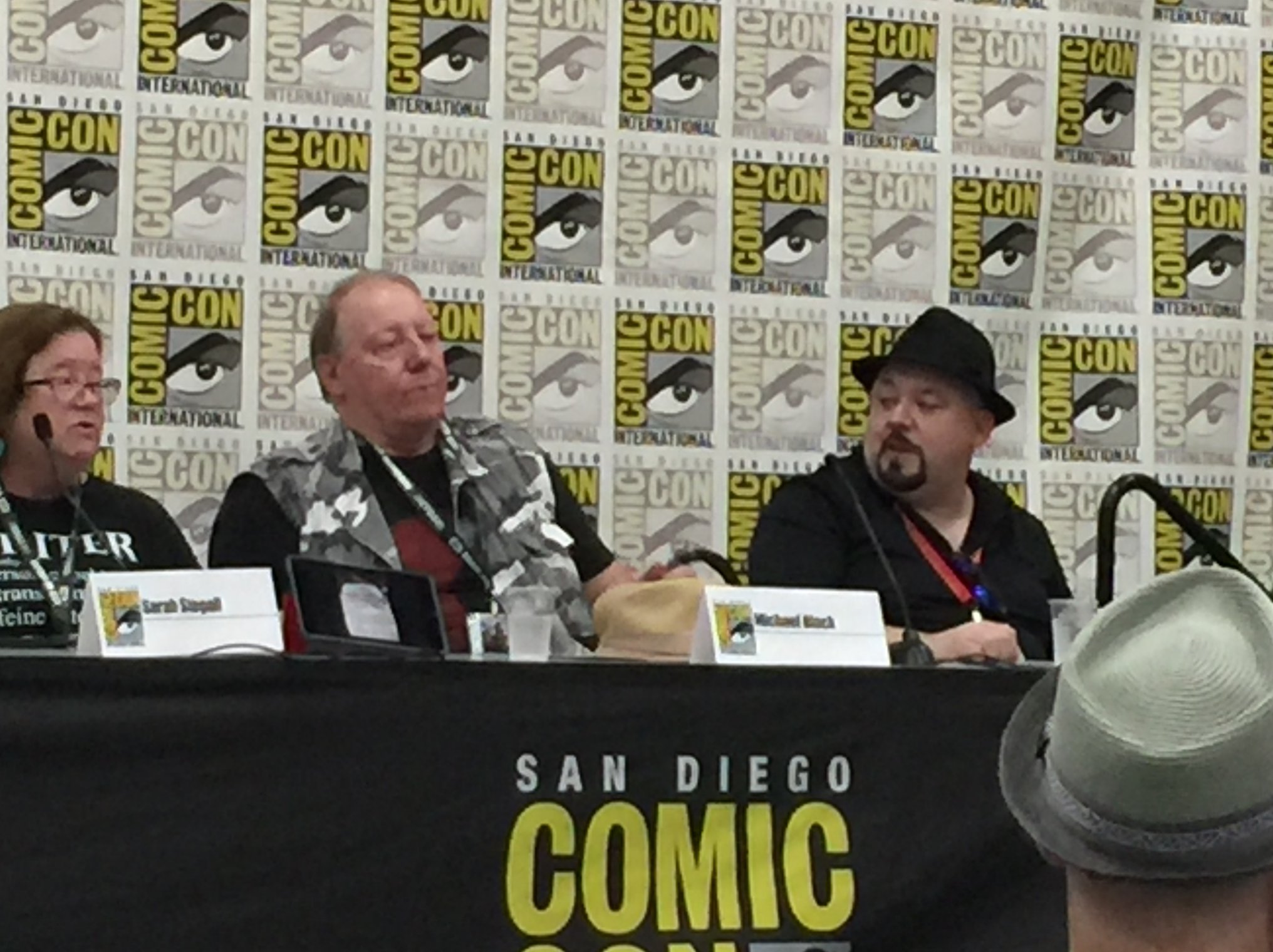
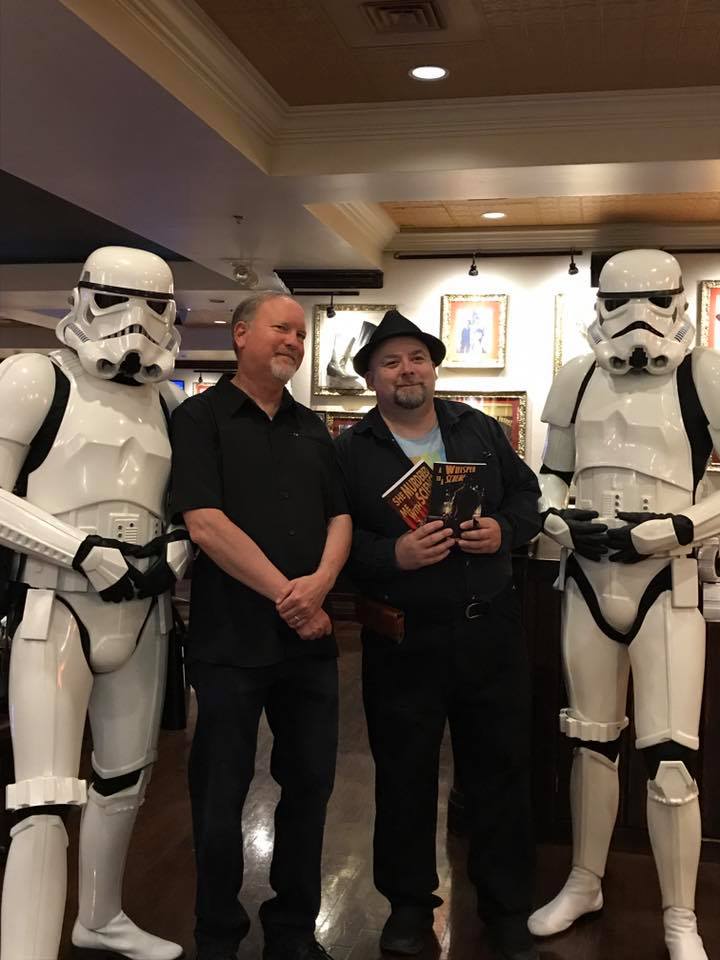
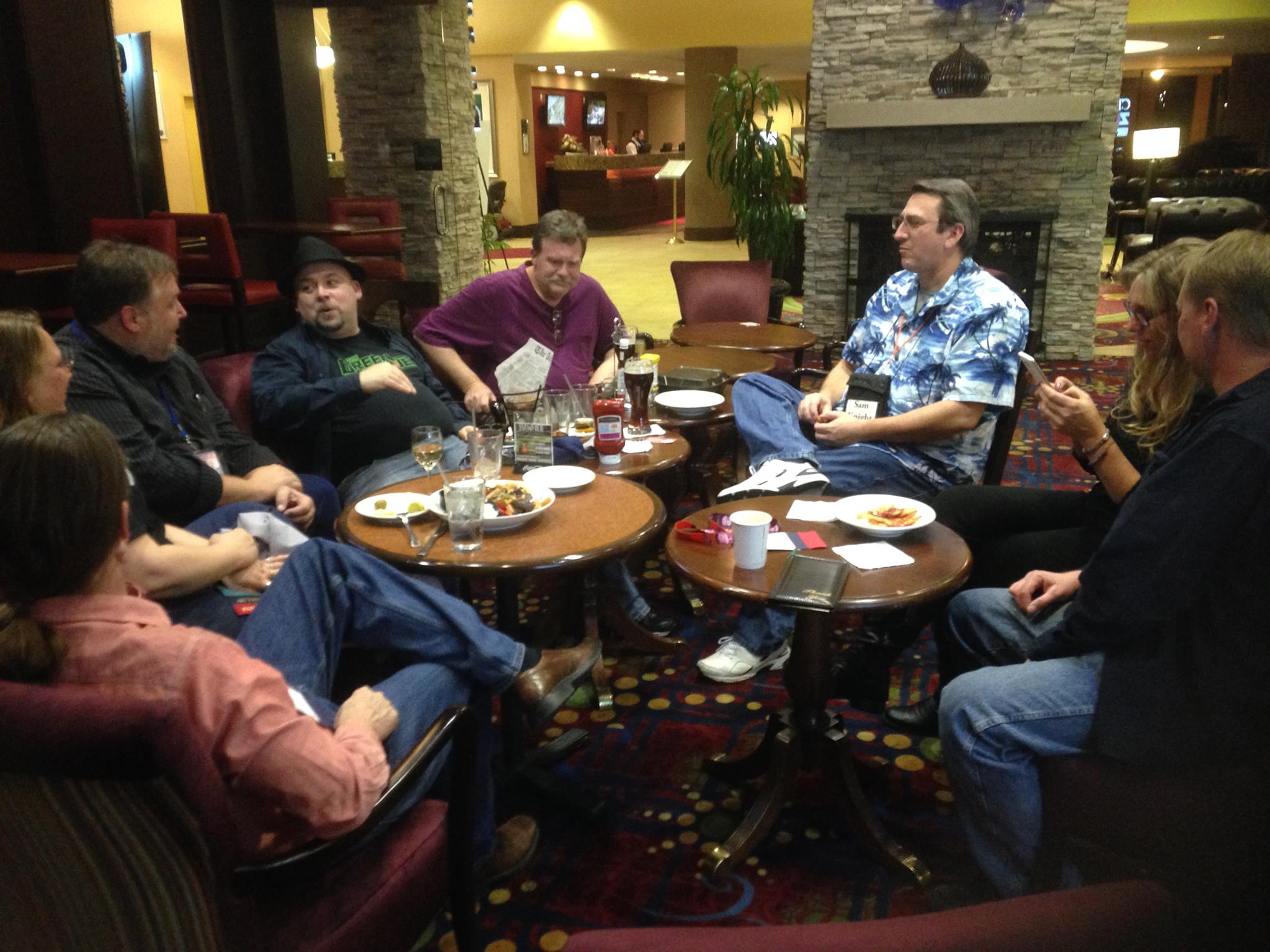
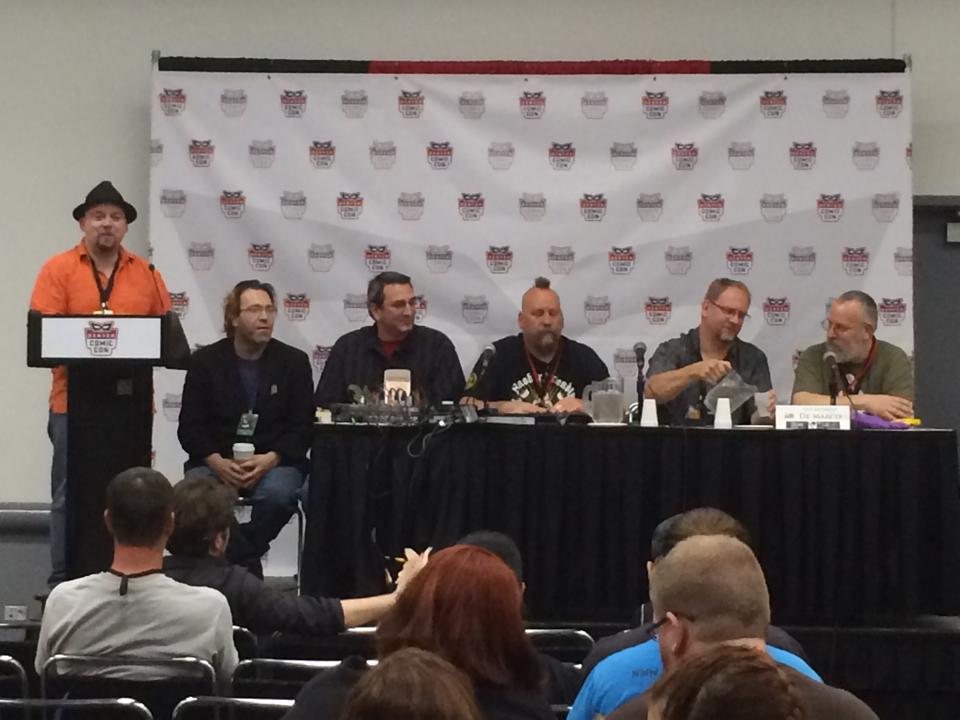
Image Credits
David Boop