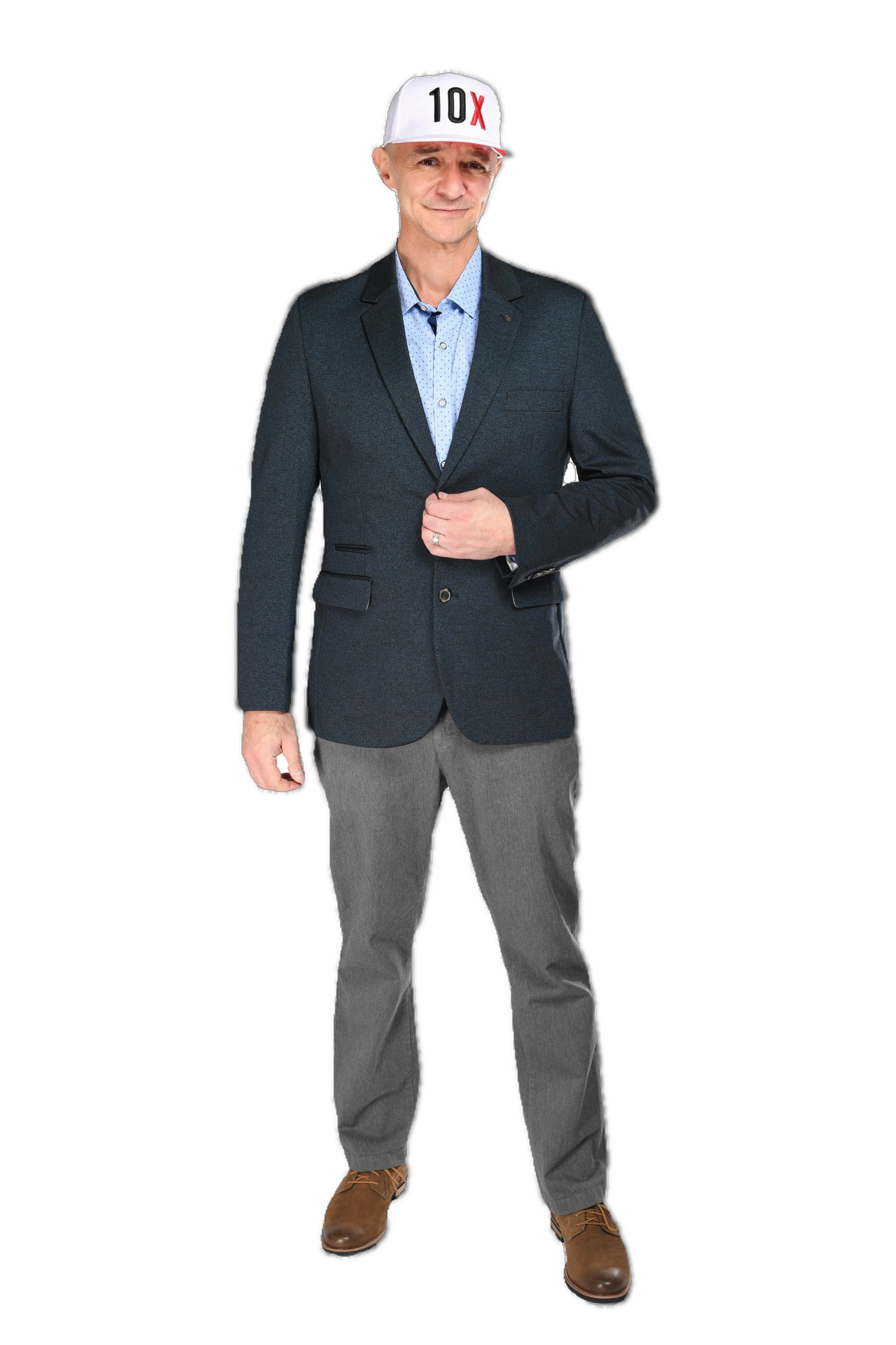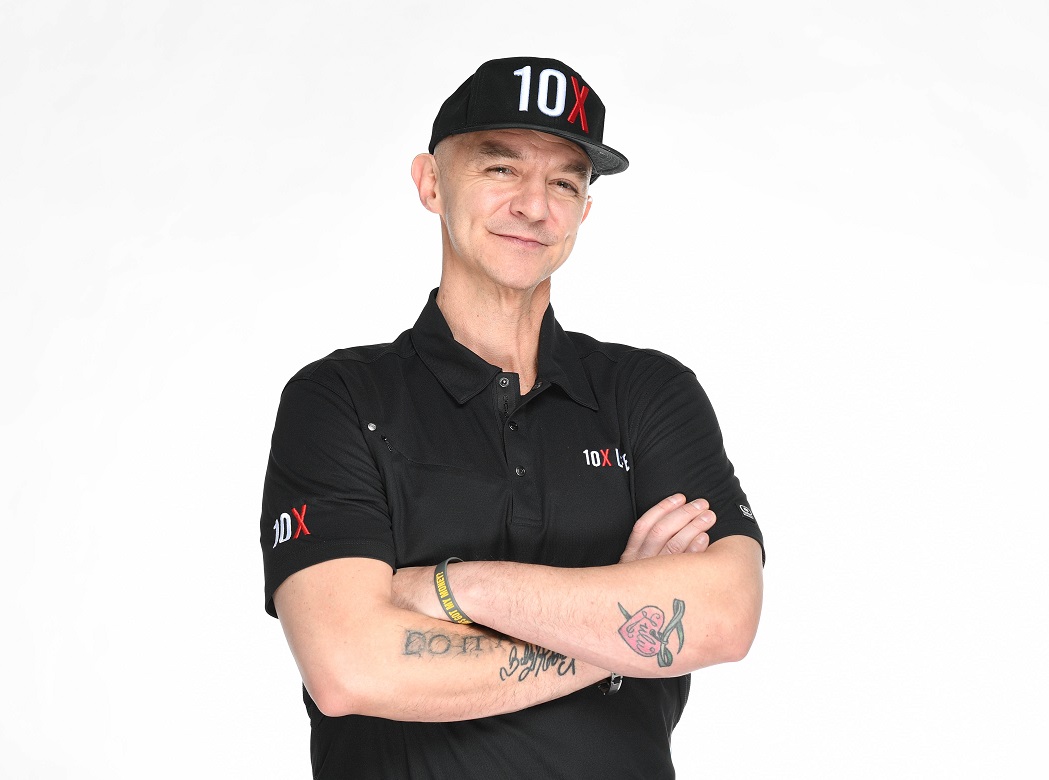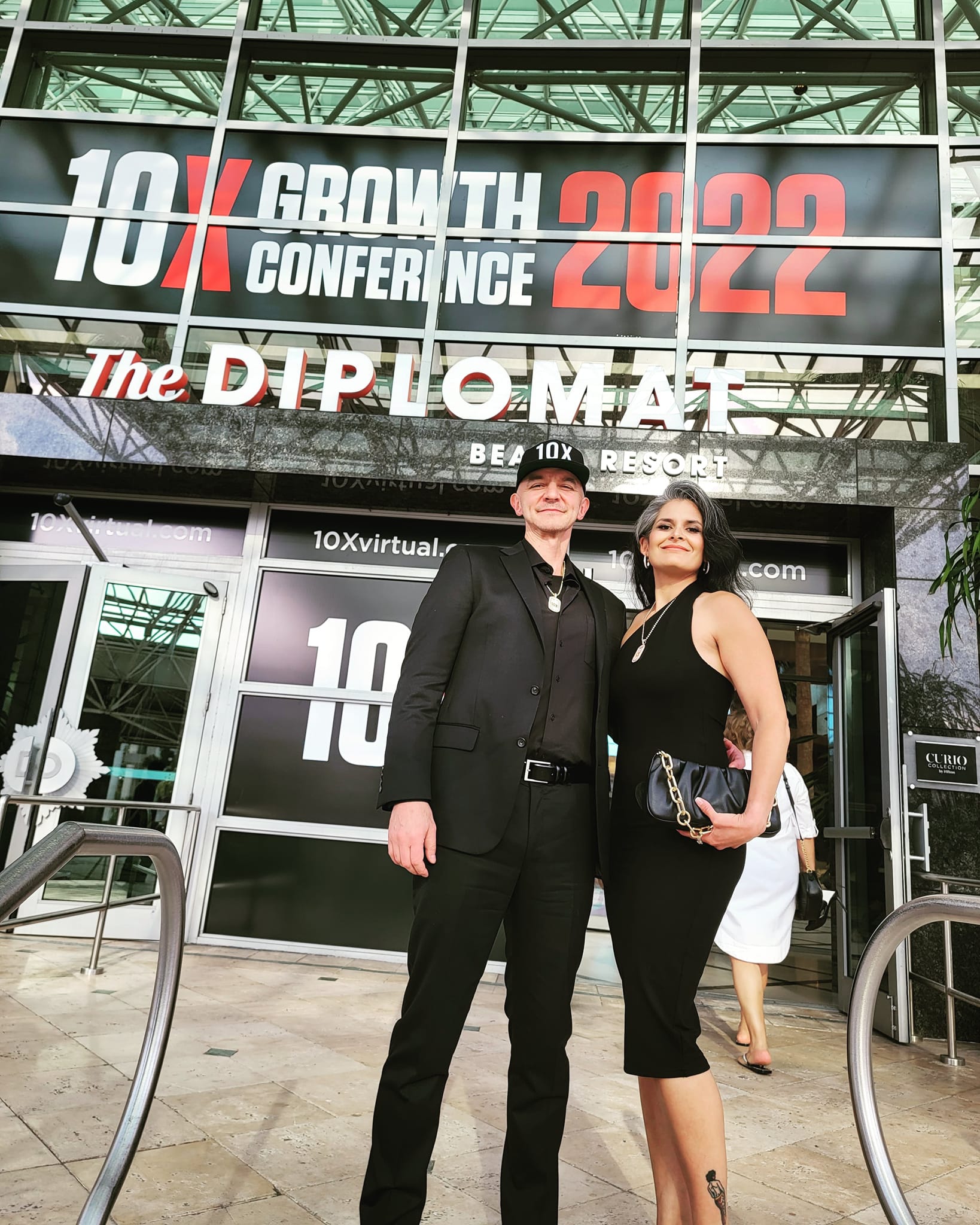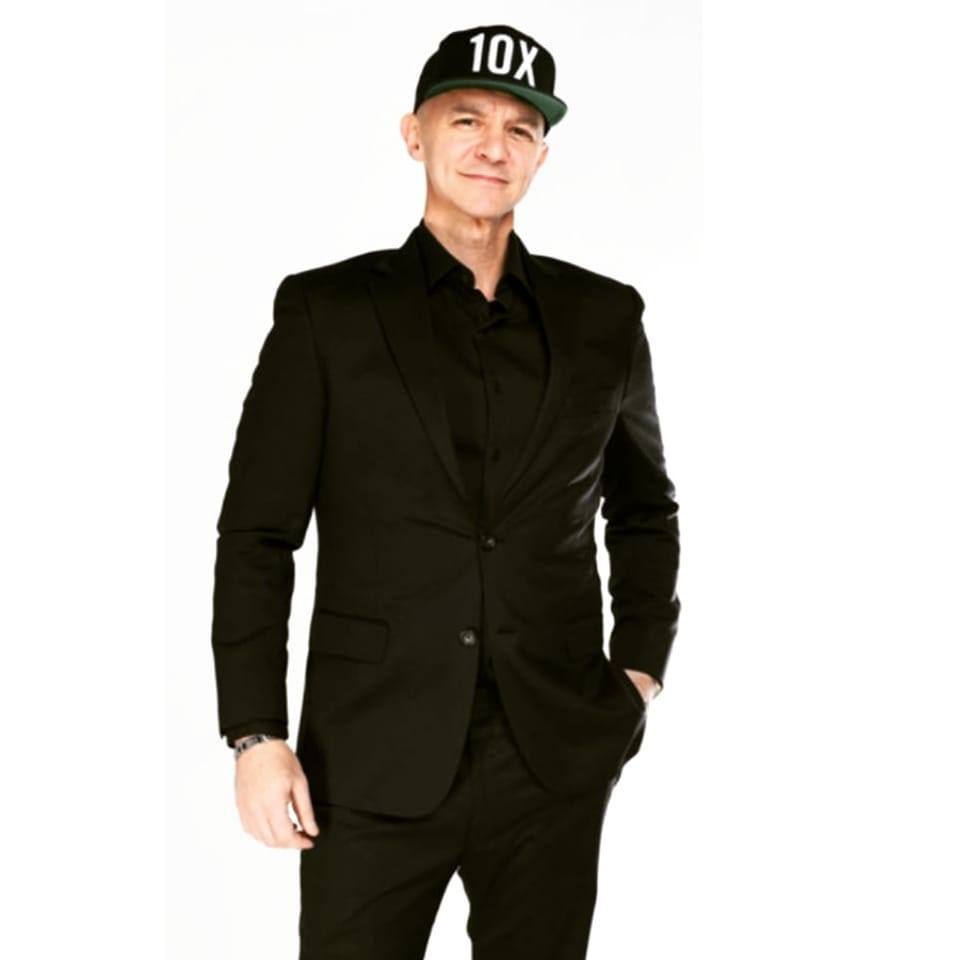

We caught up with the brilliant and insightful Jake Shannon a few weeks ago and have shared our conversation below.
Jake, thanks for taking the time to share your stories with us today Risking taking is a huge part of most people’s story but too often society overlooks those risks and only focuses on where you are today. Can you talk to us about a risk you’ve taken – it could be a big risk or a small one – but walk us through the backstory.
I’ll give you a real one — not the Instagram version.
In October 2021, I wrote a $25,000 check I technically had no business writing.
At the time, I wasn’t broke, but I wasn’t sitting on a lazy pile of liquidity either. Lockdowns had decimated my main two businesses and source of income. I was married, three kids, multiple ventures, and like every entrepreneur who actually swings the bat, I had capital in motion. I’d already been through cancer as a kid, so I’m not impressed by fear — but I am very aware of risk. And this decision was pure risk: no guarantee of ROI, no safety net, no “we’ll see how it goes.” It was either going to accelerate everything or expose everything.
The offer was 10X business coaching. Most people in that situation do what average operators do: they “wait until Q1,” they “revisit it when cash flow normalizes,” or they “see if they can piece it together from YouTube.” That’s how people stay in the middle. I’m not built for the middle.
Here was my calculus:
* I wanted to scale faster than my current operating system could handle.
* I was already good — but I wanted to be undeniable.
* I knew proximity collapses time.
* And I knew if I put real money down, I’d show up like a savage.
So I took the shot.
No payment plan. No hedging. Just: “Let’s go.”
Here’s what happened.
Because I had real skin in the game, I executed like a professional, not like a dabbler. I tightened my sales process, I dialed in my offer, I started leading instead of “servicing,” and I stopped tolerating low-output activities. Within 45 days, I closed my first $25,000 coaching contract — which meant the risk paid for itself in half of one quarter.
That’s the part people clap for.
But that’s not the real win.
The real win was this: taking that risk forced me to operate at the level I’d been telling myself I belonged at. It exposed that the bottleneck wasn’t the market, wasn’t social media, wasn’t “the economy” — it was me. Once I proved to myself I could turn $25K outlay into $25K intake in 90 days, the game changed. Now it was just math and repetition.
And this is the part I want you to hear, especially if you’re reading this thinking, “Yeah but my situation is different.”
It’s not.
High performers aren’t “lucky.” They take asymmetric bets — risks where the downside is temporary and the upside is compounding. That’s what I did. Worst case, I would’ve learned and rebuilt. Best case — which is what actually happened — I created a repeatable revenue skill set that I still monetize today.
So when people ask, “Should I hire a coach?” I always smile.
Because the real question isn’t, “Should I hire a coach?” The real question is, “Am I willing to become the person who actually does the things they already know they should be doing?”
That’s what I do with my clients.
I don’t sell motivation. I don’t sell comfort. I sell outcomes — with accountability baked in.
If you’re in the spot I was in back then — good, talented, experienced, but not firing at the level your potential keeps taunting you with — then your next move is the same one I made:
Make a real commitment so you can get real results. Only when you’re ready to commit, can risk turn into reward.
Jake, before we move on to more of these sorts of questions, can you take some time to bring our readers up to speed on you and what you do?
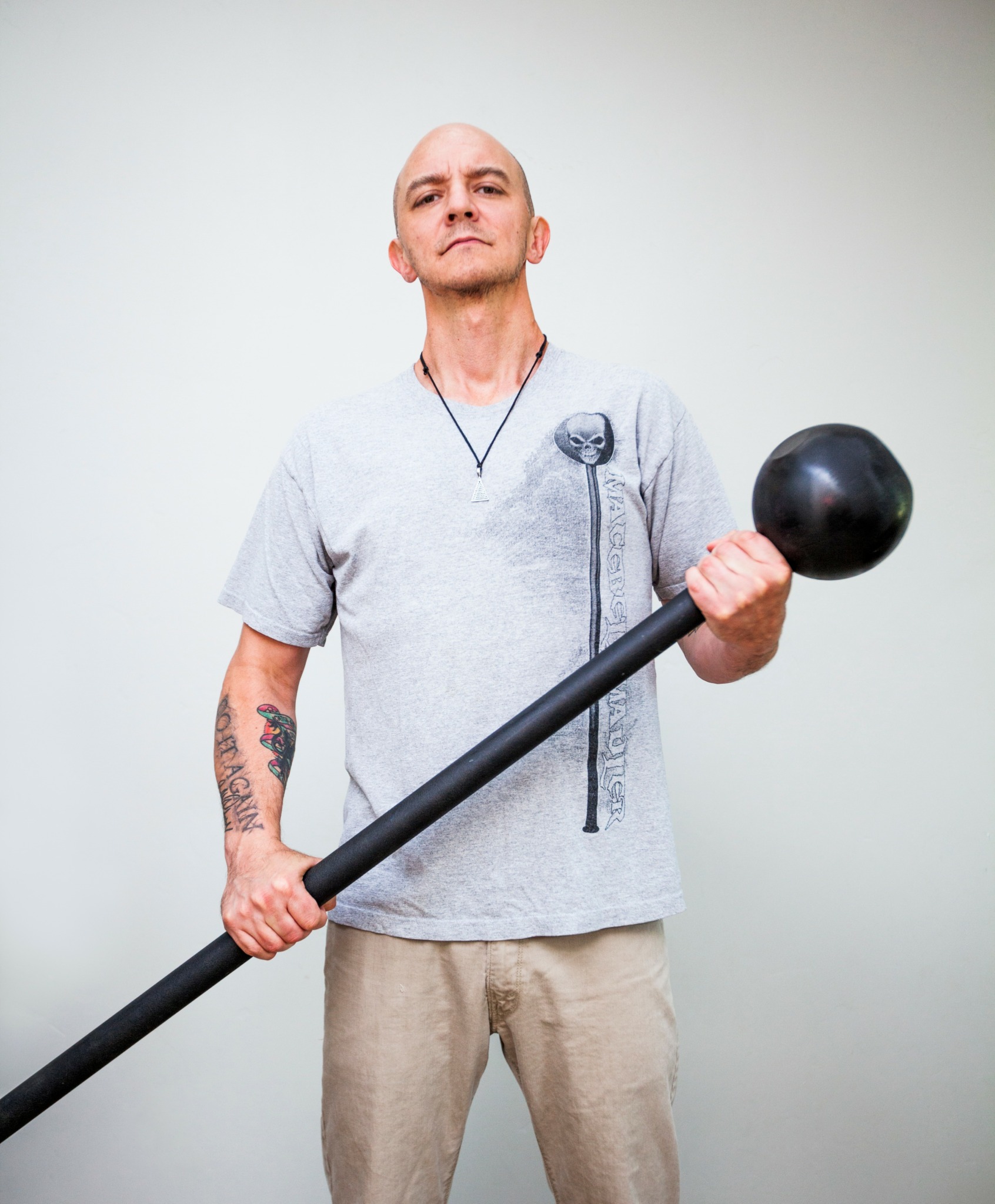
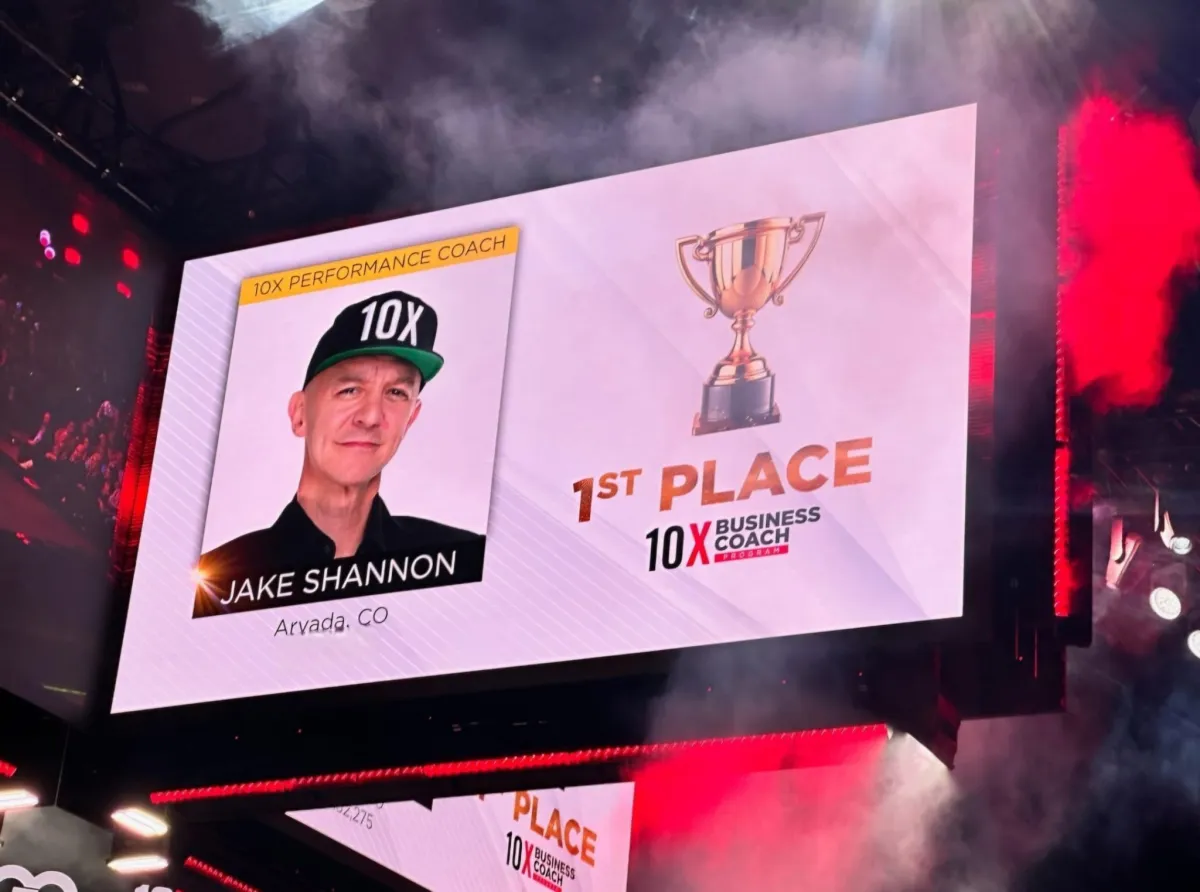
Absolutely — I’m Jake Shannon. I integrate high-performance sport coaching, precision business execution, and the art of converting attention into income. I’m probably best known right now as the 2024 10X Performance Coach of the Year and secondly as either the guy behind ScientificWrestling.com — the world’s leading authority in catch-as-catch-can wrestling — or as the inventor of The Macebell and the modern fitness mace movement, but the truth is I’ve been building movements, not just businesses, for decades.
I started in combat sports because I am fascinated by what actually works under pressure. Catch wrestling is historically brutal, efficient, and unforgiving. No fake belts, no cosplay, no participation trophies, no mythology. You either wrestle or you don’t. That philosophy bled into everything I do.
As I simultaneously moved deeper into business, I saw the exact same problem: lots of people “training,” almost nobody producing. A lot of theory, very little scoreboard. I’d already built a global niche brand from scratch in a sport most people can’t spell, so I knew two things:
1. Attention can be engineered.
2. Results can be standardized.
So I started helping entrepreneurs, coaches, gym owners, and founders do the same thing — build authority, package their intellectual property, and monetize it at higher levels.
Today, I run a portfolio of offerings that ladder up to one thing: helping ambitious people win faster.
1) Business & Performance Coaching (No1 Coaching): I work with entrepreneurs and leaders who are stuck in “potential purgatory” — good, but not dominant. We architect offers, build acquisition systems, fix sales, and install accountability. I’m not a “how did that make you feel?” coach. I’m a “show me the numbers and let’s close the gap” coach.
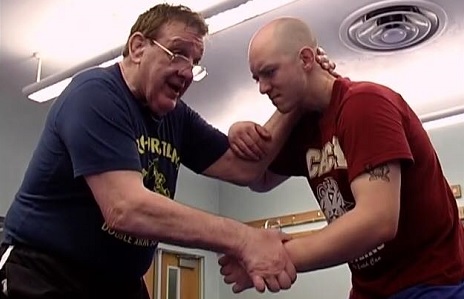
2) ScientificWrestling.com (Combat Sports): We run a Coaching Catch program, serve our Affiliate Gyms, promote events like CATCHCON, and we protect/preserve the lineage of real legends like Billy Robinson, Karl Gotch, Wade Schalles, Pat Miletich, and Frank Shamrock. We give gyms and instructors something rare in martial arts: authenticity plus commercial viability.
Shoot Pro Wrestling (Sport-as-Spectacle): This is my long game — making pro wrestling ‘real’ again, using competitive rules but keeping the spectacle. It’s a media and IP play, backed by a real grappling ecosystem.
Content & Thought Leadership: I speak, write (the “Sportify” series), and build frameworks to help founders stop “managing” and start coaching their businesses like high performance teams.
Most of my clients have the same three problems, regardless of industry:
1. They don’t have enough qualified attention. They’re good, but not known. I fix that with positioning, content strategy, and asymmetric attention plays.
2. Their sales process is mushy. Too many “missed targets,” not enough “closed.” I install structure, objection handling, and cadence. I live and breathe 10X — I understand high-ticket, fast-cycle sales.
3. They don’t have a winning operating system. They do random tactics, not repeatable plays. I turn their business into a sport: scoreboards, rankings, cadence, training, competition. When you sportify a business, everyone knows what “winning” looks like.
What sets me apart:
Bluntly, I’ve actually done it I took a weird, fringe sport and made it globally respected. That’s not theory — that’s distribution, brand-building, and relentless follow-through over 20+ years.
I integrate sport and business. Most business coaches quote books. I quote win-loss records and balance sheets. Gamification plus great coaching equals ‘sportifying’.
I tell the truth. I will tell you when your offer is too weak, when your content lacks a villain, and when you’re blaming the market for what is actually your lack of consistent pipeline.
I use legacy as leverage. I’ve built and protected the legacies of combat sports legends. That requires trust, rigor, and reputational excellence. I bring that same standard to my clients — your name should be an asset, not a liability.
I’m particularly proud that I didn’t sell out to the participation-trophy era. I kept it merit-based. I brought Billy Robinson’s and Karl Gotch’s standards into the modern era. I helped create a real lineage for people who wanted the hard thing.
I’m also proud that when I invested $25K into my own coaching, I turned it into $25K in 90 days and then kept scaling. That’s what I want for my clients — not “self-improvement,” but financially and reputationally verifiable outcomes; a documented 1,400% ROI on the coaching investment and an average 65% increase in revenue in approximately 6 months. Do the math, what would a 65% increase in monthly revenue mean to you?
What I want potential clients/followers to know
– I work best with people who are already good and want to be elite.
– I don’t chase you. If you need to be convinced to win, you’re just not ready to do the work it takes to win.
– I’m aggressive about accountability because I know what you’re a being of infinite potential.
– I have access — to networks, to training, to decades of IP — and I let my clients plug into it.
– I believe business can be run like sport: transparent, disciplined, competitive, and fun.
If you’re reading this and thinking, “That’s how I want to operate. I want the scoreboard. I want the standard. I want to stop being unknown,” then we should probably talk.
Because I don’t sell hype.
I sell momentum.
We’d love to hear a story of resilience from your journey.
Ok. This could’ve buried me, but it made me unstoppable instead.
People may know the highlight reel — but what they don’t see is the part where I had to rebuild my body and my identity after something I didn’t choose.
At 15, I got radiation treatment for Stage 1 Hodgkin’s (lymphatic cancer). That’s not a motivational poster, that’s a medical file. At that age, you’re supposed to be thinking about girls, sports, and the future — not oncology, surgery, nor chemotherapy. The thing about getting hit that young is it installs two operating systems in you:
1. You learn fast that nobody’s coming to save you.
2. You realize life is a finite window, so you better do something loud with it.
Fast-forward: I build a life, I build brands, I build Scientific Wrestling, I start coaching people, I become the “coach to the coaches.” But here’s the twist — decades later, the radiation shows back up in a different way. Scar tissue, structural issues, serious atrophy, neck limitations. So while I’m helping fighters, grapplers, founders, and executives become more antifragile… my own body is telling me, “Hey, remember that hit you took as a kid? You’re still paying for it.”
This is where resilience actually lives — not when things go wrong once, but when old pain reappears right when you’re scaling.
Most people at that point do one of three things:
– downgrade the vision,
– rebrand around their limitation,
– or quietly check out.
I didn’t do any of those.
I did what I coach: I reframed it as inventory.
– My body? Inventory.
– My time? Inventory.
– My story? Inventory.
– My network and IP? High-value inventory.
So I used it.
I told the truth about it. I started talking about damage, hormesis, antifragility, why we don’t do belts, why difficulty is the brand. I wove it into the Scientific Wrestling positioning. I built coaching offers around performance despite constraints. I didn’t hide the hit — I productized the hit.
That’s resilience: not pretending you didn’t get knocked down, but converting the knockdown into authority.
And here’s the business lesson buried inside this:
Every entrepreneur eventually gets a “radiation moment” — something from the past shows up and says, “You still want this? Prove it.” That’s the separation point between dabblers and pros. Pros turn adversity into IP. Pros make the scar part of the brand. Pros keep the target the same and change the system, not the dream.
That’s why my clients win. I don’t coach theory; I coach from scar tissue.
So if you’re in your own “this again?” season — divorce, health, debt, plateau, public L — I get it. I’ve been there. The question isn’t “How do I avoid it?” The question is “How do I weaponize it?”
That’s what we do together.
What’s a lesson you had to unlearn and what’s the backstory?
One of the most expensive lessons I ever had to unlearn was this: being the most capable person in the room is not the same thing as being the most effective.
In fact, past a certain level, it’s a liability.
Backstory.
I studied in two environments that reward individual excellence: combat sports and entrepreneurship. In both, there’s this baked-in belief that if you can outwork, out-think, and out-tough everyone, you win. And for a long time, that worked. I was the guy who could research, build, market, teach, perform, and sell. I could run an event, teach a seminar, write the copy, and close the deal — in the same week.
The marketplace will always applaud that… right up until that asset becomes your liabilty.
What I didn’t see early enough was that I had quietly built a hero-based operating system — where I was the hero. Everything ran through me: brand quality, standards, relationships, innovation. People asked, “What does Jake think?” which felt flattering, but what it really meant was: “We can’t move without you.”
That is not leadership. That is sophisticated dependence.
The wake-up call wasn’t dramatic — it was worse. It was subtle. It was when I started to get more high-leverage opportunities (media, partnerships, bigger events, higher-ticket clients) and I realized I couldn’t take all of them because I was stuck, still busy doing things I had already mastered. That’s when it hit me:
– The skills that made me dangerous were now making me slow.
So I had to unlearn the freelancer mindset — “I’ll do it because I can” — and replace it with the enterprise mindset — “I’ll architect it so it happens without me.”
That meant a few uncomfortable shifts:
1. Stop hiding in competence. Being good at 14 things is admirable, but it’s also a very clever way to avoid delegating, documenting, and leading.
2. Standardize what I’d been improvising. A lot of founders confuse talent with process. I had to get the Scientific Wrestling systems, the coaching frameworks, the sales cadence — out of my head and into assets.
3. Let other people be the face in certain lanes. This was big. I’d built a brand on authenticity and lineage, so handing pieces off felt like diluting it. It wasn’t. It was scaling it.
4. Charge at a level that justified infrastructure. Low pricing forces you to stay the doer. Premium pricing forces you to become the builder.
Once I unlearned “I have to be the best at everything” and relearned “I have to make the system the best,” the ceiling disappeared. I could add Scientific Wrestling Affiliate Gyms. I could develop Shoot Pro Wrestling. I could write the Sportify series. I could take the 10X platform and actually monetize it instead of just flexing access.
And this is exactly where a lot of smart operators get stuck — especially the ones reading this who are multi-talented. Your problem isn’t that you don’t know enough. Your problem is you’re still trying to win with personal excellence in a game that now requires organizational excellence.
That’s what I help clients do.
I help them unlearn the solo-preneur, high-skill, “I’ll just grind harder” operating model and install a coaching-based, scorecard-driven, scalable model. Because big money doesn’t go to the person who can do the most; it goes to the person who can get the most done — through others, through assets, through systems.
So, the lesson I had to unlearn?
Being indispensable is cute. Being scalable is wealth.
Contact Info:
- Website: No1Coaching.com
- Instagram: @askcoachjake
- Facebook: facebook.com/No1SmallBusiness
- Linkedin: https://www.linkedin.com/in/jake-shannon/
- Twitter: @jakeshannon
- Youtube: @No1Coaching