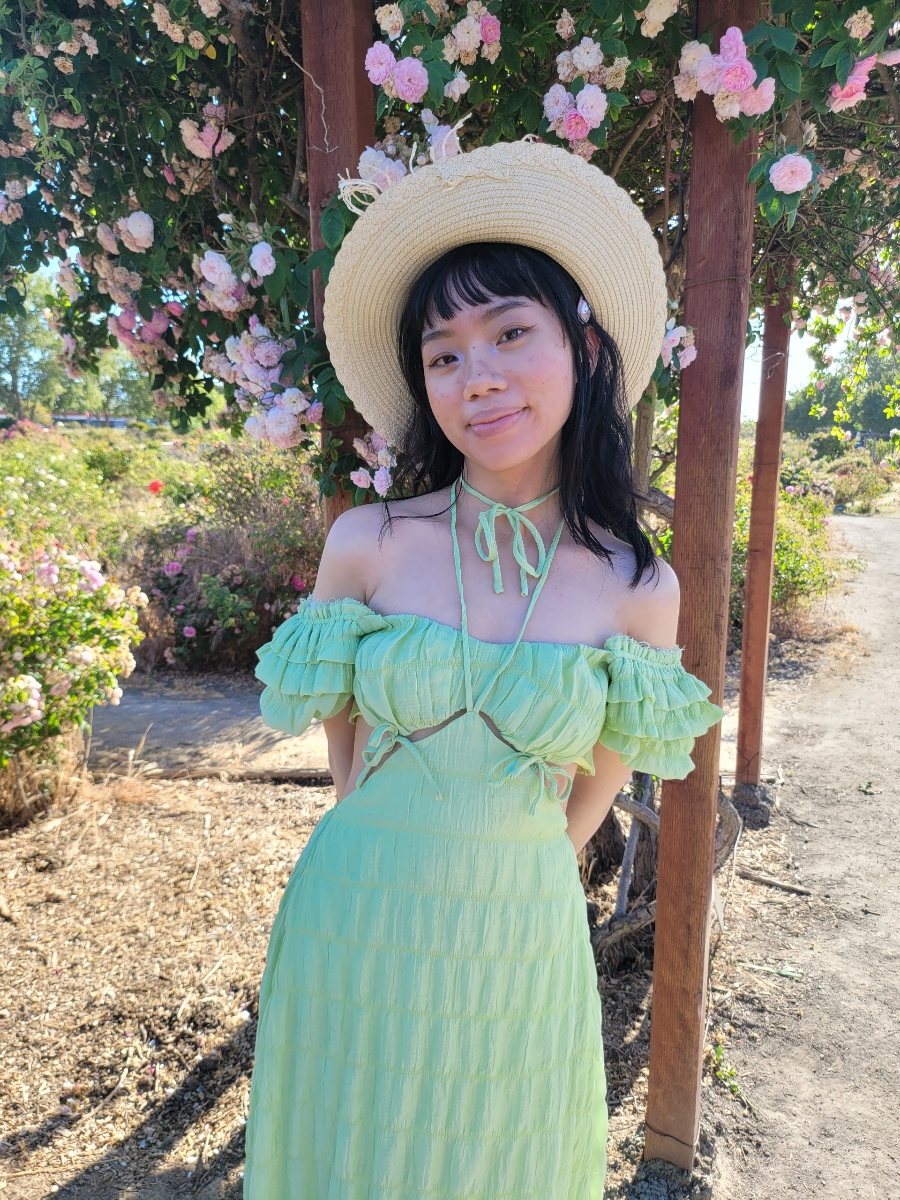

Alright – so today we’ve got the honor of introducing you to Allison Nguyen. We think you’ll enjoy our conversation, we’ve shared it below.
Alright, Allison thanks for taking the time to share your stories and insights with us today. Can you talk to us about how you learned to do what you do?
It’s hard for me to pinpoint exactly when I started learning how to draw, but a lot of my childhood memories revolved around working on something creative. I remember making holiday cards with my mom, and I’d ask her to write the messages for me while I drew the pictures. I would often draw characters or scenes from my favorite cartoons, films, and shows and decorate my school binders. I continued to practice drawing during most of my free time, and I’d draw alongside tutorials or sketchbook videos from other artists I admired. When I was in middle school, I began taking art lessons to learn more foundational techniques with traditional medium. I continued building an art portfolio with that art program, while still continuing to make personal art. Once I majored in art during college, that was where I learned how to digitally paint and create work under the realm of visual development.
Now that I’ve earned a degree in art and am navigating my professional art journey, I wish I spent more time painting from life. Plein air painting, or outdoor painting, is really beneficial for artists at any stage of learning – it teaches you so much about drawing, color, lighting, etc. It’s harder to find time nowadays, so I don’t paint outdoors nearly as much as I’d like. I wish I could go back and take advantage of when I had more time and less responsibilities!
As always, we appreciate you sharing your insights and we’ve got a few more questions for you, but before we get to all of that can you take a minute to introduce yourself and give our readers some of your back background and context?
Hello! My name is Allison Nguyen.
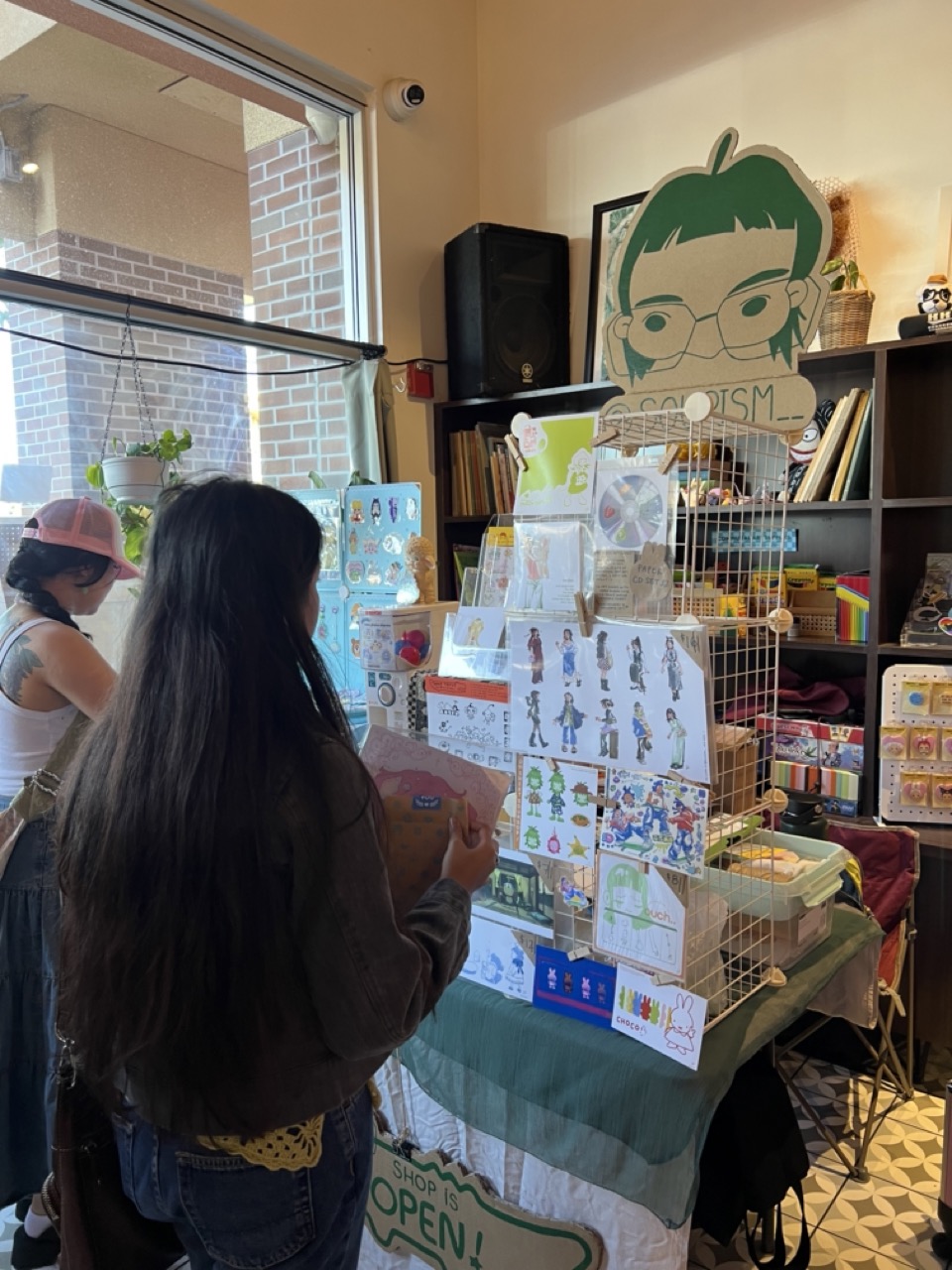
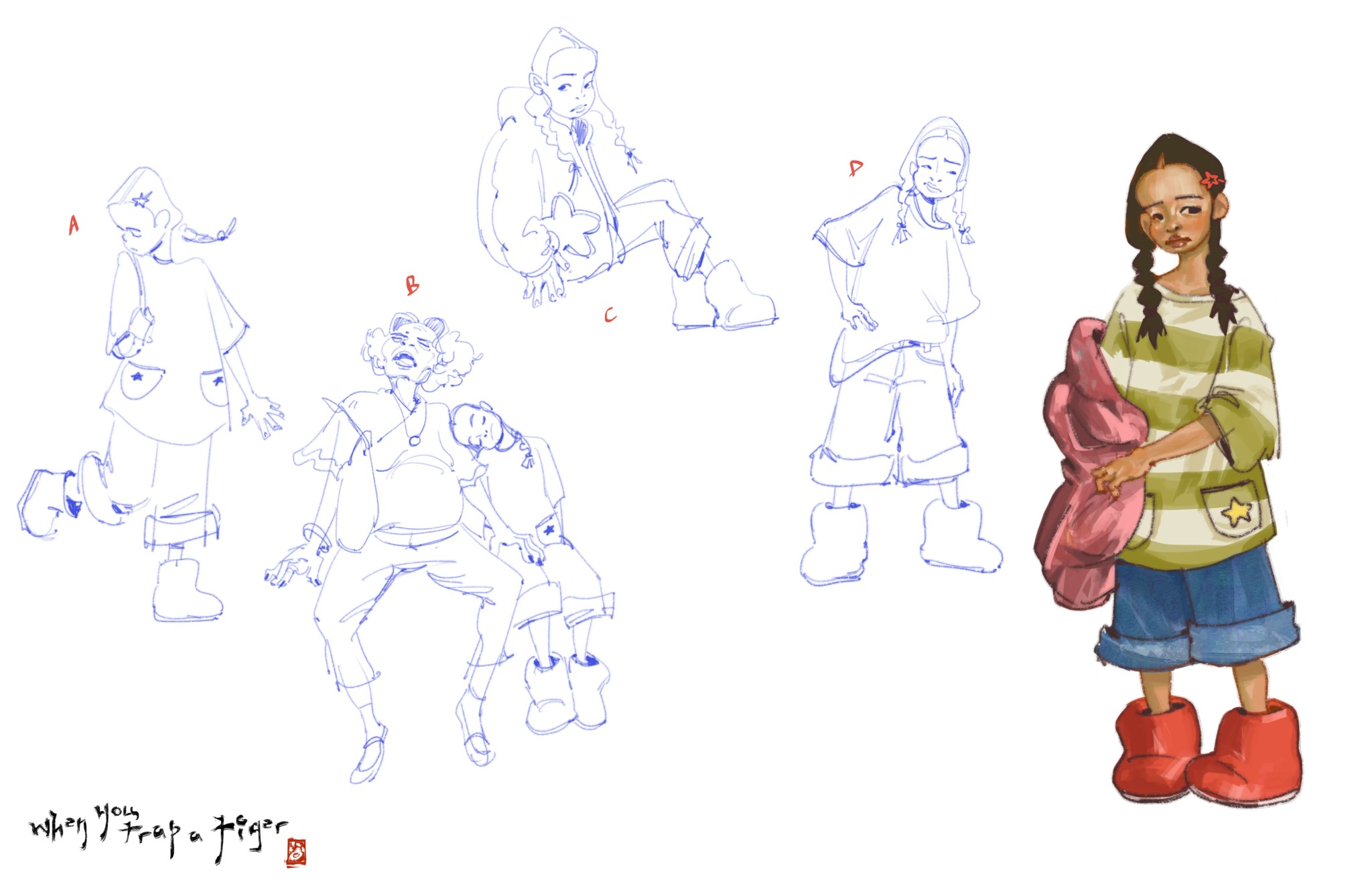
I’m a visual development artist and illustrator based in the Bay Area. I graduated from the Animation / Illustration program at San Jose State University in 2024. Currently, I am freelancing as well as selling my personal work at local art markets under the name soupism__.
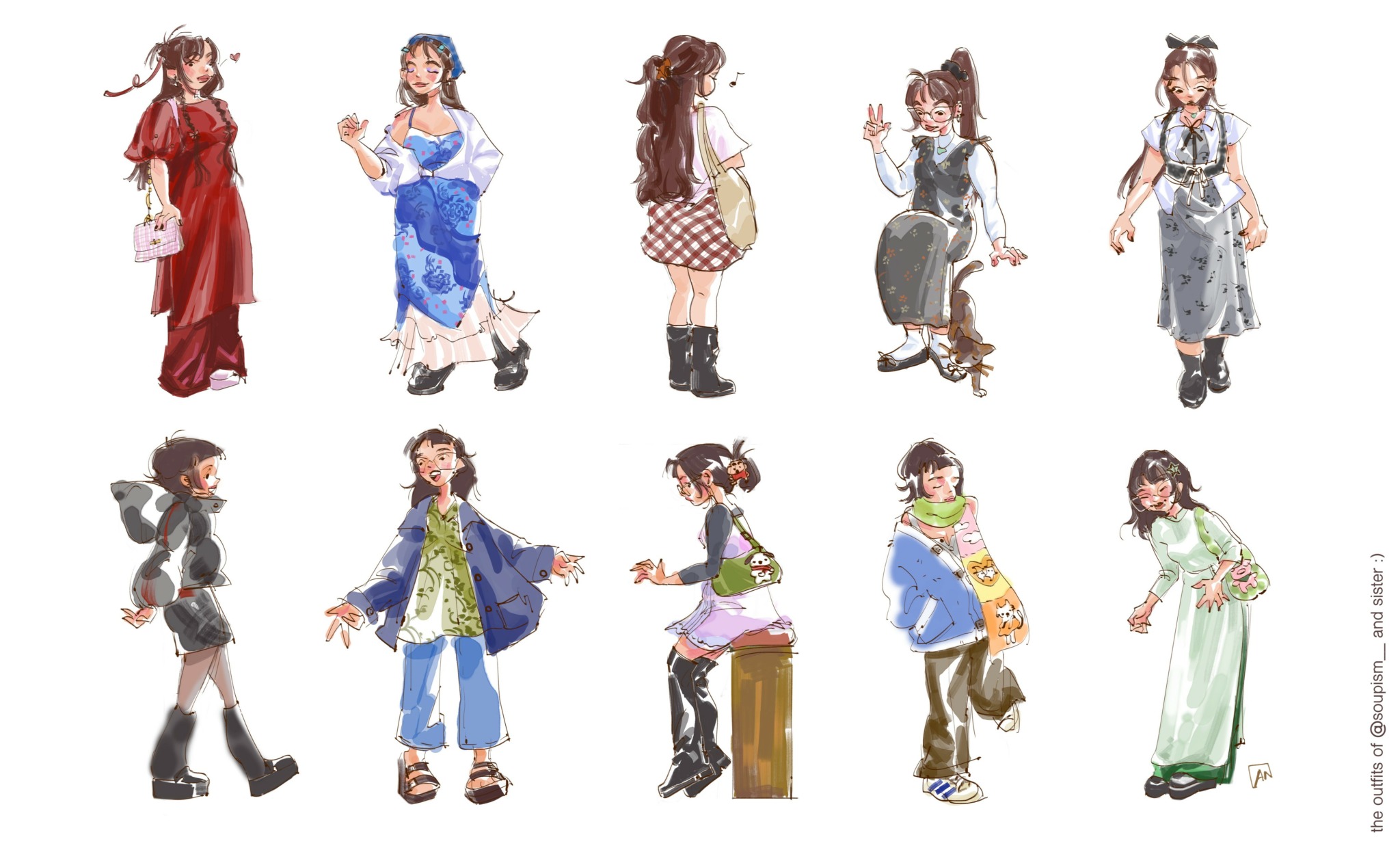
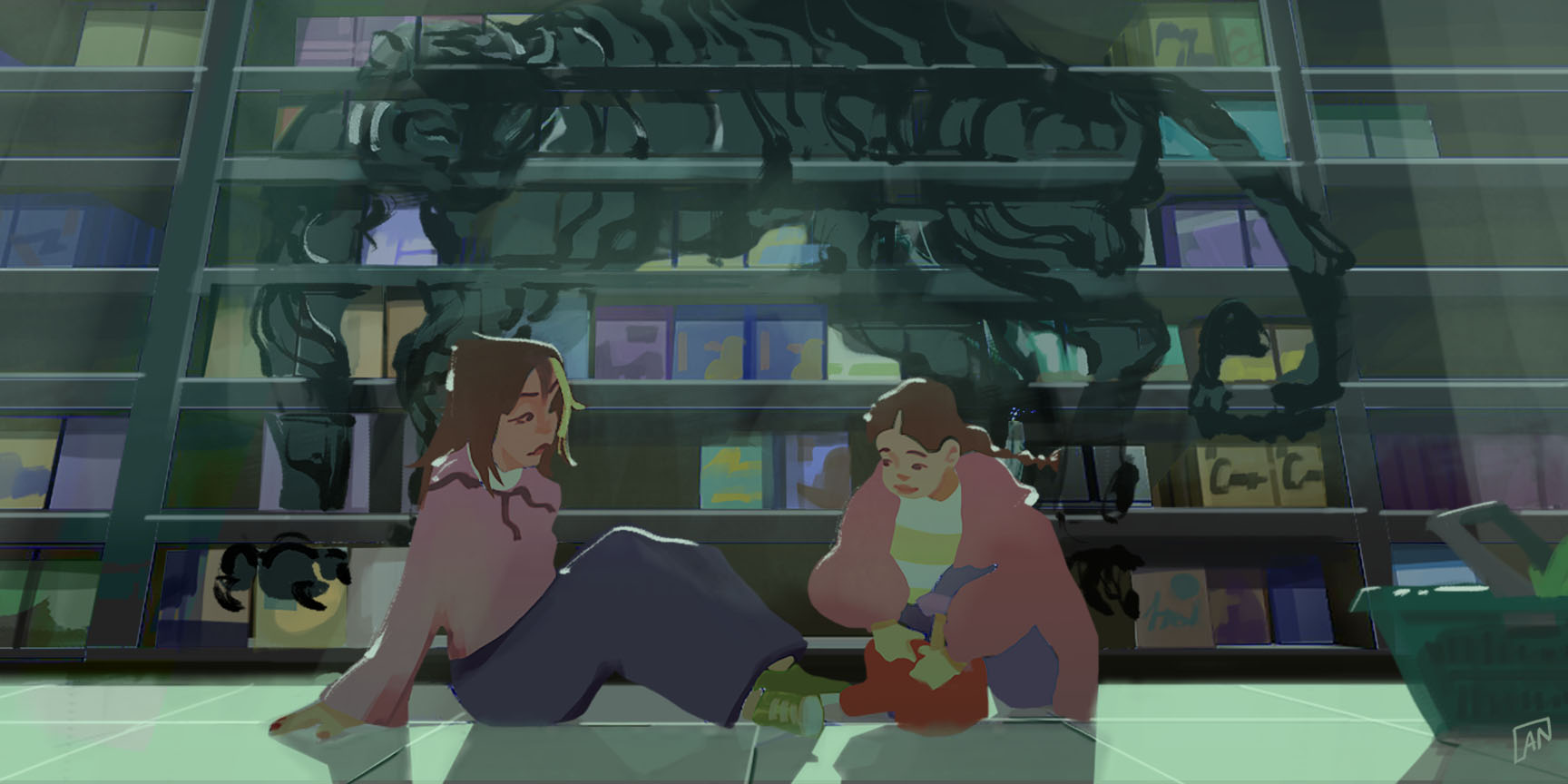
For freelance work, I utilize a lot of the skills I learned in my college education. I help work on deliverables such as character, prop, and background designs.
There’s lots I’m still figuring out since I only started freelancing more recently, but having a baseline network of peers, friends, and faculty from school has been really helpful when looking for opportunities.
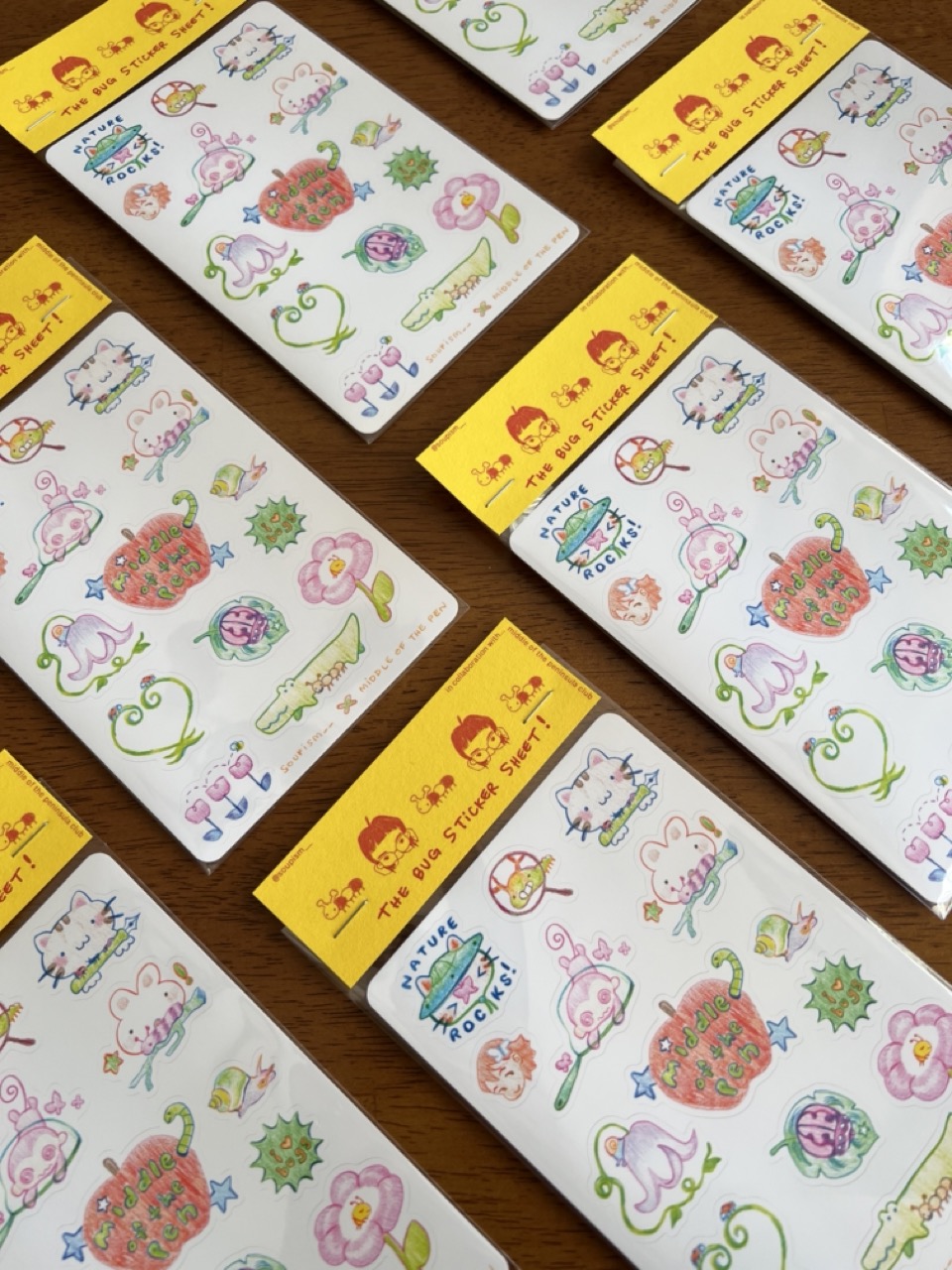
And as for selling my personal work, I first started by tabling at my school’s annual art conventions. A lot of my initial customers were my friends, family, and peers. From there, I started tabling at small art events around the Bay Area. This year, I’m really trying to get out of my comfort zone by tabling at larger events and expanding my product line. I sell art prints, stickers, and stationery – and I hope to continue making many more items!
Being a visual development artist & illustrator who specializes in character design, I often find that specificity is the key to creating realistic, unique work. At first, there are the initial observations I consider when making a character – their general height, body shape, facial features. The more I flesh out the character, the more depth I add to their design – how their nose is crooked due to a past injury, why they wear certain rings on different fingers, the way their hair sticks out. A lot of these specificities are accumulated through various means: reference images I’ve archived, my personal tastes, old habits from loved ones, strangers I’ve observed. In my opinion, I think this helps make a character feel less generic and further enhance the story or world they are a part of.
I’ve been having a lot of fun implementing the same notion of specificity when making art for my small business. I lean into creating character illustrations inspired by my childhood, personal interests, and fashion taste. It’s interesting to see people interact with my work – sometimes they recall similar experiences in their own lives, or they relate certain aspects to other artists or media they’ve encountered.
What do you think is the goal or mission that drives your creative journey?
One of the main forces that drives my creative journey is my family. I want to continue making art about my upbringing, culture, and experiences as a Vietnamese-American. I also strive to create more of what I want to see – authentic stories from women, minorities, and marginalized communities. To know that my work can play a part in resonating with others and changing cultural tides is incredibly motivating, though a bit scary at times!
I grew up with an abundance of love, and I wish for people to see in my work the love and care that I put forth. I hope that people are reminded of the beauty in the seemingly mundane, in the small moments that make up everyday life, and to love the little things.
Is there something you think non-creatives will struggle to understand about your journey as a creative? Maybe you can provide some insight – you never know who might benefit from the enlightenment.
I think that people who are not actively pursing creative careers or engaging in the arts struggle to understand the amount of dedication and training needed to create a body of work. In our fast-paced, social media driven world, I think people forget that what they see on their screens for a few seconds could have taken days, months, or years of experience to make. And I feel that the process an artist took to get to their end result is really what gives a piece its ‘soul’. It makes me quite sad to see that AI and modern technology is trying to shorten the time it takes to output media because I don’t believe that mass producing art will evoke the same response that human made art does, nor will it fulfill people who want to authentically create.
Contact Info:
- Website: https://soupyallison.carrd.co/
- Instagram: https://www.instagram.com/soupism__/