
We’re excited to introduce you to the always interesting and insightful Maliha Khan. We hope you’ll enjoy our conversation with Maliha below.
Maliha, appreciate you joining us today. Coming up with the idea is so exciting, but then comes the hard part – executing. Too often the media ignores the execution part and goes from idea to success, skipping over the nitty, gritty details of executing in the early days. We think that’s a disservice both to the entrepreneurs who built something amazing as well as the public who isn’t getting a realistic picture of what it takes to succeed. So, we’d really appreciate if you could open up about your execution story – how did you go from idea to execution?
Most businesses don’t fail because they lack ideas — they fail in the space between the idea and the execution. I see it all the time: teams either get stuck in strategic paralysis (endless planning, no movement) or trapped in tactical chaos (doing everything, measuring nothing).
That space in between is what I call the messy middle — where strategy lives in a slide deck instead of in the work, where tactics don’t ladder up to anything meaningful, and where momentum quietly dies even though everyone feels “busy.”
One of the clearest examples was a home services company that came to me after cycling through Facebook ads, direct mail, Google Ads, and local SEO. All of it produced leads, but very few converted. They didn’t have an ads problem. They had a messy middle problem. Their tactics were disconnected, their messaging wasn’t aligned to what their audience actually cared about, and they had no roadmap to guide execution.
Once we diagnosed the real gaps, clarified their strategy and messaging, built a roadmap, and aligned the team around it, everything changed. For the first time, they could see what was working, stop wasting money on what wasn’t, and turn marketing into a predictable lead engine instead of a guessing game.
That’s what it really means to bridge the gap between strategy and execution: not doing more — but making every move make sense.
Maliha, love having you share your insights with us. Before we ask you more questions, maybe you can take a moment to introduce yourself to our readers who might have missed our earlier conversations?
I spent years watching brilliant strategies stall out before they ever had the chance to make an impact. Nonprofits with big missions but no resources. Corporations with million-dollar budgets but no alignment. Different industries, same pattern: teams stuck in planning mode or lost in nonstop execution — always caught in the messy middle.
For a long time, I tried to fix that from the sidelines. I consulted at night, built frameworks on weekends, and helped organizations connect the dots wherever I could. But I was still playing it safe. I had the salary, the title, the stability. Entrepreneurship was always in the plan, but “eventually.”
Then the layoff happened.
It wasn’t the first time I’d been laid off — but this time was different. I had twin daughters watching me. The plan had always been to go full-time before kids, but comfort has a way of slowing dreams down. The layoff snapped everything into focus. I didn’t want to tell my daughters they could build a life they love — I wanted them to see it modeled in real time. That was the now-or-never moment.
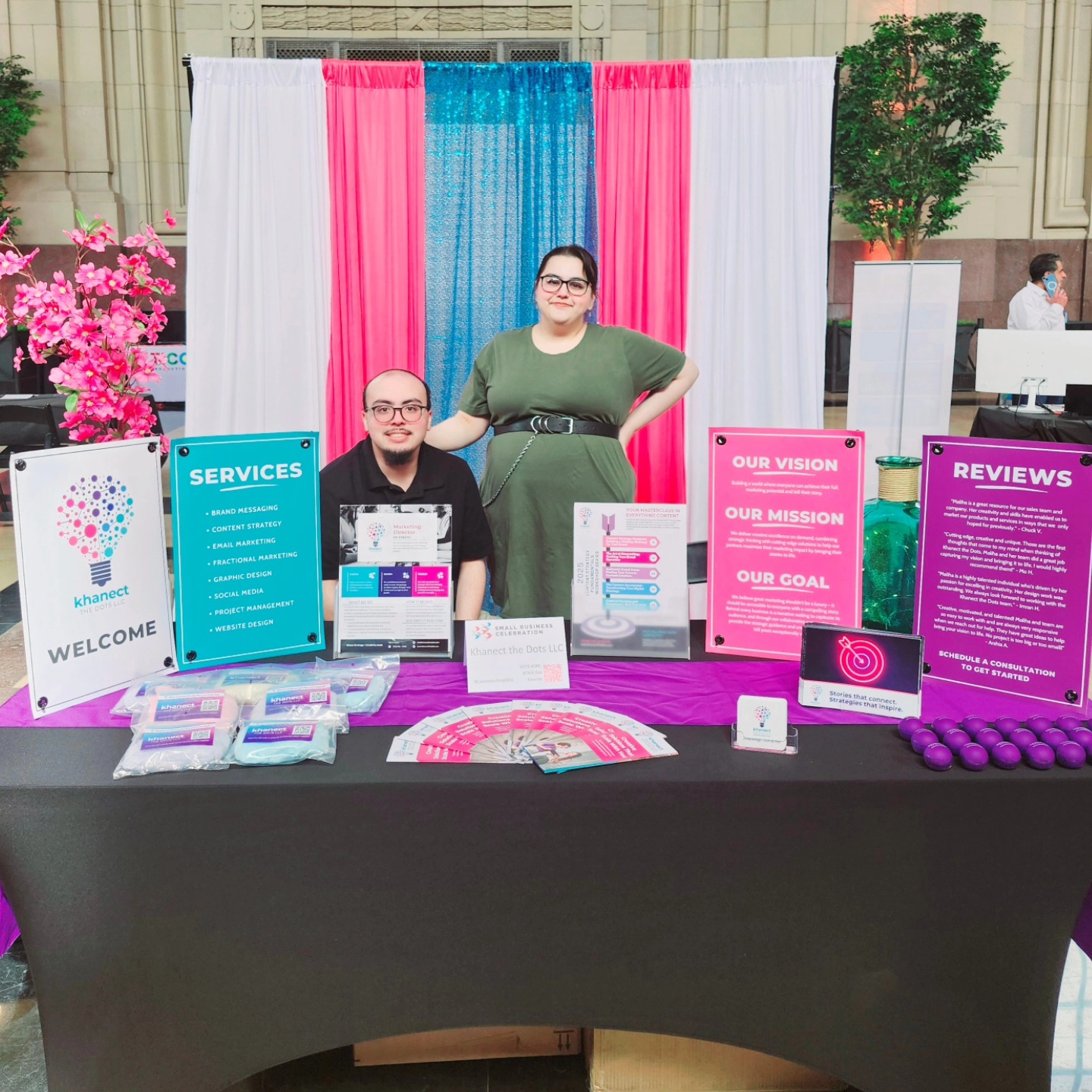
So I stopped building things for “later” and turned Khanect the Dots into what it was always meant to be — a strategy-first marketing consultancy designed to help brands move with clarity, alignment, and intention.
And when I realized clients didn’t just need strategic direction — they needed creative execution powered by that strategy — I launched Khancepts Studio, the creative arm of the business. That’s where ideas take shape through design, branding, websites, and campaigns that actually move people.
This isn’t just a company to me — it’s a blueprint. For my daughters. For other women. And for every business owner who refuses to choose between vision and execution.
How about pivoting – can you share the story of a time you’ve had to pivot?
AI didn’t start as a business pivot for me. It started as a quiet experiment. I was overwhelmed and needed a thinking partner, so I asked it to help me pressure-test a new service offering. Then I used it to outline workshops faster. After that, it started doing everything from refining client messaging to streamlining workflows I’d been trying to fix for years, even turning my chaos into a workable to-do list.
That’s when I realized it wasn’t just helping me work faster. It was helping me think better.
At that point, the pivot wasn’t to AI, but because of AI. I saw how much it improved my clarity, pace, and decision-making, and I knew other business owners, marketers, and creatives were going to need more than just access to the tools. They were going to need translation—someone who could bridge the gap between curiosity and confidence. And I was already doing that work inside my own business every day.
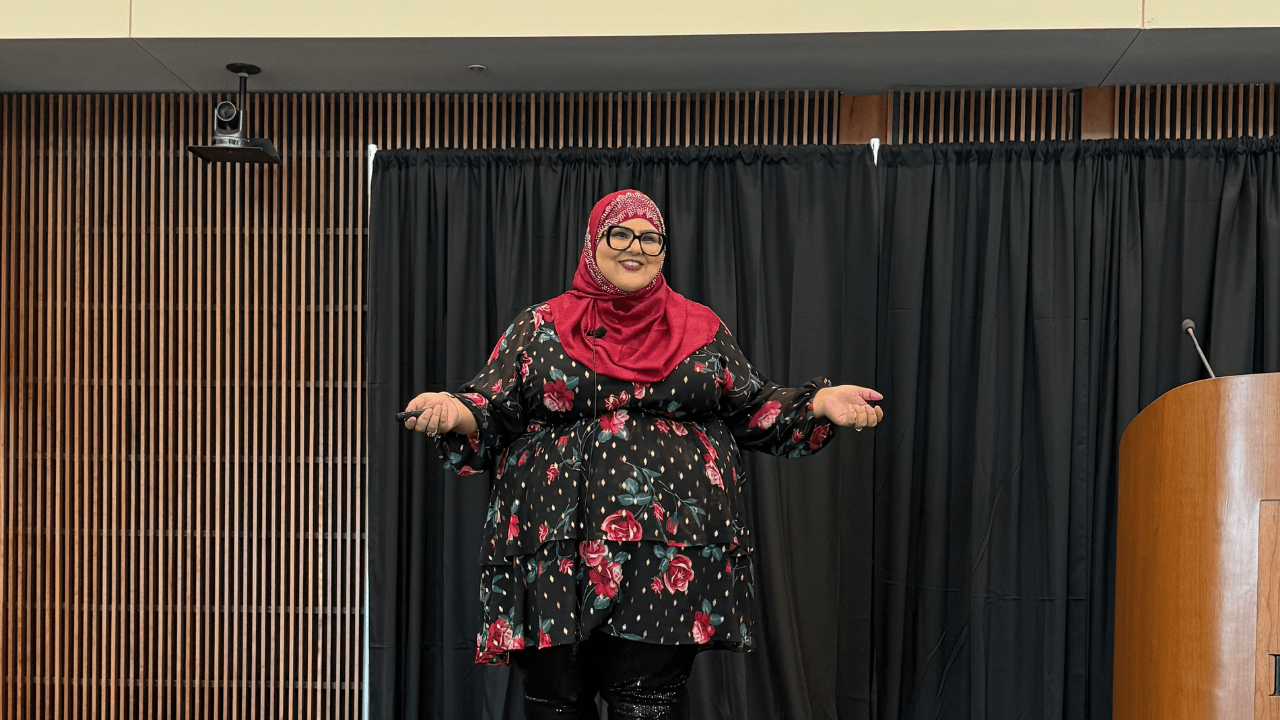
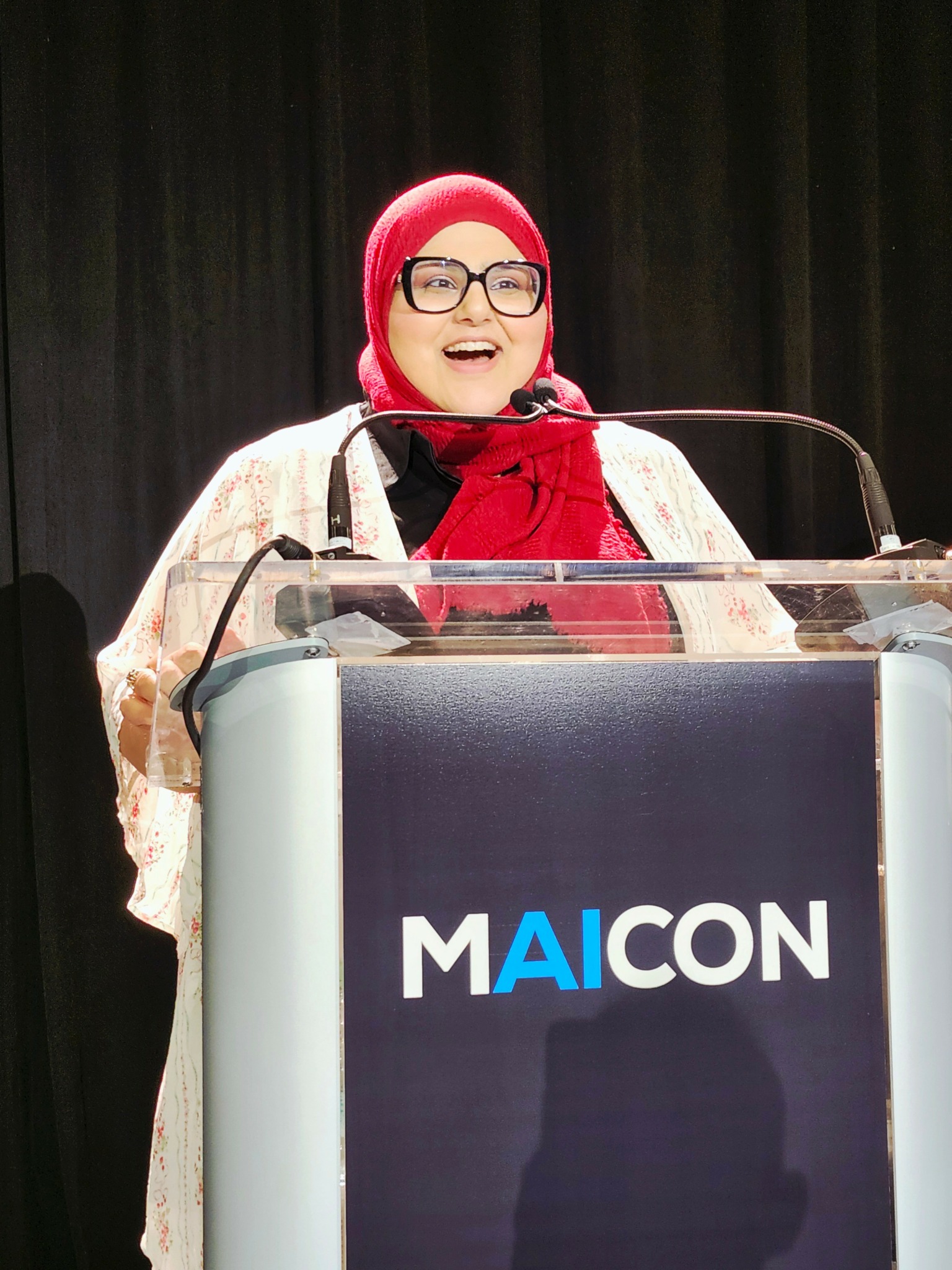
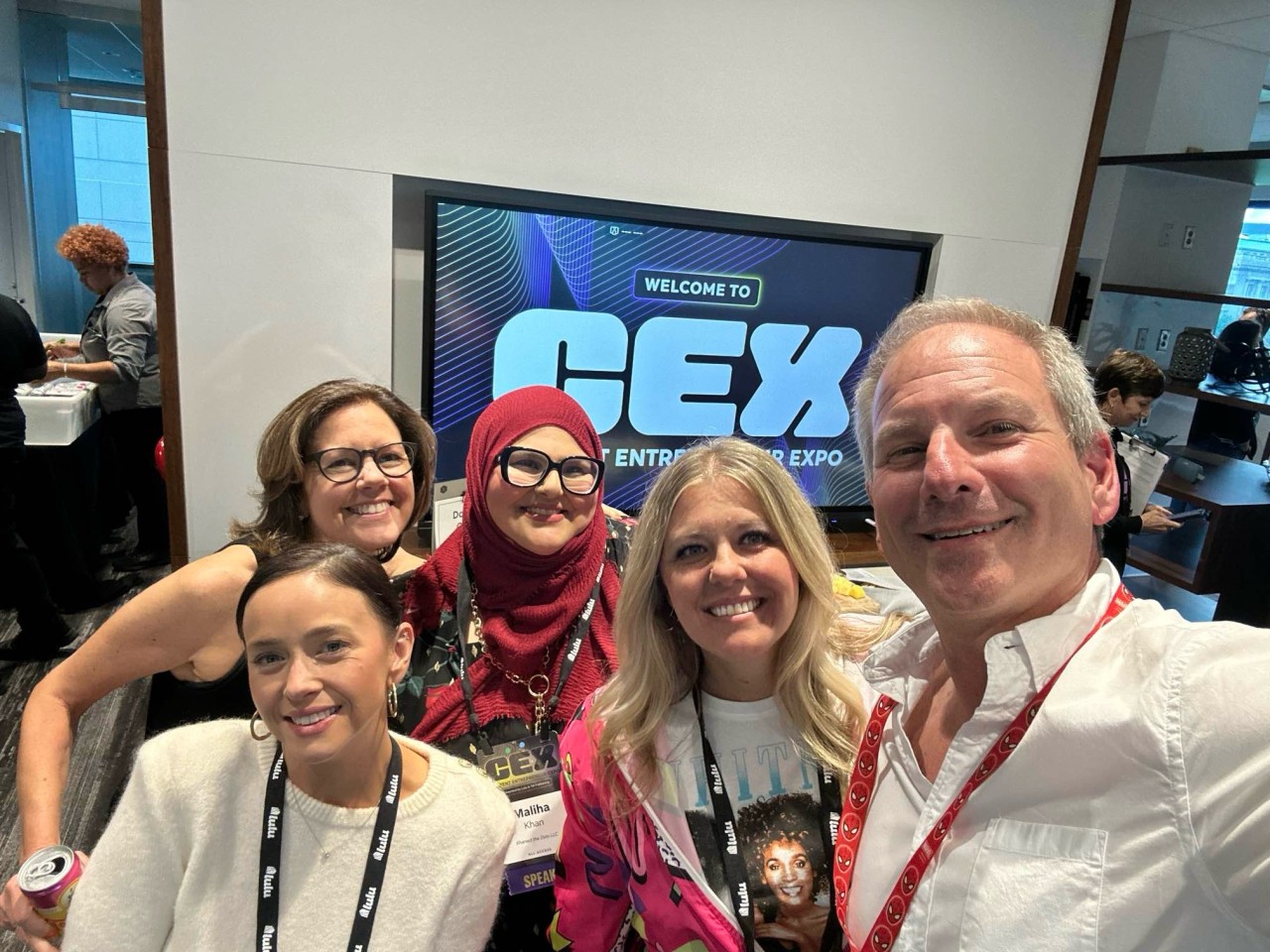
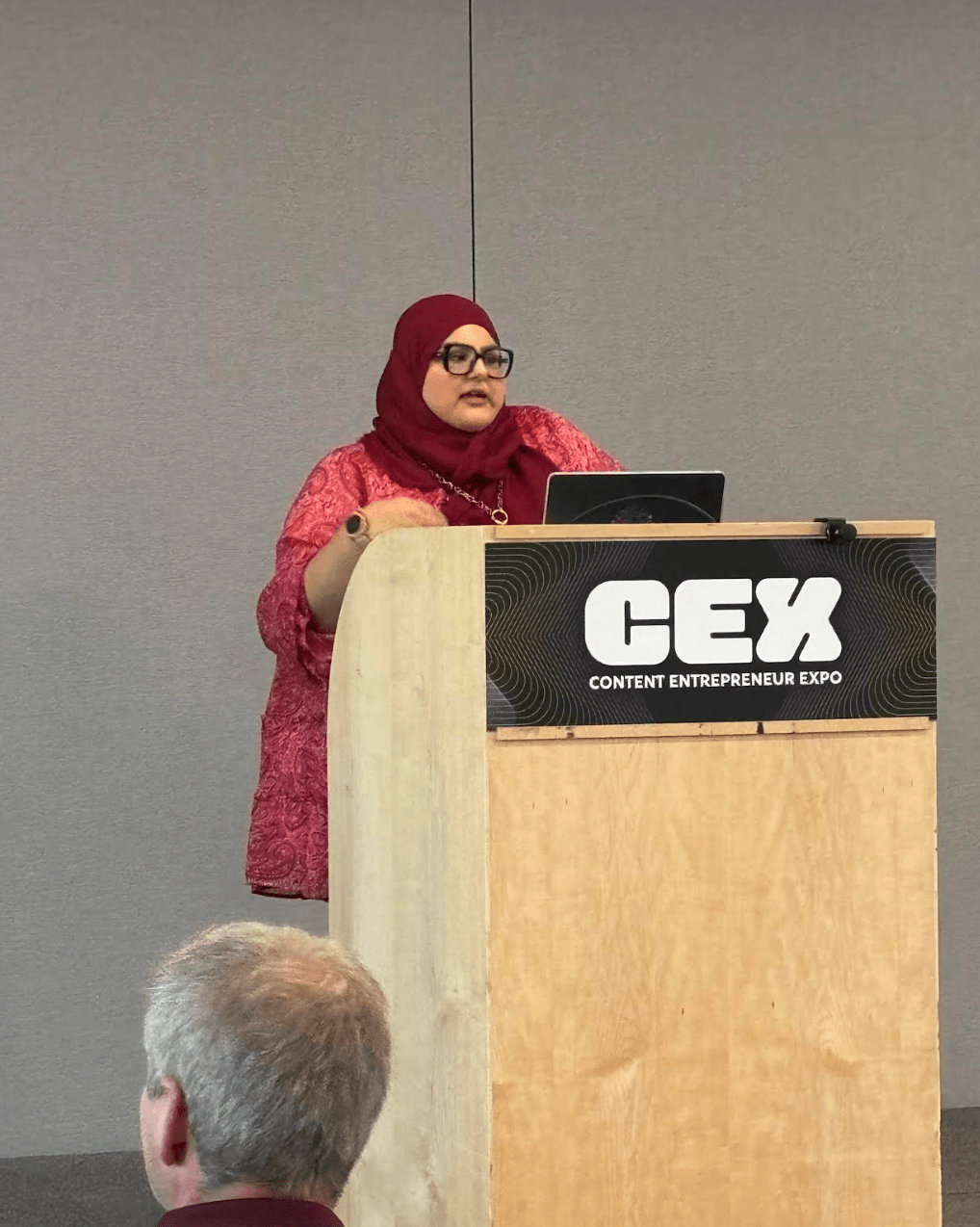
So I started teaching what I was practicing. It began on conference stages: Content Entrepreneur Expo, Digital Women Kansas City’s MiniCon, and the Marketing AI Conference. From there, it expanded into trainings, including a full AI learning series with Central Exchange, sessions for the Duct Tape Marketing network, and workshops all over. One of my favorite moments so far was speaking at Global Entrepreneurship Week KC, where I shared my Authentic AI framework and showed people how to use AI without losing their voice, values, or originality.
I’ve also created a free Prompt Coach tool that helps people write better AI prompts in real time — giving them a low-barrier way to practice what I teach on stage and start using AI with more confidence and clarity.
AI didn’t flip my business overnight. But it fundamentally changed how I work, and that shift opened the door to an entirely new part of what I do: speaking, training, and helping others navigate the intersection of AI and marketing with confidence, not fear.
Any advice for growing your clientele? What’s been most effective for you?
The biggest growth driver for my business hasn’t been ads or chasing algorithms. It’s been showing up in the right rooms, helping people in real time, and letting my experience shine before we ever get to a proposal. Nearly two decades in marketing strategy and glowing client testimonials create their own momentum. When your message is clear and your presence reflects it, you don’t have to convince people. The right ones recognize themselves in the problem you solve.
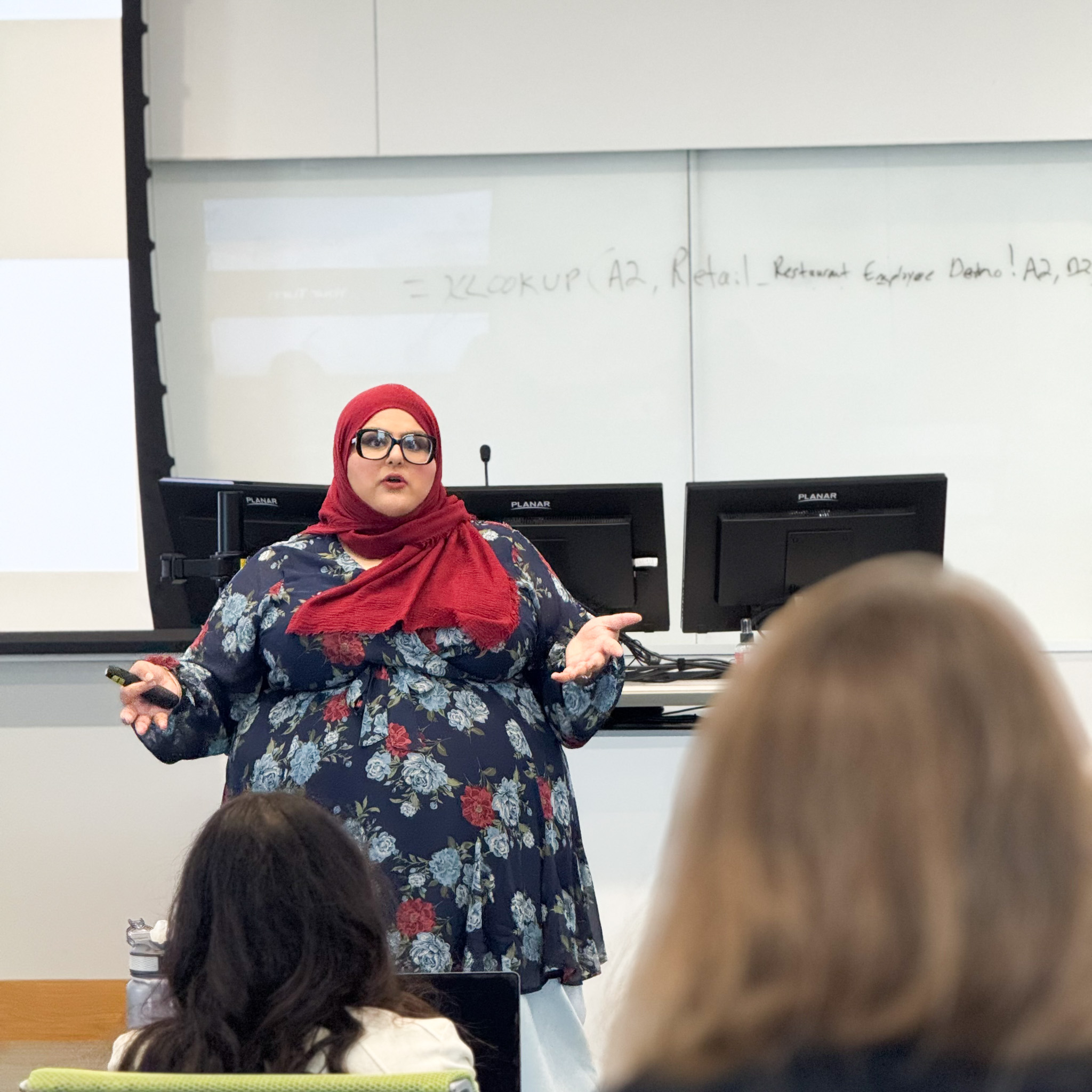
Speaking has played a big role in that. Every time I teach — whether it’s on stage at GEWKC or at Central Exchange — I’m not selling, I’m solving. And I follow up with a free audit or what I call a “strategy snapshot,” a low-risk way for people to experience how I think before committing. More than once, the people taking notes in those sessions became the same people who later hired me or referred me.
And the other key has been relationships — especially through communities like NAWBO and Digital Women Kansas City, where I’m surrounded by women founders who are building real businesses, sharing referrals, and creating opportunities for each other. It’s not networking. It’s women genuinely supporting other women.
That’s what I’ve learned: clarity builds trust, generosity builds relationships, and the right clients will always come when you lead with both. I didn’t wait to be discovered — I just kept showing up clearly, consistently, and as myself, and the right people found me.
Contact Info:
- Website: https://www.khanectthedots.com
- Instagram: https://www.instagram.com/khanectthedots
- Facebook: https://www.facebook.com/khanectthedots
- Linkedin: https://www.linkedin.com/in/khanmaliha
- Youtube: https://www.youtube.com/channel/UCNMftRxy2gYWN2y2ZMb385g