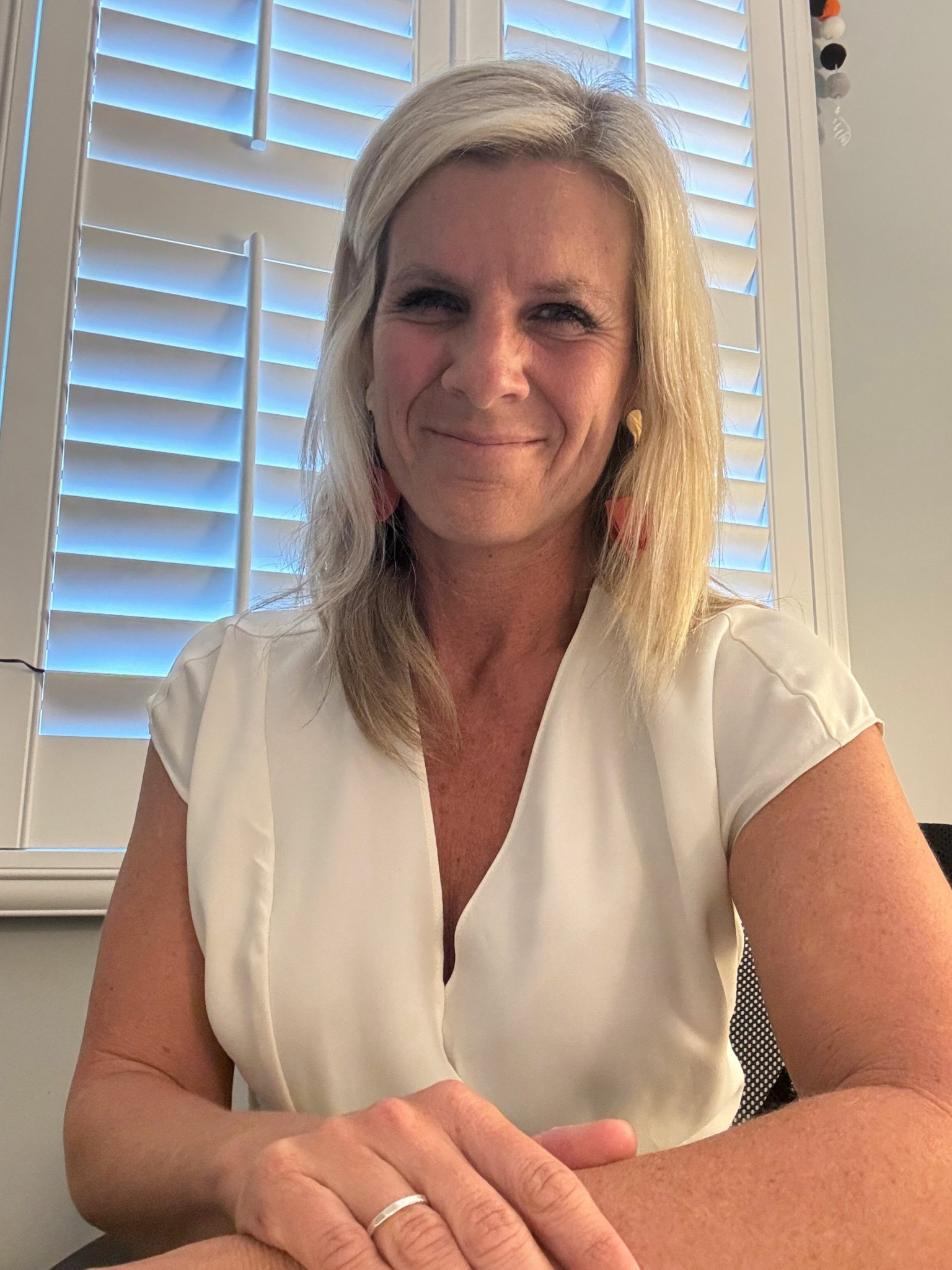

We were lucky to catch up with Dr. Melanie Sholtis recently and have shared our conversation below.
Hi Dr. Melanie, thanks for joining us today. Coming up with the idea is so exciting, but then comes the hard part – executing. Too often the media ignores the execution part and goes from idea to success, skipping over the nitty, gritty details of executing in the early days. We think that’s a disservice both to the entrepreneurs who built something amazing as well as the public who isn’t getting a realistic picture of what it takes to succeed. So, we’d really appreciate if you could open up about your execution story – how did you go from idea to execution?
I transitioned to private practice having worked in inpatient clinical settings that were more crisis-centered in my early career and worked in a group practice. It had always been a goal to eventually shift from contracting in a group practice to owning my practice and having full control over the entire process of treatment. When the practice I had been contracting for was subsumed by a corporate company, patient care quickly transformed in a way I was no longer willing to align myself with so I made the decision to start my practice at that time 4 years ago.
The key to a successful healthcare practice is selecting the right practice manager which was my first step in executing this plan. Rebecca Ross of Inspiration Wellness, LLC, had the knowledge and expertise to guide me through every step of the process including setting up my practice software, credentialing with insurance companies, and executing every part of the process ethically. In this type of business, there are no paid vacations or paid time off so this transition year required me to work in two practices simultaneously to transition or conclude care with all my current patients and start treatment and assessment with patients in my new practice to avoid significant gaps in income and make the final transition a smooth one. Many months felt like I was working 7 days a week during this phase and I could not be more grateful to my husband for his support at that time for managing all of the demands of our household and our children.
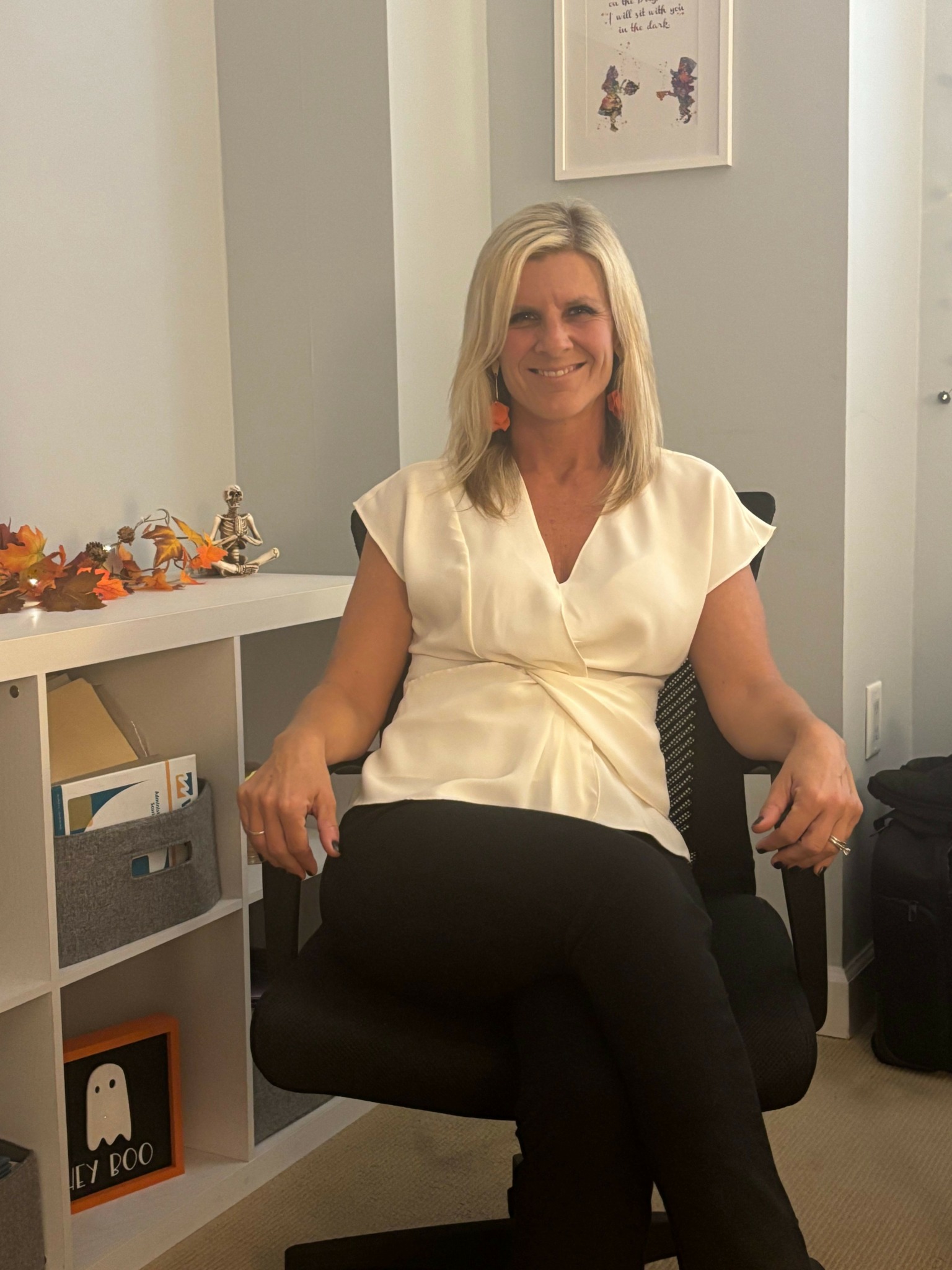
As always, we appreciate you sharing your insights and we’ve got a few more questions for you, but before we get to all of that can you take a minute to introduce yourself and give our readers some of your back background and context?
I was inspired to be a psychologist in high school as a combination of taking a course and having the goal of helping individuals like my beloved cousin who had a psychotic break in his 20s and suffers a life-long battle with Schizophrenia. The initial goal was inpatient work and forensic assessment, which changed quickly when I was introduced to private practice. In private practice, patients were able to set measurable goals and achieve those goals through the process of psychotherapy. With assessment, I was able to put pieces of a puzzle together with objective data in order to help patients establish the appropriate diagnoses and treatment plans. It felt like my work was truly making a difference in people’s lives and while it is often a thankless job, the rewards personally can’t be measured.
What sets me apart, from the feedback I have heard in over 20 years in this business, is the personal nature in which I treat my patients and their families. One of the distinct ways owning my own practice has allowed me to do this is I am the person who schedules, interacts with, and treats/assesses each person or family and the process is very personalized. I have developed personal relationships with various colleagues throughout my career and am proud to say that those colleagues, as well as other doctors and practitioners in the field, constantly refer me new patients and trust in my work and care.
How about pivoting – can you share the story of a time you’ve had to pivot?
I was employed as a contractor in the same practice for 15 years and originally the owners were a couple who had started the practice 20 plus years prior and had it firmly established in the community. The culture of the practice was often very tense and at times hostile due to large turnover, personality differences, and lack of autonomy provided to contracted workers. The practice, however, was very busy and drew a large clientele that was diverse and allowed for a very rich experience for early career clinicians building experience. I was and continue to be grateful for the opportunity I had there. When the practice owners were in the phase of early retirement, it was broached to me to potentially buy into the practice which I was very excited about the began planning for. Part of the reason I had not transitioned out of the practice was the hope for such an opportunity. What ensued instead; however, was multiple takeovers of the practice by companies who month by month were dismantling all of the positive aspects of the practice and diminishing patient care in the process. I had to shift from my long-term plan and hopes to something completely different which came with risks and fear of pivoting to make this change. I am happy now to say it was the pivot needed to allow me to own my current practice but for some time it was disappointing and distressful.
Where do you think you get most of your clients from?
Without question, the most common source of new patients/ clients for me are from the doctors, therapists, neurologists, and clients I have worked with previously. I am proud to say that I have built a reputation not just based on my work ethic and skills but based on the way I treat people. My goal is always to make every person who sits in my office feel heard and seen, regardless of their background, history, current symptoms or challenges. My parents instilled a strong work ethic in me from a young age but also are kind people of strong faith and I try to always treat people that I work with as I would hope any doctor or professional would treat me.
Contact Info:
- Website: https://melaniesholtispsyd.com