
We recently connected with Jason Sherwood and have shared our conversation below.
Jason, thanks for joining us, excited to have you contributing your stories and insights. We’d love to hear about the things you feel your parents did right and how those things have impacted your career and life.
My mother was a seamstress and artist who found opportunities for creativity everywhere. Every day, we’d draw or paint together at the kitchen table. Not special projects. Just practice. When I became obsessed with superheroes, she didn’t buy me costumes. She taught me to design and create my own masks and capes. She gave me confidence to express my dreams visually and explore far beyond my comfort zone.
What she really taught me: craft isn’t about making things pretty. It’s about making ideas exist in the world. That daily encouragement, the confidence that I could show up and create something meaningful, even when uninspired, became the foundation of everything I do. Design isn’t decoration. It’s problem-solving through visual creation.
My father saw 360 degrees around any idea while simultaneously spotting the one thing everyone else missed. He built his success in unglamorous businesses, the kind nobody brags about at parties. He found profound satisfaction in making “unsexy” services wildly profitable through operational excellence and strategic thinking.
He would constantly quiz: “What’s the problem here that nobody’s seeing?”
Then he would ask me: “How would you fix it?”
He taught me that real opportunity lives in the gap between what people overlook and what actually matters. That the obvious answer is usually only a small part of the real problem. That comfort is expensive.
The collision of these two people created something I couldn’t have designed on purpose. My mother’s daily creativity meeting my father’s relentless strategic analysis. Beautiful execution isn’t separate from business impact. They’re force multipliers. When you combine them, you don’t just make things better. You make them undeniable.
They gave me permission to be both things fully: strategically rigorous and creatively fearless. No apologies for either. That’s what my Force & Finesse approach actually is: my parents’ combined wisdom turned into a methodology. Strategy that won’t execute is just theory. Execution without strategy is just decoration.
You need both. Fully committed. No hedging.
Jason, love having you share your insights with us. Before we ask you more questions, maybe you can take a moment to introduce yourself to our readers who might have missed our earlier conversations?
I didn’t grow up like most suburban kids. My childhood in Portland, Oregon was a mashup: splitting cords of wood, hammering fences, hitting the basketball court or soccer pitch, belting out Motown and musicals, and sketching comic books—all in the same week. My dad was a farm-bred business leader who believed in doing hard things. My mom, an artist, showed me that creativity isn’t a hobby; it’s a discipline that compounds over time.
In high school I wanted to be an artist: comics, animation, anything visual. I won some awards including the Oregonian’s editorial illustration prize, but couldn’t see a clear path to making a living. This was the 1990s. My father supported my talent but reminded me constantly that I’d need a “real career” to pay the bills. “Try law, or engineering,” he’d say.
Then I heard someone use the phrase “commercial artist.” I didn’t know what it meant, but commercial meant business money and art was what I wanted to do. That was enough. In my first semester of college I took a typography class and my mind exploded. Not only was I good at it, it was directly connected to a career in graphic design. I was all in from that day forward. Never looked back.
Over three decades I’ve built brands for Nike, Intel, Tektronix, and nearly a hundred startups and scale-ups. At Nike, Michael Jordan had just retired (again) and the brand needed to regain momentum without the greatest brand avatar ever. We created the Love Truck, a completely decked out 18-wheeler that traveled to every Niketown in the country, drawing heavily from fan-generated ideas and collaboration all along the road. It became one of the largest Air Jordan launches to date by turning to the people when we lost the icon.
At Tektronix, I worked with a company that had lost connection with engineers, their core audience. The entire industry had marginalized these professionals into shallow caricatures. We rebuilt trust by addressing engineers as real people with real problems to solve, updating messaging and marketing to reflect their actual world. They reclaimed their position as industry leader in oscilloscopes and wave generation tools.
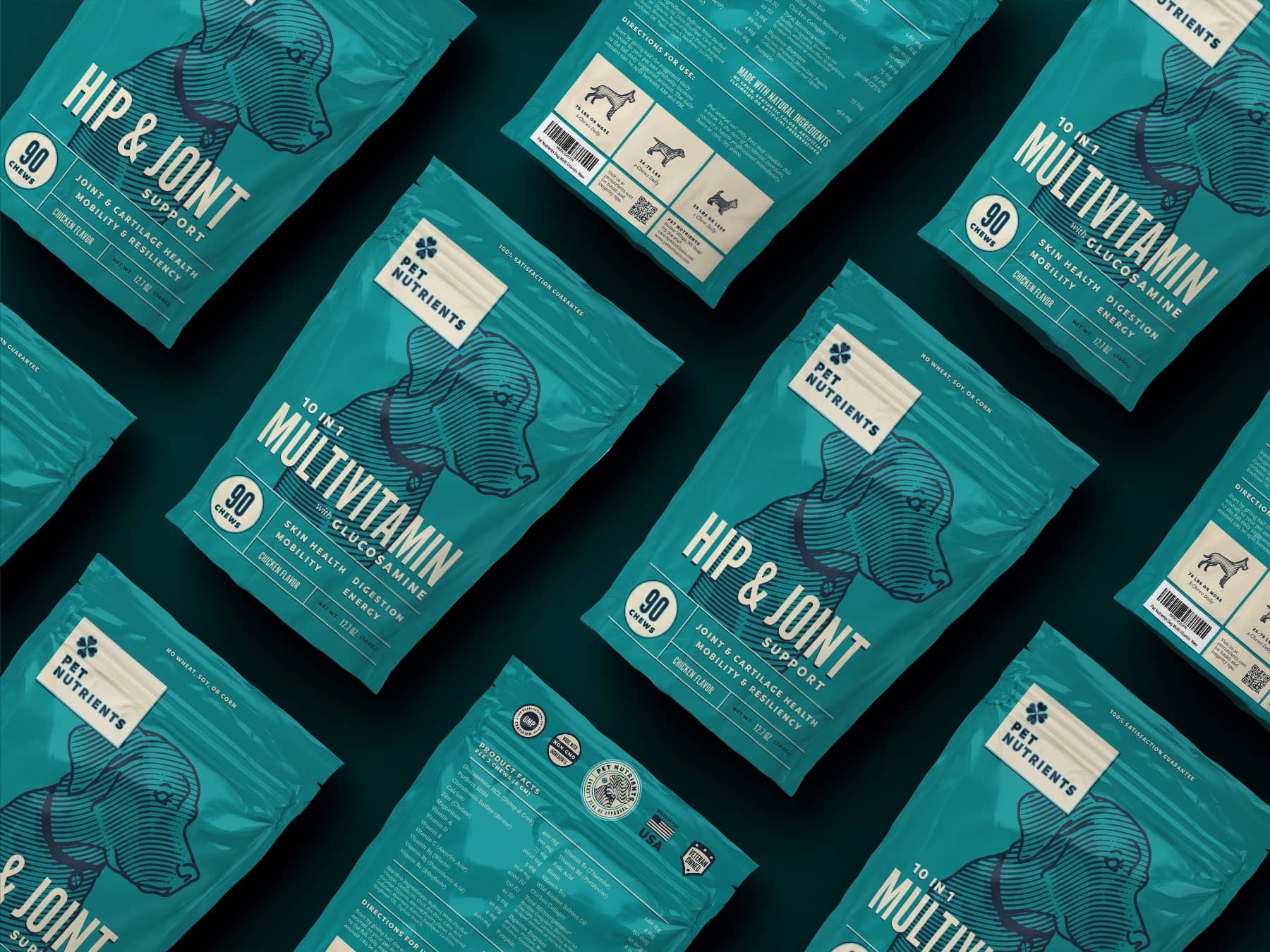
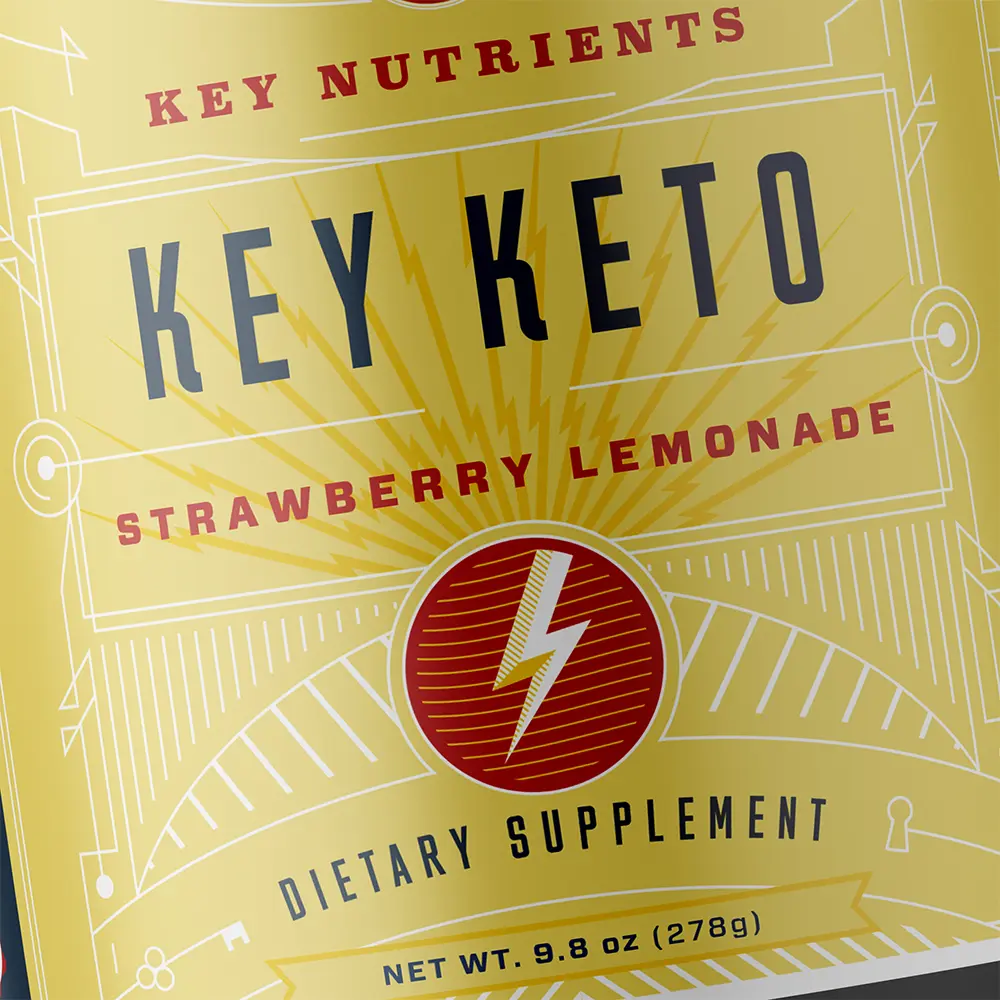
My favorite win: helping Key Nutrients grow from zero to over $20 million before being acquired by Branded Group in the brutally competitive electrolyte supplement market.
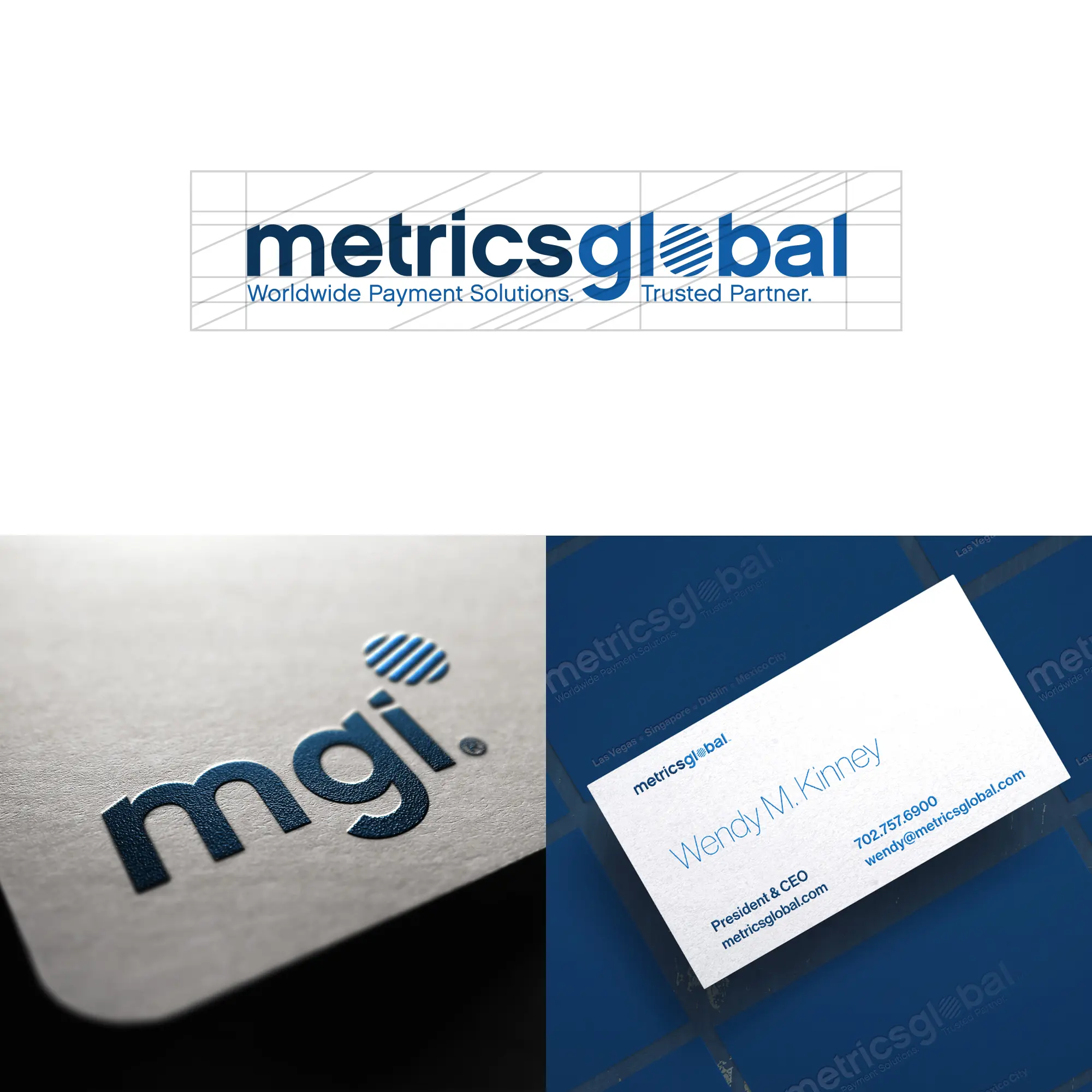
Today at Phase23, I solve three core problems. The positioning problem: you’re stuck explaining what you do instead of people just getting it, or you’re competing where everyone sounds the same. The credibility gap: your product is premium but you’re getting price-shopped, or you can’t close enterprise deals because your brand doesn’t match your capabilities. The growth ceiling: you’re dominant in a tiny niche but can’t break into adjacent markets, or your brand architecture won’t scale.
I provide brand strategy and positioning, visual identity systems, messaging frameworks, digital and print design systems, packaging and product design, environmental and experiential design. But the deliverables matter less than the transformation. I work with leaders ready to make real moves, not incremental improvements.
What sets Phase23 apart: most agencies lead with aesthetics. I lead with Force & Finesse, strategic architecture that positions you correctly combined with exceptional design craft that makes you undeniable. We challenge conventional thinking and tie every creative decision back to measurable business impact.
Here’s what I’ve learned: some designers obsess over the logo. The best obsess over the system. Design isn’t decoration. It’s the difference between being noticed and being remembered. It’s the leverage that turns good companies into category leaders.
What I’m most proud of isn’t any single project. It’s the pattern. The founder whose premium product was getting price-shopped who repositioned into an entirely new category and tripled their close rate. The scale-up that couldn’t land enterprise clients until we rebuilt how they showed up. The self-funded startup that used brand as their unfair advantage against venture-backed competitors. The established company everyone had written off as legacy who reclaimed leadership by reconnecting with the audience that mattered most.
These transformations happen when strategy and craft work together. When you stop thinking about brand as the pretty stuff you add at the end and start seeing it as the strategic architecture that makes everything else possible.
At inflection points, you don’t just need prettier. You need powerful.


How about pivoting – can you share the story of a time you’ve had to pivot?
I was Creative Director at a large agency when a close friend asked me to help launch a food product company. The idea was good. Really good. The product had genuine market potential and high salability. With my wife’s blessing, I took the risk and jumped.
We grew from a self-funded product created in a kitchen to a brand sold nationally. O Magazine featured us. Travel & Leisure. The Dr. Oz Show. Major national media channels. All earned media, not a dollar paid. We handled everything in-house—manufacturing, logistics, sales, marketing, design, finance. Everything. In hindsight, I’d have done some things differently, but we maximized cashflow and grew exponentially.
Running that company for six years taught me more about what makes businesses succeed and fail than any MBA could. The pressure of managing inventory when a major retailer places an order three times larger than you expected. The stress of cashflow timing when your suppliers need payment before your retailers pay you. The reality that a beautiful brand means nothing if your operations can’t deliver. The exhilarating highs when things work can’t be simulated in a classroom, and they’re definitely not for the faint of heart.
Here’s what that pivot taught me: strategy without execution is worthless. You can have the smartest positioning in the world, but if you can’t get product on shelves, or if your packaging fails in shipping, or if your margins don’t work, you’re done. I learned to see brand challenges through an operator’s eyes, not just a designer’s. When a founder tells me they’re worried about scaling, I know exactly what keeps them up at night because I’ve been there.
After selling my shares and starting Phase23, I could finally help startups and scale-ups in a way I never could have before. I don’t just design their identity. I understand their entire business model. I know which brand investments pay back and which ones are vanity projects. I can spot the difference between a positioning problem and an operations problem.
Those six years were the most valuable education of my creative career. Not despite the pivot, but because of it. Because the best brand work happens when you understand that beautiful execution and business fundamentals aren’t separate disciplines. They’re inseparable.
And I learned it by doing the hardest thing I’ve ever done professionally.


Do you think there is something that non-creatives might struggle to understand about your journey as a creative? Maybe you can shed some light?
Non-creatives often think the creative part is where the magic happens: the big idea, the inspired moment, the flash of genius. They’re wrong about what’s hard.
The hard part? I can generate ten beautiful concepts before lunch. What’s brutal is walking away from the nine that don’t solve the problem.
I was once asked to redesign the classic Air Jordan logo. You know the one, on the side of the Air Jordan 1 with the basketball, wings, and that funky Air Jordan type in a banner. That one. I had a full design brief, solid reasoning, clear direction. I created a really strong alternative that carried the same elements but brought the entire mark to a new level of sophistication and excellence, all the things Jordan Brand was striving for.
And I knew it was a mistake.
I walked into the presentation and showed everyone everything with the new and improved mark, everything they wanted. Then I showed them the old mark and told them the old mark had something the new one would never have: a soul. It was part of people’s lives. People had tattooed it across their entire back. Not because of its beauty, but because of what it represented. That’s something no design could recapture, no matter how sophisticated.
I told them to keep the old mark and never change it. So far, they never have.
Here’s what non-creatives struggle to understand: the discipline to stay strategic when every instinct wants to make something more interesting, more clever, more impressive. That’s the actual craft. That’s what separates decorators from designers. Designers fall in love with their work. The best ones fall in love with solving the problem.
The creative process isn’t mysterious or indulgent. It’s rigorous. It’s systematic problem-solving that happens to result in something visual. And the creatives who understand that discipline is the real superpower? They deliver business results, not just pretty work.
The magic isn’t in having ideas. It’s in knowing which ones to kill.
Contact Info:
- Website: https://phase23.com/
- Linkedin: https://www.linkedin.com/in/jasonsherwood/