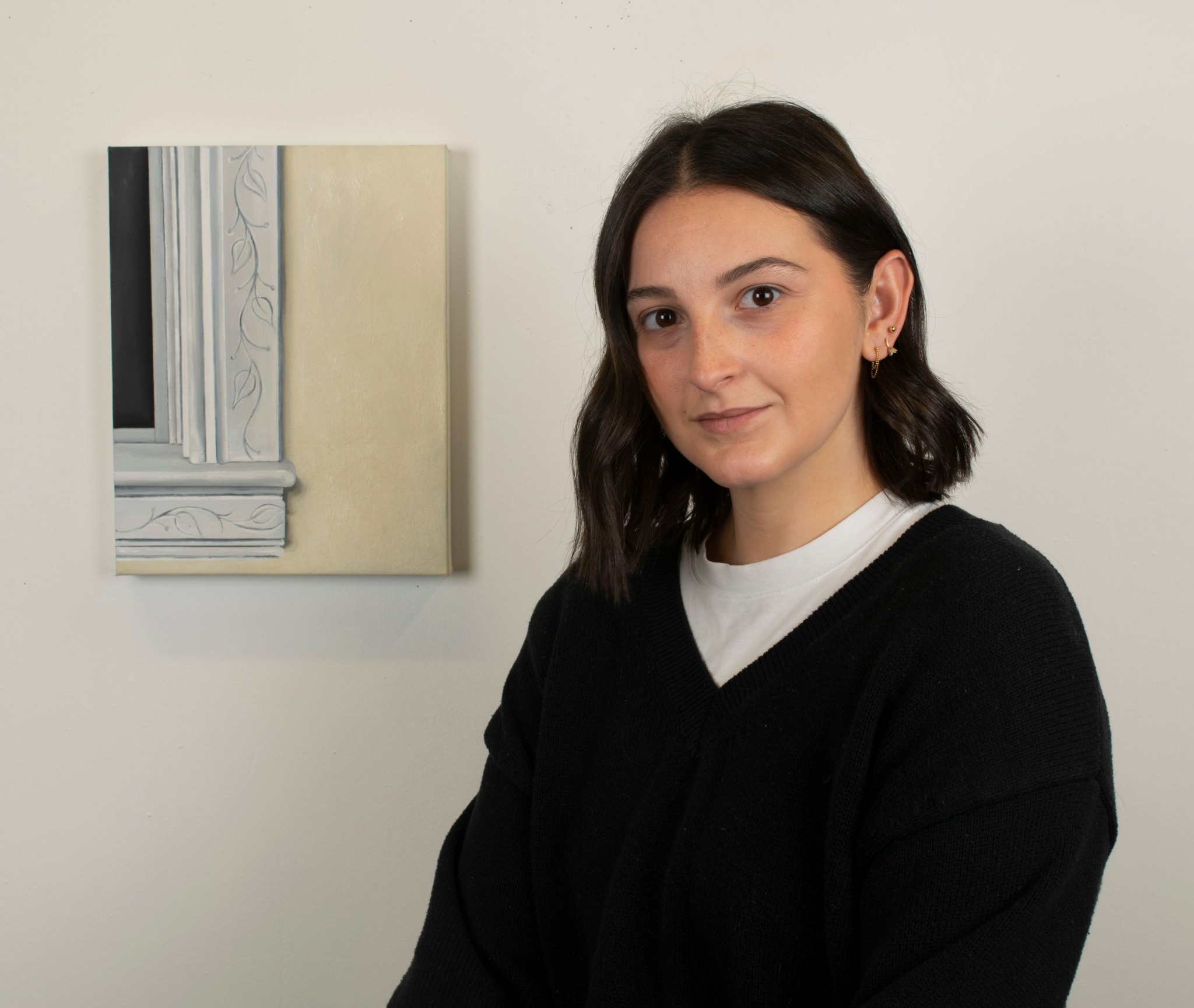

We were lucky to catch up with Camryn Connolly recently and have shared our conversation below.
Alright, Camryn thanks for taking the time to share your stories and insights with us today. We’d love to hear about the things you feel your parents did right and how those things have impacted your career and life.
My parents supported my creative interests from a young age. I was constantly drawing, building things, or finding ways to make something out of nothing. Instead of discouraging that, they encouraged it. They enrolled me in an after-school art School called the Acorn Gallery of Art, where I was able to experiment, learn from working artists, and begin to see art as something I could truly pursue.
What stands out to me is that they believed in my path even when others might have questioned it. Many parents are hesitant about their children going into the arts, but mine never tried to redirect me, they trusted that creativity was something I needed to follow. That early belief gave me the confidence to take risks, to study art seriously, and to build a life centered around making and teaching it. Their support taught me that art is worth investing in, both personally and professionally, and that belief continues to shape how I approach my own work.
Camryn, before we move on to more of these sorts of questions, can you take some time to bring our readers up to speed on you and what you do?
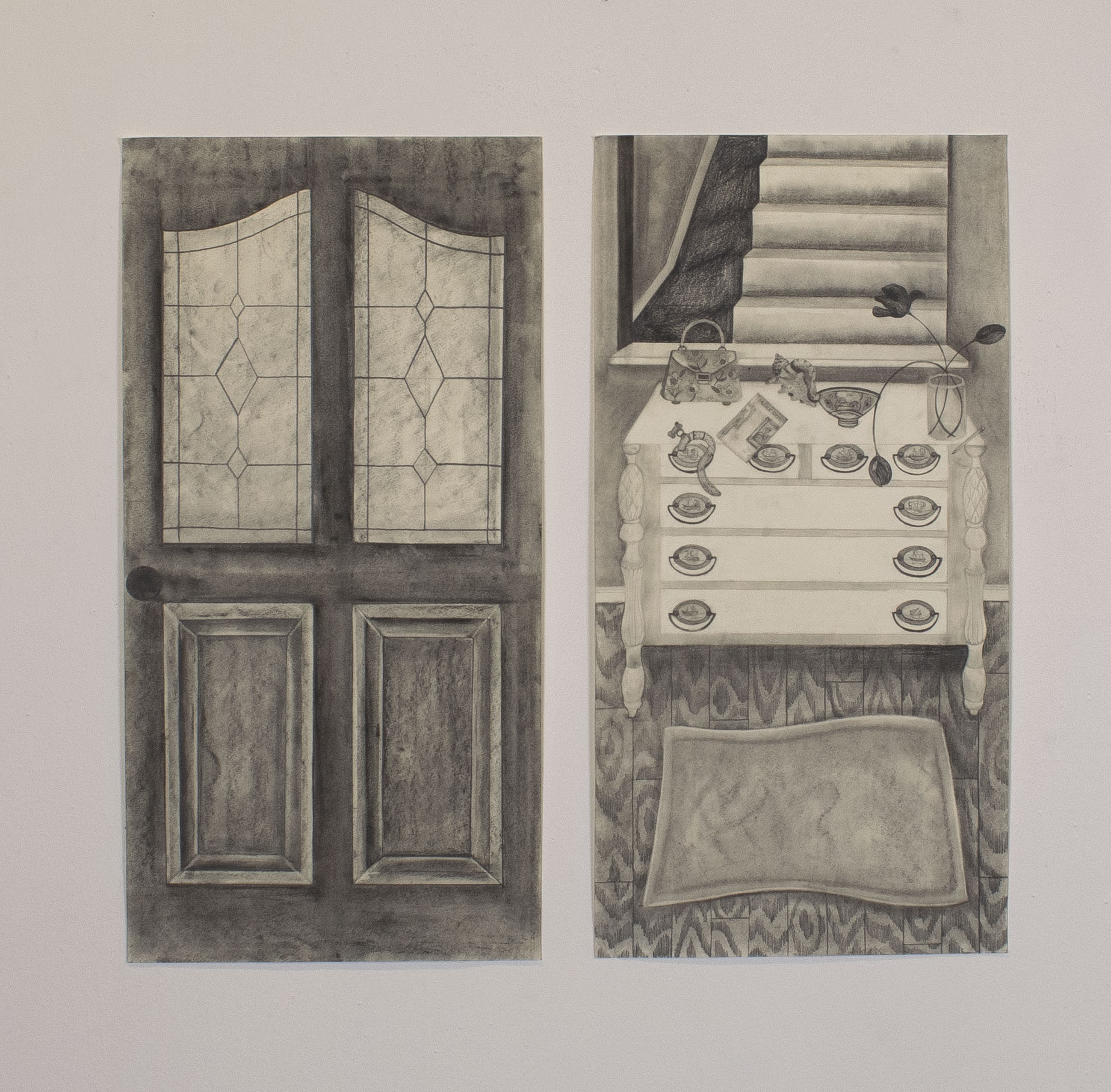
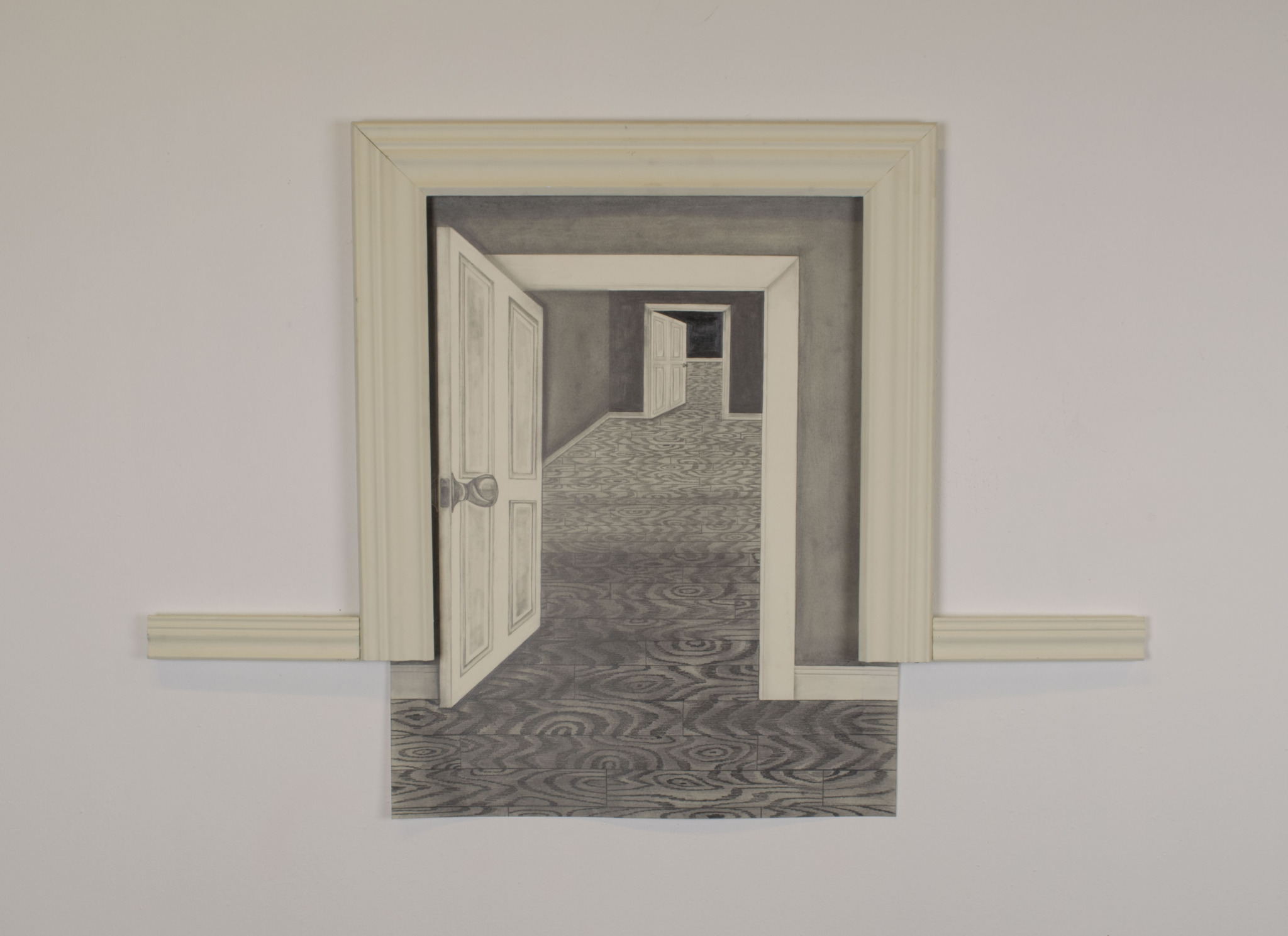
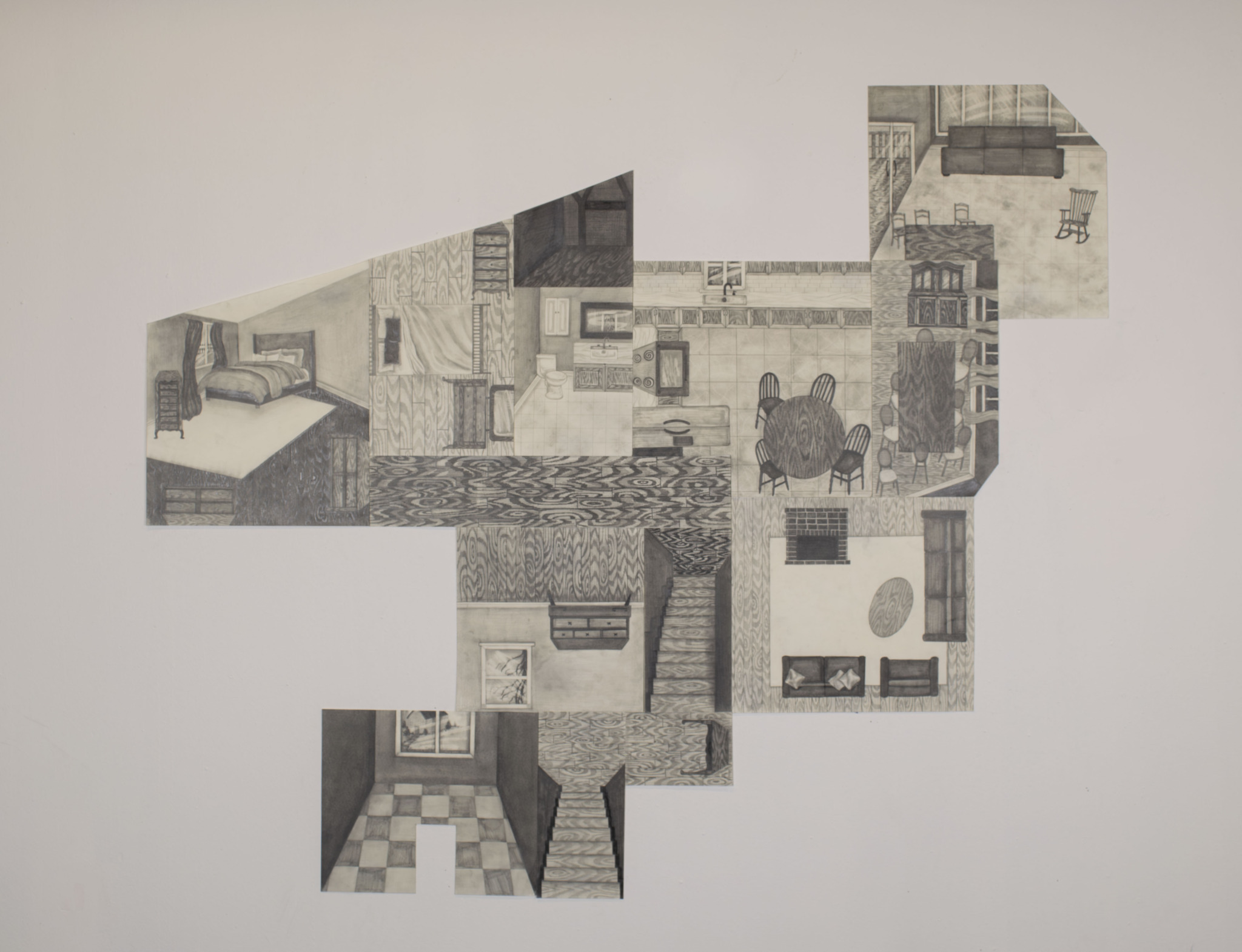
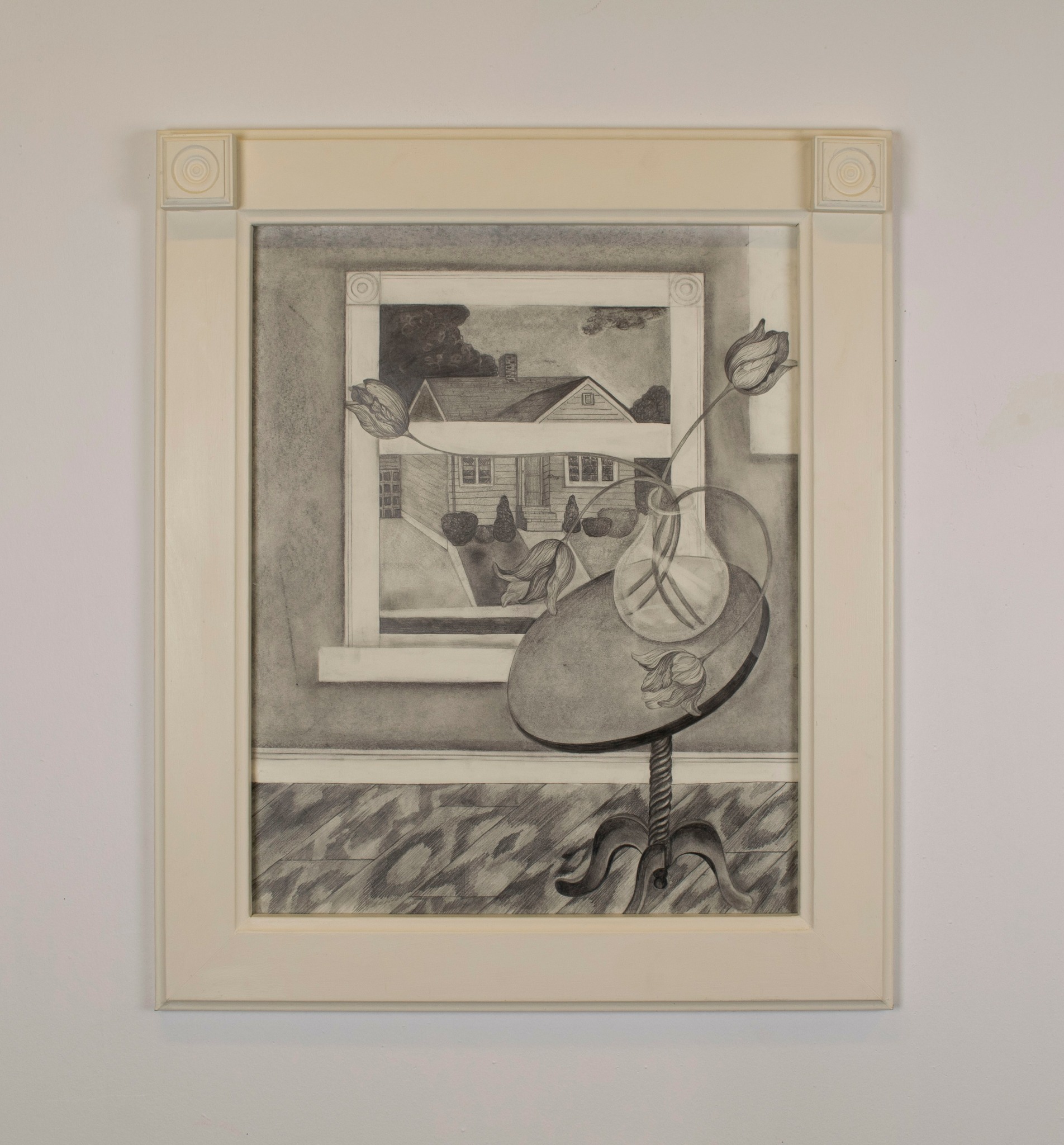
I’m a visual artist from Salem, Massachusetts, currently based in Boston, where I’m pursuing my MFA in 2D Fine Arts at the Massachusetts College of Art and Design. My practice is rooted in exploring memory, domestic space, and the psychology of home. I’m interested in how the spaces we live in, our bedrooms, kitchens, hallways become extensions of identity and containers for personal history. Through drawing, painting, and mixed media, I reconstruct these spaces as they exist between reality and recollection.
I’ve always been drawn to art and storytelling through objects. I started taking classes at the Acorn Gallery School of Art when I was eight, and that early experience gave me both a sense of discipline and a deep love for the creative process. Later, at Boston University, where I earned my BFA in Painting and Printmaking, I became more interested in how memory and material can intertwine. How a curtain or chair can hold traces of a life lived. Those interests continue to shape my current work.
What sets my practice apart is my focus on translating the intangible memory, time, and emotion into physical space. My drawings often play with distortion, layering, and the tension between presence and absence. I think of each piece as an act of reconstruction, an attempt to hold onto something that’s already shifting.
In addition to my studio work, I’m deeply committed to arts education and community engagement. I’ve worked with Sparc! The ArtMobile, helping organize public art exhibitions and programs that make creative experiences accessible to a wide range of audiences. Whether in the studio or in the community, I want my work to reflect on the spaces we inhabit and the stories embedded within them. Ultimately, I hope that people who encounter my work feel invited to look closer to recognize something familiar and, at the same time, see it transformed.
For you, what’s the most rewarding aspect of being a creative?
For me, the most rewarding aspect of being an artist is getting to do what I love every day. I feel lucky to have a practice that allows me to slow down, observe, and translate the world through my own lens. There’s something deeply fulfilling about turning an idea or a memory into something tangible, something that can connect with others in ways words sometimes can’t.
I think one of the most meaningful ways society can support artists and a thriving creative ecosystem is by being present. By truly engaging with art and the people who make it. That means taking the time to go to local exhibitions, performances, and community art events, and allowing space for reflection and dialogue.
Support doesn’t always have to be financial; it can be about showing up, being curious, and appreciating the artistry and thought that goes into creative work. When people take the time to look, listen, and respond, it reinforces the idea that art is an essential part of everyday life. Not just something extra or decorative, but something that helps us see the world differently.
Contact Info:
- Website: https://camrynconnolly.com
- Instagram: https://www.instagram.com/camrynscollections/
- Linkedin: https://www.linkedin.com/in/camryn-connolly-0b6b44167/