
Alright – so today we’ve got the honor of introducing you to Linus Pawlowski. We think you’ll enjoy our conversation, we’ve shared it below.
Linus, thanks for joining us, excited to have you contributing your stories and insights. How did you learn to do what you do? Knowing what you know now, what could you have done to speed up your learning process? What skills do you think were most essential? What obstacles stood in the way of learning more?
I think I began to learn stuff way before I was consciously aware of doing it. I remember that my mum kept some of the drawings I made from monster creatures when I was 3-5 years old. So I guess, non-verbal creative outputs and the peace, joy or flow state I got into have somehow impacted my brain development to the point that creative expressions always stuck with me, sometimes less, and sometimes more. If I would have wanted to speed up my learning process in art-creation, I guess I should have kept an ongoing, never-ending consistency and learn to also create if I don’t feel like it. However, I was never really good at that so sometimes I would also not sit down to work on a piece for quite a long time. This dualism constantly rewires my brain and brings new ideas and inspirations. This especially includes tough episodes which are one of the biggest reasons for me to create at all.
For me, in some way creation is also just a regulatory tool to release something itchy out of the system. And one of the learnings is the realization how many different ways and opportunities there are out there to basically (re)connect two separated worlds into one, again and again.
Great, appreciate you sharing that with us. Before we ask you to share more of your insights, can you take a moment to introduce yourself and how you got to where you are today to our readers.
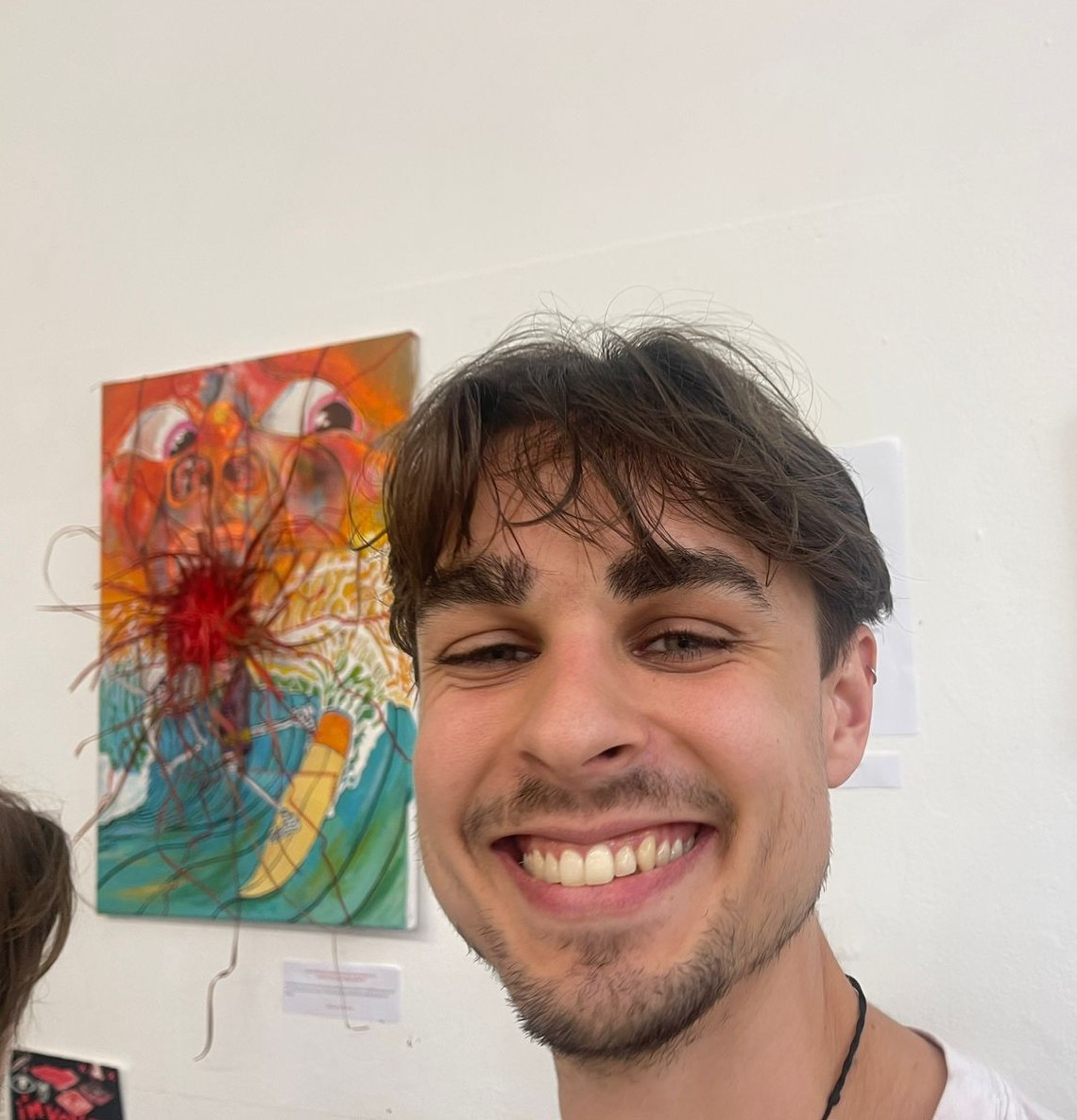
I’m Linus (25), and currently living in Groningen, Netherlands for my Masters Studies in Arts and Cultural Entrepreneurship. I try to keep myself busy with multiple art projects on the side.
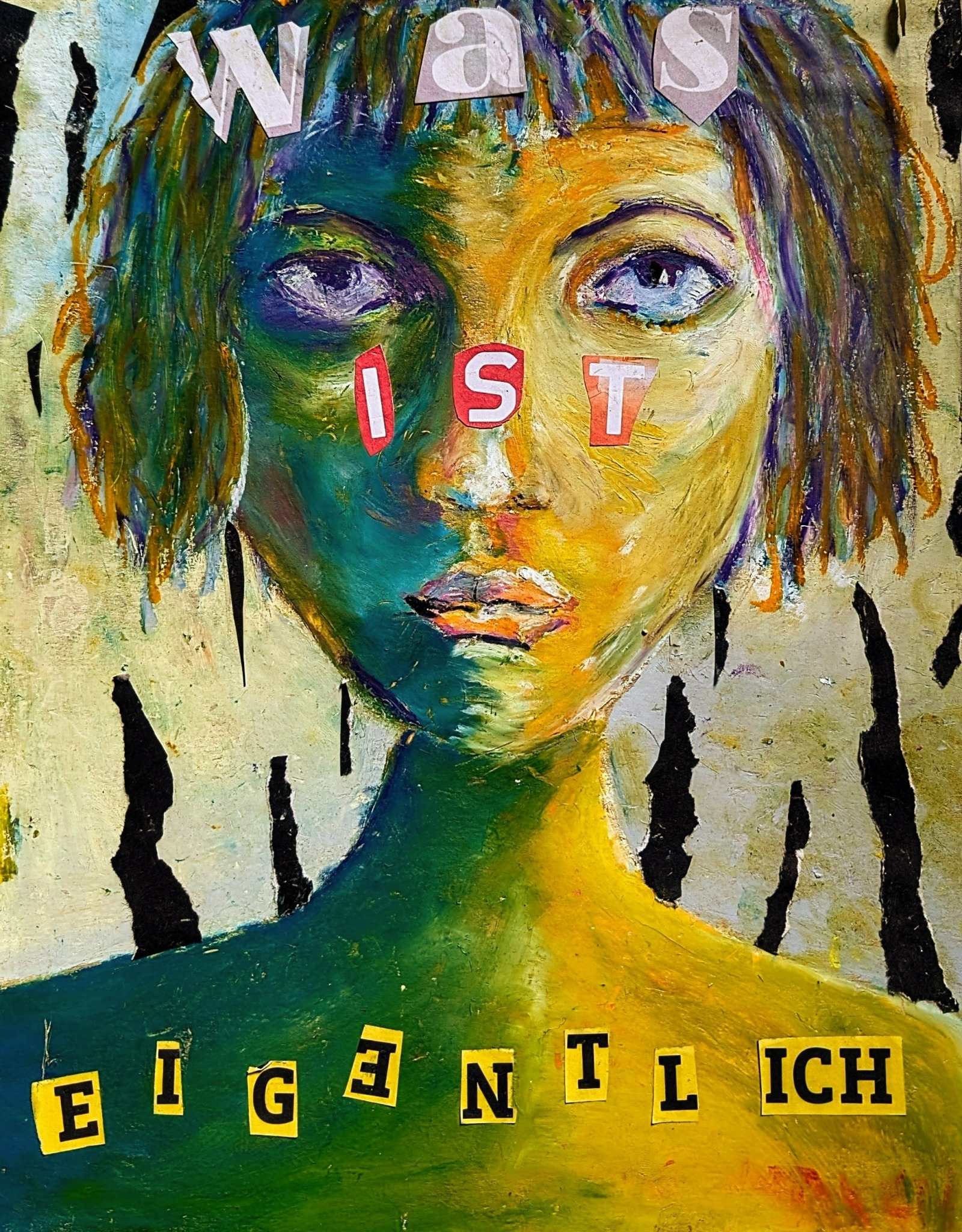
I am mostly producing (electronic) music like ambiental, trance, IDM, or Hip-Hop and use field recordings, and am visually creative in different forms and media. Next to painting and drawing, I like to explore tools that I can use to create patterns, geometrical figures or fractals and mandalas. For example, this year I got into Liquid Light Projections and Spirographic art. Preferably, I combine a lot of techniques into one artwork.
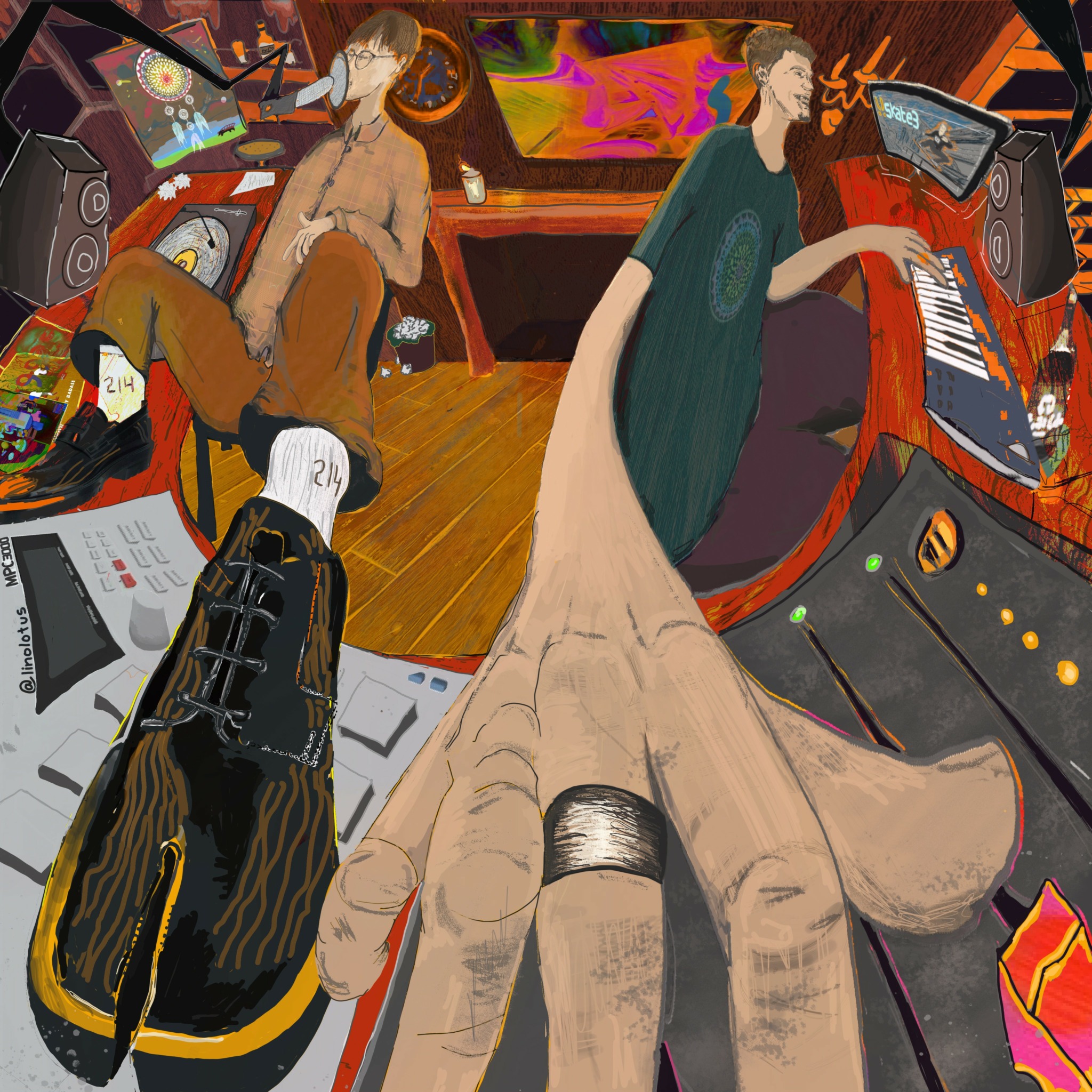
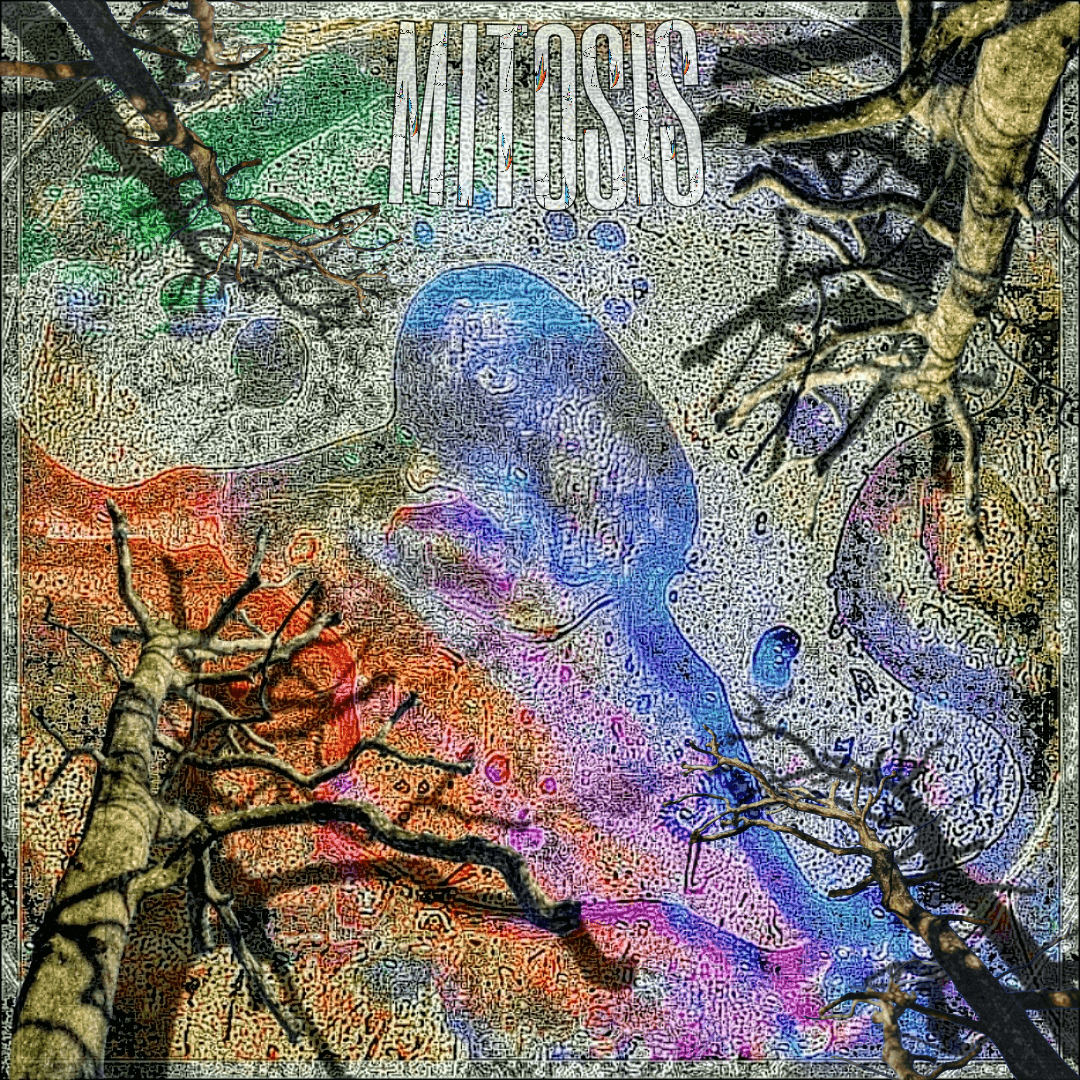
I like to create stuff that is just for me and my friends and is not transformed into a market-product. I already made quite a few album and song covers mostly for my friends and my own stuff, including Synth-Pop (e.g. Bazga), German HipHop (e.g. yinzent and whothefuckispluto, Lazy Lizzard Gang) or my Mitosis EP.
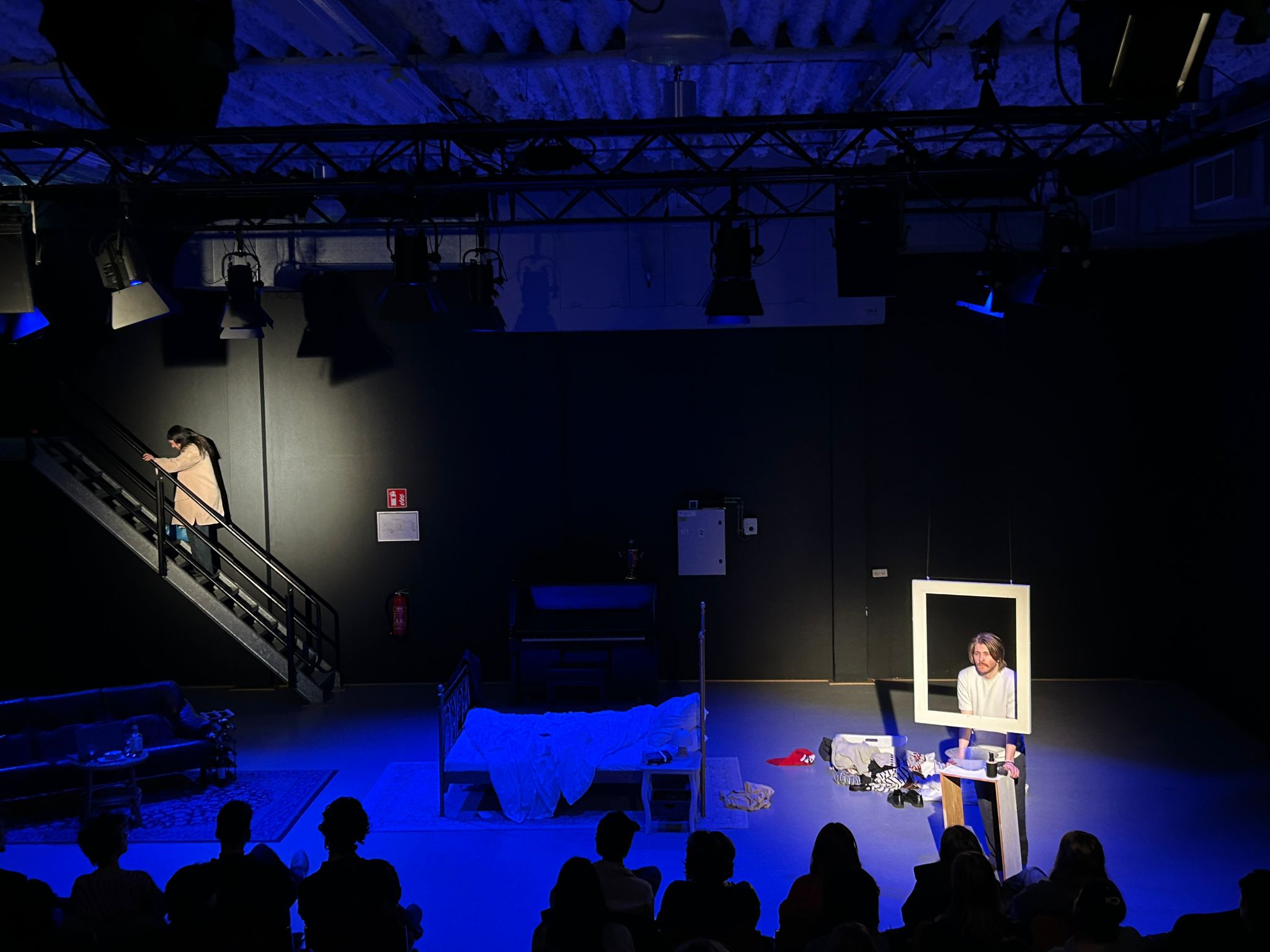
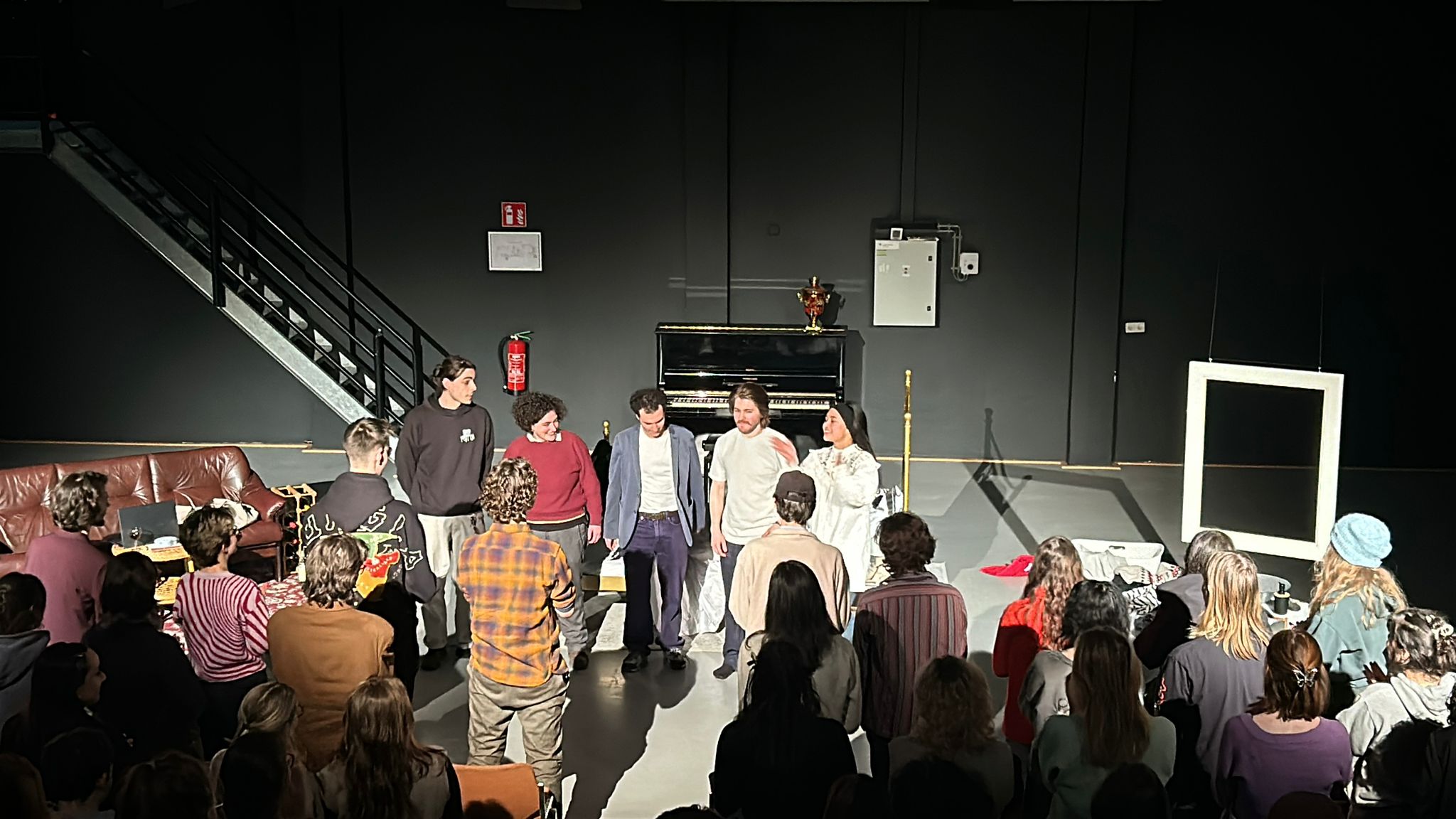
As I met my friends in Groningen three years ago, my constant surrounding of different artists and artistic practices shaped also my experiences in new fields such as film and theatre production and I am very grateful for that. With our art collective ‘Sympodium’ we made our own theatre play (‘Cordelia was a Saint’) that also included an art exhibition , where I was able to function as organizer, play director and set-designer. The DIY ethos and independent nature of our projects can make it stressful, but are certainly highly valuable experiences and moments that I share together with my friends in the best way possible.
Setting foot into the organizational side of the arts and culture through self-organized museum exhibitions and particularly the planning and execution of (music) festivals, I could appreciate insights into the creation of alternative, community driven sites.
I am currently interested in researching and realizing how the arts and culture can offer (temporal) alternative forms of harmonic co-creation of life, outside dominant controlling forces of the (capitalist) systems.
In weird times of crumbling democracies and the facing of inevitable consequences of human made climate change, my main focus lies here also specifically on accessible socio-ecological practices in which art through shared cultural expression can aim for a wider sustainable change that positions humans as a part of nature – rather than apart from it.
For you, what’s the most rewarding aspect of being a creative?
For me, the most rewarding aspects of being an creative consists of two layers.
One is about the psychological effect that art creation gives me. It can be rewarding when you are struggling with spirals in your head and monochromatic views on life and art creation can give you a possibility to channel your attention beyond that, preferably through a reconfiguration. Because it basically allows you to transmediate any insight, struggle, question, cloud or whatever, into an external idea of self-revelation. This doesn’t have to be a conscious act, sometimes the flow state itself that you enter is already enough.
Usually I start a painting or drawing or music project with no thought-out idea of an end goal. The more (unconscious) shapes or lines or sounds you merge together, the clearer your brain interprets those into a narrative guidance, a flow to follow. Art therefore rewards you with a possibility to switch perspectives constantly and get outside of distinct thinking patterns (in real-time).
The other rewarding aspect is sharing your art, preferably with people that are close to you. I was struggling a little bit to learn that actually because of low value but especially my friends made me realize how beautiful it can be to share meaningful (and how funny it can be to show meaningless) art with them and the world. So I am getting better with that.
Do you think there is something that non-creatives might struggle to understand about your journey as a creative? Maybe you can shed some light?
While writing this interview, I find it hard to always see myself as an artist because the term is (at least for me) quite value-laden and connected to external expectations like “you need to have a certain skill at least” or you need t reach a “good enough” that I do feel like a can’t fulfill sometimes. I don’t want to decide who or what is “art” and who isn’t. I resonate with being ‘creative’ way more because it reaches a wider spectrum, is more focused on the practice itself, and has less of an evaluative character to it.
Being in a creative journey taught me the pleasant possibility to explore infinite dialectics that go beyond traditional arts’ media, tools or affordances. So in some way or another, everybody is a creative, in their own time-space.
And being on a creative journey also means to not be creative from time to time and to struggle, and especially these time-outs can be necessary because it refills creativity and motivation to eventually get something out of your system again. If everything is just splendid all the time, I don’t think I would attach to art as much I choose to.
Contact Info:
- Instagram: https://www.instagram.com/linolotus?igsh=MTJkdTV1OWQzdjlyMg==
- Soundcloud: Check out linolotus on #SoundCloud https://on.soundcloud.com/KZCQmy20Drx1IGmdlF
- Other: ‘linolotus’ on music platforms like Spotify, Tidal, etc.