

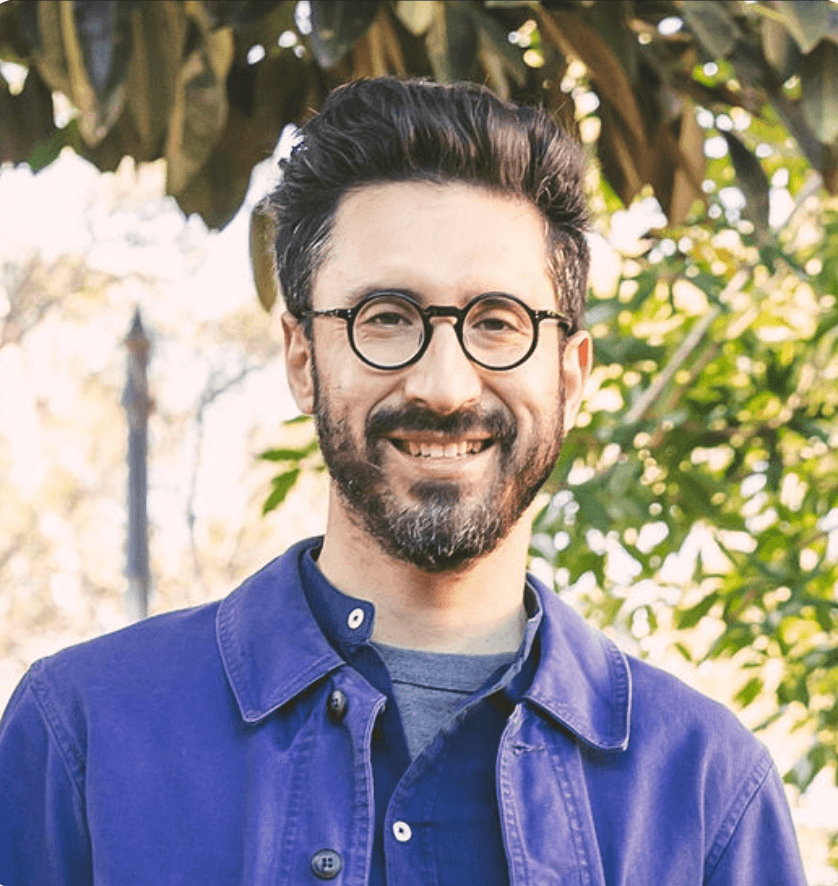

We recently connected with Daniel Lachman and have shared our conversation below.
Daniel, appreciate you joining us today. One deeply underappreciated facet of being a service provider is the kind of crazy stuff that happens from time to time. It could be anything from a disgruntled client attacking an employee or waking up to find out a celebrity gave you a shoutout on TikTok – the sudden, unexpected hits (both positive and negative) make the profession both exhilarating and exhausting. Can you share one of your craziest stories?
My line work is a strange mix of detective work, negotiation, and advocacy. We track down artists—often small creators who’ve long given up hope—and convince them that we can help them recover profits stolen through counterfeit versions of their art. Most cases start the same way: with a counterfeit product and a mystery to solve. But one search, in particular, stands out.
It began with a tiny enamel pin of a frog flipping the middle finger. It had gone viral on resale sites, mass-produced by overseas factories, and copied endlessly. The pin was very unique and yet no one knew who had made it. My research team and I combed through image searches, Pinterest links, and social media tags, but every lead hit a wall. The trail was completely cold.
Out of ideas, I decided to try something unconventional. I posted the image to Reddit’s “Help Me Find” community—a forum full of internet detectives who specialize in identifying lost art and obscure objects. Within hours, someone replied: “That looks like a pin from the Etsy shop called BooJuice.”
It was a hit, but the journey didn’t end there. The shop had been closed for years, and all that I had was the shop owner’s name. She was a relative ghost on social media. I sent messages to every email and platform I could find but got no response.
Months passed. Then, one night around 10 p.m., my phone buzzed with an Instagram notification. A message from BooJuice’s long-silent account: “Hey, I just saw your message. Yeah—that’s my frog.”
That was the breakthrough we needed. After a few days of thought she agreed to let us help her. Our team gathered evidence, tracked counterfeit supply chains, and filed the claims. When the recovery finally came through, it wasn’t just a win—it was life-changing amount of money. The artist received more money than she had ever made from her art while it was being legitimately sold.
All from a rebellious little frog pin flipping off the world.

Awesome – so before we get into the rest of our questions, can you briefly introduce yourself to our readers.
My name is Daniel Lachman, and I’m the founder of Justice for Artists. Before starting this firm, I was an artist myself—I ran a t-shirt line on Etsy for 17 years. Around 2012, a few of my sloth designs unexpectedly went viral, and that’s when the counterfeits began appearing. At the time, I had no idea how to fight back. The knockoffs not only cut deeply into my sales but also took a real toll on my mental health. It wasn’t until years later that I connected with lawyers who specialized in protecting creators’ rights and learned that it was possible to hold counterfeiters accountable. That experience changed everything for me. I realized that most artists had no idea this kind of service existed. I dropped everything and dedicated myself to helping others in the same position. Today, Justice for Artists has helped more than a hundred creators recover lost income and take back ownership of their work.
Any advice for growing your clientele? What’s been most effective for you?
Once we started recovering significant amounts of money for the artists we worked with, word began to spread fast. Artists talk to each other, and soon we were getting referrals purely through word of mouth. What began as a handful of cases quickly turned into a steady flow of new creators reaching out for help. Now, we’re regularly tagged in Instagram posts from artists venting about counterfeits or sharing stories about stolen designs. It’s become part of our daily routine—spotting those tags, jumping into the comments, and offering support. Each one is a reminder that our work fills a real gap in the creative community, and that artists are learning they don’t have to face this problem alone.
What do you think helped you build your reputation within your market?
The hardest part of our job, especially in the beginning, was convincing prospective clients that we weren’t a scam. After all, it’s not every day that someone reaches out claiming they can help you recover stolen profits—with no catch. Most artists had been burned before, either by counterfeiters or by people promising to help and disappearing once money was involved. Fortunately, I already knew several artists personally whose work had been stolen, and they trusted me enough to take a chance. That initial group became our foundation. Once we successfully helped them recover their lost earnings, they became our strongest advocates—sharing their experiences and vouching for us to others. From there, everything grew organically. The more artists we helped, the more word spread, and the more legitimacy we built within the creative community.
Contact Info:
- Website: https://justice4artists.com
- Instagram: justice.for.artists
- Facebook: https://www.facebook.com/justice4artists
Image Credits
Liffi Wongo, Boo Juice, John Larriva, Sasha Vinogradova, Rachel Pfeffer, Norman Duenas,