

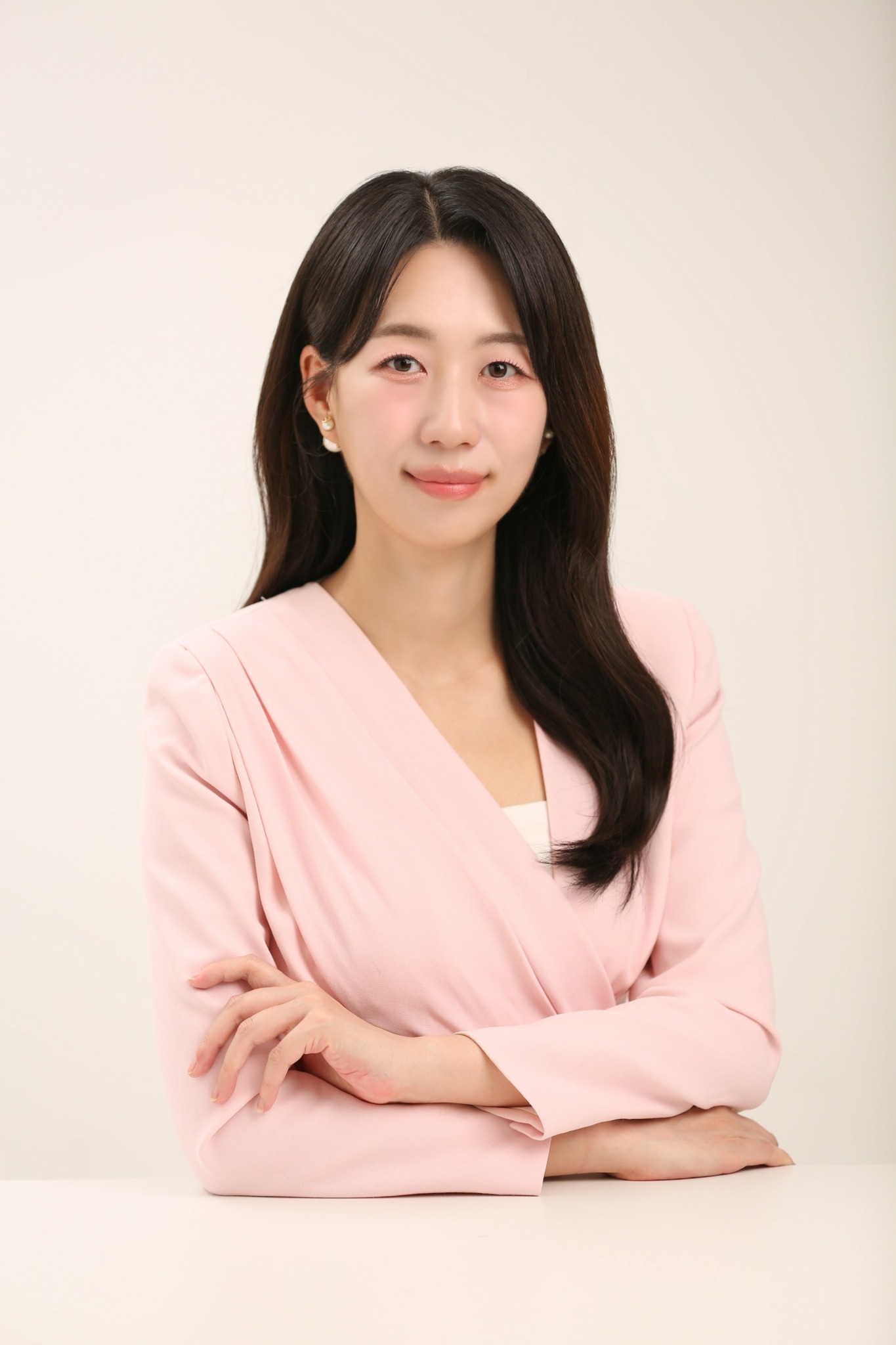

We’re excited to introduce you to the always interesting and insightful Mariko Kashiwamata. We hope you’ll enjoy our conversation with Mariko below.
Mariko, looking forward to hearing all of your stories today. Let’s jump right into how you came up with the idea?
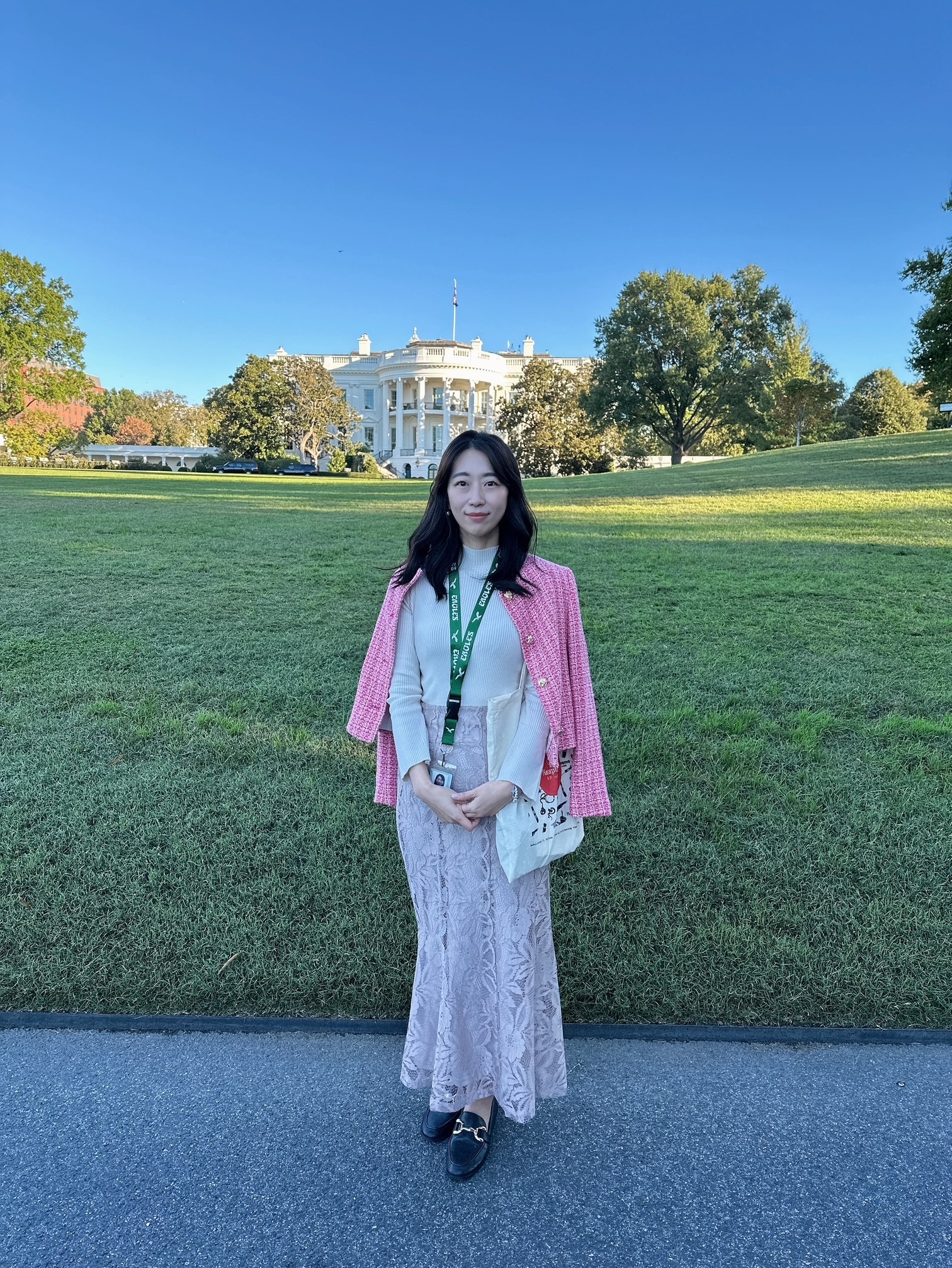
The idea for my creative services comes directly from my work as a TV news producer in Washington, D.C. Every day, I’m responsible for capturing the important stories happening in the U.S. and delivering them clearly to a Japanese audience. To do this effectively, I need to understand not just the facts, but also the context, the circumstances, and what will matter most to people back in Japan.
This means my job is built on communication — listening, asking the right questions, and building connections both here in Washington and in Japan. Over time, I realized that the ability to bridge these two worlds through communication wasn’t just part of my work; it was the core value I bring.
For example, some domestic news in the U.S. may at first seem unrelated to Japan, but I often feel it’s an important issue that Japanese audiences should know about. Simply reporting the facts isn’t enough — the story has to capture their attention and resonate with their hearts. To find that angle, I communicate deeply with interviewees here in the U.S. to understand the story fully, and also with Japanese audiences to research their perspectives. Through this process, I uncover the common ground that connects both sides and shape the story in a way that truly engages and resonates with the audience.
At its heart, my work is about one thing: communication. Not just words, but connection — bridging cultures, perspectives, and ideas so people can genuinely understand one another.
Mariko, before we move on to more of these sorts of questions, can you take some time to bring our readers up to speed on you and what you do?
I started my career as a magazine editor in Japan after graduating from university. In 2012, I moved to the U.S. and began working as a freelance writer for Japanese magazines and websites. Over time, I transitioned into television, and now I work as a TV news producer for a Japanese media company in Washington, D.C., delivering U.S. news to audiences in Japan.
Early in my career, I focused on lifestyle and beauty topics for magazines, and now I cover politics — which I’m truly passionate about. While this might seem like a drastic shift, the core of my work hasn’t changed: understanding what the audience wants. To do that, I research, study, and communicate constantly. That process — uncovering insights, connecting with people, and crafting stories that resonate — is something I’ve realized I love and want to dedicate my life to.

What do you think is the goal or mission that drives your creative journey?
I want to help Japanese people gain a deeper understanding of both major and local news in the U.S., because we often hear only national headlines, while so much happening at the local level directly affects communities. At the same time, I hope to introduce Americans to Japanese news and culture, helping to bridge understanding between our countries.
Beyond my work as a journalist, I enjoy volunteering to promote Japanese culture in US, and I also support and assist my friends with beauty pageants for plus-size women in Japan. Participating in a pageant myself — as Mrs. Japan World 2024 — was a transformative experience, and I want the world to know that these stories matter too.
To achieve all this, I actively meet with people from all walks of life here, learning their perspectives and sharing stories that resonate. Ultimately, my goal is to launch my own media platform that can serve as a bridge between Japan and the U.S., providing insightful and engaging coverage for audiences in both countries.

For you, what’s the most rewarding aspect of being a creative?
The most rewarding aspect of being a journalist and creative is giving a voice to people who are often unheard. One of the most memorable moments for me was when I went to Chicago to cover the issue of illegal immigration. A woman, who was afraid her husband might be deported, shared her story with us. At the end, she tearfully said, “Thank you for telling my story.” That moment made me realize how important my work is and inspired me to continue amplifying voices that are often overlooked.
I also love meeting people, which is another rewarding aspect of this work. It allows me to connect with individuals who are normally hard to access. Right now, I have the opportunity to meet presidents and prominent politicians, which is incredible. One unforgettable personal moment was interviewing Cameron Diaz about her movie almost 20 years ago—she was so sweet and genuine, and I will never forget that experience. Being able to witness and share these human stories is what makes my work truly fulfilling.
Contact Info:
- Instagram: https://www.instagram.com/mariko.k.p/
- Facebook: https://www.facebook.com/mariko.kashiwamata/
- Linkedin: https://www.linkedin.com/in/mariko-kashiwamata-5a550126a/

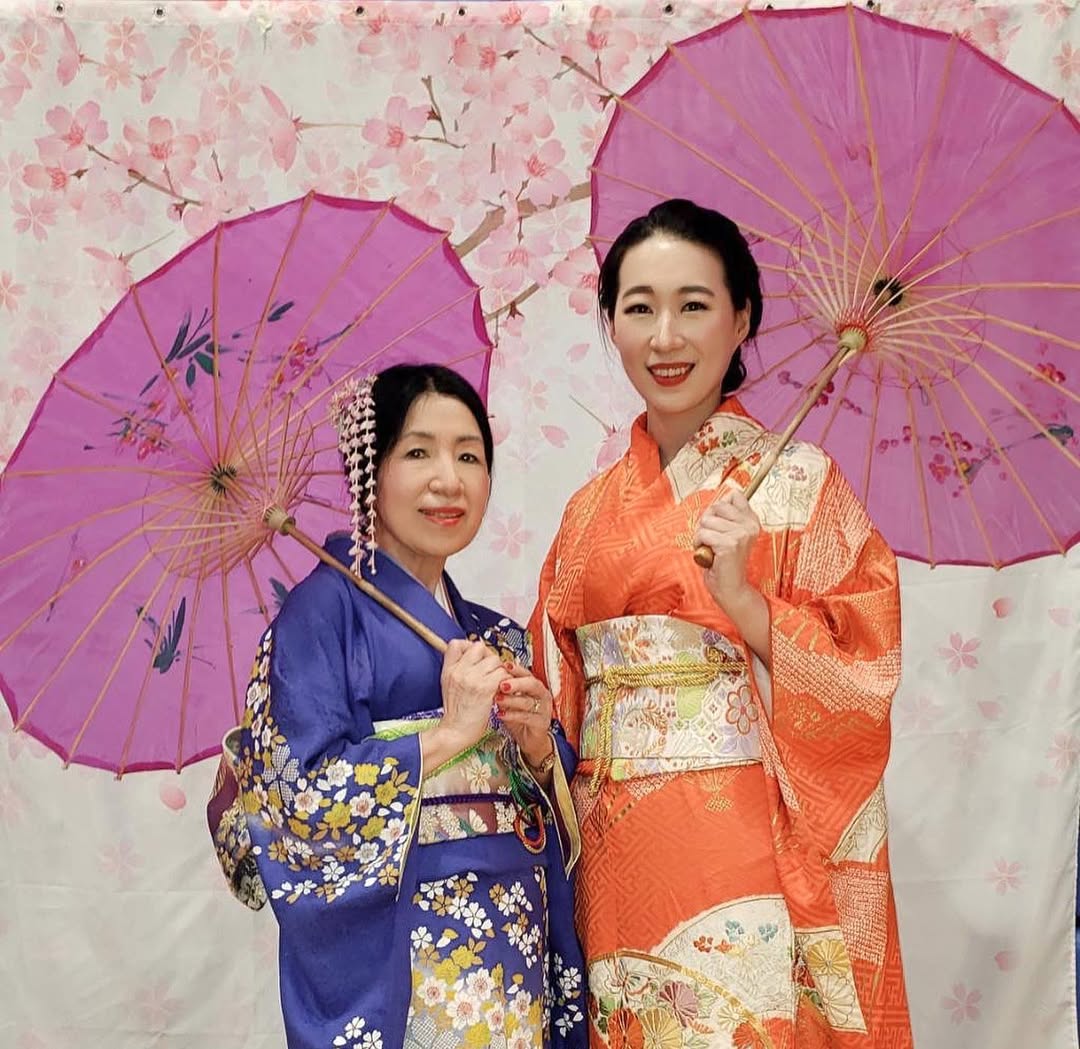
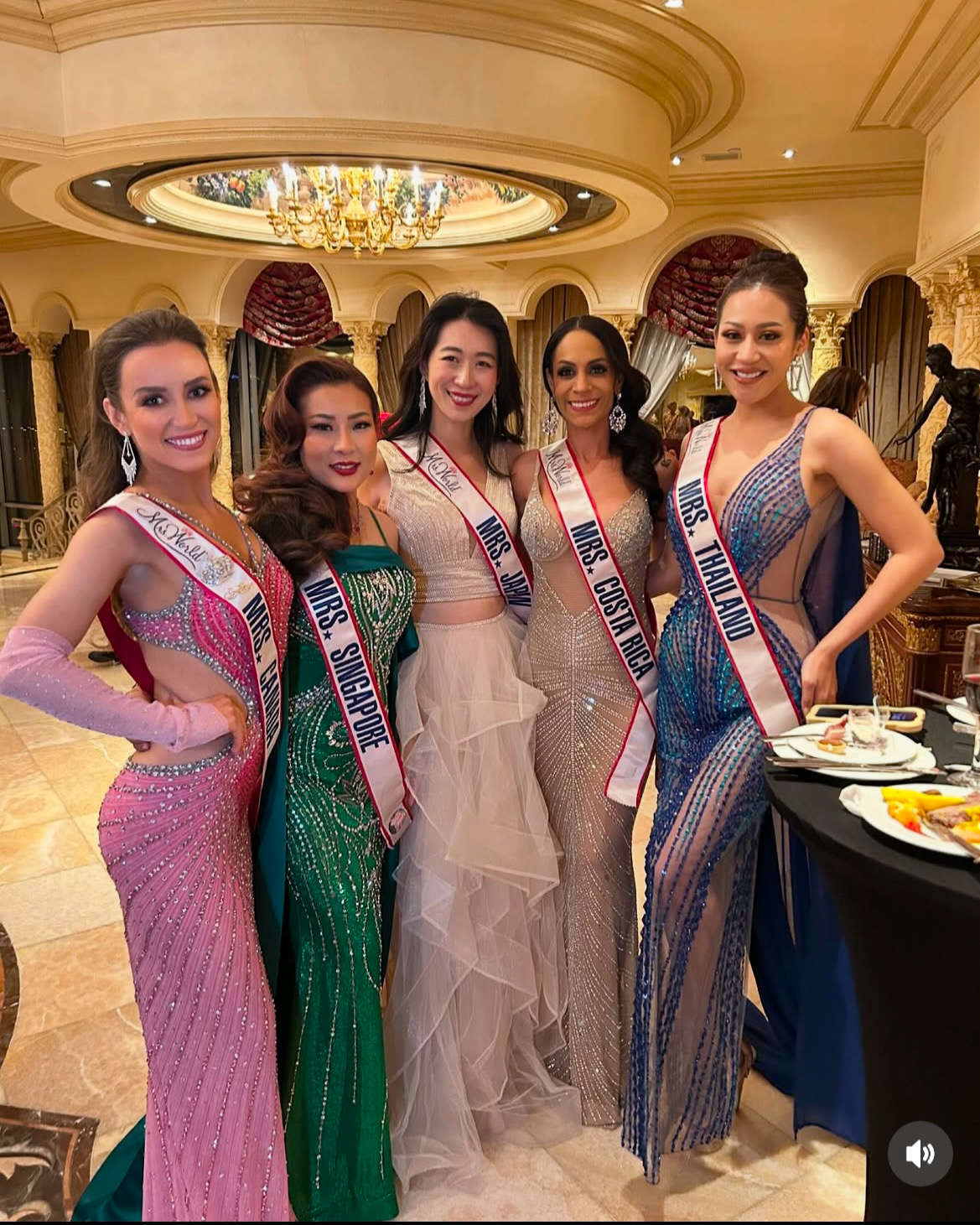
Image Credits
no credit