
We caught up with the brilliant and insightful Ipshita Krishan a few weeks ago and have shared our conversation below.
Ipshita, thanks for taking the time to share your stories with us today Can you walk us through some of the key steps that allowed you move beyond an idea and actually launch?
When I was finishing high school and choosing colleges, I honestly had no idea what studying in the “Western world” would be like. I had to pick a major upfront, I couldn’t apply undecided, and I remember seeing “Design” as an option and thinking, “that sounds cool.” There were two paths on the list: graphic design or interior design. They couldn’t have been more different, but I pictured which title sounded more like me, and “graphic designer” just felt right. Even though I knew nothing about it at the time, thinking back I feel like it is such a designer way to choose.
Once I started studying design, I realized how deep and fascinating the field really is. Every day felt like uncovering something new. I said “yes” to every opportunity that came my way- freelance, projects, collaborations- because each one opened another door. Over those four years, I learned, I worked, I lost sleep, and I fell in love with the process. From understanding the difference between branding and identity to being able to tell the weight of paper just by touch, it was all part of this upward curve of discovery.
Each semester, I gravitated toward classes that demanded detail and finesse like book design, where precision and storytelling come together. By my fourth year, I found myself deeply drawn to branding and identity, and everything I’d explored before seemed to naturally lead me there.
One thing built on another, the projects, the recognition, the trust of people, the conversations with other creatives and somewhere along the way, I realized I’d built not just skills, but confidence and direction with some perspective. Now I’m working full-time as a designer, still learning every day, and still feeling that same excitement I had when I first said, “Yeah, design kinda sounds cool.”
Ipshita, before we move on to more of these sorts of questions, can you take some time to bring our readers up to speed on you and what you do?
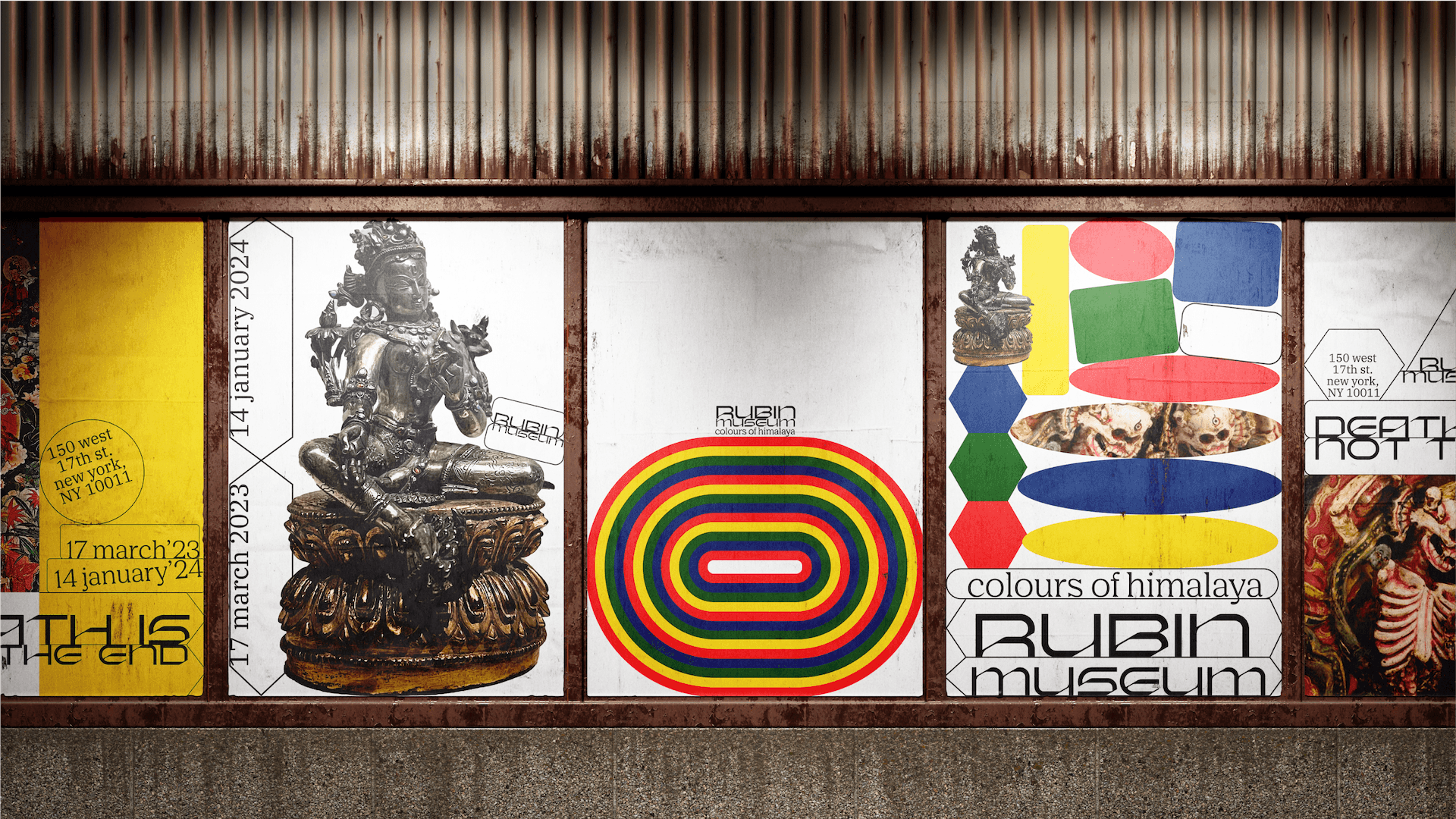
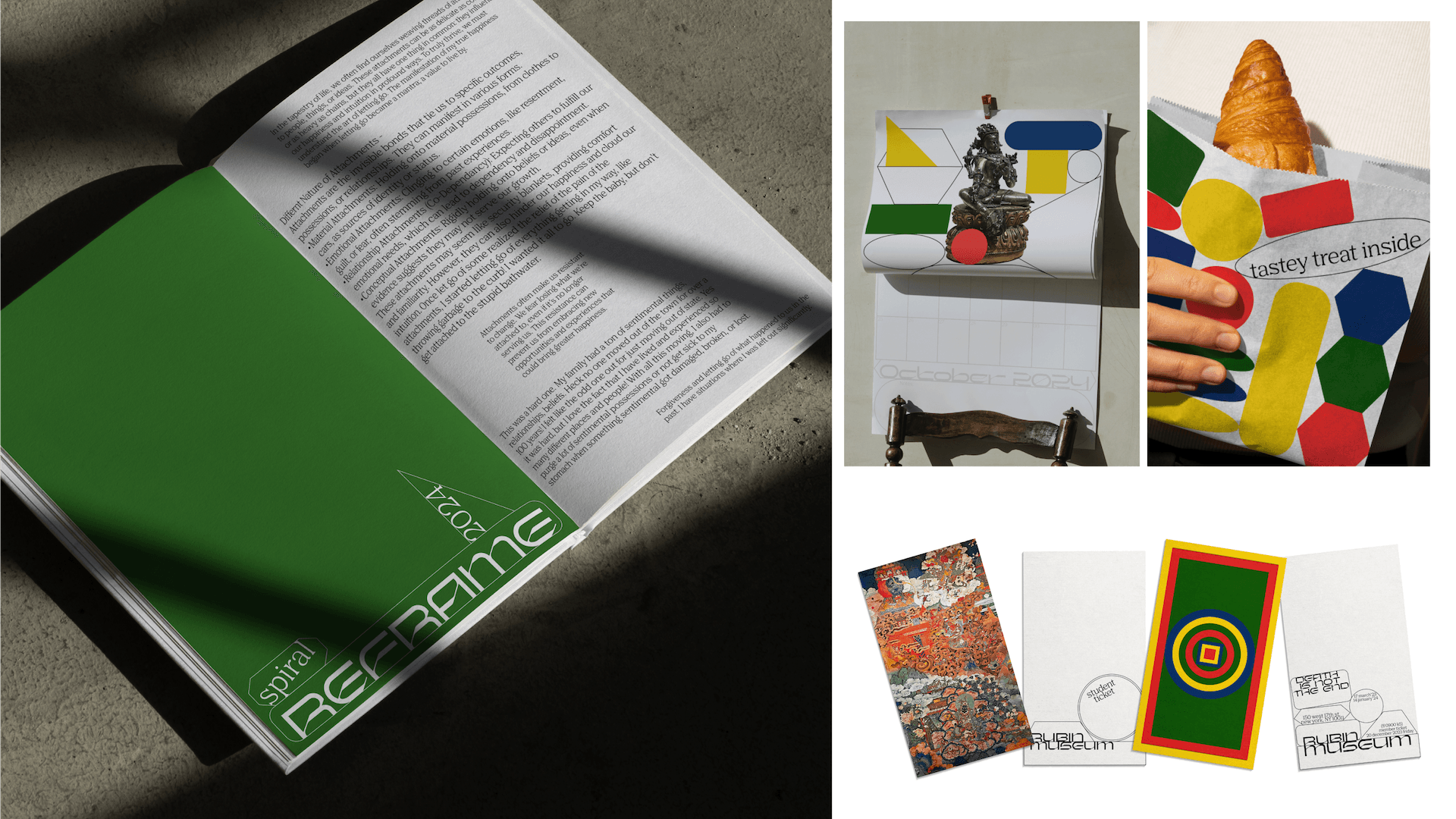
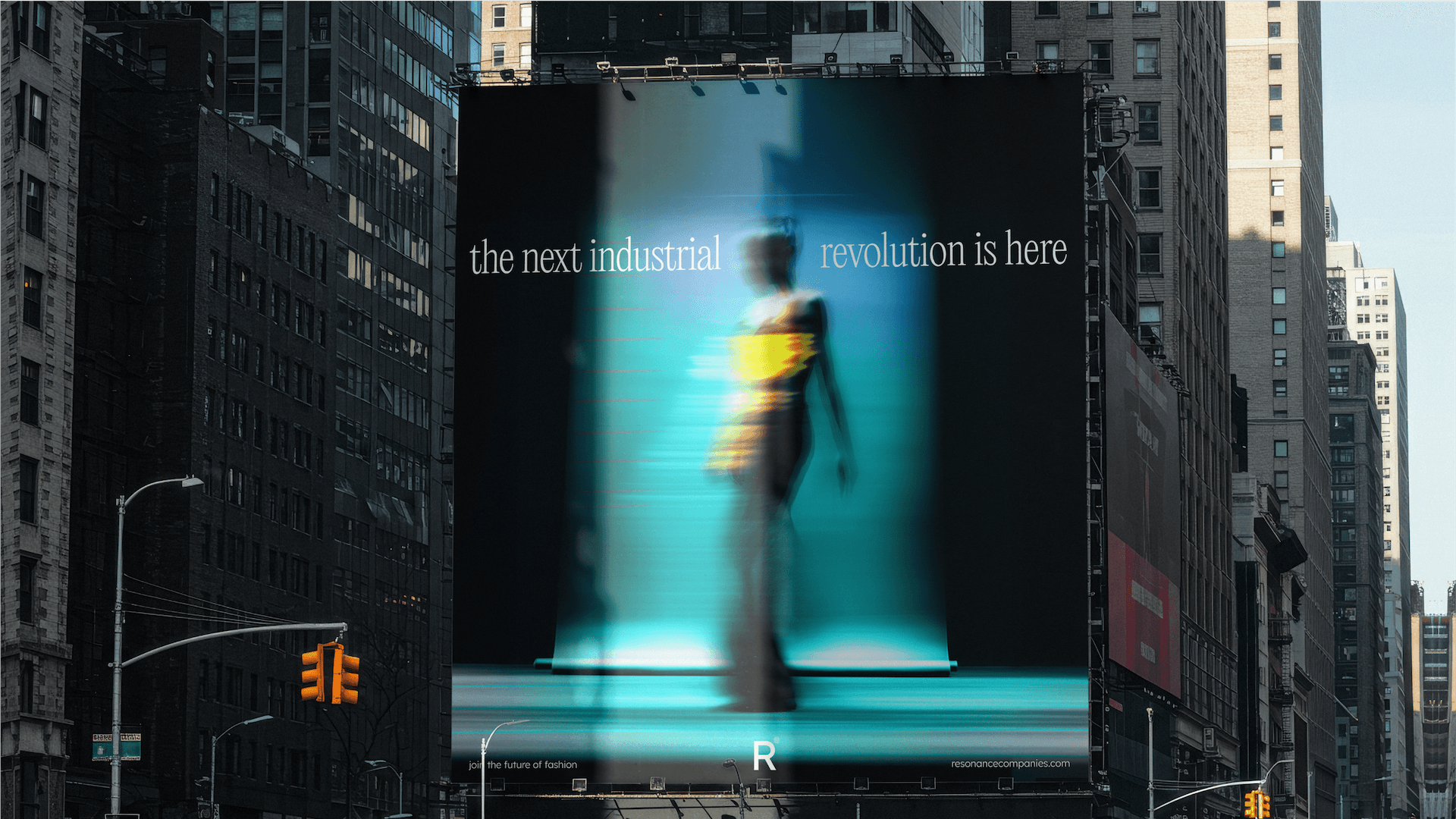
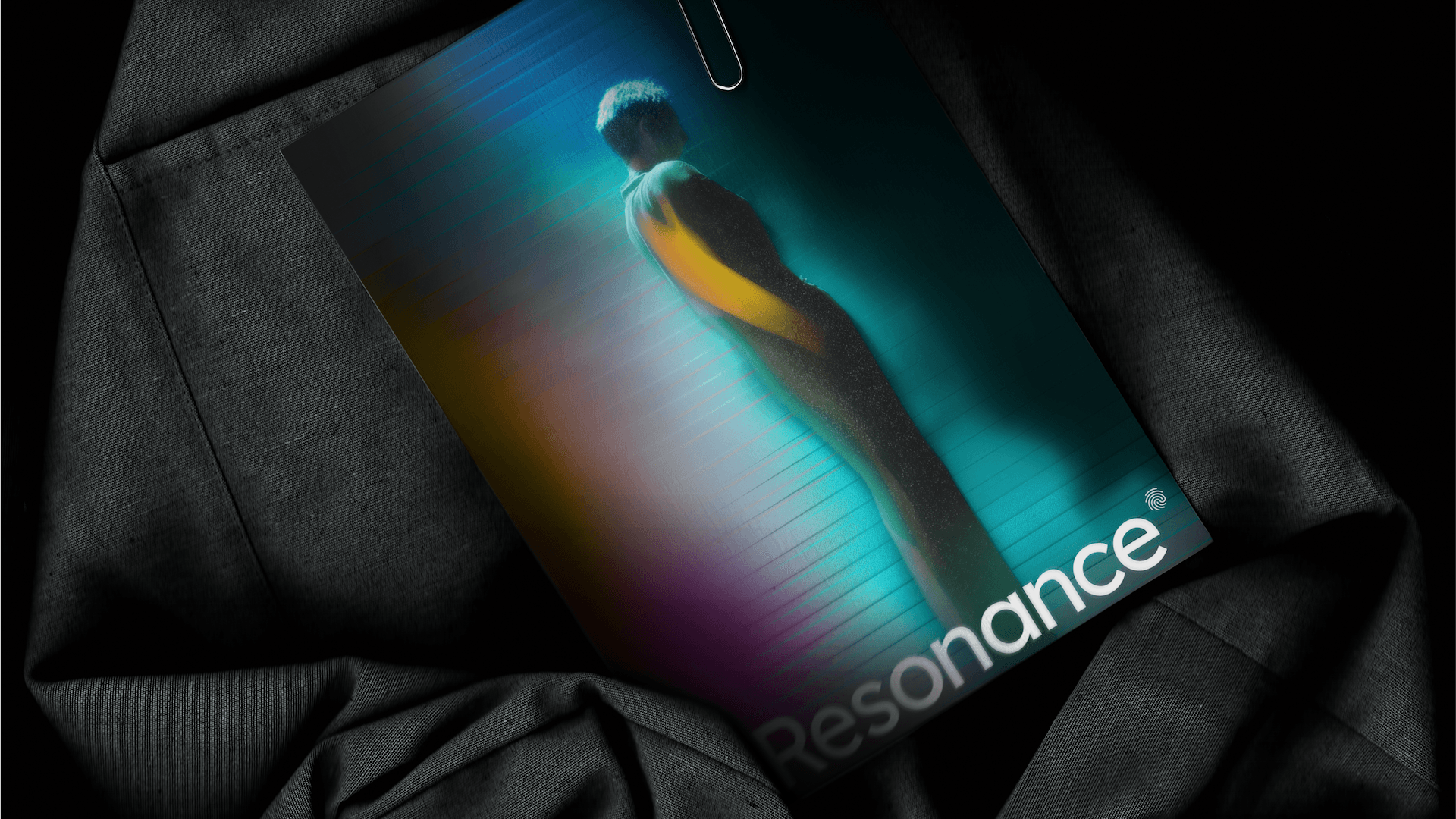
I’m a graphic designer based in New York, and I specialize in branding and identity. At the surface, my work is making things look beautiful, but underneath, it’s always backed by strategy, craft, and visual language. Thats where a personal touch is added. Every project, whether it’s art directing imagery for social or developing a full brand identity, starts with understanding what we’re trying to communicate and how design can bring that to life. Finally that is converted into a function system.
I think a lot about originality and perspective. There’s so much repetition in design, everything starts to feel like a remix, so I try to create work that feels like it has a point of view, like someone with opinions made it. Ideally I can make something that makes people pause and think, “Oh, that’s cool, I get it.”
I moved to the U.S. from India, and that background really shapes how I see and use design. I grew up surrounded by color – it’s a very natural part of the culture, and I’ve noticed that in the West, people often talk about needing to control color. I like the idea of challenging that mindset a bit. For me, color is something to play with, something expressive and alive. It’s one of the ways I try to bring a bit of where I come from into the work I do here.
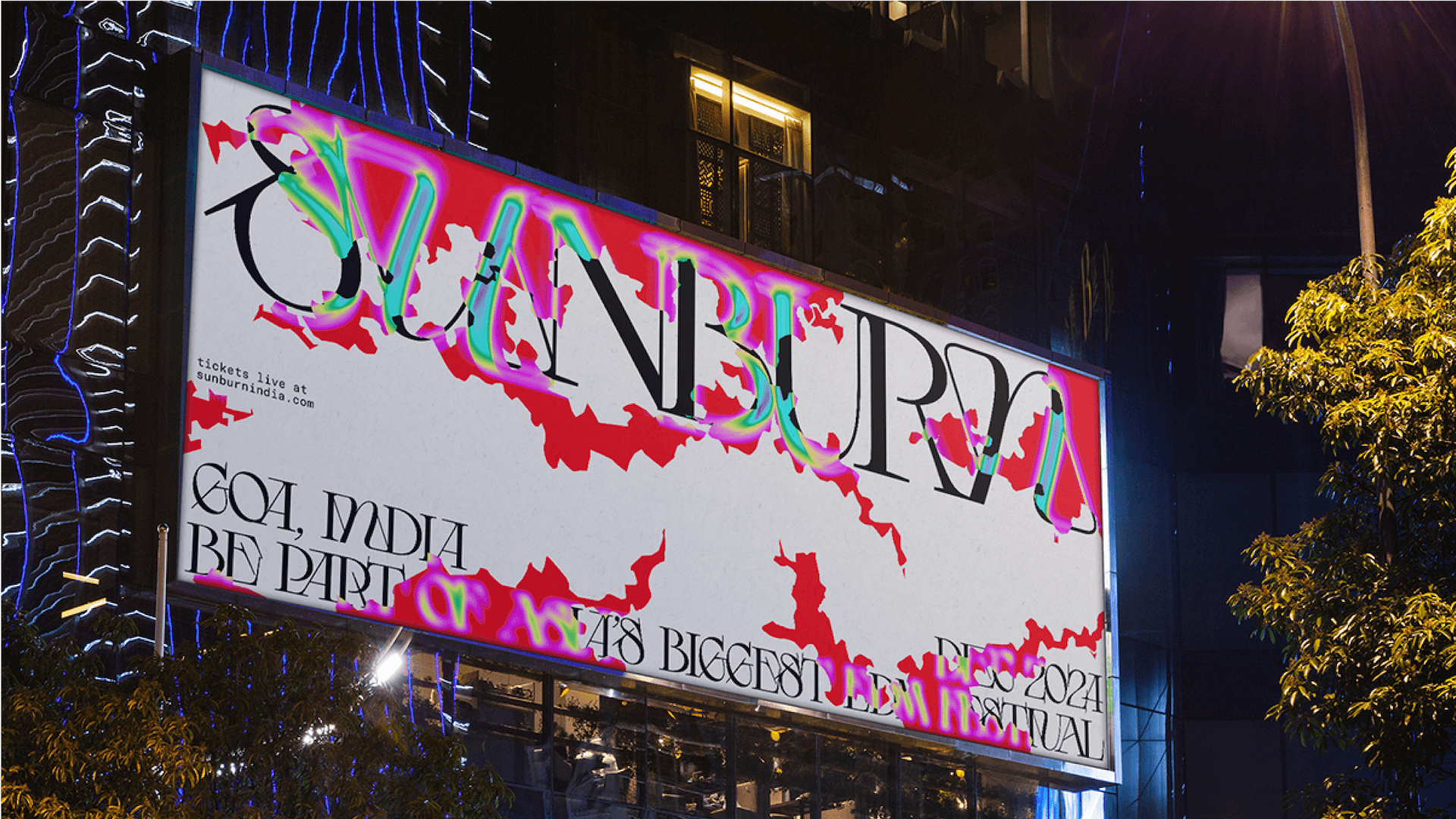
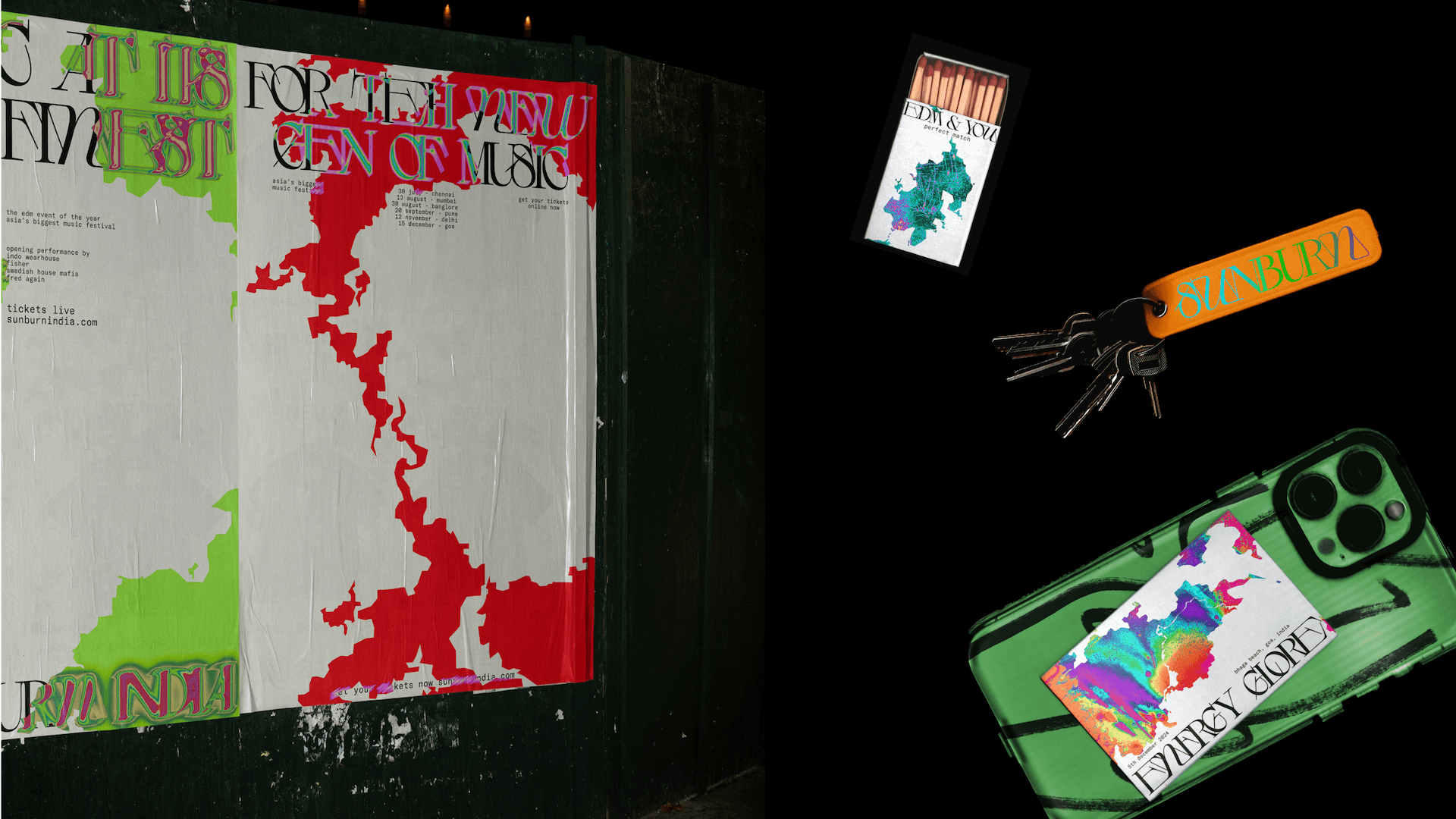
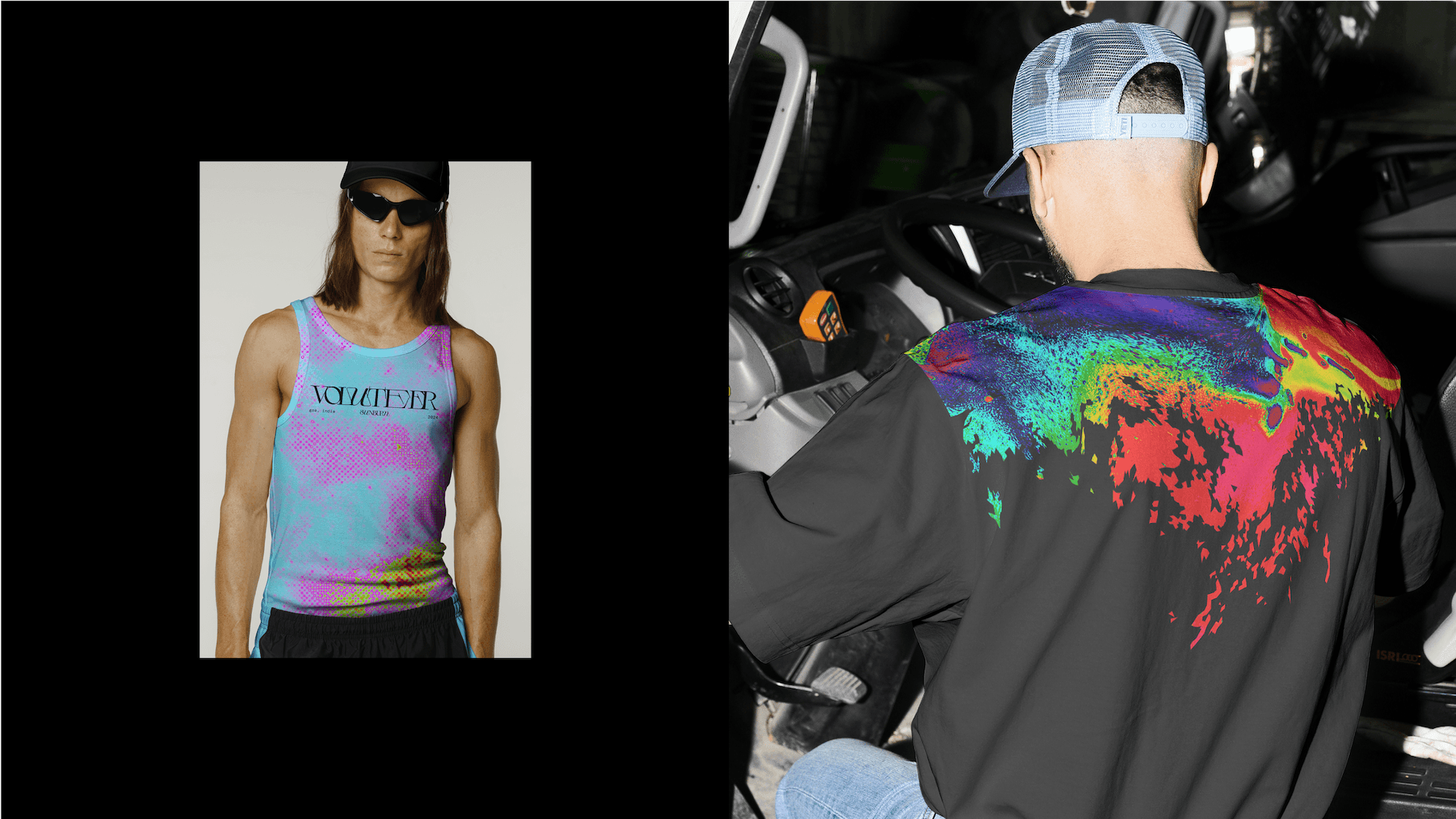
A great example of that is my Sunburn project, that I started simply because I saw an opportunity to tell a story from my perspective. I used infrared colour (almost like a heat map) here to bring out the energy of the music festival. It’s the kind of project that reminds me why I design: to bring new ways of seeing into the conversation.
Is there something you think non-creatives will struggle to understand about your journey as a creative? Maybe you can provide some insight – you never know who might benefit from the enlightenment.
I think what non-creatives often struggle to understand is that creativity isn’t some internal switch you can just turn on. It’s more of a process something you have to stay open and perceptive to. Ideas don’t usually appear when you’re sitting at your desk trying to force them; they show up in the middle of a shower, in a random conversation, or while you’re chopping vegetables for dinner. One has to be perceptive to them. It’s that sudden rush where something just *clicks.*
For me, doing the mundane things is actually part of the process. You need that mental space for ideas to form. And once an idea hits, it starts to evolve – it might shift, expand, or even take on a completely different shape as you start visualizing it. Sometimes just seeing it on screen or paper helps you make sense of it, or sparks a whole new direction you hadn’t considered before.
That’s why I think the best creative work happens when there’s trust. When you let creatives follow their own rhythm instead of trying to control it. It’s rarely linear. It’s messy, intuitive, and unique. But if you give it room to breathe, it almost always leads somewhere meaningful.
Looking back, are there any resources you wish you knew about earlier in your creative journey?
Honestly, the best resource I’ve ever had is my community. Your peers are everything. If you’re trying to learn something new, someone in your circle will be there to help. If you’re looking for a role, your network probably knows someone who’s hiring. And if you want honest feedback, your creative community will give you that push to get better.
As a designer, it’s so important to step outside your own bubble and connect with people. Only other creatives really understand the ups and downs of the process; the self-doubt, the late nights, the small wins. Building those relationships has made such a difference for me. I couldn’t be more grateful for the design folks in my life — none of it would’ve happened if were in my bubble and didn’t want to talk.
One thing that’s helped me a lot is talking through my work with other designers. Even casually walking someone through the process can make you notice things you hadn’t seen before. It also helps create a bit of distance between you and your work, which makes it easier to be objective and improve it.
On a more technical note, I wish I’d known about tools like Unicorn Studio and Jitter back in college. Motion design has been a bit of a challenge for me, even though I enjoy working in 3D, and Cinema 4D is my go-to, those platforms make motion so much more accessible. They’re easy to use, great for quick animations, and can really elevate your work. Honestly, they’ve become a bit of a secret weapon in my toolkit.
Contact Info:
- Website: https://ipshitakrishan.com/
- Instagram: https://www.instagram.com/ipshitark/
- Linkedin: https://www.linkedin.com/in/ipshita-krishan-5a4aa7222/