
Alright – so today we’ve got the honor of introducing you to Josh Rosing. We think you’ll enjoy our conversation, we’ve shared it below.
Josh, looking forward to hearing all of your stories today. Almost all entrepreneurs have had to decide whether to start now or later? There are always pros and cons for waiting and so we’d love to hear what you think about your decision in retrospect. If you could go back in time, would you have started your business sooner, later or at the exact time you started?
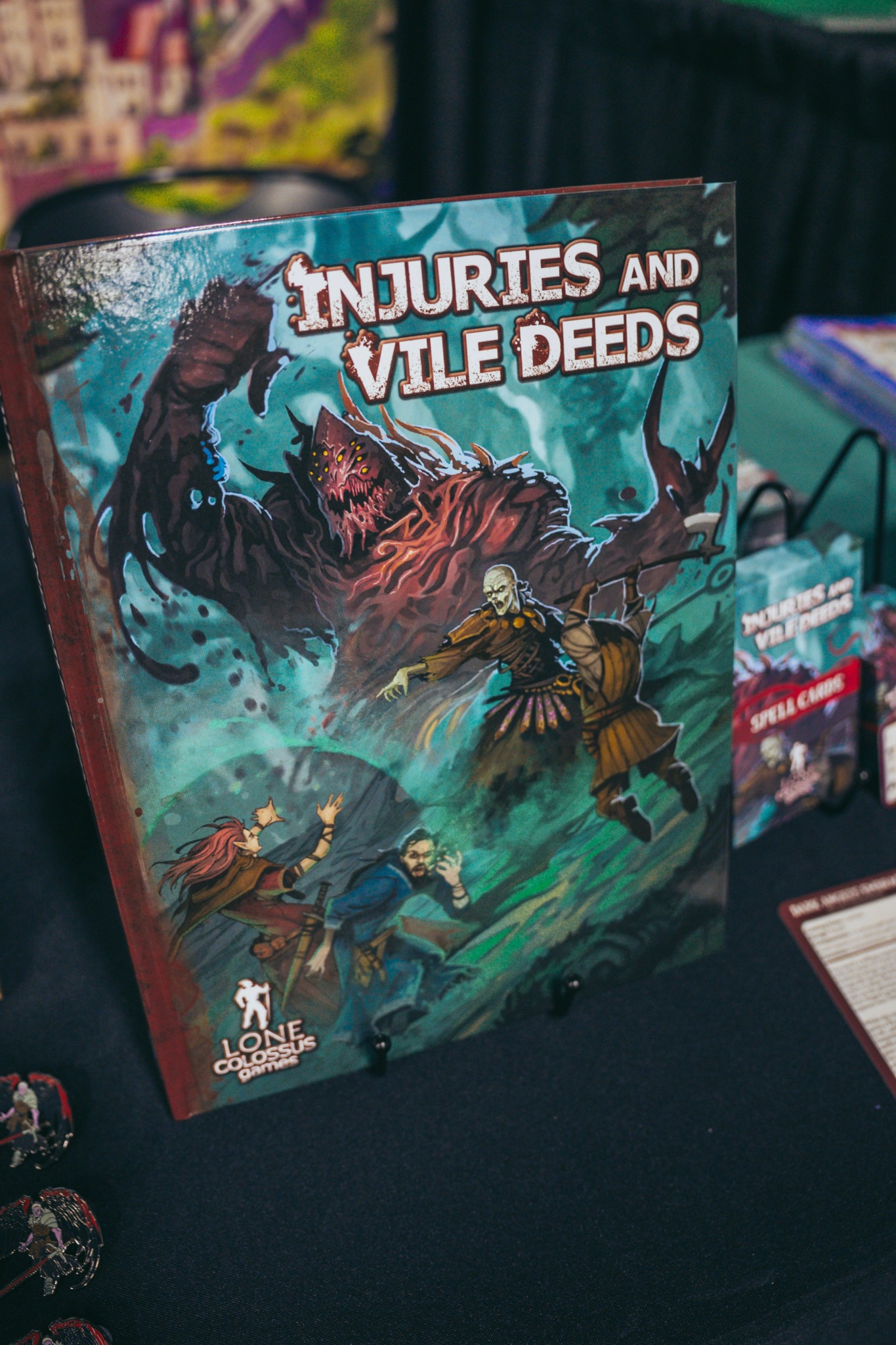
I definitely wish I’d started my business sooner. When I started it, I was in grad school finishing up a Ph.D. in biomedical engineering. I’d been working on a game subsystem for Dungeons and Dragons for a bit over a year at that point, and decided that with the level of polish I was putting into it other people might be interested in it as well. Fast forward to a bit over a year later, and I’d raised over $50k on Kickstarter to publish the product in a book that has become a fan favorite over the last several years and has sold over 1500 physical copies.
Looking back on it now, there wasn’t really any reason I couldn’t have started a business sooner – I just didn’t know that was a thing I wanted to do before. Had I chosen to start a business even a year or two sooner, there’s a good chance I would have been running my first crowdfunding campaigns during the dramatic rise in online presence of games like Dungeons and Dragons. When you look at the newer companies that have formed in the last few years, a lot of the bigger names got their start just before I did, and I can’t help but wonder how much further along with the business I’d be if I’d started sooner.
Josh, love having you share your insights with us. Before we ask you more questions, maybe you can take a moment to introduce yourself to our readers who might have missed our earlier conversations?
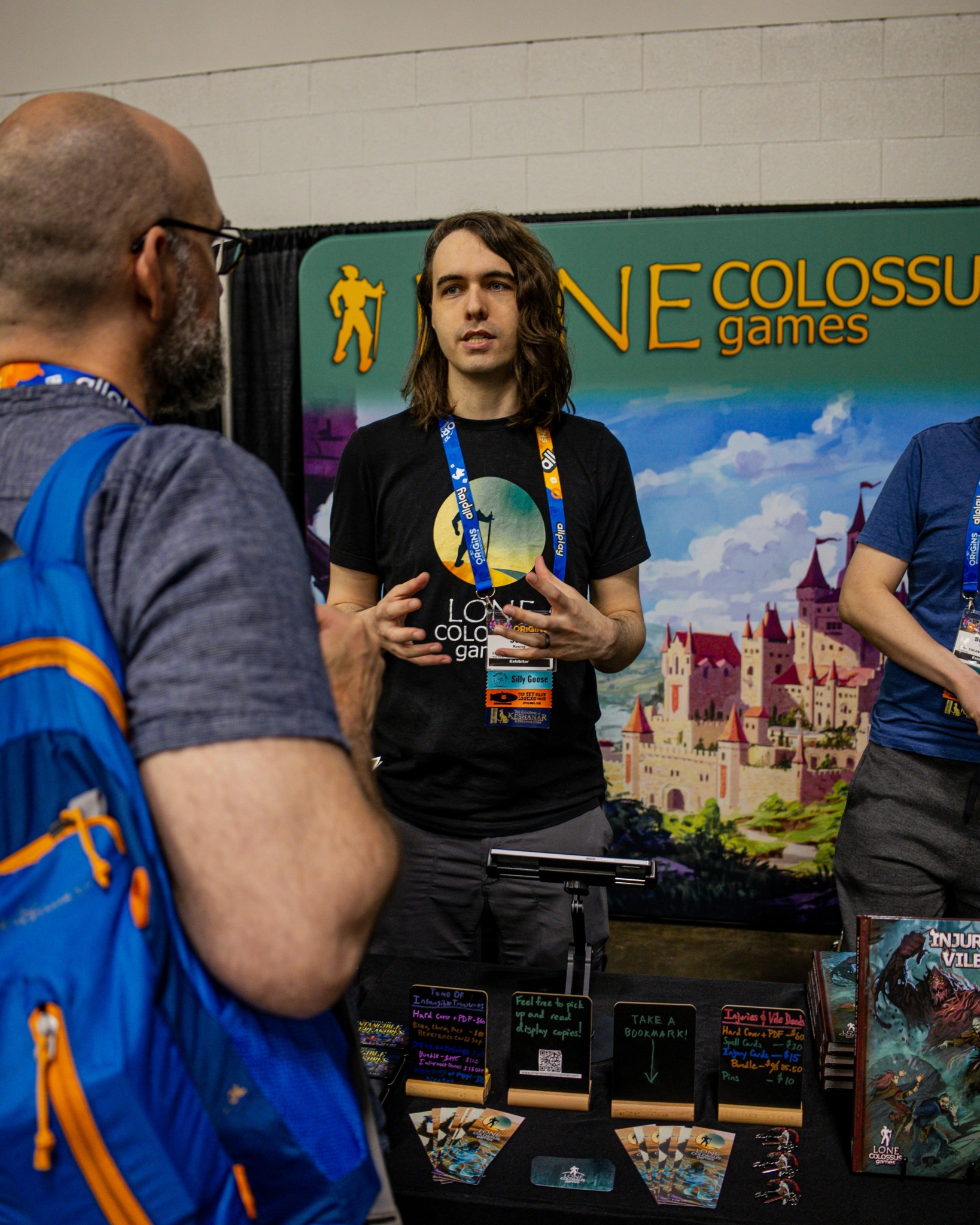
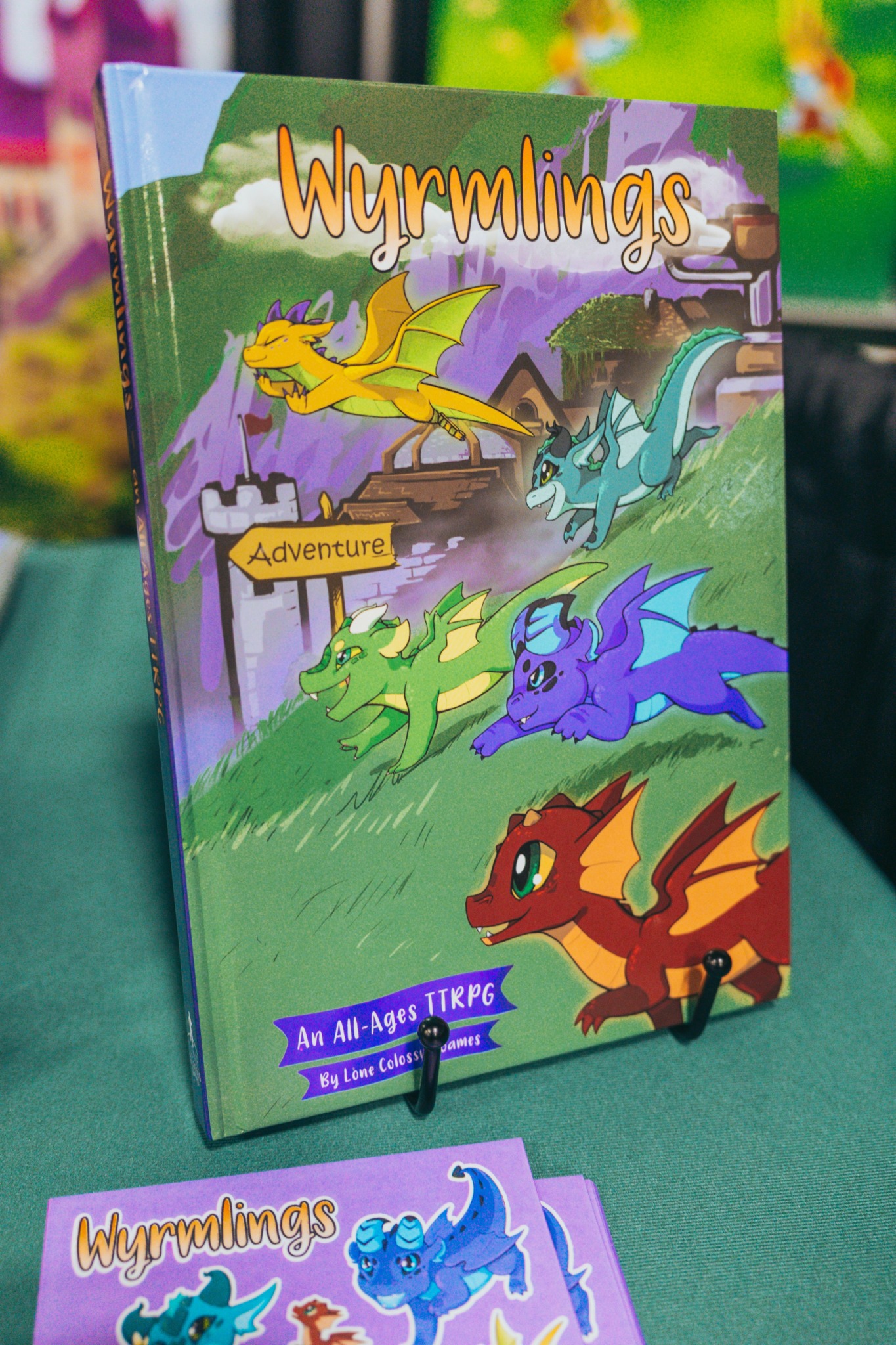
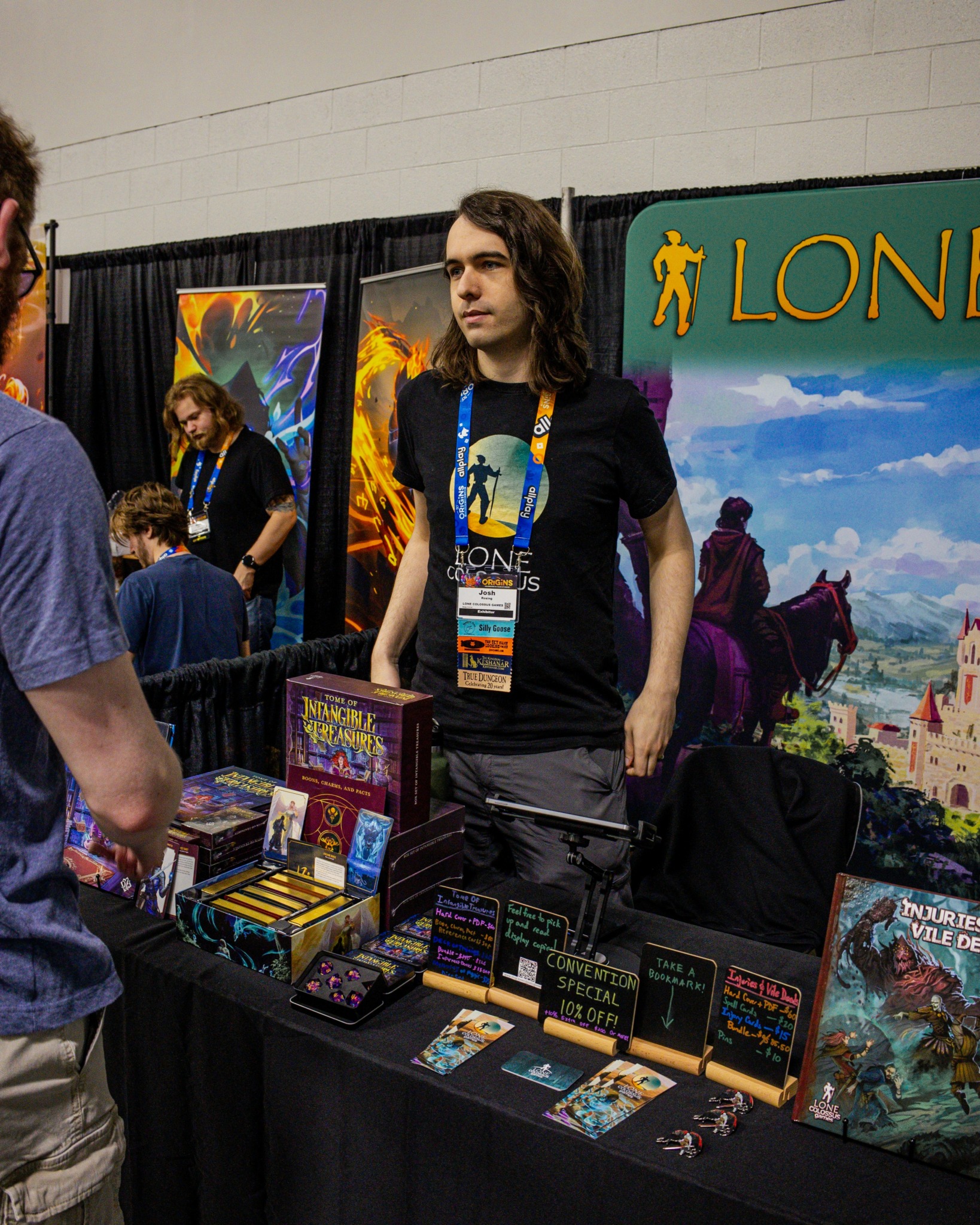
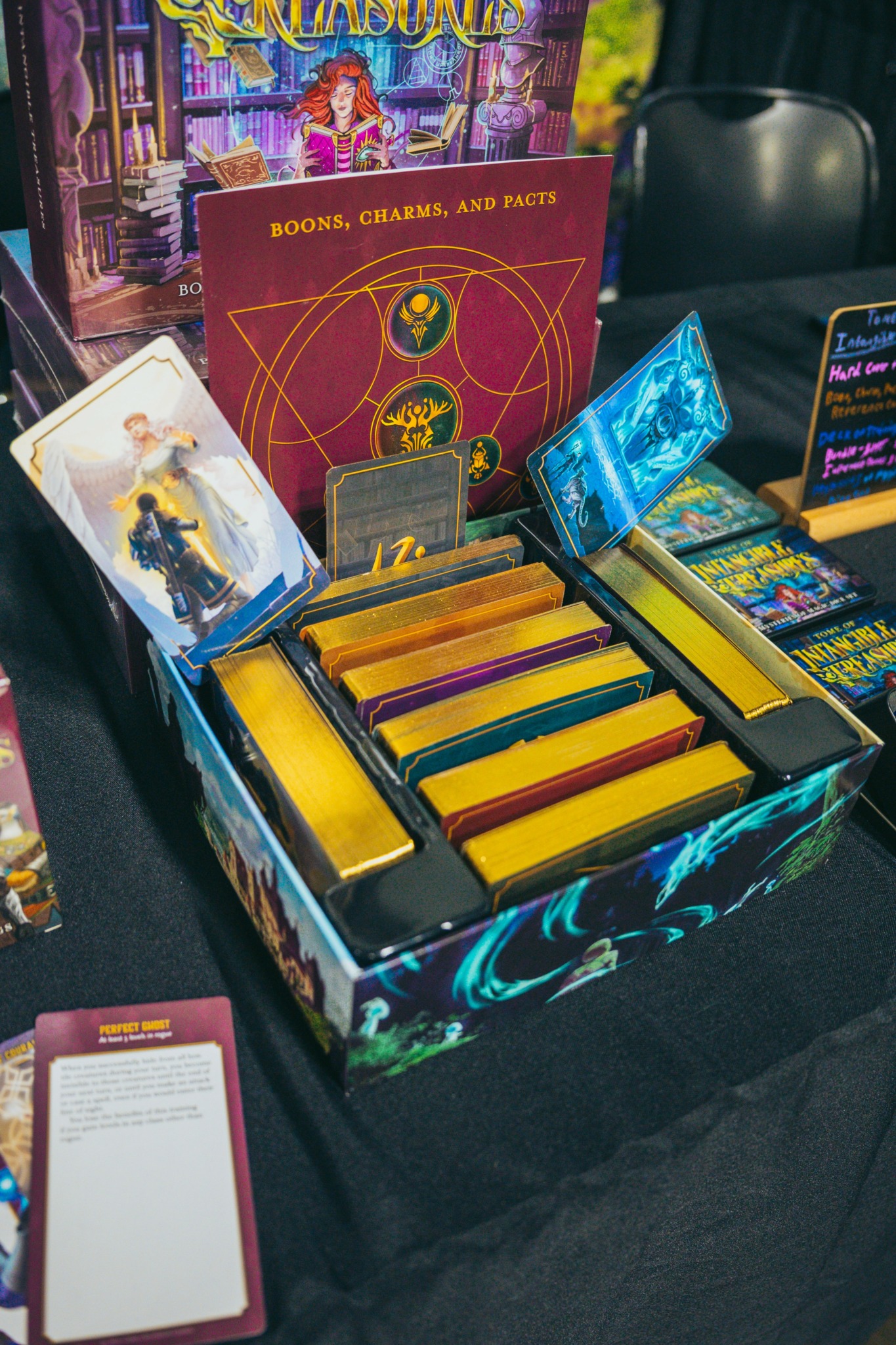
My business, Lone Colossus Games, is an indie publisher in the tabletop roleplaying game space. I got started after realizing that I had a lot more experience with game design than a lot of other people that were already publishing, and that the attention to detail I had with my Dungeons and Dragons creations was of a bar that only the best third party publishers out there tend to meet. I’ve made a wide range of products over the last few years, from a dark fantasy supplement for Dungeons and Dragons to an adorable new game system inspired by Saturday morning cartoons. I think that really shows the breadth of what I’m capable of in the realm of game design, but more specifically I would say that my products aim to find something missing – whether in an existing game or in the games space as a whole – and fill it.
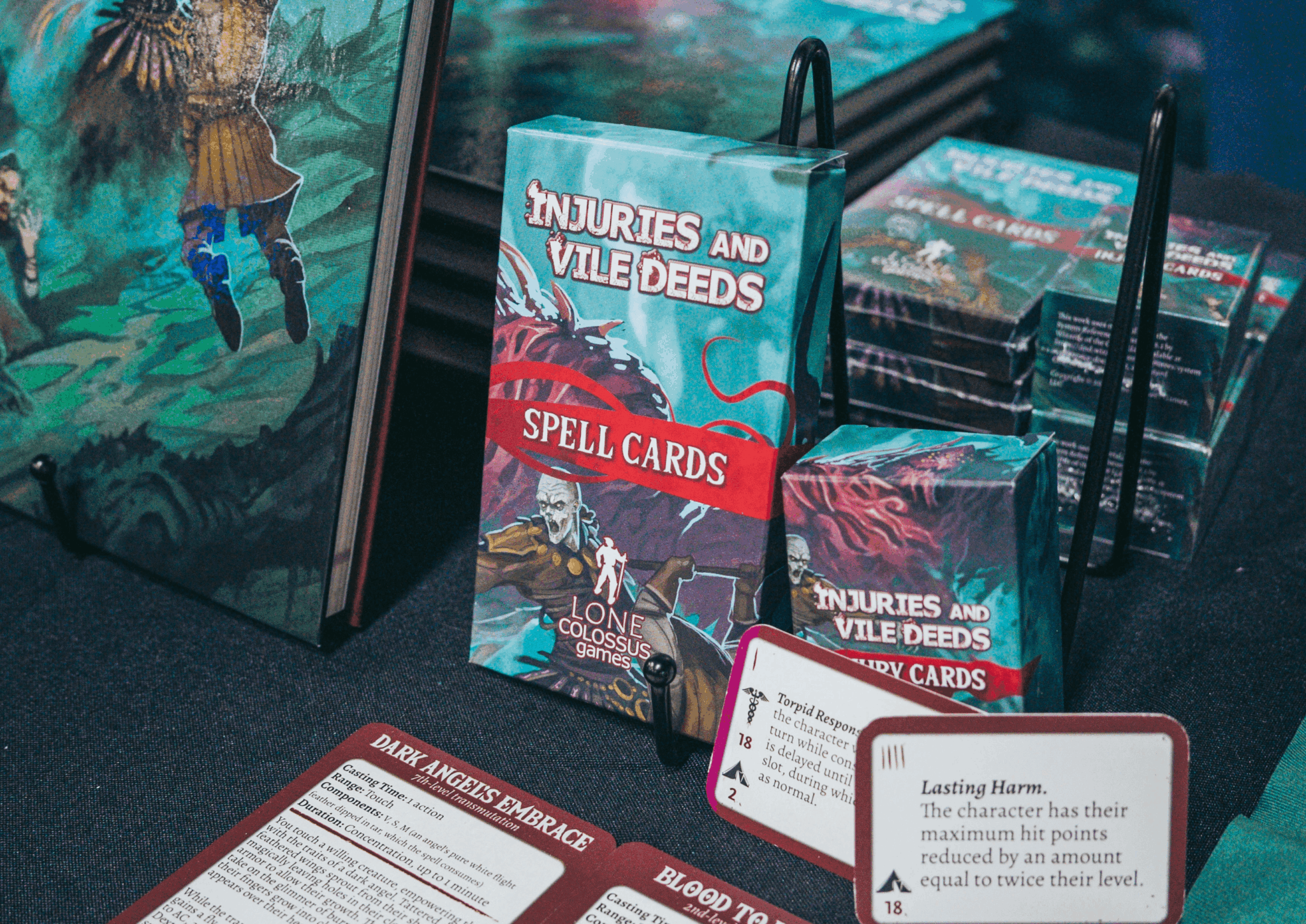
For Wyrmlings, it was a lack of “gateway” games – games that help bring in new players to the world of tabletop roleplaying – as well as wanting something for my own group to play in-between our dark fantasy adventures. For Injuries and Vile Deeds, my first book, it was that Dungeons and Dragons doesn’t do a great job of supporting the dark fantasy genre that I tend to run.
I’m also very proud of what I’ve been able to achieve while essentially working on these projects for free and in my spare time. My goal has always been to make excellent products – products that you might expect to be made by a company bringing in hundreds of thousands on their crowdfunding campaigns – while still paying all the amazing freelancers I work with an industry standard rate and rejecting generative AI. My hope is that with the continued support of my fans and repeat backers this business will be able to go from a second (largely unpaid) full-time job to my primary source of income.
Let’s talk about resilience next – do you have a story you can share with us?
While I now have four successful crowdfunding campaigns behind me (and another coming in late October 2025!), my very first attempt ended in a “failure”. I put that in quotes because, looking back at it, it was actually an incredible success. In August of 2021, the year I founded Lone Colossus Games, I launched my first Kickstarter. I’d done what I considered at the time to be a lot of prep work, but it wasn’t enough. The manufacturer I’d based my pricing on was just incredibly expensive, and I had to set the funding goal very high – $30k – in order to make sure I’d be able to print the books. The project ended up finishing with almost $8k dollars raised – nowhere near the original goal, but in hindsight a truly astounding achievement for someone who had never attempted a crowdfunding project before, didn’t have a mailing list to speak of, and had only two pieces of artwork for the entire project.
That crowdfunding campaign was a very stressful month, watching the funding slowly – but never quickly enough – come in and doing everything I could to promote the campaign. I learned a LOT in that month. I also didn’t give up. I took all the lessons I’d learned, commissioned a couple more pieces – including the incredibly important cover art – and re-launched the next year with better manufacturing prices, a much lower initial goal (although still quite high for a first time project at $10k!), and a lot more preparation. And that time it paid off, raising enough funds to put together a thoroughly professional-looking book.
Can you open up about how you funded your business?
This is a question a lot of people have to face, especially in the role playing game publishing space. People often have incredibly small budgets, but it’s nearly impossible to sell a product without art. When I founded Lone Colossus Games, I was a grad student with tens of thousands of dollars in student loans. My annual income was barely double the federal minimum wage (roughly minimum wage where I lived at the time), and my time was greatly consumed with finishing my Ph.D. This is where crowdfunding came in. I’m a very frugal spender in my normal life (and I live in a city with a low cost of living for a city), so even with my low income I was able to save up and commission a few pieces of artwork.
Creating the crowdfunding page itself was free, but I still had to advertise it. That required more funding, which I again provided myself. The failure of the first campaign ended up costing me money that I wouldn’t ever get back, but the re-launch raised all the funding I needed to hire artists to do the ~100 illustrations in the book, as well as editors, a graphics designer to do layout, and, of course, all the costs associated with physical production.
While it’s not a particularly notable story, I tell it because it can feel impossible at times for people with lower incomes to ever manage to get the funding it requires to start a business, and it really goes to show that crowdfunding – if you’re willing to put in the effort – can take you from being nowhere close to being able to make your dream a reality. I also think it’s really important to share these stories with the rise of generative AI. There are a lot of people who think that they can’t get illustrations for their book and turn to AI as a “low cost” alternative, when it’s really quite doable. I even did my own illustrations or used stock art for some of my earliest (small) publications that I released without crowdfunding.
Contact Info:
- Website: https://www.lonecolossusgames.com/
- Instagram: https://www.instagram.com/lonecolossusgames/
- Facebook: https://www.facebook.com/LoneColossusGames/
- Youtube: https://www.youtube.com/channel/UCw0d4OePHb11I13SRHgUmww
- Other: Threads: https://www.threads.com/@lonecolossusgames
Bluesky: https://bsky.app/profile/lonecolossusgames.bsky.social