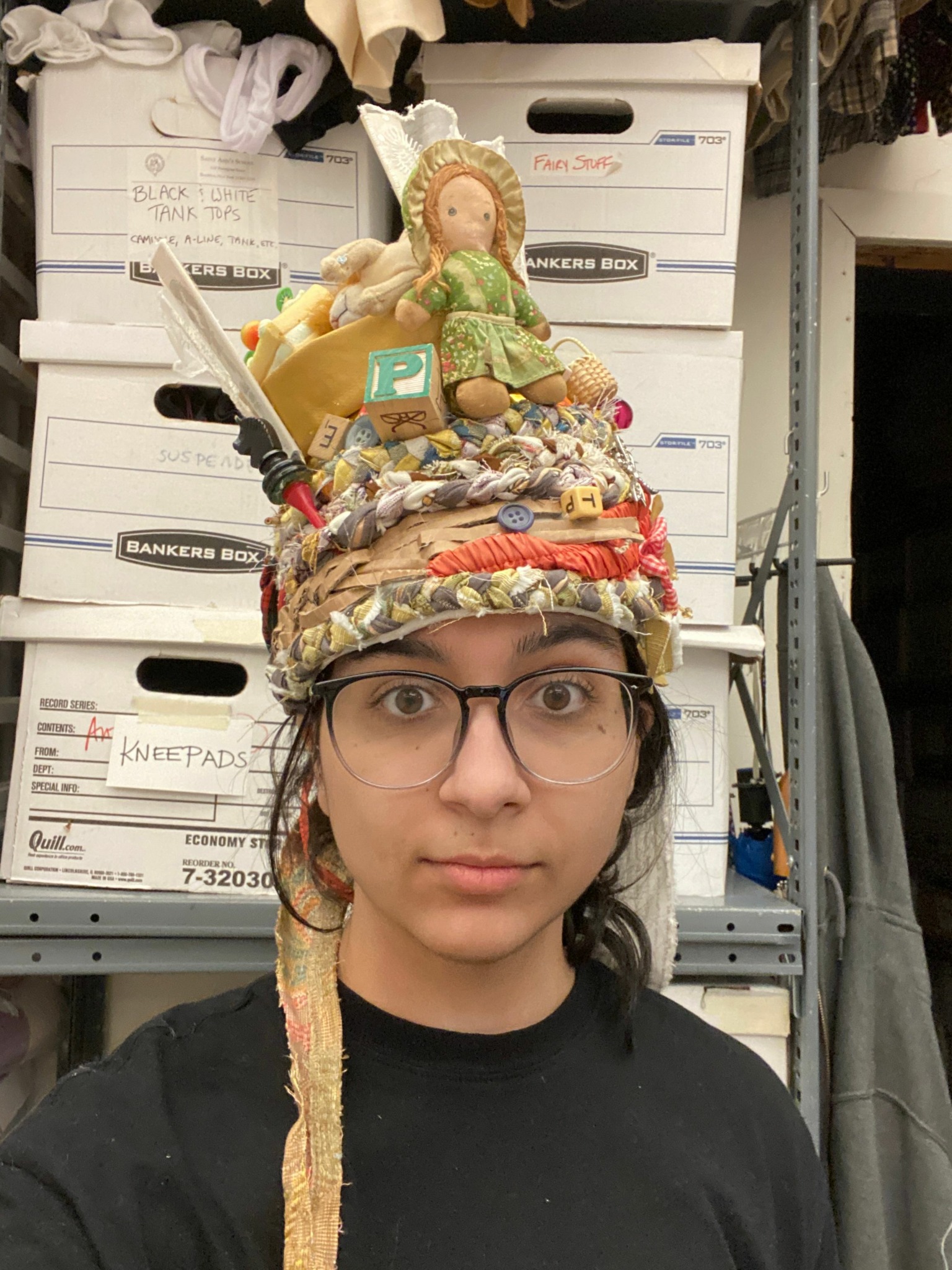

We caught up with the brilliant and insightful Miranda Boodheshwar a few weeks ago and have shared our conversation below.
Hi Miranda , thanks for joining us today. We’d love to hear about the things you feel your parents did right and how those things have impacted your career and life.
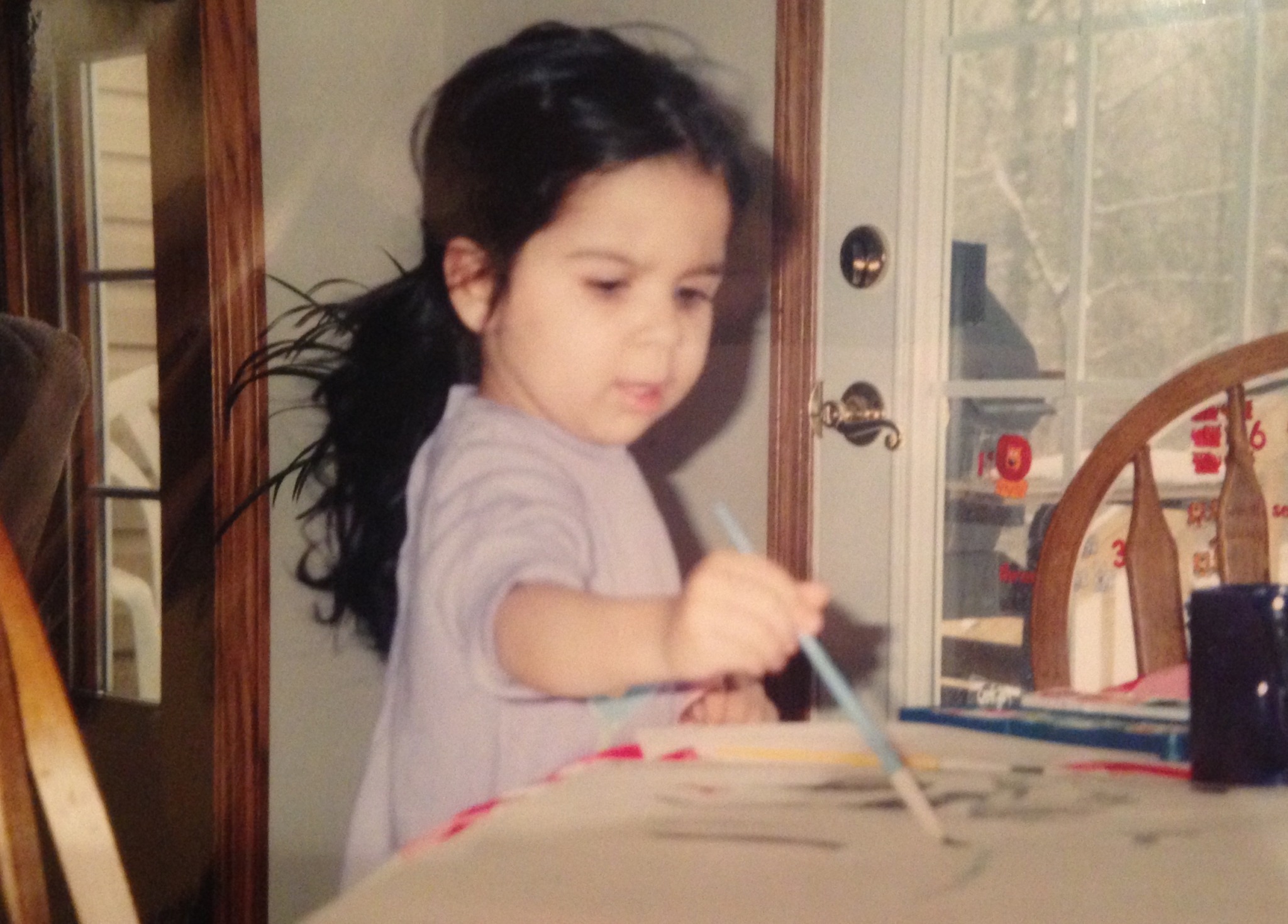
My mom is an artist and majored in art therapy when she went to college, and I think that really informed the way she introduced me to the arts. Art was always used as an emotional release. Art was there to bring joy, to blow off steam, but never to make me feel bad. She worked hard to make sure I grew up with a positive relationship with the arts. She did not let me apply to the arts magnet middle school in our county because she didn’t want it to become too serious too fast. She talked about how harsh her critiques in college were, and how they impacted her. She made sure I was fully confident in my artistic endeavors before I had to stand up in front of someone and defend them. By the time I was getting my BFA I never feared giving presentations or showing my art, it was actually my favorite part. I loved getting critiques because I could understand how to use the feedback to grow.
Miranda , before we move on to more of these sorts of questions, can you take some time to bring our readers up to speed on you and what you do?
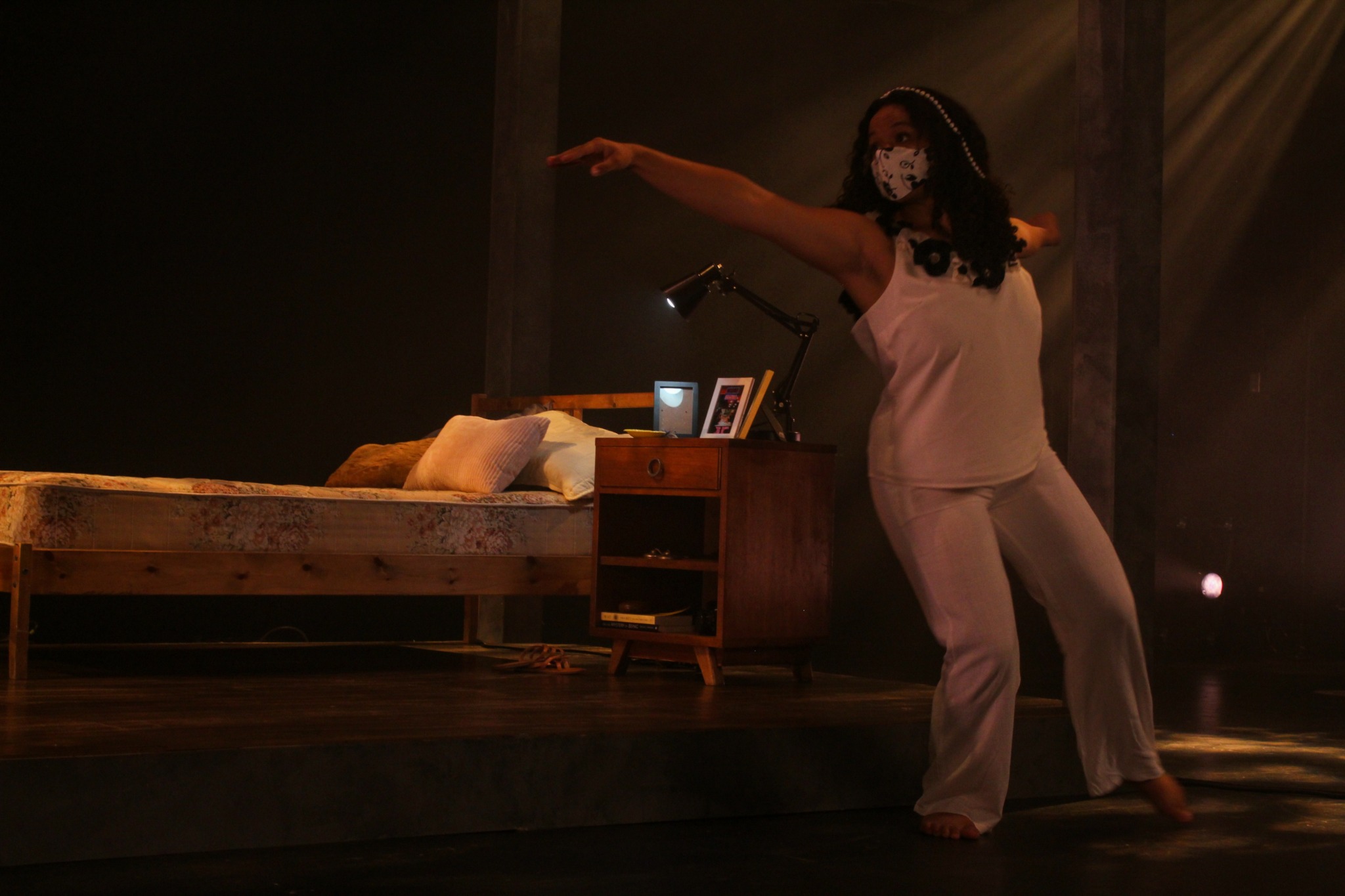
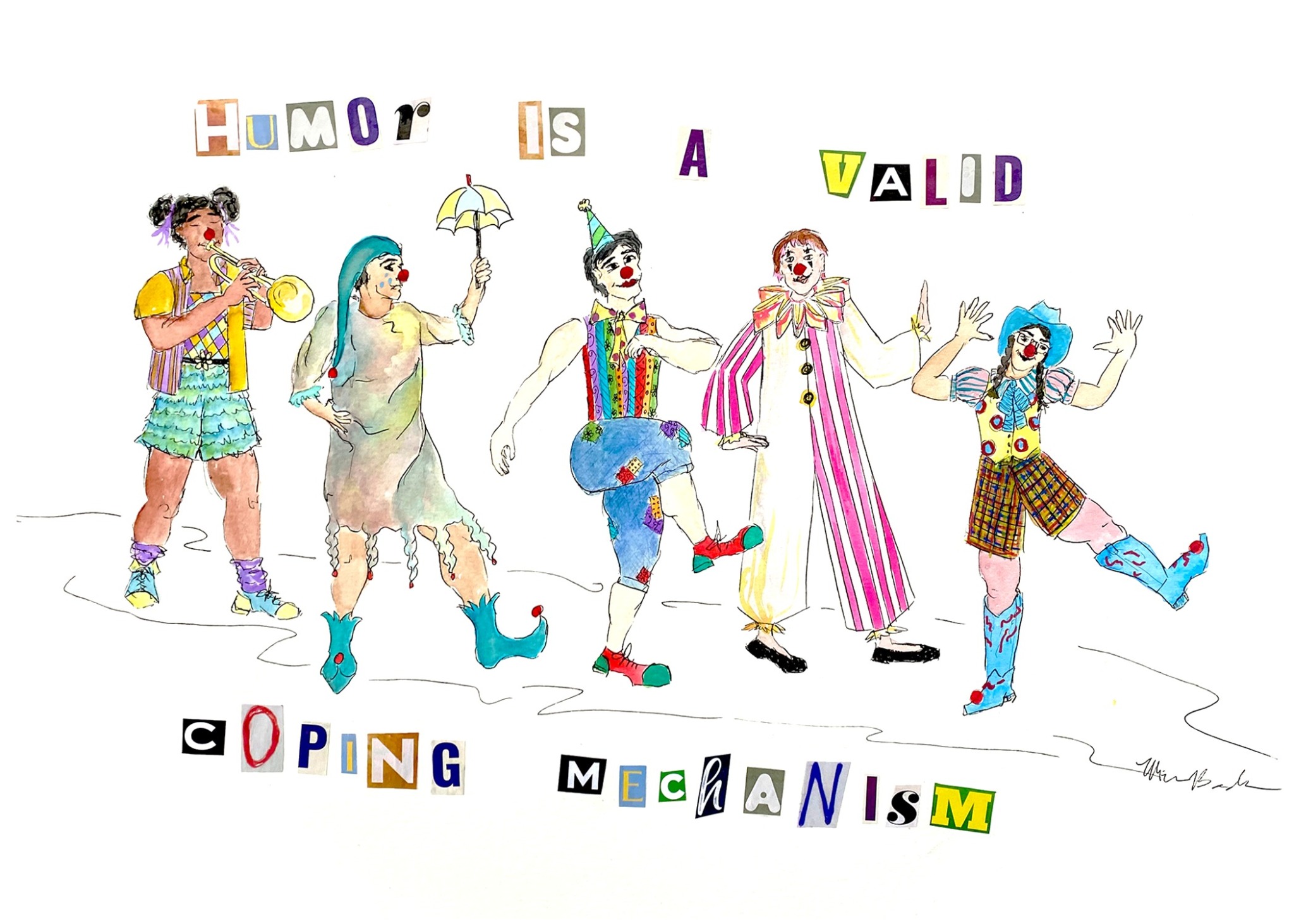
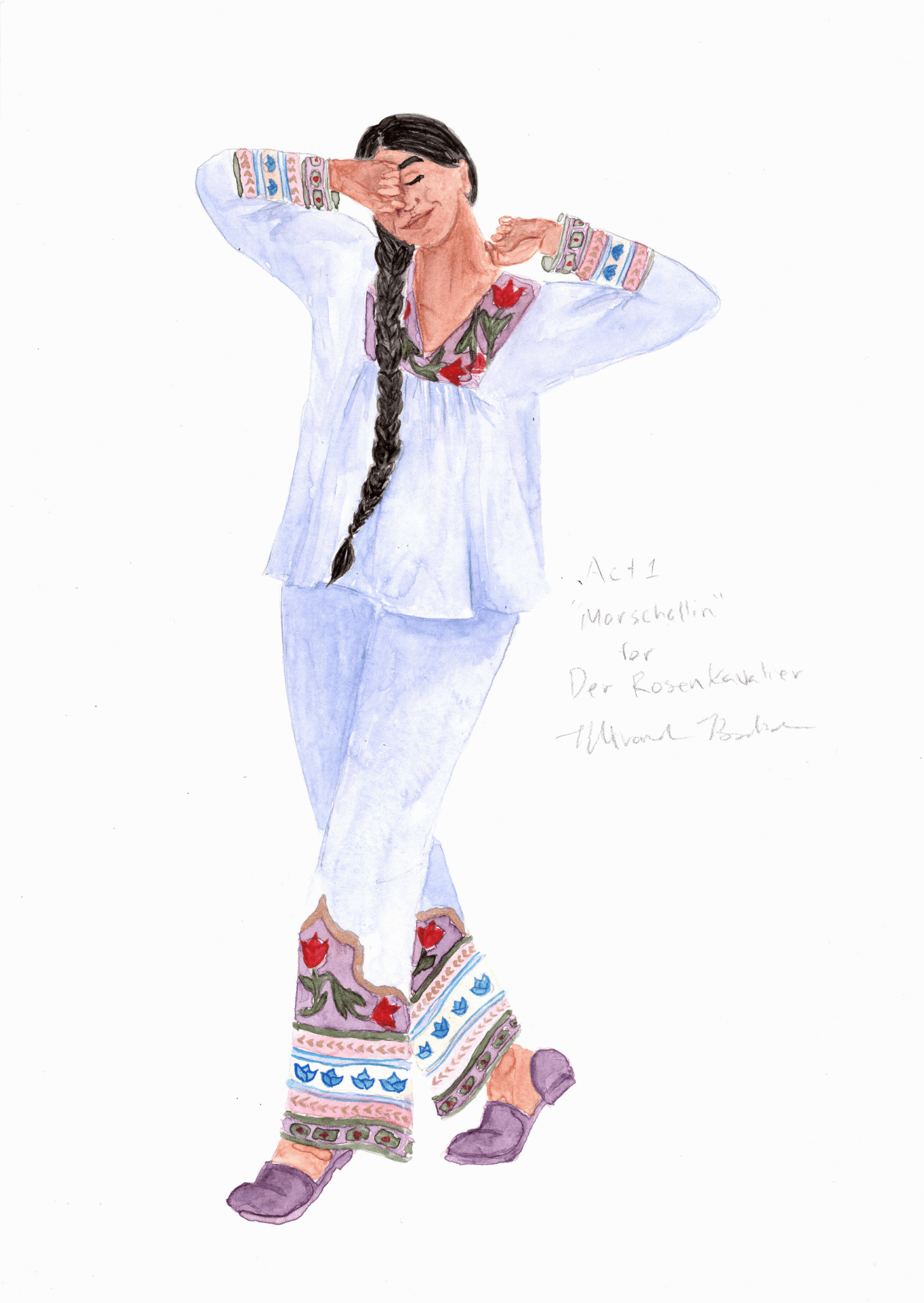
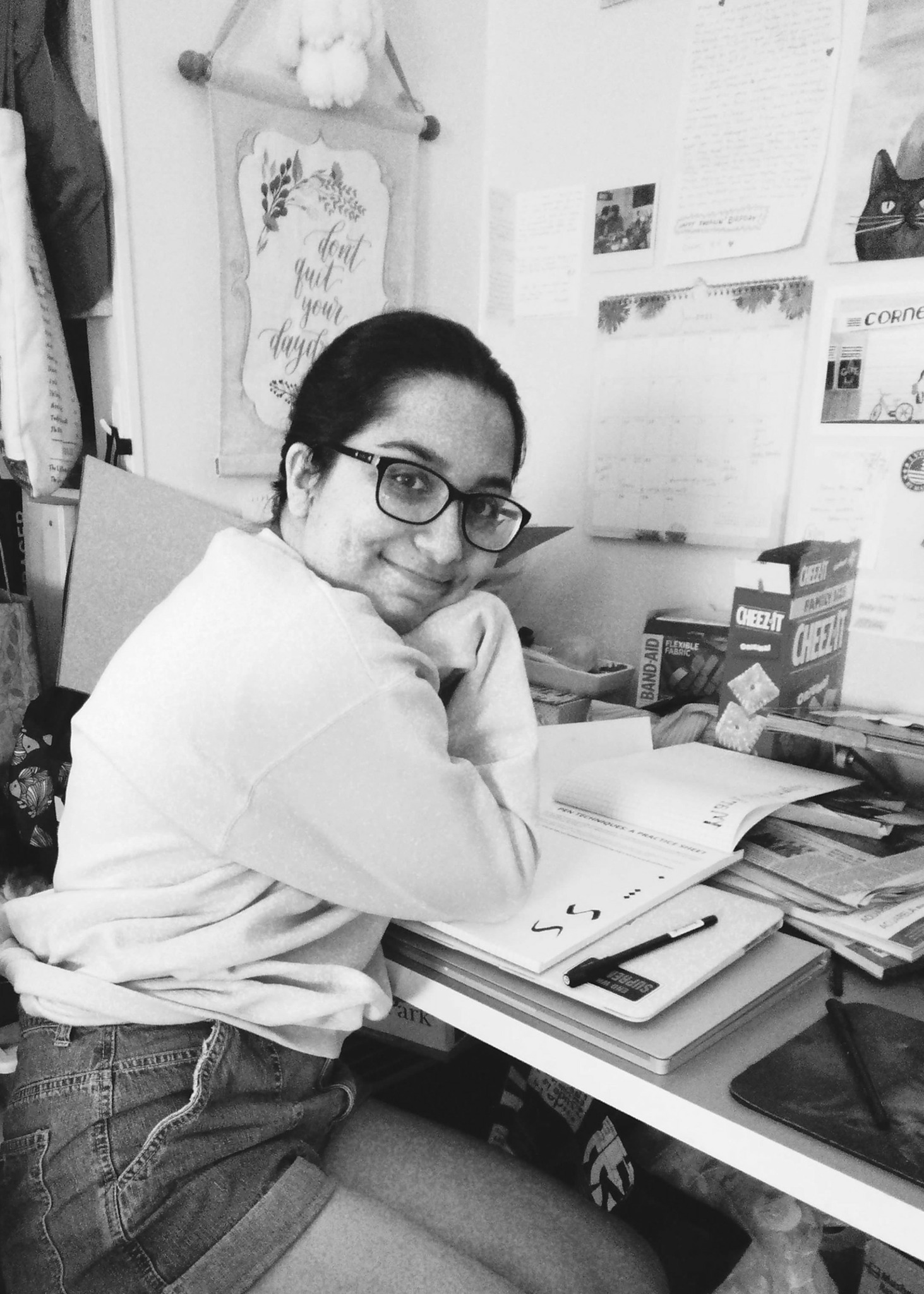
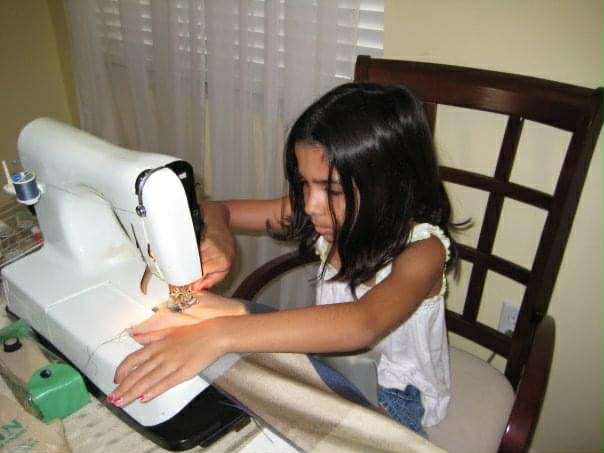
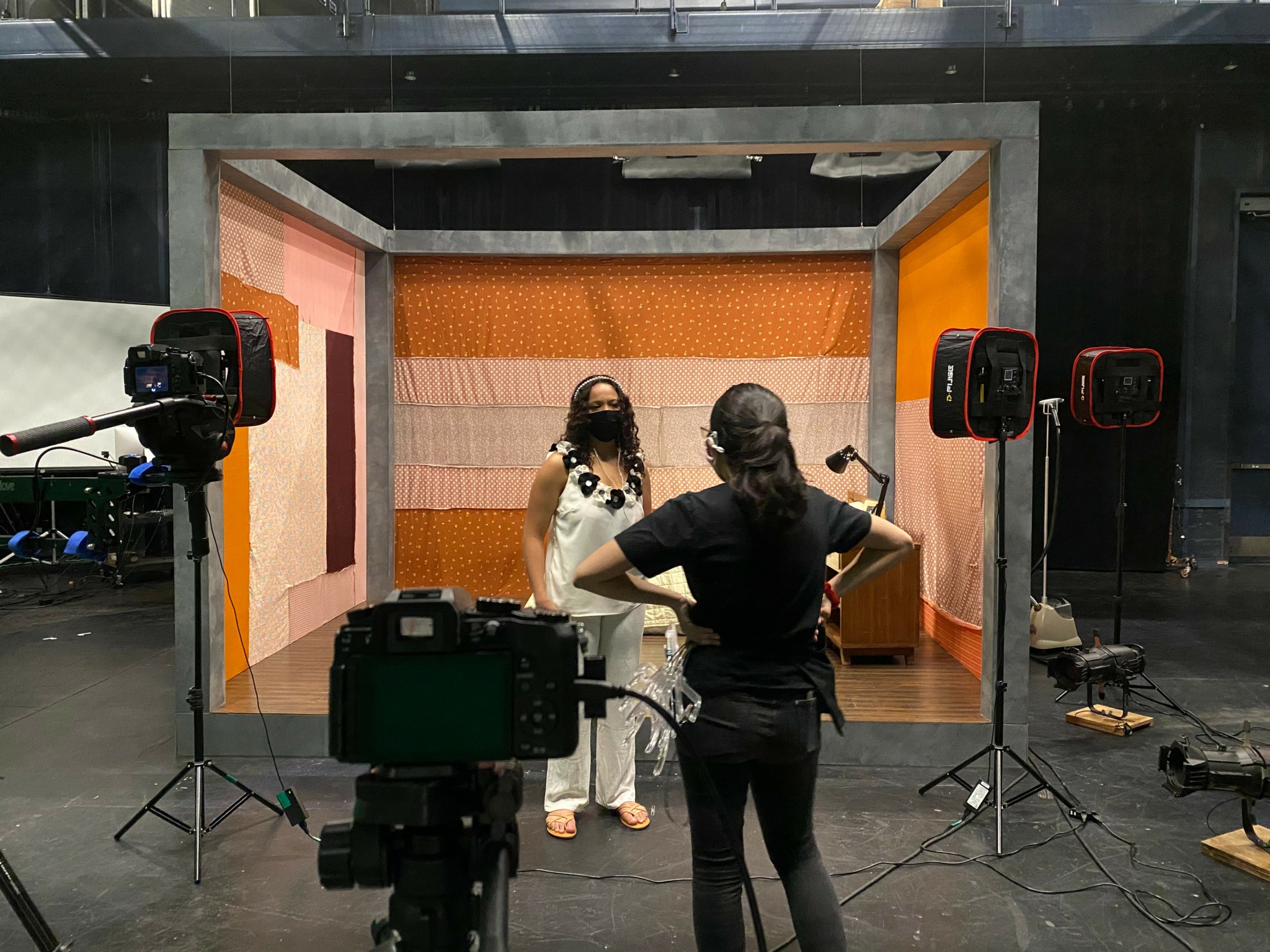
I am a costume designer and educator who works mainly in theater, opera, and dance. My grandma taught me to sew in elementary school, in order to make clothes for my American Girl dolls. I began acting my freshman year of high school but quickly found a love for the work behind the scenes, as I combined my interest in theater with my sewing skills to start making costumes for the stage. I find great joy in designing for the stage and getting to use my skills to make actors look and feel good on stage. One of my favorite parts about costume design is the relationships I build with actors in the fitting room. Clothes can be a touchy subject and the fitting room is a very vulnerable place. I work hard to make my fitting rooms feel like a safe space and make sure my actors know that my goal is to highlight their character work so that they can fully embody their role on stage. I love to teach others to sew for a similar reason. Clothes these days are often made to fit a set of measurements that a brand deems to be “standard.” In reality, we come in so many different shapes and sizes and our measurements can be distributed in so many different ways that these “standard” sizes rarely fit any of us perfectly. By teaching people to sew and understand the construction of clothing, I help give them the agency of making clothes that fit themselves. I work with younger kids and teenagers who are growing every day. As they learn about sewing through a theatrical lens, they learn how when we take a garment in (to make it smaller/shorter) we leave the excess fabric there, in case we need to take it back out (to make it larger/longer) later. They can use these same ideas in altering their own clothes, and adjust their wardrobes as they grow and change throughout puberty. Clothes CAN be a touchy subject or they can be the thing that gives us the confidence to tackle any challenge. My goal has always been about celebrating the body and making clothes that fit us, rather than trying to force ourselves to fit into something off the rack.
Is there a particular goal or mission driving your creative journey?
I truly believe that the meaning of life is to leave this planet a little better than we found it. I think everyone can interpret how to do that in their own way, but to me, it felt most natural to target what I was good at and genuinely enjoyed doing, and find a way to use my skills to help others. Art has been around me my whole life, and I feel empty without creation. I need to make and people need to wear clothes, so I focused on my sewing skills and made a career out of it.
People who enter the performing arts are constantly put in the spotlight and forced to take on non-stop criticism from their teachers, directors, and audiences. As I began working behind the scenes in the theater, I found that they also frequently faced criticism from costume designers. I believe that the costume designer has the opportunity to undo much of the harm from teachers, directors, and audiences by giving a performer the confidence and armor to take on anything that may come their way. We should never be making it worse when we have the power to make it so much better.
In your view, what can society to do to best support artists, creatives and a thriving creative ecosystem?
I believe that much of our society struggles to appreciate and value garment workers. We all get dressed every day, and every item of clothing we put on was made by hand by a person with feelings and goals and a story we may never know, but we don’t think about that. People want a cheap deal but don’t think about the labor required. We may support famous painters, actors, animators, and all of the artists making big, fancy projects with huge marketing budgets that we see on posters and on ads on our phones every day, but we as a society do not pay attention to the fact that everything around us was made by an artist. Even the most mundane objects were put together by a person. We undervalue trade schools, but we couldn’t survive without the artisans that come out of them. We need to practice seeing art in everything. We need to take things apart and try to understand how they were made. We need to learn to repair things instead of throwing them away and getting new ones. We need to value the humanity behind creativity.
Contact Info:
- Website: https://mirandaboodheshwar.com
- Instagram: boodheshwART
- Linkedin: https://www.linkedin.com/in/miranda-boodheshwar/