

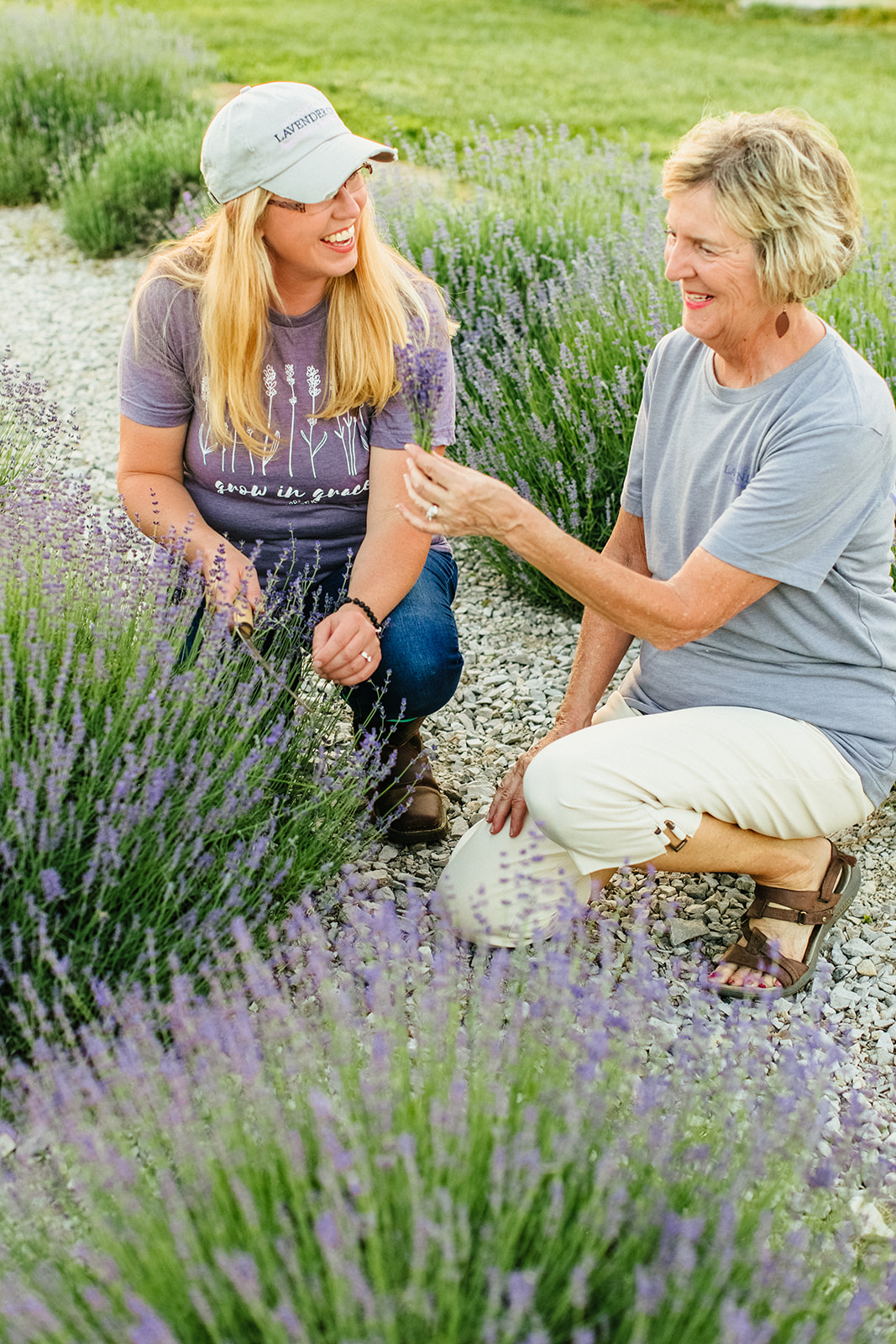

We were lucky to catch up with Allison Horseman recently and have shared our conversation below.
Allison , appreciate you joining us today. Can you talk to us about a risk you’ve taken – walk us through the story?
When we planted our first 50 lavender plants in 2013, we had no business plan—just a dream. A dream rooted in our love for the land and the generations before us who made their living from it. As women in agriculture, we weren’t exactly the expected faces of farming in rural Kentucky. But that didn’t stop us. We felt a calling to do something different—to honor our family’s 100-year agricultural legacy while creating something fresh, beautiful, and uniquely ours.
At the time, we didn’t know what we were doing. We just knew we wanted to grow lavender and share it with others. In 2015, we decided to take the leap and officially become a business. That year, we opened the farm for a single event. We had no idea if anyone would come—but they did. And year by year, season by season, more people showed up.
Today, what started with 50 plants and a dream has grown into a flourishing lavender farm that welcomes over a thousand visitors each June. We’ve expanded to include a butterfly experience, a food truck featuring lavender-inspired treats, and workshops that sell out year after year. We are also licensed to create both cosmetic and culinary products—more than two dozen lavender-focused goods for the bath, body, home, and kitchen—crafted right here on our Kentucky farm and sold in about 30 stores throughout the region.
Taking this risk wasn’t just about growing a crop—it was about planting hope, creativity, and courage in a place where women haven’t always been seen as agricultural leaders. Each time a visitor walks through our rows of lavender or breathes in the scent of one of our handmade products, I’m reminded that sometimes the best things grow not from a plan—but from faith, hard work, and the willingness to try.


Allison , love having you share your insights with us. Before we ask you more questions, maybe you can take a moment to introduce yourself to our readers who might have missed our earlier conversations?
I’m Allison Horseman, and together with my mom, Mary May, we’re the mother-daughter duo behind Woodstock Lavender Co., a small lavender farm nestled in the rolling hills of rural Kentucky near Somerset. We’re “Keepers of the Lavender,” but more than that, we’re keepers of a family legacy that’s been rooted in Kentucky agriculture for over a century.
Our story began back in 2013 with just 50 lavender plants and no grand plan—only a shared dream of growing something beautiful, connecting people to the land, and honoring the generations before us who farmed it. Two years later, we hosted our very first event, not knowing if anyone would even show up. Now, every June, we welcome over a thousand visitors to the farm for our limited-season experiences—everything from lavender festivals and wreath-making workshops to butterfly releases, teas, and farm-to-table dinners.
What started as a simple field of lavender has grown into a year-round business. We’re fully licensed to produce cosmetic and culinary products, and we handcraft more than two dozen lavender-focused goods for the bath, body, home, and kitchen. From our best-selling Lavender Syrup and Apple Bourbon Lavender BBQ Sauce to skincare favorites like “Liquid Gold” Facial Serum and “Pillow Talk” Pillow Spray, each product is small-batch, thoughtfully formulated, and made with care. You can find them online, at the farm, and in partner shops across the U.S.
At our core, we solve a simple but important problem: helping women slow down, breathe deeply, and reconnect—with themselves, with nature, and with something real. Our products are designed to make you feel good about yourself and the world around you. They’re responsibly sourced, effective, and rooted in the values of community, family, and agricultural heritage.
What sets us apart is that everything we do is deeply personal. We’re not a factory brand; we’re farmers, mothers, and makers who grow, craft, and share from our own hands. Our customers often tell us they can feel that difference—that the story, the scent, and the care behind each item make it special.
What I’m most proud of is how far we’ve come without ever losing sight of who we are. We started with no roadmap—just faith, hard work, and a love for this land—and now we’re creating products and experiences that bring joy to people across the country while keeping our family’s agricultural roots alive.
For anyone new to our story, I’d want them to know this: By investing in Woodstock Lavender Co., you’re not just buying a lavender product—you’re honoring agriculture, family, and community while also honoring yourself.

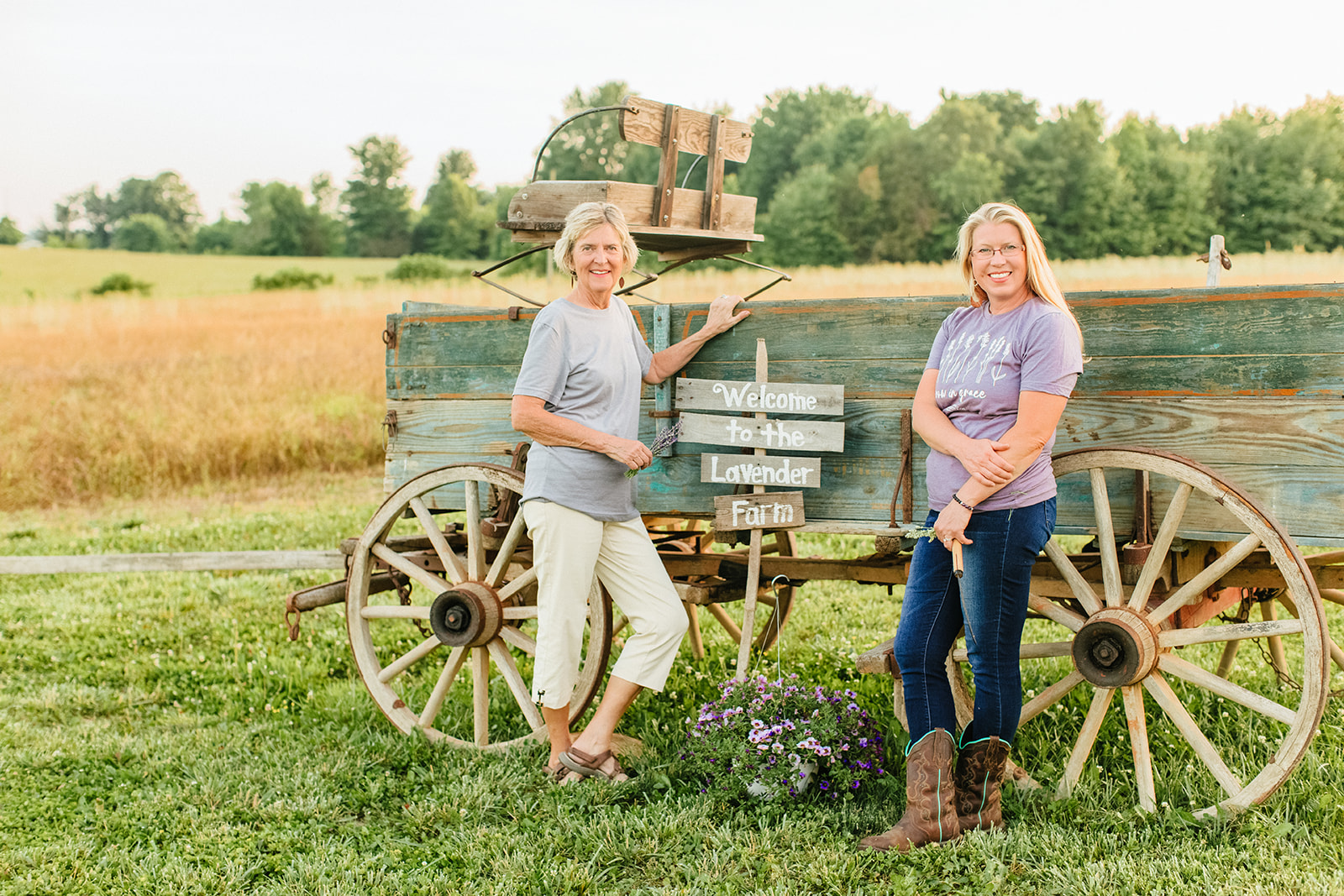
How did you put together the initial capital you needed to start your business?
When we first dreamed of growing lavender, we had no investors, no big budget, and honestly, no idea what we were doing. I still remember our first meeting with KCARD (the Kentucky Center for Agriculture and Rural Development) — we walked in with a lot of heart, a handful of ideas, and just enough money to buy 50 lavender plants. That was it. But we were determined to start small and do it the right way.
From the very beginning, we made a promise to ourselves: this business would never become a financial burden on our family. So, we grew slowly and intentionally. Every dollar that came in went right back into the farm. We bootstrapped every on-farm project—pouring sweat equity, creativity, and a lot of elbow grease into building something lasting.
As we gained traction, we sought out opportunities to support that growth in a smart way. We were fortunate to receive a USDA Value-Added Producer Grant, which helped us expand our product line and reach new customers. We also participated in the Invest 606 business accelerator, which connected us with mentors, regional support, and a network of other entrepreneurs working to grow their businesses in Appalachia. Locally, programs like SPEDA’s mini-grant provided small but mighty boosts that helped us improve our infrastructure and visitor experience.
There were definitely times we tightened our belts and chose not to take pay so the business could keep moving forward. And while there have been moments I’ve wondered what might have happened if we’d gone “all in,” I’ve come to appreciate the beauty of our slower, steadier path.
That approach—growing with intention, honoring our family values, and building on a strong foundation—has allowed us to scale responsibly and stay true to who we are. Each season, each new product, and each improvement on the farm has been a result of faith, persistence, and the belief that big dreams can be built little by little.


What’s a lesson you had to unlearn and what’s the backstory?
One of the biggest lessons I’ve had to unlearn is the idea that lavender is easy to grow. When we first started, we heard that a lot—“it’s hardy,” “it loves neglect,” “just plant it and it’ll thrive.” And for a while, it seemed true. The first few years went well enough that we thought we’d figured it out. But then Kentucky reminded us who’s really in charge.
Our state’s weather isn’t exactly lavender-friendly. We have too much rain, too much humidity, and winters that can’t make up their minds. What grows effortlessly in drier climates takes constant care and trial here. Over time, we learned that lavender will grow for a while—but keeping it alive year after year is the real challenge.
We’ve tested nearly 20 varieties, searching for the perfect fit for our Kentucky soil and climate. And even with all that experience, we still have heartbreaks. One year, we lost over 200 of our biggest, most beautiful plants—rows and rows that had taken years to mature. It felt like losing old friends.
That loss taught me something I’ll never forget: farming, especially specialty farming, isn’t about perfection. It’s about resilience. You learn to adapt, to start over, and to find beauty even in the failures.
Now, when people ask about growing lavender, I tell them the truth—it’s not easy. But that’s what makes it meaningful. Each bloom we harvest represents patience, persistence, and a whole lot of faith that even after the toughest seasons, something beautiful will grow again.
Contact Info:
- Website: https://www.woodstocklavender.com
- Instagram: woodstock_lavender_co
- Facebook: woodstocklavender


Image Credits
Talara Jo Hall