


Alright – so today we’ve got the honor of introducing you to Yali Romagoza. We think you’ll enjoy our conversation, we’ve shared it below.
Yali, looking forward to hearing all of your stories today. Risking taking is a huge part of most people’s story but too often society overlooks those risks and only focuses on where you are today. Can you talk to us about a risk you’ve taken – it could be a big risk or a small one – but walk us through the backstory.
The biggest risk I’ve ever taken was leaving behind the version of myself that the world found acceptable.
I grew up in Havana, Cuba, where life was defined by scarcity and silence — both material and emotional. When I left my country in 2010, I thought the risk was migration itself: starting over in a new language, with no safety net. But the real risk came later — when I began to make art that confronted the forces that had shaped me: patriarchy, displacement, the female body as both landscape and battlefield.
For years, I created through an alter-ego, Cuquita La Muñeca Cubana, a character who allowed me to speak when I couldn’t. She was my shield, my performance of survival. The true risk was when I decided to let her go — to strip away that mask and work with my own body, my own voice, my real wounds.
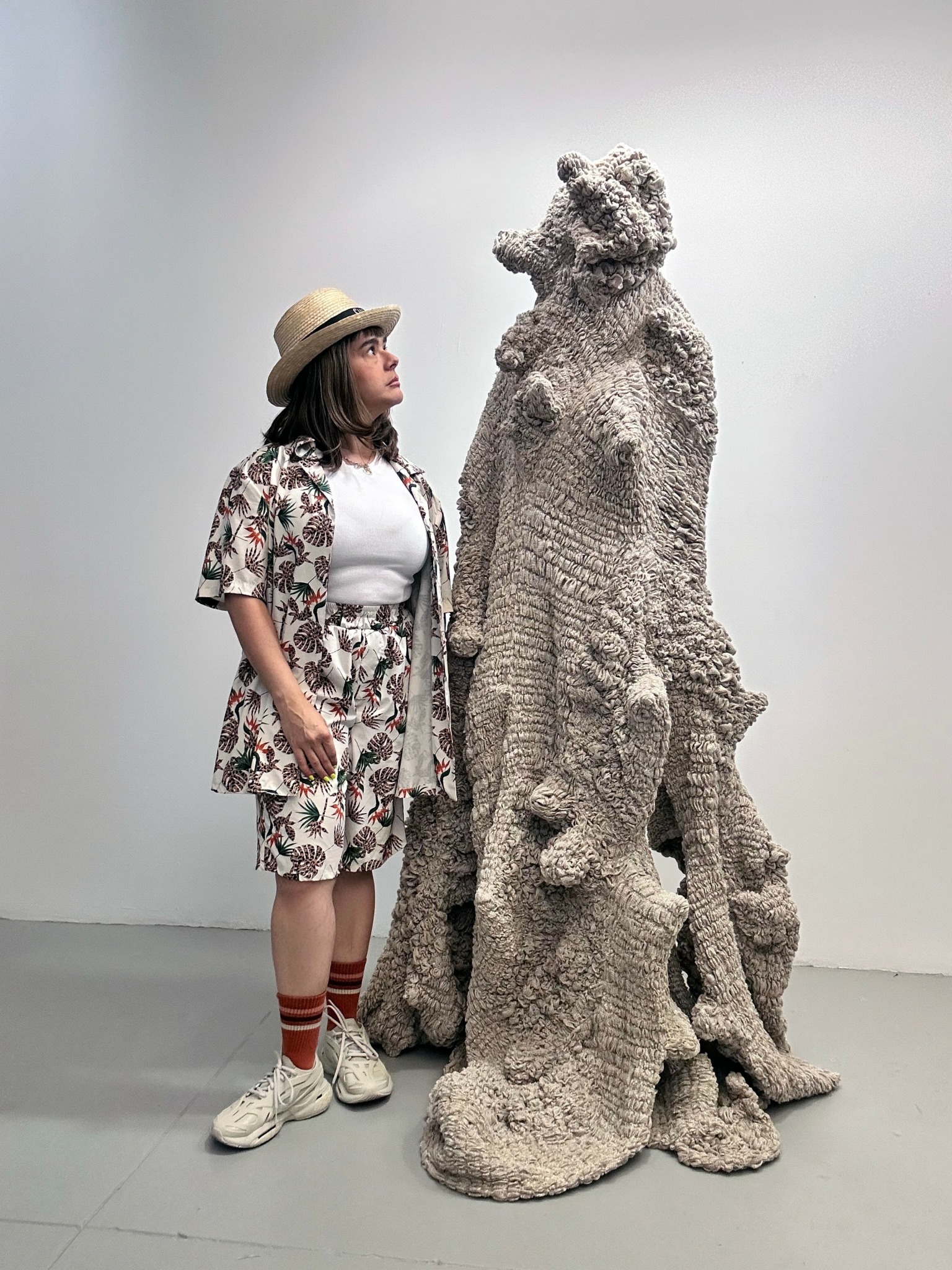
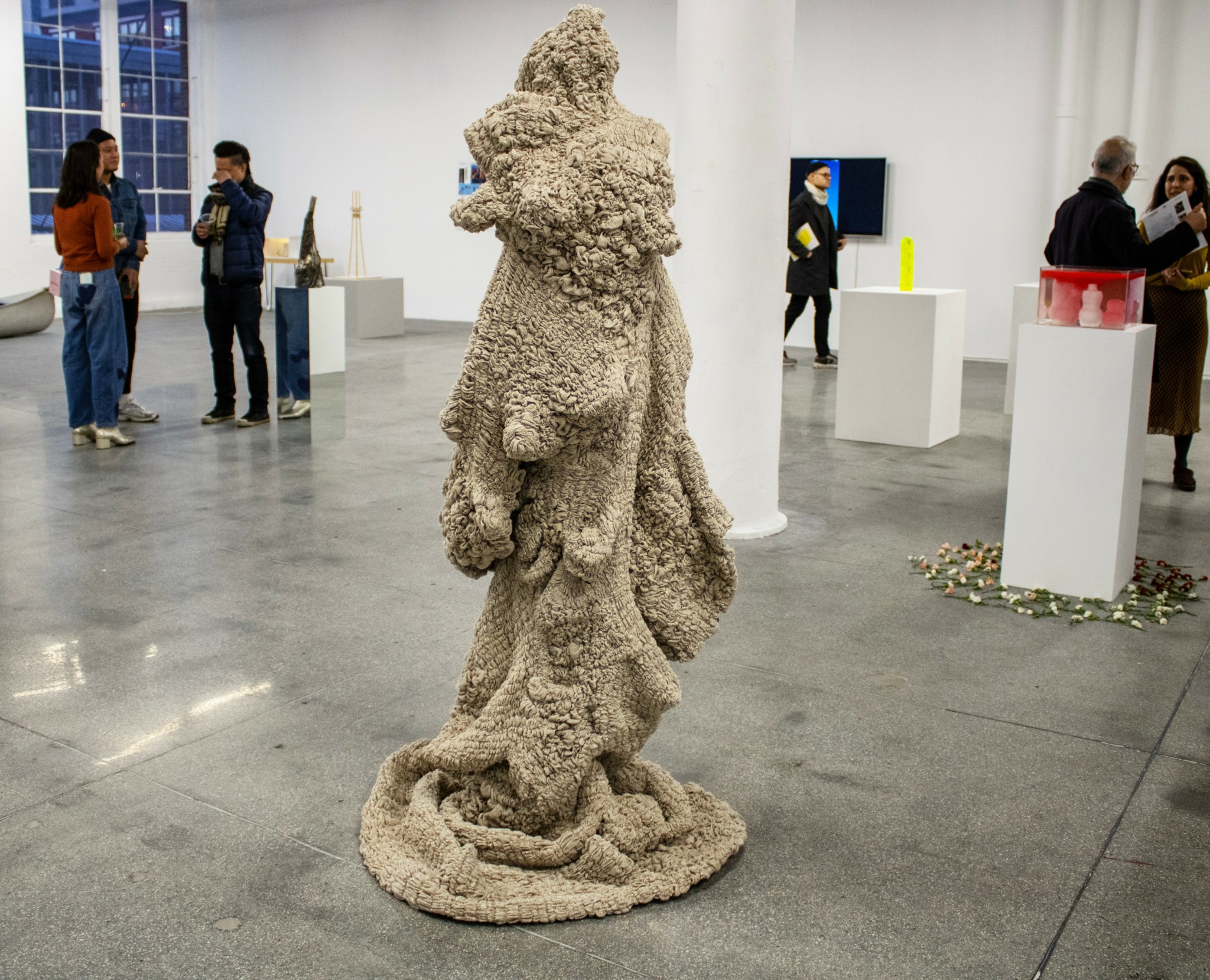
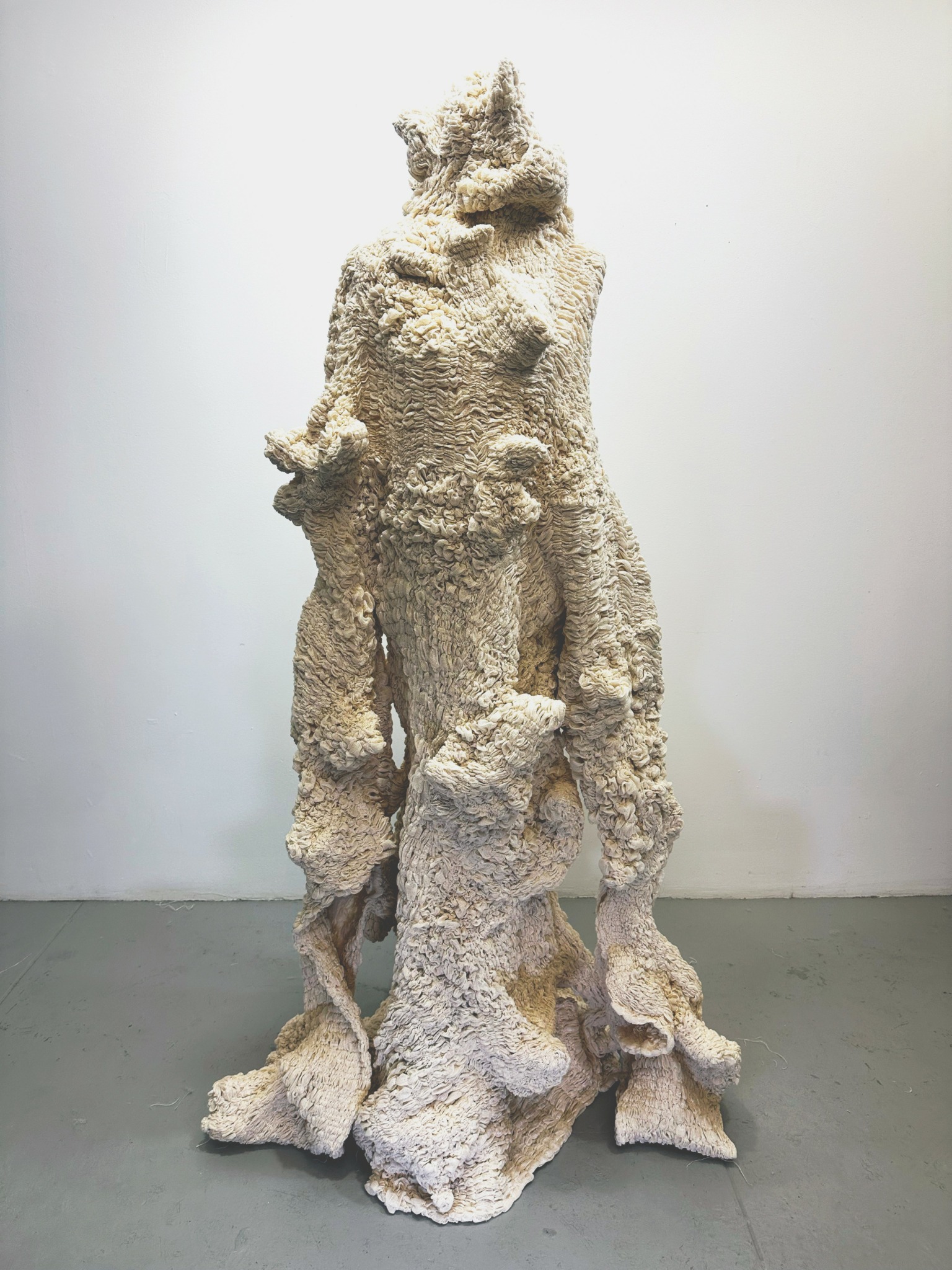
That decision changed everything. It meant no longer performing the pain at a distance, but sculpting it with my hands — literally pulling threads from linen until the fabric became skin. It meant showing my vulnerability without protection, facing the art world not as a persona but as myself.
The process was terrifying — I lost opportunities, I faced rejection, and I often felt invisible. But that risk gave me something much greater: integrity. It gave me the freedom to create work that is both fiercely personal and universal — work that touches others who carry invisible scars.
In the end, the risk turned into my path. Every sculpture, every performance, every fiber I pull is a continuation of that moment when I chose truth over comfort. The risk of being myself has become the foundation of my practice — because art, like healing, always begins where fear ends.
Yali, love having you share your insights with us. Before we ask you more questions, maybe you can take a moment to introduce yourself to our readers who might have missed our earlier conversations?
My name is Yali Romagoza, and I am a Cuban-born, New York–based interdisciplinary artist working at the intersection of fiber sculpture, performance, and video. My work explores themes of migration, womanhood, displacement, and survival — all through the body as both landscape and home.
I came to art as a way to speak when I couldn’t find the words. I started in fashion and performance — dressing the body, undressing identity — and over time, my work evolved into textural sculptures made by pulling linen threads by hand. What began as labor became language. Each thread is a breath, a memory, a reconstruction.
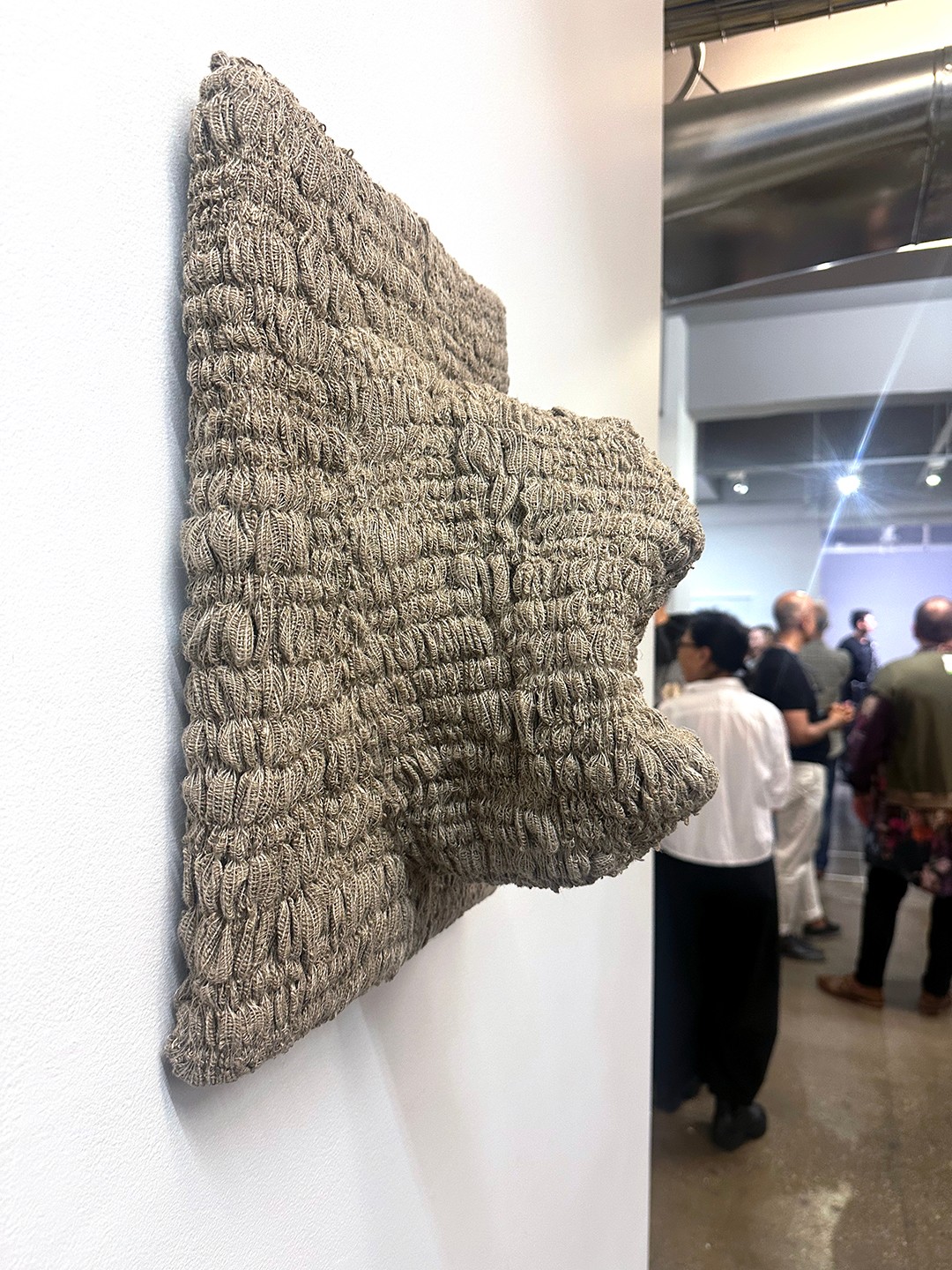
My ongoing series, Landscapes of Belonging, and my newest works, The Skin Panels, are rooted in that practice. They are extensions of my own skin — works that bridge the sensual and the spiritual, the feminine and the political. I think what sets me apart is the vulnerability of my process: I don’t hide the labor, the exhaustion, or the imperfections. The beauty of my work lives in the marks of survival.
I don’t provide “products” in a conventional sense; what I offer is an encounter with material, emotion, and transformation. My installations and performances invite the audience to slow down, to feel texture as memory, and to recognize how bodies — especially women’s bodies, immigrant bodies — carry history.
What I’m most proud of is that I’ve built everything from nothing — with my own hands, faith, and persistence. My art practice is my act of resilience. Through it, I’m not only reconstructing my body (I was born with Cleidocranial Dysplasia, a rare genetic condition) but also reimagining how care, beauty, and survival can coexist.
At the heart of my work is a simple question:
“What would I do right now if I truly believed I was worthy?”
That question guides every thread I pull, every performance I create, and every risk I take.
Let’s talk about resilience next – do you have a story you can share with us?
Resilience, for me, hasn’t been a single moment — it’s been a continuous act of returning to myself.
I was born in Havana, Cuba, with a rare genetic condition called Cleidocranial Dysplasia. Growing up, I was constantly aware of my body’s differences — the way it moved, the way it was seen. Later, as a woman and an immigrant artist, that awareness transformed into a deeper question: how do I build a life in a world that wasn’t designed for me?
When I arrived in the United States, I had nothing — no safety net, no family here, just faith and my art. I worked survival jobs by day and created by night, often in silence, often in pain. My art became my method of endurance. I began pulling threads from linen, one by one, until the fabric became skin. That repetitive, meditative labor mirrored my own process of rebuilding — patient, painful, but unstoppable.
A few years ago, I was told I would likely lose most of my teeth because of my condition. I felt defeated — until this year, when I began a long, expensive orthodontic treatment to save them. I paid for it myself, with the money I had been saving to leave my day job. That decision wasn’t just about health — it was about belief. I chose to invest in my body the same way I invest in my art: with faith that healing and beauty are possible when you refuse to give up.
Resilience, for me, is the art of persistence — the ability to create beauty out of endurance. Every fiber I pull, every sculpture I build, every time I choose hope over despair, I remind myself: I have survived worse, and I am still creating.
We often hear about learning lessons – but just as important is unlearning lessons. Have you ever had to unlearn a lesson?
I had to unlearn the idea that I needed to be grateful for survival.
When you come from scarcity — from a country like Cuba, from migration, from a body that has been medicalized and misunderstood — you’re taught to say thank you for simply existing. Thank you for the visa. Thank you for the job. Thank you for being tolerated. But that kind of gratitude becomes a cage.
For years, I stayed small in spaces that couldn’t hold my truth. I accepted situations, jobs, even relationships that kept me alive but made me invisible. I called it humility, but it was fear — fear of losing the little I had. The lesson I had to unlearn was that survival is not the same as living. I realized I don’t owe the world my quiet gratitude; I owe myself my full expression.
Now, through my art, I transform endurance into presence. Every thread I pull, every skin panel I stitch, is a reminder that gratitude doesn’t have to mean submission.
It can also mean power — the power to say: I deserve more than survival.
Contact Info:
- Website: https://www.yaliromagoza.org
- Instagram: @yaliromagoza
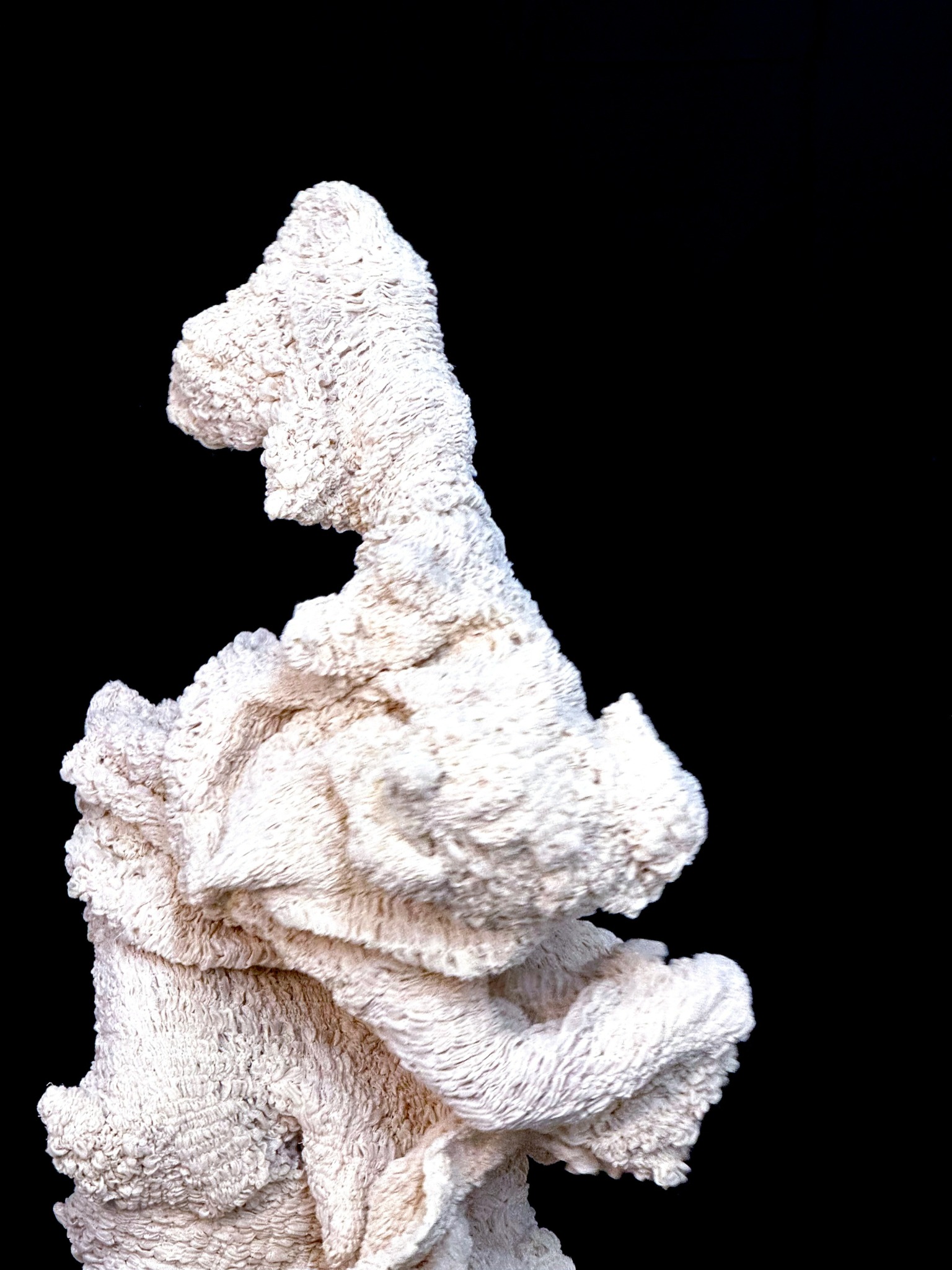
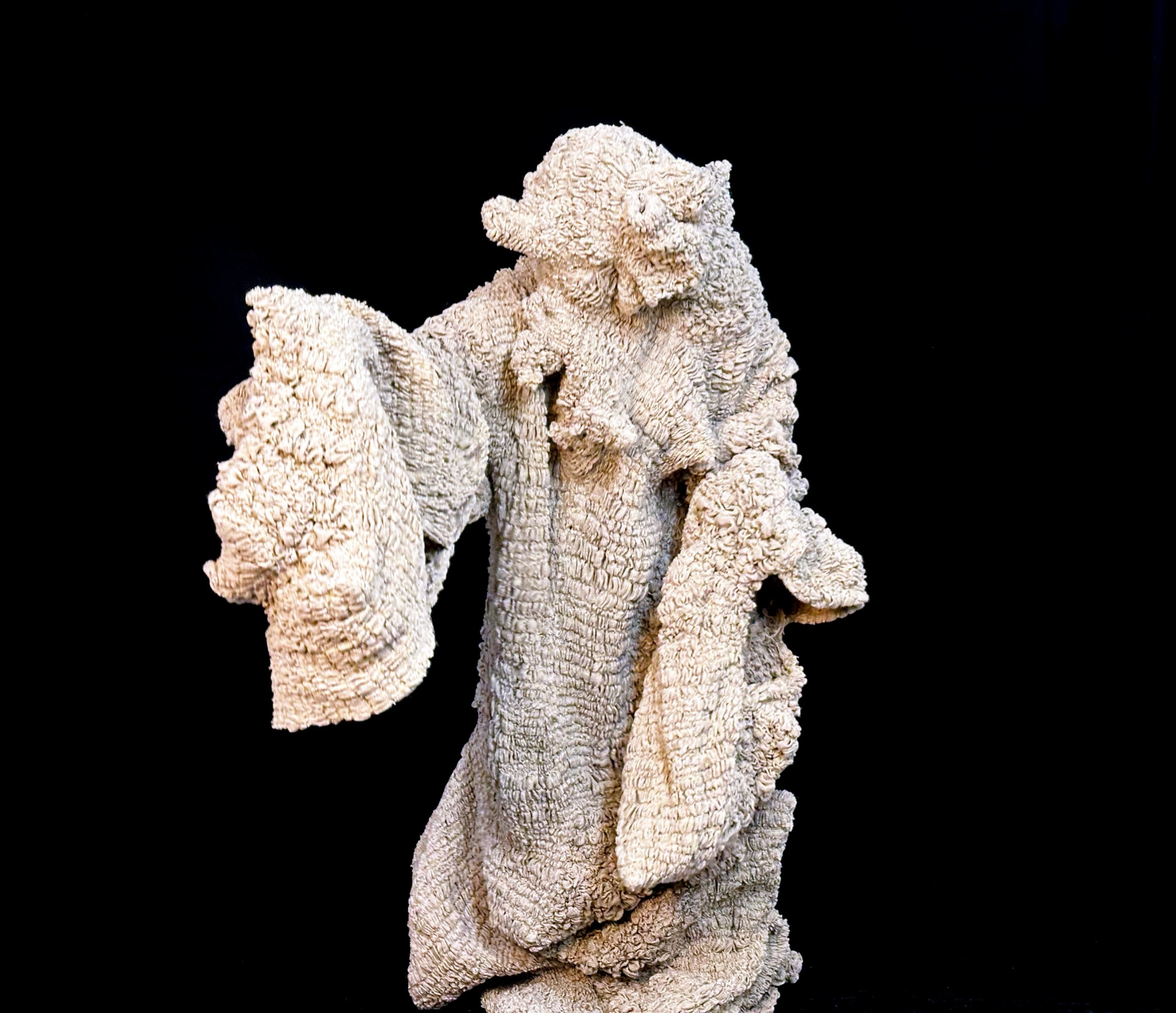
Image Credits
Photos by Yali Romagoza