
We caught up with the brilliant and insightful Ursula XVII a few weeks ago and have shared our conversation below.
Alright, Ursula thanks for taking the time to share your stories and insights with us today. Did you always know you wanted to pursue a creative or artistic career? When did you first know?
Honestly, I didn’t always know I was setting myself up for a creative or artistic path. It wasn’t a clear, cinematic moment—it was more like slowly waking up to something that had been true all along. At first, I was just trying to be good at what I was doing. I was focused on the technical, on the precision—on proving I belonged. The imposter syndrome was very real, and it took time to realize that what I was doing wasn’t just craft—it was art.
The turning point came in a quiet moment, mid-shift, while working on a chocolate showpiece. I caught myself completely lost in the details, thinking more like a sculptor than a pastry chef. I stepped back and actually saw the work for what it was—creative, expressive, intentional. That was the first time I allowed myself to say: I’m not just doing this. I am this.
Realizing that chocolate and pastry were my mediums—not just ingredients—was incredibly freeing. And I remember thinking: How lucky am I that I get to do this every day? That shift in mindset—from craftsman to artist—was the moment I truly stepped onto this path

Awesome – so before we get into the rest of our questions, can you briefly introduce yourself to our readers.
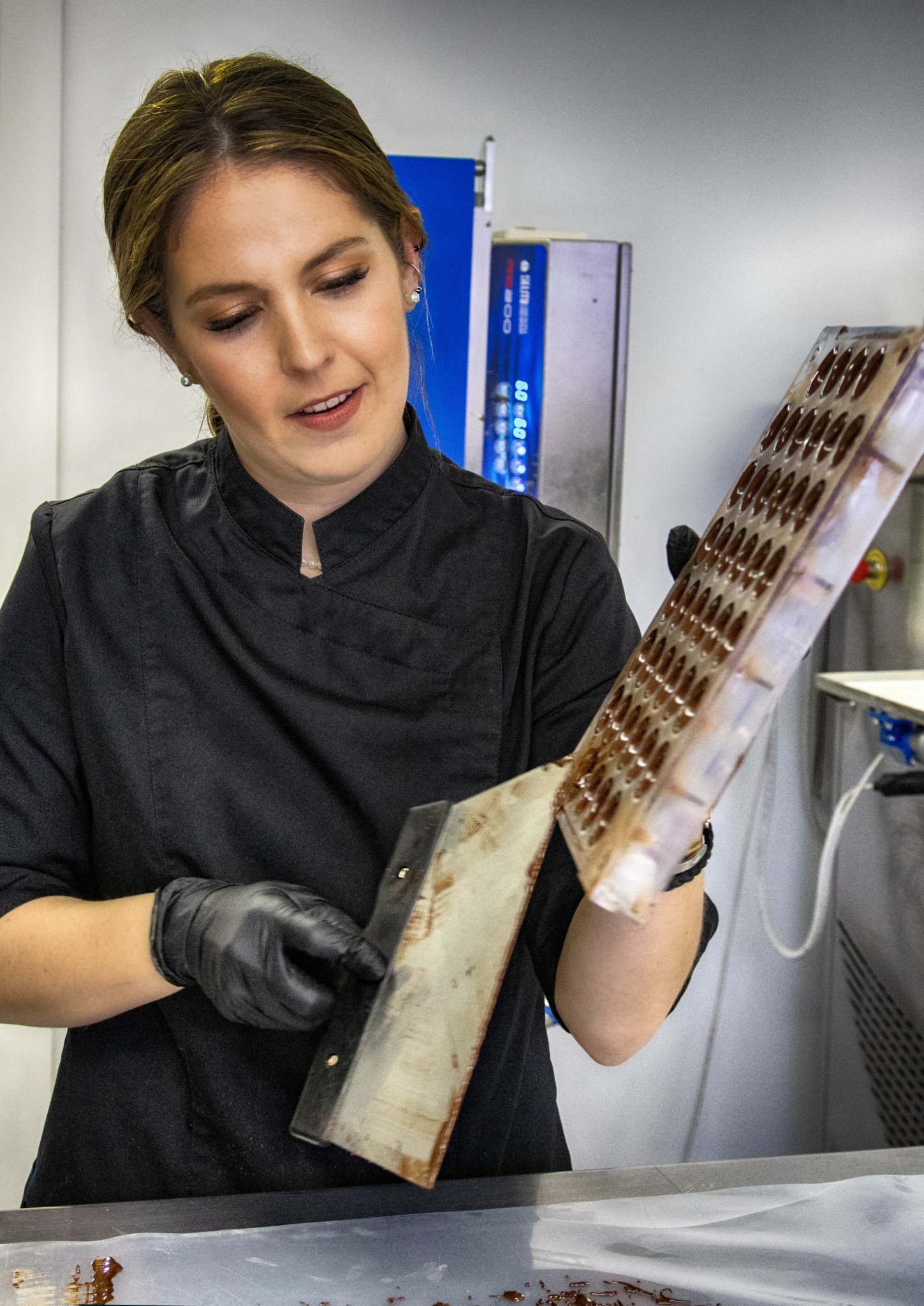
I’m a Michelin-trained pastry chef, and I began my career drawn to the precision, discipline, and excellence that fine dining demands—especially in the world of pastry. There’s something incredibly powerful about that level of focus and intentionality, and it’s that same standard of excellence that we’ve built into everything we do at Disset.
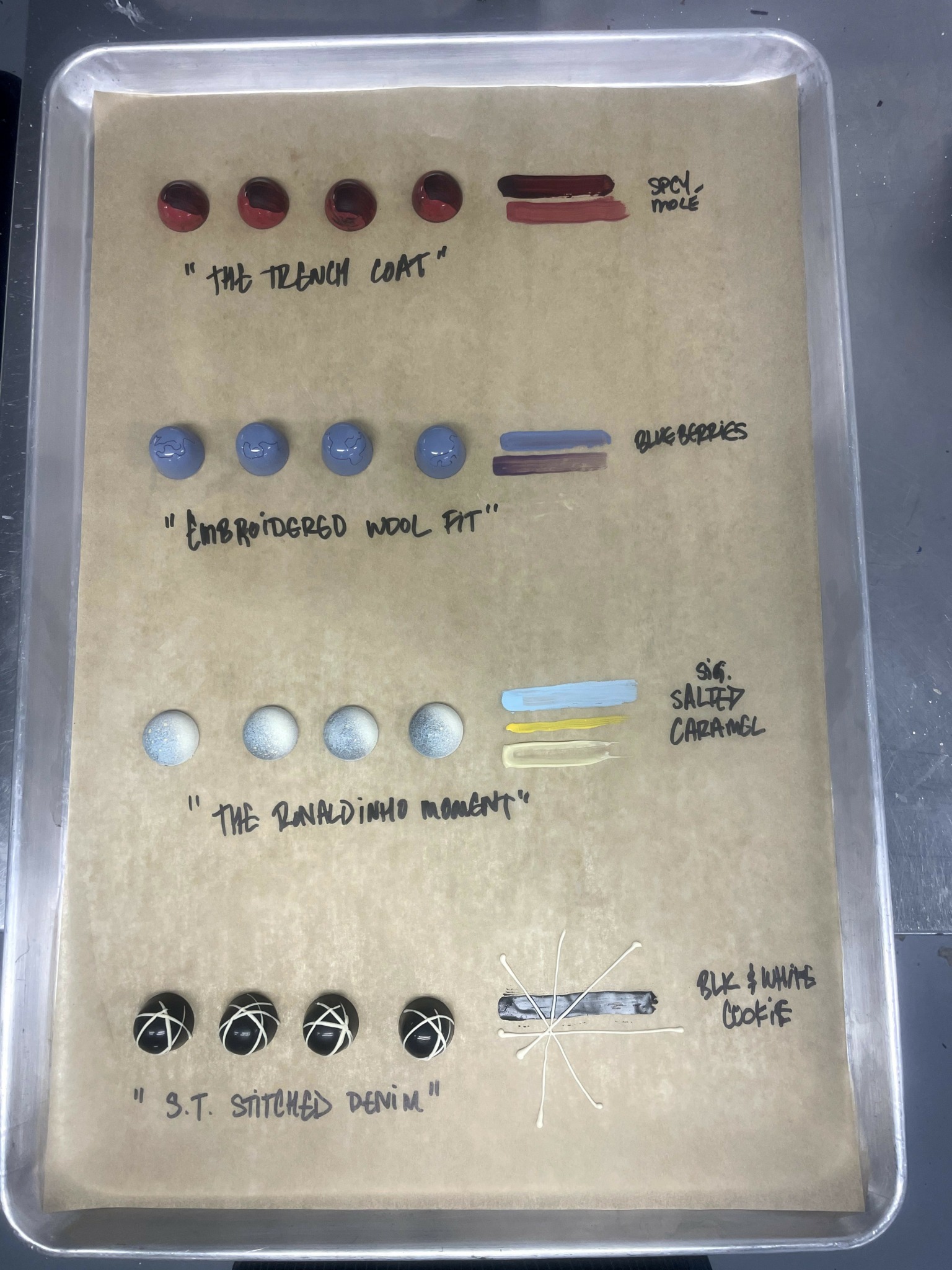
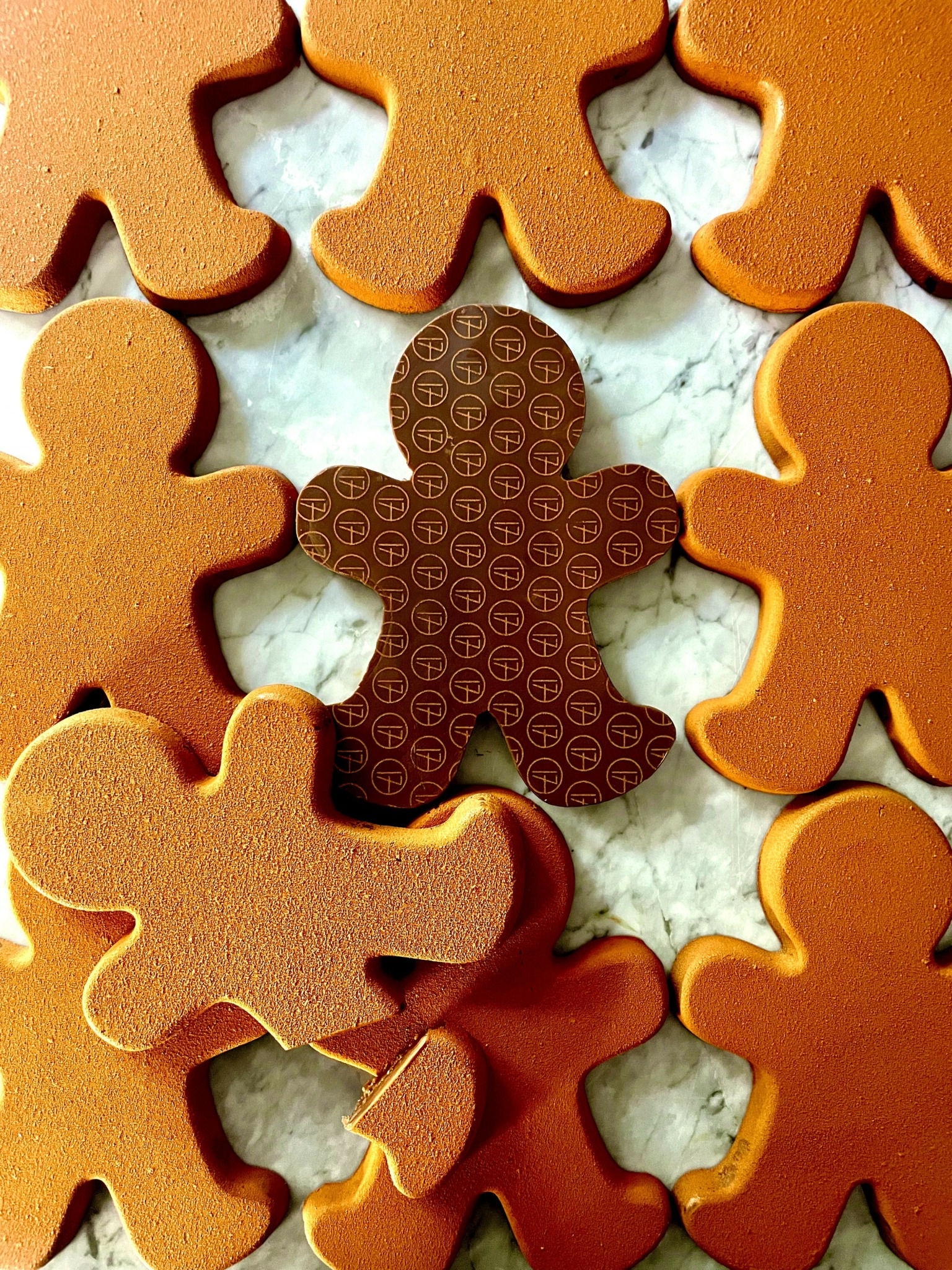
At Disset, we specialize in handcrafted chocolates and pastries that not only look beautiful, but are made with care, technique, purpose, and good ingredients. We bring a fine dining approach to confections—whether it’s a custom wedding order, a limited-edition holiday collection, or a chocolate bar found in a boutique hotel or gourmet market. Every product reflects the same discipline and detail I was trained to uphold.
What sets us apart is our commitment to collaboration—with local purveyors, artisans, and makers who share our passion for quality and integrity. I’m especially proud that people choose to celebrate life’s moments with us—big or small. Whether it’s a “just because” gift or a custom piece for a major brand, our work carries intention and care, from kitchen to client.
It’s a special thing to see someone light up when they recognize a Disset piece on their nightstand in a beautiful hotel, or proudly gift one of our bars to someone they care about. That tells me we’ve built more than a brand—we’ve created a community. And that’s what I’m most proud of.

In your view, what can society to do to best support artists, creatives and a thriving creative ecosystem?
To truly support artists, creatives, and a thriving creative ecosystem, society needs to commit to supporting not just local talent, but also the broader network of makers, growers, and producers that make creative work possible. That means being intentional about where things come from, how they’re made, and who’s behind them.
At Disset, we’re deeply rooted in our community on the North Fork, which is full of incredible artists, farmers, and makers. Supporting them is vital—but it doesn’t stop there. For example, while our business is based locally, chocolate doesn’t grow here. So we always encourage our clients to think globally—to consider the farmers and producers around the world who make it possible for us to work with such high-quality chocolate.
These farmers often face immense challenges, and while they may not be “local” in the geographic sense, they are just as essential to the process. We believe in holding our global sourcing to the same ethical and quality standards we apply to our local ingredients—pushing ourselves to reduce impact, ensure transparency, and support fair practices, even across oceans.
In the end, supporting the creative ecosystem means recognizing that creativity doesn’t happen in a vacuum. It’s a collaboration—between local communities, global partners, and the people who choose to value and invest in thoughtful, ethical, and artful work.
Can you share a story from your journey that illustrates your resilience?
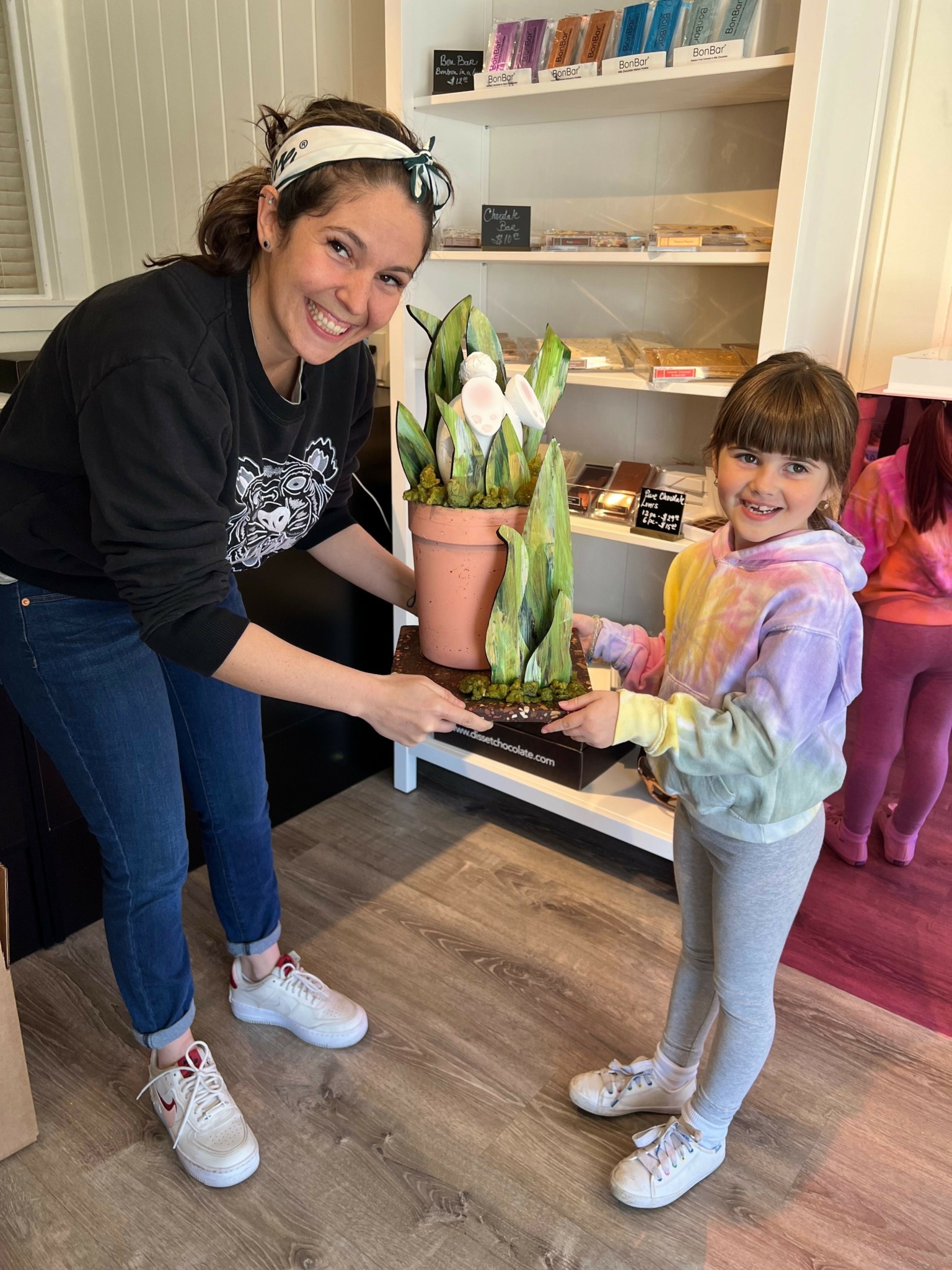
One story that really illustrates resilience in my journey is the evolution of what’s now our most popular workshop: Paint with Chocolate on Canvas.
Like so many small businesses, we were thrown completely off course when the pandemic hit. We had just launched a lttle over a year before, and suddenly the entire world shut down. But rather than pause everything, we looked for ways to still connect with our community—creatively and meaningfully. That’s how the take-home version of the chocolate painting kit was born. It was something playful, hands-on, and comforting that people could enjoy at home. What started as a local offering quickly turned into something much bigger—we were shipping hundreds of kits nationwide.
That moment taught us a lot about adaptation and listening to what people needed. So when we were finally able to open our doors again, it was clear we had to keep that experience alive—this time in person. That’s why we created The Atelier (which means “workshop” in French)—a dedicated space where people could continue to immerse themselves in chocolate as a medium, not just a dessert.
To me, resilience means not just surviving a challenge, but using it as a catalyst to create something better, more connected, and more lasting. This workshop started as a response to crisis, but it’s now one of the most joyful and defining parts of what we do at Disset.
Contact Info:
- Website: https://www.dissetchocolate.com/
- Instagram: @dissetchocolate