

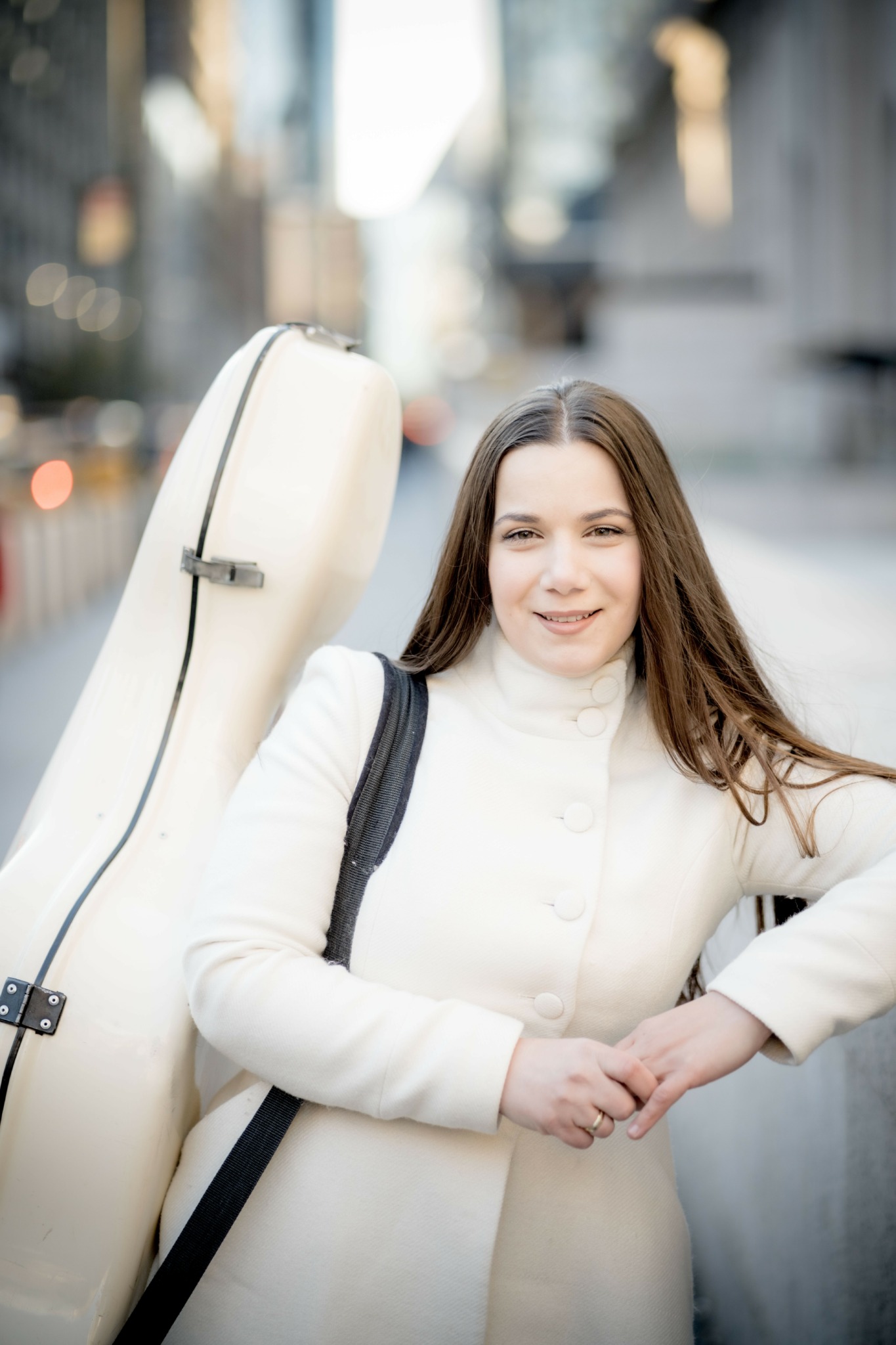

We recently connected with Anita Balazs and have shared our conversation below.
Alright, Anita thanks for taking the time to share your stories and insights with us today. Can you talk to us about how you learned to do what you do?
I grew up in a musical family—my mother is a cellist and my father is the director of the music school in my town—so music was part of my everyday life from the very beginning. I started cello at age five, and being homeschooled from age twelve , gave me the flexibility to focus deeply on my practice while still having a creative and supportive environment. I learned through constant performing, participating in competitions, attending masterclasses, and collaborating with other musicians across Europe and the U.S. Each of those experiences helped me develop discipline, resilience, and a love for sharing music with others.
Looking back, I think what would have really sped up my learning was being more intentional with how I structured my time. It’s easy to just keep working without direction, but I’ve learned that setting clear, consistent goals—even small ones—creates momentum and makes progress feel tangible. I also found that breaking things into small, manageable segments works far better than trying to tackle everything at once. In music, that might mean focusing on just a few measures at a time, but it really applies to any field: when you take a complex task and break it down, you can give each piece your full attention, build confidence, and then put it all together much more effectively. For me, the most essential skills have been consistency and focus. It’s not always about the amount of time spent, but about showing up every day with intention and putting in steady, mindful effort. Equally important is learning how to really listen—whether it’s listening to yourself, to others, or to the bigger picture of a project. Communication and collaboration have also been vital, because music, like so many other disciplines, is rarely something you do entirely alone. And finally, resilience: having the patience to stick with something even when it feels challenging or progress is slow.’
One of the biggest obstacles has been balance—juggling multiple commitments, studies, and later teaching and performing. It can be difficult to carve out focused time when there are so many directions pulling at you. Another challenge has been perfectionism: it’s easy to get stuck in constant self-critique rather than stepping back and appreciating progress. And of course, like anyone learning a complex skill, there were moments of frustration or feeling stuck. Over time I’ve realized those moments are part of the process, and finding ways to manage them with perspective and patience has been just as important as the technical skills themselves.
Awesome – so before we get into the rest of our questions, can you briefly introduce yourself to our readers.
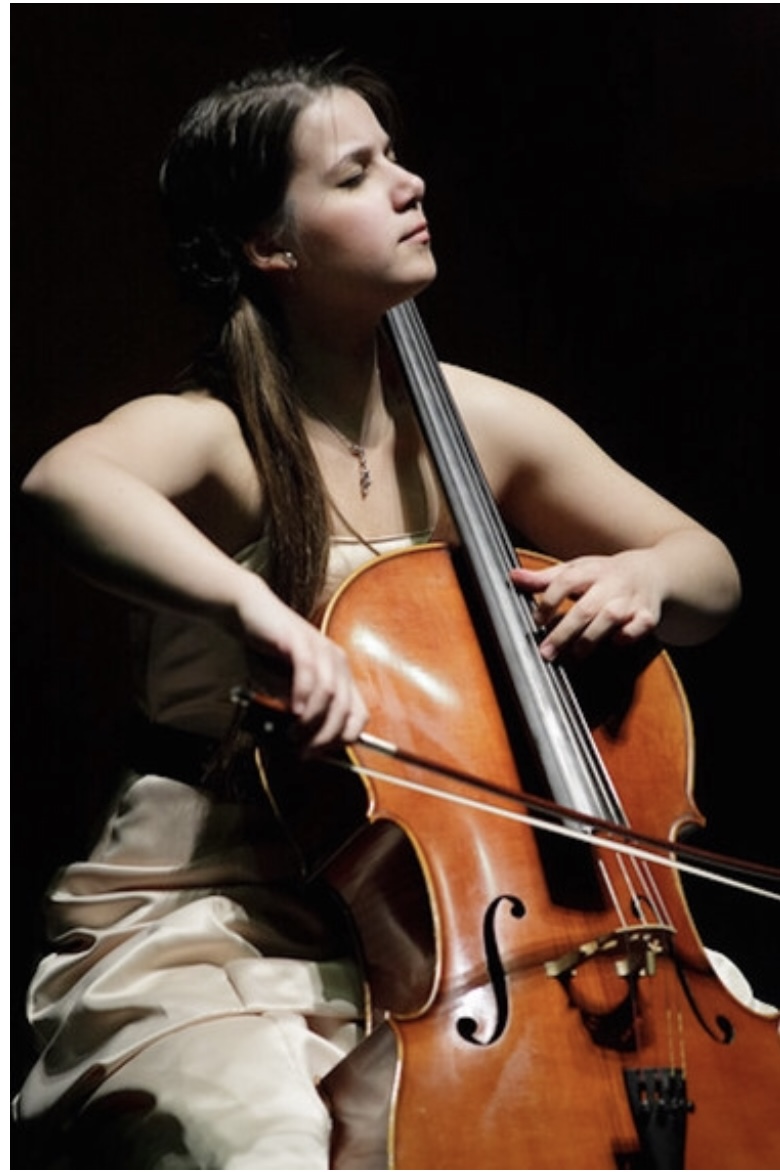
I’m a Hungarian cellist who grew up in a musical family—my mother is also a cellist and my father directed the local music school where I was raised. Music has been a part of my life since I was five years old, and from an early age I was performing, competing, and learning through collaboration with musicians across Europe and later the United States. That combination of a nurturing home environment, homeschooling, and exposure to international festivals and competitions gave me both the freedom and discipline to grow into the musician I am today.
Today, my work spans several areas. As a performer, I’ve had the privilege of playing in concert halls around the world, from Carnegie Hall to the Philharmonie de Paris, both as a soloist and in collaboration with orchestras, chamber groups, and other artists. As an educator, I teach cello and chamber music to the next generation of musicians, currently at Bard College Preparatory Division and the Mount Academy in New York. I also enjoy working beyond the classical stage, most recently contributing to John Legend’s 2024 album, which was nominated for a Grammy.
What sets me apart, I think, is the breadth of my experiences and the balance I strive to maintain between tradition and innovation. I deeply value the classical training and discipline I was given, but I’m equally excited about exploring new collaborations and genres, finding fresh ways to connect with audiences. For students and collaborators, I try to bring both high-level expertise and a sense of encouragement and openness, making music both rigorous and joyful.
What I’m most proud of is the chance to share music across borders and generations—to inspire young musicians in the classroom, to connect with audiences in performance, and to contribute to projects that bring classical instruments into new spaces. If there’s one thing I’d like people to know about my work, it’s that music for me is about connection: whether on stage, in the studio, or in a lesson, it’s always about creating a meaningful experience and building bridges between people through sound.
What can society do to ensure an environment that’s helpful to artists and creatives?
I believe society can best support artists by recognizing that creativity is essential to culture, education, and community life. That means investing in arts education, providing spaces for performance and collaboration, and creating funding opportunities so artists can focus on developing their work. Encouraging experimentation, risk-taking, and cross-disciplinary collaboration is also important, as is mentorship and visibility for emerging artists—seeing others pursue creative paths inspires new generations. Ultimately, supporting artists strengthens communities and enriches society as a whole, making life more vibrant and meaningful for everyone.
Is there something you think non-creatives will struggle to understand about your journey as a creative? Maybe you can provide some insight – you never know who might benefit from the enlightenment.
One thing I think non-creatives sometimes struggle to understand is just how much discipline, patience, and incremental work underlies what might seem effortless on stage or in a finished project. People often see the performance or the polished final product and don’t realize the years of daily practice, small experiments, mistakes, and refinements that go into it.
Another aspect is the uncertainty: a creative path rarely follows a linear trajectory, and success isn’t always tied to effort in the way many traditional careers might be. You spend a lot of time taking risks, facing rejection, and learning to navigate both the practical and artistic sides of your work simultaneously.
If there’s insight I can offer, it’s that perseverance, curiosity, and the ability to stay engaged with your craft even when progress feels slow are just as important as raw talent. And I think that principle—finding focus, being patient with growth, and embracing uncertainty—can benefit anyone, whether they’re a musician, an entrepreneur, or pursuing any field that demands creativity and dedication.
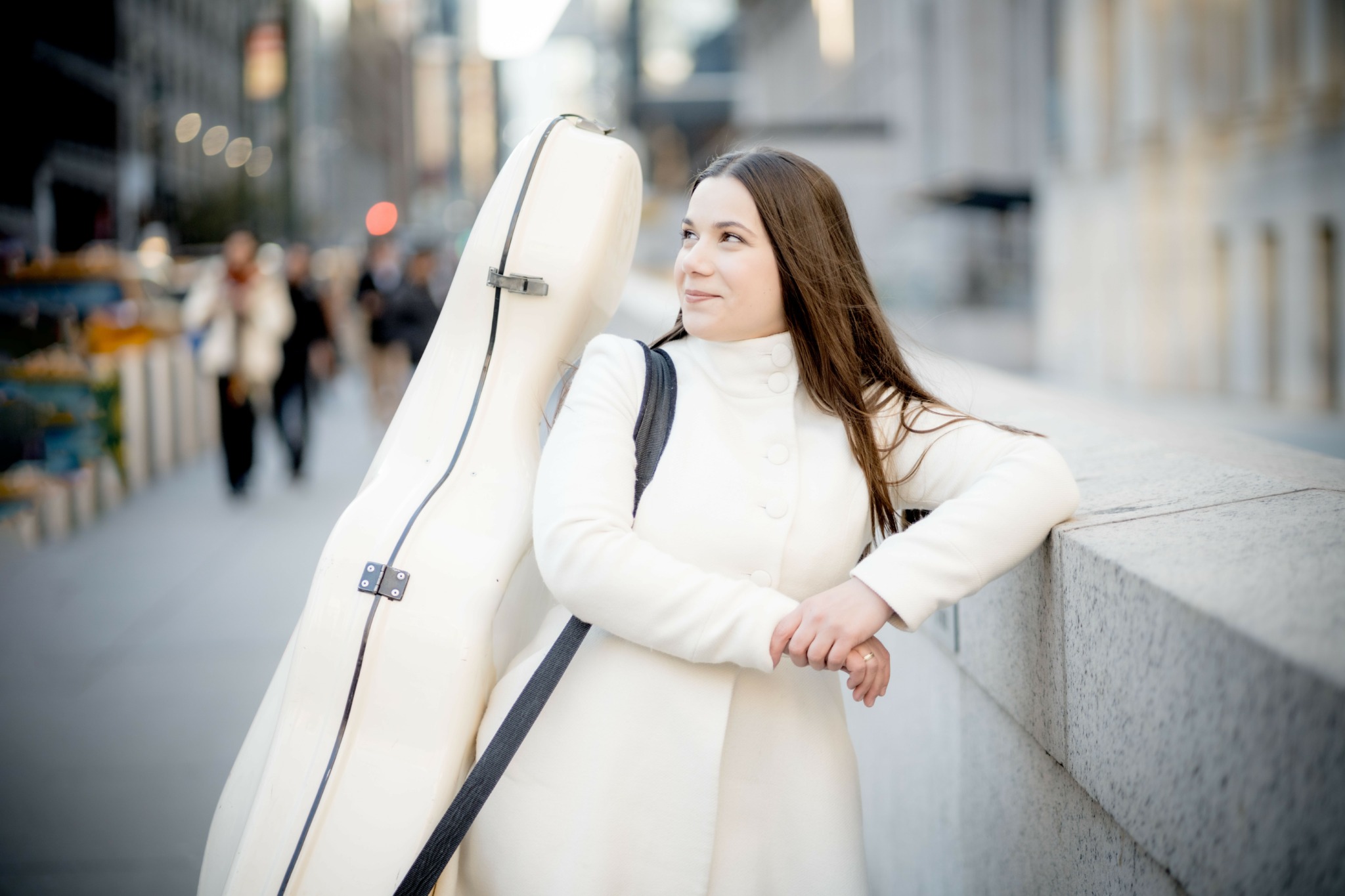
Image Credits
Anetta Photo
Marco Borggreve