



We were lucky to catch up with Marta Ali recently and have shared our conversation below.
Marta, thanks for taking the time to share your stories with us today Let’s talk about innovation. What’s the most innovative thing you’ve done in your career?
Innovation has never been a buzzword for me—it’s been the compass guiding every pivot across disciplines.
This summer, a promising collaboration with a major innovation institute took an unexpected turn. The external team we anticipated working with didn’t materialize as planned. But instead of abandoning the vision, I took a different route: I built the capability in-house.
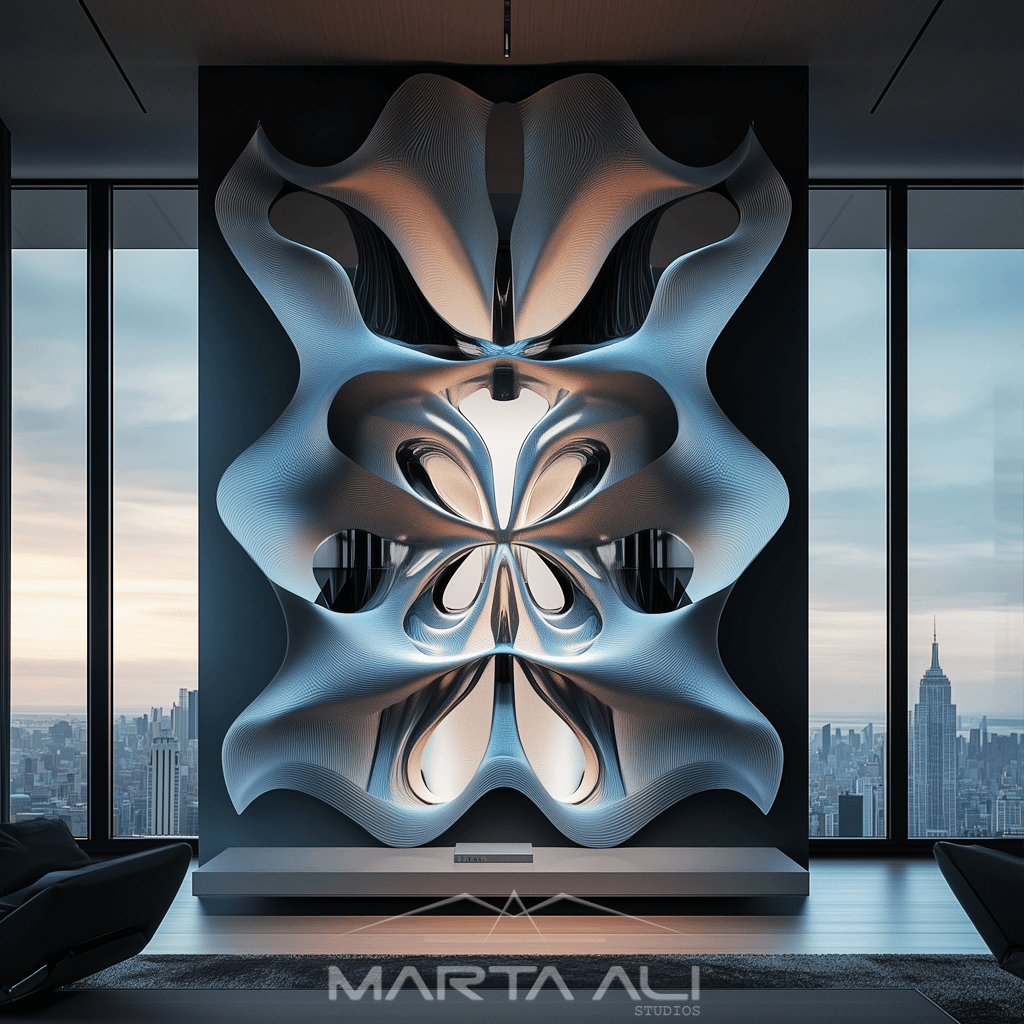
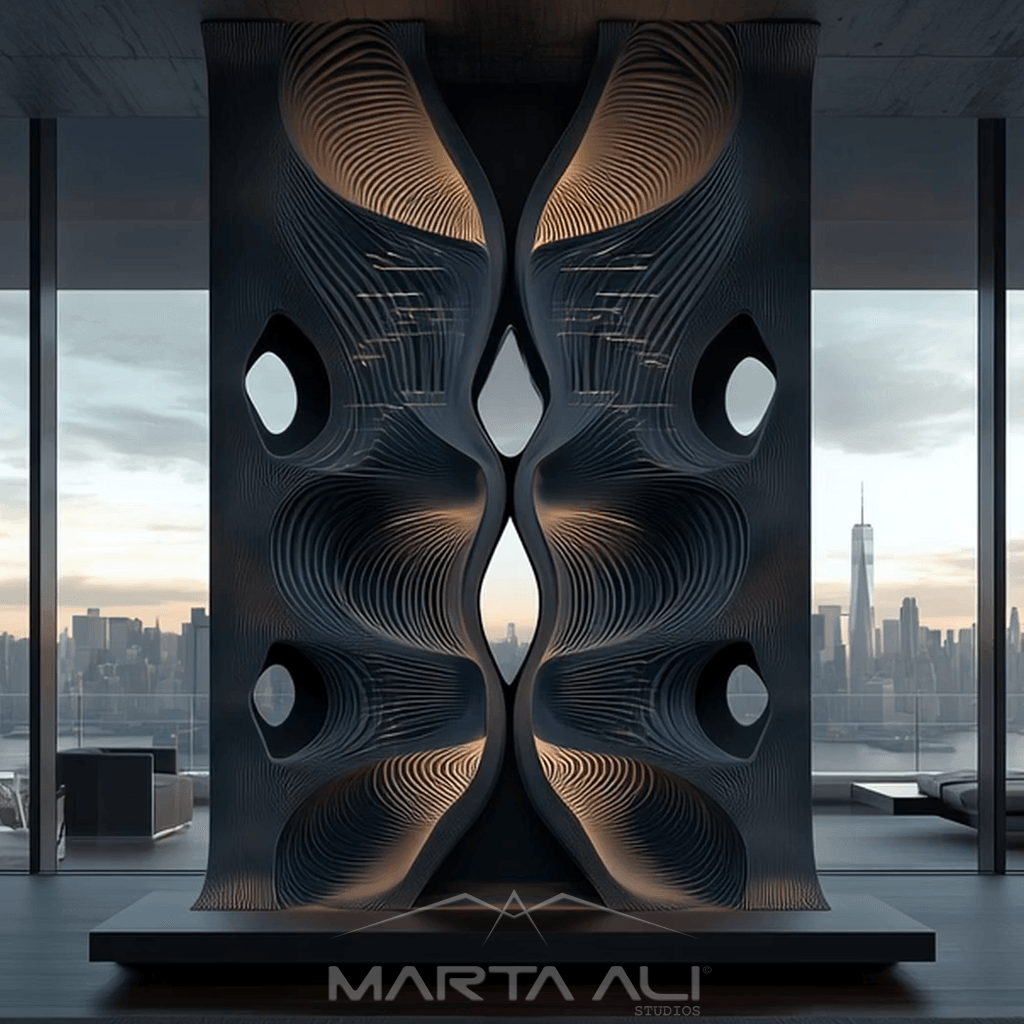
What was originally meant to be delivered by outside experts became an opportunity for my studio to stretch its own potential. Through focused experimentation and strategic use of AI, we began developing Designing the Future Now—a next-generation digital platform capable of producing advanced design and product development solutions.
What started as a missing technology in our complex workflow is now becoming a competitive advantage to solve—which we’re now preparing to share the solution with other professionals specially in the building sector.
But this achievement wasn’t just a technical win—it was a turning point. For first time we didn’t have to wait for Silicon Valley to build the technology we needed. We could build it ourselves. And in doing so, we’re helping shift the center of innovation closer to where it’s most needed: within the building industry itself—an industry long overdue for transformation.
Marta, before we move on to more of these sorts of questions, can you take some time to bring our readers up to speed on you and what you do?
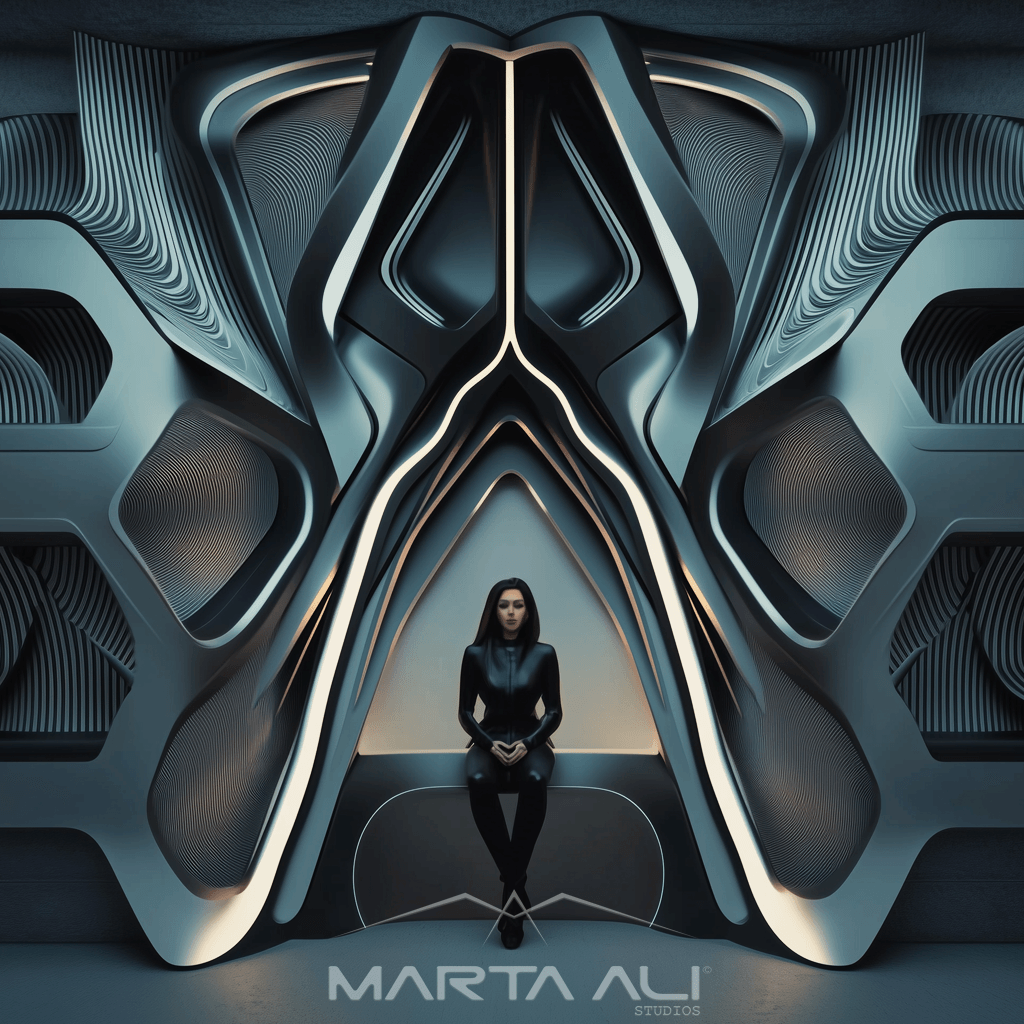
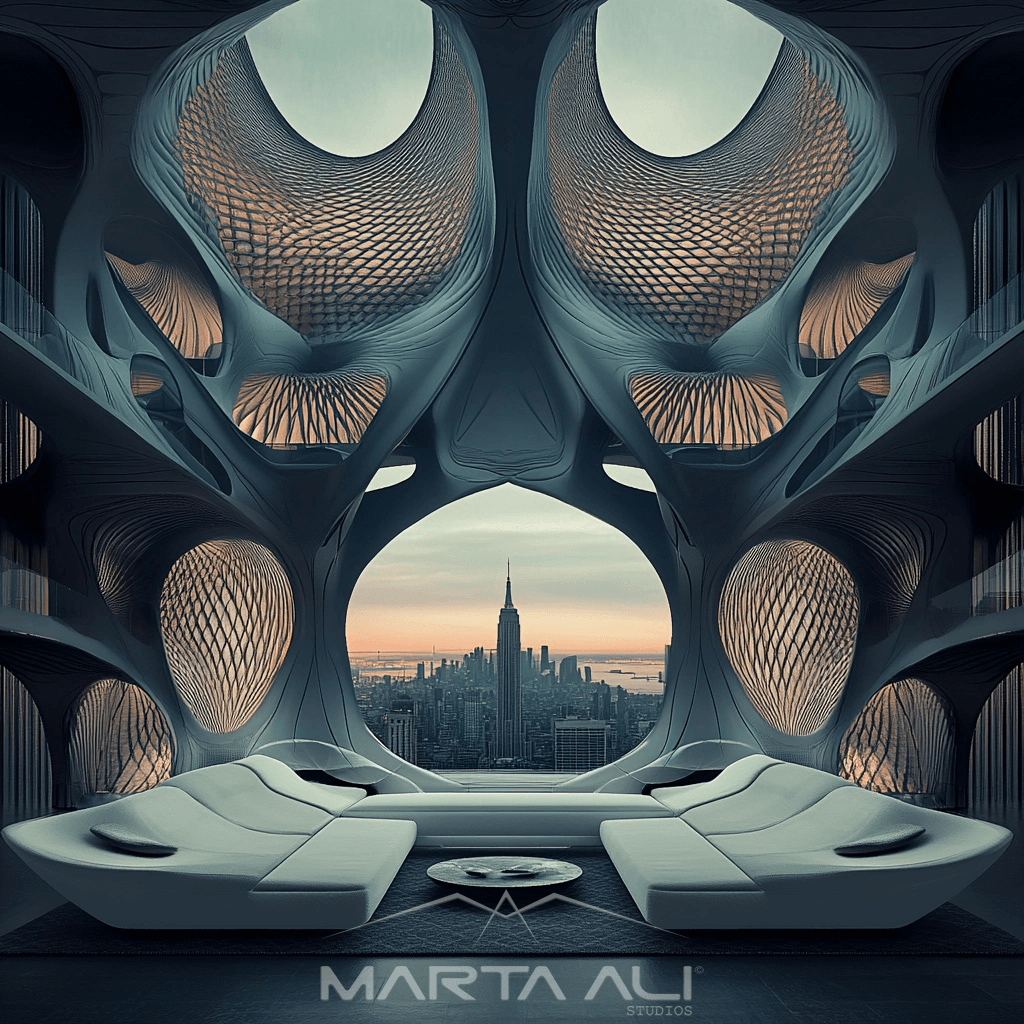
MARTA ALI STUDIOS is a multidisciplinary company delivering innovative design solutions—spanning architectural design, product development, and fabrication powered by technology.
My path began with a fascination for how things are made—especially the futuristic buildings I saw in sci-fi films. That early curiosity led me to study architecture and, over time, to explore other related disciplines where design, innovation, and technology converge such as producing music and animated movies.
What began as a personal pursuit has evolved into a lifelong mission: to blend creative imagination with precise execution. Today, we help clients across industries to develop innovative products and design immersive architectural and audio-visual experiences that bridge the digital and physical worlds.
What sets us apart is the unique strategic vision and multidisciplinary depth we bring to every project. By integrating emerging technologies with purposeful design, we don’t just help clients imagine what’s possible—we help them create it in real life.
We’d love to hear your thoughts on NFTs. (Note: this is for education/entertainment purposes only, readers should not construe this as advice
I’ve observed NFTs from a distance for some time but recently began to see them as more than tools for monetizing digital assets. In my view, especially at this time, they can offer a way to register, preserve, and honor the value of rare, culturally inspired, AI-powered design work.
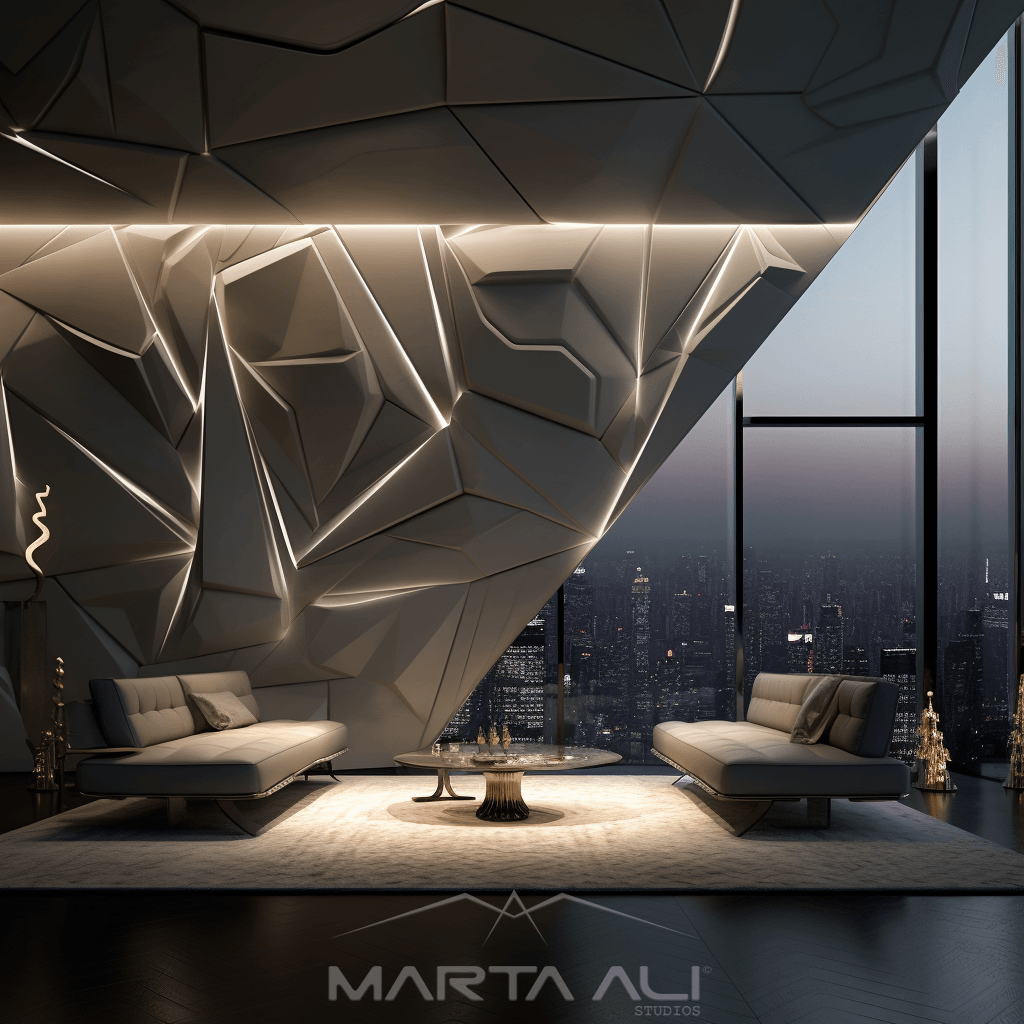
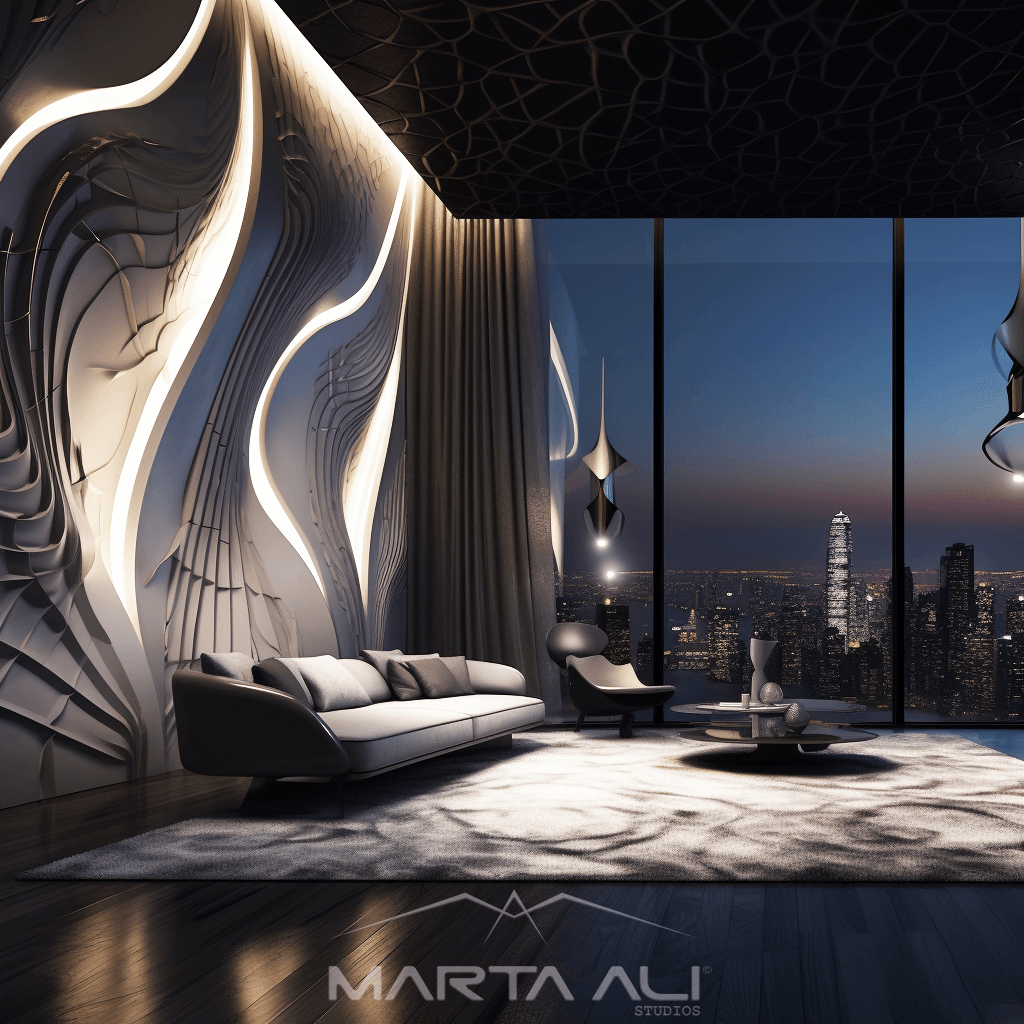
With AI now deeply integrated into our creative process, our studio produces unique form of art—especially related to specific cultures for tourism-focused projects that enhance national identities. Given our global work across Africa, the Middle East, and Asia, its becoming clear that some of these creations need to be registered and protected. NFTs provide a transparent way to assign authorship, increase visibility, and—when structured thoughtfully—offer the potential to give back to the communities that inspire the work.
More than a trend, I see NFTs as a digital economic model that gives the creative sector a stronger, more verifiable role in shaping the future. And as AI pushes the boundaries of design and culture, protecting those innovations becomes essential.
Can you tell us about a time you’ve had to pivot?
As Founder and Chief Innovation Officer of a design-forward company, I’ve led a series of strategic pivots—each expanding our capabilities and positioning us to help transform organizations and industries. My journey has evolved from architectural design to digital fabrication, and now into AI- and VR-integrated systems that create immersive experiences bridging the physical and digital worlds in powerful, human-centered ways.
What distinguishes these transitions is that they were never about starting over—they were about building forward. Each pivot added new layers to our foundation, expanding our impact without abandoning what came before.
Today, our work lives at the intersection of design, technology, culture, and storytelling. And what I’ve learned is this: true creative leadership isn’t about reacting to disruption—it’s about shaping your next move with clarity, preserving your core strengths, and building a future that evolves with you in a meaningful way.
Contact Info:
- Website: https://www.martaalistudios.com/
- Instagram: https://www.instagram.com/marta.ali/?hl=en
- Facebook: https://www.facebook.com/martaalistudios/
- Linkedin: https://www.linkedin.com/in/martaali/
- Twitter: https://x.com/Marta_Ali1?lang=bn
- Youtube: https://www.youtube.com/@martaalistudios
- Other: https://www.designingthefuturenow.com/
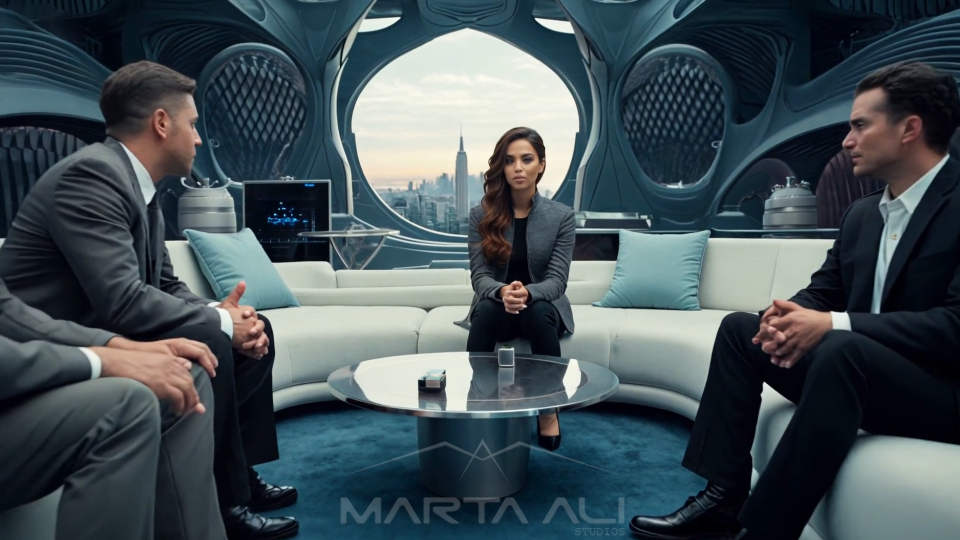
Image Credits
MARTA ALI STUDIOS