



We recently connected with Alan Olejniczak and have shared our conversation below.
Alan , appreciate you joining us today. Can you talk to us about how you learned to do what you do?
How did you learn to do what you do?
As an opera librettist, I am primarily self-taught. There are only two small librettist programs in the country, and are limited mainly to New York City artists. Unlike playwrighting, there are no classes or university degrees in libretto writing. I was writing plays long before I attempted my first libretto. If you don’t have a solid understanding of opera, story structure, and character building, you won’t get very far. I learned my craft by first singing in professional opera choruses, reading and studying the great operas, attending a lot of opera, and then the hands-on experience in creating them. Writing for opera is highly specialized and there are only a few career librettists.
Knowing what you know now, what could you have done to speed up your learning process?
Could I speed up the journey? I’m not sure. Like all art forms, it takes time and dedicated practice to learn your craft. Everything in opera is the long game. It takes years to bring a new work to the stage. Writing a solid libretto takes time, composing the music takes years longer, and opera seasons are planned long in advance. New operas are also very risky for companies. They’re expensive to produce, and audiences are often wary and don’t always show up. You have to prove your worth as a librettist by creating a solid body of work that is well-received. That takes time.
What skills do you think were most essential? What obstacles stood in the way of learning more?
Besides knowing how to write for the stage, the most important skill to develop is collaboration. Opera is one of the most collaborative art forms. Everything a librettist writes serves the music of the composer. You have to set your ego aside at times. Although there is always give and take, push and pull, collaboration is what I enjoy most about creating opera. It’s about being part of something much bigger than yourself. Your ideas become the foundation that other artists build upon.
Alan , love having you share your insights with us. Before we ask you more questions, maybe you can take a moment to introduce yourself to our readers who might have missed our earlier conversations?
This is my third career, actually. I came late to writing, and it started out simply as a hobby. Before becoming a writer, I worked as a sommelier for fourteen years and then as a special educator for sixteen. Still, I loved theatre and opera and was determined to be a better writer and storyteller.
What are you most proud of and what are the main things you want potential clients/followers/fans to know about you/your brand/your work/ etc.
There are few projects that I don’t feel good about. Although projects may not have turned out the way I wanted, for one reason or another, I’m still proud of my work. Still, I’ve never tried to convince myself that something is good when it’s not. I am also an artist who takes my work seriously. I treat it as a business. I show up, deliver quality work on time, and respond to emails promptly.
Please provide as much detail as you feel relevant, as this is one of the core questions where the reader will get to know about you and your brand/organization/etc.
It’s worth mentioning that being a librettist is more of a calling than a career. Librettists don’t make a lot of money, opportunities are few, and you don’t always get the recognition afforded most writers. I’m a librettist because I love opera.
Can you share a story from your journey that illustrates your resilience?
This is less of a personal story and more advice. Successful and seasoned artists learn to embrace the struggle and manage disappointment and rejection. If you can’t negotiate this with grace, you won’t last long, regardless of how good your work is. Resilience is a mindset. You control what you can and let go of what you cannot. If you get rejected, you respond by creating better work. Be the artist that others are drawn to and are inspired by.
What do you find most rewarding about being a creative?
I love teaching and sharing what I’ve learned with other inspiring librettists. Last year, I collaborated with Cape Town Opera on their Staging Stories program, where I helped teach and mentor three incredible writers. There are only a few operas created by South Africans. Audiences deserve stories that are meaningful and reflect their lives.
Contact Info:
- Website: https://www.alanolejniczak.com
- Linkedin: https://www.linkedin.com/in/alan-olejniczak-2998a18/
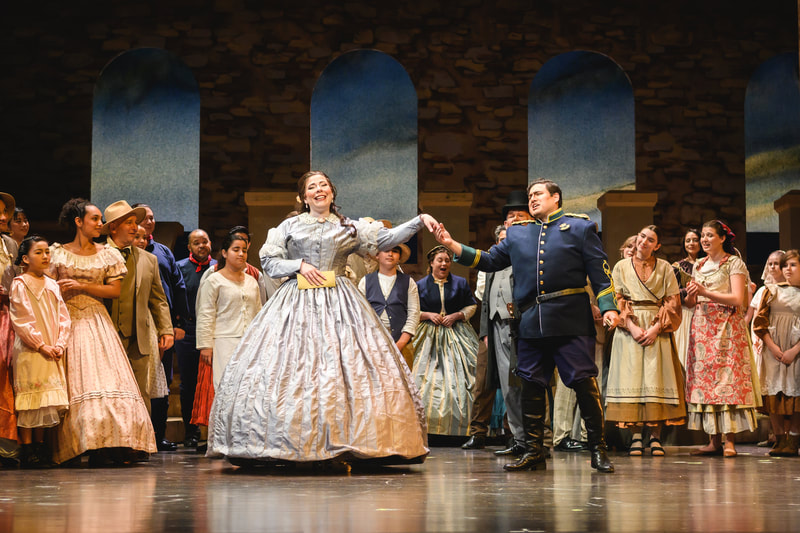
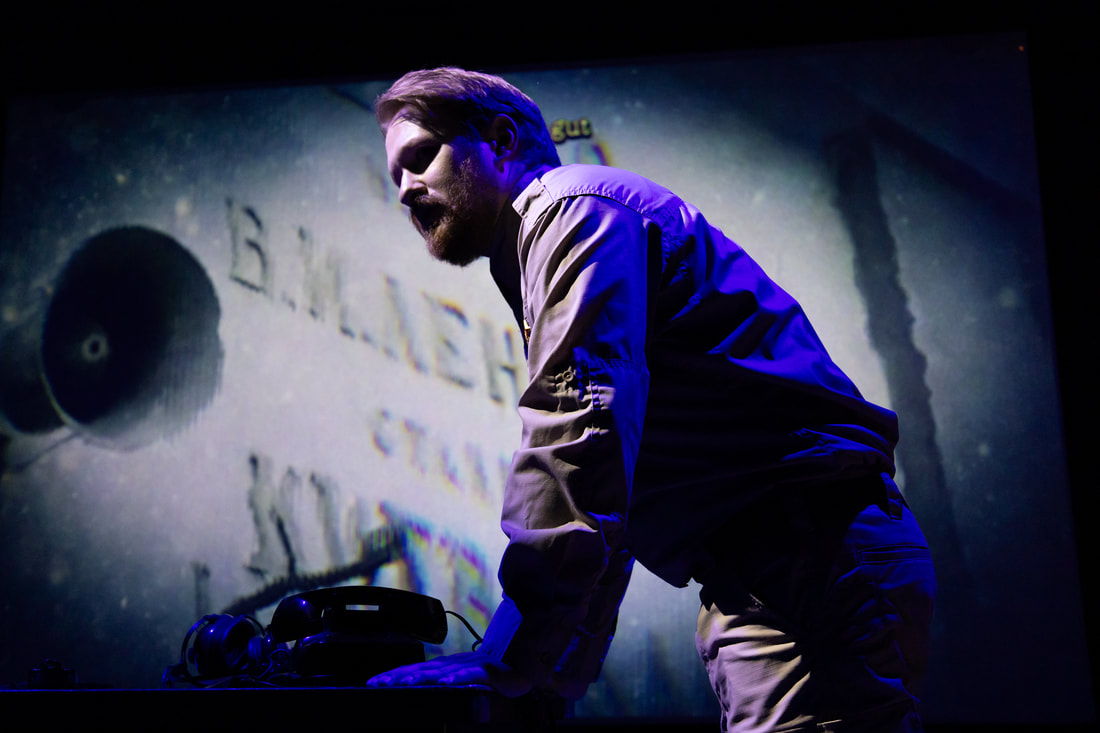
Image Credits
The first picture is a casual pic of me taken by Roy Hunter, a producer from Cape Town Opera.
The following pictures are from recent productions I have worked on.
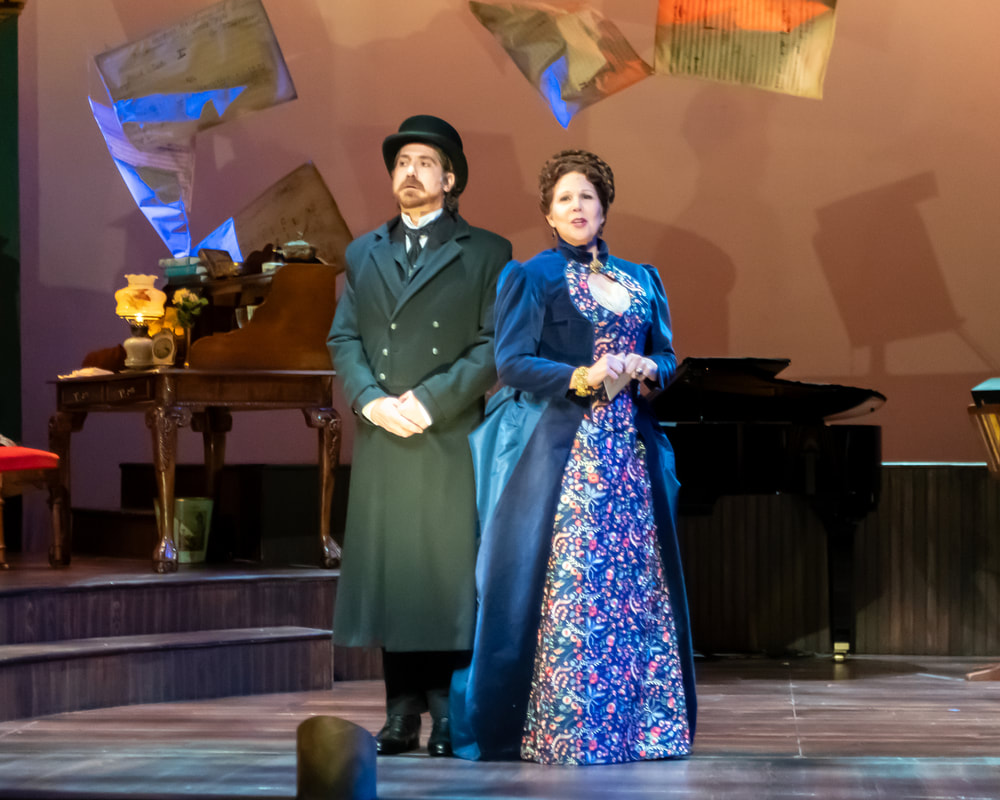
The first pic is from my play “Concerto” with actors Matthew Alvin Brown and Kris Scinske. Photo credit goes to K. Talley Photography.
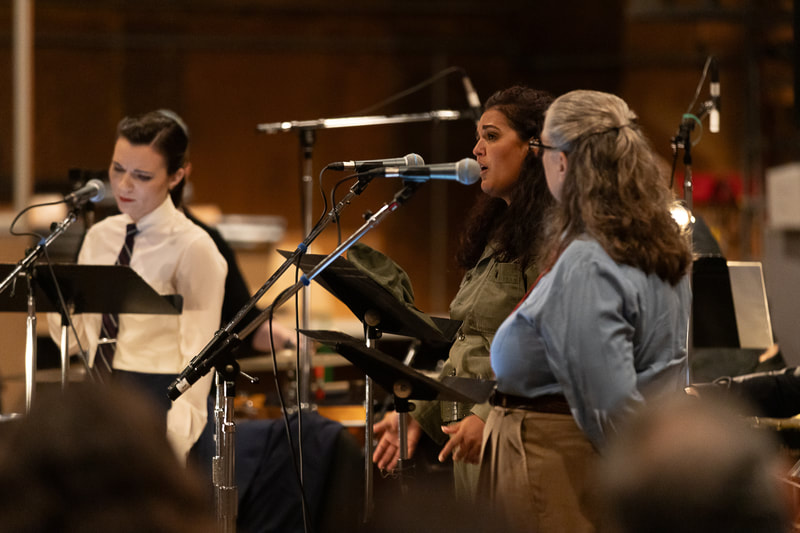
The second pic is from the opera workshop of “Minute to Midnight” produced by Synchromy. The photo includes Emily Gallagher, Chloé Vaught, and Amy Fogerson. Photo credit goes to Argel Rojo.
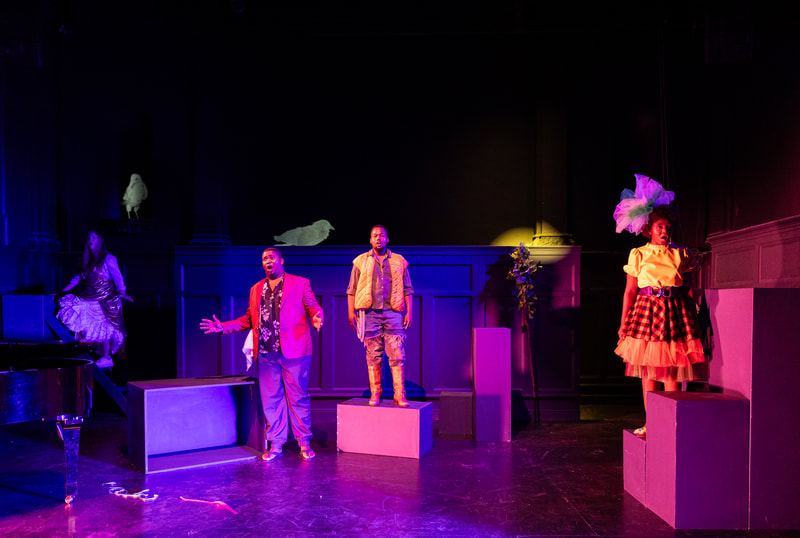
The third pic is from the opera production of “Atlas of Remote Islands.” Performers include: Cape Town Opera’s Judith Neilson Young Artists, Sisikelelwe Mngenela, Mongezi Mosoaka, Lonwabo Mose, as well as Marcelle Steinmetz. Photo by Limelight Foto (Kim Stevens)
The fourth picture is from an opera adaptation of Hector Berlioz’s “Beatrice et Benedict”, produced by Opera Orlando. Performers include Raphaella Medina and Pedro Valdez with the Opera Orlando Chorus. Photography by Ashleigh Ann Gardner
The last pic is of Sergey Nesterov, who composed and performed in my short opera “Petrov”—produced by Synchromy. Photo credit goes to Argel Rojo.