

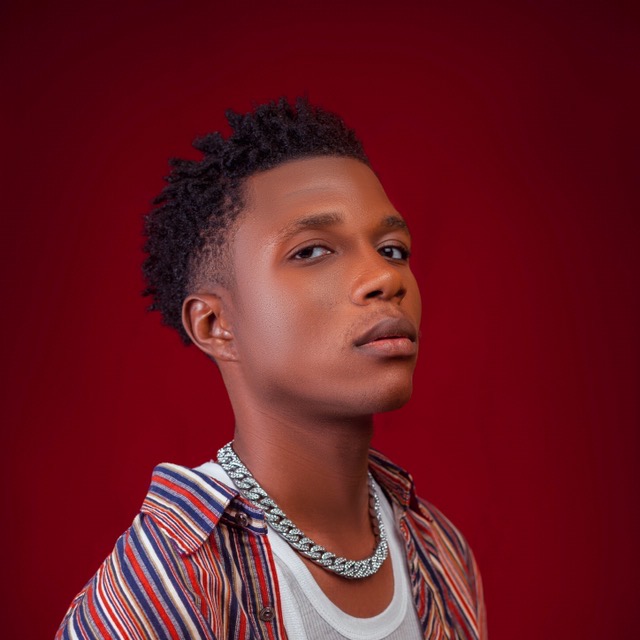

We were lucky to catch up with Anzor Alem recently and have shared our conversation below.
Anzor, thanks for taking the time to share your stories with us today What were some of the most unexpected problems you’ve faced in your career and how did you resolve those issues?
One of the most unexpected challenges I faced in my creative journey was when I had to postpone the release of my debut album earlier this year. Everything was ready—my team, the music, the visuals, the energy. I had already announced it, and the excitement around it was very high, not only for me but also for my supporters who had been waiting for this project. Then, unexpectedly, some personal and logistical circumstances forced me to delay it.
At that moment, it felt like a heavy weight. As an artist, you live for those moments when you finally share your work with the world. Having to push back something so important was frustrating and honestly heartbreaking. I remember feeling torn between disappointing people who were expecting the music and staying true to myself by protecting the quality and the timing of my art.
The way I resolved it was by shifting my mindset: instead of seeing the delay as a setback, I treated it as an opportunity. I took that extra time to polish certain tracks, refine the visuals, and even connect more deeply with my audience. In hindsight, it gave me space to grow and bring a better version of the album to life. What felt like a problem in the moment actually became a blessing. It taught me that in creativity, timing is everything, and patience can turn obstacles into elevation.
As always, we appreciate you sharing your insights and we’ve got a few more questions for you, but before we get to all of that can you take a minute to introduce yourself and give our readers some of your back background and context?
I was born and raised in the Democratic Republic of Congo, and for me, art has always been more than just a profession—it’s a way of carrying my culture, my roots, and my story into the world. My journey into music and acting started very organically. As a child, I was surrounded by the rhythms, the voices, and the storytelling traditions that are so alive in Congolese culture. That early exposure made creativity feel natural to me—it wasn’t something I decided to “do,” it was something that was already inside me.
Later, as I grew, I realized I wanted to share those feelings with others in a more structured way. That’s how I began shaping myself as both a singer-songwriter and an actor. Music became my main language—it allows me to express personal emotions and universal experiences in a way that connects with people from different backgrounds. Acting, on the other hand, gave me the opportunity to step into different lives and perspectives, which I think deepens my empathy as both an artist and a human being. For example, being part of productions like Rumba Royale has been a chance to show Congolese stories on an international stage.
In terms of what I create: musically, I work on songs that blend modern influences with Congolese roots. They are meant to make people feel joy, but also reflection—I want to create music that lives beyond just the moment. As an actor, I take part in projects that highlight African narratives, not only to entertain but also to give visibility to stories that are often overlooked.
What sets me apart is probably the way I stand between two worlds: I am grounded in Congo, in its traditions and its struggles, but at the same time, I’m looking outward, speaking to a global audience. Many of my peers focus on either staying very local or adapting completely to international trends. I try to create a bridge where both identities can breathe in the same space.
What I’m most proud of is not necessarily an award or a project, but the fact that people—especially younger ones from Congo or the African diaspora—reach out to me and say they see themselves in my journey. That tells me that beyond the music or the stage, what I’m doing has a real human impact.
For anyone discovering me for the first time, I would say: my work is about honesty, resilience, and connection. I don’t create just to entertain—I create to carry voices, to heal certain silences, and to give beauty even in times of struggle.
Can you share a story from your journey that illustrates your resilience?
One story that really illustrates my resilience happened quite recently, when I had to navigate the postponement of my debut album. For any artist, a first album is not just a collection of songs—it’s almost like your identity, your introduction to the world. I had invested so much time, energy, and resources into preparing it, and I was already building anticipation with my supporters. Then suddenly, circumstances—both personal and logistical—forced me to step back and delay the release.
It may sound simple from the outside, but for me it was a very emotional and almost destabilizing moment. In our industry, consistency and timing can define how people see you. I remember feeling a deep sense of disappointment, almost like I was letting people down. There were nights I couldn’t sleep because I was replaying everything in my head, asking myself whether people would lose faith in me or if this would damage my momentum.
But resilience is really about how you respond when things don’t go according to plan. Instead of rushing or trying to cover up the setback, I chose to be transparent with my audience. I explained what was happening and allowed myself the courage to wait for the right time. During that waiting period, I didn’t sit idle—I used the extra time to refine my work, to collaborate more intentionally, and to strengthen the vision for my art.
Looking back now, that experience was a test. It showed me that being resilient is not just about surviving hardship, but about transforming it into growth. I could have given up, or released something incomplete just to prove a point. Instead, I learned patience, I protected my art, and I preserved my authenticity. That resilience not only helped me as an artist—it shaped me as a person.
What do you think is the goal or mission that drives your creative journey?
Yes, there is definitely a mission that drives me. For me, art is not only about personal expression, it’s about carrying voices that are often not heard. Coming from Congo, I’ve seen how powerful creativity can be in giving dignity to stories that are overlooked, in turning pain into beauty, and in showing the world another side of Africa beyond stereotypes.
My goal is to create a bridge—between Congo and the global stage, between tradition and modernity, between individual emotions and collective memory. Whether it’s through music or acting, I want to offer work that speaks honestly about who we are, while also being universal enough for anyone to connect with.
Another part of my mission is resilience. I know what it feels like to face obstacles, to start from a place where the world doesn’t expect much from you. Every step I take in my creative journey, I carry that awareness with me. So when people listen to my songs or see me on stage or on screen, I want them to feel that message: that it’s possible to rise, to transform challenges into strength, and to claim your place in the world without losing your roots.
What keeps me going is the idea that my journey is not only mine. If my work can inspire even one young Congolese boy or girl to believe that their story matters, then I know I’m walking in the right direction.
Contact Info:
- Instagram: https://www.instagram.com/anzoralema
- Facebook: https://www.facebook.com/anzoralema/
- Twitter: https://twitter.com/Anzoralem
- Youtube: https://www.youtube.com/channel/UCA69MS54Tv5-utw2g-N5_IA
- Soundcloud: https://soundcloud.com/anzoralem
- Other: https://www.snapchat.com/add/anzoralem
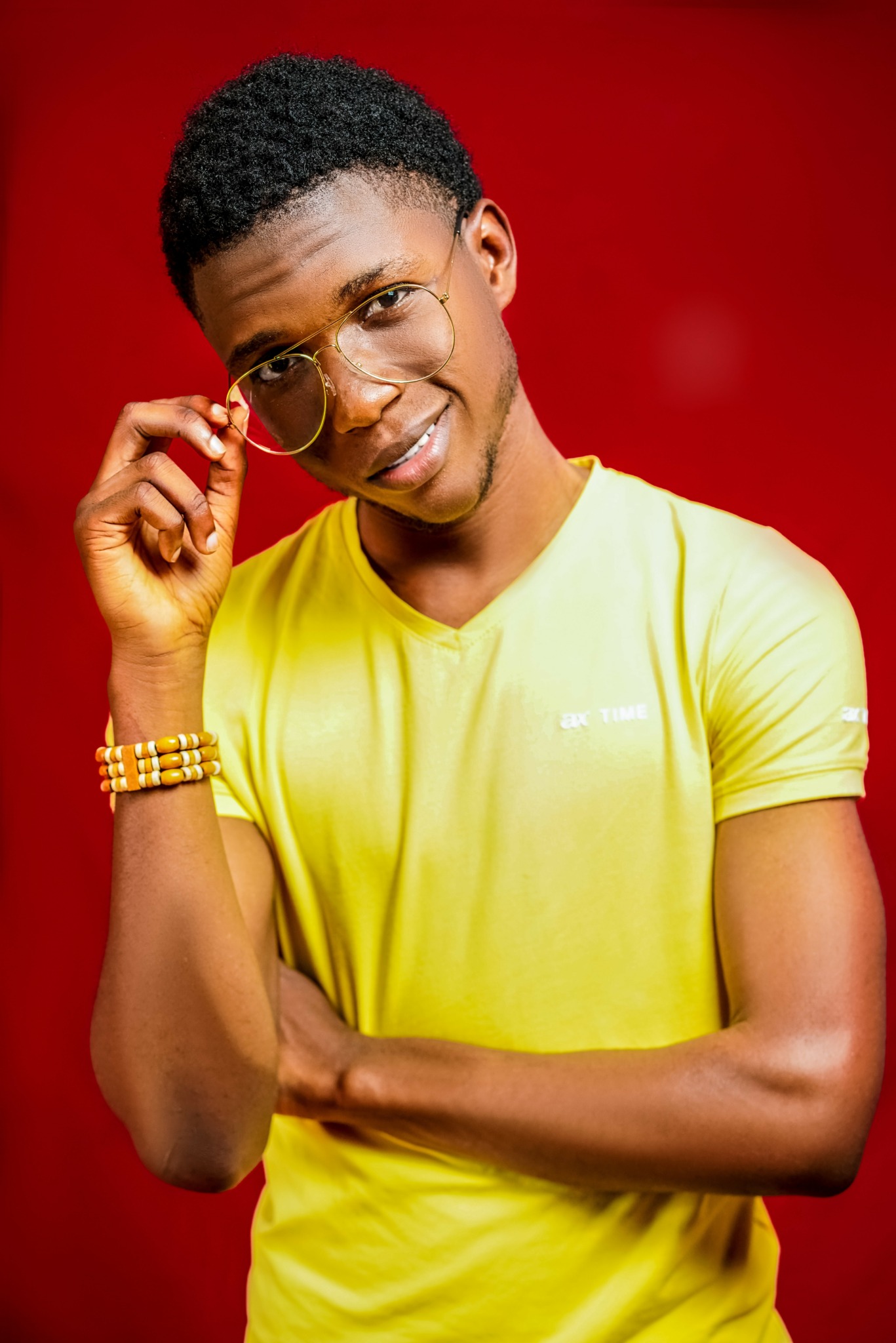
Image Credits
Anzor Alem