



We recently connected with cultural historian Petra Mason and have shared our conversation below.
Hi Petra, thanks for joining us today. What’s the best or worst investment you’ve made (either in terms of time or money)? (Note, these responses are only intended as entertainment and shouldn’t be construed as investment advice)
The best! Buying art by living artists. In my early thirties I went on a shopping spree I’ve never regretted: investing in limited edition lithographic prints by South African artists.
Artist Claudette Schreuders had just printed her first impressions with The Artists’ Press in Mbombela. Sam Nhlengethwa had recently signed his legendary Jazz Series. Robert Hodgins was joyfully printing in the print studio blissfully unaware of the impending sold out status of all of his works. William Kentridge, by then already one of the world’s most famous visual artists, had done an ‘Editions for ArtThrob’ rhino print that I jumped at.
A couple of summers later I was curating exhibitions of the prints in various gallery spaces on the East Coast, in The Hamptons and in Miami Beach. The collectors found me. A banker who was a jazz fan paid in cash scooping up Nhlengethwa’s jazz lithos for his bachelor pad. A South African woman who had been living in the States for many years bemoaned the fact that her savings in American banks accrued no interest so she was investing in art and snapped up my Kentridge print. Although I loved the Kentridge artwork I was delighted with the profit I made with it on the secondary market after a short few years. I have no doubt that the lady who bought it, now retired and living in North Carolina, may well be living well off the proceeds if she’s not hanging onto it.
While artist Robert Hodgins was still alive I sold and repurchased a few Hodgins prints I’d placed in a high end bookstore in Montreal. Years later at the International Print Fair in New York (IFPDA) one autumn afternoon I spoke to a dealer from Washington DC who occasionally sells South African artists’ prints on the secondary North American market. When I offered him the Hodgins he responded: ‘Roll ‘em up and send them to auction in South Africa’. And that’s what I did. By then the much-loved Hodgins had died. His secondary market prices had skyrocketed.
At auction I recently said goodbye to Claudette Schreuders ‘Three Sisters’ – a triptych I’d traveled with and that had lived with me on the East Coast (both in New York and in Miami). During that time the ‘Three Sisters’ had made it into ‘Eleven Voices’, a diaspora inspired exhibition at Miami’s Deering Estate Museum and a significant monograph on Schreuders work. While I was reluctant to let my Schreuders go, the ability to use the secondary market to turn an art asset into cash while the artist is still popular in the primary market is a major advantage. So the secondary market allows everyday art collectors, the majority of whom are buying art they love at prices they can afford, to trade up in order to build their collections.
Petra, before we move on to more of these sorts of questions, can you take some time to bring our readers up to speed on you and what you do?
I am a Cultural Historian. I was born into a bohemian, eccentric artistic and academic family with a prominent artist mother and pioneering archaeologist father. Both myself and my artist sister have remained almost entirely working in the art and publishing worlds our entire lives. I have always been drawn to artists as they are energy generators, art is akin to ‘alchemy’. Great images can change our minds and hearts. They hit us in the place where reflection, our senses and our experience meet.
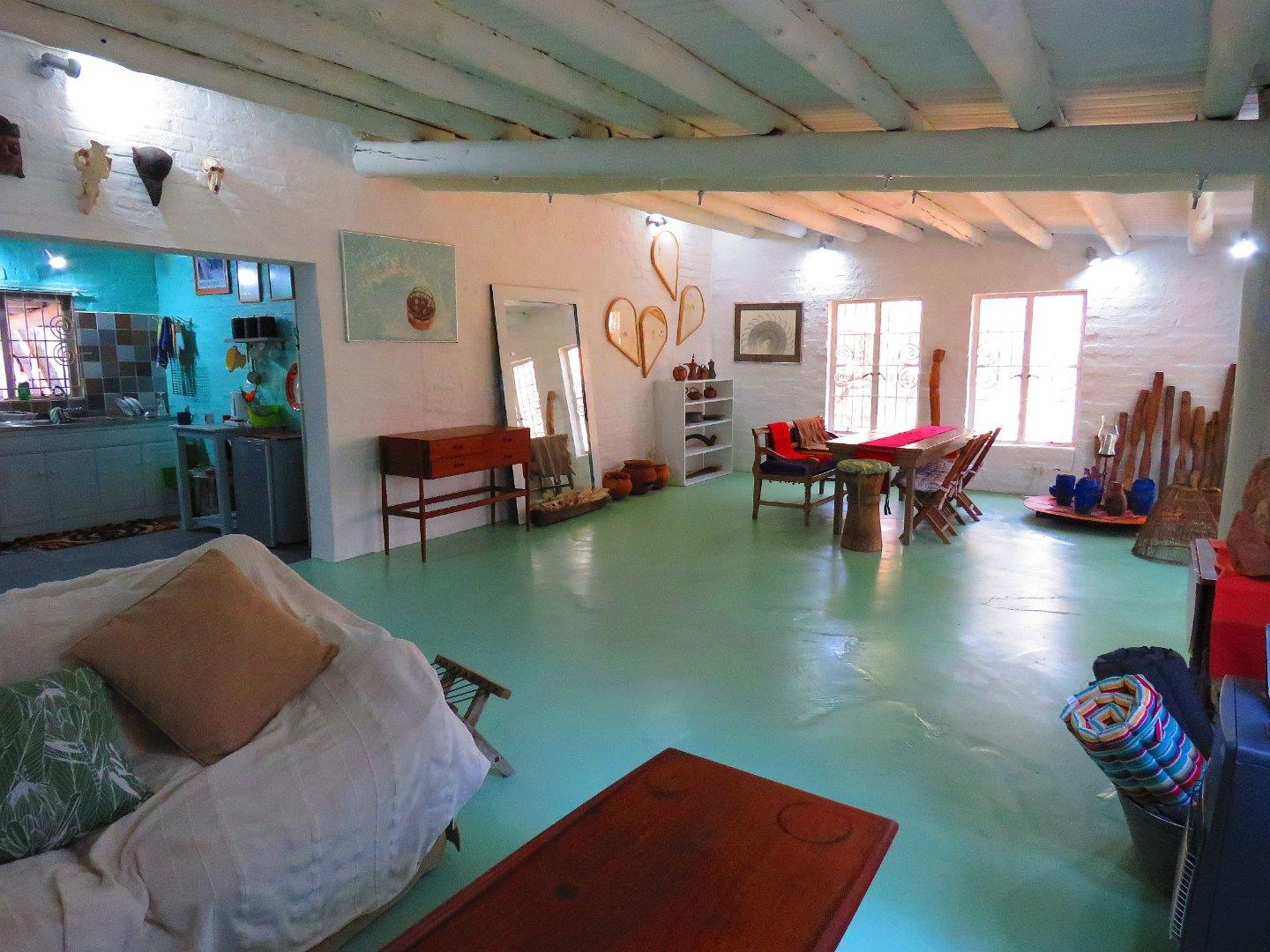
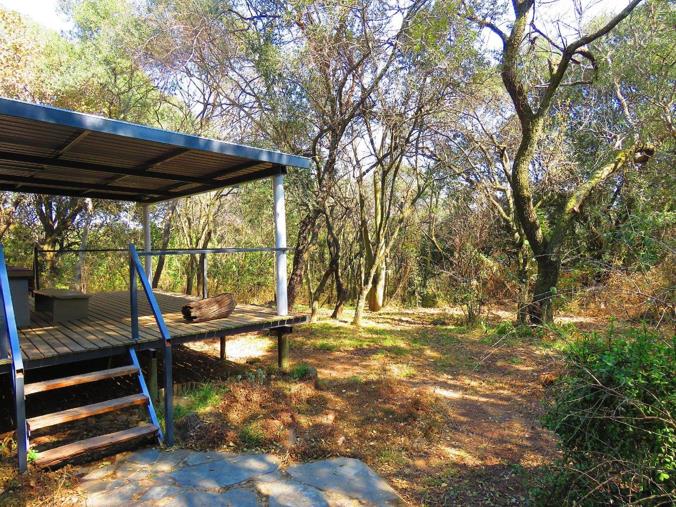
2022 marks the opening of artist and writers residency ‘Obscure Studio’. Obscure Studio is located in an indigenous forest outside of Johannesburg, South Africa in a former artists studio. Championing photographers in the gallery space by supporting a re-envisioned future by representing several photographers who continue the conversation around the cross-pollination between art and culture. Attempting to address the institutional barriers that have been an impediment to Black African photographers from participating more fully in the art industries, Obscure Studio is seeking collaboration with American collectors and institutions to connect with African art and artists on the continent. We would welcome any collaboration as well as any funding to facilitate opportunities.
Have any books or other resources had a big impact on you?
Early on I was inspired by feminist Gloria Steinem’s timeless collection of essays “Outrageous Acts and Everyday Rebellions’.
What can society do to ensure an environment that’s helpful to artists and creatives?
Making marks is an instinct. We have done so from time in memorial. We start art young. Then it all falls apart: art classes give way to mathematics, economics and the business of life. We abandon attempts to communicate pictorially. Nurture and encourage by tapping into the lovely adolescent desire for rebellion, for mastery, for joy which would have helped us to be young artists. School often leaves us with a sense of what we do not being ‘correct’ but art is its own reward. We can’t count on art benefitting us materially and that’s not the point. That said, buy art from living artists!
Contact Info:
- Website: www.petramason.com
- Instagram: @petra_mason
- Twitter: @PetraMason
Image Credits
Meryl Meisler Paul Laster James Sey James Sey SCAD deFINE Art James Sey Dave Edwards