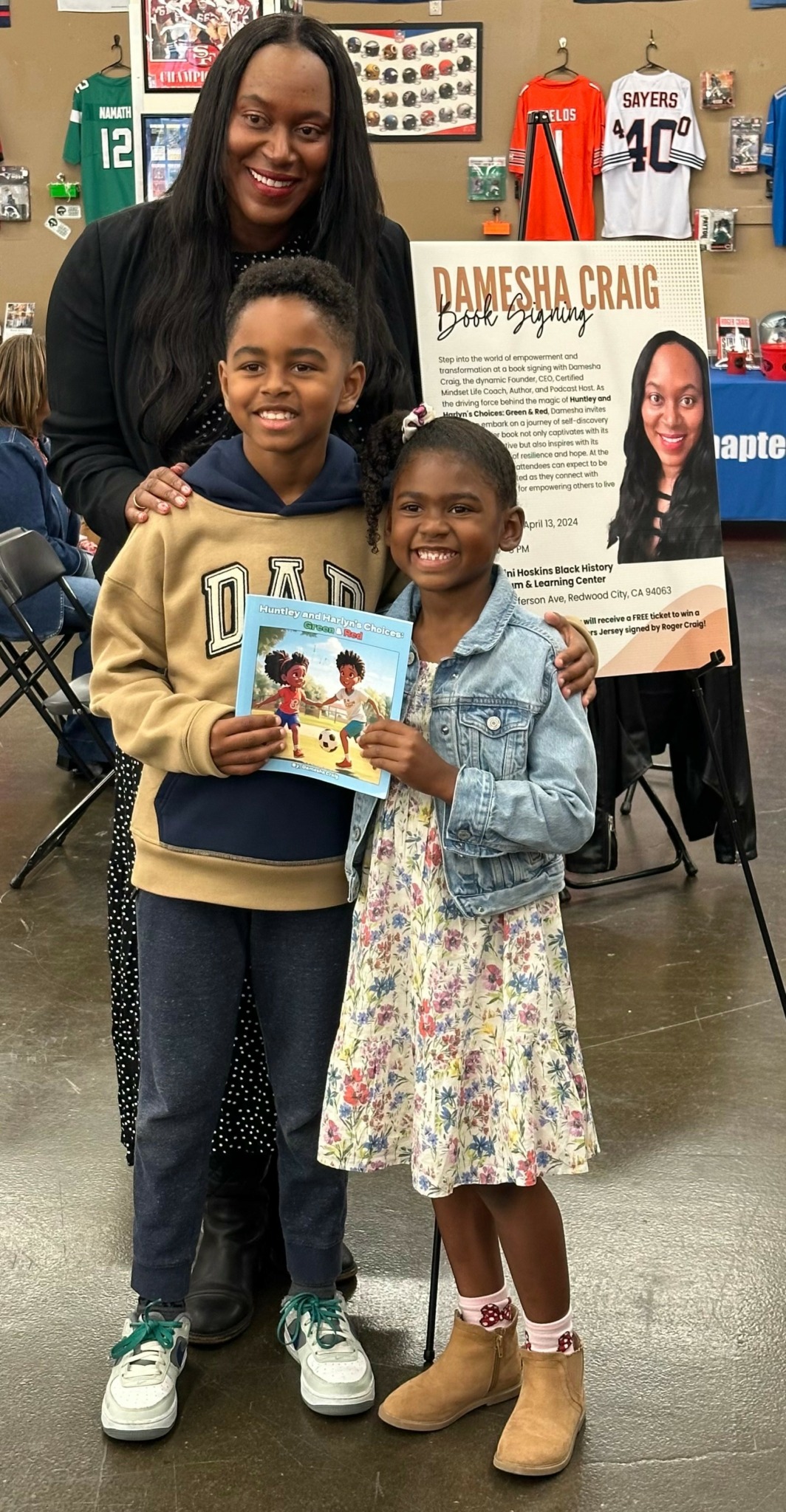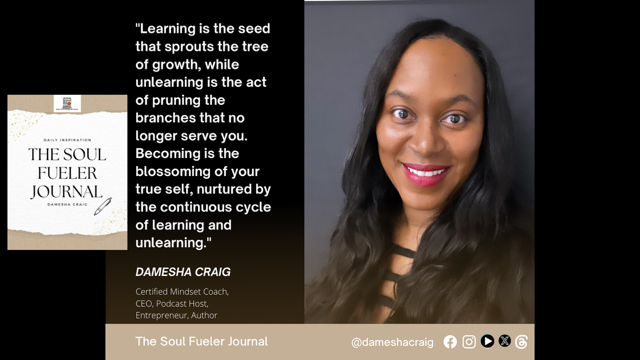

We caught up with the brilliant and insightful Damesha Craig a few weeks ago and have shared our conversation below.
Alright, Damesha thanks for taking the time to share your stories and insights with us today. Do you have any thoughts about how to create a more inclusive workplace?
Cultivating Inclusion Beyond Checkboxes: Lessons from the Field
By Damesha Craig, Founder of Talent Connect Network & Leadership Garden™, Author & Podcast Host
Inclusion isn’t a buzzword. It’s the soil in which great culture grows.
As the Founder of a recruiting and HR agency and a leadership coaching practice, I’ve had the privilege of planting seeds and working with early- and growth-stage startups, venture-backed tech firms, and executive teams who are navigating the evolving landscape of inclusive leadership. I’ve also seen what happens when inclusion is treated like a compliance box rather than a core value: burnout, attrition, distrust, and missed potential.
Early in my career, I walked into rooms where I was the only Black woman. I learned quickly how it feels to be overlooked, underestimated, and expected to water down my experience and voice just to belong. In many cases, I had a seat at the table—but not a voice at the table. And when I did speak, it often felt like my words had to be packaged to fit a version of me that was more digestible, more palatable, more like them.
I also remember the rare and transformative moments where leaders truly saw me—where I didn’t have to shrink, translate, or prove. My lived experience wasn’t just tolerated; it was respected. My perspective wasn’t just heard; it helped shape strategy. Those moments weren’t just affirming—they were catalytic. They showed me what’s possible when leaders create cultures rooted in genuine belonging. And they now shape how I advise the companies and leaders I support.
Because here’s what I’ve learned:
When organizations fail to cultivate belonging—especially for those who don’t fit the expected mold—they don’t just create emotional harm. They leave brilliance on the table.
When leaders uphold cultures where conformity is rewarded and difference is quietly penalized, they create environments where innovation dies silently, where employees disengage, where high-potential talent walks away quietly, exhausted from being unseen.
Then there’s the emotional weight it puts on people. Leaders from underrepresented backgrounds start to feel like their difference is a problem. Like their magic is “too much.” Their voice, instead of being seen as an asset, gets labeled as disruptive.
So they shrink. They second-guess. They burn out quietly. Because showing up fully in spaces that don’t truly see or celebrate them? That takes a toll.
And let’s be real—the business impact hits just as hard. Companies miss out on perspective, loyalty, bold ideas, and cultural insight. Everyone starts thinking the same. Playing it safe becomes the norm. Creativity dries up. Innovation slows to a crawl.
All because people don’t feel safe enough to bring their authentic selves to the table.
In my experience, true belonging is not just about making people feel good—it’s about making your business better. When people feel safe, seen, and valued—they lead louder. They take bigger swings. They innovate, collaborate, and commit on a whole different level.
Here’s the truth: creating an inclusive workplace is less about grand gestures and more about what I like to call the 3 C’s: consistent, courageous choices. Below are the top practices I’ve shared with companies that have led to real, measurable shifts:
1. Cultivate Internal Inclusion First
Before we talk about inclusive hiring, culture, or strategy—look inward. Inclusion starts in your personal life: who do you listen to, learn from, and invite into your circle? What books are on your shelf? What voices are at your dinner table, not just your boardroom?
When leaders expand their personal lenses, they bring broader empathy, curiosity, and perspective to work.
Seed of Wisdom: You can’t build a truly inclusive workplace if your worldview is limited. Stretch beyond what’s familiar. Make it a practice to seek out perspectives that challenge your defaults.
2. Redesign Job Descriptions with Intention
Inclusive hiring starts before a candidate even applies. I help clients audit job descriptions for biased language, unnecessary requirements, and industry jargon that alienates non-traditional candidates. We swap phrases like “rockstar” or “guru” for skills-based clarity, and we train hiring teams to write with inclusion in mind.
Seed of Wisdom: Use language that invites diverse experiences, not just elite credentials. And always ask: “Who might feel excluded by how we’ve worded this?”
3. Center Equity in the Interview Process
I’ve advised companies to move away from unstructured interviews—often biased and inconsistent—toward a rubric-based approach. We develop scorecards that align with values and job competencies, not just “culture fit.” This shift leads to more equitable, data-informed decisions.
Seed of Wisdom: Swap “culture fit” for “culture add.” Seek out voices that expand your thinking—not just reflect it.
4. Normalize Feedback Loops and Psychological Safety
Many teams say they want diversity of thought, but few are prepared to handle it. That’s why in my coaching work, I help leaders build their capacity to sit with discomfort, receive feedback non-defensively, and model vulnerability. Inclusion can’t thrive where fear is present.
Seed of Wisdom: “Whose voice is missing from this conversation?” and then—critically—make space for that voice to influence decisions.
5. Support the Whole Human
Through my coaching programs, I plant seeds and guide executive teams and parent-leaders to understand that inclusion goes beyond race, orientation, and gender. True inclusion means making space for different seasons of life, energy levels, disabilities, neurodiversity, and caregiving responsibilities. When we embrace this fuller view of humanity, flexible policies and inclusive leadership behaviors become not just nice-to-haves—but essential to cultivating thriving, high-performing teams.
Seed of Wisdom: Build systems that support people, not just productivity. Belonging fuels performance.
6. Lead with Accountability, Not Optics
True inclusion is a discipline, not a trend. I encourage my clients to embed accountability into OKRs, leadership development, and compensation metrics. When inclusive practices are tied to business outcomes, they get the attention they deserve.
Seed of Wisdom: Inclusion isn’t one person’s job—it’s a collective practice led by leadership and modeled at every level.
Inclusion isn’t a one-time initiative
Inclusion isn’t a one-time initiative—it’s a daily practice. It’s the intentional tending of an environment where every seed has room to take root, rise, and bear fruit. I’ve lived on both sides: the one overlooked and the one invited in. And I’ve seen firsthand the transformation that happens when companies choose authenticity over appearance, and culture-add over comfort.
We don’t need perfect DEI statements. We need brave leadership.
We need spaces where people don’t have to shrink, code-switch, or hide parts of themselves to belong.
So if you’re hiring, building culture, or shaping the future of your company—don’t just ask who’s at the table.
Ask who feels safe enough to speak up, push boundaries, and show up fully.
That’s the real measure of inclusion. And that’s where the magic—and the momentum—begin.
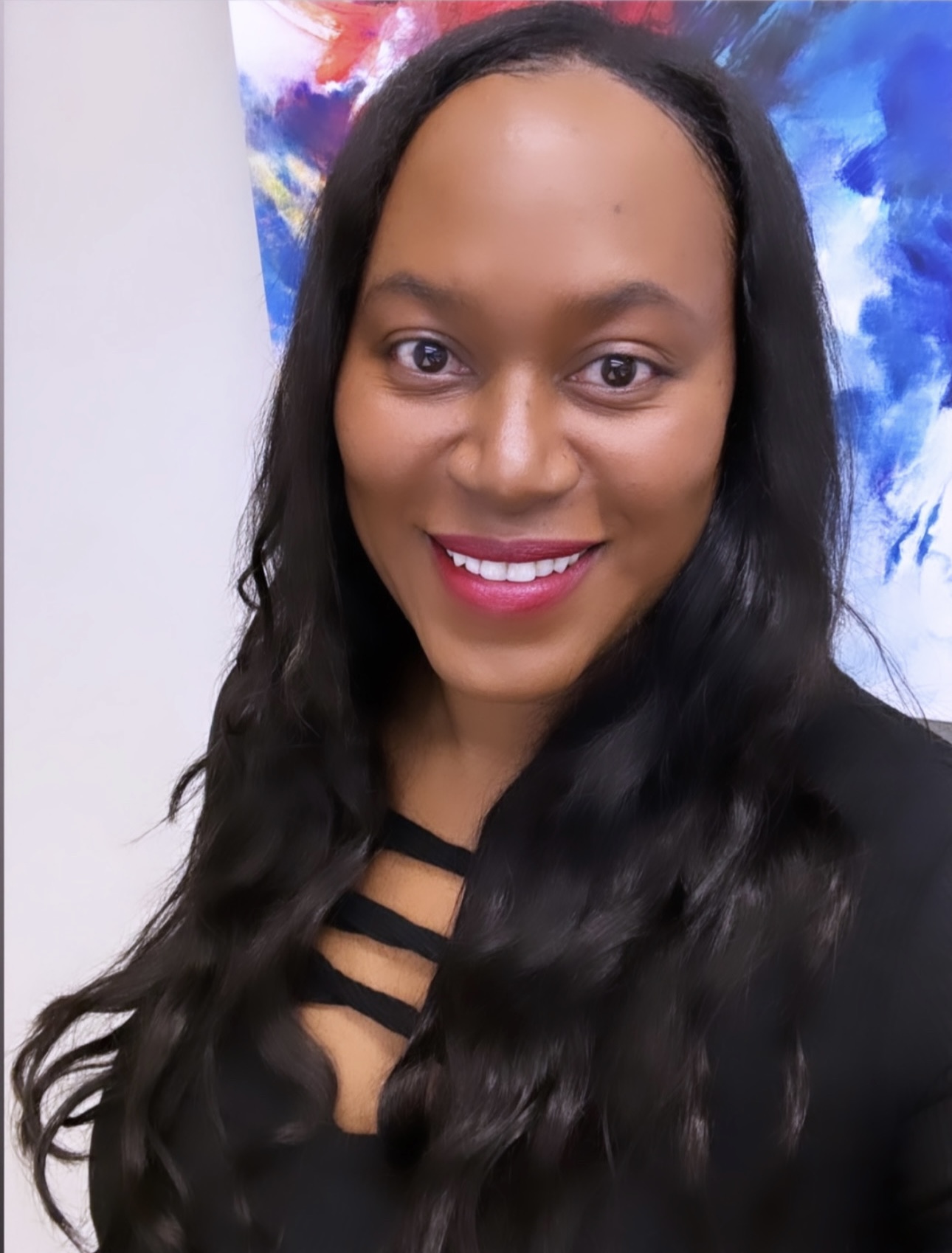
As always, we appreciate you sharing your insights and we’ve got a few more questions for you, but before we get to all of that can you take a minute to introduce yourself and give our readers some of your back background and context?
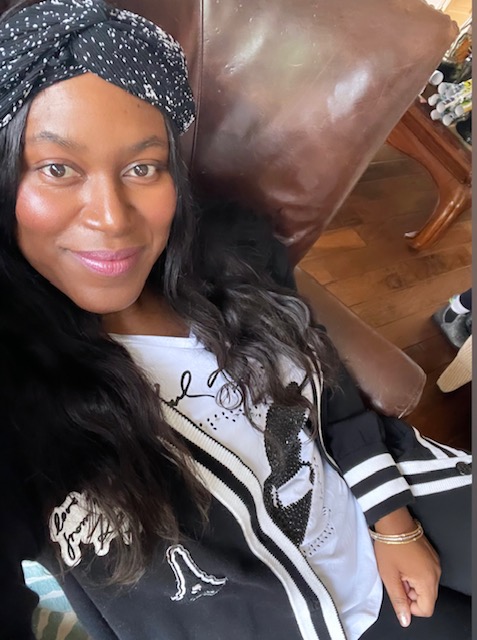
Damesha Craig is a visionary People Leader, Certified Executive Coach, and Founder of Talent Connect Network—formerly known as The Craig Network—a dynamic platform connecting top talent with inclusive, high-growth startups. With over 15 years of experience as a startup operator, executive coach, and leadership strategist, she has scaled organizations 3x to 4x, working with venture-backed companies funded by Sequoia Capital, Andreessen Horowitz (a16z), and Google Ventures.
Known for her unique ability to blend organizational strategy with soul, Damesha integrates neuroscience, ancient wisdom, and modern leadership systems into everything she builds—from People teams and culture playbooks to transformative coaching programs. She specializes in helping founders, executives, and parent-leaders build inclusive teams, navigate transitions, and scale with purpose—without compromising their values or well-being.
As the host of the Sunday SoulDay podcast, Executive Columnist of The Soul Fueler Journal, 3x Author, and Creator of Her & His Leadership Garden™ Community, Damesha is committed to nurturing the next generation of conscious, purpose-driven leaders. Her purpose-centered coaching and values-led people strategy empowers leaders to reconnect with their voice, embrace their whole selves, and lead with confidence, clarity, and impact.
Can you tell us about a time you’ve had to pivot?
I first recognized the need for a pivot during a season of deep burnout and uncertainty. It was during COVID—when everything felt heavy and unclear—that I heard a divine whisper telling me there was more. Through deep introspection, and asking myself new and deep questions, I felt a sacred pull to use the gifts God had planted in me—writing, creating, connecting—not just as talents, but as tools to serve on a deeper, more purpose-driven level.
But before I could build anything new, I had to make space for healing and clarity. “Elevation requires separation,” and that meant stepping back from old roles and routines, auditing habits, circle and my energy, and creating space for inner transformation. I surrounded myself with other creatives and truth-tellers, people who inspired me to stop hiding and start building.
Whenever God calls me to pivot, it’s rarely with clarity—but always with purpose. So I leaned into solitude, prayer, journaling, and self-reflection. I got radically honest with myself—mind, body, and soul—and began pouring into my own cup first. That’s when the seeds of my purpose-driven businesses were planted.
From that sacred space, I started sharing out loud—messy, vulnerable, and real. And that authenticity became the foundation of everything I’ve created: my coaching business, my leadership frameworks, my writing, my podcast & content and the Talent Connect Network.
What began as a personal reckoning became a professional rebirth. This pivot wasn’t just about changing direction—it was about finally leading from a place of alignment, wholeness, and truth.
We often hear about learning lessons – but just as important is unlearning lessons. Have you ever had to unlearn a lesson?
When I started this journey over a decade ago, one of the deepest lessons I had to unlearn and relearn was around self-love and unworthiness. For a long time, I carried silent messages from childhood trauma—messages that told me I had to earn love, that my worth was tied to my performance, my loyalty, my ability to hold it all together. I stayed in relationships, spaces, and roles far beyond their expiration dates because I believed I had to prove something or fix what wasn’t mine to heal.
But healing taught me something different.
I learned how to release with love—not just the people and places that no longer served me, but the beliefs that kept me bound. I began to forgive others, yes—but more importantly, I forgave myself. I stopped measuring my worth through pain and started seeing myself through the eyes of my Creator.
The same God who made the stars, sunsets, oceans, trees, mountains, and sunrises thought to make a Damesha. That truth unraveled everything I thought I knew about love and worthiness.
Through radical acceptance, I came home to myself—not the version shaped by trauma, but the one divinely designed. And now, I lead and serve from that place—with softness, strength, and deep alignment.
Contact Info:
- Website: https://linktr.ee/dameshacraig
- Instagram: https://www.instagram.com/dameshacraig/
- Linkedin: https://www.linkedin.com/in/dameshacraig/
- Twitter: https://x.com/dameshacraig
- Youtube: https://www.youtube.com/@sundaysoulday
- Other: https://dameshacraig.substack.com