

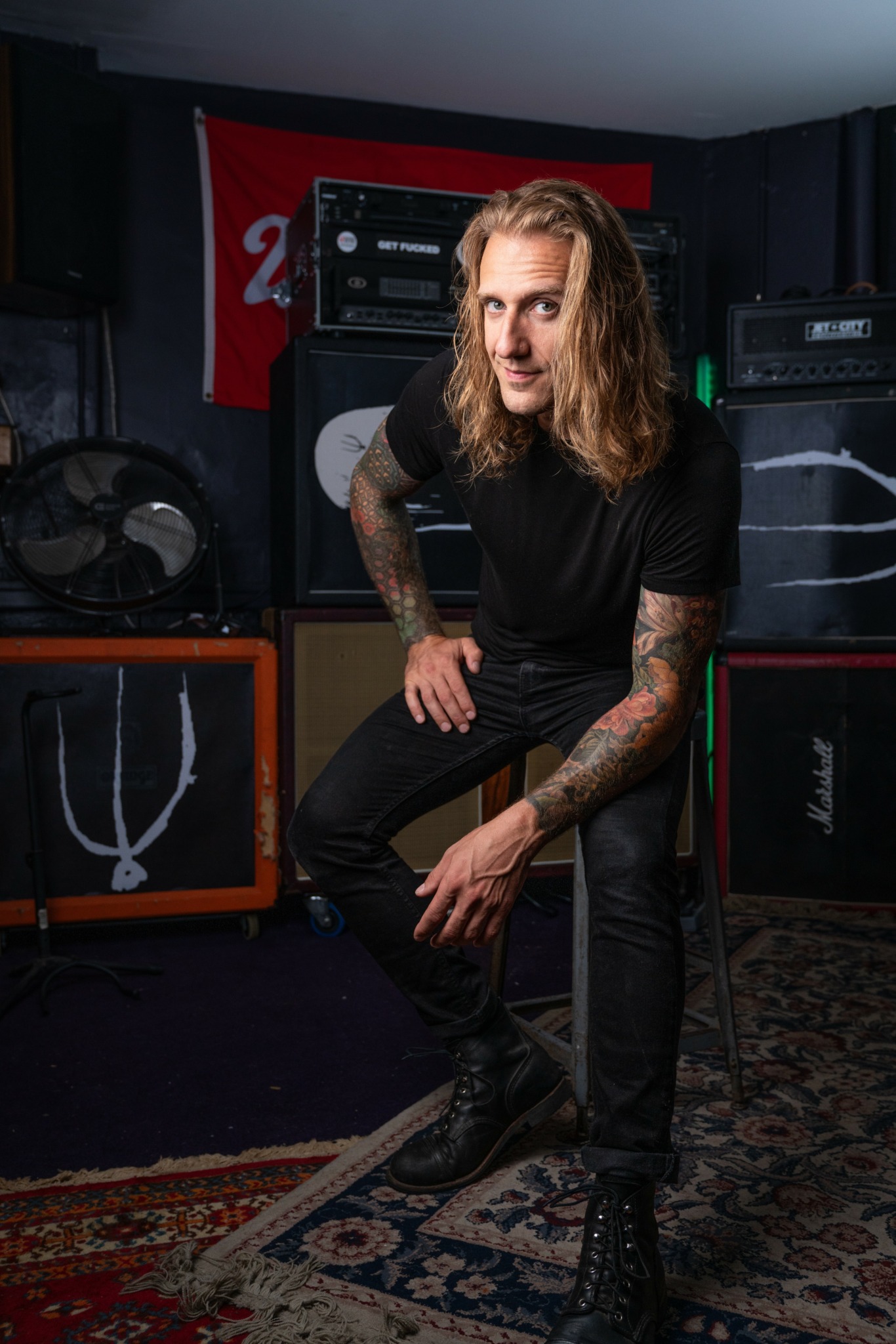

We caught up with the brilliant and insightful Brad Flower a few weeks ago and have shared our conversation below.
Brad, thanks for joining us, excited to have you contributing your stories and insights. Can you recount a story of an unexpected problem you’ve faced along the way?
Visualizing the business plan for DUTCH Creatives’ Collaborative was a creative endeavor. Rochester’s diverse music community was my muse. In creating this multi-faceted community project, I was harnessing my professional experience in real estate development and operations to provide safe and sustainable spaces for my friends and fellow creators to write, rehearse, and perform their work. The rehearsal spaces came easy; I knew how to renovate the former Sunday school rooms in our adopted church to be secure, clean, and reliable rehearsal spaces complete with the requisite vibes for unhindered music creation. Providing affordable co-living housing right next door to our main facility was also a no-brainer, and we’ve successfully hosted over 250 guests and traveling performers in our Airbnb.
The most unexpected difficulty for me came in the form of scaling our entertainment venue operations. You see, DUTCH hosted over 100 public and private events in the Sanctuary of the church during our first few years of operation. These were DIY: basement-borne noise, sweat-inducing electronic, and unamplified collages of sound. They were a litmus test to see if the community vibed with the space before we took the plunge to build DUTCH into a full-scale state-of-the-art entertainment venue. And boy, oh boy, were they a hit. Requests rolled in, and collaboration was rampant. During each tour with new event organizers, I could see inspiration widen their eyes; I caught the excitement every time, and I loved hearing all the ways our space could become the container for their ideas and their community.
My commitment to the vision was cemented. I was all in. It was time to take the leap and engage the bank in securing funds for the project. I came prepared with loads of financial projections, a clear development schedule, architectural plans, and a robust business plan. To my surprise, their response was less than luke warm. “Arts are fickle.” “That’s not the type of project that suits our risk profile.” “If you disappear, we don’t have the capacity or skills to manage it.” I received a litany of similar, but equally frustrating rejections from various financial institutions.
I kept asking myself, “What am I missing?” I was open to receiving constructive feedback on the business and development plans, and I was ready to engage in negotiations on the financing terms. I just didn’t foresee running straight into a brick wall with all the organizations holding the purse strings. I pivoted to my network of private funders, but their answers were the same.
To me, it seemed that everyone’s experiences (personal, tertiary, or anecdotal) with failed art organizations had cemented the same, unquestioned opinion: Art was not worth an investment over and above a cursory purchase of a track or two on Bandcamp, a quarterly ticket to a live show featuring local talent, or a band tee worn proudly while chatting with friends about the infectious live show energy in the good old days. The dissonance in support for the arts that I perceived was and is maddening.
So I pivoted again. I created more rehearsal spaces. I kept working on residency programming for the co-living facility and tightening operations. The project is lean, it’s efficient, it’s profitable, the community has space, and music is being made.
But the shows are on hold and funding to develop the grand vision of the entertainment venue remains an unsolved issue. All the while the community of creators that comprise DUTCH continues to create music and engage deeply in personal expression. And they’re patiently awaiting the opportunity to welcome their body of fans into their creative home for a listen, where they’ll be forever changed by a space that is uniquely theirs.
Awesome – so before we get into the rest of our questions, can you briefly introduce yourself to our readers.
DUTCH is a community by and for the creatives it serves. We’ve been busy building the central hub of a thriving music scene — a place where creators learn, live, create, and play, and a performance space that will become a destination for performers and patrons. We employ an ecosystem model of operations consisting of an inclusive Coworking Space that offers rehearsal/flex rooms, a Members’ Lounge, and supportive programming, an Entertainment Venue, and Töst Community Co-Living.
Rochester’s music community needs safe, secure, reliable, and affordable spaces to put down roots as a home for creativity. It needs a bastion of collaborative efforts that reinvigorates Rochester’s once-thriving music scene through a holistic approach that’s centered on community and support. DUTCH is a grouping of multi-use facilities for music creators and patrons within a 10,000 square-foot former church of architectural significance, its adjacent rectory, and a converted office space all located within downtown Rochester, NY.
With a passion for community, music, and leadership, I identify as a visionary who is inspired to change and grow Rochester, NY into a true Music City. I understand the Upstate NY music community from over 25 years as a performing musician, and I have significant business acumen with over 15 years in real estate operations, development, and wealth management. An additional 10 years of non-profit board leadership and six years serving on the Rochester City Planning Commission round out the skills I bring to community building and collaboration.
In 2020, I decided to leave the corporate workforce to found DUTCH. Now, I’m on a mission to create a community and creative workspace like no other in our great city.
Any stories or insights that might help us understand how you’ve built such a strong reputation?
I was fortunate enough to identify a clear and concise value set at the founding of DUTCH: collaboration, community, and clear communication are our core tenets. I’m glad to say that these tenets closely align with my personal code of ethics, and so I’m able to experience alignment and integrity as I approach each business interaction. I believe that acting from a place of integrity reads and can be perceived by my community members, even if only on a subconscious level. I’ve received positive feedback that DUTCH is authentic, it is flexible, and it is consistent. These elements create its foundation as a safe space for creation, and they’re elements that are unmatched in our community.
What else should we know about how you took your side hustle and scaled it up into what it is today?
I have been dabbling in real estate development, ownership, and management since I was 23. Upon my return from a stint abroad, I decided to engage more deeply with large-scale real estate operations in order to learn the systems that allow for efficient operations. While working on financial projections for a traditional coworking business case for my employer, I asked myself, “Why isn’t anyone doing this for music spaces?” After engaging in significant research to find similar operating models, I identified some very consistent and persistent barriers to entry. With a strong sense of intuition, I began looking for commercial space that could house my operations. The day I signed my first lease for the former church was beyond exciting; I was already in love with the vision of the project — she was my muse. I left my corporate job and dived headlong into creating my dream.
Within six months, I had fully renovated and found members to occupy the first eight rehearsal rooms. I began hosting events — small at first, then larger and more complex. By month 10, I had renovated and filled two more rehearsal rooms. For DUTCH’s first birthday, I signed two more leases: adding 11 more rooms at a second commercial location and securing the house next to the former church to roll out an affordable co-living facility for artists. Six months later, the bunk room for traveling artists and community members went live on Airbnb. And now, as the business approaches its fifth anniversary, DUTCH has grown to 31 rehearsal rooms, we’ve hosted more than 250 guests in our Airbnb, housed >15 community members in our co-living facility, and have opened our doors to over 100 private and public events.
Contact Info:
Website: https://www.DUTCHcreates.com
Instagram: https://www.instagram.com/DUTCHcreates
Facebook: https://www.facebook.com/DUTCHcreates
Contact Info:
- Website: www.dutchcreates.com
- Instagram: www.instagram.com/dutchcreates
- Facebook: www.facebook.com/dutchcreates
- Linkedin: https://www.linkedin.com/in/bradley-flower-71369648/
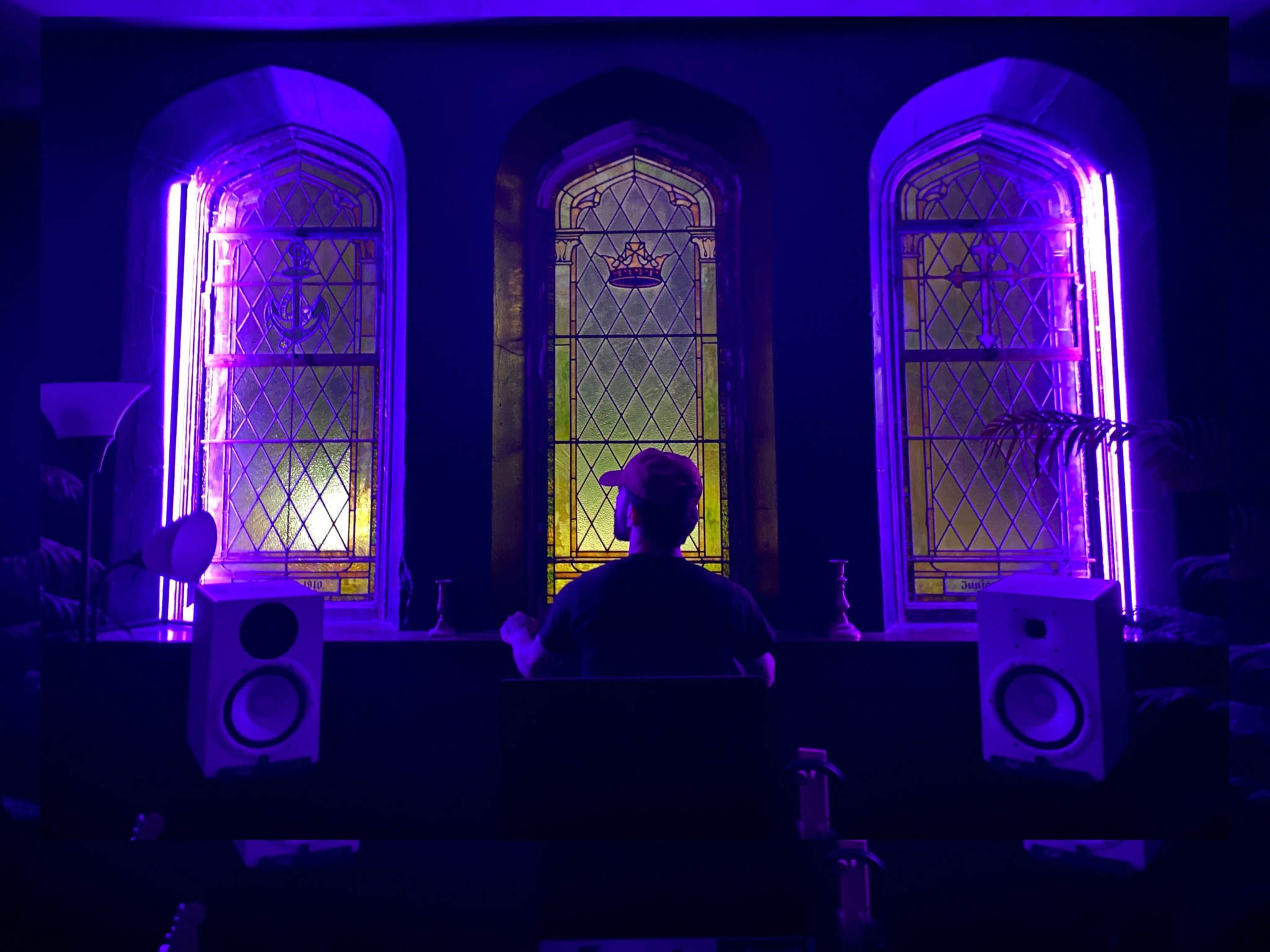
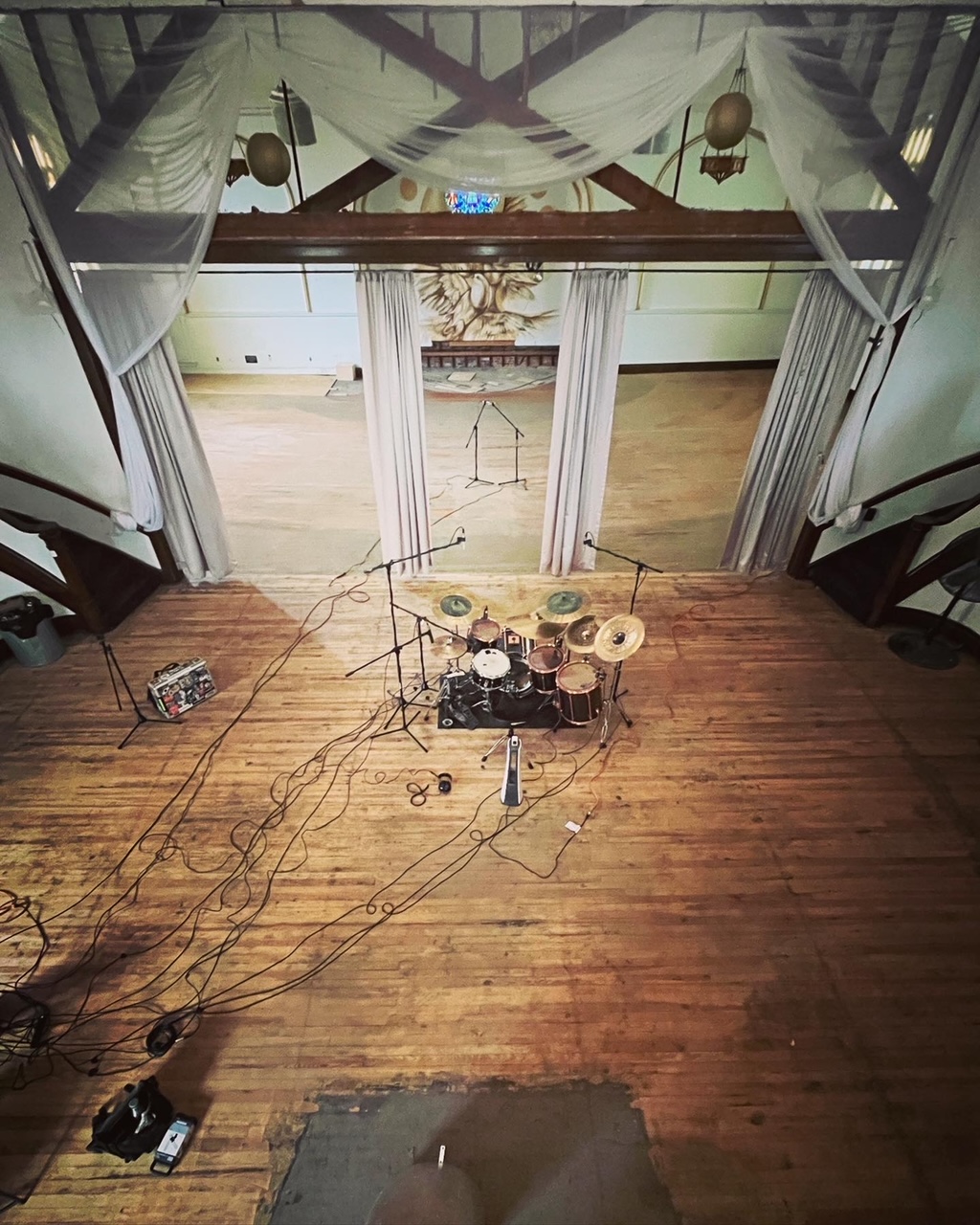
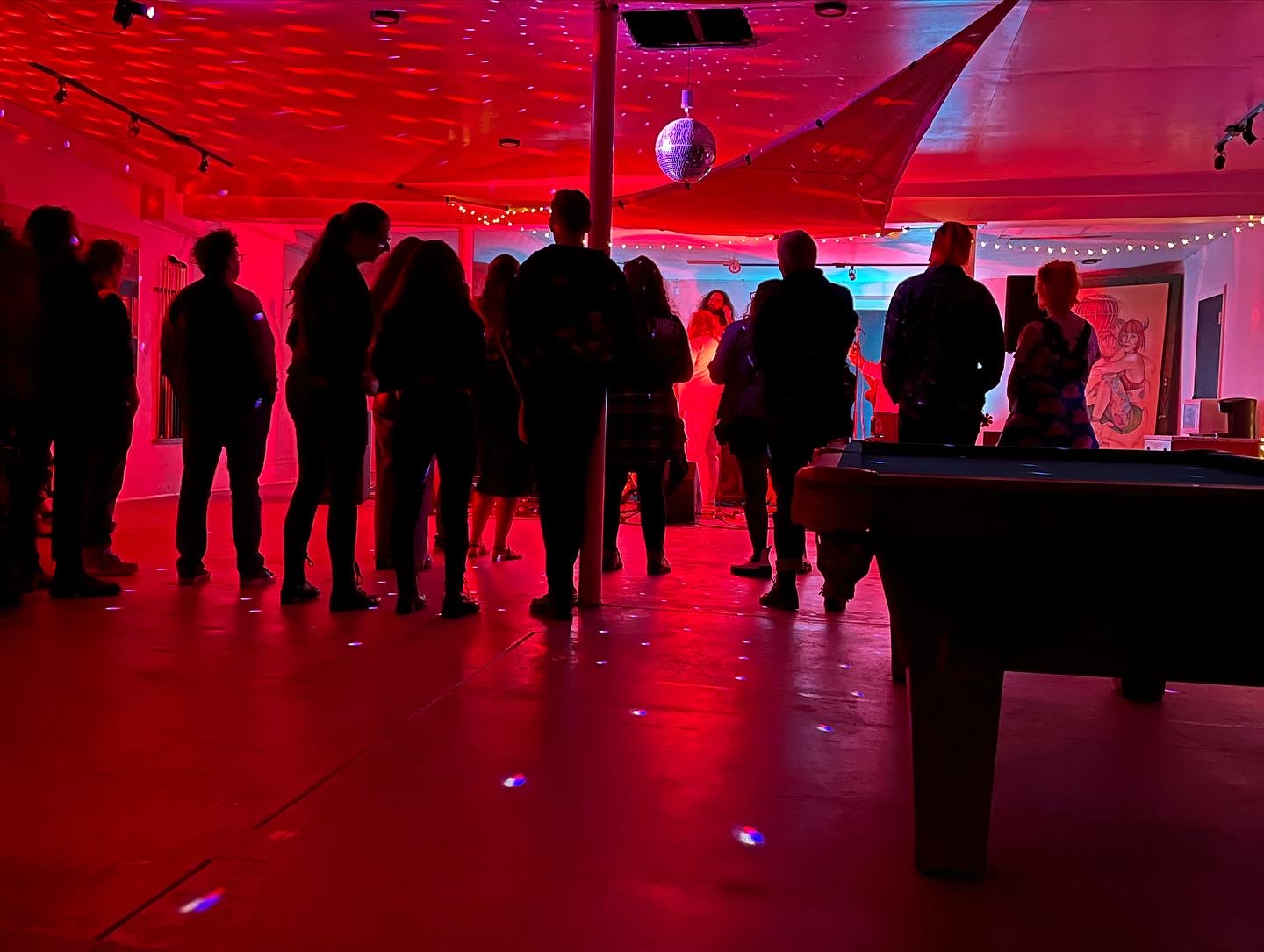
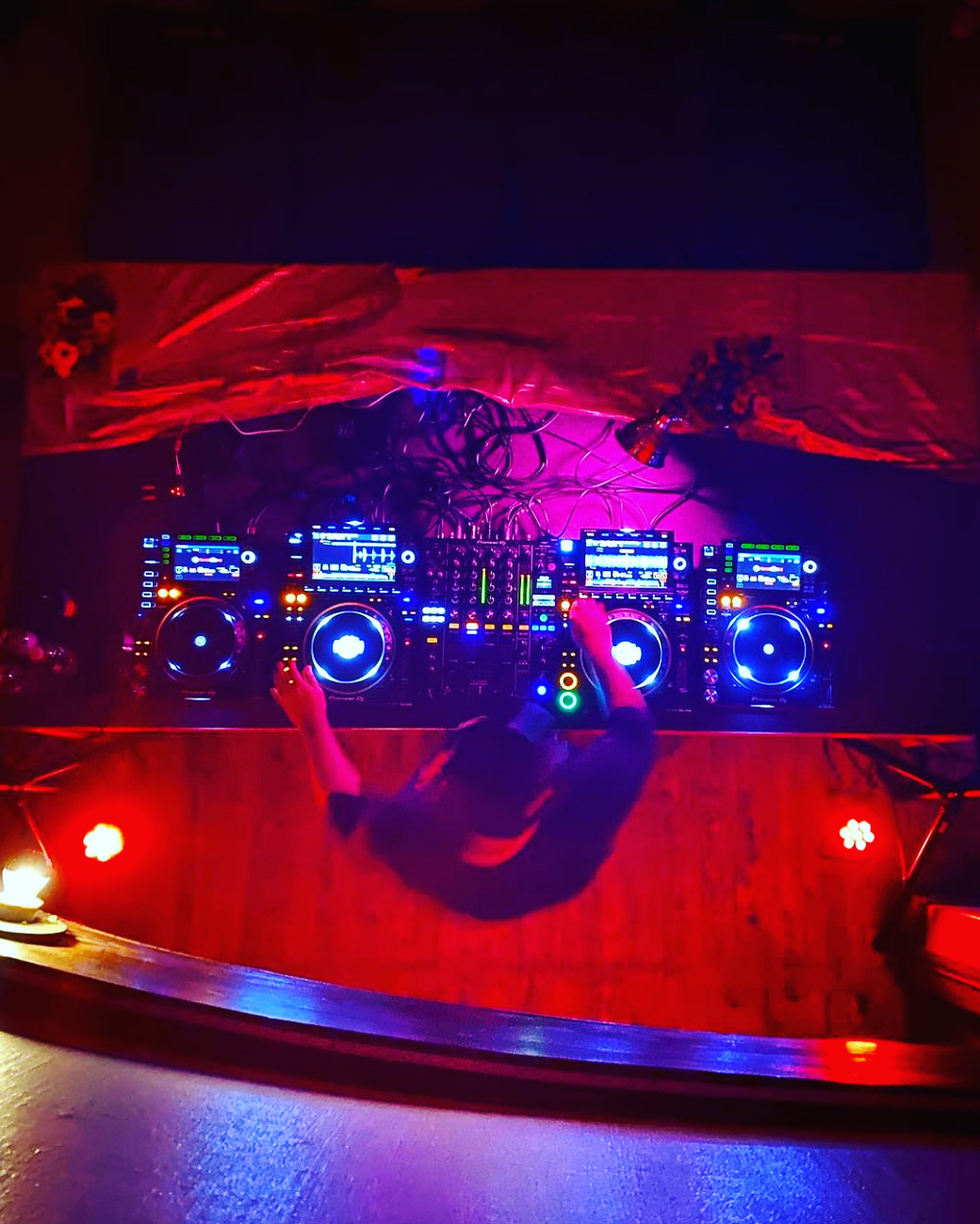
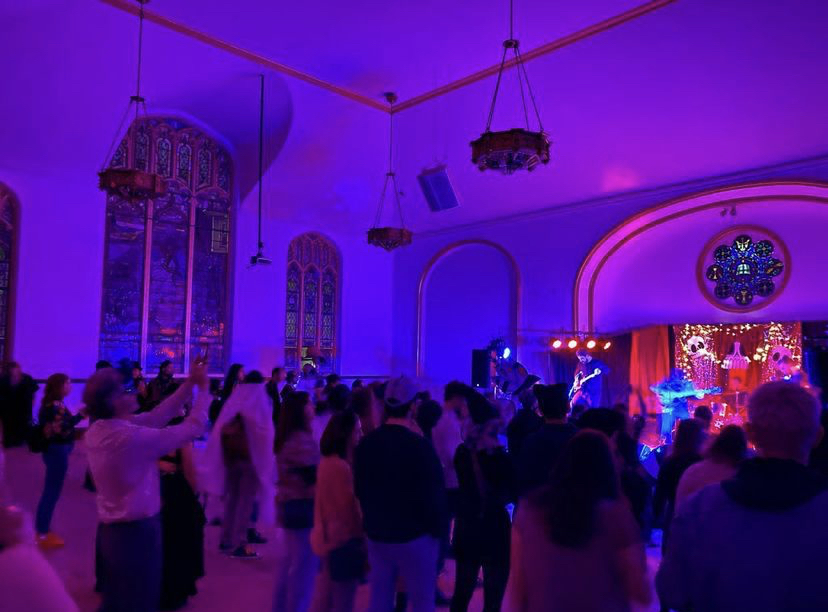
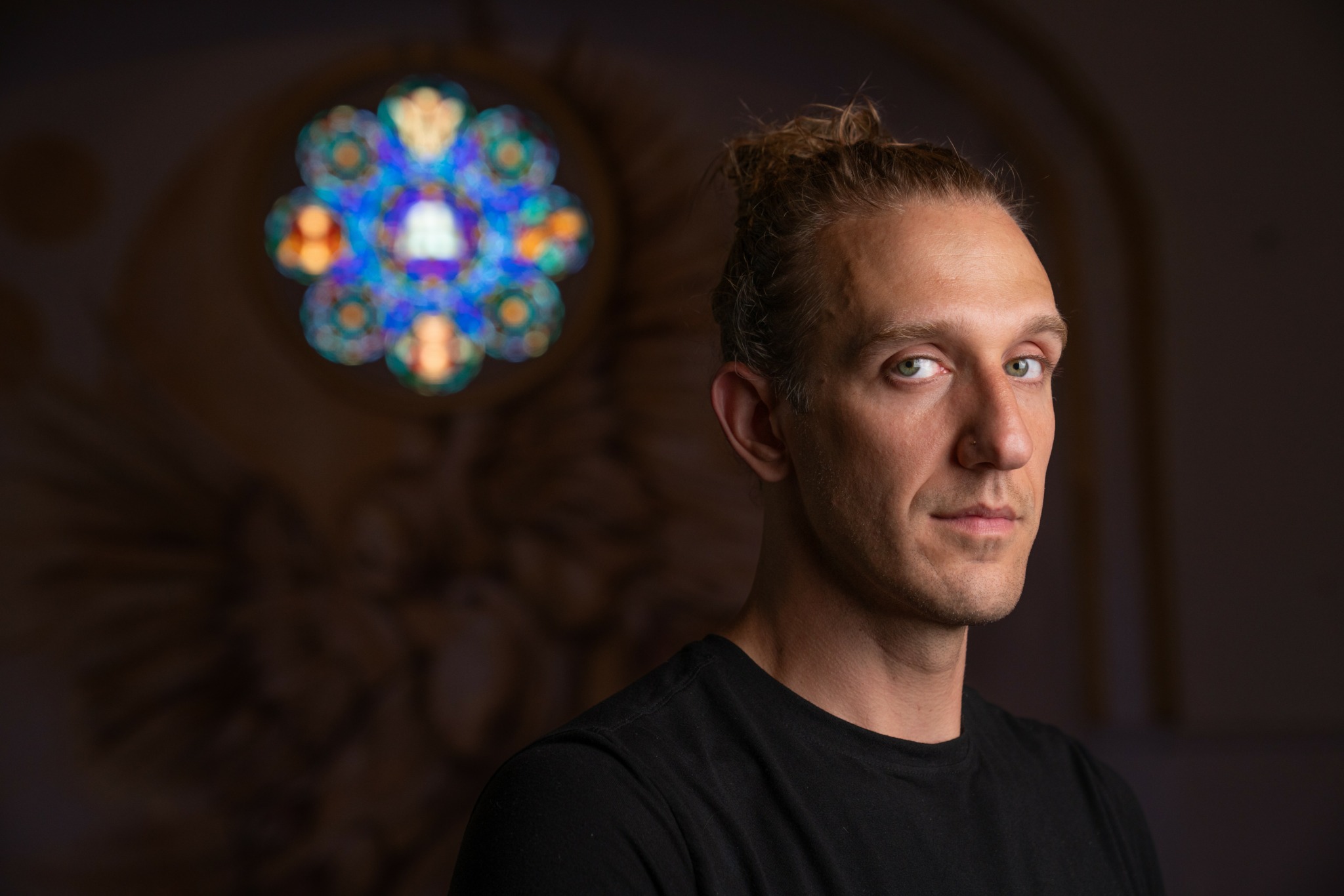
Image Credits
Headshots credit to Luna Posadas Nava.