

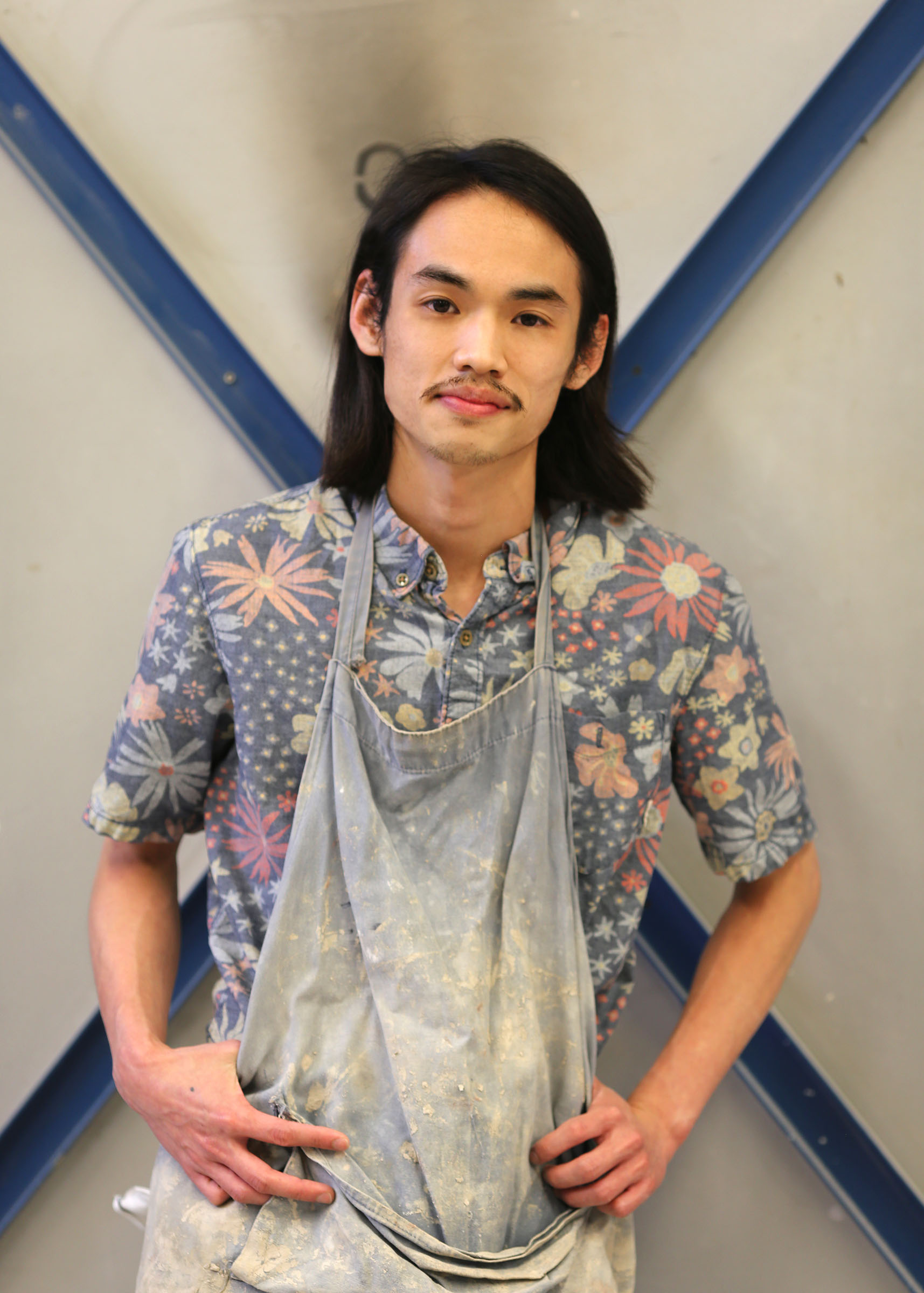

We recently connected with Christian Dinh and have shared our conversation below.
Christian, appreciate you joining us today. How did you learn to do what you do? Knowing what you know now, what could you have done to speed up your learning process? What skills do you think were most essential? What obstacles stood in the way of learning more?
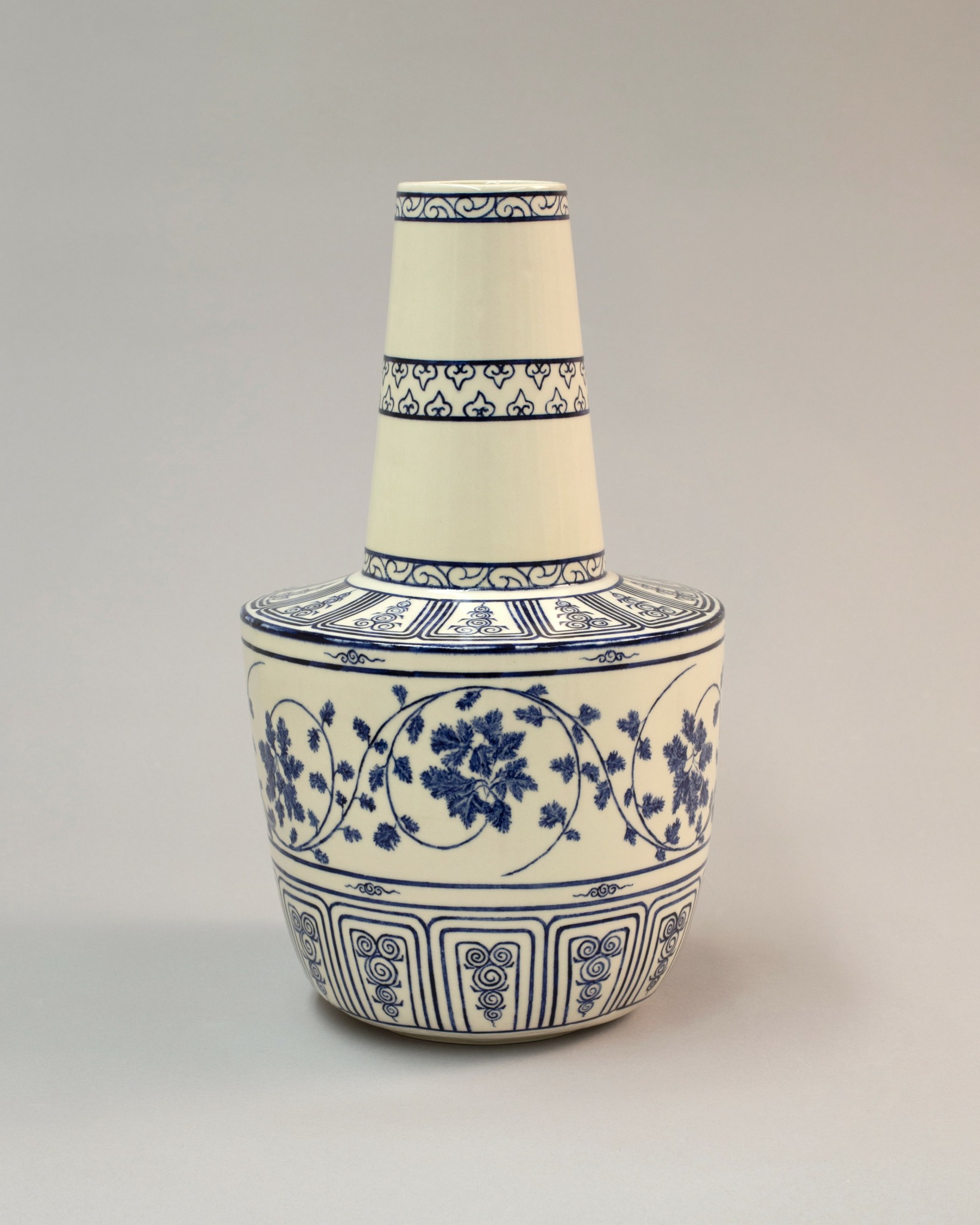
My art practice is more conceptual in nature and takes on different forms and materials depending on the idea of a project. However, my main area of expertise is ceramics. Ceramics was something I got into during my last semester in in college. I signed up for a pottery class, which was required to finish my degree in art. During that semester, two new ceramic professors began working in the program and they became huge influences on me. Studying under them, I was introduced to ceramic philosophies and methodologies that resonated with my way of working/thinking, that I still use till this day. If it wasn’t for that one class, my trajectory in art would have been completely different. Ceramics was the first medium that I committed to progressing in and after graduating I continued to seek a career path in the field.
I’m sure there was ways that I could have sped up the learning process that lead more into the direction of where my practice is now, but I am a big believer in things happening when they happen. Often you hear advice from artists/educators that to be an artists you need to consistently be working and learning in the studio, which definitely helps and makes a difference, but I think a lot of learning and inspiration can come from not making art and just observing and experiencing life.
Pertaining to the ceramic craft, I think that the basics are the most essential. They can take you a long way if you truly learn the basics and practice them properly.
A obstacle that is common in ceramics is the access to facilities. Ceramics is heavily reliant equipment, materials, and a space to work. Though, I spent many years making due with working in my home, having access to a full studio with the proper equipment is essential to being able to learn and develop.
Great, appreciate you sharing that with us. Before we ask you to share more of your insights, can you take a moment to introduce yourself and how you got to where you are today to our readers.
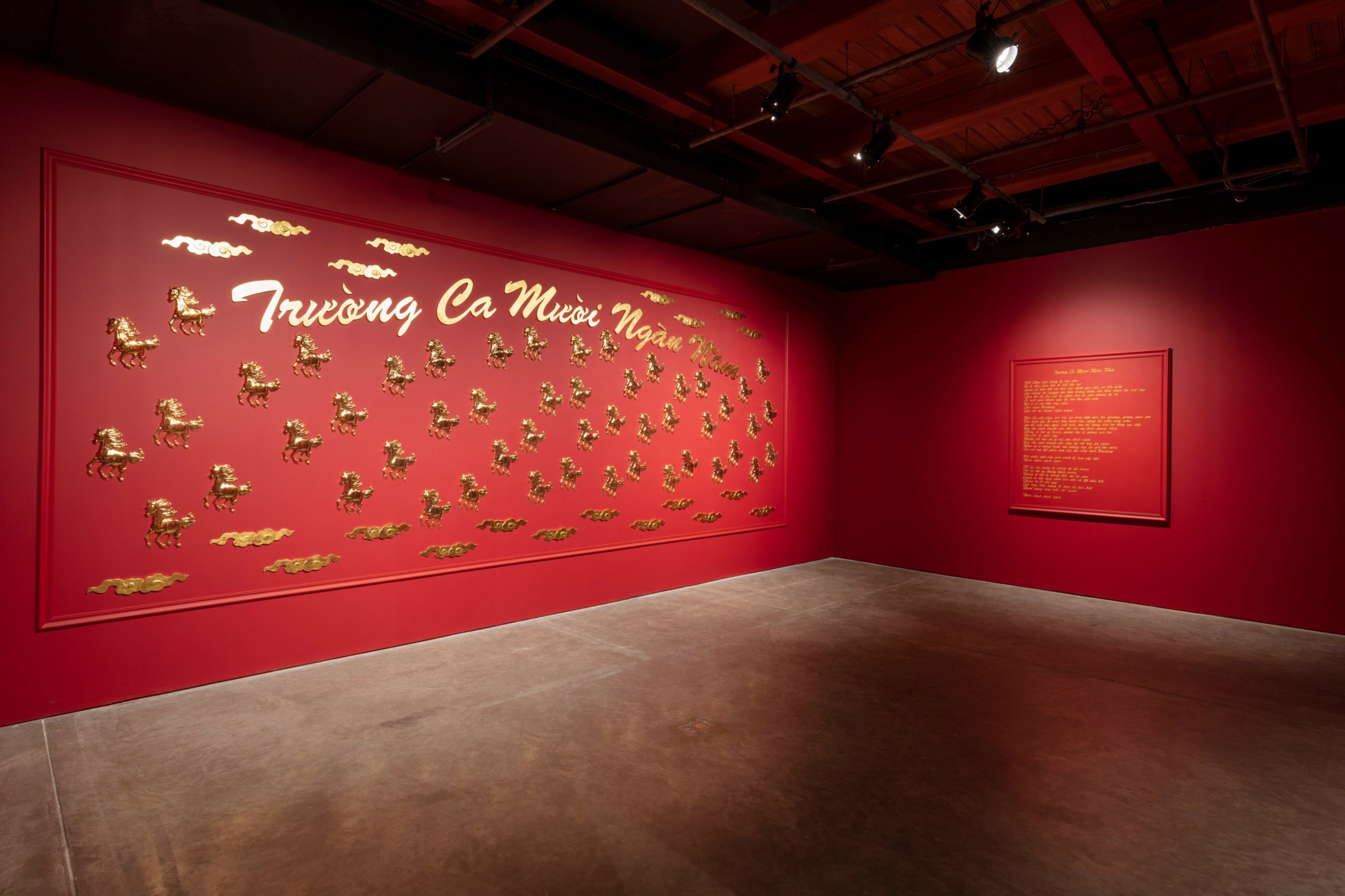
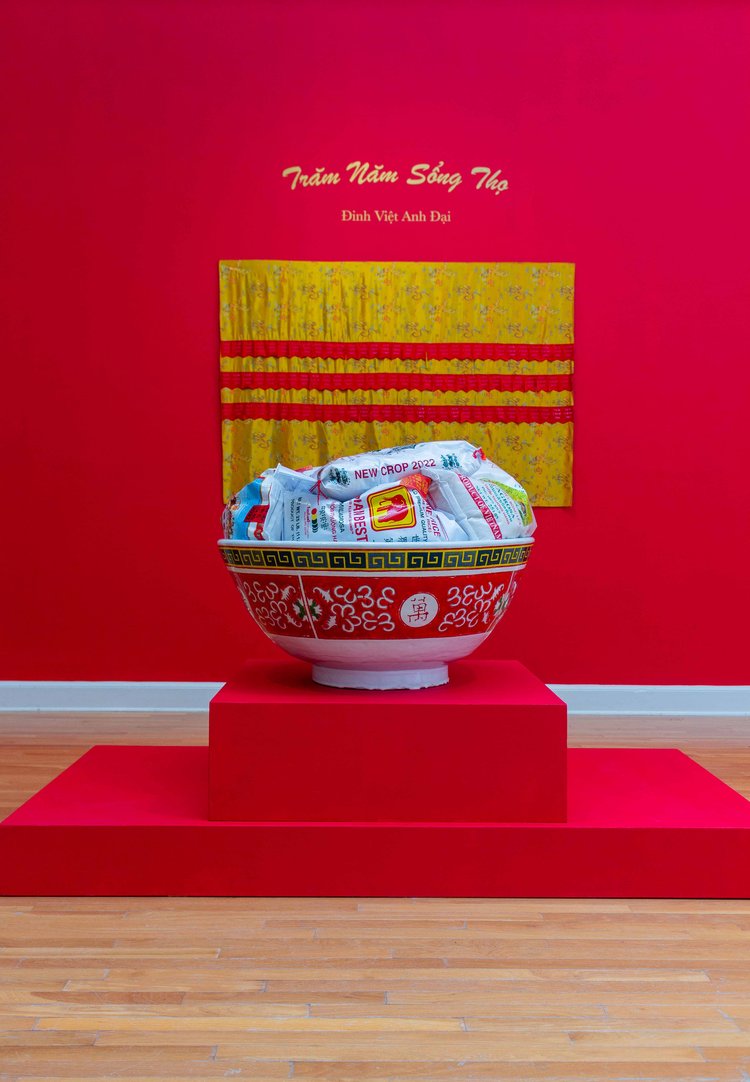
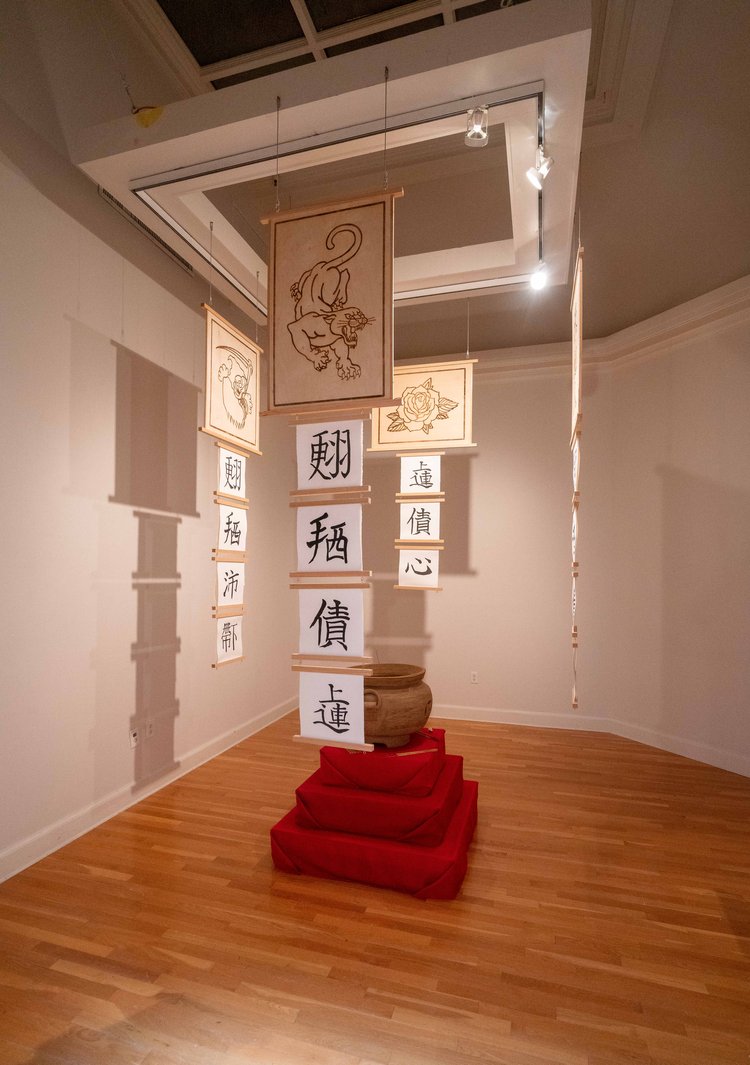
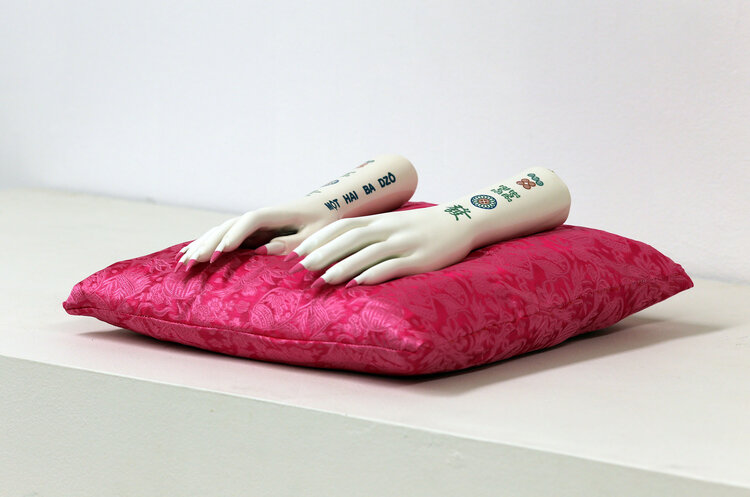
I am a artist and educator based in New Orleans. My work centers on the Vietnamese culture that emerged in the United States after the Vietnam War and on the vibrant communities built by refugees and immigrants across the country. As a second-generation Vietnamese-American, I see it as my responsibility to tell this often-overlooked part of the story. I use my practice as a visual record of Vietnamese-American culture, capturing the nuances of home, community, and identity to build a working archive of what defines the Vietnamese-American aesthetic.
To explore this aesthetic, I rely on iconic imagery to tell stories. I work with a visual language that feels familiar and accessible across cultures, weaving in symbols rooted in my own Vietnamese-American experience. This allows viewers to enter the work while also grounding it in a specific cultural context. I treat universality as a core part of my practice—an approach shaped equally by American and Vietnamese influences. By drawing parallels between cultures, I aim to highlight the connections that bind them.
Can you tell us about a time you’ve had to pivot?
This is an early career pivot, before I really had a clear direction, but really set me up to where I am now. After finishing undergrad with a BA in art, I moved to New Orleans and found work in production (ceramic pottery assistant & furniture production). During that last semester in college, I became highly influenced in production pottery and I thought that being a production artist could be a wait to find a job in the art field. Just coming out of college and leave a smaller town, Pensacola specifically, I didn’t really even know where to begin looking for an art related career or even what that was. Fortunately, I met business owners that were willing to give me a start in production work my first week in New Orleans. This was also the first eye opening experience of how open and welcoming the city and people of New Orleans are.
I spent three years working in production and I learned a lot of different skillsets that you would really be exposed to in college, art-wise and business wise. It was a totally different mindset that work on conceptual art, and I really enjoyed it. I eventually found a managing position at another ceramic production business and at this point I was not making artwork of my own anymore. It was a difficult thing to juggle working in a career that is also your main craft practice and trying to make time to continue working on your own personal projects. The practice of ceramics is already very time consuming and production pottery can seem endless.
Though, I have a passion in production, I was beginning to realized that it wasn’t for me at that time. It was also the beginning of 2020 and the city had just gone on lock down because of the pandemic. However, I was still working because I managed the business by myself and did not come into contact with people during my work hours. Still being in the mist of the uncertainty of the pandemic, leaving my house to go to the studio began to take a mental toll on me and I decided to finally make a shift in my career.
I thought to go back to what I know best and to continue my art practice. I applied to graduate school that year and got into Tulane University in the Fall of 2020 with a focus in ceramic education. The program was fully funded and gave me the opportunity create a body of work without any distraction.
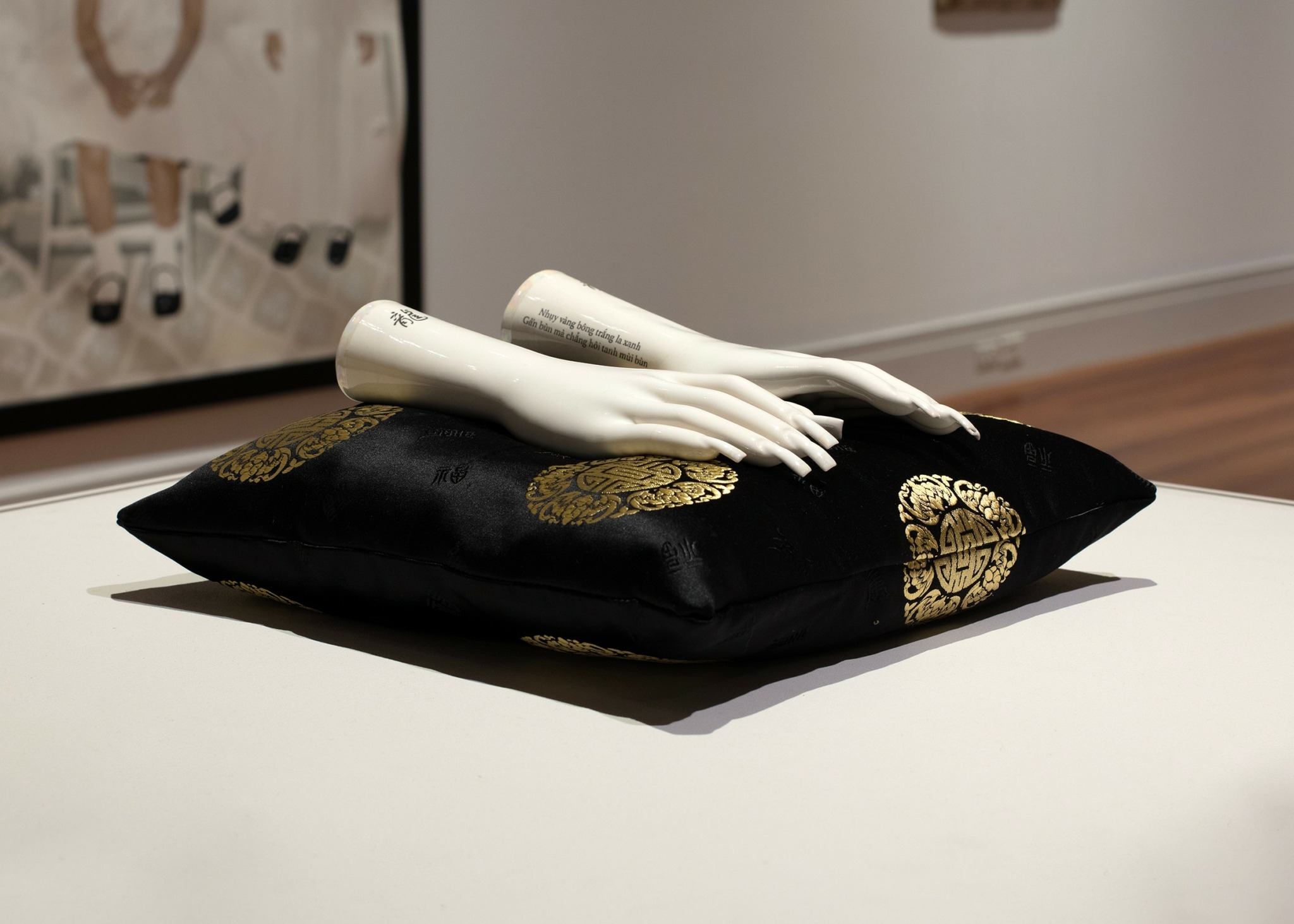
Though, I took a gap of a few years on making art, I never thought that I was done with creating. I always figure I will get back to it when I get back to it and just was experiencing life and learning from it. I also thought about new concepts, casually throughout that time, things I feel like only came to me because I had that time to sit back and think and not have the pressure to produce. So, when I got into the graduate program, I was ready to began with an idea I’d come up with a year or so before which was my, Nail Salon series, that celebrates the success of the Vietnamese nail salon industry.
During this time, producing the early stages of the project, I was given the opportunity to exhibit the work at the Ogden Museum of Southern Art. It was the first time for me showing in a museum and that was very exciting for me, but what came out of it was something I would have never expected. The work caught wind and was featured in numerous publications. From this moment, I have had a real break through in my career and the opportunities that have followed from this exhibition have been life changing.
For you, what’s the most rewarding aspect of being a creative?
I have been making artwork for about 12 years as of this year. Prior to that I was passionate about making music, so I have had an knack to create for a long time. For a long time, I would have said that the most rewarding thing of being an artist is working on a piece. When you can tap into an intense focus that you can’t get from anywhere else; that’s when creating truly feels magically. You can get in the zone and it is just for you and your work.
However, since my work has reached a more public audience, something that I wouldn’t have expected to be the most rewarding from all my previous years of creating, is to hear how my work and message has really resonated with people, specifically the Vietnamese-American community. When I had my first show at the Ogden, I was receiving letters from from members of the Vietnamese community telling me how moved they where when they saw the work and how they would bring there parents and grandparents to go see the exhibition. They told me how they have never felt represented in a museum space let alone the art world in general.
Hearing feedback from the community is really inspiring to me and I would say has been the most rewarding aspect of my career. As an artist, I spend many hours working by myself and I really reflect inward to create my work, so it was surprising at first to see my more personal introspective work connect with so many people. It opened my eyes to the true open of an image and it can take on a life bigger than its original conception.
Contact Info:
- Website: https://www.christiandinhart.com/about
- Instagram: https://www.instagram.com/christian_dinh_art_/?hl=en
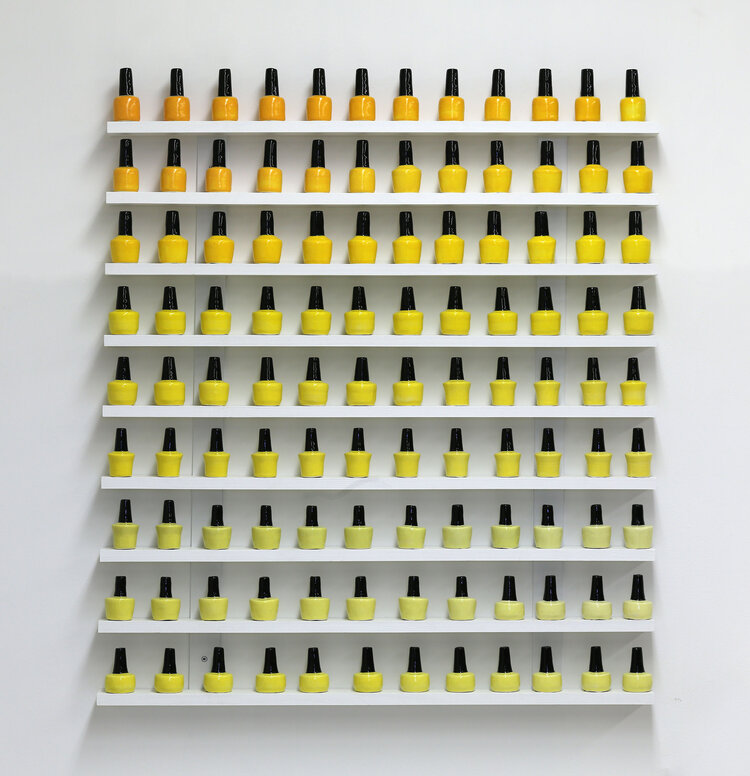
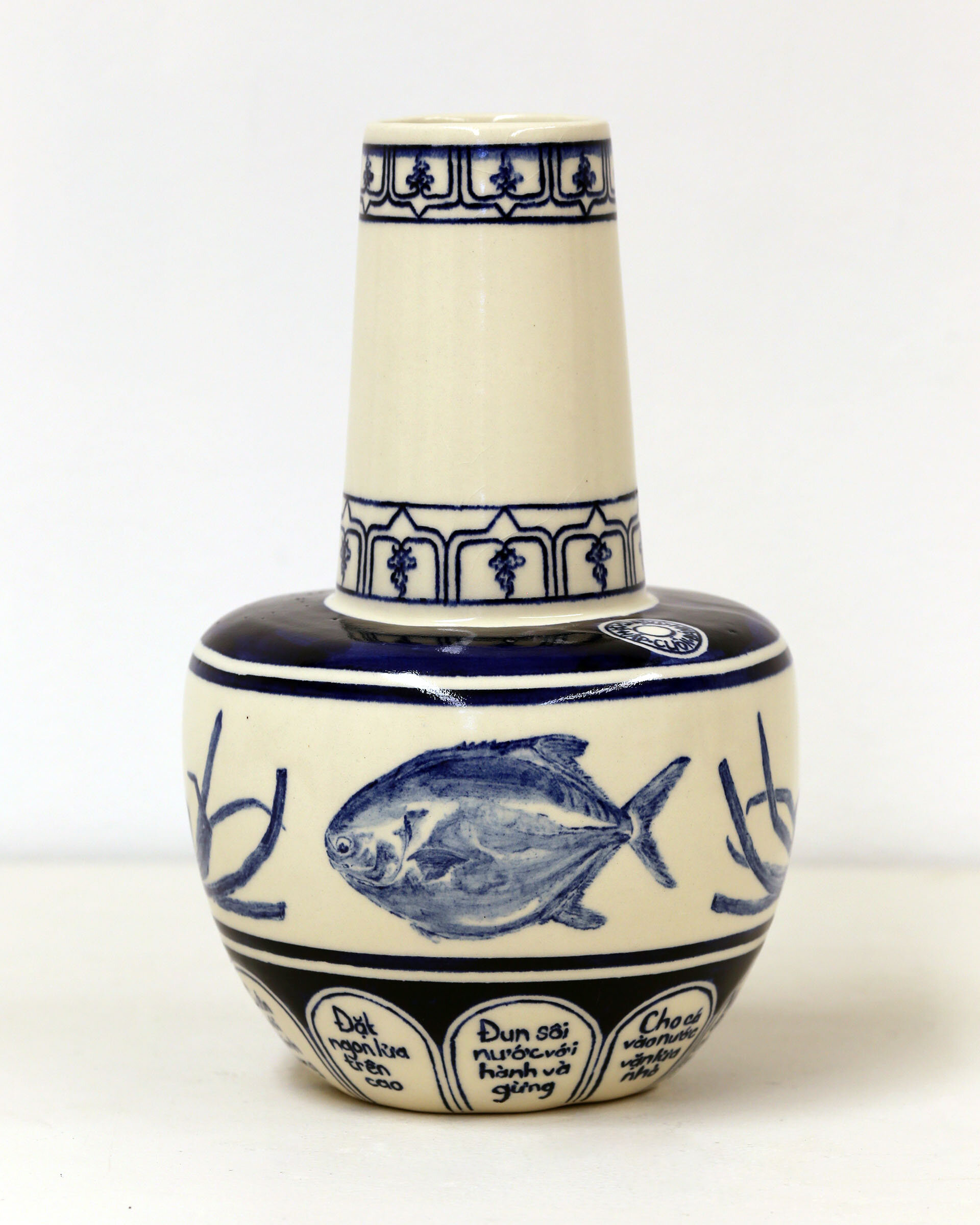
Image Credits
Credit: Shabez Jamal – Chen (Large bowl images)
– Sky, Earth, Humanity (Hanging wooden panels and incense burner)
Credit Selina McKane – All other photos including headshot