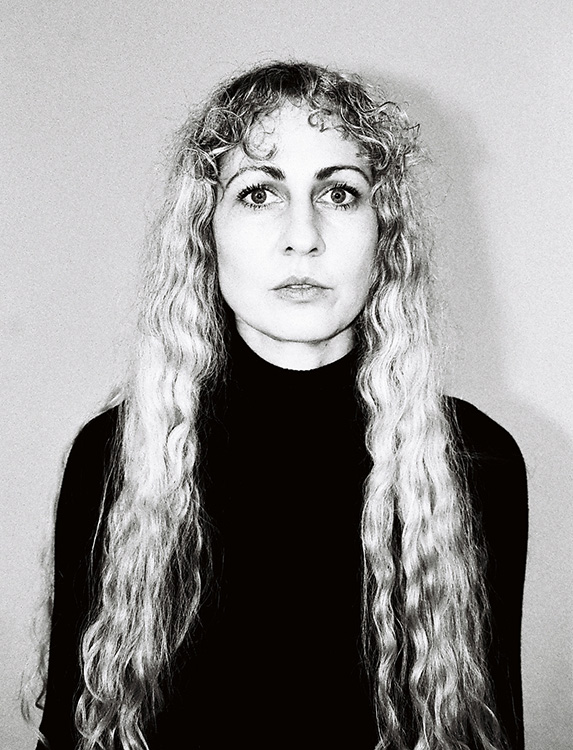

We recently connected with Jana Junker and have shared our conversation below.
Jana, appreciate you joining us today. Earning a full time living from one’s creative career can be incredibly difficult. Have you been able to do so and if so, can you share some of the key parts of your journey and any important advice or lessons that might help creatives who haven’t been able to yet?
No – I’ve always had side jobs alongside my creative practice. Especially in the beginning, I deliberately looked for work that took place in the evenings or at night, so I could protect my daytime hours for artistic work. That helped me carve out time and space – but over time, that split felt increasingly unsatisfying.
What changed things for me was the ability to teach within my own creative field – as a jewelry designer. That allowed me to gradually align my “day jobs” more closely with what I actually care about. I now regularly offer workshops together with a colleague, and I also teach goldsmithing courses at a community education center. Teaching became a way to share what I know – and at the same time, it provided a certain financial stability that allows me the freedom to say yes only to the projects I truly believe in.
I never set the expectation for myself to make a full-time living from my artistic ideas alone. I think that expectation often creates unrealistic standards – and unnecessary pressure. Especially in our time, where success is often equated with constant visibility and monetization. My creative interests are broad; I also work in performance art and photography. And it’s exactly this openness – this ability to shift between disciplines, formats, and intensities – that matters to me.
By teaching, I’ve found a way to sustain my practice without compromising it. If I had to take on every commission and produce new ideas on demand, I’d probably feel burned out – and disconnected from my own work. For me, creativity needs room. It needs time to unfold, to breathe. That’s not always efficient. But it’s essential.
Awesome – so before we get into the rest of our questions, can you briefly introduce yourself to our readers.
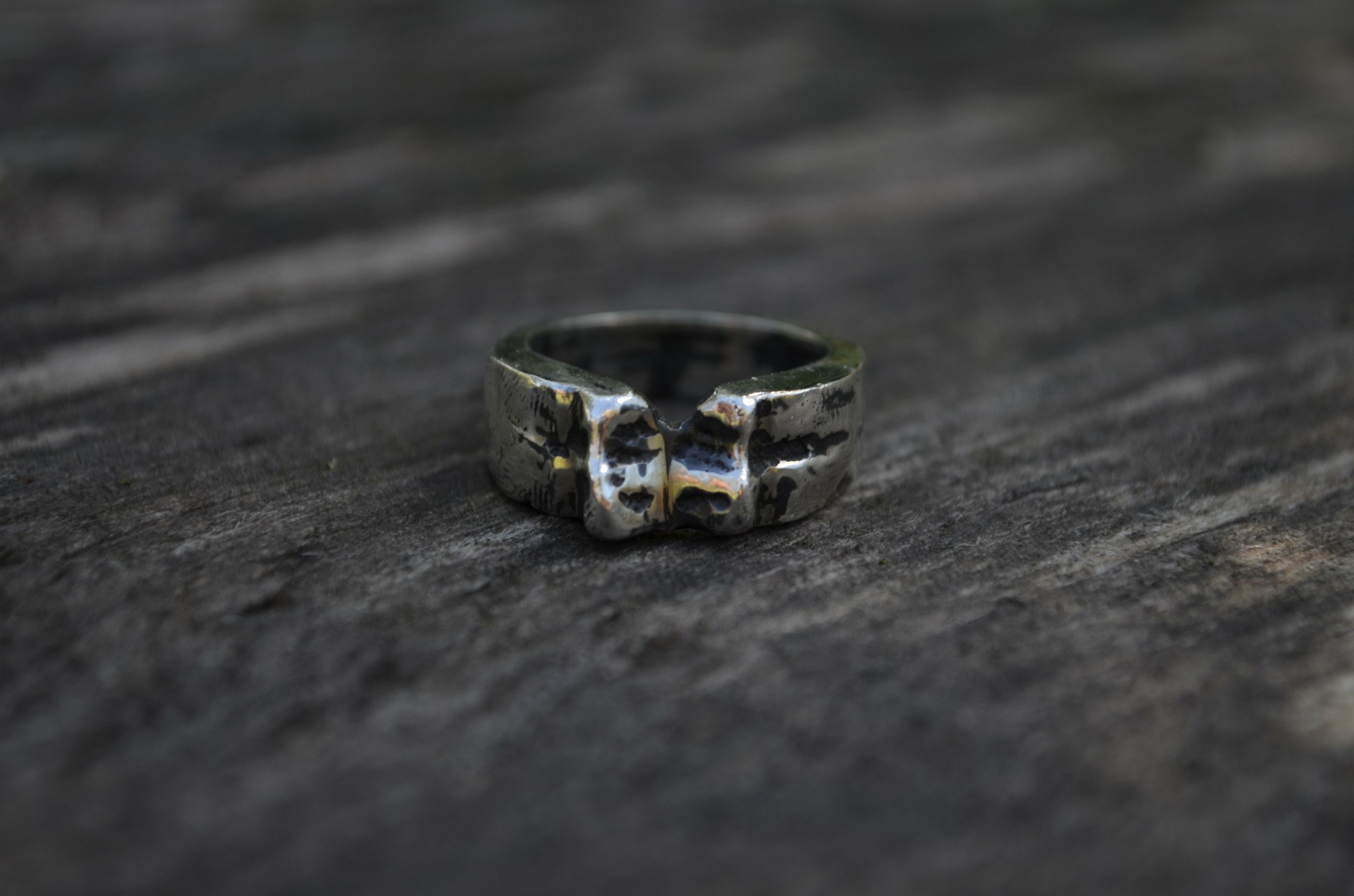
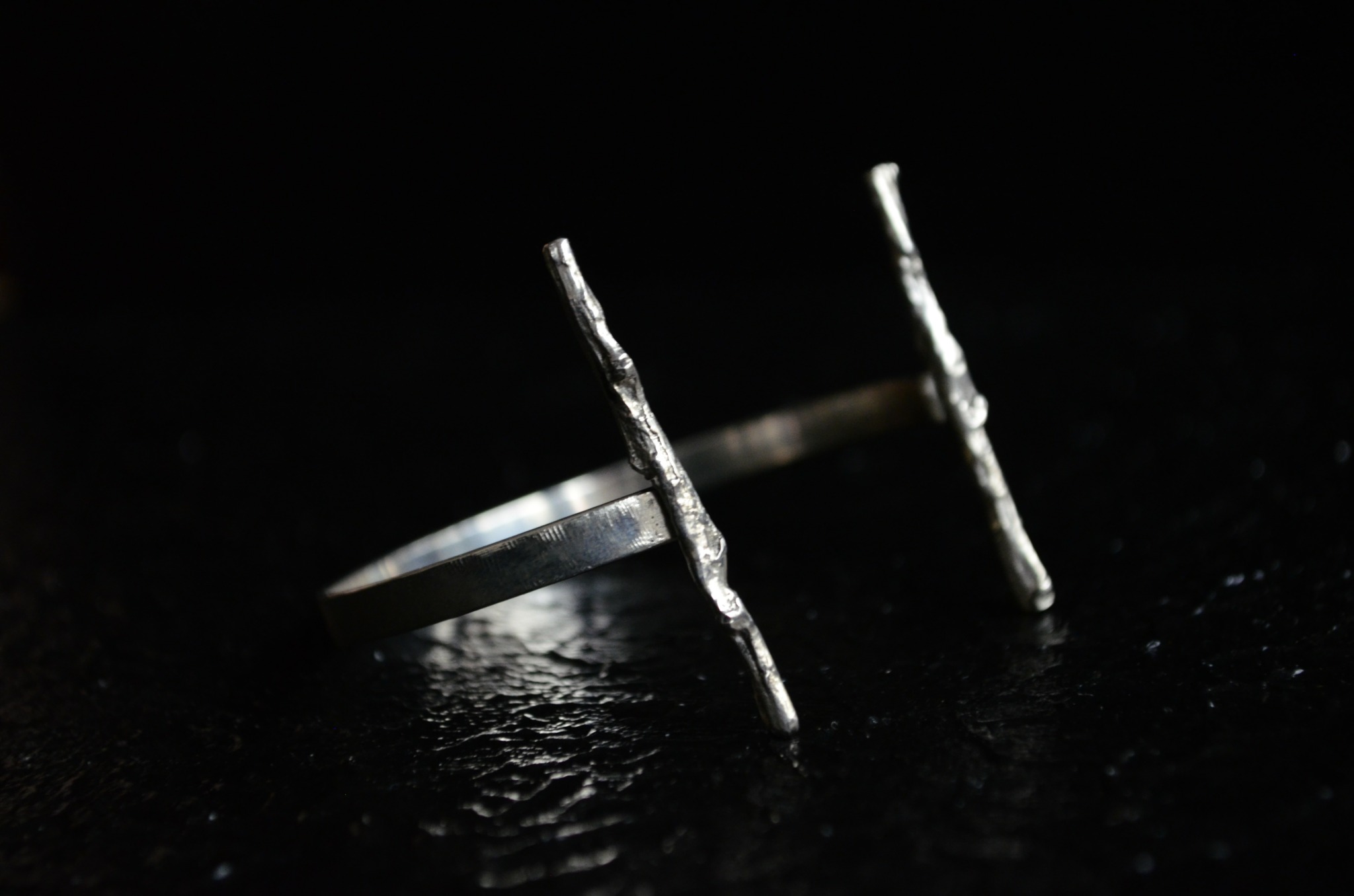
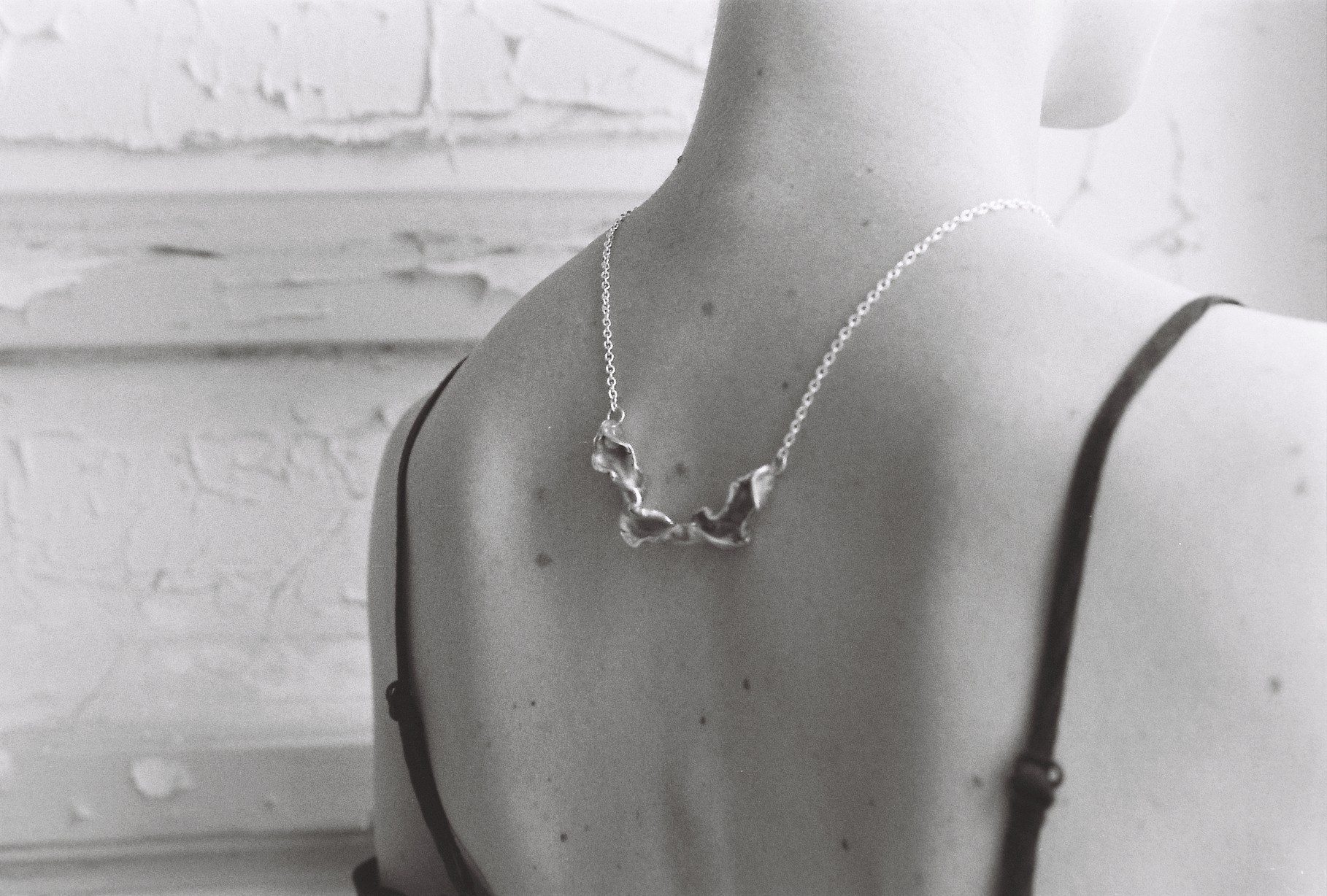
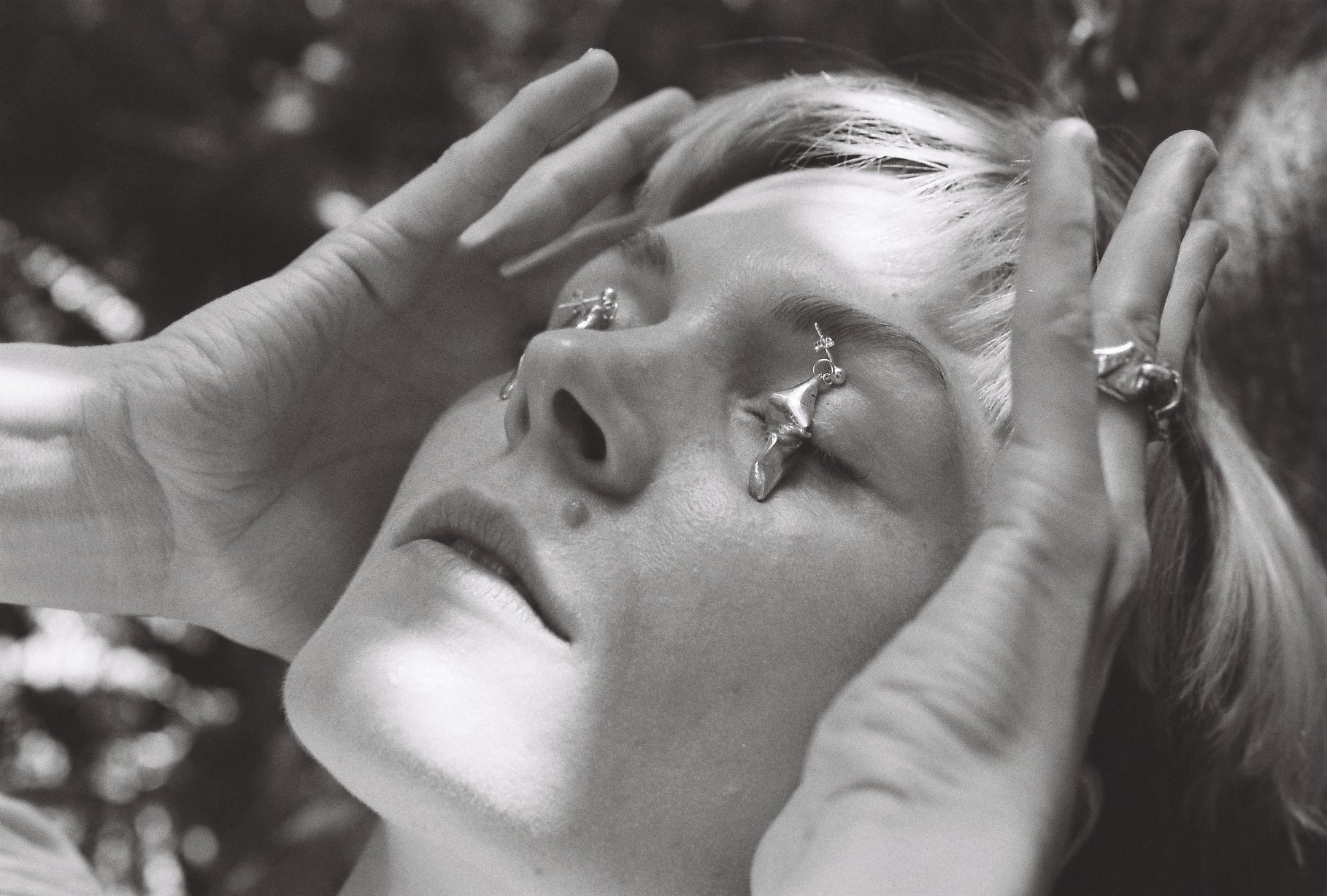
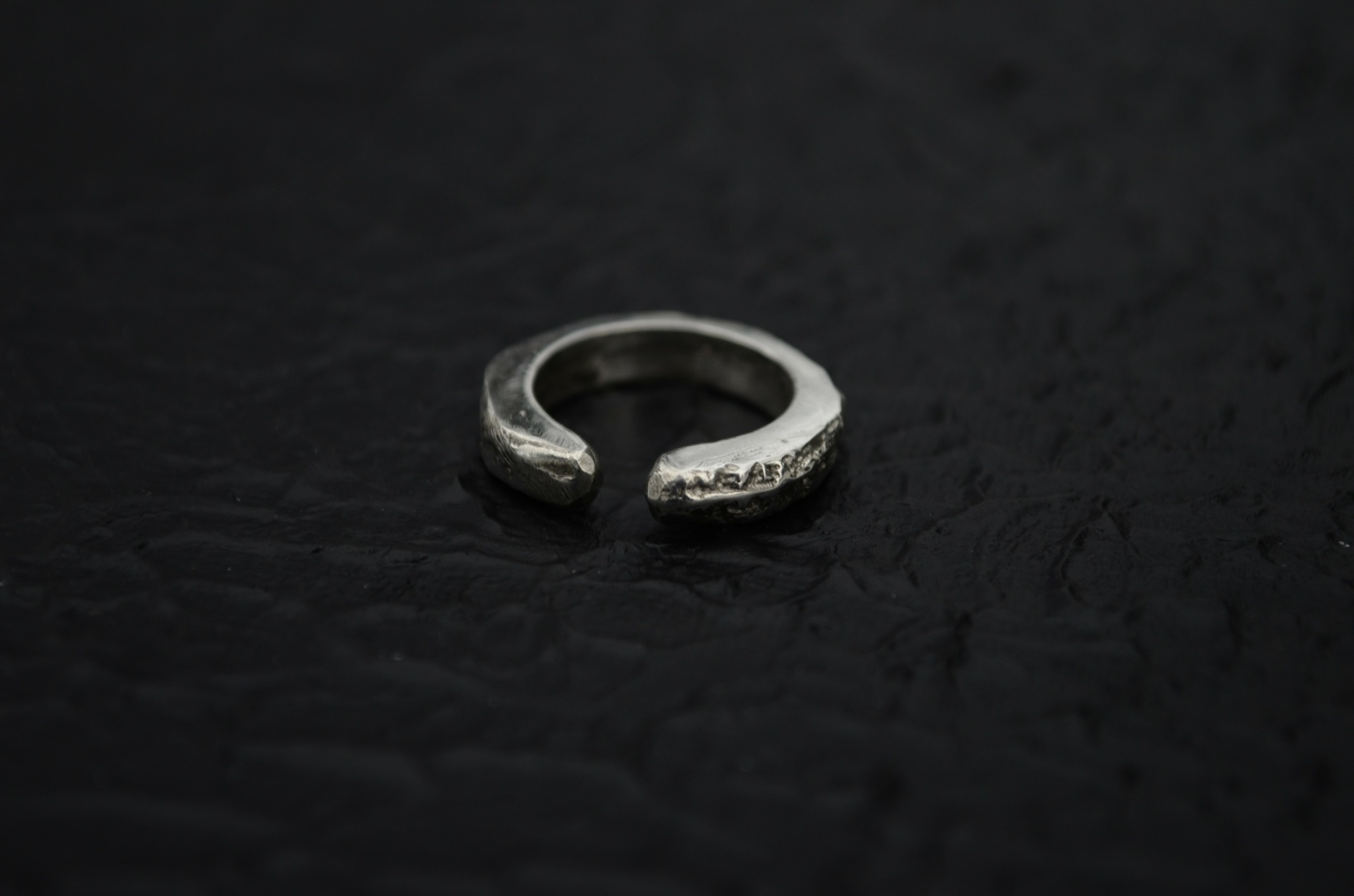
I’m a trained goldsmith and Object Designer – and the founder of Jana Junker Design, my studio and brand where I create handcrafted jewelry in silver. My work often centers around texture, imperfection, and the quiet narratives materials can carry. I run a webshop, offer workshops, and sell one-of-a-kind pieces that are made to be worn – but also to be questioned.
I originally trained in Trondheim and London, and I’ve always been drawn to making as a form of inquiry. For every idea, there’s a counter-idea. For every form, a distortion. I don’t believe in fixed truths – and that’s something I try to explore in my work, both in the physical surface of a piece and in the thinking behind it. Each object is an attempt to look beyond a fixed horizon – to make room for something unexpected, flawed, alive.
What sets my jewelry apart is the emphasis on material honesty. I work primarily with silver, but I often push its surface toward contradiction – through oxidation, textural disruption, or deliberate imperfection. I’m not interested in a glossy kind of perfection. I’m interested in presence. In how a piece feels, how it wears over time, how it resists sameness.
Parallel to my work as a jewelry designer, I also have a practice in performance art – though I see these as two distinct disciplines for the time being. What connects them is a shared interest in process, in transformation, in the tension between control and letting go.
One of the things I’m most proud of is having built a practice that reflects my values. I run my own studio, sell my work independently, and collaborate with others. The workshops I offer aren’t just about technique – they’re about curiosity. About material as a form of reflection.
If there’s one thing I’d want people to know about my work, it’s this: I don’t create objects to decorate reality – I create them to question it. To open up space. To invite friction. To tell stories that don’t always resolve neatly. Because to me, that’s where the beauty lies.
Learning and unlearning are both critical parts of growth – can you share a story of a time when you had to unlearn a lesson?
I had to unlearn control.
In the beginning, I believed I had to do everything myself – every discipline, every detail, every decision. I thought that to be “authentic,” I had to be present in every part of the process. That if I let go, even slightly, the result would no longer be truly mine.
Looking back, I see how much that mindset was shaped by perfectionism – and fear. The fear of failure. The fear of not being enough. I held on tightly. Too tightly. And in doing so, I left no room for surprise. No space for deviation, for mess, for growth.
Failure used to feel like something dangerous – a mark of weakness. But over time, I’ve learned to see it differently. Today, I think failure is a threshold. A shift. A moment where something unexpected can enter. It’s not the opposite of creation – it’s part of it.
This shift also changed how I approach collaboration. At first, I couldn’t imagine handing anything over. I felt I had to prove I could master everything – concept, form, execution, documentation, communication. But I’ve come to realize that strength doesn’t lie in doing it all alone. It lies in knowing when to open up. When to invite other voices in.
Now, I deeply value collaboration – especially with artists whose visual or conceptual language is very different from mine. There’s something profoundly generous about trusting someone else’s instincts. Letting their rhythm influence mine. Letting go of authorship, at least a little. Those moments often lead to results I could never have imagined alone. And they remind me that the work doesn’t have to be fully “mine” to be fully meaningful.
In my solo practice, too, I try to leave space for the material to speak. For things to go wrong. For the surface to fracture. My jewelry often carries textures that come from accident – from failed casts, from tool marks, from unintended reactions. I used to sand those away. Now I let them stay. Sometimes they carry more truth than anything I could have planned.
Unlearning control hasn’t meant giving up on intention – but it has meant giving up on certainty. And in that space, something much more honest can begin.
Is there mission driving your creative journey?
If there is a mission, it’s not about finding final answers. It’s about staying in motion – creatively, mentally, emotionally. I’m driven by the desire to ask, to doubt, to disrupt what feels settled. My work often begins with a sense of friction: a form that doesn’t behave, a material that resists, a thought that won’t resolve. That’s where something essential begins to emerge.
I’ve always worked across disciplines – not out of indecision, but out of a deep curiosity. Jewelry design has been one core of my practice, but over the years, performance art and photography has become another. It’s a space where I can explore presence, repetition, and transformation in real time – through the body, through gesture, through vulnerability. The two practices don’t always intersect, but they inform one another. They share the same foundation: an attention to material, to process, to subtle shifts.
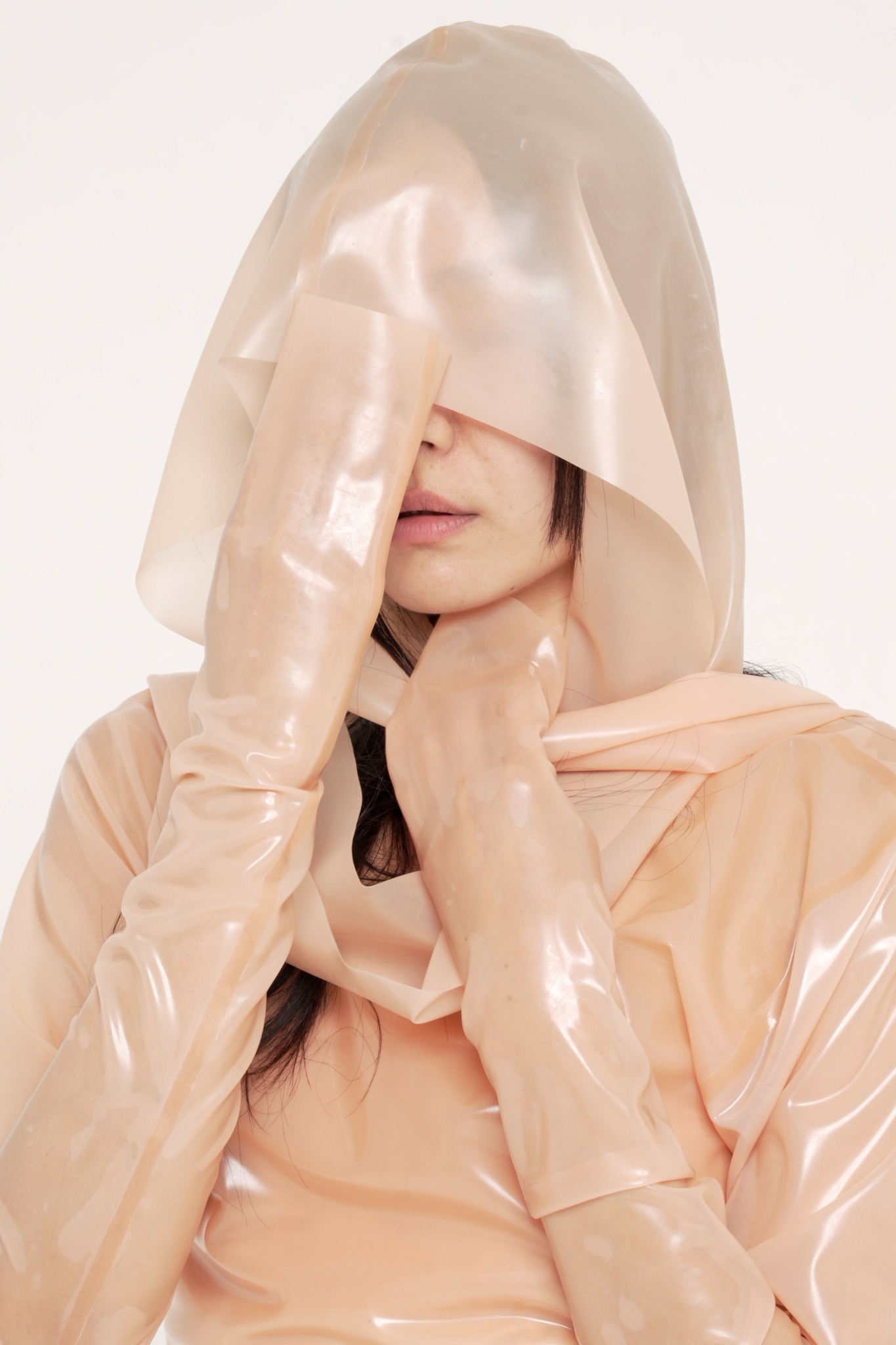
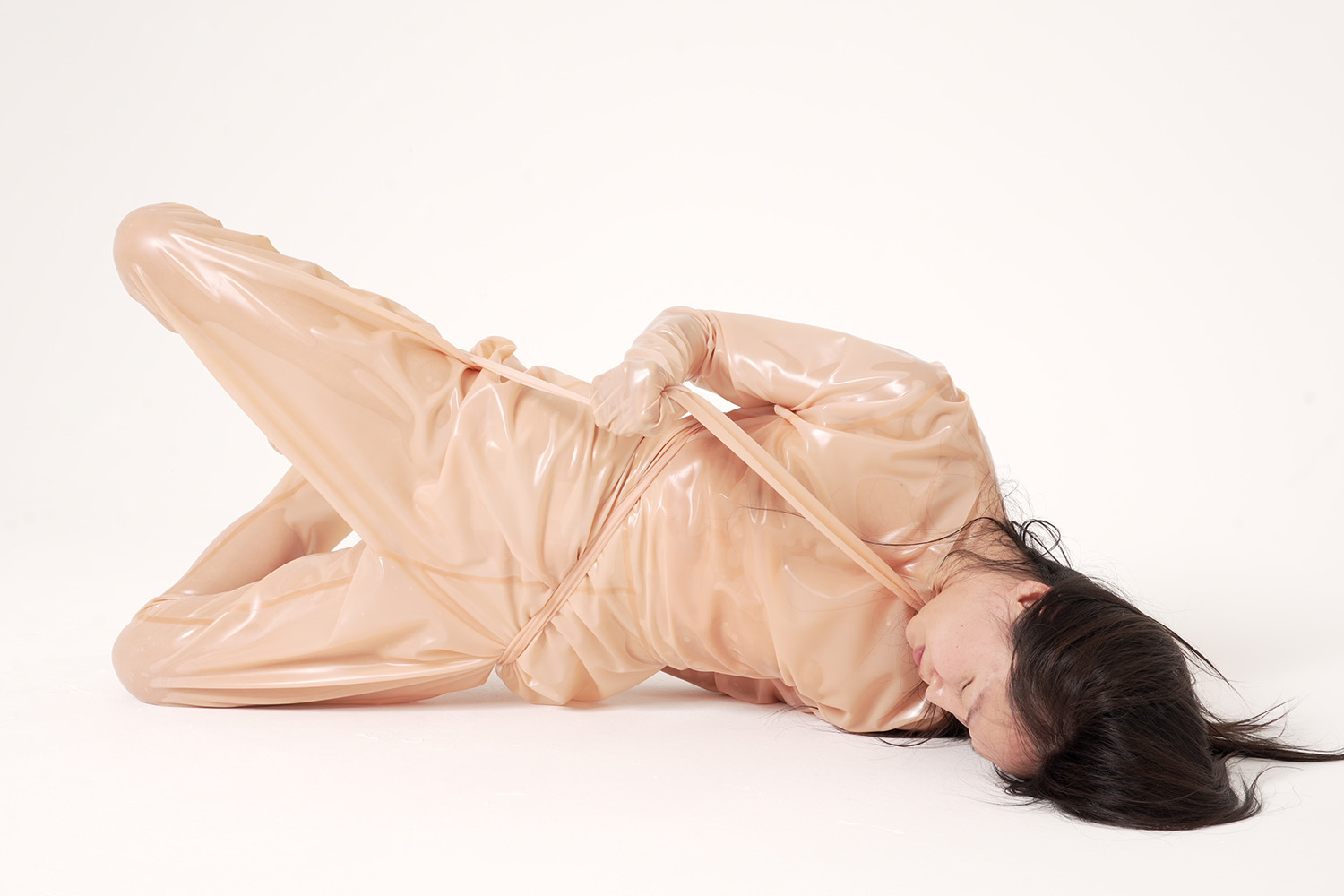
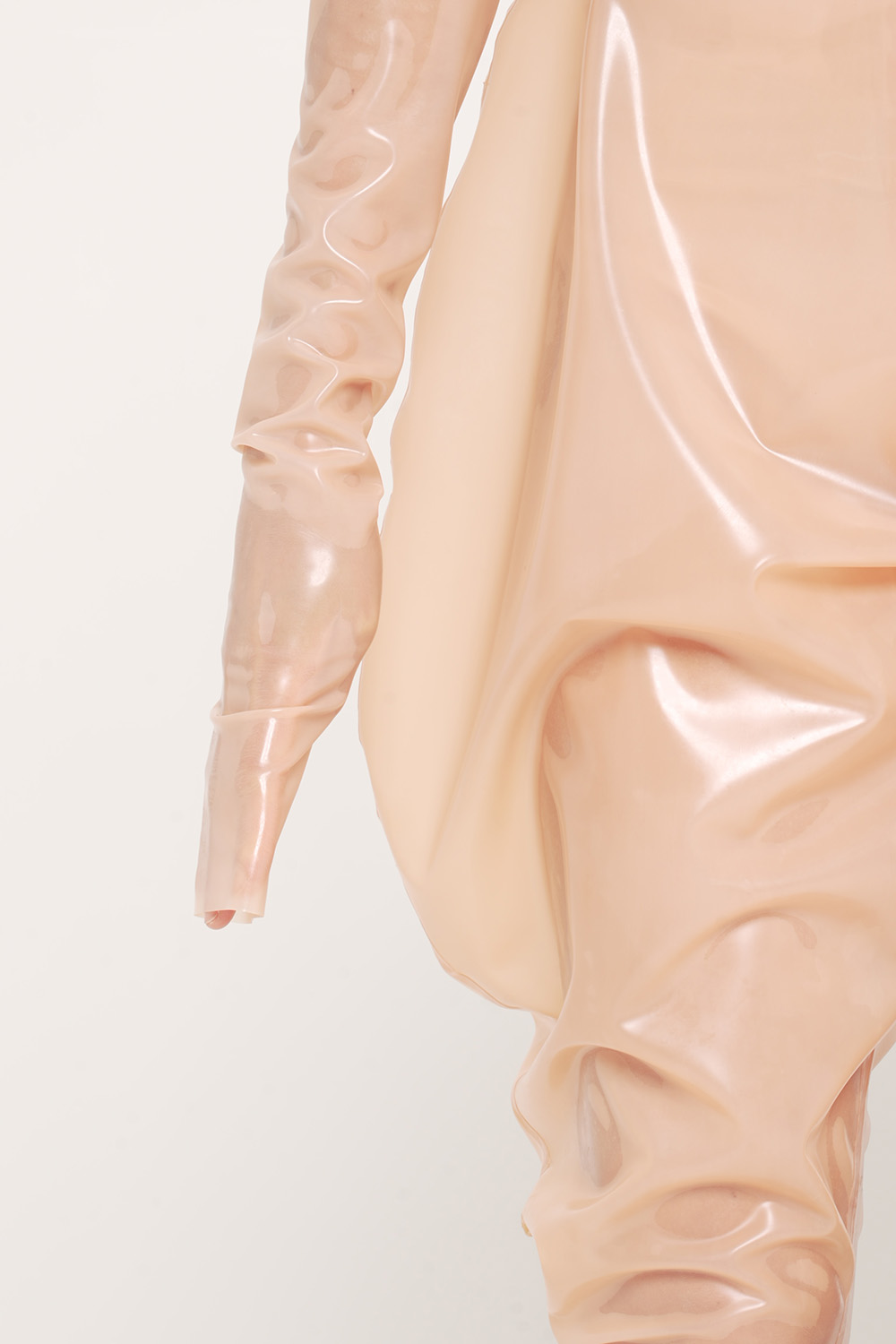
Recently, I completed my degree in Object Design – and for my final work, I made a very conscious decision: I chose not to present a jewelry collection, even though that would have been the more familiar path. Instead, I created a performative video piece using latex – a material I had never worked with before. The project, Repetition – Material in Motion, explored repetition as a physical and conceptual force: something that shapes, that wears down, that remembers. Working with latex meant surrendering control. It clung, it resisted, it spoke back. That, to me, was the point.
This experience was a kind of threshold. It reinforced what had already begun in earlier works: the understanding that art doesn’t always begin in mastery. Sometimes it begins in disorientation. In not knowing. In jumping into cold water.
If I had to name a mission behind what I do, it would be this: to keep questioning. To stay porous. To resist the comfort of perfection and instead embrace the productive tension of not-yet-knowing. Whether I’m working with silver or with skin, with gesture or with form – I want to stay open to what I haven’t understood yet. I hope I never lose that hunger. Or that courage.
Contact Info:
- Website: www.janajunker.bigcartel.com
- Instagram: https://www.instagram.com/jana_junker_design/
- Other: Vimeo:
https://vimeo.com/1101460460