

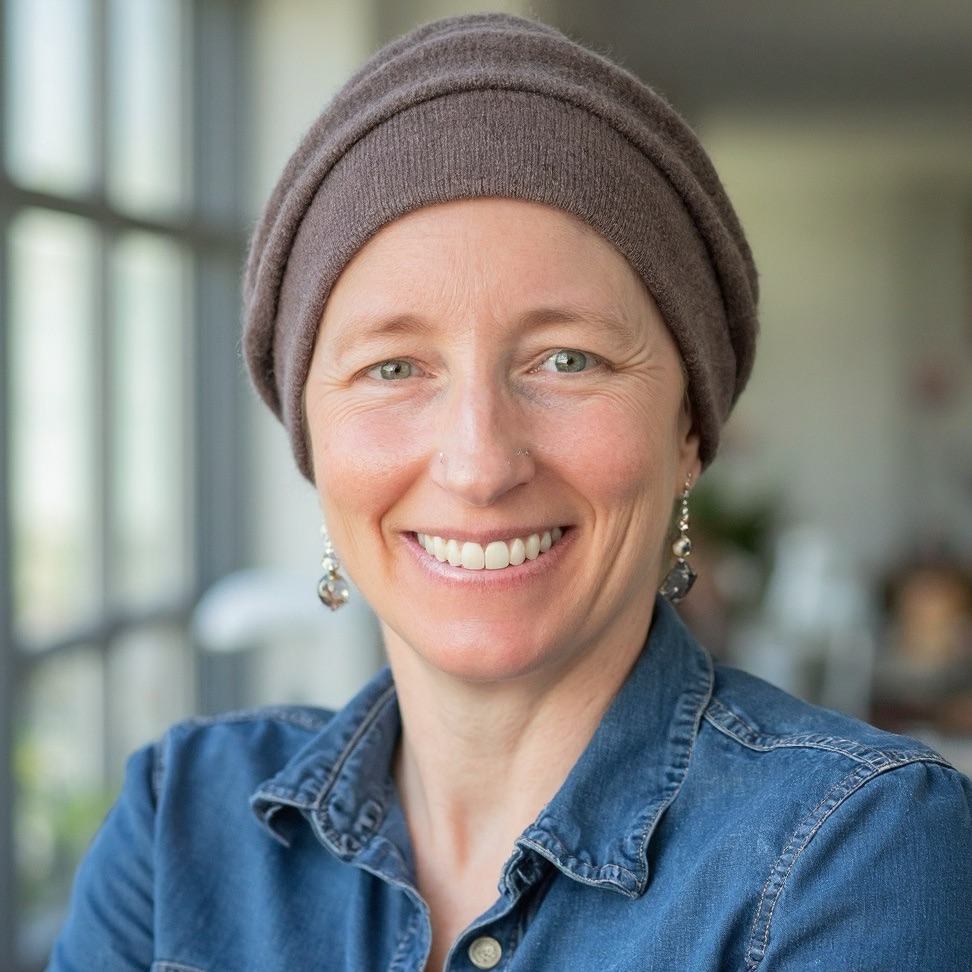

We were lucky to catch up with Rebecca Ray recently and have shared our conversation below.
Alright, Rebecca thanks for taking the time to share your stories and insights with us today. Can you open up about a risk you’ve taken – what it was like taking that risk, why you took the risk and how it turned out?
At first glance, my life may look like a series of transitions. But underneath each shift lies something deeper: the willingness to take risks that stretch who I am and what I believe is possible. One of the most transformative risks I’ve taken was converting from Catholicism to Judaism in my 40s.
I was raised Catholic—baptized, confirmed, immersed in the rituals and rhythms of that tradition. It shaped my worldview, my holidays, my community. But as I grew older, I began to feel a quiet dissonance, a sense that the path I was walking no longer fit the person I was becoming. Judaism drew me in gradually—first through study, then through community, and eventually through a spiritual pull that I couldn’t ignore. To convert in midlife was not just a theological decision—it was a personal, emotional, and social risk. It meant redefining parts of myself, having difficult conversations with family, and stepping into a new identity with reverence and humility.
This wasn’t the only moment I had to choose growth over comfort. In my 30s, I returned to graduate school while managing a household and navigating real-life responsibilities. I was surrounded by younger classmates, and the imposter syndrome was real. But I knew I had something valuable to contribute—and much more to learn. That risk gave me not only a new career path, but a renewed sense of purpose.
The most intimate risk I’ve taken has been the choice to continue growing my family after experiencing ten pregnancy losses. The emotional weight of that grief is difficult to describe, and yet each time, I chose hope. Each attempt was a risk of the heart—a risk to believe in possibility after pain, and to keep showing up for the life I envisioned, even when it hurt.
And then there’s the version of me in cycling shoes and LED lights, leading Les Mills THE TRIP classes at age 47. Becoming a certified instructor was a leap into something wildly unfamiliar and physically demanding. I was out of my comfort zone—in my body, in front of a crowd, on a screen-filled stage. But I did it. Not because it was easy, but because I wanted to prove to myself that growth doesn’t have an age limit.
Each of these risks has been a step toward becoming more fully myself. They weren’t always easy, and they didn’t always come with guarantees. But they were worth it—because they were real. Because they were mine.
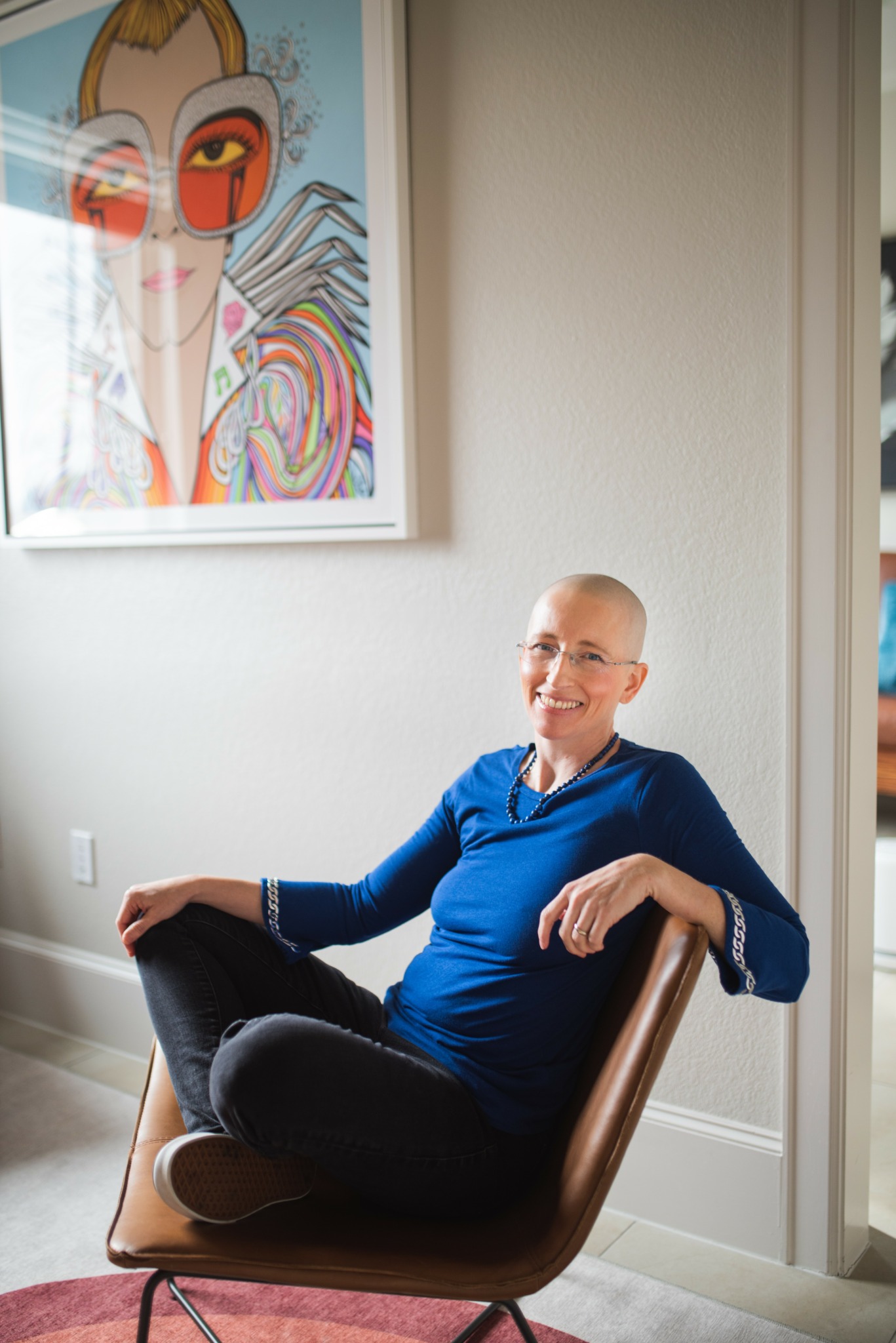
As always, we appreciate you sharing your insights and we’ve got a few more questions for you, but before we get to all of that can you take a minute to introduce yourself and give our readers some of your back background and context?
I’m Rebecca Ray, a Licensed Marriage and Family Therapist Supervisor, Certified Sex Addiction Therapist (CSAT), Certified Clinical Partner Specialist (CCPS), EMDR Certified Therapist, and Somatic Experiencing Practitioner. I’m also the founder and owner of Ray Family Therapy, a private practice I opened in 2020 with a vision of creating a safe, affirming space for individuals and couples working through the impacts of trauma, addiction, and relational pain.
My journey into the mental health field began with a deep curiosity about human connection and the ways in which unhealed trauma and emotional wounds shape our relationships with others—and with ourselves. Over time, that curiosity evolved into a commitment to walk alongside clients as they navigate some of life’s most painful and personal challenges, from betrayal trauma and compulsive sexual behaviors to emotional dysregulation and trust violations in intimate relationships.
My clinical work focuses on process addictions, particularly sex and love addiction, emotional eating, compulsive behaviors, and the underlying trauma that often fuels them. I work extensively with individuals and couples dealing with betrayal trauma, attachment wounds, complex PTSD, and relationship distrust, helping them rebuild internal safety and cultivate healthier patterns of relating.
What sets my work apart is the integration of cutting-edge trauma modalities with compassionate, client-centered care. I use EMDR (Eye Movement Desensitization and Reprocessing), Somatic Experiencing, and specialized betrayal trauma protocols to help clients not only process what happened to them, but to feel safe in their bodies and relationships again. I also support partners impacted by addiction with trauma-informed partner recovery services—an area that is often overlooked or minimized in traditional models.
Since opening Ray Family Therapy, I’ve been most proud of creating a practice that centers hope, empowerment, and authenticity. Whether working with an individual in crisis or a couple seeking to repair deep wounds, I prioritize building trust and helping clients rediscover their inner strength.
To those who may be exploring therapy or trying to make sense of their own relational or emotional challenges, I want them to know: You are not alone. There is a way forward, even if it feels impossible right now. Healing is not about perfection—it’s about presence, courage, and showing up for yourself with honesty and compassion.
My work is deeply relational, trauma-informed, and grounded in the belief that everyone deserves to experience connection without fear, love without shame, and healing without judgment.
Let’s talk about resilience next – do you have a story you can share with us?
Of all the personal risks I’ve taken, the one that most deeply reveals my resilience is the decision to continue growing my family after experiencing ten pregnancy losses. Each loss was its own heartbreak—layered with grief, silence, and the cruel unpredictability of hope. And yet, after each one, I found myself making the same choice: to keep going.
The journey began with excitement, like it does for many. But when the first pregnancy ended in loss, I was shaken. When it happened again—and again—it no longer felt like a tragic exception; it felt like a pattern, and with it came questions that had no easy answers. Doctors offered medical explanations. Friends offered well-meaning comfort. But the grief was mine to carry.
Each time I chose to try again, it wasn’t out of denial or blind optimism—it was a conscious act of resilience. It meant stepping into the unknown with full awareness of the emotional toll. It meant doctor visits and blood draws, invasive procedures, and sleepless nights. It meant facing my own fear and vulnerability over and over again, and still choosing to open my heart to possibility.
There were moments when the weight of disappointment felt too heavy. Moments I questioned whether I had the strength to continue. But something inside me—call it faith, call it determination, call it love—pushed me forward. I refused to let grief be the final chapter in my story.
Continuing to pursue motherhood in the face of loss required more than physical endurance—it required emotional courage. I learned to hold space for sorrow and hope at the same time. I learned to advocate for myself. I learned that resilience isn’t always loud or dramatic—sometimes it’s simply the quiet decision to try again, even when no one is watching.
That experience changed me. It deepened my empathy, strengthened my spirit, and taught me what it truly means to be brave. Resilience, I’ve learned, isn’t about never falling—it’s about rising, again and again, even when your heart is tired and your path is uncertain.
What’s a lesson you had to unlearn and what’s the backstory?
One lesson I had to unlearn was the belief that motherhood was the only path to fulfillment and identity. For years, I held tightly to the dream of expanding my family, even in the face of repeated pregnancy losses. Letting go of that vision felt, at first, like failure. I carried shame—not just from loss, but from deeply rooted questions about my identity as someone who was adopted. Who was I, if I couldn’t create the family I had once imagined?
My views began to shift gradually as I deepened my work as a therapist and later trained as a Psychedelic-Assisted Therapy Provider. Through guided journeys with ketamine and psilocybin, I confronted the grief I had buried and the rigid stories I told myself about womanhood, worth, and legacy. These experiences helped me move through layers of shame and land in a place of peace—with my family as it is, with my adoption story, and with the life I am actively choosing.
Unlearning the belief that my life had to follow a specific script allowed me to fully embrace the calling of my profession, and also gave me clarity and certainty as I pursued conversion to Judaism. Today, I understand that identity, family, and purpose are expansive. Releasing what I thought I had to be made space for who I truly am.
Contact Info:
- Website: https://www.rayfamilytherapy.com
- Instagram: https://www.instagram.com/rayfamilytherapy
- Facebook: https://www.facebook.com/rayfamilytherapy
- Linkedin: https://www.linkedin.com/in/rebeccaraytherapist
Image Credits
Blip Photography