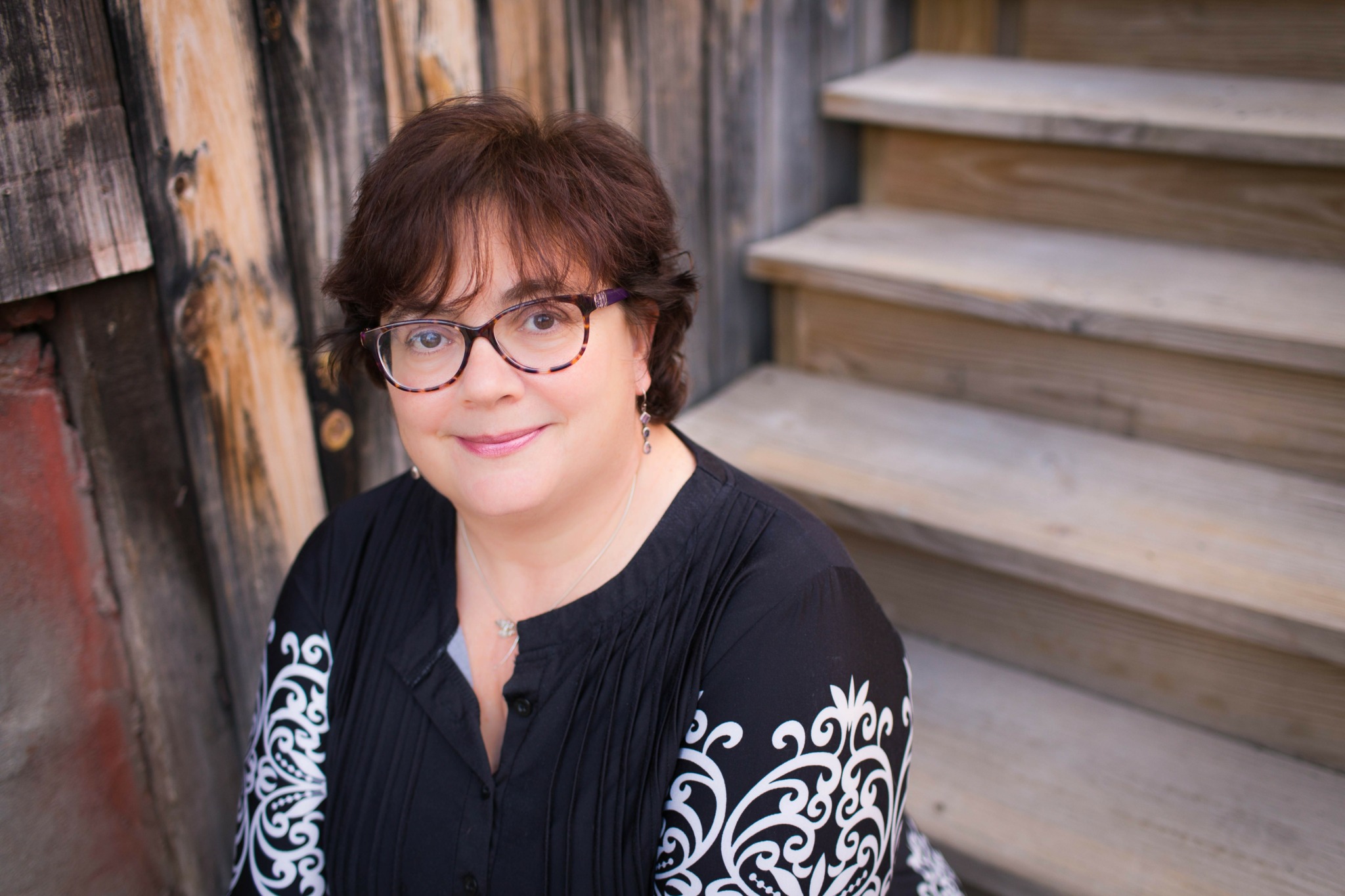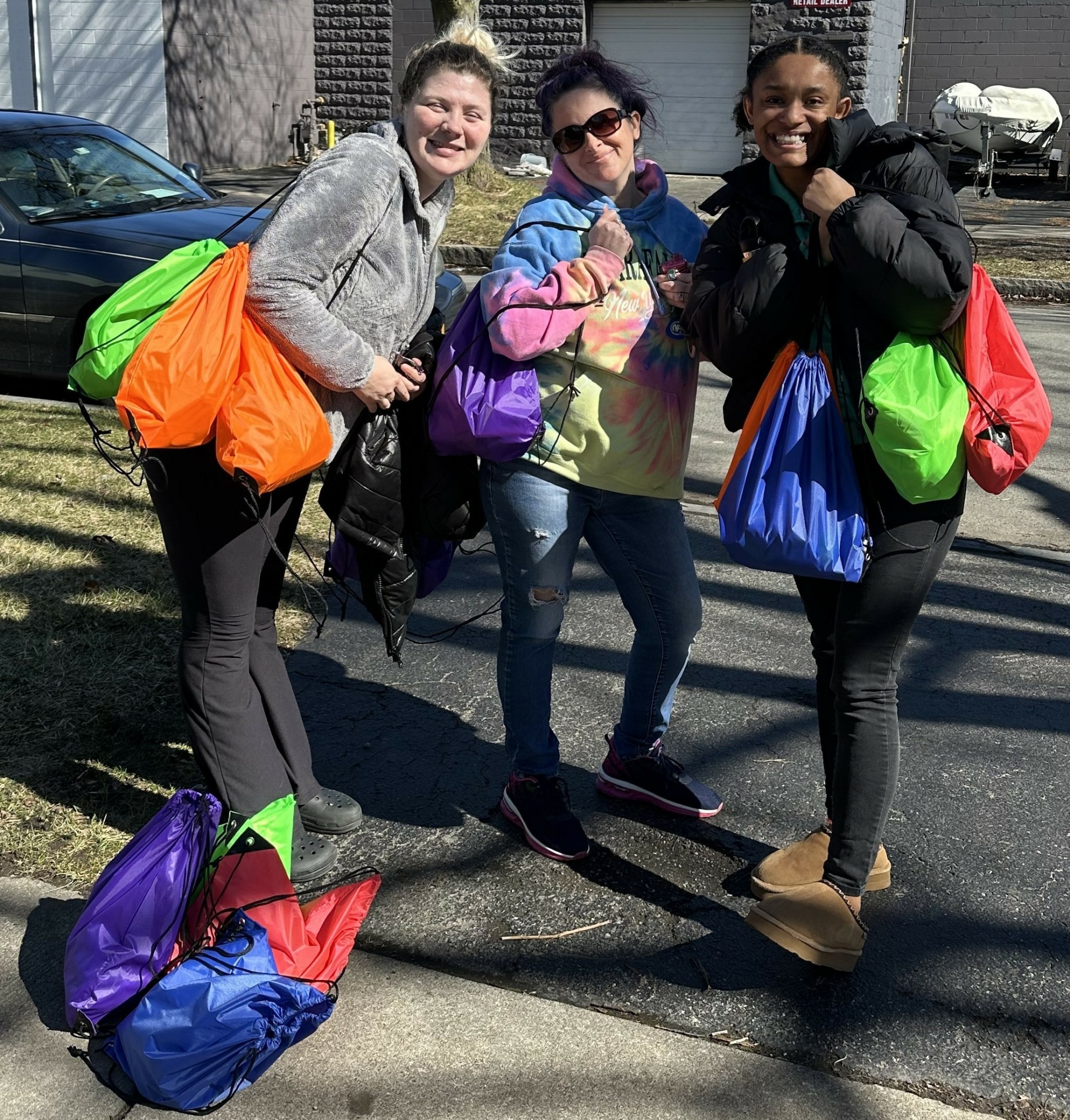

We recently connected with Sue Kirby and have shared our conversation below.
Sue, thanks for joining us, excited to have you contributing your stories and insights. So let’s jump to your mission – what’s the backstory behind how you developed the mission that drives your brand?
When having coffee one morning with my husband, I said “I really want to create a safe place where women can recover their true selves”. My husband replied “you need to write that down, I think you just said your mission statement.“ I wrote that down and put it up on my computer screen and looked up at God and said “OK God, I don’t know what this means but I know you do!“
This statement came from a conversation I was having with my husband about our own recovery journey from alcoholism. My husband got sober in 1983 and I got sober in 1992. We met in 2002 and one of the things that we both shared was our passion for helping others on their recovery journey.
After years of talking to people about my mission statement, my husband told me to leave my full-time job and start bringing this to reality instead of just talking about it. That was in 2015. In 2020 we opened our first home for women, survivors of sex, trafficking, sexual exploitation, and addiction, Lisa’s House!
The mission had evolved and become focused on these individuals due to meeting a woman in Nashville, Tennessee, Becca Stevens, that had started an organization called Thistle Farms 20 years prior to my meeting her. She had a model that she was sharing with others to help them start this program in their own communities. At the time I had no idea how rampant the issue of sex trafficking and sexual exploitation was in my community. I, along with many others, had the belief that this was a third world country problem, and was not happening here. I was very wrong!
I came back from Nashville in 2016 after my second visit to Thistle Farms and purchased the book “Nonprofits for Dummies” and began my journey of starting Brightstar Community.
Since that time, Thistle Farms started the Thistle National Network, which is now the largest survivor-lead movement in the country. We have 92 sister organizations in the country with 569 beds available for survivors. We are the only organization in this network that is located in New York State at this time.
All of this started over a cup of coffee!
Awesome – so before we get into the rest of our questions, can you briefly introduce yourself to our readers.
I am a sober woman that worked hard to survive! After losing my mother suddenly when I was 11 years old, I turned to drugs and alcohol at the age of 13 to cope. At 18, I dropped out of high school and left home. I was lost in my grief and trauma with no idea how to live as an adult. Alcohol was my only coping mechanism that I had. By the grace of God, I walked into the rooms of Alcoholics Anonymous on April 13, 1992. I have not had a drink since!
I learned, however, just putting down the drink was not all that needed to happen for me. I had years of trauma and grief that I needed to deal with or it was going to deal with me! At 10 years sober, I began the work of delving into the core issues that led me to drugs and alcohol in the first place. It was through this work that I discovered my true self and began to really live my life rather than just exist.
It was out of this life experience that my mission statement came out of my mouth, “I want to create a safe place where women can recover their true self“. I knew that it was not just about going to 30 days of treatment and then returning home to live my life happily ever after. I saw so many women who could not make it past one year of sobriety. I did research and discovered that many did not have the support of family or the ability to truly focus on themselves. This was why I wanted my program to be a two-year residential program that is rent free where women could live in a safe place and not have to worry about bills or losing their home while they focused on recovering from years of trauma. We are the only program in our community that has this model. During their stay with us, they receive outpatient treatment for their addiction, mental health support, medical, dental, vision, vocational and educational support, nutrition, financial literacy, and, especially, trauma therapy. We have seen incredible transformation in the women we work with!
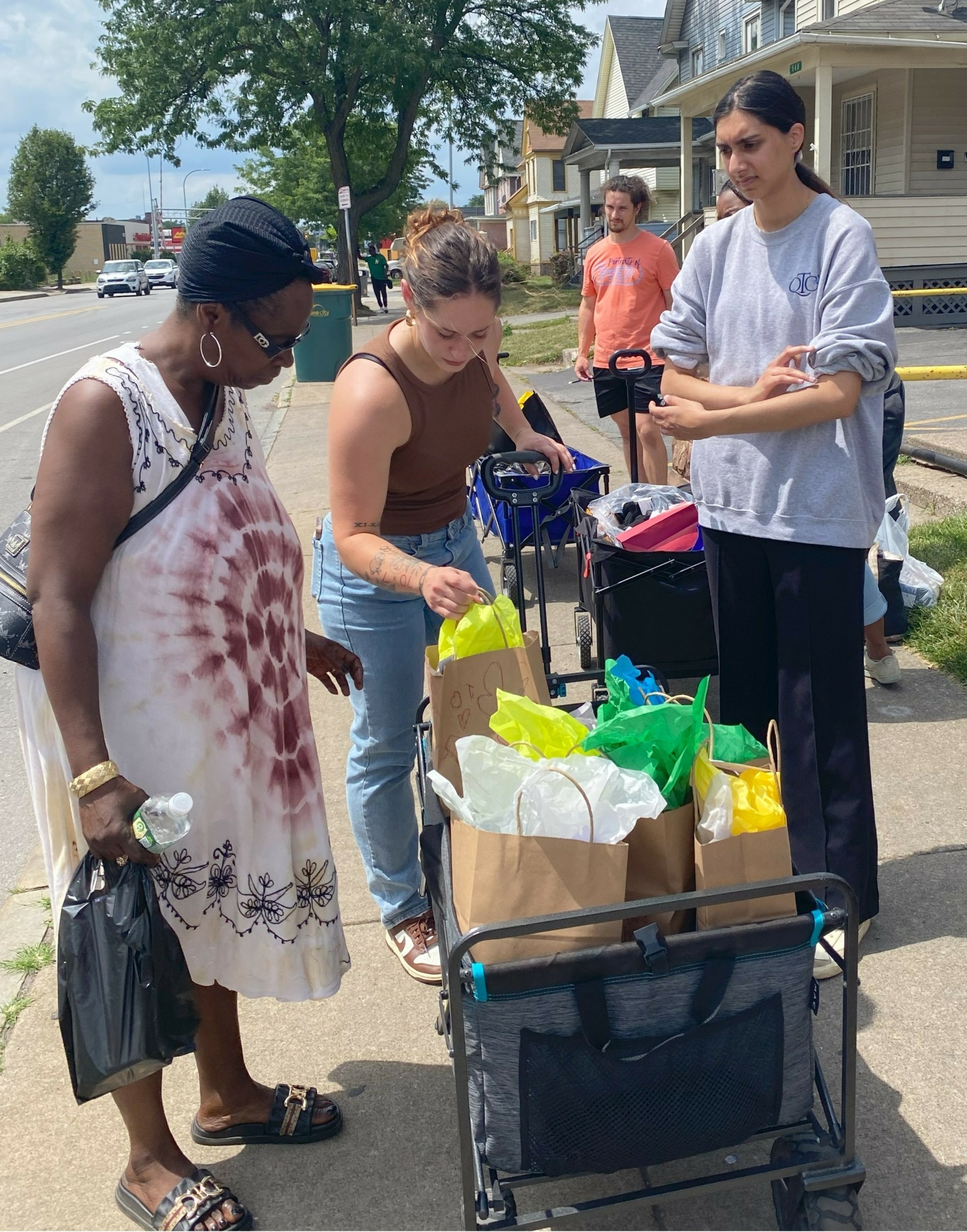
The reason we focus on the population of women survivors of sex trafficking, sexual exploitation and addiction is because we saw a huge need for more support of this population in our area. Through street outreach and our collaboration with law-enforcement, we see that this need keeps growing. We are working to expand our capacity to further help the women in need.

Can you share a story from your journey that illustrates your resilience?
I have had to really work hard to find the right people for my board of directors. In the nonprofit world the board of directors is extremely important! I have learned this since starting this organization in 2016. It’s one thing to have people on your board that are passionate about your mission and support you and what you’re trying to do, it is quite another thing to have people on your board with experience in nonprofit management to help you move forward.
Recently, we have come to a place where the Board of Directors that we have is insufficient in moving our mission forward in the way it needs to. We are in a period of what I call “the three Rs”, which stands for Retreat-Regroup-Return. I use this in my own recovery. I will hit a wall, and I need to take time away to re-center myself and focus on what is most important, self-care. I have learned that my organization needs that same care!
At this, we are working to establish what board members need to move into an advisory role and what positions we need to fill to help us move to the next level. In order to expand our capacity, this will involve a much larger budget than we have worked with, and it will entail, obtaining state and federal funding, which we have not done in the past.
It is a very scary time, but I know that this is needed in order to make us stronger and sustainable. I am grateful for my strong faith, and I always remember that this is God‘s mission, not mine.
Okay – so how did you figure out the manufacturing part? Did you have prior experience?
This is an interesting question! Part of the model that we follow from Thistle Farms is creating a social enterprise. This will create jobs and training for women in our residential program, as well as create a funding source that will go back into our residential program. At this time, we have formed a committee that is doing work to look at what that social enterprise will be and what will work best in our community.
The beauty of creating our own social enterprise is that we will have a place for women in our residential program to work where we know it will be run in a trauma-informed environment. This means the individuals that run the social enterprise will be trained in trauma-informed care and able to work with the women in a way that will not trigger any trauma responses and, if any are triggered, they will be trained in how to work through that. It is difficult for women that have a criminal record to find employment. By having our own social enterprise, we will be able to train and hire women that are interested in working for our organization.
Thistle Farms began their social enterprise by making candles in a church basement and selling them at local events and home parties. This has turned into a multimillion dollar bath and body product enterprise! They also run a café and storefront where they are able to sell not only the products that they make, but products from organizations within the National Network, as well as global partners that have joined the network. Their residential program is almost fully funded through these enterprises! this is a goal for us!
Contact Info:
- Website: https://www.brightstarcommunity.org/
- Instagram: brightstarheal
- Facebook: @brightstarcommunity