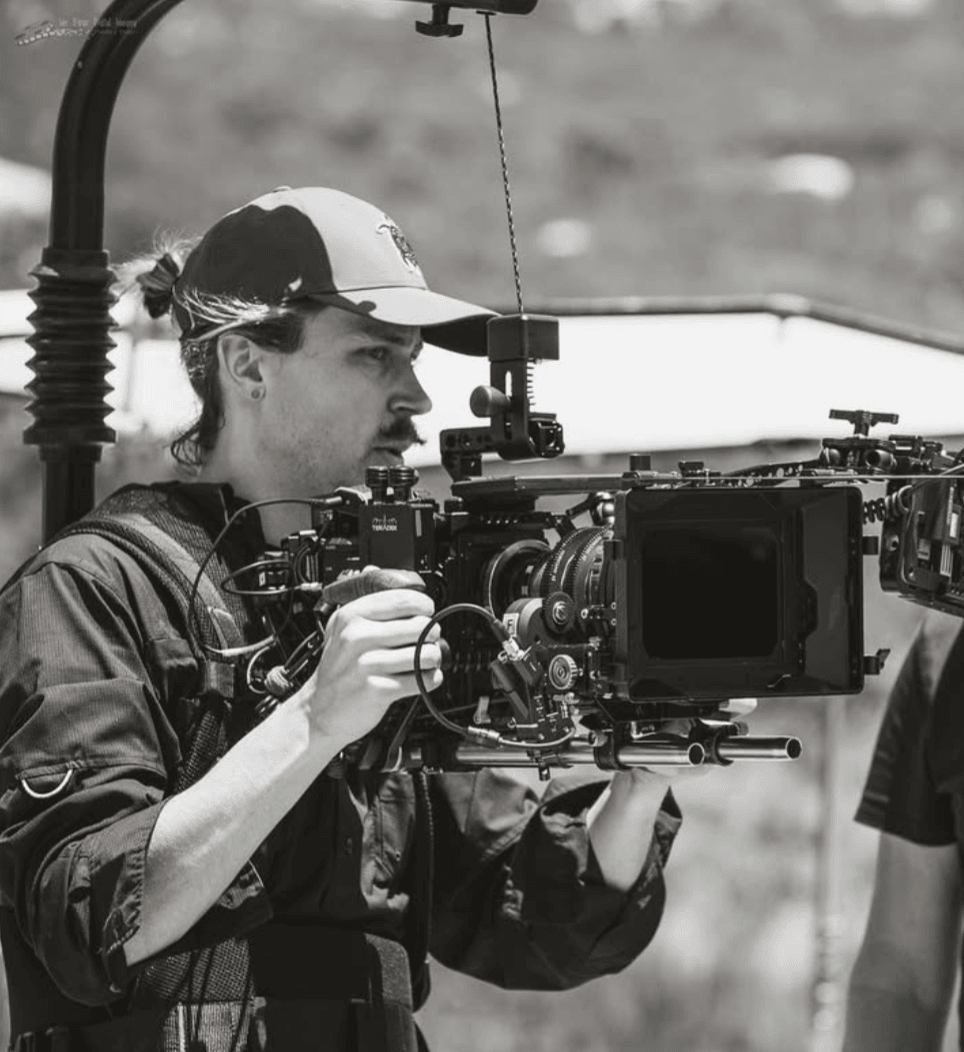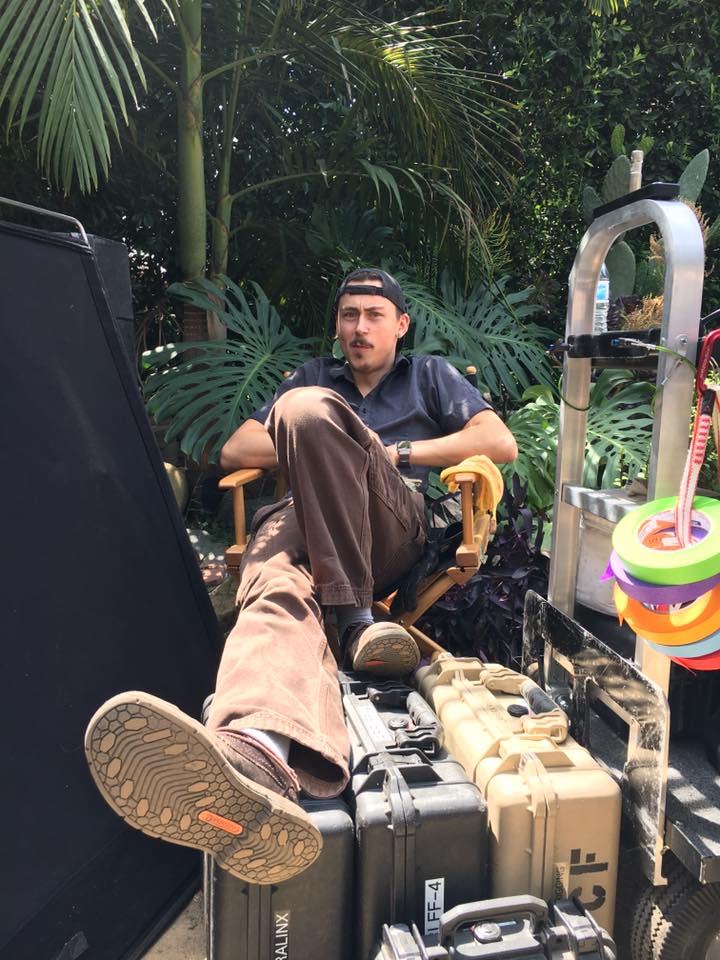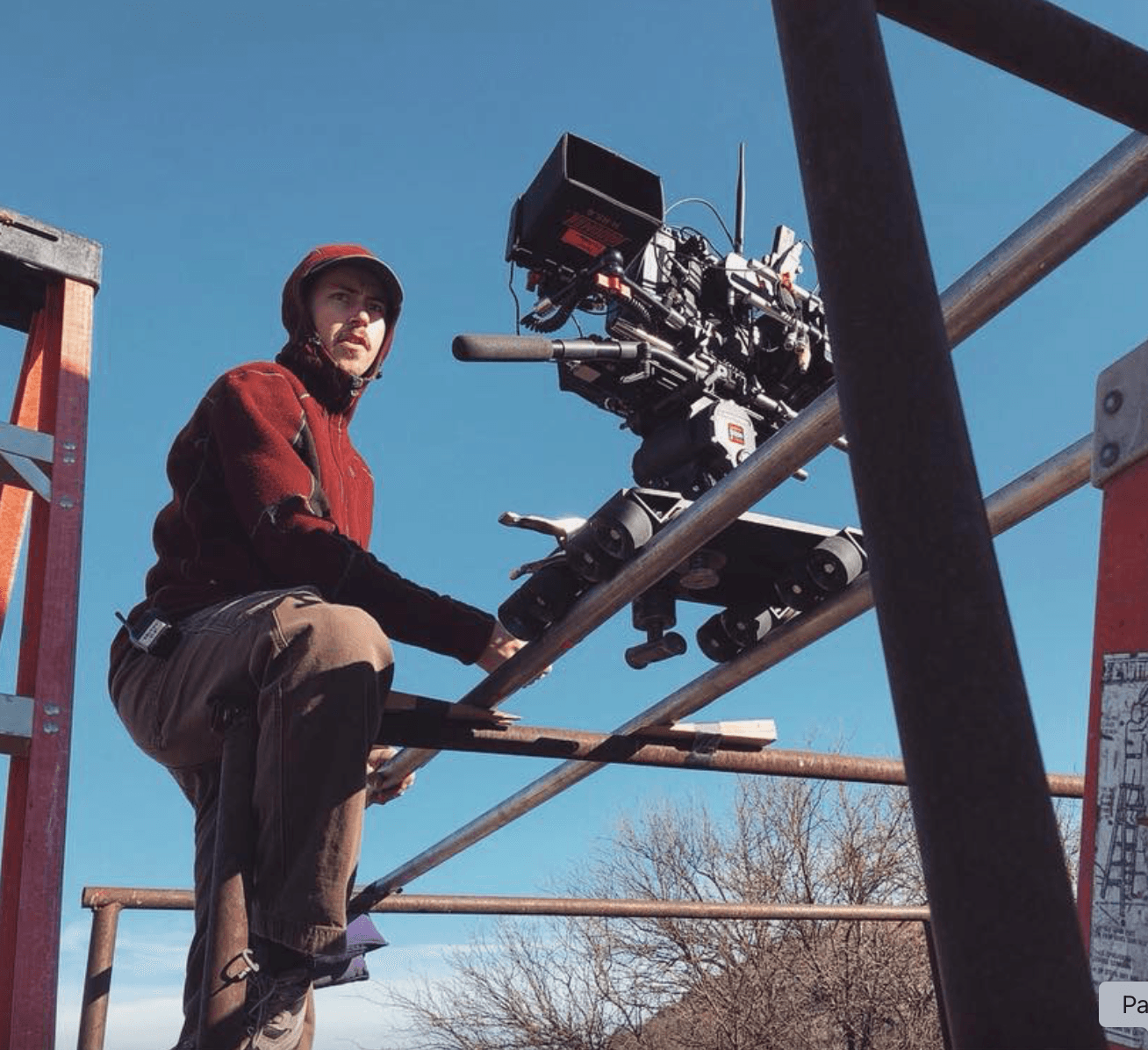

We caught up with the brilliant and insightful Peter Kingra-Mickelsen a few weeks ago and have shared our conversation below.
Peter, appreciate you joining us today. Learning the craft is often a unique journey from every creative – we’d love to hear about your journey and if knowing what you know now, you would have done anything differently to speed up the learning process.
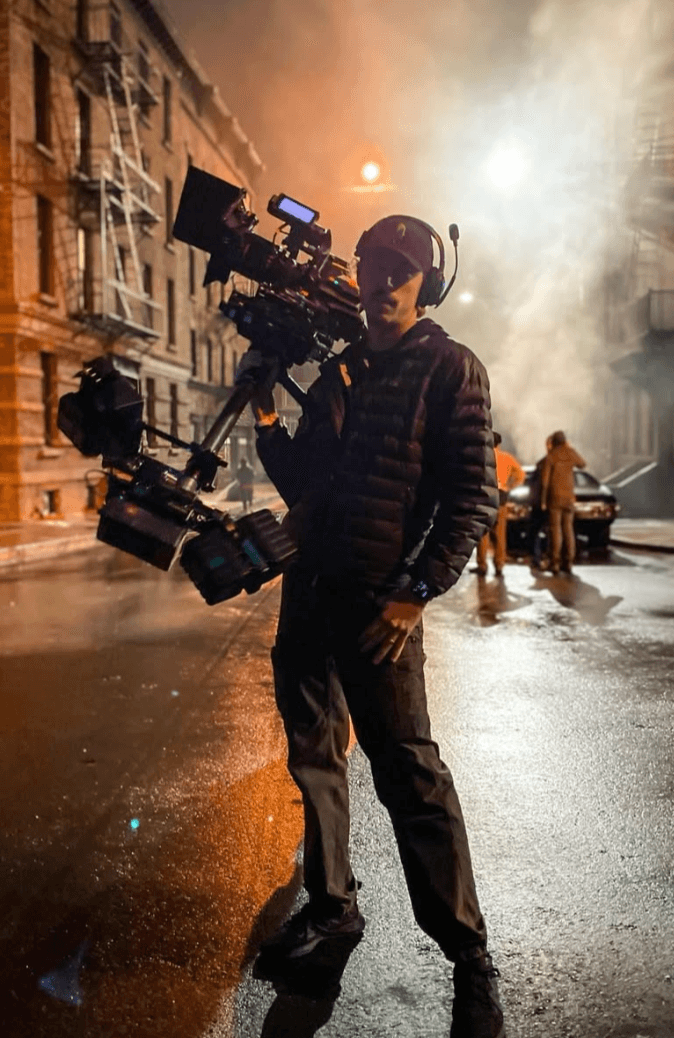
Honestly, the biggest thing was just learning by doing. I picked up the most by being on set—watching, experimenting, and figuring things out as I went. A lot of it came down to discovering my blind spots and actively working to fill them, whether through research, trial and error, or (no joke) countless YouTube tutorials. A couple of books really helped shape my understanding too: The Visual Story by Bruce Block and The Five C’s of Cinematography by Joseph V. Mascelli were both huge for me.
If I could go back, I’d probably take more risks earlier on. I wish I had pushed myself to take on roles that were slightly above my experience level—especially ones I aspired to grow into. When I was starting out, I worked mostly as a camera operator, but I knew I wanted to be a DP. I did seek out opportunities to DP for indie filmmakers, but in hindsight, I wish I’d done more of that, even if it felt intimidating. It’s tough because you need someone to trust your vision, especially when you’re still building experience, but that hands-on practice is where the real learning happens.
Being easy to work with. Sets run best when everyone brings a good attitude and can collaborate smoothly. Obviously, you’ve got to know your craft, but your personality on set really matters. There’s a balance between being flexible and standing your ground—and I think that skill just comes with experience and maybe age, too.
It’s the classic catch-22 — you need experience to land the bigger jobs, but you can’t get experience without doing them. It can feel like a frustrating loop. But the key is persistence — just keep putting yourself out there and don’t let “no” stop you. You really have to want it to stick with this industry. It’s a grind, and rejection is part of the journey, but if you love the work, it’s worth it.
As always, we appreciate you sharing your insights and we’ve got a few more questions for you, but before we get to all of that can you take a minute to introduce yourself and give our readers some of your back background and context?
I was born in Canada but moved to San Diego at a young age, so I pretty much grew up there. I was lucky enough to figure out early on that I wanted to work in film. Having a clear path made things a lot easier – especially when it came to choosing a college. I knew exactly what I wanted to study, so I ended up getting my film degree at CSUN, while also diving into philosophy on the side, which became my minor.
My career actually started in San Diego when I was a teenager, working on film sets. I started out as a PA (for those who aren’t familiar, a PA is basically the person who handles all the behind-the-scenes grunt work). It’s a tough role, but PAs are the backbone of the film industry, even if it often goes unrecognized. I was lucky to have some amazing mentors along the way, who really helped guide me and show me the ropes in my chosen department.
Film has always been a huge part of my life – my family was all about movies, and I mean all about movies. I’ve probably seen more films than I can count, especially classic Hollywood stuff. That deep love for storytelling really fuels my work today. I’ve always been drawn to the visual side of filmmaking. I love collaborating with directors and writers to bring a story to life – turning words on paper into something visually striking. Film is so subjective, and what resonates with one person might not connect with another, but that’s what I love about it. My passion for every aspect of it helps me take those scripts and make them something special on screen.
Honestly, the journey has been the most rewarding part. The people I’ve met, the friendships I’ve formed, they’ve all shaped me into a better filmmaker. I’ve learned to see things from different perspectives, and that only makes my storytelling stronger.
As for what sets me apart, I’d say it’s my attention to detail. I’m a perfectionist—probably to a fault—but it’s something I think really helps me tell a compelling story. And hey, I can proudly say I’ve never made a boring movie (though I’m sure opinions may vary—at least that’s what my wife tells me, so I’ll take it as a win!).
Do you have any insights you can share related to maintaining high team morale?
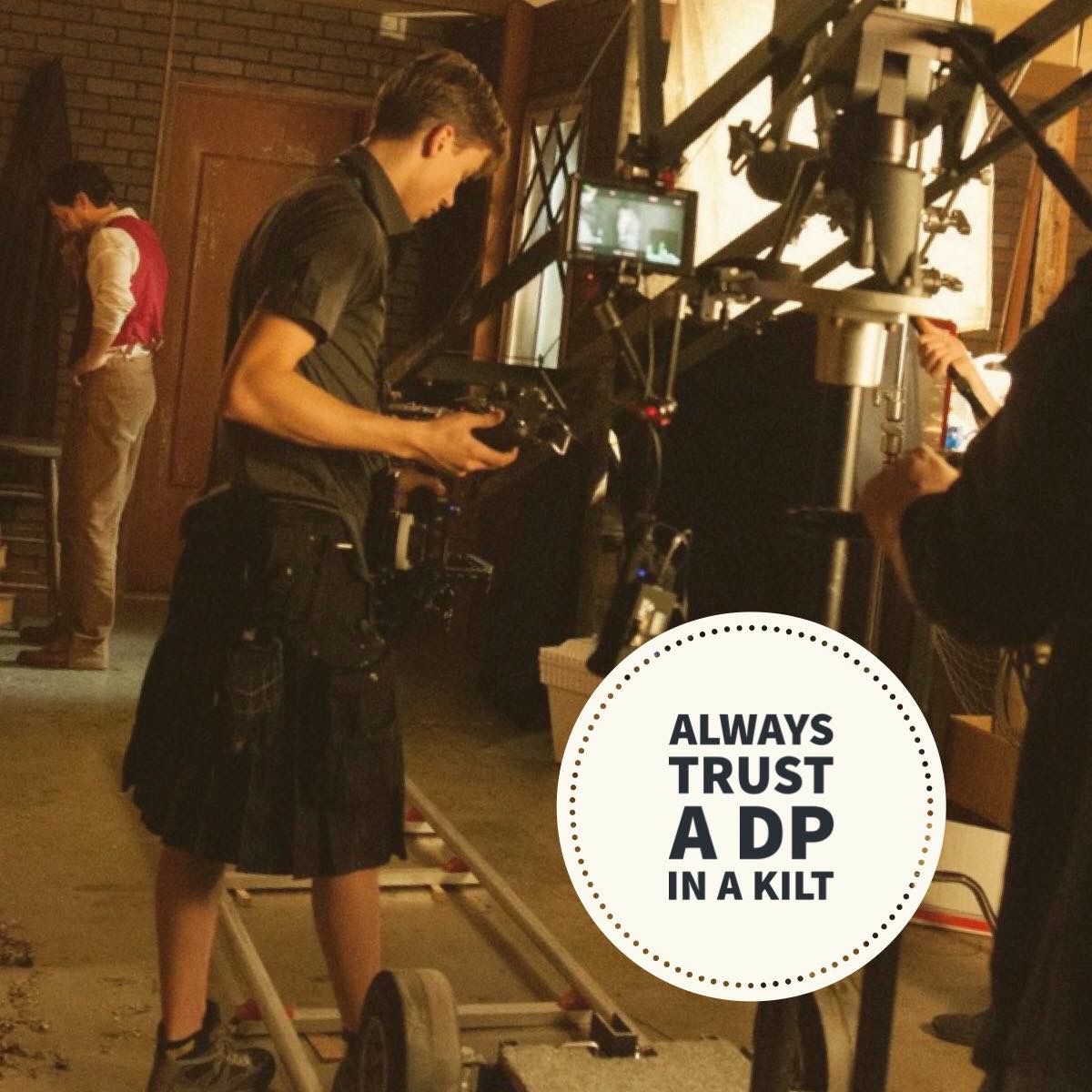
You’re nothing without your crew – that’s the most important lesson I’ve learned. How you treat the people working with you says a lot about who you are, both as a professional and as a person. As a DP, you’re managing an entire department, which can range anywhere from 2 people to 25. It’s your responsibility to make sure everyone’s on the same page and pulling in the same direction. Filmmaking is the ultimate group project – you simply can’t do it alone.
When the crew sees their leader come in with a positive attitude and actively engaged in the project, it sets the tone. Things won’t always go perfectly, but staying grounded under pressure can make a huge difference.
It’s really about balance, knowing when to push and when to give people space to breathe. Film sets can get intense, and that can easily burn people out if you’re not careful. Creating an environment where everyone feels respected, valued, and heard is absolutely crucial. You don’t want people running on fumes, but you also can’t lose momentum.
Communication is key. Regular check-ins, acknowledging hard work, and being transparent about what’s happening on set whether it’s a challenge or a win goes a long way. As cheesy as it sounds, it’s about making sure everyone feels like they’re part of something bigger than just their individual tasks. When the team feels invested in the project, they’ll give it their all.
And mostly don’t forget to have fun along the way. Morale can take a hit when people feel like their work isn’t appreciated. Whether it’s a quick break, a spontaneous team bonding moment, or a simple coffee order for everyone, those small gestures really go a long way. You need to be able to laugh together, because trust me, there are days when you’ll want to cry together. It’s a team effort, and that’s the core of it.
What’s the most rewarding aspect of being a creative in your experience?
For me, the most rewarding aspect of being a creative is the ability to bring something to life that didn’t exist before. Whether it’s a story, an idea, or a visual concept, the process of turning a thought into something tangible that others can experience – that’s magic. It’s like you’re taking a piece of your own soul and putting it out there for the world to see. That feeling of sharing something you’ve built, crafted, and nurtured, and watching others connect with it? It’s indescribable.
The other part that’s incredibly rewarding is the constant learning and growth. No matter how long you’ve been in the industry, there’s always something new to discover, a new challenge to face, a new way to tell a story or create a moment. As an artist, you’re never stagnant – you’re always evolving, and that’s exciting. It’s about pushing boundaries, experimenting, and always striving to be better.
But ultimately, it’s the connection with people that makes it all worthwhile. Art without an audience is not complete. You need the artist and the art and the audience to complete the circle. The moments when you create something that resonates with others, whether it sparks emotion, thought, or just a little bit of wonder – those are the moments that remind you why you do it in the first place.
Contact Info:
- Website: https://www.petermickelsen.com