

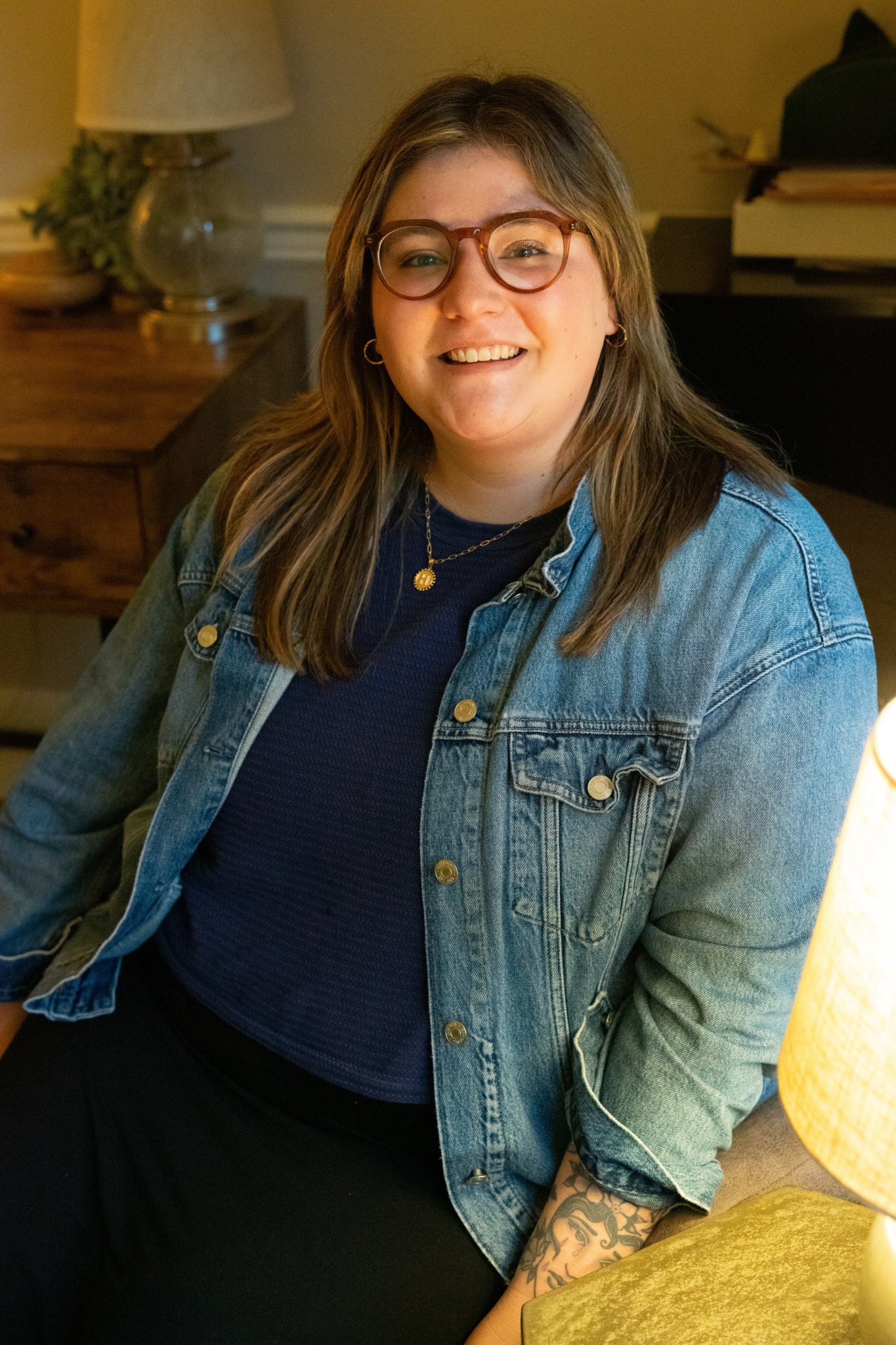

We’re excited to introduce you to the always interesting and insightful Hannah Pollok. We hope you’ll enjoy our conversation with Hannah below.
Hi Hannah, thanks for joining us today. Setting up an independent practice is a daunting endeavor. Can you talk to us about what it was like for you – what were some of the main steps, challenges, etc.
I suppose you could say I am still in the “early days” of my private practice, but because the steps were so gradual, it feels like I’ve been doing this a long time. I’ve always kind of known that I would take this step, branch off on my own, and pursue private practice, starting my own business. But for a while, in grad school especially, I was really scared. This job can come with a lot of pressure. I told someone recently, that there’s a lot of ways therapists can make mistakes. I was scared of being on my own, with no boss, no coworkers. And I was scared of the business side of things. As far as my first steps, I spent a lot of time deciding what my therapy “niche” would be, how I would stand out from the many other practices in the Nashville area. I decided on the types of clients I would work with, a business name that I could stand to be referred to for the forseeable future, and I started on my website. I have a marketing background, so I suppose that is why these things are important to me and felt like a natural first step. Looking back, I think I could have benefited from thinking through some logistics through, like applying for an LLC up front, and looking for office space earlier so I didn’t feel rushed, but at the end of the day, it has all worked out. I think if I was giving a young therapist advice, I’d say that it is important not to let the details scare you. If having autonomy and creating a unique business for your community are important to you, jump in. Launch your practice!
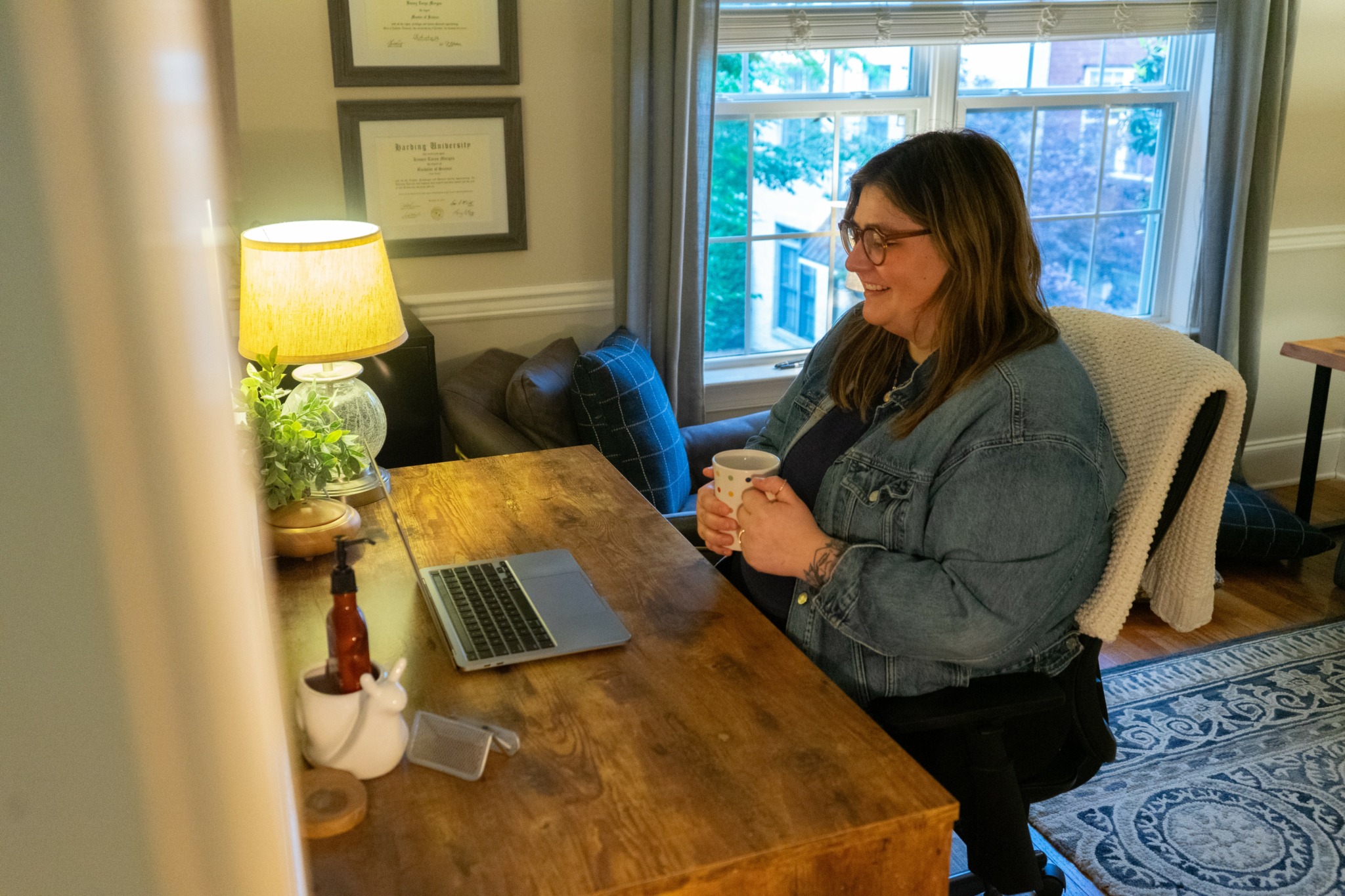
As always, we appreciate you sharing your insights and we’ve got a few more questions for you, but before we get to all of that can you take a minute to introduce yourself and give our readers some of your back background and context?
I became a therapist for the same reason a lot of therapists do: I had my own struggles with mental health. When I was fresh out of undergrad, I was going through some of the hardest times in my life. I had just lost my father unexpectedly and I was dealing with a slew of mental health (and physical) symptoms that I had zero emotional tools to navigate. I figured it was time to find a therapist. After a few months of consistent sessions with my awesome therapist (shout out to Liz! She’s a real one), I started to process trauma, the loss of my dad, and figure out what exactly my symptoms were coming from. One day, Liz pointed out that my extreme mood shifts, depression, suicidal thoughts, and even my back pain and fatigue were cyclical. She asked if I’d ever heard of this thing called PMDD (Premenstrual Dysphoric Disorder). I hadn’t, but after doing a whole lot of Googling, I realized it was exactly what I had been experiencing. For those of you who don’t know, PMDD is a debilitating disorder that comes with both mental and physical symptoms, such as severe depression, anxiety, mood swings, irritability, change in sleep patterns, fatigue, headaches, joint/muscle pains, extreme cravings, feeling overwhelmed and out of control — just to name a select few. The International Association for Premenstrual Disorders (IAPMD) describes it as, “a severe negative reaction in the brain that is directly connected to the natural hormonal fluctuations of the menstrual cycle and is triggered when ovulation occurs.” PMDD affects 1 in 20 AFAB (assigned female at birth) individuals, though many do not know about it, because women’s health is not often researched as it should be. With the help of my therapist and psychiatrist, I was able to find ways to manage my PMDD symptoms and finally start to feel a bit more stable. I became fascinated by PMDD, premenstrual disorders and women’s mental health in general. Fast forward to 2020, the height of the pandemic; Like many, I had a lot of time on my hands and found myself questioning my life choices and started to consider another career path. I wanted a job that meant something, that allowed me to help people and gave me flexibility to manage my own mental health. On a whim, I enrolled in Lipscomb University’s Marriage & Family Therapy Program. I graduated in 2022. Since my internship in graduate school, I have made it a priority to work with individuals suffering from PMDD. I was the only one in my program who worked with this population, and I soon became aware that there were not nearly enough therapists in Tennessee (or the country, for that matter) working with these folks. From the beginning, I have found this work to be incredibly important. It is so important for people suffering from this disorder, or any disorder really, to understand how their brain works, how their mind and body are affected by what is going on, and how they can find hope and healing in the process. Since becoming a licensed professional, I’ve continued my work with premenstrual disorders, naming my practice Luna Therapy Center, because like the moon, we all have phases and cycles that we go through. Additionally, I have branched out a bit into other clinical areas that interest me. I work with both individuals and couples, typically people in the LGBTQIA+ community and those with neurodivergence (ADHD, Autism Spectrum Disorder, OCD). Over the last several years, I have found that due to the region we’re in, these are often people in need of a therapist who is both affirming and inclusive. I strive to be the kind of therapist that supports and empowers people from all different backgrounds and experiences. I love this work and I am proud of what I’ve built so far, and I hope to continue to build upon it for years to come.

If you could go back in time, do you think you would have chosen a different profession or specialty?
If I could go back, I would one thousand percent chose the same profession. Though this is hard work and without the proper self care, rest and boundaries it can take a toll on you, it is incredibly rewarding and important. I also love that there’s always more to learn. While I may be in the same career for 30+ years, the field is always growing and changing. More research is always being done, with new ideas and modalities unearthed. I’ve always said that I love school and will be a student until the day I die, so this is a great career for me.
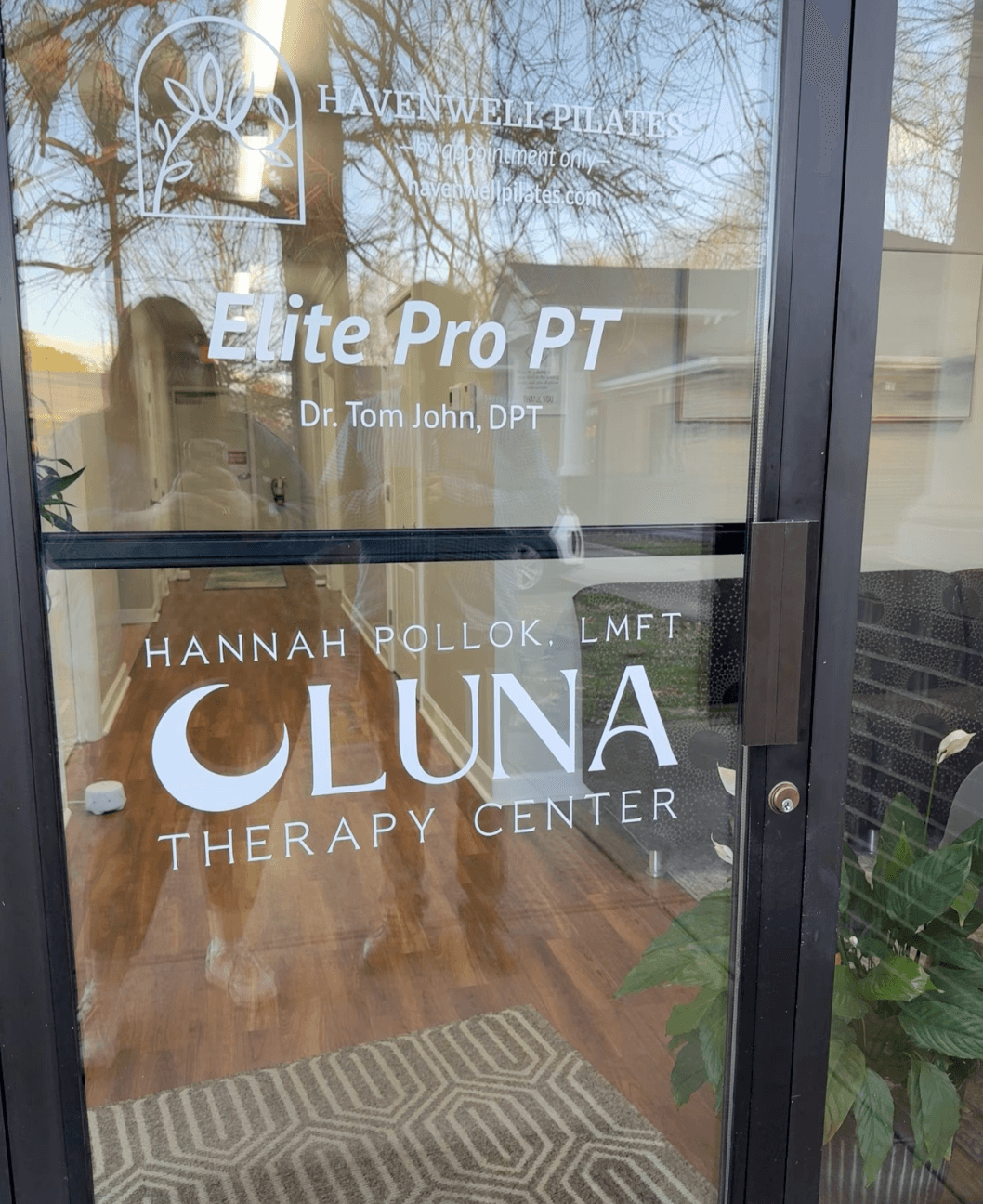
What’s been the most effective strategy for growing your clientele?
I think the most effective strategy for growing my clientele has likely been, again, standing out among many. In the southern United States, I believe it can be incredibly difficult to find an affirming, inclusive therapist. It can be difficult to find someone that works with, and has the training and expertise for working with individuals in LGBTQIA+ community, couples navigating ethical nonmonogamy/polyamory, etc. Even outside of these communities, I have heard from clients that they have had experiences with therapists who have pushed their religion or political agenda onto them in sessions. It is stories like this that make me sad, but also dumbfound me, as I believe that as mental health therapists, it is our job to create a space for all, to remain neutral, sure, but above all, to listen to our clients and make them feel heard, seen and safe. While these values align with my own, I suppose it also benefits me that this type of therapist is being sought out in my area. I also like to “advertise” myself as a therapist that may appeal to a specific type of person: relaxed, casual in the therapy room, with a good bit of humor to keep things real. Additionally, I believe that marketing my practice as one that caters to other populations such as neurodivergent folks and people living with PMDD. PS – In the last year, I have started to accept insurance at my practice, which has grown my caseload a great deal! Turns out, in this economy, a lot of people can’t afford therapy and would like to take advantage of their health insurance. I know, big surprise! I think it’s been a great opportunity to make therapy services more accessible to people in TN.
Contact Info:
- Website: https://lunatherapycenter.com/
- Instagram: https://www.instagram.com/hannahpolloktherapy/
- Linkedin: https://www.linkedin.com/in/hannah-r-pollok-lmft-241530b9/
- Other: https://www.psychologytoday.com/us/therapists/hannah-r-pollok-franklin-tn/858826
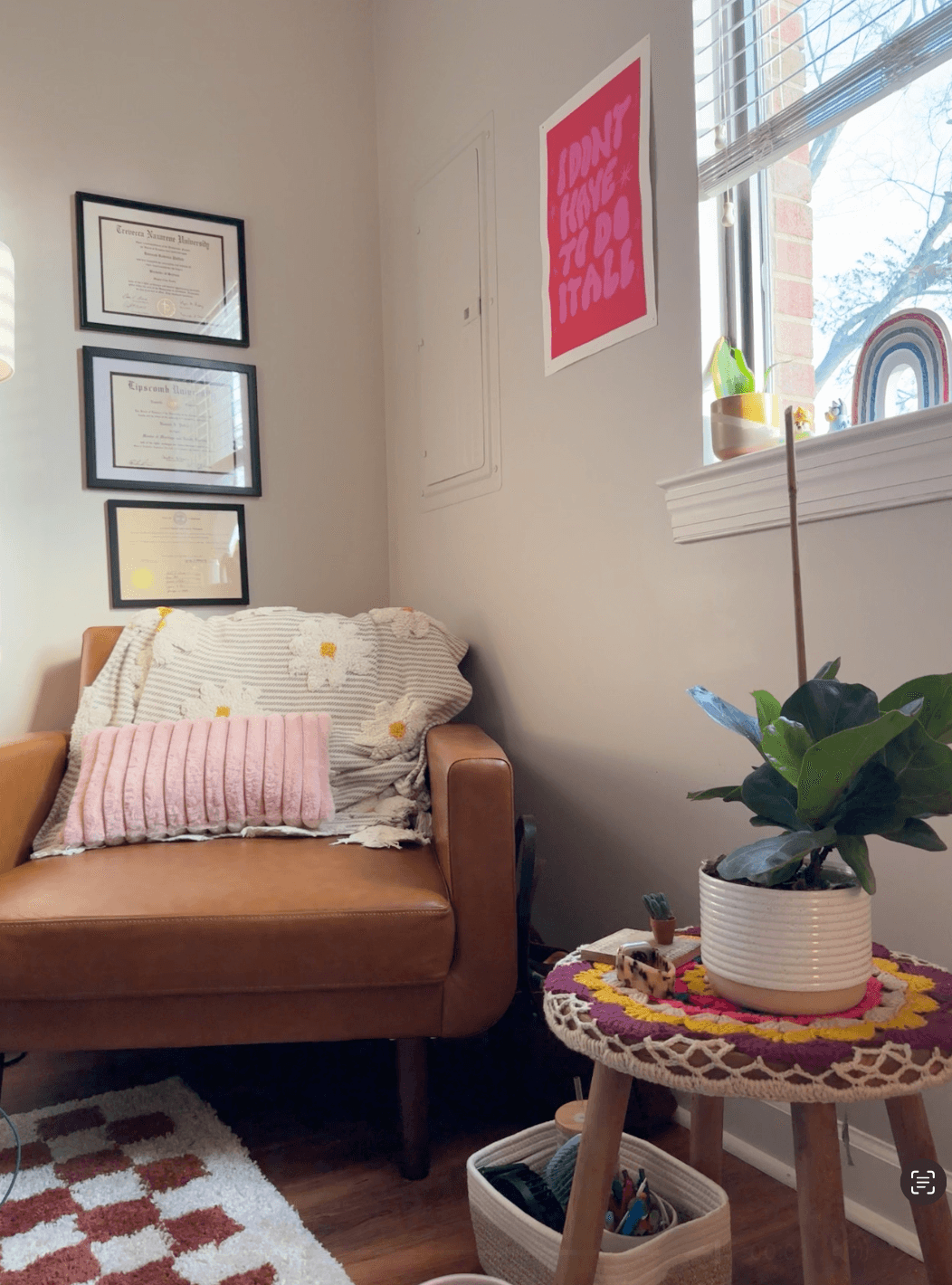
Image Credits
First 3 images (of Hannah) taken by Amanda Johnson
Last 3 images taken by Hannah Pollok